
Updated planning guide for 2026-2027
Minibus Dala-Dala Travel In Tanzania: Complete Guide 2026-2027
Discover the authentic way to travel Tanzania: by minibus dala-dala. This guide covers everything from routes and fares to cultural insights and practical tips for your 2026-2027 adventure.
WhatsApp +255616946642 | topguideadventures@gmail.com | info@topguideadventures.com
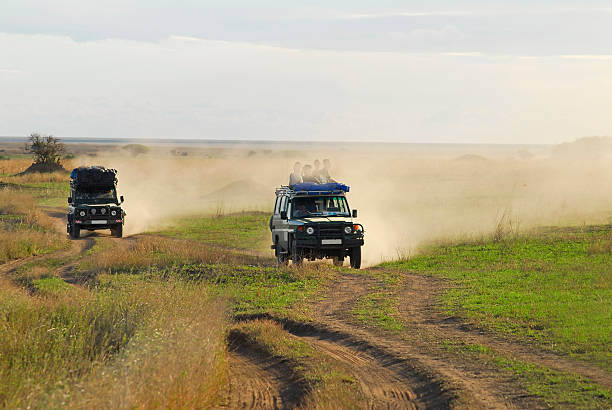
Minibus Dala-Dala Travel in Tanzania: The Essential Planning Guide
For many travelers, the idea of exploring Tanzania conjures images of vast savannas, majestic wildlife, and pristine beaches. While luxury safaris and guided treks are popular, a truly unique and immersive experience lies in embracing local transportation. This is where the minibus dala-dala travel in Tanzania comes into play. These ubiquitous minibuses are the lifeblood of inter-city and intra-city travel, offering a genuine glimpse into daily Tanzanian life. If you’re seeking an affordable, adventurous, and culturally rich way to see the country, understanding how to navigate the dala-dala network is key.
This guide is designed to equip you with all the necessary information to plan your dala-dala journeys. We’ll cover everything from understanding the routes and fares to cultural etiquette, safety considerations, and how to best integrate this mode of transport into your 2026-2027 travel plans. Whether you’re a seasoned backpacker or a curious first-time visitor, this resource aims to demystify dala-dala travel and help you make the most of your Tanzanian adventure.
Quick Answer: What is Minibus Dala-Dala Travel in Tanzania?
Minibus dala-dala travel in Tanzania refers to using shared minibuses, similar to matatus in Kenya or colectivos in other parts of the world, as a primary mode of public transport. They connect major towns, cities, and even smaller villages, operating on fixed or semi-fixed routes. They are known for being cost-effective, frequent, and a vibrant part of the local culture, though they can be crowded and journeys can be lengthy.
| Feature | Details |
|---|---|
| Type of Vehicle | Minibuses (often Toyota Hiace or similar) |
| Service | Shared public transport, fixed or semi-fixed routes |
| Frequency | High, especially on popular routes and during daylight hours |
| Cost | Very affordable, significantly cheaper than private taxis or tourist buses |
| Comfort | Basic; can be crowded, hot, and bumpy. Luggage space is limited. |
| Routes | Inter-city, intra-city, and rural connections |
| Best For | Budget travelers, backpackers, cultural immersion seekers |
| Language | Swahili is primary; some English spoken in tourist hubs |
Understanding the Dala-Dala Network
The dala-dala system is a complex yet efficient network that crisscrosses Tanzania. These minibuses are not just a way to get from point A to point B; they are social hubs where you’ll witness everyday life, hear local music, and perhaps even strike up conversations with fellow passengers. Understanding how this network operates is the first step to successful minibus dala-dala travel in Tanzania.
How Dala-Dalas Operate
Dala-dalas typically depart from designated bus stands or specific street corners. They usually wait until they are full before setting off, which can mean a significant wait, especially during off-peak hours or on less popular routes. Once a route is established, they follow it, making stops to pick up and drop off passengers along the way. There isn’t usually a strict timetable; departures are dictated by passenger numbers.
The name ‘dala-dala’ itself is believed to originate from the Tanzanian Shilling (Tsh), where a common fare was one ‘dala’ (ten shillings). While the currency has evolved, the name has stuck.
Routes and Destinations
Dala-dalas cover an extensive range of routes:
- Intra-city: Within major cities like Dar es Salaam, Arusha, Mwanza, and Dodoma, dala-dalas connect different neighborhoods, markets, and transport hubs. These are often the most frequent and easiest to use.
- Inter-city: Longer routes connect major towns. For example, you can travel between Arusha and Moshi, or Dar es Salaam and Morogoro, using dala-dalas. However, for very long distances (e.g., Arusha to Dar es Salaam), tourist buses or private transfers are often more practical due to the time and comfort factor.
- Rural connections: In some areas, dala-dalas are the only public transport option, connecting smaller villages to larger towns.
Key Hubs for Dala-Dala Travel
When planning your minibus dala-dala travel in Tanzania, knowing the main hubs is essential:
- Dar es Salaam: The largest city and former capital, Dar es Salaam has an extensive dala-dala network. The main hubs are the Ubungo Bus Terminal (for inter-city) and various smaller stations and street corners for intra-city routes.
- Arusha: The gateway to Northern Circuit safaris and Kilimanjaro. Arusha’s dala-dala station is a vital point for travelers arriving or departing.
- Moshi: Another key town for Kilimanjaro trekkers and near Mount Kilimanjaro National Park.
- Zanzibar: While dala-dalas exist on the island (often called ‘dalla-dallas’ or just ‘dala-dalas’), they are less extensive than on the mainland. Stone Town has a central bus station, and routes connect to various beaches and towns.
Tanzania Dala-Dala Route Overview (Simplified)
This is a conceptual illustration of how dala-dala routes might connect key areas. Actual routes and connections can be complex and vary.
Northern Circuit Hub (Arusha)
|
+– Moshi
|
+– Karatu (gateway to Ngorongoro, requires transfers)
Coastal Hub (Dar es Salaam)
|
+– Morogoro
|
+– Tanga (coastal)
|
+– Zanzibar (via ferry to Dar es Salaam, then island dala-dala)
Central/Western Hub (Mwanza)
|
+– Shinyanga
|
+– Tabora
Note: For safari destinations like Serengeti or Ngorongoro Crater, direct dala-dala access is limited. These require dedicated safari vehicles.
Why Choose Dala-Dala Travel?
While it might seem daunting to some, choosing minibus dala-dala travel in Tanzania offers distinct advantages, especially for budget-conscious and adventurous travelers planning for 2026-2027.
Cultural Immersion
This is arguably the biggest draw. Traveling by dala-dala means you are sharing space with locals – students, traders, families, workers. You’ll hear Swahili spoken all around you, observe daily interactions, and get a feel for the rhythm of Tanzanian life that you simply won’t experience from inside a private tour vehicle. It’s a direct window into the heart of the country.
Affordability
Dala-dalas are incredibly cheap. Fares are set by local authorities and are a fraction of the cost of private taxis, tourist buses, or internal flights. This makes them an ideal option for backpackers and those on a tight budget looking to maximize their travel experience without breaking the bank.
Flexibility and Spontaneity
While dala-dalas operate on fixed routes, the network allows for a degree of spontaneity. You can hop on and off at various points, explore local markets, or change your plans more easily than with pre-booked, rigid transport schedules. This can lead to unexpected discoveries and richer travel stories.
Environmental Friendliness (Per Person)
When packed with passengers, the carbon footprint per person on a dala-dala is significantly lower than that of a private car or even a less-than-full tourist bus. It’s a more sustainable way to travel, especially for shorter distances within towns.
Planning Your Dala-Dala Journey
Successful minibus dala-dala travel in Tanzania requires some planning and awareness. Here’s how to prepare:
Best Time to Travel by Dala-Dala
Dala-dalas operate year-round. However, consider the following:
- Peak Seasons (June-October, December-February): These periods see more domestic travel. Dala-dalas will likely be fuller, and wait times might be longer. However, they remain the most reliable form of transport.
- Rainy Seasons (March-May, November): Roads can become muddy and impassable in remote areas, potentially causing delays or route changes. Main roads are generally fine, but journeys might be slower.
- Daylight Hours: Most dala-dalas operate from early morning (around 6 AM) until dusk (around 6 PM-7 PM). Night travel is generally not recommended or available for dala-dalas, especially on longer routes. Plan your travel to arrive at your destination well before dark.
Routes and Itinerary Considerations for 2026-2027
When integrating dala-dalas into your 2026-2027 itinerary:
- Start with Shorter Routes: If you’re new to dala-dala travel, begin with intra-city routes in Dar es Salaam or Arusha to get a feel for it.
- Inter-city for Shorter Distances: Routes like Arusha-Moshi (approx. 2-3 hours) or Dar es Salaam-Morogoro (approx. 4-5 hours) are manageable.
- Longer Distances: For journeys over 6-8 hours, consider tourist buses (like Scandinavia, Abood, or Princess) or flights for comfort and time efficiency. Dala-dalas for these distances can be exhausting.
- Safari Destinations: Direct dala-dala access to national parks like Serengeti, Ngorongoro, or Tarangire is generally not feasible. These require specialized safari vehicles. You might use a dala-dala to reach a town near a park entrance (e.g., Karatu for Ngorongoro access), but then you’ll need to arrange local transport or a safari vehicle.
- Zanzibar: Dala-dalas are common for island travel (e.g., Stone Town to Nungwi or Paje). They are slow but very cheap.
Luggage and Packing
This is a crucial consideration for minibus dala-dala travel in Tanzania.
- Pack Light: Dala-dalas have limited luggage space. Most bags will need to be stored on your lap, under your seat, or in the limited space above the seats. Large backpacks or suitcases can be very difficult to manage.
- Soft Bags Preferred: Duffel bags or backpacks that can be compressed are easier to fit than rigid suitcases.
- Secure Your Valuables: Always keep your valuables (passport, money, phone) on your person. Do not check luggage that contains anything irreplaceable or highly valuable.
- Consider a Daypack: Use a smaller daypack for essentials you’ll need during the journey (water, snacks, book, camera).
Fares and Payment
Fares are generally fixed for specific routes and are very affordable. Here’s how to handle them:
- Ask for the Fare: Before boarding, ask the conductor (often called ‘mpigapiga’ or ‘daladala conductor’) for the fare to your destination. This avoids confusion.
- Pay the Conductor: Fares are paid directly to the conductor, usually after you’ve boarded and the journey has started.
- Have Small Change: While conductors can make change, having smaller denominations of Tanzanian Shillings (Tsh) is helpful.
- Typical Costs: Intra-city fares might range from 500 Tsh to 2,000 Tsh (less than $1 USD). Inter-city routes will be more, but still very low (e.g., Arusha-Moshi might be 10,000-15,000 Tsh, under $7 USD). These are estimates and can change.
Navigating Bus Stands and Boarding
Bus stands can be chaotic, especially in larger cities. Here’s how to navigate them:
- Identify the Right Stand: Ask locals or your accommodation for the specific dala-dala stand for your desired route.
- Find Your Route: Look for signs or ask people which dala-dala goes to your destination. Conductors will often shout out their destinations.
- Be Assertive but Polite: It can be crowded. Politely but firmly make your way to the dala-dala you need.
- Boarding: Wait for passengers to disembark first. Then, board quickly. The conductor will usually collect fares once you’re moving.
What to Expect on a Dala-Dala Journey
Prepare yourself for a unique experience. Minibus dala-dala travel in Tanzania is not about luxury, but about authenticity.
The Ride Experience
- Crowding: Dala-dalas can get very full, with passengers often squeezed in. Be prepared for close proximity to others.
- Comfort: The seats are basic. The ride can be bumpy, especially on less-maintained roads. It can also get hot, as air conditioning is rare.
- Music: Expect loud local music, which is part of the atmosphere.
- Stops: Dala-dalas stop frequently to pick up and drop off passengers. This means journeys can take longer than expected.
- Conversation: Many locals are curious about foreigners. Be open to friendly conversations, but also feel free to politely decline if you prefer quiet.
Safety Considerations
While generally safe, it’s wise to be aware of potential risks:
- Petty Theft: Like any crowded public transport, pickpocketing can occur. Keep valuables secure and out of sight.
- Driving Standards: Driving can be erratic at times. Drivers are experienced with local conditions, but sudden braking or acceleration can happen.
- Night Travel: Avoid traveling on dala-dalas after dark, especially on longer routes. Stick to daylight hours.
- Road Conditions: Be aware that road quality varies significantly. Journeys can be rough and slow.
- Seatbelts: Not always available or used. If they are, using them is advisable.
Food and Drink
Bring your own water and snacks for longer journeys. While there are frequent stops, having provisions ensures you’re comfortable. You can buy water, snacks, and even meals at larger bus stops.
Language
Swahili is the national language and is spoken by everyone. While some people in tourist areas might speak a little English, don’t rely on it. Learning a few basic Swahili phrases will greatly enhance your experience:
- Habari? (Hello/How are you?)
- Nzuri (Good/Fine)
- Asante (Thank you)
- Asante sana (Thank you very much)
- Tafadhali (Please)
- Bei gani? (How much?)
- Nataka kwenda… (I want to go to…)
- Maji (Water)
- Chakula (Food)
Dala-Dala Travel Packing Checklist
- Backpack/Duffel Bag: Lightweight and easy to manage.
- Daypack: For essentials during the journey.
- Water Bottle: Reusable, to stay hydrated.
- Snacks: Non-perishable items for longer trips.
- Small Swahili Phrasebook or App: For communication.
- Portable Charger/Power Bank: To keep your phone charged.
- Headphones: For your own music or to tune out the dala-dala’s.
- Hand Sanitizer: For hygiene.
- Wet Wipes: Useful for freshening up.
- Small amount of Cash: For fares and small purchases.
- Copies of Documents: Keep originals secure.
- Lightweight Rain Jacket/Poncho: Especially during rainy seasons.
Common Mistakes to Avoid
To ensure your minibus dala-dala travel in Tanzania is as smooth as possible, be aware of these common pitfalls:
- Overestimating Speed and Comfort: Don’t expect express service or plush seating. Journeys take time and can be tiring.
- Not Asking for the Fare Before Boarding: This can lead to confusion or being overcharged. Always confirm the price.
- Carrying Too Much Luggage: This will make your journey extremely difficult and uncomfortable for you and other passengers.
- Traveling After Dark: Stick to daylight hours for safety and reliability.
- Not Being Prepared for Delays: Dala-dalas wait until full, and roads can be unpredictable. Build buffer time into your schedule.
- Ignoring Local Etiquette: Be respectful of other passengers. Avoid loud or disruptive behavior.
- Not Securing Valuables: Treat dala-dalas like any crowded public transport – keep your belongings close and secure.
- Assuming English is Widely Spoken: While many Tanzanians are friendly and helpful, relying solely on English can be a barrier.
Who is Dala-Dala Travel Best For?
Minibus dala-dala travel is not for everyone, but it’s ideal for certain types of travelers:
- Budget Backpackers: Those looking to stretch their travel funds as far as possible.
- Independent Travelers: Individuals or small groups who enjoy navigating independently and experiencing local life.
- Cultural Enthusiasts: Travelers who prioritize authentic interactions and understanding local culture over comfort.
- Adventurous Souls: Those who embrace challenges and see potential discomfort as part of the adventure.
- Short-Distance Travelers: Ideal for getting around within cities or for relatively short inter-city hops.
Who Might Prefer Alternatives?
- Luxury Travelers: Those seeking comfort, privacy, and premium services.
- Families with Young Children: The crowded and bumpy nature of dala-dalas may not be suitable for very young children.
- Travelers with Limited Mobility: Boarding and disembarking can be challenging, and space is often very tight.
- Time-Constrained Travelers: If you have a tight schedule and need to cover long distances quickly, tourist buses or flights are better options.
- Travelers Carrying Significant Luggage: Large suitcases or multiple bags are impractical for dala-dala travel.
Alternatives to Dala-Dala Travel
If dala-dala travel isn’t for you, Tanzania offers several other excellent transportation options:
| Option | Pros | Cons | Best For |
|---|---|---|---|
| Minibus Dala-Dala | Cheapest, most authentic, high frequency. | Crowded, slow, uncomfortable, limited luggage, not for long distances. | Budget backpackers, cultural immersion, short trips. |
| Tourist Buses (e.g., Scandinavia, Abood) | Affordable, more comfortable than dala-dalas, fixed schedules, good for inter-city. | Less authentic, can still be crowded, limited stops. | Inter-city travel, budget-conscious but seeking comfort. |
| Private Transfers/Taxis | Comfortable, convenient, door-to-door service, flexible. | Most expensive, less local interaction. | Luxury travelers, families, groups, those with tight schedules, significant luggage. |
| Internal Flights (e.g., Precision Air, Coastal Aviation) | Fastest for long distances, avoids road travel. | Expensive, airport transfers needed, limited routes. | Covering vast distances quickly, time-sensitive travelers. |
| Safari Vehicles | Essential for national parks, comfortable, designed for game viewing. | Only for safari circuits, expensive. | Safari tours in Serengeti, Ngorongoro, etc. |
Planning Your 2026-2027 Trip with Dala-Dalas
As you plan your Tanzanian adventure for 2026-2027, incorporating minibus dala-dala travel in Tanzania can add a unique dimension. Here are some planning tips:
- Research Routes in Advance: While specific schedules are rare, understanding common routes and major hubs is crucial. Websites like Wikitravel or Nomad List can offer insights, but always confirm locally.
- Build in Buffer Time: Delays are common. Don’t schedule tight connections between dala-dala journeys or between dala-dalas and flights/ferries. Add at least 2-3 hours of buffer.
- Learn Basic Swahili: Even a few phrases can make a significant difference in your interactions and ease of travel.
- Stay Connected (When Possible): Consider getting a local SIM card (e.g., Vodacom, Tigo, Airtel) for data. This can help with navigation using Google Maps (download offline maps!) and communication.
- Be Flexible: Dala-dala travel is about adapting. If your intended dala-dala is full or delayed, be ready to find an alternative or wait.
- Prioritize Safety: Always be aware of your surroundings, especially in busy bus stands and on crowded dala-dalas.
- Combine Transport Modes: For a balanced trip, use dala-dalas for city exploration or shorter inter-city routes, and opt for tourist buses or private transfers for longer journeys.
Sample Itinerary Integration (Example: Arusha to Moshi)
Let’s say you’re in Arusha and want to visit Moshi for a day or two, perhaps to arrange supplies before a trek or simply to see the town. This is a prime route for minibus dala-dala travel in Tanzania.
Day 1: Arusha to Moshi via Dala-Dala
- Morning (e.g., 9:00 AM): Head to the Arusha Central Bus Station (or the specific dala-dala stand for Moshi routes, often near the main market).
- Find the Moshi Dala-Dala: Ask for the dala-dala going to Moshi. You might have to wait for it to fill up. This could take 30 minutes to 2 hours.
- Board and Pay: Once full, the dala-dala departs. Pay the conductor (approx. 10,000-15,000 Tsh).
- Journey (Approx. 2-3 hours): Enjoy the scenery as you travel the paved road between the two cities. The ride will be bumpy and crowded.
- Arrival in Moshi: The dala-dala will likely drop you near the Moshi bus stand. From here, you can take another local dala-dala or a short taxi ride to your accommodation.
- Afternoon: Settle in, explore Moshi town, perhaps visit the local market.
Day 2: Exploring Moshi / Return to Arusha
- Morning: Enjoy views of Mount Kilimanjaro (weather permitting), visit a local coffee plantation, or arrange any last-minute trek preparations.
- Afternoon (e.g., 2:00 PM): Head back to the Moshi bus stand to catch a dala-dala back to Arusha. Again, expect to wait for it to fill.
- Journey: Arrive back in Arusha by late afternoon.
This route is highly recommended for its ease and affordability.
Booking Advice for Tanzania Travel (Including Dala-Dala Use)
When planning your overall trip to Tanzania for 2026-2027, especially if you intend to use dala-dalas for parts of your journey, here’s how to approach booking:
When to Book
- International Flights: Book 4-8 months in advance for the best prices.
- Safari/Kilimanjaro Treks: Book 6-12 months in advance, especially for peak seasons. This ensures availability of guides, lodges, and park permits.
- Accommodation: Book 3-6 months in advance for popular areas and peak seasons.
- Internal Flights/Tourist Buses: Book 1-3 months in advance.
- Dala-Dalas: No booking required! They are pay-as-you-go. This is their charm.
Working with a Tour Operator
Even if you plan to use dala-dalas for some segments, a reputable tour operator can be invaluable for organizing the core components of your trip, such as safaris or Kilimanjaro climbs. They can:
- Secure permits and park entries.
- Arrange reliable safari vehicles and experienced guides.
- Book comfortable and well-located accommodations.
- Provide logistical support and advice tailored to your itinerary.
- Help with airport transfers and initial acclimatization.
For the parts of your trip where you want a more local experience, like using the minibus dala-dala travel in Tanzania for city exploration or short inter-city hops, you can arrange this independently once you are on the ground. A good operator can even advise on how best to integrate these local experiences into your overall plan.
Consider Top Guide Adventures for your safari, Kilimanjaro trek, or custom Tanzanian itinerary. We specialize in creating unforgettable experiences while offering expert advice on all aspects of travel within Tanzania, including local transport options.
Contact us to start planning your 2026-2027 adventure:
- WhatsApp: +255616946642
- Email: topguideadventures@gmail.com
- Backup Email: info@topguideadventures.com
Key Things to Discuss with Your Operator
- Itinerary Customization: How can they tailor a safari or trek to your interests and budget?
- Accommodation Choices: What are the options, from budget lodges to luxury camps?
- Transportation within Tanzania: What is included? Are there options for using local transport for certain segments?
- Inclusions and Exclusions: Be clear on what the tour price covers (meals, park fees, activities, transfers).
- Payment Terms: Understand deposit requirements and cancellation policies.
Frequently Asked Questions about Dala-Dala Travel
FAQs
1. Is it safe to travel by dala-dala in Tanzania?
Generally, yes, for daytime travel. The main concerns are petty theft in crowded conditions and erratic driving. Avoid night travel and always keep valuables secure. For very long distances, tourist buses are a safer and more comfortable alternative.
2. How much does it cost to travel by dala-dala?
Dala-dala fares are very low. Intra-city trips might cost 500-2,000 Tsh (less than $1 USD). Inter-city routes are more but still significantly cheaper than other options. Always confirm the fare with the conductor before boarding.
3. Can I take large luggage on a dala-dala?
It’s highly discouraged. Dala-dalas are cramped. Large suitcases or multiple bags will be very difficult to manage and will likely inconvenience other passengers. Pack as lightly as possible, preferably in soft duffel bags.
4. What happens if the dala-dala is full and I still need to travel?
You will likely have to wait for the next one, or for passengers to get off at upcoming stops. Patience is key. Sometimes, if a route is particularly busy, multiple dala-dalas will run in tandem.
5. Do dala-dalas run on a schedule?
No, not in the traditional sense. They depart when they are full. This is the primary reason for potential wait times. Frequency is high on popular routes during daylight hours.
6. What language is spoken on dala-dalas?
The primary language is Swahili. While some people in tourist areas might speak basic English, it’s not guaranteed. Learning a few Swahili phrases will be very helpful.
7. Can I use dala-dalas to get to safari parks?
No, not directly. Dala-dalas do not typically go into national parks or serve as transport for safaris. You would need to arrange a dedicated safari vehicle. You might use a dala-dala to reach a town near a park, but then need onward private transport.
8. Is dala-dala travel suitable for 2026-2027 trips?
Yes, absolutely. For travelers planning their 2026-2027 trips who seek authentic experiences and budget-friendly travel, dala-dalas remain a fantastic option for local exploration and shorter inter-city journeys.
9. How do I find the correct dala-dala for my destination?
Ask locals, ask at your accommodation, or go to the main bus stands in towns and cities. Conductors often call out their destinations, so listen carefully. It’s always best to confirm with the conductor before boarding.
10. What should I do if I feel uncomfortable or unsafe?
If you feel a situation is unsafe or a conductor is being overly aggressive, it’s okay to get off at the next stop and wait for another dala-dala. Trust your instincts. For any serious issues, seek help from locals or authorities.
Conclusion: Embrace the Adventure of Minibus Dala-Dala Travel
Minibus dala-dala travel in Tanzania offers an unparalleled opportunity for authentic cultural immersion and budget-friendly exploration. While it requires patience, flexibility, and a willingness to step outside your comfort zone, the rewards are immense. You’ll witness daily life, interact with locals, and gain a deeper appreciation for Tanzania that goes beyond the typical tourist trail. For your 2026-2027 travels, consider incorporating dala-dala journeys for shorter routes or within cities to add a unique layer to your adventure.
Remember to pack light, learn a few Swahili phrases, and always confirm fares. For the more complex aspects of your Tanzanian adventure, such as organizing safaris or Kilimanjaro treks, partnering with experienced professionals is key. Top Guide Adventures is here to help craft your perfect Tanzanian experience, blending the thrill of local travel with the assurance of expert planning.
Ready to plan your unforgettable Tanzanian journey? Contact Top Guide Adventures today. We can help organize your safari, Kilimanjaro trek, Zanzibar holiday, or custom itinerary, and provide insights on how to best incorporate local experiences like minibus dala-dala travel into your 2026-2027 plans.
- WhatsApp: +255616946642
- Email: topguideadventures@gmail.com
- Backup Email: info@topguideadventures.com
Plan your Minibus Dala-Dala Travel in Tanzania with Top Guide Adventures
Tell us your travel dates, group size, comfort level, and dream experience. We will help you shape a clear, realistic, and memorable Tanzania itinerary.







 Veedesigner
 Fatma Kizanga
 Benjamin Waryuba
 Philip Philip
 John jr Itaja
 Antonia Optatus
 Edith Kanyere
 Neema Iddy
 Kelvin Boniphace
 Damari Maiga



