
Updated planning guide for 2026-2027
Overland Safari Routes In Tanzania: Best Guide 2026-2027
Discover the best overland safari routes in Tanzania with this comprehensive guide. Learn about planning, timing, what to pack, and how to book your unforgettable adventure.
WhatsApp +255616946642 | topguideadventures@gmail.com | info@topguideadventures.com
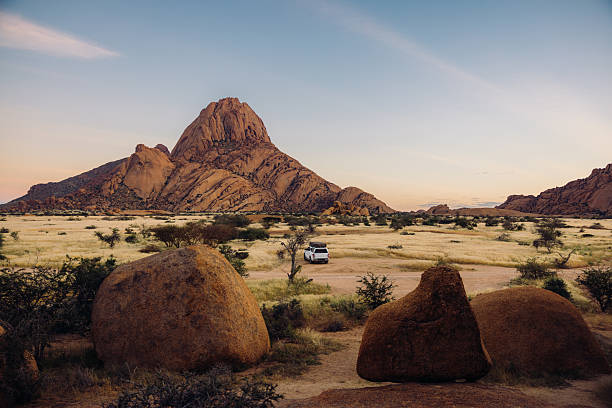
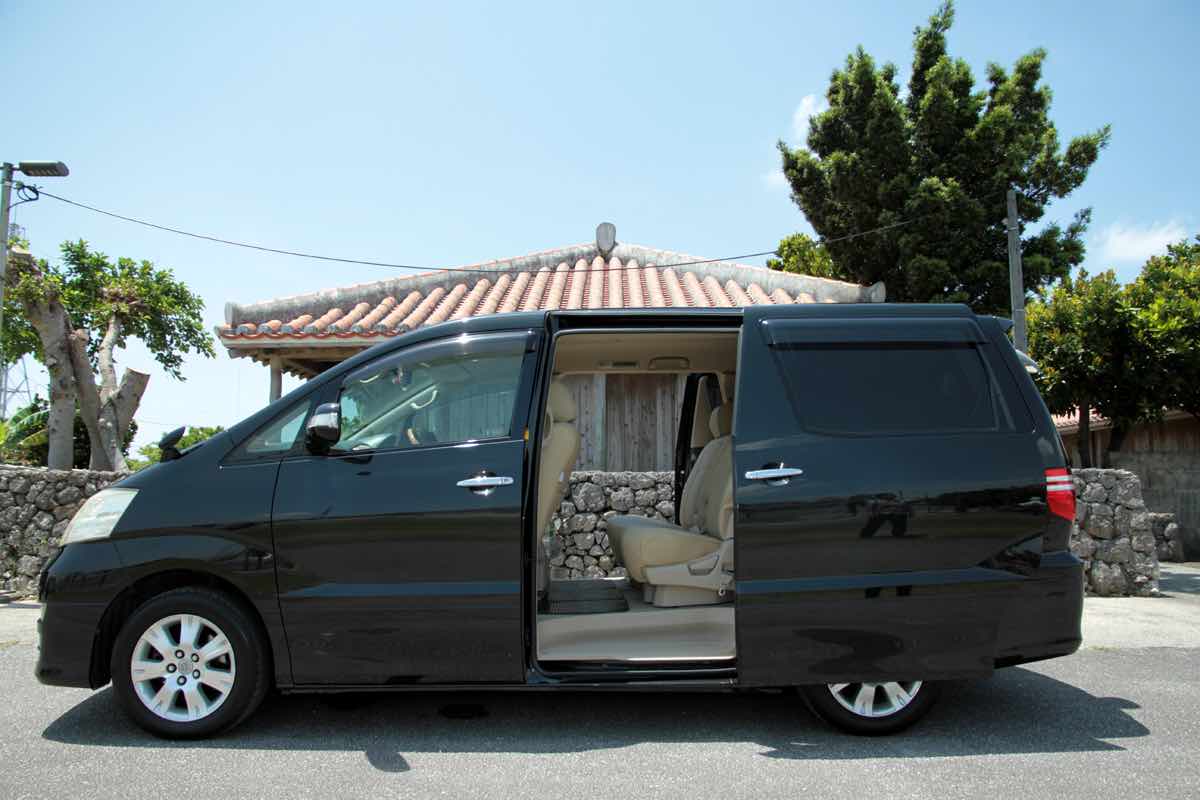
Overland Safari Routes in Tanzania: Your Ultimate Planning Guide
Tanzania is a premier wildlife destination, offering some of the most iconic safari experiences on the planet. For many travelers, the idea of an overland safari through this vast East African nation represents the pinnacle of adventure. An overland safari isn’t just about seeing animals; it’s about immersing yourself in the landscapes, understanding the ecosystems, and experiencing the journey itself. This guide will walk you through everything you need to know to plan your overland safari routes in Tanzania, from choosing the right parks to understanding the logistics and preparing for an unforgettable trip in 2026-2027.
Quick Answer: What are the top Overland Safari Routes in Tanzania?
The most popular overland safari routes in Tanzania typically combine the Northern Circuit parks, including Serengeti National Park, Ngorongoro Conservation Area, Tarangire National Park, and Lake Manyara National Park. A longer itinerary might extend to the less-visited Southern Circuit (Selous Game Reserve, Ruaha National Park) or even include a visit to Zanzibar.
Table of Contents
- Quick Facts About Overland Safaris in Tanzania
- Understanding Overland Safaris in Tanzania
- Why Choose an Overland Safari in Tanzania?
- Best Time for Overland Safari Routes in Tanzania
- Tanzania Overland Safari Route Overview
- The Classic Northern Circuit Overland Safari
- Exploring the Southern Circuit Overland Safari
- Extended Tanzania Overland Safari Options
- What to Expect on Your Overland Safari
- Packing and Preparation for an Overland Safari
- Common Mistakes to Avoid on Overland Safaris
- Who is an Overland Safari Best Suited For?
- Alternatives to Traditional Overland Safaris
- Planning Your 2026-2027 Overland Safari
- Booking Your Tanzania Overland Safari
- Frequently Asked Questions (FAQs)
Quick Facts About Overland Safaris in Tanzania
| Aspect | Details |
|---|---|
| Primary Focus | Wildlife viewing, diverse landscapes, cultural encounters |
| Typical Duration | 5 days to 3 weeks or more, depending on route |
| Vehicle Type | Customized 4×4 safari vehicles (land cruisers/rovers), sometimes larger overland trucks for group tours |
| Accommodation | Tented camps (luxury to budget), lodges, permanent campsites |
| Key Parks/Areas | Serengeti, Ngorongoro, Tarangire, Lake Manyara (North); Selous, Ruaha (South) |
| Best Travel Months | June to October (dry season), January to February (calving season in Serengeti) |
| Visa Requirements | Required for most nationalities (apply online or on arrival) |
| Health Precautions | Consult doctor for vaccinations (Yellow Fever often required), malaria prophylaxis recommended |
Understanding Overland Safaris in Tanzania
An overland safari in Tanzania is a journey that emphasizes travel across the country’s vast distances, often involving longer drives between destinations. Unlike short, fly-in safaris that focus on a single lodge or area, overland trips allow you to witness the changing scenery, from the plains of the Serengeti to the highlands and coastal regions. This approach typically utilizes sturdy 4×4 vehicles, equipped for rough terrain, and often involves a mix of accommodations, from comfortable lodges to more rustic tented camps.
The essence of an overland safari lies in its comprehensive nature. You’re not just observing wildlife from a distance; you’re traveling through the same landscapes the animals inhabit. This often means longer game drives, more time spent observing animal behavior, and opportunities for spontaneous stops to appreciate the scenery or interact with local communities. It’s a slower, more deliberate way to experience Tanzania’s natural wonders.
Why Choose an Overland Safari in Tanzania?
The appeal of an overland safari is multifaceted. For many, it’s the sense of adventure and exploration. Traversing Tanzania by road offers a unique perspective on the country’s immense scale and diverse environments. You see the transition from arid plains to lush forests, from bustling towns to remote wilderness. This journeying aspect is a significant part of the experience.
- Immersive Experience: You spend more time in the wild, experiencing the rhythm of the bush.
- Value for Money: For longer trips, overland safaris can be more cost-effective than flying between remote camps.
- Flexibility: A well-planned overland route allows for spontaneous detours and deeper exploration of each area.
- Diverse Landscapes: Witness the dramatic shifts in scenery as you travel across different regions.
- Cultural Exposure: Opportunities to see local life and interact with communities along the routes.
- Comprehensive Wildlife Viewing: Access to multiple parks and conservation areas, increasing your chances of seeing a wide variety of species.
Best Time for Overland Safari Routes in Tanzania
The best time for an overland safari in Tanzania largely depends on what you want to see and experience. Tanzania has two main seasons: the dry season and the wet season.
- Dry Season (June to October): This is the peak safari season. The vegetation is less dense, making wildlife easier to spot. Water sources are limited, so animals congregate around rivers and waterholes. The weather is generally pleasant with sunny days and cooler nights. This is also the time of the Great Migration river crossings in the Serengeti (typically July-September). However, it’s also the busiest and most expensive time.
- Short Rains (November to December): This period sees sporadic showers. Wildlife begins to disperse as rains replenish water sources. It’s a good time for birdwatching.
- Long Rains (March to May): This is the low season. Heavy rains can make some roads impassable, and wildlife disperses across the parks. However, it’s the best time for dramatic landscapes, lush greenery, and incredible photography opportunities. Prices are lower, and there are fewer tourists. The wildebeest calving season in the southern Serengeti occurs from late January to February, offering incredible predator-prey action.
For general overland safari routes in Tanzania, the dry season (June-October) is often recommended for ease of travel and wildlife viewing. However, if you’re interested in the calving season or seeking fewer crowds and lower prices, the early months of the year (January-February) or the shoulder months can be excellent choices.
Tanzania Overland Safari Route Overview
Tanzania’s safari circuit is broadly divided into the Northern Circuit and the Southern Circuit. Most overland safaris focus on the Northern Circuit due to its high concentration of famous parks and accessibility. However, the Southern Circuit offers a more remote and wild experience.
Simplified Route Illustration:
- Start: Arusha (Gateway city)
- Option 1 (North): Tarangire NP -> Lake Manyara NP -> Ngorongoro Crater -> Serengeti NP (Central/North/South) -> return to Arusha.
- Option 2 (South): Arusha -> fly/drive to Selous GR -> Ruaha NP -> return to Arusha (often combined with short flights).
- Extended: Northern Circuit + Zanzibar; Southern Circuit + Mafia Island; or a combination of both circuits (requires significant time).
The overland aspect means you’ll be traveling by road between these locations, with game drives conducted within the parks. The specific order and duration in each park depend on your interests, the time of year, and the overall length of your safari.
The Classic Northern Circuit Overland Safari
The Northern Circuit is the most popular and accessible safari destination in Tanzania. It’s renowned for its high density of wildlife and iconic landscapes. An overland journey here typically starts and ends in Arusha, the safari capital.
Typical Itinerary Logic:
An overland safari through the Northern Circuit is usually structured to maximize wildlife encounters and minimize travel time between key areas. The flow is logical, moving from smaller, more focused parks to the vast expanses of the Serengeti.
| Days | Location | Highlights | Overland Travel Notes |
|---|---|---|---|
| Day 1 | Arrive in Arusha | Meet your guide, safari briefing, acclimatize. | N/A |
| Day 2 | Arusha to Tarangire National Park | Acacia woodlands, large elephant herds, baobab trees. | Approx. 2-3 hours drive from Arusha. |
| Day 3 | Tarangire to Lake Manyara National Park | Tree-climbing lions (rare), diverse birdlife, hot springs. | Approx. 1-1.5 hours drive. Shorter park, good for a half or full day. |
| Day 4 | Lake Manyara to Ngorongoro Conservation Area | Descend into the crater for exceptional wildlife density, including the Big Five. | Approx. 1 hour drive to Loduare Gate, then descent into crater. Overnight on crater rim or nearby. |
| Day 5-7 | Ngorongoro to Serengeti National Park | Vast plains, Great Migration (seasonal), big cats, diverse ecosystems. Choose central (Seronera), northern (Kogatende), or southern (Ndutu) depending on time of year. | Approx. 3-4 hours drive from Ngorongoro to Serengeti, depending on entry gate and chosen region. Extensive game drives within Serengeti. |
| Day 8 | Serengeti to Arusha | Final game drive en route to the exit. | Long drive (approx. 6-8 hours) back to Arusha. Option for a scenic flight back to save time. |
This is a standard 8-day itinerary. Many operators offer variations, extending time in Serengeti, adding a cultural visit to a Maasai village, or including the option of a hot air balloon safari over the Serengeti plains. The overland aspect means you’ll be driving between these locations, enjoying game drives en route where possible.
Serengeti Variations for Overland Routes
The Serengeti is vast, and the best location to stay depends on the time of year due to the Great Migration:
- Central Serengeti (Seronera Valley): Excellent year-round for big cats and resident wildlife.
- Northern Serengeti (Kogatende/Lamai): Prime location for witnessing the Grumeti River crossings (July-September).
- Southern Serengeti/Ndutu: The best place to be from December to March for the wildebeest calving season and predator action.
Your overland safari guide will help you position yourself optimally based on the migration’s movements.
Exploring the Southern Circuit Overland Safari
The Southern Circuit offers a wilder, more remote safari experience with fewer crowds. It’s ideal for travelers seeking a less-commercialized adventure. The main parks are Selous Game Reserve (now Nyerere National Park) and Ruaha National Park.
Selous Game Reserve (Nyerere National Park)
- What to Expect: Vast, untamed wilderness. Known for its boat safaris on the Rufiji River, walking safaris, and diverse birdlife. Elephants, hippos, crocodiles, and wild dogs are common.
- Overland Travel: Typically accessed from Dar es Salaam or via a flight from Arusha. Driving from Arusha can be a very long day (8-10+ hours) or broken up. It’s often combined with Ruaha via a short flight or a very rough overland drive.
Ruaha National Park
- What to Expect: Tanzania’s largest national park. Known for its large elephant and buffalo herds, and a high concentration of predators, including lions and the endangered African wild dog. Dramatic landscapes with baobab trees and rocky outcrops.
- Overland Travel: Very remote. Usually accessed from Iringa or Mbeya. Driving from Selous is a significant undertaking, often requiring 4×4 capabilities and potentially overnight stops. Most safaris combine Ruaha with Selous via light aircraft to save time and avoid challenging roads.
Overland safaris to the Southern Circuit are less common and typically require more robust planning, longer durations, and a higher tolerance for rough travel. They are often part of larger overland expeditions that might cross borders or cover extensive ground.
Extended Tanzania Overland Safari Options
For travelers with more time (3 weeks or more), Tanzania offers exciting possibilities for extended overland adventures.
- Northern & Southern Circuit Combination: This requires significant travel time. It might involve driving from Arusha to the southern parks (a multi-day journey) or flying between circuits. This offers the best of both worlds: iconic Northern parks and the wilder South.
- Northern Circuit + Zanzibar: A popular combination. After your overland safari, you can take a ferry or flight from the mainland (e.g., Dar es Salaam or directly from Arusha/Kilimanjaro) to the tropical island of Zanzibar for relaxation and cultural exploration.
- Cross-Border Safaris: For the ultimate overland expedition, itineraries can be designed to include neighboring countries like Kenya, Uganda, or Rwanda, though this requires meticulous planning and often specific vehicle permits.
What to Expect on Your Overland Safari
An overland safari is a different experience from a fly-in safari. It’s more about the journey and the continuous immersion in the environment.
- Travel Time: Be prepared for long drives. Distances in Tanzania are significant, and road conditions can vary from paved highways to rough dirt tracks. Your safari vehicle is designed for this, but it’s still a journey.
- Vehicle Comfort: Most operators use customized 4×4 Land Cruisers or Land Rovers with pop-up roofs for game viewing. These are comfortable, with ample space for luggage and photography. Group overland tours might use larger trucks.
- Accommodation: You’ll likely experience a range of accommodations, from comfortable lodges with en-suite bathrooms to more rustic tented camps (often with shared facilities in budget options) or even basic campsites.
- Guides: Your driver-guide is crucial. They are knowledgeable about wildlife, local culture, and navigation. Good communication with your guide enhances the experience.
- Flexibility: While itineraries are planned, overland safaris often have an element of flexibility. Your guide might stop for an unexpected wildlife sighting or a scenic view.
- Wildlife Viewing: Expect early mornings and late afternoons for game drives when animals are most active. Patience is key.
Packing and Preparation for an Overland Safari
Proper packing is essential for comfort and practicality on an overland safari. Given the varied climates and activities, layering is key.
Clothing:
- Neutral Colors: Khaki, beige, olive green, brown. Avoid bright colors (which can scare wildlife) and dark blue/black (which can attract tsetse flies).
- Lightweight, Breathable Fabrics: Cotton, linen, or quick-dry synthetics.
- Long-Sleeved Shirts & Trousers: For sun protection, insect protection, and warmth in the evenings.
- T-shirts & Shorts: For warmer parts of the day.
- Fleece or Warm Jacket: Essential for early morning and evening game drives, especially at higher altitudes (Ngorongoro, Serengeti).
- Rain Jacket: Lightweight and waterproof, especially if traveling during the shoulder or rainy seasons.
- Comfortable Walking Shoes: For around camps and lodges.
- Sandals or Flip-flops: For relaxing.
Essentials:
- Sunscreen: High SPF.
- Insect Repellent: With DEET or Picaridin.
- Hat: Wide-brimmed for sun protection.
- Sunglasses: Essential for glare.
- Binoculars: Crucial for spotting distant wildlife.
- Camera & Extra Batteries/Memory Cards: You’ll take a lot of photos! A zoom lens is highly recommended.
- Power Bank/Adapter: For charging devices. Most safari vehicles have charging ports.
- Headlamp or Small Flashlight: Useful for navigating camps at night.
- Personal First-Aid Kit: With any personal medications, pain relievers, antiseptic wipes, bandages, etc.
- Hand Sanitizer: Always useful.
- Water Bottle: Reusable to minimize plastic waste.
- Small Backpack/Daypack: For carrying essentials on game drives.
Documents & Money:
- Passport & Visa (if required)
- Flight Tickets
- Yellow Fever Certificate (often required for entry)
- Travel Insurance Details
- Credit/Debit Cards & Some Cash (USD is widely accepted for tips and park fees, local currency for small purchases)
Luggage Restrictions:
Safari vehicles have limited luggage space. Soft-sided duffel bags are usually preferred over hard suitcases, as they are easier to pack and fit into storage compartments. Check with your tour operator for specific recommendations.
Common Mistakes to Avoid on Overland Safaris
To ensure a smooth and enjoyable overland safari, be aware of common pitfalls:
- Underestimating Travel Times: Tanzania is large. Don’t expect to cover vast distances quickly. Factor in time for unexpected delays.
- Not Packing Appropriately: Forgetting warm layers or suitable footwear can make early mornings and evenings uncomfortable.
- Over-packing: Limited luggage space is a reality. Stick to essentials.
- Choosing the Wrong Time of Year: Traveling during the peak of the long rains might lead to impassable roads and dispersed wildlife.
- Not Researching Tour Operators: Select a reputable operator with experienced guides and well-maintained vehicles.
- Expecting Constant Action: Wildlife viewing requires patience. There will be quiet moments. Embrace them.
- Ignoring Health Advice: Consult your doctor about vaccinations and malaria prevention well in advance.
- Not Budgeting for Extras: Factor in tips for guides and staff, park fees (often included but check), drinks, and souvenirs.
- Not Being Flexible: Overland safaris can sometimes encounter unforeseen circumstances (e.g., vehicle issues, road closures). A flexible attitude is key.
Who is an Overland Safari Best Suited For?
Overland safaris in Tanzania are ideal for:
- Adventurous Travelers: Those who enjoy the journey as much as the destination and are comfortable with longer drives.
- Budget-Conscious Travelers: For longer trips, overland safaris can offer better value than flying between camps.
- Nature Enthusiasts: Anyone who wants to deeply immerse themselves in Tanzania’s diverse ecosystems and witness wildlife in its natural habitat.
- Photography Enthusiasts: The varied landscapes and abundant wildlife provide endless opportunities.
- Those Seeking a Comprehensive Experience: Travelers who want to see multiple parks and experience the vastness of Tanzania.
- Younger Travelers/Backpackers: Often group overland tours cater to this demographic with more basic accommodations and a social atmosphere.
They are generally less suited for travelers with very limited time, those who prefer luxury and minimal travel, or individuals with significant mobility issues who might find the drives challenging.
Alternatives to Traditional Overland Safaris
If a full overland safari isn’t quite right for you, consider these alternatives:
- Fly-in Safaris: These safaris involve flying between remote airstrips in light aircraft. They are faster, more exclusive, and offer access to very remote camps, but are significantly more expensive.
- Short Safari Packages: Many operators offer 3-5 day trips focusing on the Northern Circuit’s highlights (e.g., Tarangire, Ngorongoro, Serengeti). These are ideal for those with less time and involve road travel but without the extensive overland distances.
- Private Vehicle Safaris: You can hire a private 4×4 vehicle and guide for a more customized experience. This allows you to set your own pace within a chosen circuit, offering a balance between flexibility and overland travel.
- Day Trips: If you’re based in a city like Arusha or Moshi, you can take day trips to nearby attractions like Materuni Waterfalls, Materuni Coffee Plantations, or even a day visit to Arusha National Park.
Planning Your 2026-2027 Overland Safari
Planning an overland safari for 2026 or 2027 requires foresight, especially if you aim for peak season. Here’s a step-by-step approach:
1. Define Your Priorities:
- What do you want to see? (Great Migration, Big Five, birdlife, specific landscapes?)
- What is your budget? (This will influence accommodation, vehicle type, and duration.)
- How much time do you have? (Minimum 5-7 days for Northern Circuit, 10-14+ for extended routes.)
- What is your travel style? (Luxury, mid-range, budget, adventure?)
2. Choose Your Route & Parks:
Based on your priorities, select the parks and the circuit(s) that best fit. For first-timers, the Northern Circuit is highly recommended for overland safari routes in Tanzania.
3. Select Your Operator:
Research reputable tour operators. Look for:
- Experience with overland safaris.
- Good reviews and testimonials.
- Well-maintained vehicles and professional guides.
- Clear communication and responsiveness.
- Transparent pricing.
For 2026-2027 travel, booking at least 6-12 months in advance is advisable, especially for peak season (June-October) or if you have specific accommodation preferences.
4. Health & Safety:
- Consult your doctor 4-6 weeks before travel regarding vaccinations and malaria prophylaxis.
- Ensure you have comprehensive travel insurance that covers medical emergencies and evacuation.
- Familiarize yourself with basic safety protocols for wildlife viewing.
5. Visa & Flights:
- Check visa requirements for your nationality. Many can apply online.
- Book international flights to Kilimanjaro International Airport (JRO) or potentially Julius Nyerere International Airport (DAR) if combining with the South.
6. Finalize and Prepare:
Confirm all bookings, pack wisely, and get ready for an incredible adventure.
Booking Your Tanzania Overland Safari
Booking your overland safari is a crucial step. Here’s how to approach it for 2026-2027:
When to Book:
For 2026 and 2027 travel, especially if you plan to travel during the dry season (June-October) or around the Great Migration river crossings, booking 9-12 months in advance is highly recommended. For the low season or shoulder months, 3-6 months might suffice, but early booking is always beneficial for securing preferred lodges or camps and better pricing.
What to Look For in a Package:
- Inclusions: Clearly understand what is covered. Typically includes park fees, accommodation, meals, vehicle, guide, and airport transfers. Exclusions might be drinks, tips, personal expenses, and optional activities (like balloon safaris).
- Vehicle Type: Ensure the operator uses reliable 4×4 vehicles suitable for overland travel.
- Guide Experience: A knowledgeable and experienced guide significantly enhances your safari.
- Accommodation Standards: Does the package align with your comfort level (e.g., luxury lodges, mid-range camps, budget campsites)?
- Itinerary Flexibility: Does the operator allow for minor customizations?
Working with a Local Operator:
Partnering with a local Tanzanian tour operator like Top Guide Adventures offers distinct advantages:
- Local Expertise: Deep understanding of the parks, routes, and best times to visit.
- Cost-Effectiveness: Local operators often provide better value as they cut out international agent markups.
- Direct Communication: Clear and immediate communication with the people managing your trip.
- Support on the Ground: Immediate assistance should any issues arise during your safari.
Ready to plan your dream overland safari in Tanzania? Contact Top Guide Adventures today!
WhatsApp: +255616946642
Email: topguideadventures@gmail.com
Backup Email: info@topguideadventures.com
Frequently Asked Questions (FAQs)
Q1: How long should an overland safari in Tanzania typically be?
A1: For the Northern Circuit, a minimum of 5-7 days is recommended. For a more comprehensive experience covering multiple parks or including the Southern Circuit, 10-14 days or longer is ideal. Extended overland expeditions can last 3 weeks or more.
Q2: Are overland safaris safe?
A2: Yes, overland safaris in Tanzania are generally safe when conducted with reputable operators. Your safety is prioritized by experienced guides who understand wildlife behavior and driving conditions. Standard precautions apply, such as staying in your vehicle during game drives and following guide instructions.
Q3: What is the difference between an overland safari and a standard safari?
A3: The term “overland safari” emphasizes the travel aspect across longer distances by road. It implies a journeying experience, often with more time spent in transit between destinations compared to fly-in safaris. A “standard safari” can encompass various styles, including overland, but “overland” specifically highlights the road travel component.
Q4: Can I customize my overland safari route in Tanzania?
A4: Absolutely. Most reputable tour operators, including Top Guide Adventures, offer custom itineraries. You can tailor your overland safari routes in Tanzania to your specific interests, budget, and timeframe. Communicate your preferences clearly when booking.
Q5: What are the main costs involved in an overland safari?
A5: Key costs include park fees, accommodation, vehicle hire and fuel, guide fees, meals, and any optional activities. International flights, visas, travel insurance, tips, and personal expenses are usually additional. Prices vary significantly based on accommodation choice and safari duration.
Q6: Is Tanzania safe for solo female travelers on overland safaris?
A6: Tanzania is generally safe for solo female travelers, especially when on organized safaris with reputable companies. It’s advisable to be aware of your surroundings, avoid walking alone at night in towns, and trust your instincts. Your safari guide will ensure your safety throughout the trip.
Q7: What is the best way to see the Great Migration on an overland safari?
A7: To see the Great Migration, timing and location are crucial. For river crossings (Grumeti/Mara Rivers), aim for July to September in the Northern Serengeti. For the calving season and predator action, visit the Southern Serengeti/Ndutu area from December to March. Your tour operator will advise on the best strategy for your overland safari.
Q8: Do I need to tip my safari guide?
A8: Tipping is customary and appreciated for good service. Tour operators usually provide guidelines on recommended tipping amounts for guides and camp staff. It’s a significant part of their income.
Q9: What kind of vehicle is used for overland safaris?
A9: Typically, customized 4×4 safari vehicles like Toyota Land Cruisers or Land Rovers with pop-up roofs are used. For larger group overland tours, specialized safari trucks might be employed. These vehicles are built for durability and comfort on rough terrain.
Q10: Can I combine an overland safari with a beach holiday in Zanzibar in 2026?
A10: Yes, combining an overland safari in Tanzania with a beach holiday in Zanzibar is a very popular option. You can typically fly or take a ferry from the mainland (e.g., Arusha, Kilimanjaro, or Dar es Salaam) to Zanzibar after your safari concludes. Plan for at least 3-4 days on the island.
Plan Your Unforgettable Overland Safari in Tanzania!
An overland safari through Tanzania offers an unparalleled adventure, connecting you deeply with the country’s wild heart. From the vast plains of the Serengeti to the unique ecosystems of Ngorongoro and beyond, these overland safari routes in Tanzania promise memories that last a lifetime. Whether you’re planning for 2026, 2027, or beyond, careful preparation and the right partner are key.
Top Guide Adventures specializes in creating bespoke safari experiences. We understand the nuances of overland travel in Tanzania and can craft an itinerary that perfectly matches your desires. Let us help you navigate the planning process and ensure your journey is as incredible as the destination.
Get in touch with our safari experts today to start planning your dream overland safari:
WhatsApp: +255616946642
Email: topguideadventures@gmail.com
Backup Email: info@topguideadventures.com
Plan your Overland Safari Routes in Tanzania with Top Guide Adventures
Tell us your travel dates, group size, comfort level, and dream experience. We will help you shape a clear, realistic, and memorable Tanzania itinerary.







 Veedesigner
 Fatma Kizanga
 Benjamin Waryuba
 Philip Philip
 John jr Itaja
 Antonia Optatus
 Edith Kanyere
 Neema Iddy
 Kelvin Boniphace
 Damari Maiga



