
Updated planning guide for 2026-2027
Self-Drive Adventure Journeys: Complete Guide 2026-2027
Discover the freedom and excitement of a self-drive adventure journey through Tanzania. This comprehensive guide covers everything you need to know for an unforgettable trip in 2026-2027, from planning and routes to safety and what to pack.
WhatsApp +255616946642 | topguideadventures@gmail.com | info@topguideadventures.com
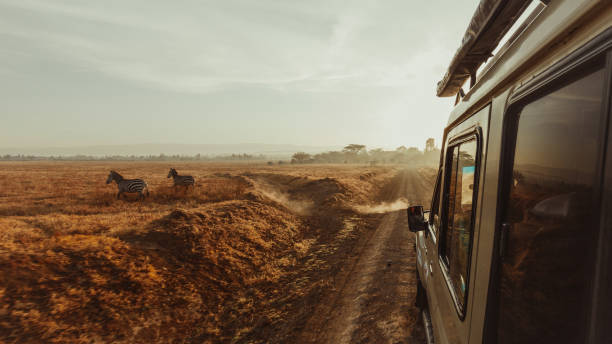
Table of Contents
- Why Choose a Self-Drive Adventure Journey?
- Quick Facts for Self-Drive Adventures
- Understanding Tanzania’s Self-Drive Potential
- The Unique Appeal of Self-Driving in Tanzania
- Best Time for Your Self-Drive Tanzania Adventure
- Planning Your Self-Drive Route
- Sample Self-Drive Adventure Itineraries
- Vehicle Hire: The Heart of Your Adventure
- What to Expect on the Road
- Safety and Preparedness for Self-Drivers
- Essential Packing for a Self-Drive Journey
- Common Mistakes to Avoid
- Who is a Self-Drive Adventure Journey For?
- Alternatives to Self-Driving
- Planning Your 2026-2027 Self-Drive Adventure
- Booking Your Self-Drive Adventure
- Frequently Asked Questions
Why Choose a Self-Drive Adventure Journey?
Tanzania, a land of breathtaking landscapes, iconic wildlife, and vibrant cultures, offers unparalleled opportunities for exploration. While guided tours are popular, a self-drive adventure journey provides a distinct kind of freedom. It allows you to set your own pace, deviate from the beaten path, and connect with the country on a more personal level. Imagine waking up to the sunrise over the Serengeti plains, stopping at a roadside market for fresh fruit, or taking an unplanned detour to a local village – these are the moments that define a true adventure. This guide is designed to help you plan and execute an unforgettable self-drive experience in Tanzania, covering everything from route planning and vehicle selection to safety and cultural etiquette.
Quick Facts for Self-Drive Adventures
| Aspect | Details |
|---|---|
| Primary Focus | Independent exploration, flexibility, personalized experiences |
| Key Destinations | Serengeti, Ngorongoro, Tarangire, Lake Manyara, Zanzibar, Southern Parks (Ruaha, Selous) |
| Vehicle Requirements | 4×4 vehicle with high ground clearance, reliable, well-maintained |
| Driving Conditions | Varied; paved roads between major cities, unpaved tracks in parks and rural areas. Can be challenging. |
| Navigation | GPS device/app, detailed maps, local knowledge (optional guide/tracker) |
| Accommodation | Campsites, lodges, guesthouses, hotels (booking in advance recommended, especially in peak season) |
| Permits | National Park entry fees, vehicle permits, camping fees |
| Best Time to Travel | Dry seasons (June-October, December-February) for easier driving and wildlife viewing |
Understanding Tanzania’s Self-Drive Potential
Tanzania is a vast country with diverse landscapes, from the savannahs of the north to the spice-scented islands of Zanzibar and the wilder southern parks. The idea of a self-drive adventure here sparks images of navigating dusty tracks, spotting wildlife from your own vehicle, and experiencing the raw beauty of East Africa. While the infrastructure is not as developed as in some other continents, with careful planning, a self-drive trip is entirely feasible and incredibly rewarding. It offers an intimate encounter with the natural world and a chance to engage with local communities at your own pace. This approach is particularly suited for those seeking independence and a deeper, more personal connection with the destinations they visit.
The Unique Appeal of Self-Driving in Tanzania
The allure of a self-drive adventure journey in Tanzania lies in its inherent freedom. You are the master of your itinerary. Want to spend an extra hour watching a pride of lions in the Serengeti? You can. Feel like exploring a scenic route not typically on the standard tourist trail? Go for it. This level of autonomy is priceless for travelers who value spontaneity and personal discovery. Beyond flexibility, self-driving can also be a more economical option for groups or families, especially when compared to daily private vehicle hire and guide costs for extended periods. It fosters a sense of accomplishment and connection as you navigate the landscapes, learn local driving customs, and manage your own journey. It’s about the journey itself, not just the destination.
Best Time for Your Self-Drive Tanzania Adventure
Choosing the right time to visit is crucial for a successful self-drive trip in Tanzania. The country experiences distinct wet and dry seasons, each offering a different experience:
- Dry Season (June to October): This is generally considered the prime time for safaris and self-drive adventures. Roads are in better condition, making driving easier, especially in national parks. Wildlife congregates around water sources, leading to excellent game viewing opportunities. The Great Migration is often in the western Serengeti or heading north. Skies are clear, offering stunning views. However, this is also peak tourist season, meaning higher accommodation prices and more crowded parks.
- Short Rains (November): A brief period of rain, often in the afternoons. Landscapes become greener, and fewer tourists are around. Wildlife viewing is still good.
- Long Rains (March to May): This period brings heavy rainfall, making some roads impassable, especially in the southern parks and less-traveled areas. Many lodges and camps close for the season. However, it’s a fantastic time for birdwatching, and the landscape is lush and green. Prices are lower, and you’ll experience fewer crowds. For self-drivers, this season requires careful route planning and a very capable 4×4 vehicle.
- December to February: This period sees warmer temperatures and scattered showers, but it’s generally good for travel. The calving season of the Great Migration occurs in the Ndutu area (southern Serengeti/Ngorongoro Conservation Area) during January and February, drawing predators.
For most self-drive adventurers prioritizing ease of travel and reliable wildlife viewing, the dry seasons (June-October and December-February) are recommended. Planning for 2026 or 2027? Keep these seasonal patterns in mind to align with your priorities.
Planning Your Self-Drive Route
Tanzania is immense, and a well-thought-out route is key to a fulfilling self-drive adventure. Consider your interests, available time, and desired level of challenge. Most self-drive trips focus on the northern circuit, but the southern circuit offers a wilder, less-visited experience.
Northern Circuit Focus
This is the most popular and accessible route for self-drivers, offering iconic parks:
- Arusha: The starting point for most northern circuit adventures. You can arrange vehicle hire and final preparations here.
- Tarangire National Park: Known for its large elephant herds and baobab trees. Roads are generally manageable.
- Lake Manyara National Park: Famous for its tree-climbing lions and diverse birdlife. Compact and easily explored.
- Ngorongoro Conservation Area: Home to the Ngorongoro Crater, a UNESCO World Heritage Site teeming with wildlife. Self-drive is permitted on the crater rim and some surrounding areas, but driving into the crater itself often requires a park-ranger or specific permits.
- Serengeti National Park: The crown jewel, offering vast plains and incredible wildlife viewing. Roads within the park can be sandy and challenging, especially during the wet season. Navigating the Serengeti requires a good 4×4 and careful planning.
- Optional Extensions: Lake Natron (for flamingos and Maasai culture), or a drive towards Kenya’s border.
Southern Circuit Exploration
For the more adventurous, the southern parks offer a more remote experience:
- Ruaha National Park: Tanzania’s largest park, known for its dramatic landscapes and large predator populations. Roads are rugged and remote.
- Selous Game Reserve (Nyerere National Park): A vast wilderness area offering boat safaris and walking safaris. Access can be challenging by road from Dar es Salaam.
- Mikumi National Park: Often visited en route to or from Selous, it’s known for its open plains and accessibility.
Island Adventures
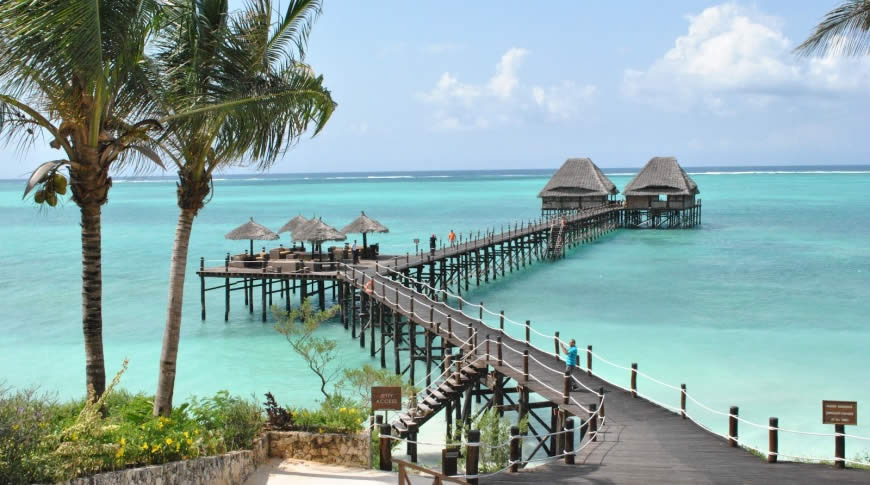
Zanzibar: While not typically a self-drive destination in the safari sense, renting a car on Zanzibar offers a fantastic way to explore its beaches, Stone Town, spice farms, and hidden coves at your own pace. Roads are generally paved but can be narrow and busy.
Route Area Overview (Conceptual)
| Region | Key Parks/Destinations | Self-Drive Suitability | Notes |
|---|---|---|---|
| Northern Tanzania | Arusha, Tarangire, Lake Manyara, Ngorongoro, Serengeti | High (with 4×4) | Iconic wildlife, well-established infrastructure (relatively), can be busy. Requires park permits and fees. |
| Southern Tanzania | Ruaha, Selous (Nyerere NP), Mikumi | Moderate to Challenging (requires robust 4×4 and experience) | Remote, wilder, fewer tourists, more rugged roads. Requires significant planning and self-sufficiency. |
| Zanzibar | Stone Town, Nungwi, Paje, Spice Farms | Moderate (standard rental car often sufficient) | Island exploration, beaches, culture. Roads are paved but can be narrow. Traffic can be heavy in Stone Town. |
Sample Self-Drive Adventure Itineraries
These are conceptual itineraries and can be customized. Always factor in driving times, which can be longer than expected due to road conditions.
Itinerary 1: Classic Northern Circuit Explorer (10 Days)
| Day | Location | Activities | Notes |
|---|---|---|---|
| 1 | Arusha | Arrive, pick up vehicle, final preparations, briefing. | Arrange vehicle hire and purchase necessary maps/guides. |
| 2-3 | Tarangire National Park | Game drives. | Focus on elephant herds and baobabs. Stay at a campsite or lodge inside/near the park. |
| 4 | Lake Manyara National Park | Game drives, birdwatching. | Explore the park’s diverse habitats. Drive to Karatu for overnight. |
| 5 | Ngorongoro Conservation Area | Visit a Maasai village (optional), drive to crater rim viewpoints. | Book accommodation near the crater rim or in Karatu. |
| 6-8 | Serengeti National Park (Central/North) | Full-day game drives. | Requires 4×4. Drive through the park, spotting wildlife. Stay at designated campsites or lodges. Consider the Great Migration timing. |
| 9 | Drive back to Arusha | Leisurely drive, stop at viewpoints. | Return vehicle. Overnight in Arusha. |
| 10 | Departure | Depart from Kilimanjaro International Airport (JRO). |
Itinerary 2: Southern Circuit Wilderness (12 Days)
| Day | Location | Activities | Notes |
|---|---|---|---|
| 1 | Dar es Salaam | Arrive, pick up robust 4×4 vehicle, preparations. | Essential for this remote route. |
| 2-3 | Mikumi National Park | Game drives. | Accessible park, good for acclimatization. |
| 4-7 | Selous Game Reserve (Nyerere NP) | Game drives, boat safari (optional). | Requires careful navigation. Stay at designated camps. |
| 8-11 | Ruaha National Park | Extended game drives. | Rugged terrain. Focus on predators and unique landscapes. Stay at campsites. Requires self-sufficiency. |
| 12 | Drive back to Dar es Salaam | Long driving day. | Return vehicle. Overnight in Dar. |
Itinerary 3: Zanzibar Island Explorer (7 Days)
| Day | Location | Activities | Notes |
|---|---|---|---|
| 1 | Zanzibar City (Stone Town) | Arrive, pick up rental car, explore Stone Town. | Get a local SIM card. Roads can be narrow. |
| 2 | Spice Farms & Jozani Forest | Visit spice plantations, explore Jozani Chwaka Bay National Park (Red Colobus monkeys). | Drive at your own pace. |
| 3-5 | North Coast (Nungwi/Kendwa) | Relax on beaches, snorkeling, sunset dhow cruises. | Drive to the northern tip of the island. |
| 6 | East Coast (Paje/Jambiani) | Kitesurfing, exploring local villages, more beach time. | Different vibe from the north, known for kite surfing. |
| 7 | Return to Stone Town/Departure | Last-minute souvenir shopping, depart from Abeid Amani Karume International Airport (ZNZ). | Return rental car. |
Vehicle Hire: The Heart of Your Adventure
Choosing the right vehicle is paramount for a successful self-drive adventure journey in Tanzania. You’ll need a vehicle that can handle diverse terrains and conditions.
Key Features to Look For:
- 4×4 Capability: Essential for national parks, sandy tracks, and rural roads. Ensure it has selectable 4WD.
- High Ground Clearance: Crucial for navigating ruts, rocks, and uneven surfaces.
- Reliability: The vehicle must be well-maintained. Opt for reputable rental companies. Toyota Land Cruisers are a common and reliable choice for safaris.
- Spaciousness: You’ll need room for luggage, camping gear (if applicable), water, and potentially extra fuel.
- Roof Tent (Optional but Recommended): A rooftop tent offers a comfortable and secure sleeping solution, keeping you off the ground and away from insects.
- Extra Fuel Capacity: Long distances between fuel stations are common, especially in remote areas.
- Water Tanks: Useful for extended stays or remote exploration.
Renting vs. Buying
For most travelers, renting is the most practical option. Buying a vehicle for a short trip is complex due to registration, insurance, and resale challenges. Reputable rental companies often include:
- Comprehensive insurance (check the details carefully)
- Maintenance and repairs
- 24/7 roadside assistance
- Pre-trip vehicle inspection and preparation
Rental Companies and Booking
Research companies thoroughly. Look for those with a good track record and positive reviews specifically for self-drive rentals. It’s advisable to book well in advance, especially for popular periods like 2026 and 2027, to secure the best vehicles and rates.
What to Expect on the Road
Driving in Tanzania is an experience in itself. Be prepared for:
- Road Conditions: Paved roads connect major cities but can be in poor repair. Outside main routes, expect gravel, dirt, and sandy tracks. Driving within national parks requires slow speeds and careful navigation.
- Other Road Users: Expect a mix of vehicles, including trucks, buses, motorcycles, bicycles, and pedestrians. Livestock can also appear on roads unexpectedly.
- Driving Style: Tanzanian driving can be assertive. Defensive driving is essential. Always anticipate the unexpected.
- Navigation: GPS devices or smartphone apps (like Maps.me or Google Maps, with offline downloads) are invaluable. A physical map is a good backup. Consider hiring a local guide/tracker for your first few days in parks to learn the terrain and wildlife spotting areas.
- Fuel Stations: Available in towns and along major highways, but can be sparse in remote areas. Always keep your tank topped up.
- Wildlife Encounters: You are driving through their habitat. Be respectful, maintain a safe distance, and never feed or approach animals.
Safety and Preparedness for Self-Drivers
Safety is paramount. Thorough preparation minimizes risks.
Vehicle Preparedness:
- Full Service: Ensure the vehicle has undergone a comprehensive service before you depart.
- Spare Tire(s): Carry at least one, preferably two, good spare tires. Know how to change them.
- Basic Toolkit: Jumper cables, jack, tire iron, basic wrenches, pliers, duct tape, and tire repair kit.
- First-Aid Kit: A well-stocked kit is essential.
- Communication: Carry a satellite phone or a reliable mobile phone with a local SIM card for areas with coverage. Inform someone of your planned route and expected check-in times.
Driving Safety:
- Daylight Driving: It is strongly advised to avoid driving after dark. Poor road conditions, unlit vehicles, pedestrians, and wildlife make night driving extremely dangerous.
- Speed Limits: Adhere to speed limits, especially in populated areas and within parks.
- Park Rules: Familiarize yourself with and follow all rules within national parks.
- Breakdowns: If you break down, stay with your vehicle. If possible, move it to a safe location off the road. Contact your rental company or local authorities.
- Security: Lock your vehicle at all times. Do not leave valuables visible.
Health and Well-being:
- Malaria Prevention: Consult your doctor about malaria prophylaxis.
- Insect Repellent: Use repellent, especially at dawn and dusk.
- Hydration: Drink plenty of bottled or purified water.
- Sun Protection: Wear sunscreen, hats, and sunglasses.
Essential Packing for a Self-Drive Journey
Pack smart and light. Consider the climate and activities.
Clothing:
- Lightweight, breathable clothing (cotton or quick-dry fabrics)
- Neutral-colored safari clothing (khaki, beige, olive green)
- A warm fleece or jacket for cool evenings and early mornings
- Rain jacket or poncho (especially during shoulder seasons)
- Comfortable walking shoes or hiking boots
- Sandals or flip-flops
- Swimsuit
Gear:
- Binoculars (essential for wildlife viewing)
- Camera with extra batteries and memory cards
- Power bank or car charger for electronics
- Headlamp or flashlight
- Reusable water bottle
- Sunscreen, sunglasses, wide-brimmed hat
- Insect repellent (with DEET)
- Personal first-aid kit
- Toiletries (biodegradable options are preferred)
- Dry bag for electronics and valuables
- A good quality map and compass/GPS device
- Offline maps downloaded on your phone (e.g., Maps.me)
Documents:
- Passport and visa (if required)
- Driving license (international driving permit recommended)
- Vehicle rental documents and insurance papers
- Park permits and entry fee receipts
- Emergency contact information
Common Mistakes to Avoid
Learning from others’ experiences can save you time and trouble.
- Underestimating Driving Times: Distances may look short on a map, but road conditions significantly increase travel times.
- Not Booking Accommodation in Advance: Especially in peak season or popular parks, accommodation can fill up quickly.
- Inadequate Vehicle Preparation: A breakdown in a remote area can be a major problem. Ensure your vehicle is in top condition.
- Ignoring Local Advice: Listen to park rangers and local guides about road conditions and wildlife sightings.
- Driving After Dark: This is one of the most significant safety risks. Stick to daylight hours.
- Not Carrying Enough Water and Snacks: Especially when heading into remote areas.
- Overpacking: Space can be limited in the vehicle. Pack essentials only.
- Not Having a Backup Navigation Method: Relying solely on one GPS device or app can be risky if it fails or loses signal.
- Not Budgeting for Park Fees and Other Costs: These can add up significantly.
Who is a Self-Drive Adventure Journey For?
A self-drive adventure journey in Tanzania is ideal for:
- Independent Travelers: Those who prefer to set their own schedule and explore at their own pace.
- Adventurous Spirits: Individuals or groups comfortable with navigating varied road conditions and managing their own logistics.
- Budget-Conscious Travelers (Potentially): For groups or families, it can be more cost-effective than hiring private guides and vehicles for the entire trip, though it requires careful budgeting for fuel, permits, and accommodation.
- Photographers and Wildlife Enthusiasts: Who want the flexibility to stop whenever and wherever they spot wildlife or a compelling landscape.
- Experienced Travelers: Those who have prior experience with international driving, especially in developing countries, may find it more manageable.
It is less suited for those who prefer luxury, have limited driving experience, or are uncomfortable with the idea of potential mechanical issues or navigating unfamiliar roads.
Alternatives to Self-Driving
If a full self-drive experience feels too daunting, Tanzania offers excellent alternatives:
- Guided Safaris: The most common option. You travel in a safari vehicle with a professional driver-guide who handles navigation, wildlife spotting, and park logistics. This offers comfort, expertise, and peace of mind.
- Fly-in Safaris: For reaching remote parks quickly, small aircraft flights can be arranged, minimizing driving time and maximizing your experience in distant locations.
- Combination Tours: Many operators offer packages that combine self-drive elements (like a rental car for Zanzibar) with guided safaris in national parks.
- Private Guided Tours: You can hire a private vehicle and guide for your entire trip, offering a blend of flexibility and expert support.
A self-drive adventure journey can also be combined with guided components. For example, you might self-drive the northern circuit but hire a guide for specific days in the Serengeti, or opt for a guided safari for the main wildlife viewing and then rent a car for independent exploration on Zanzibar.
Planning Your 2026-2027 Self-Drive Adventure
Planning a trip for 2026 or 2027 requires foresight, especially for a self-drive adventure. Here’s how to get ahead:
Book Key Elements Early:
- Vehicle Hire: The best 4×4 vehicles and rental companies get booked up months, sometimes a year, in advance for peak seasons.
- Accommodation: If you plan to stay in lodges or popular campsites within or near national parks, book these early.
- Flights: International flights are generally cheaper when booked well in advance.
Research and Flexibility:
- Stay Updated: Check for any changes in park regulations, road conditions, or visa requirements closer to your travel dates.
- Build in Buffer Time: Unforeseen delays can happen. Add extra days to your itinerary where possible.
- Understand Permit Systems: Familiarize yourself with how park entry fees and camping permits are obtained. Some can be pre-booked, others paid on arrival.
Connect with Local Expertise:
Even for a self-drive trip, local knowledge is invaluable. Companies like Best Tanzania tour operator can assist with vehicle sourcing, essential permits, and providing up-to-date advice on routes and conditions for 2026-2027 travel.
Booking Your Self-Drive Adventure
When booking your self-drive adventure journey, consider the following:
Vehicle Rental:
- Reputation: Choose a company with a proven track record for self-drive rentals in Tanzania.
- Inclusions: Understand what the rental fee covers (insurance, mileage limits, maintenance).
- Deposit and Payment: Clarify deposit amounts and payment schedules.
- Pick-up/Drop-off: Confirm locations and times.
Permits and Fees:
Park entry fees, concession fees, and camping fees are significant costs. Understand how these are managed. Some operators can assist with obtaining these in advance, simplifying your arrival.
Accommodation:
Book lodges, hotels, or campsites in advance, especially if traveling during peak season or to popular areas. Consider the trade-offs between comfort, location, and price.
Working with a Tour Operator:
While you’re self-driving, a local tour operator can be an invaluable partner. They can arrange your vehicle hire, book accommodations, secure permits, and provide essential pre-trip information and support. This is especially beneficial for first-time visitors to Tanzania. For expert assistance with your 2026-2027 self-drive adventure, reach out to us.
Contact Us:
- WhatsApp: +255616946642
- Email: topguideadventures@gmail.com
- Backup Email: info@topguideadventures.com
Frequently Asked Questions
What is the best time of year for a self-drive adventure journey in Tanzania for 2026-2027?
The dry seasons, from June to October and again from December to February, are generally the best times for a self-drive adventure journey. These periods offer easier driving conditions, clearer skies, and excellent wildlife viewing as animals congregate around water sources. However, these are also peak tourist seasons.
Do I need an International Driving Permit (IDP) to self-drive in Tanzania?
While your national driving license might be accepted in some cases, it is highly recommended to obtain an International Driving Permit (IDP) before you travel. This ensures compliance with local regulations and avoids potential issues with rental companies or authorities.
What type of vehicle is best for a self-drive safari in Tanzania?
A 4×4 vehicle with high ground clearance is essential for most self-drive safaris in Tanzania, especially when venturing into national parks or onto unpaved roads. Reliable models like Toyota Land Cruisers are popular choices due to their durability and suitability for rough terrain.
Is it safe to drive in Tanzania?
Driving in Tanzania requires caution and adherence to safety guidelines. It is strongly advised to avoid driving after dark due to poor road conditions, lack of lighting, and potential hazards like wildlife and pedestrians. During daylight, defensive driving and awareness of other road users are key. For a self-drive adventure journey, thorough preparation and respecting local conditions are crucial for safety.
Can I drive myself inside the Serengeti National Park?
Yes, you can drive yourself within the Serengeti National Park in your hired 4×4 vehicle. However, be prepared for sandy tracks and potentially challenging conditions, especially outside the main routes. It’s advisable to have a good GPS or offline maps and to check recent road conditions if possible.
What are the typical costs associated with a self-drive adventure journey?
Costs include vehicle rental (which varies based on vehicle type and duration), fuel, national park entry fees (per person per day), vehicle park permits, camping fees (if applicable), accommodation (lodges, campsites), food, and potentially a satellite phone rental. It’s important to budget for all these elements.
How do I navigate in Tanzania if I don’t have a local guide?
Navigation relies on a combination of GPS devices, smartphone apps with offline maps (like Maps.me or Google Maps offline), and physical maps. For remote areas or parks with complex track systems, it can be beneficial to hire a local guide or tracker for a few days to help you navigate and spot wildlife.
What should I do if my rental vehicle breaks down in a remote area?
Stay calm and stay with your vehicle if it is in a safe location. Contact your rental company immediately using a mobile or satellite phone. They should provide roadside assistance. If possible, alert park rangers or other travelers. Ensure your rental contract includes emergency contact details and procedures.
Can I combine self-driving with guided activities?
Absolutely. Many travelers opt for a hybrid approach. For instance, you might self-drive on Zanzibar and take guided safaris in the national parks. Alternatively, you could hire a guide for specific parts of your safari, like tracking predators in the Serengeti, while still managing your own driving for other segments.
What are the visa requirements for Tanzania?
Visa requirements vary by nationality. Many nationalities can obtain a visa on arrival or apply for an e-visa in advance through the Tanzanian immigration website. It’s essential to check the latest requirements for your specific country of citizenship well before your trip.
What is the difference between a self-drive safari and a standard guided safari?
In a self-drive safari, you rent a vehicle and navigate/drive yourself. In a standard guided safari, you travel in a safari vehicle with a professional driver-guide who handles all driving, navigation, and wildlife spotting. The self-drive option offers more freedom and flexibility, while the guided option provides expertise and convenience.
Ready for Your Self-Drive Adventure Journey?
A self-drive adventure journey through Tanzania offers an unparalleled sense of freedom and discovery. It’s a chance to connect deeply with the wild landscapes and vibrant culture of East Africa on your own terms. While the planning can seem extensive, the rewards of independence and personalized exploration are immense.
Whether you’re dreaming of the vast plains of the Serengeti, the unique ecosystem of the Ngorongoro Crater, or the spice-scented shores of Zanzibar, we can help make your self-drive dreams a reality. We specialize in crafting custom itineraries and can assist with reliable vehicle hire, accommodation bookings, and expert advice to ensure your 2026-2027 adventure is unforgettable.
Let us help you plan your perfect self-drive expedition. Contact us today:
- WhatsApp: +255616946642
- Email: topguideadventures@gmail.com
- Backup Email: info@topguideadventures.com
We look forward to helping you create your ultimate Tanzanian adventure!
Plan your Self-Drive Adventure Journeys with Top Guide Adventures
Tell us your travel dates, group size, comfort level, and dream experience. We will help you shape a clear, realistic, and memorable Tanzania itinerary.

 Veedesigner
 Fatma Kizanga
 Benjamin Waryuba
 Philip Philip
 John jr Itaja
 Antonia Optatus
 Edith Kanyere
 Neema Iddy
 Kelvin Boniphace
 Damari Maiga



