
Updated planning guide for 2026-2027
Southern Africa Travel Logistics Explained: Complete Guide 2026-2027
Planning a trip to Southern Africa involves understanding its unique travel logistics. This comprehensive guide breaks down everything you need to know, from visa requirements and transportation options to safety tips and budgeting, ensuring a smooth and memorable journey for 2026-2027.
WhatsApp +255616946642 | topguideadventures@gmail.com | info@topguideadventures.com
Southern Africa Travel Logistics Explained: Your Complete Planning Guide
Southern Africa is a region of breathtaking diversity, from the iconic wildlife of the Serengeti and Kruger to the dramatic landscapes of Victoria Falls and the pristine beaches of Zanzibar. Planning a trip here, however, can seem complex. Understanding the intricacies of Southern Africa travel logistics explained is key to a successful and stress-free adventure. This guide is designed to demystify the process, offering practical advice for travelers planning their 2026-2027 journeys.
Whether you’re dreaming of a thrilling safari, a challenging Kilimanjaro climb, a relaxing Zanzibar holiday, or a custom-designed itinerary, getting the logistics right ensures you spend less time worrying and more time experiencing the wonders of this incredible continent.
Table of Contents
- Quick Facts for Southern Africa Travel
- Southern Africa: A Diverse Travel Region
- Why Understanding Travel Logistics is Crucial
- Best Time to Visit Southern Africa (Seasonality)
- Key Countries and Regions for Travel
- Visa Requirements for Southern Africa
- International Flights and Arrival Airports
- Internal Transportation: Getting Around
- Accommodation Options
- Health and Safety Considerations
- Currency and Budgeting
- Packing Essentials
- Common Mistakes to Avoid
- Who is Southern Africa Travel Best Suited For?
- Alternative Travel Styles and Destinations
- Planning Your Trip for 2026-2027
- Booking Advice and Recommendations
- Frequently Asked Questions (FAQs)
- Start Planning Your Southern Africa Adventure
Quick Facts for Southern Africa Travel
| Aspect | Details |
|---|---|
| Major Hubs | Nairobi (Kenya), Kilimanjaro International (Tanzania), Johannesburg (South Africa), Cape Town (South Africa), Zanzibar (Tanzania) |
| Primary Activities | Safaris, wildlife viewing, mountain trekking, cultural tours, beach relaxation, historical sites, adventure sports |
| Visa Policy | Varies by country and nationality. Many require advance application or offer visas on arrival. Check specific requirements. |
| Currency | USD widely accepted for tourism, but local currencies (TZS, KES, ZAR, etc.) are essential for local markets and smaller purchases. |
| Language | English is widely spoken in tourist areas and by guides. Swahili is common in East Africa. |
| Health | Consult your doctor about vaccinations (Yellow Fever, Hepatitis A/B) and malaria prophylaxis. Travel insurance is highly recommended. |
| Connectivity | Wi-Fi available in most lodges and hotels, but can be slow or intermittent. Local SIM cards are an option. |
Southern Africa: A Diverse Travel Region
Southern Africa, broadly defined, encompasses a vast and varied landscape. For many travelers, it conjures images of vast savannas teeming with wildlife, majestic mountain ranges, and idyllic coastlines. The region is characterized by its rich cultural heritage, colonial history, and a spirit of adventure.
From the ‘Spice Island’ of Zanzibar with its turquoise waters and historic Stone Town, to the iconic Mount Kilimanjaro, the roof of Africa, and the world-renowned safari destinations like the Serengeti and Ngorongoro Crater in Tanzania, the opportunities for exploration are immense. Beyond Tanzania, countries like Kenya, South Africa, Botswana, Namibia, Zimbabwe, and Zambia offer distinct yet equally compelling experiences.
Each country, and indeed each park or reserve within them, presents unique logistical considerations. Understanding these differences is the first step in mastering Southern Africa travel logistics explained.
Why Understanding Travel Logistics is Crucial
Effective planning of your trip’s logistics can make the difference between a dream vacation and a series of frustrating setbacks. Poorly managed logistics can lead to:
- Missed flights or connections, disrupting your itinerary.
- Unexpected costs due to last-minute bookings or inefficient travel.
- Health and safety risks if not properly prepared.
- Lost time that could be spent enjoying your destination.
- Disappointment if key experiences are inaccessible due to planning oversights.
By meticulously addressing aspects like visa applications, transportation choices, health precautions, and currency exchange, you ensure a smoother, safer, and more enjoyable journey. This is especially true for complex trips involving multiple destinations or activities like safaris and mountain treks.
Best Time to Visit Southern Africa (Seasonality)
The ideal time to visit Southern Africa depends heavily on your specific interests and the countries you plan to explore. Generally, the region experiences distinct wet and dry seasons, which significantly impact wildlife viewing and travel conditions.
Dry Season (Typically June to October)
- Wildlife Viewing: Excellent. Animals congregate around water sources, making them easier to spot. Vegetation thins out.
- Weather: Cooler temperatures, less humidity, and minimal rainfall. Ideal for safaris and trekking.
- Crowds: Peak tourist season in many popular areas, especially July and August.
- Considerations: Can be colder in the mornings and evenings, especially at higher altitudes.
Wet Season (Typically November to May)
- Wildlife Viewing: Can be more challenging as animals disperse and vegetation is thicker. However, it’s prime time for birdwatching and observing newborns. The Great Migration in the Serengeti/Masai Mara is often in different locations depending on the specific month.
- Weather: Hotter temperatures with increased humidity and rainfall, often in short, intense afternoon showers.
- Crowds: Lower tourist numbers mean potentially fewer crowds and better prices.
- Considerations: Some roads can become impassable, especially in more remote areas. Malaria risk can be higher.
Specifics for Key Destinations:
- Tanzania (Serengeti/Ngorongoro): Dry season (June-Oct) for general game viewing. Jan-Mar for calving season in the southern Serengeti. The Great Migration can be seen crossing the Grumeti River (May-July) or the Mara River (July-Oct).
- Kilimanjaro: Best trekking seasons are January-March and June-October, coinciding with dry periods.
- Zanzibar: Dry seasons (June-Oct and Dec-Feb) offer the best beach weather. Avoid the heavy rains of April and May.
Key Countries and Regions for Travel
While ‘Southern Africa’ can be a broad term, for many travelers, it specifically points to East Africa and Southern Africa proper. Here are some of the most popular destinations and what they offer:
Tanzania
- Highlights: Serengeti National Park, Ngorongoro Conservation Area, Mount Kilimanjaro, Zanzibar Archipelago, Tarangire National Park, Lake Manyara.
- Activities: World-class safaris, challenging treks, cultural immersion, beach holidays.
- Logistics Focus: Internal flights between parks, 4×4 safari vehicles, park fees, climbing permits.
Kenya
- Highlights: Masai Mara National Reserve, Amboseli National Park, Samburu National Reserve, Lake Nakuru.
- Activities: Iconic safaris, witnessing the Great Migration (when in Kenya), balloon safaris.
- Logistics Focus: Similar to Tanzania – internal flights, 4×4 vehicles, park fees.
South Africa
- Highlights: Kruger National Park, Cape Town (Table Mountain, Robben Island), Garden Route, Winelands.
- Activities: Diverse safaris, stunning coastal drives, city exploration, wine tasting, historical tours.
- Logistics Focus: Excellent road infrastructure, numerous airports, self-drive options, well-developed tourism services.
Zimbabwe & Zambia
- Highlights: Victoria Falls (shared border), Hwange National Park (Zimbabwe), South Luangwa National Park (Zambia).
- Activities: Viewing one of the world’s largest waterfalls, walking safaris (Zambia), traditional game drives.
- Logistics Focus: Victoria Falls is a major transit point. Internal flights or road transfers between parks.
Botswana & Namibia
- Highlights: Okavango Delta (Botswana), Chobe National Park (Botswana), Etosha National Park (Namibia), Sossusvlei (Namibia), Skeleton Coast (Namibia).
- Activities: Unique water-based safaris (mokoro), desert landscapes, abundant wildlife, photographic opportunities.
- Logistics Focus: Often requires light aircraft transfers due to vast distances and protected areas. Self-drive is popular in Namibia but requires robust vehicles.
When planning, consider how you want to move between these countries. Combining Tanzania with Kenya is common. South Africa offers a different, more developed travel infrastructure. Botswana and Namibia often involve more specialized logistics.
Visa Requirements for Southern Africa
Visa regulations are a critical component of Southern Africa travel logistics explained. Requirements vary significantly based on your nationality and the country you are visiting. It is imperative to research these well in advance of your travel dates.
General Guidelines:
- Check Official Sources: Always verify visa requirements with the official embassy or consulate of each country you plan to visit. Information can change.
- Nationality Matters: Citizens of some countries may be exempt from visas for short stays, while others require them for all entries.
- Types of Visas: Tourist visas are most common, but check validity periods and entry/exit rules. Some countries offer single-entry, multiple-entry, or transit visas.
- Application Process: Visas can often be applied for online (e-visas), through embassies abroad, or sometimes issued on arrival at the airport. Applying in advance is generally recommended to avoid delays.
- Common Requirements: Typically include a valid passport (with at least six months’ validity beyond your stay and blank pages), completed application forms, passport-sized photos, proof of onward travel, and visa fees.
Specific Examples (Always Verify):
- Tanzania: Many nationalities require a visa. E-visas are available and recommended. Visas can also be obtained on arrival at major entry points.
- Kenya: Similar to Tanzania, many nationalities need a visa. An e-visa system is in place.
- South Africa: Many nationalities receive visa-free entry for short stays (e.g., up to 90 days). However, requirements can be complex for longer stays or specific purposes.
- Zimbabwe/Zambia: Often offer visas on arrival for many nationalities. The KAZA Univisa (for Zimbabwe and Zambia) can be a convenient option if visiting both countries around Victoria Falls.
Tip for 2026-2027: Start your visa research at least 3-6 months before your planned departure, especially if multiple countries are involved. E-visa systems are becoming more common, but processing times can vary.
International Flights and Arrival Airports
Most international travelers arrive in Southern Africa via major international airports. Your choice of arrival airport will significantly influence your initial travel plans and onward connections.
Key International Airports:
- Tanzania: Kilimanjaro International Airport (JRO) is the primary gateway for safaris and Kilimanjaro treks. Julius Nyerere International Airport (DAR) in Dar es Salaam serves the southern circuit and Zanzibar. Abeid Amani Karume International Airport (ZNZ) in Zanzibar serves direct international and regional flights.
- Kenya: Jomo Kenyatta International Airport (NBO) in Nairobi is the main hub for East Africa.
- South Africa: O. R. Tambo International Airport (JNB) in Johannesburg and Cape Town International Airport (CPT) are the major gateways.
- Other Hubs: Victoria Falls Airport (VFA) in Zimbabwe and Harry Mwanga Nkumbula International Airport (LVI) in Zambia serve the Victoria Falls region. Sir Seretse Khama International Airport (GBE) in Gaborone, Botswana, and Hosea Kutako International Airport (WDH) in Windhoek, Namibia, are key for those regions.
Flight Booking Tips:
- Book in Advance: Especially for travel during peak seasons (June-October).
- Consider Layovers: Flights to Southern Africa often involve one or more layovers, commonly in Europe (e.g., Amsterdam, London, Paris) or the Middle East (e.g., Doha, Dubai).
- Airline Options: Major carriers like KLM, British Airways, Qatar Airways, Emirates, Ethiopian Airlines, and Kenya Airways serve the region.
- Baggage Allowance: Be mindful of baggage restrictions, particularly if you plan to use small bush planes for internal transfers, which often have strict weight limits (e.g., 15-20 kg total, including hand luggage, in soft-sided bags).
Internal Transportation: Getting Around
Moving within Southern Africa, and between destinations within a country, requires careful planning. Options range from private transfers to scheduled flights.
Safari Vehicles (4×4):
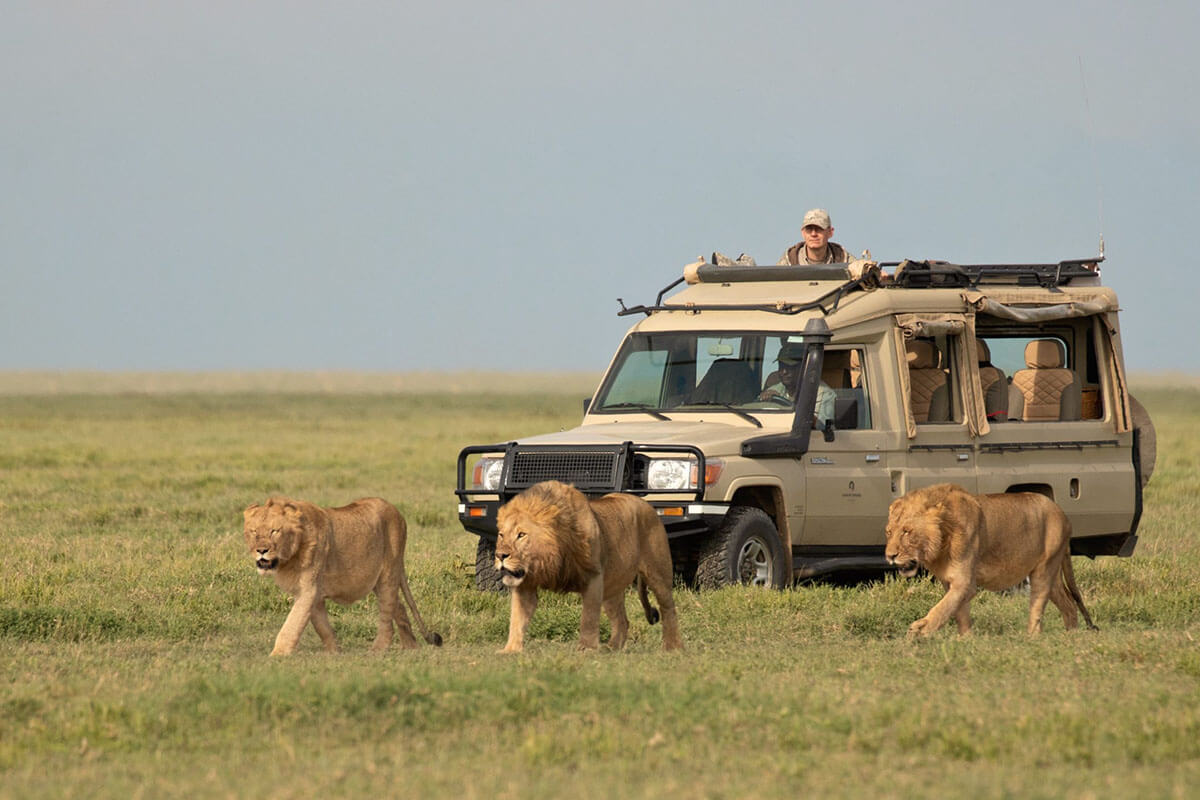
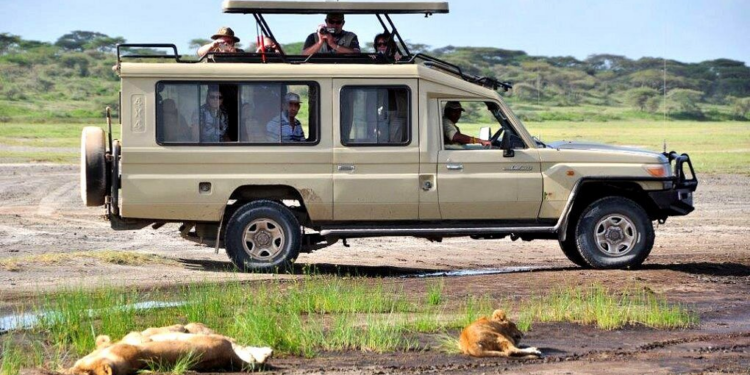
- Standard for Safaris: Most safaris in Tanzania, Kenya, and South Africa utilize specially adapted 4×4 vehicles (Land Cruisers or Land Rovers) with pop-up roofs for optimal game viewing.
- Included in Tours: Typically, these vehicles and experienced driver-guides are included in safari packages.
- Comfort: While designed for rugged terrain, they offer a good balance of comfort and practicality for game drives.
Internal Flights:
- Time-Saving: Essential for covering long distances quickly, especially between major parks or to remote lodges.
- Operators: Regional airlines and charter companies operate these routes. For example, in Tanzania, flights connect Arusha to Serengeti airstrips, Zanzibar, and other destinations.
- Baggage Limits: As mentioned, soft-sided bags and strict weight limits (usually 15-20kg) are common. Check with your tour operator.
Road Transfers:
- Between Lodges/Parks: Often used for shorter distances, e.g., from Kilimanjaro airport to Arusha, or between parks within a circuit (e.g., Lake Manyara to Ngorongoro).
- Vehicle Types: Can range from standard SUVs to safari-style 4x4s.
- Comfort: Varies depending on the road conditions and vehicle.
Self-Driving:
- Popular in South Africa & Namibia: These countries have better road infrastructure and a culture of self-driving.
- Considerations: Requires a robust vehicle (often 4×4), familiarity with driving on the left, and awareness of local road conditions and safety. Not recommended for first-time visitors unfamiliar with the region for safaris.
Public Transport:
- Limited for Tourists: Buses and matatus (minibuses) are common for locals but are generally not suitable or recommended for tourists seeking comfort, safety, and efficiency for safari or trekking trips.
Recommendation: For most travelers focusing on safaris and Kilimanjaro, relying on a reputable tour operator for internal transfers and safari vehicles is the most efficient and stress-free approach to managing Southern Africa travel logistics explained.
Accommodation Options
Southern Africa offers a wide spectrum of accommodation, catering to all budgets and travel styles.
- Budget/Mid-Range: Hostels, guesthouses, and simpler lodges are available in towns and some national park areas.
- Mid-Range to Luxury Lodges: The most common choice for safari-goers. These range from comfortable lodges with amenities like swimming pools and restaurants to exclusive tented camps offering an immersive wilderness experience. Examples include lodges within national parks or private concessions.
- Tented Camps: Offer a unique blend of comfort and close-to-nature living. Some are permanent structures with en-suite bathrooms, while others are more ‘glamping’ style.
- Hotels: Available in larger towns and cities, offering standard hotel amenities.
- Boutique Hotels & Luxury Resorts: Found in popular tourist hubs like Cape Town, Zanzibar, and Nairobi, offering high-end services and unique experiences.
- Climbing Huts (Kilimanjaro): Basic accommodation is provided on the mountain during treks.
Booking Tip: Lodges and camps in prime safari locations or on Kilimanjaro can book up months in advance, especially during peak seasons. Booking through a tour operator can often secure better rates and availability.
Health and Safety Considerations
Prioritizing health and safety is paramount when traveling to Southern Africa. Proactive preparation is key.
Health:
- Consult Your Doctor: Visit your doctor or a travel clinic 4-6 weeks before your trip to discuss necessary vaccinations and malaria precautions.
- Recommended Vaccinations: Hepatitis A, Typhoid, Tetanus/Diphtheria are often recommended. Yellow Fever vaccination may be required for entry into some countries or if arriving from a Yellow Fever endemic zone (carry your certificate!).
- Malaria: Many parts of Southern Africa are malaria-prone. Discuss antimalarial medication options with your doctor. Take precautions against mosquito bites (repellent, long sleeves/trousers at dawn/dusk, mosquito nets).
- Food and Water Safety: Drink bottled or purified water. Be cautious with street food. Eat well-cooked meals.
- Sun Protection: The sun is intense. Use high SPF sunscreen, wear hats, and stay hydrated.
- Travel Insurance: Essential. Ensure it covers medical emergencies, evacuation, and trip cancellation.
Safety:
- Wildlife Safety: Always follow your guide’s instructions. Never approach or feed wild animals. Maintain a safe distance from all wildlife.
- General Safety: Be aware of your surroundings, especially in towns and cities. Avoid displaying valuable items. Use reputable taxis or transport arranged by your hotel/tour operator.
- Driving: If self-driving, be cautious of road conditions, especially after dark. Wildlife can wander onto roads.
- Political Stability: Generally stable in major tourist areas, but it’s wise to stay informed about local conditions through news and your tour operator.
- Scams: Be aware of common tourist scams. If something sounds too good to be true, it probably is.
For 2026-2027 Travel: Stay updated on any health advisories related to COVID-19 or other emerging health concerns. Ensure your travel insurance is comprehensive.
Currency and Budgeting
Understanding local currencies and budgeting effectively is vital for managing your trip expenses.
Currencies:
- USD is Widely Accepted: US Dollars are commonly used for tourist services, park fees, and visa payments in many East and Southern African countries. Ensure you have newer, clean bills (usually 2009 or later series).
- Local Currencies: For smaller purchases, local markets, tips, and expenses outside major tourist circuits, you’ll need local currency.
- Tanzania: Tanzanian Shilling (TZS)
- Kenya: Kenyan Shilling (KES)
- South Africa: South African Rand (ZAR)
- Exchange Rates: Exchange rates fluctuate. Check current rates before you travel.
Budgeting Considerations:
- Tour Packages: Often the largest upfront cost, but they typically include accommodation, meals, park fees, transport, and guide services.
- Park Fees: Can be substantial, especially in popular parks like the Serengeti and Ngorongoro. These are often included in tour packages but can be a significant separate cost if not.
- Flights: International and internal flights add to the overall cost.
- Visas: Factor in the cost of visas for each country.
- Tips: Tipping guides, drivers, lodge staff, and porters is customary and an important part of their income. Budget for this.
- Personal Expenses: Souvenirs, drinks, laundry, and optional activities (e.g., hot air balloon safaris) should be budgeted for.
- Credit Cards: Accepted in larger hotels, lodges, and some shops, but carry cash for smaller establishments and remote areas. ATMs are available in towns but may not dispense foreign currency.
Cost Notes: Safaris and Kilimanjaro treks are generally considered mid-range to luxury trips due to the high operational costs (park fees, fuel, guides, permits, accommodation). Budgeting $200-$500+ per person per day is a rough guide for mid-range to luxury safaris, excluding international flights. Kilimanjaro climbs vary greatly by route and operator, often ranging from $1500-$4000+ for a standard trek.
Packing Essentials
Packing light but smart is crucial, especially if using internal flights with baggage restrictions. Focus on versatile, comfortable, and practical items.
Clothing:
- Neutral Colors: Khaki, beige, olive green, and brown are best for safaris to avoid startling wildlife. Avoid bright colors and black/dark blue which can attract tsetse flies.
- Lightweight, Breathable Fabrics: Cotton, linen, and quick-dry synthetics are ideal for warm climates.
- Layers: Mornings and evenings can be cool, especially on safari or at higher altitudes. Pack sweaters, fleeces, and a light jacket.
- Long-Sleeved Shirts & Trousers: For sun protection and mosquito protection in the evenings.
- Comfortable Trousers/Shorts: For daytime.
- T-shirts/Polo Shirts.
- Swimsuit: For lodges with pools or Zanzibar.
- Rain Jacket: A lightweight, waterproof jacket is useful, especially during the wet season.
- For Kilimanjaro: Specialized gear is needed – thermal layers, waterproofs, warm hat, gloves, sturdy hiking boots (broken in!), sleeping bag, etc. Your tour operator will provide a detailed packing list.
Footwear:
- Comfortable Walking Shoes/Sandals: For around lodges and towns.
- Sturdy Hiking Boots: Essential for Kilimanjaro. For general safaris, comfortable trainers are usually sufficient.
Health & Toiletries:
- Personal First-Aid Kit: Include antiseptic wipes, plasters, pain relievers, motion sickness medication, and any personal prescriptions.
- Insect Repellent: With DEET.
- Sunscreen, Hat, Sunglasses.
- Hand Sanitizer.
- Basic Toiletries.
Gear & Accessories:
- Binoculars: Essential for wildlife viewing.
- Camera & Extra Batteries/Memory Cards: You’ll want to capture everything!
- Power Adapters/Converters: Most countries use Type G (UK style) or Type C/F (European style) plugs. Check specific country requirements.
- Headlamp/Torch: Useful in lodges or camps where power might be intermittent or for early morning starts.
- Reusable Water Bottle.
- Daypack: For carrying essentials on game drives or hikes.
- Soft-Sided Duffel Bag: Crucial for internal flights.
Common Mistakes to Avoid
Navigating Southern Africa travel logistics explained involves learning from common pitfalls:
- Underestimating Travel Times: Distances can be vast, and road conditions can slow travel significantly. Always factor in buffer time.
- Not Booking in Advance: Popular lodges, safari vehicles, and Kilimanjaro permits book up months ahead, especially for peak season 2026-2027 travel.
- Ignoring Visa Requirements: Failing to check or apply for visas in time can lead to denied entry.
- Packing Inappropriately: Forgetting neutral-colored clothing for safaris, or not packing layers for cooler mornings/evenings.
- Not Getting Travel Insurance: A medical emergency or trip cancellation without insurance can be financially devastating.
- Overpacking: Especially problematic if using light aircraft for internal transfers.
- Carrying Too Much Cash: Relying solely on cash can be risky. Mix cash with cards.
- Not Informing Your Bank: Your credit/debit cards may be blocked if overseas transactions are unexpected.
- Assuming All Guides Are Equal: Choosing a reputable operator with experienced, knowledgeable guides makes a huge difference to your safari or trek experience.
- Not Considering the Health Risks: Neglecting vaccinations or malaria precautions.
Who is Southern Africa Travel Best Suited For?
Southern Africa appeals to a wide range of travelers, but it particularly resonates with:
- Nature and Wildlife Enthusiasts: The unparalleled biodiversity and iconic safaris are a major draw.
- Adventure Seekers: Kilimanjaro treks, white-water rafting, bungee jumping, and exploring remote landscapes.
- Culture and History Buffs: Exploring ancient sites, learning about tribal traditions, and understanding colonial history.
- Photography Aficionados: The dramatic landscapes and abundant wildlife offer endless photographic opportunities.
- Honeymooners and Couples: Romantic lodges, stunning sunsets, and unique experiences create memorable getaways.
- Families: With careful planning, safaris and beach holidays can be incredibly rewarding for families, offering educational and exciting experiences for all ages.
- Travelers Seeking Unique Experiences: From sleeping under the stars to walking with elephants, the region offers experiences found nowhere else.
It requires a degree of flexibility and patience, as things don’t always run with the precision of Western countries. However, for those who appreciate raw beauty, incredible wildlife, and genuine adventure, it is exceptionally rewarding.
Alternative Travel Styles and Destinations
While Southern Africa is a premier destination, other regions offer similar experiences, or you might prefer a different style of travel:
Alternative Destinations for Wildlife:
- East Africa (Beyond Tanzania/Kenya): Uganda and Rwanda for gorilla trekking.
- Southern Africa (Beyond the ‘Big Names’): Malawi for its lake and less-crowded safaris, Mozambique for diving and beaches.
- Other Continents: India (tigers), Costa Rica (rainforest biodiversity), Galapagos Islands (unique wildlife).
Alternative Travel Styles:
- More Independent Travel: If you prefer not to use a tour operator, South Africa and Namibia are more amenable to self-drive adventures.
- Budget Backpacking: While challenging for safaris, it’s possible in certain areas with careful planning, focusing on overland routes and budget accommodation.
- Cruise/Expedition: For a different perspective on coastal areas or Antarctic expeditions.
- Focus on Specific Activities: If your primary interest is diving, consider destinations like the Maldives or Red Sea. If it’s trekking, Nepal or Patagonia might be alternatives.
Understanding your priorities helps in choosing the right destination and managing its specific logistics.
Planning Your Trip for 2026-2027
Planning a trip to Southern Africa for 2026-2027 requires foresight. Here’s a timeline and key considerations:
12+ Months Before:
- Define Your Trip: Which countries? What activities (safari, Kilimanjaro, Zanzibar)? What’s your budget?
- Research: Start looking into destinations, best times to visit, and potential tour operators.
- Book Major Elements: For Kilimanjaro, especially popular routes or dates, booking your climb can be essential this far out. High-end safari lodges and peak season dates also benefit from early booking.
6-9 Months Before:
- Choose & Book Tour Operator: This is crucial for managing complex logistics. Get quotes, compare services, and read reviews.
- Book International Flights: Generally, prices are best when booked several months in advance.
- Visa Research: Understand the requirements for all countries you plan to visit.
3-6 Months Before:
- Apply for Visas: Submit applications well in advance.
- Health Consultations: Book appointments with your doctor for vaccinations and malaria advice.
- Book Internal Flights: If not included by your tour operator, book these now.
- Purchase Travel Insurance: Ensure it’s comprehensive.
1-3 Months Before:
- Finalize Itinerary: Confirm all details with your tour operator.
- Purchase Gear: Buy any necessary clothing or equipment. For Kilimanjaro, ensure you have all specialized gear.
- Inform Your Bank: Let them know your travel dates and destinations.
- Currency Exchange: Obtain some US Dollars for initial expenses and tipping.
Weeks Before Departure:
- Pack: Follow your packing list carefully, paying attention to baggage weight limits.
- Copies of Documents: Make digital and physical copies of your passport, visas, insurance, and flight details.
- Confirm Arrangements: Double-check flight times and pick-up details.
2026-2027 Specifics: Demand for travel is expected to remain high. Popular operators and sought-after dates will book quickly. Early planning is more important than ever.
Booking Advice and Recommendations
Choosing the right tour operator is perhaps the most significant decision you’ll make for a smooth trip. Here’s how to approach it:
What to Look For in a Tour Operator:
- Experience and Reputation: Look for operators with a long track record and positive reviews.
- Local Knowledge: A company based in Tanzania or with strong local partnerships understands the nuances of Southern Africa travel logistics explained best.
- Clear Inclusions/Exclusions: Understand exactly what is covered in your package (park fees, meals, accommodation type, guide services, transfers).
- Customization: Can they tailor an itinerary to your interests and budget?
- Communication: Responsive and clear communication is a good indicator of their professionalism.
- Safety Standards: For Kilimanjaro, ensure they adhere to safety protocols and have qualified guides.
- Sustainability Practices: Do they have a commitment to responsible tourism?
Booking Process:
- Get Detailed Quotes: Compare offerings from 2-3 reputable operators.
- Ask Questions: Don’t hesitate to ask about anything unclear.
- Payment Schedule: Understand the deposit and final payment dates.
- Cancellation Policy: Be aware of the terms and conditions.
For 2026-2027: Book as early as possible, especially for popular safari circuits, Kilimanjaro climbs, and peak season travel. This ensures you secure your preferred dates and operators.
Frequently Asked Questions (FAQs)
Q1: How do I handle currency exchange for Southern Africa travel in 2026-2027?
A1: It’s best to have a mix. Carry US Dollars (newer bills) for major tourist expenses like visas and some lodge payments. Exchange some USD to local currency (TZS, KES, ZAR, etc.) upon arrival or at reputable exchange bureaus for smaller purchases, tips, and local markets. ATMs are available in larger towns but can be unreliable for foreign currency withdrawal. Inform your bank of your travel plans.
Q2: What is the best way to get from Kilimanjaro Airport to Arusha?
A2: The most common and convenient way is a pre-booked private transfer. This can be arranged by your tour operator or hotel. It takes approximately 1-1.5 hours depending on traffic. Taxis are also available at the airport.
Q3: Are internal flights necessary for a Tanzania safari?
A3: While not strictly necessary for all itineraries, internal flights significantly reduce travel time between parks like Arusha and the Serengeti. They are essential if you have limited time or want to visit more remote airstrips. Be mindful of the strict baggage weight limits (usually 15-20kg in soft bags).
Q4: What are the typical baggage restrictions for internal flights in Tanzania?
A4: For light aircraft flights within Tanzania (e.g., to Serengeti airstrips), baggage is typically restricted to 15-20 kg (33-44 lbs) per person, including hand luggage. Bags must be soft-sided duffels or backpacks, not rigid suitcases. Always confirm exact limits with your airline or tour operator.
Q5: Is it safe to drink tap water in Southern Africa?
A5: It is generally not recommended to drink tap water in most parts of East and Southern Africa. Stick to bottled water, purified water provided by lodges, or use a reliable water filter/purification tablets if you have concerns.
Q6: How much should I budget for tips for safari guides and lodge staff?
A6: Tipping is customary and appreciated. A general guideline for safari drivers/guides is $10-$20 per person per day. For lodge staff, a communal tip box or individual tipping of $5-$10 per person per day for housekeeping and kitchen staff is common. For Kilimanjaro treks, tipping the mountain crew (guides, cooks, porters) is a significant part of their earnings; your operator will provide specific recommendations based on crew size.
Q7: Do I need a visa for Zanzibar if I’m already in Tanzania?
A7: Zanzibar is a semi-autonomous part of Tanzania. If you are entering Tanzania with a valid visa or visa-free entry for mainland Tanzania, you typically do not need a separate visa for Zanzibar if your stay is within the overall visa allowance for Tanzania. However, always verify current regulations with official sources.
Q8: What is the best way to get around Cape Town?
A8: Cape Town has a more developed infrastructure. Options include reputable ride-sharing apps (like Uber), metered taxis, car rentals (if comfortable driving on the left), and organized tours for specific attractions. Public transport is available but less convenient for tourists.
Q9: Are there specific health requirements for entering Tanzania in 2027?
A9: As of now, a Yellow Fever vaccination certificate may be required if arriving from a country with a risk of Yellow Fever transmission. Always check the latest official entry requirements from the Tanzanian embassy or immigration authorities closer to your travel date, as regulations can change. Consult your doctor regarding other recommended vaccinations and malaria prophylaxis.
Q10: How far in advance should I book a safari for 2026?
A10: For peak season (June-October) in 2026, booking 6-9 months in advance is highly recommended, especially for popular parks like the Serengeti and Ngorongoro. If you have specific lodge preferences or are traveling during holidays, even earlier booking (9-12 months) is advisable.
Start Planning Your Southern Africa Adventure
Navigating the logistics of a Southern Africa trip can seem daunting, but with the right information and a trusted partner, it becomes an exciting part of the planning process. From understanding visa requirements and internal transport to health precautions and packing essentials, mastering the details ensures your journey is as remarkable as the destinations themselves.
Ready to turn your dream trip into a reality? Let us help you craft an unforgettable experience. We specialize in creating custom safari adventures, Kilimanjaro treks, and Zanzibar holidays, handling all the intricate Southern Africa travel logistics explained so you can focus on the adventure.
Contact us today to begin planning your 2026-2027 journey:
- WhatsApp: +255616946642
- Email: topguideadventures@gmail.com
- Backup Email: info@topguideadventures.com
We look forward to helping you explore the wonders of Southern Africa!
Plan your Southern Africa Travel Logistics Explained with Top Guide Adventures
Tell us your travel dates, group size, comfort level, and dream experience. We will help you shape a clear, realistic, and memorable Tanzania itinerary.







 Veedesigner
 Fatma Kizanga
 Benjamin Waryuba
 Philip Philip
 John jr Itaja
 Antonia Optatus
 Edith Kanyere
 Neema Iddy
 Kelvin Boniphace
 Damari Maiga



