
Discover the Best Hadzabe Tribe and Lake Natron Tanzania Experiences
For travelers seeking an authentic encounter with ancient cultures and breathtaking, otherworldly landscapes, combining a visit to the Hadzabe tribe with the stark beauty of Lake Natron in Tanzania stands out as a truly unique safari experience. This journey takes you far from the typical tourist trails, offering deep immersion into the lives of one of Africa’s last hunter-gatherer communities and showcasing one of the planet’s most geologically significant and visually striking soda lakes. Planning your trip for 2026 or 2027 requires careful consideration, and this comprehensive guide is designed to help you craft the perfect adventure, ensuring you maximize your encounter with the Best Hadzabe Tribe and Lake Natron Tanzania has to offer.
At Top Guide Adventures, we specialize in creating bespoke Tanzanian itineraries that go beyond the ordinary. Our expertise in navigating the logistics of remote destinations like the Hadzabe lands and Lake Natron ensures a comfortable, insightful, and unforgettable journey. Whether you’re drawn by the prospect of learning ancient hunting techniques, witnessing the vibrant pink hues of the lake, or simply experiencing the raw, untamed beauty of northern Tanzania, this guide will equip you with everything you need to know.
Why Combine the Hadzabe Tribe and Lake Natron?
The allure of this combination lies in its powerful contrasts and profound connections. The Hadzabe people represent a living link to humanity’s ancestral past, their traditions and way of life largely unchanged for millennia. Their knowledge of the bush, their hunting skills with bows and arrows, and their unique language are a testament to human adaptability and resilience. Visiting them offers a rare opportunity to gain a genuine understanding of a hunter-gatherer existence in the 21st century.
Complementing this human element is Lake Natron, a vast, alkaline soda lake situated in the floor of the Great Rift Valley. Famous for its dramatic, often blood-red waters (caused by microorganisms that thrive in its extreme conditions) and its role as the primary breeding ground for Lesser Flamingos in East Africa, Lake Natron is a geological marvel. The surrounding landscape, dominated by the imposing Ol Doinyo Lengai volcano – the only active volcano in the Great Rift Valley – creates a surreal and unforgettable visual spectacle. The stark, arid environment around the lake contrasts sharply with the vibrant life it supports and the deep cultural roots of the Hadzabe who live in its vicinity.
The synergy between these two experiences makes for a rich and multi-layered travel narrative. You move from intimate human connection to awe-inspiring natural phenomena, all within a relatively accessible region of Tanzania. For travelers planning their safari for 2026 or 2027, this combination promises a departure from the predictable, offering profound insights and stunning photographic opportunities.
Understanding the Hadzabe People: A Cultural Immersion
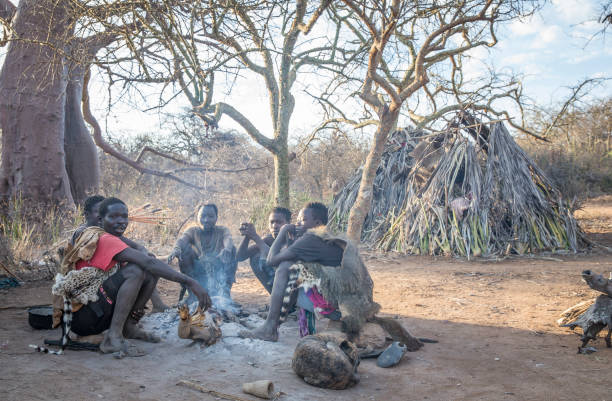
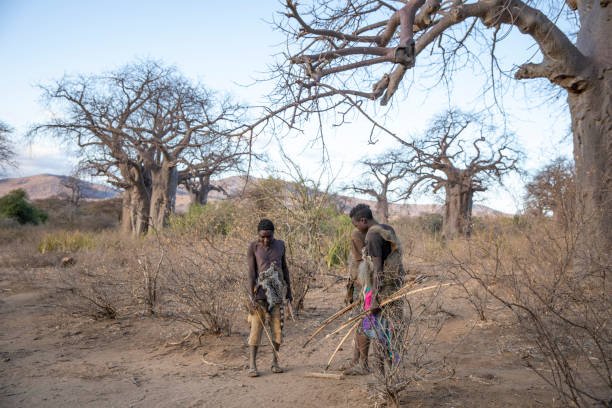
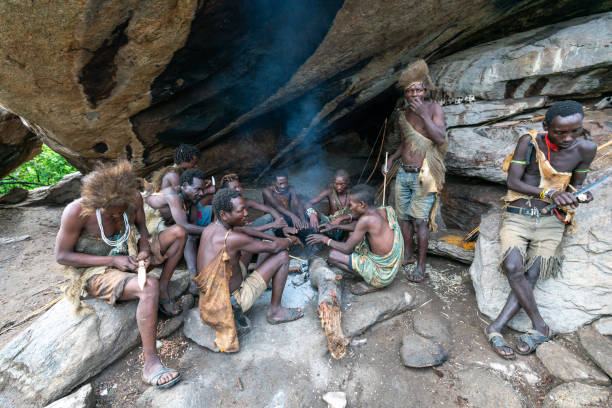
The Hadzabe, also known as the Watindiga, are a small ethnic group residing in the Yaeda Valley and around Lake Eyasi. Their population is estimated to be around 2,000 individuals. What makes them exceptionally fascinating is their enduring hunter-gatherer lifestyle. Unlike many other indigenous groups who have adapted to modern economies, the Hadzabe continue to rely on hunting game with bows and arrows, gathering wild fruits, roots, and honey. Their social structure is egalitarian, with decisions made collectively, and they possess a deep, intrinsic connection to their ancestral lands.
What to Expect During a Hadzabe Visit
A visit to the Hadzabe is not a performance; it is an invitation into their daily lives. Our tours are designed to be respectful and authentic. You will typically spend several hours, or even a full day, with a Hadzabe community. This might involve:
- Joining a Hunt (observation): Witnessing the incredible skill of Hadzabe hunters as they track game using their traditional bows and arrows. This is often a highlight, showcasing their profound knowledge of animal behavior and the environment.
- Gathering Activities: Accompanying women and children as they forage for edible roots, berries, and medicinal plants. You’ll learn about the diverse flora of the region and its uses.
- Honey Gathering: If the season is right, you might have the chance to see or even participate in the exciting (and sometimes dangerous!) process of collecting honey from wild bee nests, often with the help of smoke to calm the bees.
- Learning about their Culture: Interacting with elders and community members to understand their traditions, beliefs, social structures, and their unique click language.
- Camp Life: Experiencing their simple yet effective way of life, observing how they make fire, prepare food, and construct their temporary shelters.
It is crucial to approach this experience with humility and respect. The Hadzabe are not a tourist attraction but a people living their lives. Our guides ensure that interactions are conducted ethically, prioritizing the dignity and well-being of the Hadzabe community. Photography is usually permitted, but always ask for consent before taking close-up shots of individuals.
Ethical Considerations for Hadzabe Encounters
Responsible tourism is paramount when visiting indigenous communities. Top Guide Adventures is committed to ensuring that our tours benefit the Hadzabe people directly and respectfully. This includes:
- Fair Compensation: We ensure that the community receives fair compensation for their time and willingness to share their culture.
- Respectful Interaction: Our guides facilitate respectful communication, ensuring that visitors understand local customs and etiquette.
- Minimizing Impact: We operate in small groups to minimize disruption to the community and their environment.
- Supporting Local Economy: Where possible, we encourage the purchase of local handicrafts, though this is not a primary focus of the visit.
The Geological Spectacle of Lake Natron
Lake Natron is a place of stark, dramatic beauty. Located in a desolate, arid region of northern Tanzania, its alkaline waters can reach temperatures of up to 60°C (140°F) and have a pH level of up to 10.5. This extreme environment is inhospitable to most forms of life but is perfect for certain types of algae and bacteria, which give the lake its distinctive color. The salt deposits left along the lake’s shores can calcify unfortunate animals that die in the water, creating eerie, statue-like remains.
Key Features of Lake Natron
- The Alkaline Waters: The high concentration of sodium carbonate and sodium bicarbonate, originating from volcanic ash and geothermal springs, creates the lake’s unique properties.
- The Color: The vibrant red and pink hues are due to salt-loving microorganisms (halophilic bacteria and cyanobacteria) that thrive in the hot, alkaline conditions. The intensity of the color varies with the water level and season.
- Lesser Flamingo Breeding Ground: Lake Natron is the single most important breeding site for the Lesser Flamingo in East Africa. Millions of these birds congregate here to feed on the algae and nest. While nesting is seasonal, the presence of these birds is a remarkable sight.
- Ol Doinyo Lengai: This active volcano, meaning ‘Mountain of God’ in the Maasai language, looms majestically over the southern end of the lake. Its unique, cone-shaped structure and occasional eruptions of natrocarbonatite lava (a type of lava rich in sodium carbonate) make it a geological wonder.
- Waterfalls and Hot Springs: Despite the arid surroundings, there are beautiful waterfalls and hot springs in the vicinity of Lake Natron, offering refreshing opportunities for a dip after exploring the harsh landscape.
Activities at Lake Natron
While the landscape itself is the main draw, several activities can enhance your visit:
- Flamingo Watching: Depending on the season, you can witness the incredible spectacle of thousands, or even millions, of Lesser Flamingos.
- Hiking to Waterfalls: Visit the stunning waterfalls that cascade down the escarpment, providing a cool respite and beautiful photo opportunities.
- Ol Doinyo Lengai Hike: For the adventurous, climbing Ol Doinyo Lengai is a challenging but rewarding experience, often undertaken overnight to reach the summit for sunrise. This is a strenuous trek requiring good physical condition.
- Exploring the Lake Shore: Walk along the lake’s edge, observing the salt formations and unique geological features.
- Cultural Visits: Interact with the local Maasai communities who also inhabit the region, understanding their pastoralist lifestyle.
Logistics and Planning Your 2026-2027 Trip
Organizing a trip to the Hadzabe and Lake Natron requires more detailed planning than a standard safari to popular national parks. The infrastructure is less developed, and the distances can be significant.
Best Time to Visit
The best time to visit the Hadzabe and Lake Natron is generally during the dry seasons, which are:
- June to October: This is the prime dry season, offering pleasant temperatures, clear skies, and easier travel conditions. It’s also a peak time for wildlife viewing in other parts of Tanzania, so booking well in advance for 2026 or 2027 is advisable.
- January to February: This is a shorter dry spell, also suitable for travel, though it can be hotter.
The wet seasons (November-December and March-May) can make roads challenging, especially to Lake Natron, and may impact visibility for Hadzabe interactions. However, the landscape is greener, and flamingo numbers can be high at Lake Natron during certain parts of the wet season.
Getting There and Transportation
Accessing the Hadzabe and Lake Natron typically involves a combination of driving and potentially short flights. Most itineraries start from Arusha, the gateway to northern Tanzania’s tourist circuit.
- From Arusha: The journey to Lake Natron and the Hadzabe lands is a long one, usually taking a full day or more of driving on rough, unpaved roads. A 4×4 vehicle with a knowledgeable driver-guide is essential.
- Combination Tours: Many travelers combine this experience with a safari in the Serengeti or Ngorongoro Crater. The route can be structured to flow logically, for example, starting from the Ngorongoro Conservation Area and heading towards Lake Natron and then the Hadzabe areas, or vice-versa.
- Internal Flights: For those with limited time or preferring comfort, it might be possible to arrange a flight to a nearby airstrip, followed by road transfers. However, this is less common for the Hadzabe visits due to their remote locations.
Accommodation Options
Accommodation near the Hadzabe and Lake Natron is more basic than in the major national parks. Options generally include:
- Tented Camps: Several permanent or semi-permanent tented camps are located in the vicinity of Lake Natron, offering comfortable amenities in a wild setting.
- Basic Lodges: Some simple lodges are available, providing essential comforts.
- Camping: For the more adventurous, organizing a camping trip with proper equipment can be an option, especially when visiting the Hadzabe.
It’s important to note that luxury lodges are rare in these specific areas. The focus is on experiencing the raw environment, so expect comfortable but not opulent accommodations.
Duration of Stay
A dedicated visit to the Hadzabe and Lake Natron typically requires a minimum of 2 to 3 days to allow for travel time, meaningful interaction with the Hadzabe, and exploration of Lake Natron’s surroundings. Many travelers extend this to 4-5 days to include activities like hiking Ol Doinyo Lengai or visiting waterfalls.
Cost Considerations for Hadzabe and Lake Natron Tours
The cost of a tour to the Hadzabe and Lake Natron can vary significantly based on the duration, accommodation style, group size, and inclusions. As these destinations are remote and require specialized logistics, they can sometimes be more expensive per day than standard safari packages.
General Cost Guidance (Estimates for 2026-2027):
- Budget/Mid-Range: Expect prices to start from approximately $300 – $500 per person per day for shared tours or smaller private groups staying in more basic accommodations or camping. This typically includes vehicle, guide, park/conservation fees, meals, and basic accommodation.
- Mid-Range/Comfort: For more comfortable tented camps or lodges, and potentially more private excursions, prices could range from $500 – $800 per person per day.
- Luxury: While true luxury is limited, higher-end options in terms of service, vehicle, and exclusive camps might push costs to $800+ per person per day.
Factors influencing cost:
- Vehicle and Guide: A specialized 4×4 vehicle and an experienced guide are mandatory and represent a significant portion of the cost.
- Hadzabe Community Fees: There are fees associated with visiting the Hadzabe, which go directly to the community.
- Park and Conservation Fees: While not always national park fees, there are local conservation contributions and access fees for certain areas.
- Accommodation: The type and quality of lodging chosen.
- Meals: Full board is standard, but the quality and preparation can influence cost.
- Group Size: Private tours are generally more expensive per person than joining a small group departure.
What is typically included:
- All ground transportation in a 4×4 safari vehicle with a professional driver-guide.
- Accommodation as per itinerary.
- Meals (breakfast, lunch, dinner) during the safari.
- Bottled drinking water in the vehicle.
- Community visit fees for the Hadzabe.
- All mentioned activities (excluding optional extras like Ol Doinyo Lengai climb permits, which are usually separate).
What is typically excluded:
- International flights.
- Visa fees.
- Travel insurance.
- Gratuities for the guide and camp staff.
- Alcoholic and soft drinks (unless specified).
- Personal expenses.
- Tips for Hadzabe guides/members (discretionary and culturally sensitive).
For precise pricing tailored to your 2026 or 2027 travel plans, we recommend contacting us directly. We can provide a detailed quote based on your specific requirements.
Safety and Preparation for Your Adventure
Visiting remote areas like the Hadzabe lands and Lake Natron requires some specific preparation to ensure your safety and comfort.
Health Precautions
- Vaccinations: Consult your doctor or a travel clinic well in advance regarding recommended vaccinations for Tanzania, such as Yellow Fever, Hepatitis A & B, Typhoid, and Tetanus.
- Malaria Prevention: Malaria is present in Tanzania. Discuss malaria prophylaxis options with your doctor.
- Hydration: The climate is hot and dry. Drink plenty of bottled water to stay hydrated.
- Sun Protection: Use high-SPF sunscreen, wear a wide-brimmed hat, and sunglasses.
- Insect Repellent: Use repellent, especially during dawn and dusk.
What to Pack
Given the varied activities and environment, pack smart:
- Lightweight, breathable clothing: Long-sleeved shirts and trousers are good for sun and insect protection. Neutral colors are best for safaris.
- Comfortable walking shoes: Essential for exploring on foot.
- Sandals or flip-flops: For relaxing at camp.
- Warm layer: Evenings can be cool, especially at higher altitudes or during certain times of the year. A fleece or light jacket is recommended.
- Swimsuit: For waterfalls or designated safe areas.
- Camera and extra batteries/memory cards: You’ll want to capture the unique scenery and cultural moments.
- Binoculars: For wildlife spotting.
- Personal first-aid kit: With any personal medications.
- Headlamp or flashlight: Useful for navigating at night.
- Power bank: To charge devices when power is limited.
- Hand sanitizer: Always useful when traveling.
Cultural Etiquette
When interacting with the Hadzabe, remember:
- Ask before photographing.
- Be quiet and observant.
- Do not offer food or sweets to children without consulting your guide. This can disrupt their traditional diet and create dependency.
- Show respect for elders.
- Listen to your guide’s instructions – they are your bridge to understanding and respectful interaction.
Mistakes to Avoid When Planning Your Hadzabe and Lake Natron Tour
To ensure your trip is as smooth and rewarding as possible, be aware of common pitfalls:
- Underestimating travel times: Distances are long, and road conditions can be poor. Factor in ample travel time.
- Expecting luxury accommodations: Embrace the rustic charm and focus on the experience rather than high-end amenities.
- Treating the Hadzabe as a zoo exhibit: Approach with genuine curiosity and respect for their way of life.
- Not booking in advance: Especially for 2026-2027 travel during peak seasons, popular operators and accommodations fill up quickly.
- Ignoring your guide: Your guide is your most valuable asset for safety, cultural understanding, and logistics.
- Forgetting essential items: Due to the remoteness, it’s difficult to purchase forgotten items. Pack thoroughly.
- Not having adequate insurance: Ensure you have comprehensive travel insurance covering medical emergencies and evacuation.
Alternatives and Complementary Experiences
While the Hadzabe and Lake Natron combination is exceptional, other experiences in Tanzania offer different, yet equally enriching, perspectives:
- Maasai Cultural Bomas: Many national parks and reserves offer visits to Maasai villages, providing a more accessible, though often less authentic, cultural interaction than with the Hadzabe.
- Datoga Tribe: Near Lake Eyasi, the Datoga people are known for their metalworking skills. Some tours can include a visit to a Datoga blacksmith.
- Other Rift Valley Lakes: Lake Manyara offers a different lake experience with tree-climbing lions and abundant birdlife, accessible within a more traditional safari circuit.
- Amboseli National Park (Kenya): Just across the border, Amboseli offers iconic views of elephants with Mount Kilimanjaro as a backdrop, a very different landscape but equally stunning.
For a truly comprehensive Tanzanian adventure, consider combining your Hadzabe and Lake Natron tour with:
- Serengeti National Park: For world-class wildlife viewing and the Great Migration.
- Ngorongoro Crater: A UNESCO World Heritage site offering incredible biodiversity within a collapsed volcanic caldera.
- Tarangire National Park: Known for its large elephant herds and baobab trees.
- Mount Kilimanjaro Trekking: For those seeking a physical challenge and unparalleled views. Check out our Machame Route Kilimanjaro group departures for 2026-2027.
- Zanzibar Holidays: For a relaxing beach escape after your safari adventures.
We offer a wide range of Tanzania safari tours and group departure dates, and can craft custom itineraries to suit your interests and budget for 2026 and 2027.
Booking Your Best Hadzabe Tribe and Lake Natron Tanzania Tour
Securing your ideal trip for the Best Hadzabe Tribe and Lake Natron Tanzania adventure in 2026 or 2027 requires thoughtful planning and booking with a reputable operator. Top Guide Adventures has extensive experience in arranging these unique expeditions. We pride ourselves on our local knowledge, commitment to responsible tourism, and ability to tailor journeys to your specific desires.
When you choose to travel with us, you benefit from:
- Expertly crafted itineraries that balance cultural immersion with natural exploration.
- Experienced, local guides who are passionate about Tanzania’s culture and environment.
- Reliable 4×4 safari vehicles and safe logistics.
- Commitment to ethical tourism practices that support local communities.
- Personalized service from initial inquiry to your return home.
To start planning your unforgettable journey to the Hadzabe tribe and Lake Natron, or to inquire about our other Tanzanian adventures like safaris and Kilimanjaro treks, please get in touch. We are here to answer all your questions and help you create the trip of a lifetime. You can reach us via WhatsApp at +255616946642, by email at topguideadventures@gmail.com, or our backup email info@topguideadventures.com. Let us help you discover the magic of the Best Hadzabe Tribe and Lake Natron Tanzania for your 2026 or 2027 adventure.
See what our clients say about their experiences, and follow us on Instagram for inspiration.







 Veedesigner
 Fatma Kizanga
 Benjamin Waryuba
 Philip Philip
 John jr Itaja
 Antonia Optatus
 Edith Kanyere
 Neema Iddy
 Kelvin Boniphace
 Damari Maiga



