
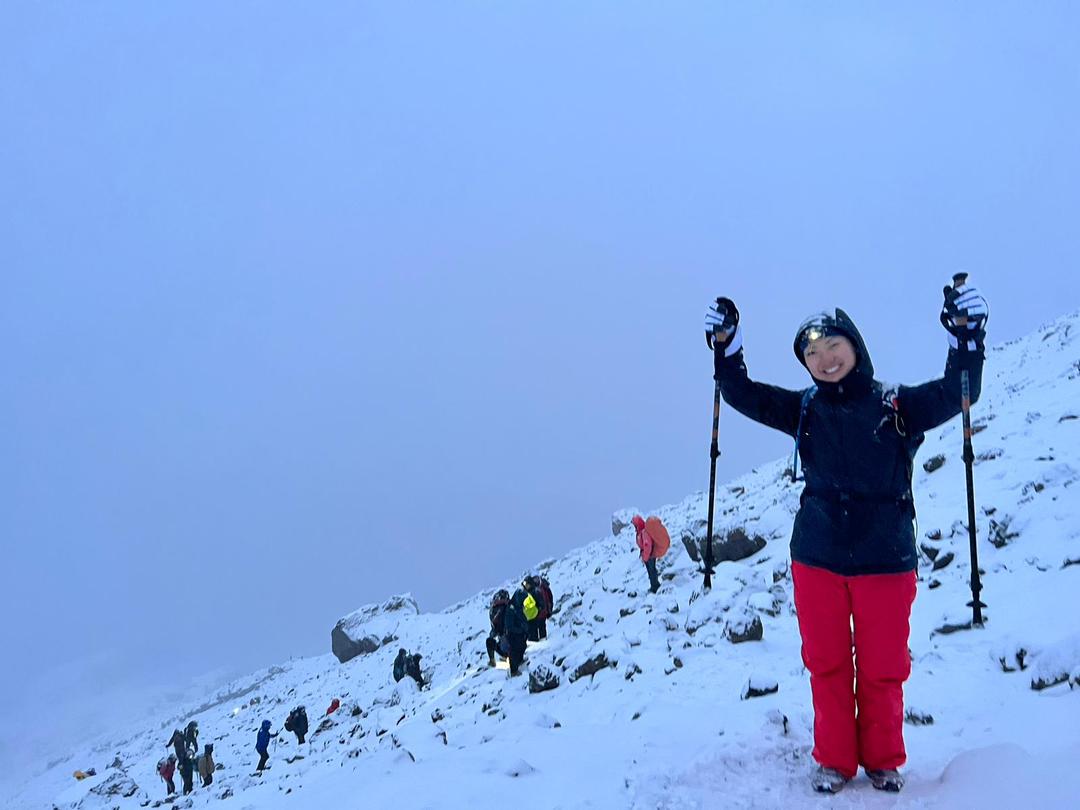
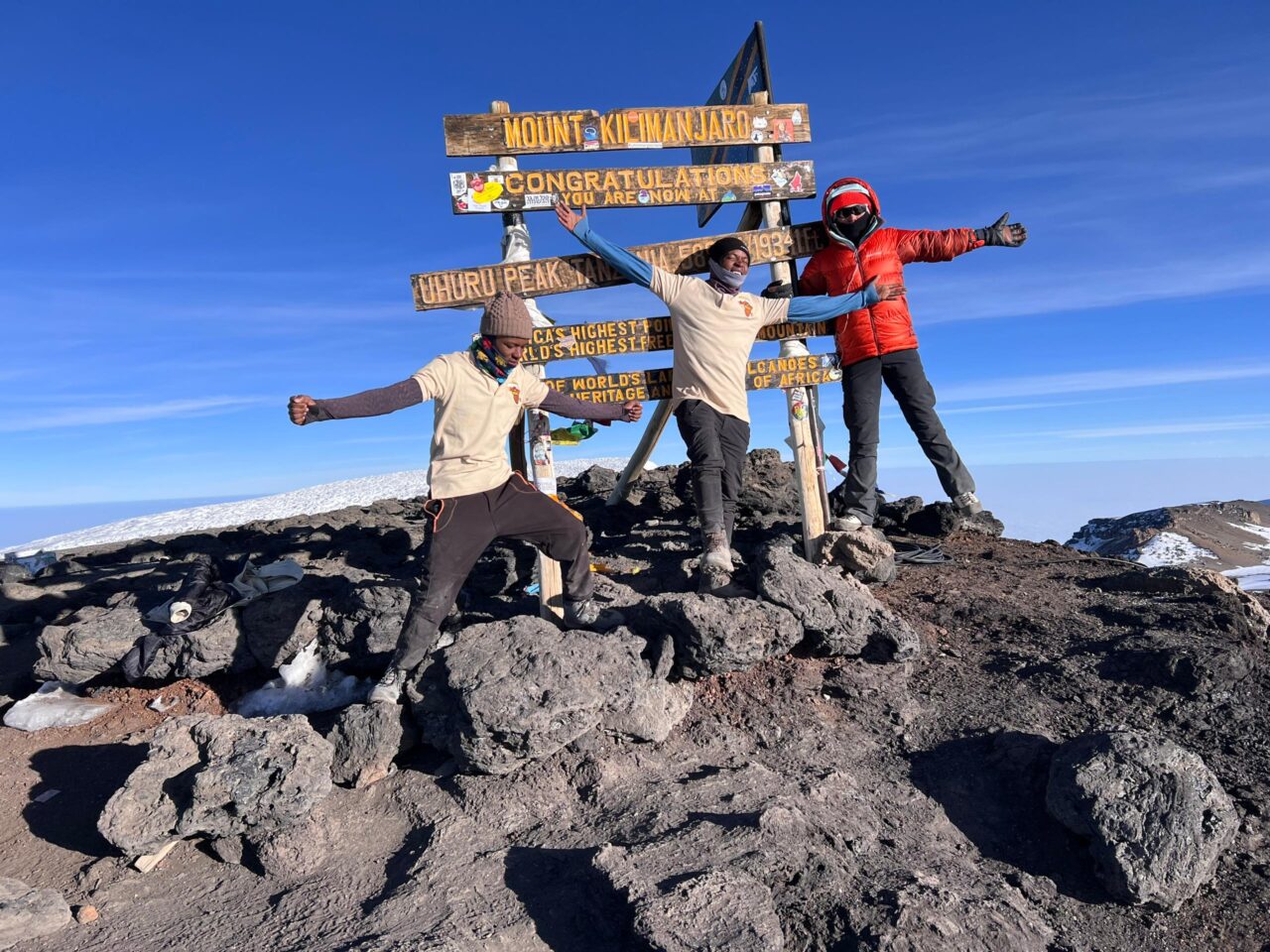
The success rate for the 6-day Umbwe Route on Kilimanjaro is generally lower than longer routes due to its steepness and rapid acclimatization profile, often estimated between 50-70% for climbers reaching Uhuru Peak. However, with proper preparation, choosing a reputable operator, and understanding the route’s specific challenges, climbers can significantly improve their chances of summiting. Planning for 2026 or 2027 requires early booking and focused training to adapt to the demanding pace.
Understanding the 6-Day Umbwe Route’s Challenge
The Umbwe Route is widely recognized as one of Kilimanjaro’s most demanding ascents. Its reputation stems from its direct, steep path from the southern side of the mountain, which leads climbers quickly to higher altitudes. While this directness offers a unique and wild trekking experience, it presents significant challenges, primarily concerning acclimatization. Unlike longer routes that allow the body more time to adjust to decreasing oxygen levels, the 6-day Umbwe route offers minimal time for this crucial process. This rapid ascent is the single biggest factor influencing its success rate.
For those considering the best 6 day Umbwe route success rate, it’s vital to grasp that this is not a route for beginners or those who haven’t thoroughly prepared. The physical exertion is intense, and the altitude’s effects can be felt more acutely due to the compressed schedule. However, for experienced trekkers seeking a more adventurous and less crowded climb, Umbwe offers unparalleled beauty and a profound sense of accomplishment.
The Umbwe Route: A Closer Look at its Profile
Originating from the Umbwe Gate, the route immediately plunges into the dense rainforest. It follows a narrow ridge, ascending steeply through the cloud forest and eventually into the moorland and alpine desert zones. The key characteristic that differentiates Umbwe from other routes like Machame or Lemosho is its lack of a gradual acclimatization curve. While longer routes might incorporate ‘climb high, sleep low’ strategies more effectively, the 6-day Umbwe is more about pushing upwards. This aggressive ascent profile means that reaching the summit camp (usually Barafu Camp) on day five involves a significant vertical gain with limited time to let your body adapt. Consequently, the final summit push from Barafu Camp to Uhuru Peak is often undertaken with climbers already feeling the strain of insufficient acclimatization.
Why ‘Success Rate’ is a Complex Metric
When discussing the best 6 day Umbwe route success rate, it’s important to understand that ‘success’ is defined as reaching Uhuru Peak, the highest point on Kilimanjaro. This rate is not a fixed statistic but fluctuates based on several key variables:
- Operator Quality: The experience and professionalism of the guiding team are paramount.
- Individual Preparation: Physical fitness and prior altitude experience play a huge role.
- Weather Conditions: Unpredictable mountain weather can impact any climb.
- Climber’s Health: Pre-existing conditions or sudden illness can affect performance.
- Acclimatization Strategy: Even on a short route, how well a climber manages their ascent and hydration matters.
Reputable tour operators will be transparent about the challenges of the Umbwe route and will not guarantee success, but rather focus on providing the best possible conditions for climbers to achieve it. They emphasize the importance of listening to your body and making informed decisions guided by experienced professionals.
Factors Influencing Your Umbwe Success Rate
Achieving success on the 6-day Umbwe route hinges on a combination of meticulous planning, rigorous preparation, and making informed choices throughout your trek. It’s not just about showing up; it’s about being ready for one of Africa’s most iconic challenges.
1. Physical Fitness: The Cornerstone of Your Climb
The physical demands of the 6-day Umbwe are substantial. This route is steep, and the terrain can be challenging, especially in the lower sections through the rainforest and the scree slopes higher up. Your training should focus on cardiovascular endurance, leg strength, and muscular endurance. Activities like hiking with a weighted backpack, trail running, cycling, and stair climbing are excellent preparation.
Key training components include:
- Cardiovascular Endurance: Aim for at least 3-4 sessions per week, including long hikes (4-6 hours) on varied terrain.
- Strength Training: Focus on legs (squats, lunges, calf raises) and core strength.
- Hiking with a Pack: Simulate the conditions by hiking with a backpack containing 10-15 lbs (4.5-7 kg).
- Altitude Simulation (if possible): While difficult to replicate perfectly, training at moderate altitudes can be beneficial.
For those planning a climb in 2026 or 2027, starting your training regimen at least 3-6 months in advance is highly recommended. This allows your body to adapt gradually and reduces the risk of injury.
2. Acclimatization: The Art of Ascending Slowly
This is where the 6-day Umbwe route presents its greatest challenge. The route’s directness means less time for your body to adapt to the thinning air. While longer routes like Machame or Lemosho offer more gradual ascents and ‘climb high, sleep low’ opportunities, Umbwe is inherently faster. To mitigate this:
- Hydration: Drink plenty of water throughout the day. Aim for 3-4 liters. Dehydration can mimic or exacerbate altitude sickness symptoms.
- Pacing: “Pole pole” (slowly, slowly) is the mantra on Kilimanjaro. Walk at a pace where you can hold a conversation without gasping for breath.
- Rest: Ensure you get adequate sleep, although this can be challenging at altitude.
- Avoid Alcohol and Smoking: These hinder acclimatization.
- Medication (Consult Your Doctor): Diamox (acetazolamide) can aid acclimatization for some individuals. Discuss this with your physician well in advance of your trek.
Even with these measures, the compressed nature of the 6-day Umbwe means that the risk of altitude sickness is higher compared to 7 or 8-day itineraries. It is crucial to communicate any symptoms to your guide immediately.
3. Choosing a Reputable Tour Operator
The quality of your tour operator is arguably the most critical factor for success on any Kilimanjaro route, but especially on a challenging one like Umbwe. A good operator provides:
- Experienced Guides: Certified guides trained in wilderness first aid and altitude sickness management.
- Adequate Crew: Sufficient porters and support staff to carry gear and ensure safety.
- Quality Equipment: Reliable tents, cooking gear, and emergency equipment.
- Proper Food and Nutrition: Nutritious meals to sustain energy levels.
- Safety Protocols: Clear procedures for handling emergencies and managing altitude sickness.
- Communication: Open communication channels before and during the trek.
When researching operators for your best 6 day Umbwe route success rate aspirations, look for companies with a proven track record, positive reviews, and a commitment to safety and ethical treatment of their staff. Companies like Top Guide Adventures Tanzania prioritize climber well-being and employ highly skilled local guides. You can reach them via WhatsApp +255616946642 or email topguideadventures@gmail.com.
4. Mental Fortitude and Attitude
Kilimanjaro is as much a mental challenge as it is physical. The 6-day Umbwe route, with its demanding pace and potential for discomfort, requires a strong mental game. Positive attitude, perseverance, and the ability to push through fatigue and discomfort are essential. Remind yourself of your goals and focus on taking one step at a time.
5. Gear and Equipment
Proper gear is non-negotiable for a successful climb. You need to be prepared for extreme temperature fluctuations, from hot and humid rainforest conditions to freezing alpine environments. Investing in or renting high-quality gear is crucial. Key items include:
- Layered Clothing: Base layers, mid-layers (fleece), and an outer waterproof/windproof shell.
- Sleeping Bag: Rated for -10°C to -20°C (0°F to -4°F).
- Sturdy Hiking Boots: Broken-in and waterproof.
- Headlamp: With extra batteries.
- Sun Protection: Hat, sunglasses, sunscreen.
- Trekking Poles: Essential for stability and reducing knee strain.
Ensure your gear is checked and approved by your operator before you depart.
Comparing the 6-Day Umbwe with Other Routes
To truly appreciate the context of the 6-day Umbwe’s success rate, it’s helpful to compare it with other popular Kilimanjaro routes. This comparison highlights why Umbwe is chosen by a specific type of trekker and what trade-offs are involved.
Umbwe vs. Machame (6-Day)
The Machame Route, often called the ‘Whiskey Route,’ is the most popular Kilimanjaro trek. The 6-day Machame offers a good balance of scenery and acclimatization, with a success rate generally higher than Umbwe. Its path involves more gradual ascents and descents, allowing for better ‘climb high, sleep low’ acclimatization. The 6-day Machame typically has success rates in the 70-85% range.
- Umbwe: Steep, direct, challenging acclimatization, lower success rate, more wild and less crowded.
- Machame: More gradual, better acclimatization, higher success rate, more popular and potentially more crowded.
Umbwe vs. Lemosho (7-Day)
The Lemosho Route is known for its stunning scenery, especially in the early days traversing the Shira Plateau. A 7-day Lemosho itinerary provides an excellent acclimatization profile, significantly increasing the chances of reaching the summit. Success rates on a 7-day Lemosho are typically among the highest, often exceeding 85-90%. The extra day allows for more effective acclimatization and a more relaxed pace.
- Umbwe (6-day): Faster ascent, aggressive profile, higher altitude sickness risk, lower success rate.
- Lemosho (7-day): Slower ascent, superior acclimatization, lower altitude sickness risk, higher success rate.
Umbwe vs. Marangu (5-Day)
The Marangu Route, or ‘Coca-Cola Route,’ is the oldest and often considered the easiest due to its hut accommodation and less strenuous trekking days. However, its 5-day option has one of the lowest success rates on Kilimanjaro, often comparable to or even lower than the 6-day Umbwe, because it offers very poor acclimatization. Climbers ascend quickly and sleep at high altitudes without sufficient time to adapt.
- Umbwe (6-day): Offers camping, more challenging trekking, potentially better acclimatization than 5-day Marangu but still demanding.
- Marangu (5-day): Hut accommodation, easier trekking days, but poor acclimatization leads to low summit success.
The 6-day Umbwe route appeals to those who prioritize a challenging, adventurous climb and understand the risks associated with its rapid ascent. It’s a route for experienced trekkers looking for a more rugged experience, rather than those solely focused on summiting with the highest probability.
The 6-Day Umbwe Itinerary: A Day-by-Day Breakdown
Understanding the daily progression of the 6-day Umbwe route is crucial for appreciating its challenges and planning effectively. This itinerary is designed for speed and directness, which impacts acclimatization.
Day 1: Umbwe Gate (1,800m / 5,905ft) to Umbwe Camp (2,930m / 9,615ft)
The trek begins at the Umbwe Gate. The initial hike is through dense rainforest, characterized by steep ascents and often muddy trails. The elevation gain is significant, taking you from the montane forest zone into the lower reaches of the heather and moorland. This day is physically demanding due to the continuous uphill climb and the humid environment.
Day 2: Umbwe Camp (2,930m) to Barranco Camp (3,976m / 13,044ft)
This day involves a substantial climb, moving from the Umbwe forest zone into the alpine desert. The terrain becomes more rugged. You’ll likely pass the junction with the Machame route, but Umbwe continues on its own distinct, steeper path. The goal is to reach Barranco Camp, a stunning location beneath the Great Barranco Wall.
Day 3: Barranco Camp (3,976m) to Karanga Camp (4,035m / 13,238ft)
The highlight of this day is traversing the Great Barranco Wall. This involves a challenging scramble, requiring the use of hands, but it’s not technical climbing. After descending into the Barranco Valley and then ascending again, you reach Karanga Camp. This day is strategically important for acclimatization, as you climb high and then descend slightly before camping.
Day 4: Karanga Camp (4,035m) to Barafu Camp (4,640m / 15,223ft)
This is another significant day of ascent, moving higher into the alpine desert towards the volcanic scree slopes. The landscape becomes stark and barren. You will reach Barafu Camp, your base for the summit attempt. This camp is situated at a high altitude, and many climbers begin to feel the effects of altitude sickness here. Resting well and hydrating is critical.
Day 5: Barafu Camp (4,640m) to Uhuru Peak (5,895m / 19,341ft) and descend to Mweka Camp (3,100m / 10,170ft)
The summit push begins in the early hours of the morning (around midnight to 2 AM). This is the most challenging part of the entire trek, involving a steep ascent over loose scree and rocky terrain in freezing temperatures. The goal is to reach Stella Point by sunrise, then continue the final push to Uhuru Peak. After celebrating at the summit, you begin the long descent, first back to Barafu Camp for a short rest and then all the way down to Mweka Camp, situated in the upper forest zone.
Day 6: Mweka Camp (3,100m) to Mweka Gate (1,640m / 5,380ft)
The final day involves a relatively short descent through the rainforest to Mweka Gate. You’ll be met by your driver and transferred back to your hotel in Moshi or Arusha, celebrating your incredible achievement.
This compressed itinerary underscores why the best 6 day Umbwe route success rate is lower. The rapid ascent and the challenging descent on summit day leave little room for error or for the body to fully adapt.
Maximizing Your Success: Practical Tips for 2026-2027 Climbers
Planning your Kilimanjaro adventure for 2026 or 2027 gives you ample time to prepare thoroughly. Here are actionable tips to enhance your chances of summiting via the Umbwe route:
1. Book with a Reputable Operator Early
The best operators, especially for challenging routes like Umbwe, tend to book up, particularly during peak seasons. For 2026 and 2027, start your research and booking process at least 6-12 months in advance. Look for operators who:
- Have a strong safety record and experienced guides.
- Are transparent about the 6-day Umbwe’s challenges and success rates.
- Provide comprehensive pre-trek information and support.
- Offer competitive pricing that reflects quality and safety standards, not just the lowest cost.
Top Guide Adventures Tanzania is a highly recommended operator. You can get detailed information and discuss your plans by contacting them via WhatsApp +255616946642 or email info@topguideadventures.com.
2. Prioritize Altitude Acclimatization Training
While you can’t fully replicate Kilimanjaro’s altitude, you can prepare your body. If you live near a mountainous area, try to do some training hikes at higher elevations. Even training at moderate altitudes can help your body adapt to lower oxygen levels.
3. Focus on Mental Preparation
The 6-day Umbwe route will test your mental resilience. Visualize yourself succeeding, practice positive self-talk, and prepare for discomfort. Understand that there will be moments of doubt and fatigue, and having strategies to overcome them is crucial.
4. Understand Altitude Sickness Symptoms
Educate yourself thoroughly on the signs and symptoms of Acute Mountain Sickness (AMS), High Altitude Cerebral Edema (HACE), and High Altitude Pulmonary Edema (HAPE). Know that your guide is trained to identify these and will make decisions based on your well-being. Never ignore symptoms. Early detection and descent are key to managing altitude sickness.
5. Pack Smart and Light
Every kilogram counts when you’re trekking. While you need essential gear for warmth and protection, avoid overpacking. Your main luggage will be carried by porters, but you’ll carry a daypack with essentials like water, snacks, rain gear, and warm layers. Ensure your gear is functional and appropriate for the conditions.
6. Listen to Your Body and Your Guide
This cannot be stressed enough. Your guide’s primary responsibility is your safety. If they recommend resting, descending, or adjusting your pace, heed their advice. Similarly, pay close attention to how your body feels. Communicate any symptoms of altitude sickness immediately. For the best 6 day Umbwe route success rate, collaboration between climber and guide is essential.
7. Consider a Shorter Route for First-Timers
If you are new to high-altitude trekking or have concerns about acclimatization, consider a longer route. The 7-day Machame or Lemosho routes offer significantly better acclimatization profiles and are generally recommended for first-time Kilimanjaro climbers. While the 6-day Umbwe can be a rewarding experience, it’s important to be realistic about its demands.
The Role of Altitude and Acclimatization on Umbwe
Altitude sickness is the primary reason why climbers fail to reach the summit of Kilimanjaro, and it is particularly pertinent for the 6-day Umbwe route. As you ascend, the atmospheric pressure decreases, meaning there are fewer oxygen molecules available with each breath. The human body can adapt to this, but it takes time.
How the Body Acclimatizes
Acclimatization is the physiological process by which the body adjusts to lower oxygen levels. This involves:
- Increased Breathing Rate: Your body tries to take in more oxygen.
- Increased Heart Rate: To circulate oxygenated blood more efficiently.
- Production of Red Blood Cells: Over time, the body produces more red blood cells to carry oxygen.
The most effective way to acclimatize is to ascend slowly, allowing your body to keep pace with the changing conditions. This is why longer routes with gradual ascents and ‘climb high, sleep low’ strategies are generally more successful. The 6-day Umbwe route compresses this process, making it difficult for many climbers’ bodies to adapt sufficiently.
The Umbwe Route’s Acclimatization Curve
The 6-day Umbwe itinerary is characterized by rapid elevation gains, especially on days 2 and 4, leading to Barafu Camp. This rapid ascent means climbers spend less time at intermediate altitudes where acclimatization can occur effectively. By the time climbers reach Barafu Camp (4,640m), they are already at an altitude where many experience symptoms of AMS. The subsequent summit push from Barafu to Uhuru Peak (5,895m) is a significant jump in altitude (over 1,200 meters) in a single night, often undertaken while already suffering from mild to moderate altitude sickness. This makes the summit attempt a race against time and the body’s ability to cope.
Recognizing and Managing Altitude Sickness
Awareness is your best defense. Symptoms of AMS can include:
- Headache
- Nausea and vomiting
- Dizziness
- Fatigue
- Loss of appetite
- Difficulty sleeping
If you experience these symptoms, inform your guide immediately. The primary treatment for AMS is to descend. Your guide will assess the severity and make the best decision for your safety. For the best 6 day Umbwe route success rate, proactive management and open communication are key.
What Does a Realistic Success Rate Mean for You?
Understanding that the 6-day Umbwe route has a lower success rate than longer routes should not deter you if you are well-prepared and aware of the risks. Instead, it should inform your decision-making process. If your primary goal is to summit Kilimanjaro with the highest possible probability, a longer route such as a 7-day Lemosho or Machame might be a more prudent choice. However, if you are an experienced trekker seeking a more challenging, adventurous, and less crowded experience, and you are committed to rigorous preparation, the 6-day Umbwe can still be a successful and incredibly rewarding journey.
Key takeaways for success on the 6-day Umbwe:
- Be realistic: Understand that summiting is not guaranteed.
- Prioritize preparation: Fitness and acclimatization awareness are crucial.
- Choose wisely: Select a top-tier operator with excellent safety protocols.
- Communicate: Be open with your guide about how you are feeling.
- Respect the mountain: Altitude is a serious factor.
For those targeting 2026 or 2027, this preparation timeline allows ample opportunity to build the necessary physical and mental resilience. It’s about making an informed choice that aligns with your experience, fitness, and risk tolerance.
Booking Your 6-Day Umbwe Climb for 2026-2027
When you’re ready to plan your adventure and aim for the best 6 day Umbwe route success rate, choosing the right partner is essential. Top Guide Adventures Tanzania offers expertly guided climbs on Kilimanjaro, focusing on safety, client satisfaction, and providing an unforgettable experience. They understand the nuances of each route, including the specific challenges of Umbwe.
Planning for 2026 and 2027 means you have time to ask all your questions and tailor your climb. Whether you’re considering a group departure or a private climb, their team is ready to assist. Don’t hesitate to reach out for personalized advice and a quote.
You can connect with their expert team directly:
- WhatsApp: +255616946642
- Email: topguideadventures@gmail.com
- Backup Email: info@topguideadventures.com
- Website: Top Guide Adventures Tanzania
Making an informed decision about your Kilimanjaro climb, especially for a challenging route like the 6-day Umbwe, is the first step towards a successful and memorable expedition. Let their experienced team help you plan your best 6 day Umbwe route success rate journey for 2026 or 2027.
Check Availability for Best 6-Day Umbwe Route Kilimanjaro Success Rate In 2026-2027
Ready to compare dates, prices, and the best option for your group? Send the package name and travel month so the team can reply with a clear quote, availability, and what is included.
 Best 5 Day Umbwe Route Success Rate For Kilimanjaro Climbers 2026-2027The 5-day Umbwe route on Kilimanjaro presents a significant challenge with a lower success rate compared to longer routes. While offering a…View package
 7 Day Marangu Route Success Rate Climb: Maximizing Your Kilimanjaro SummitThe 7-day Marangu Route offers a unique Kilimanjaro climbing experience, often referred to as the 'Coca-Cola' route. While generally considered…View packageBest 5 Day Marangu Route Success Rate: Your Guide For 2026-2027The Marangu Route, often called the 'Coca-Cola' route, is one of Kilimanjaro's most popular ascents. While its accessibility is a draw…View package
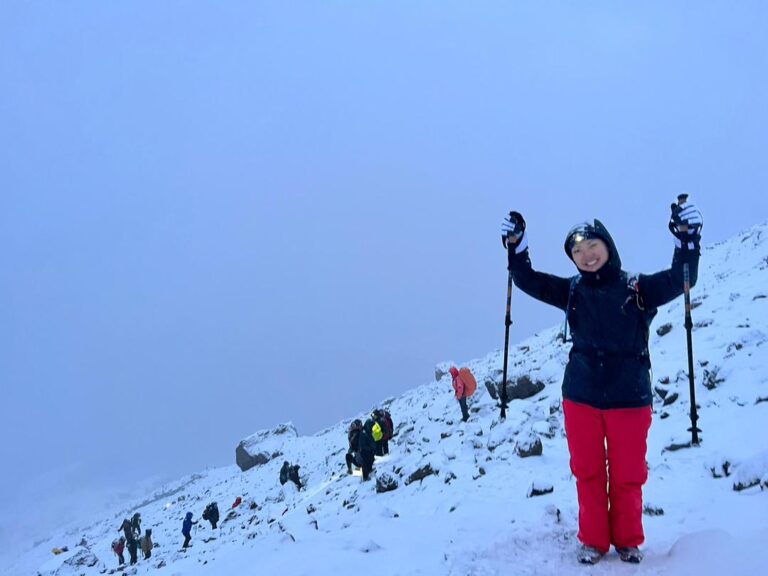 6 Day Marangu Route Success Rate & Trek Kilimanjaro In 2026-2027Learn about the success rate for the 6-day Marangu Route on Kilimanjaro. This comprehensive guide covers preparation, acclimatization, and what…View package
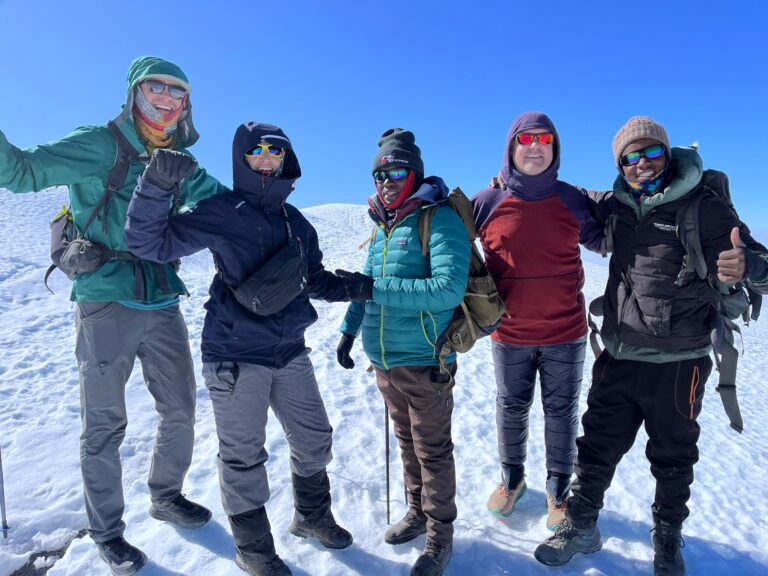 Best 6-Day Machame Route Success Rate: Your Kilimanjaro Guide 2026-2027Planning a Kilimanjaro climb via the Machame Route? Learn about the 6-day success rate, what factors influence it, and how to maximize your…View package7-Day Machame Route Success Rate For Kilimanjaro Climbs In 2026-2027The 7-day Machame Route offers a good balance of acclimatization and scenery, contributing to a strong success rate for Kilimanjaro climbs…View package
 Tanzania Catch-And-Release Fishing Safari: Your Ultimate Guide 2026-2027Experience the unique blend of wildlife viewing and angling with a Tanzania catch-and-release fishing safari. This comprehensive guide covers…View package
 Lake Victoria Island Cycling Adventure: Your Ultimate Guide 2026-2027Experience the vibrant life and stunning landscapes of Lake Victoria's islands on a unique cycling adventure. This guide covers everything you…View package


