
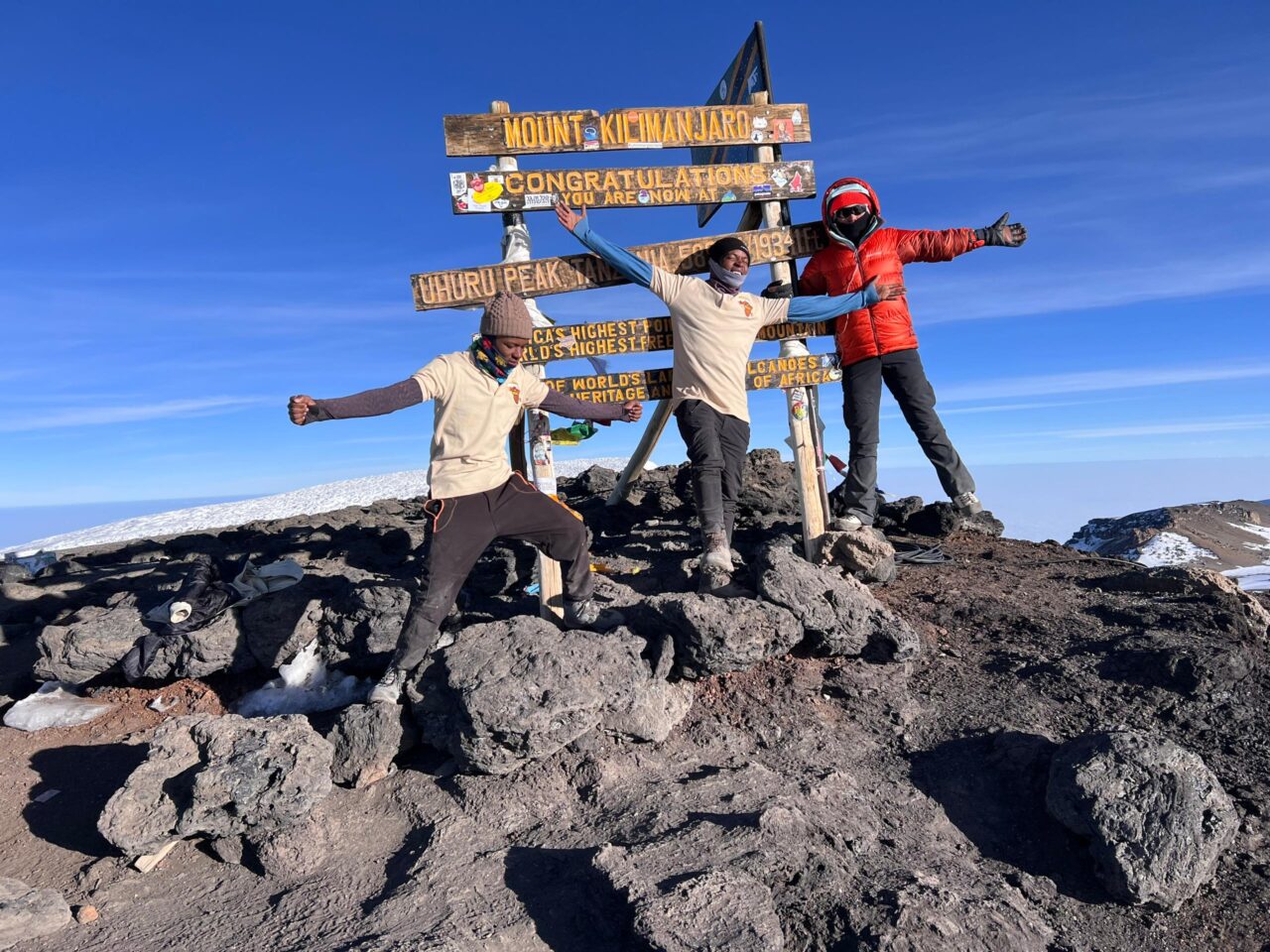
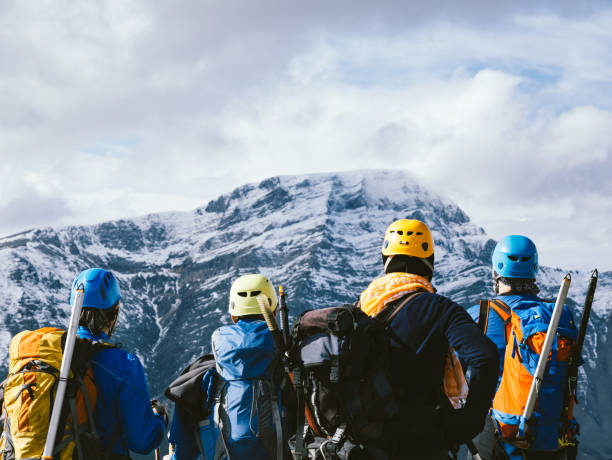
The best 7-day Rongai Route success rate for climbing Mount Kilimanjaro generally hovers around 80-90%, especially when climbing with experienced operators. This high success rate is attributed to the route’s gradual ascent profile, lower crowd density, and favorable acclimatization opportunities, making it a strong choice for trekkers prioritizing their summit chances in 2026 and 2027.
Understanding Success on Kilimanjaro’s Rongai Route
The quest to stand atop Uhuru Peak, the highest point on Mount Kilimanjaro, is a dream for many adventurers. When considering the 7-day Rongai Route, a paramount concern for prospective climbers is the probability of reaching the summit. While no trek is ever guaranteed due to the inherent challenges of high-altitude mountaineering, the Rongai Route consistently demonstrates impressive success rates. This article will thoroughly examine what contributes to the best 7-day Rongai Route success rate, why it’s a popular choice for 2026 and 2027 expeditions, and how you can maximize your personal chances of success.
What Defines ‘Success’ on Kilimanjaro?
Before diving into route-specific statistics, it’s crucial to define what constitutes ‘success’ on Kilimanjaro. For most trekkers, success means reaching Uhuru Peak (5,895 meters / 19,341 feet). However, some might define success as completing the entire trek, even if the summit isn’t reached, due to the immense physical and mental challenge involved. For the purpose of this discussion, we will focus on summit success.
Factors Influencing Rongai Route Success Rates
The Rongai Route’s strong success statistics are not accidental. They are a result of several key characteristics:
- Gradual Ascent Profile: Compared to some other routes, Rongai offers a more gentle, consistent climb, particularly in the initial stages. This allows the body more time to adapt to the increasing altitude.
- Less Congestion: Being the least-trafficked route, Rongai offers a more serene trekking experience. Fewer people mean less competition for space on the trail and at campsites, which can contribute to a more relaxed and focused climb.
- Favorable Acclimatization: The 7-day itinerary on Rongai is specifically designed to incorporate critical acclimatization days. This is arguably the single most important factor in summit success.
- Diverse Scenery: While not directly impacting success rates, the unique landscape, including the drier northern slopes and the possibility of spotting wildlife, can boost morale and the overall enjoyment of the trek, indirectly aiding perseverance.
- Quality of Guiding and Support: The expertise of the climbing crew – guides, porters, and cooks – plays an indispensable role. Experienced guides can assess climber health, manage pace, and make critical decisions regarding safety.
The 7-Day Rongai Itinerary: A Closer Look at Acclimatization
The 7-day Rongai itinerary is often cited as offering the best balance between a reasonable trek duration and adequate acclimatization for a high success rate. Let’s break down a typical 7-day Rongai schedule and see why it works:
- Day 1: Nale Muru Gate (1,950m) to Simba Camp (2,600m) – A relatively short day, allowing for initial acclimatization.
- Day 2: Simba Camp (2,600m) to Kikelewa Caves (3,600m) – A significant altitude gain, but spread out, with a good pace.
- Day 3: Kikelewa Caves (3,600m) to Mawenzi Tarn Hut (4,300m) – Reaching a higher camp, this day tests the body’s response to altitude.
- Day 4: Mawenzi Tarn Hut (4,300m) to Kibo Hut (4,700m) – This is a crucial day for getting closer to the base of the summit cone, often involving a shorter day to allow rest and preparation for summit night. Some itineraries might include a rest day or a shorter trek to acclimatize further at Mawenzi Tarn or a similar altitude.
- Day 5: Kibo Hut (4,700m) to Summit (5,895m) and down to Horombo Hut (3,700m) – Summit night, a challenging ascent followed by descent to a lower camp for recovery.
- Day 6: Horombo Hut (3,700m) to Marangu Gate (1,800m) – Descent to the park gate.
- Day 7: Reserve Day / Marangu Gate (1,800m) to Arusha – Typically, the 7-day itinerary concludes with descent on Day 6. A 7-day trek usually implies 6 nights on the mountain. If the itinerary is structured to have a full 7 days on the mountain (meaning 7 nights), it would naturally extend the acclimatization and potentially boost success rates further, but the standard 7-day trek is 6 nights.
The key here is the progression. By reaching higher camps and then descending slightly or staying at altitude for a day, the body has a better chance to adapt. The 7-day itinerary is often preferred over the 6-day version for Rongai specifically because it adds a crucial day for acclimatization before the summit push, significantly improving the odds.
Comparing 7-Day Rongai to Other Routes for Success
When evaluating the best 7-day Rongai Route success rate, it’s helpful to compare it with other popular Kilimanjaro routes:
- Machame Route: Often called the ‘Whiskey Route’ due to its popularity, Machame is known for its excellent acclimatization profile (‘climb high, sleep low’) and typically offers high success rates (around 80-85% for 7-day treks). However, it is much more crowded than Rongai.
- Lemosho Route: Similar to Machame in its acclimatization and scenery, Lemosho also boasts high success rates (85-90% for 7-day or 8-day treks). It’s longer and more expensive than Rongai, offering a more remote experience initially.
- Marangu Route: The ‘Coca-Cola Route’ is the only one with hut accommodation. Its 5-day option has a notoriously lower success rate (around 60-70%) due to rapid ascent and poor acclimatization. The 6-day Marangu itinerary improves this, but generally, the Rongai’s 7-day option still offers better odds due to its ascent profile and fewer crowds.
- Northern Circuit: The longest route (9 days or more), offering the best acclimatization and highest success rates (often 90%+). However, it requires more time and is more expensive.
The 7-day Rongai Route strikes an excellent balance: good acclimatization, fewer crowds, and a respectable duration that appeals to many travelers planning for 2026 or 2027. It often edges out Machame and Lemosho in terms of pure success rate due to its less crowded nature and unique ascent, while being more accessible than the much longer Northern Circuit.
What Affects Your Personal Success Rate?
While the route and itinerary are crucial, your personal preparation and choices have an even greater impact on your individual success rate on the 7-day Rongai Route:
Physical Fitness is Paramount
Kilimanjaro is not a technical climb, but it is a strenuous endurance test. You need to be in excellent cardiovascular shape. Focus on hiking, running, cycling, or swimming for several months leading up to your trek. Incorporate hills or stairs into your training to simulate the uphill climbs.
Acclimatization is King
This cannot be stressed enough. Listen to your body and your guides. Ascend slowly, drink plenty of water (3-4 liters per day), and avoid alcohol and smoking. If you feel symptoms of altitude sickness, report them immediately. Diamox (acetazolamide) can be prescribed by your doctor to aid acclimatization, but it is not a substitute for proper ascent and hydration.
Mental Fortitude
Summit night is a mental battle as much as a physical one. Stay positive, focus on one step at a time, and draw strength from your support team and fellow climbers. The Rongai route’s relative quiet can be a huge mental advantage, allowing for introspection and focus.
Choosing the Right Operator
This is where the best 7 day Rongai Route success rate truly comes into play. Reputable tour operators prioritize safety, proper acclimatization protocols, and experienced guides. They will:
- Provide well-structured itineraries that maximize acclimatization.
- Hire guides trained in wilderness first aid and altitude sickness management.
- Ensure sufficient porters to carry gear, allowing you to focus on climbing.
- Provide nutritious food to maintain energy levels.
- Have oxygen cylinders and medical kits available.
Operators who cut corners on guide training, equipment, or itinerary length significantly reduce your chances of success and compromise your safety.
Gear and Clothing
Proper gear is essential for comfort and safety. You need to be warm and dry. This includes waterproof and windproof outer layers, warm insulation (down jacket, fleece), thermal base layers, sturdy hiking boots, gloves, a warm hat, and a good sleeping bag. Renting gear is an option, but ensure it’s high quality.
The Role of the Tour Operator in Success Rates
When planning your 2026 or 2027 Kilimanjaro adventure via the Rongai Route, the choice of tour operator is paramount. A responsible operator doesn’t just facilitate the trek; they actively contribute to your success and safety. Here’s how:
- Itinerary Design: The best operators craft itineraries that prioritize acclimatization. For the Rongai Route, this often means advocating for the 7-day option over the shorter 6-day one, recognizing the significant difference it makes to summit success rates. They will ensure you have adequate time to ascend gradually.
- Guide Expertise: The guides are the frontline of your safety. Look for operators who employ guides with extensive experience on Kilimanjaro, certified first-aid training, and a deep understanding of altitude sickness symptoms and management. They should be skilled at assessing individual climber conditions and making proactive decisions.
- Safety Protocols: A reputable operator will have robust safety protocols in place. This includes carrying emergency oxygen, comprehensive medical kits, and evacuation plans. They will also monitor weather conditions and have contingency plans.
- Porter Welfare: Happy and well-cared-for porters contribute to a more positive and efficient trek. Ethical operators ensure porters are treated fairly, fed well, and equipped appropriately. This morale boost can indirectly impact the overall atmosphere and success of the climb.
- Equipment Quality: From tents to cooking gear and medical supplies, the quality of equipment matters. Reliable operators invest in durable, functional gear that can withstand Kilimanjaro’s harsh conditions.
Planning Your 2026-2027 Rongai Expedition
As you look ahead to trekking Kilimanjaro in 2026 or 2027, here are some practical steps to ensure you choose the best 7-day Rongai Route experience and maximize your success:
- Research Operators Thoroughly: Look for companies with a proven track record, positive reviews (especially regarding safety and success rates), and transparent pricing. Websites like TripAdvisor and direct client testimonials can be invaluable.
- Inquire About Specific Itineraries: Don’t just book a ‘Rongai Route’ trip. Ask for the detailed 7-day itinerary. Understand the daily altitude gains and campsite locations. If an operator pushes a 6-day Rongai for a higher success rate, be wary.
- Ask About Guide Qualifications: Inquire about the training and experience of their guides. Are they certified in high-altitude first aid? How many years have they been leading treks on Kilimanjaro?
- Understand Inclusions and Exclusions: Ensure you know what your trek package covers (e.g., park fees, meals, accommodation, transfers, emergency oxygen) and what you need to budget for separately (e.g., tips, personal gear, travel insurance).
- Book in Advance: For peak seasons in 2026 and 2027, booking your trek well in advance is recommended, especially if you prefer private climbs or specific departure dates. This also gives you ample time for physical preparation.
The Rongai Route: A Detailed Day-by-Day Breakdown for 7 Days
To truly appreciate why the 7-day Rongai Route is so effective for summit success, let’s explore each day in more detail:
Day 1: Nale Muru Gate (1,950m / 6,398ft) to Simba Camp (2,600m / 8,530ft)
Distance: ~7 km / 4.3 miles
Time: ~3-4 hours
Habitat: Cultivation, Rainforest
The journey begins at Nale Muru Gate, located on the northern slopes of Kilimanjaro. After completing park formalities, you’ll commence your trek through cultivated land and into the montane forest. The initial ascent is gentle, allowing your body to start adapting to the altitude. Simba Camp is situated just above the tree line, offering open views and a comfortable introduction to camp life. The relatively modest altitude gain on day one is crucial for easing into the trek.
Day 2: Simba Camp (2,600m / 8,530ft) to Kikelewa Caves (3,600m / 11,811ft)
Distance: ~12 km / 7.5 miles
Time: ~6-7 hours
Habitat: Heath and Moorland
Today marks a more significant ascent as you leave the rainforest behind and enter the heath and moorland zone. The trail continues to be relatively gradual but covers more distance. You’ll pass through stunning landscapes with unique flora. Kikelewa Caves offer a scenic and relatively sheltered campsite. This day’s climb is substantial, pushing you into higher altitudes and requiring good hydration and a steady pace.
Day 3: Kikelewa Caves (3,600m / 11,811ft) to Mawenzi Tarn Hut (4,300m / 14,108ft)
Distance: ~7 km / 4.3 miles
Time: ~4-5 hours
Habitat: Alpine Desert
The landscape transforms into the alpine desert, characterized by sparse vegetation and rocky terrain. The climb to Mawenzi Tarn Hut is more direct and steeper than the previous days. Mawenzi Tarn, situated in a dramatic cirque below the jagged peaks of Mawenzi (Kilimanjaro’s second peak), is a picturesque campsite. This day’s altitude gain is considerable, and you’ll likely begin to feel the effects of the altitude more keenly. Proper acclimatization and rest at this camp are vital.
Day 4: Mawenzi Tarn Hut (4,300m / 14,108ft) to Kibo Hut (4,700m / 15,420ft)
Distance: ~8 km / 5 miles
Time: ~4-5 hours
Habitat: Alpine Desert
Today’s trek takes you across the ‘saddle’ – the desolate alpine desert landscape connecting Mawenzi and Kibo. The terrain becomes increasingly rocky and barren. Kibo Hut is located at the base of the Kibo cone, the final ascent path. This is the last stop before summit night. The altitude gain is significant, and it’s crucial to rest well, hydrate, and prepare for the challenging summit push that begins in the early hours of the next morning. Some operators might build in a slightly shorter day here or encourage maximum rest to ensure readiness for the summit attempt.
Day 5: Kibo Hut (4,700m / 15,420ft) to Summit (Uhuru Peak, 5,895m / 19,341ft) and descend to Horombo Hut (3,700m / 12,140ft)
Distance: ~6 km / 3.7 miles (ascent) + ~15 km / 9.3 miles (descent)
Time: ~7-8 hours (ascent) + ~3-4 hours (descent to Kibo) + ~3-4 hours (descent to Horombo)
Habitat: Arctic
This is the defining day of your trek. You will wake up around midnight to begin your ascent up the steep scree slopes of the Kibo cone. The climb is challenging, slow, and requires immense willpower. You’ll reach Stella Point (5,756m / 18,885ft) around sunrise, and from there, it’s another hour-long walk to Uhuru Peak. After celebrating your achievement, you’ll descend back to Kibo Hut for a brief rest before continuing down to Horombo Hut. This descent to Horombo is significant, helping with acclimatization by dropping you down to a more manageable altitude.
Day 6: Horombo Hut (3,700m / 12,140ft) to Marangu Gate (1,800m / 5,905ft)
Distance: ~20 km / 12.4 miles
Time: ~5-7 hours
Habitat: Forest
The final day’s trek is a long descent through the moorland and forest zones back to Marangu Gate. You’ll likely experience a mix of relief and exhaustion. Upon reaching the gate, you’ll be awarded your climbing certificates. From Marangu Gate, you’ll be transferred back to your hotel in Arusha.
This 6-night, 7-day structure allows for adequate rest and acclimatization, contributing significantly to the high success rate of the Rongai Route.
Common Challenges and How to Mitigate Them
Even with the Rongai Route’s advantages, challenges can arise. Being prepared is key to overcoming them:
- Altitude Sickness (AMS): The most common challenge. Symptoms include headache, nausea, dizziness, and fatigue. Mitigation: Gradual ascent, hydration, Diamox (consult doctor), and immediate reporting of symptoms to guides. Never ascend with symptoms.
- Cold Temperatures: Summit night can be extremely cold, often dropping below -20°C (-4°F) with wind chill. Mitigation: Layering with high-quality thermal and insulating gear, including a warm hat, gloves, and insulated boots. A good down jacket is essential.
- Fatigue and Exhaustion: The sheer physical exertion over multiple days, especially summit night, can be draining. Mitigation: Maintain a slow, steady pace (‘pole pole’), eat well, stay hydrated, and get as much rest as possible.
- Digestive Issues: Changes in diet and altitude can sometimes cause stomach upset. Mitigation: Eat the provided meals, stay hydrated, and carry personal snacks you are accustomed to.
What About the 6-Day Rongai Route?
While the 7-day Rongai Route is generally recommended for its superior success rate, a 6-day option exists. This itinerary typically skips the acclimatization day at Mawenzi Tarn or shortens the trekking days significantly. Consequently, the success rate for the 6-day Rongai Route is lower, often falling into the 70-80% range. For travelers prioritizing their chances of reaching Uhuru Peak in 2026 or 2027, the 7-day itinerary is the clear choice.
Budget Considerations for the 7-Day Rongai Route
The cost of a Kilimanjaro climb can vary significantly based on the operator, inclusions, and level of service. For a 7-day Rongai Route trek, you can expect prices to range from approximately $1,800 to $3,500+ per person for a reputable, mid-range to high-end operator. Budget operators might be cheaper, but often compromise on safety, guide quality, or food. Premium operators offering more luxurious services or smaller group sizes will be at the higher end.
Key cost factors include:
- Park Fees: A significant portion of the cost, mandated by the Tanzanian government.
- Guide and Porter Wages: Essential for a well-supported trek.
- Food and Accommodation: Meals on the mountain and accommodation before/after the climb.
- Transfers: From the airport to your hotel and to/from the mountain gate.
- Equipment: Tents, cooking gear, safety equipment.
- Emergency Oxygen: Crucial for safety.
When comparing prices, always look at what is included. A lower price might seem attractive, but if it excludes essential services or compromises on safety, it’s not a good deal. For the best 7 day Rongai Route success rate, invest in a quality operator.
Preparing for Your 2026-2027 Kilimanjaro Climb
Anticipation for a Kilimanjaro climb can be immense. Here’s a checklist to help you prepare:
Pre-Trek Preparation Checklist:
- Physical Training: Begin at least 3-6 months in advance. Focus on cardiovascular fitness and strength training.
- Acclimatization Strategy: Discuss Diamox with your doctor if you plan to use it.
- Gear Acquisition: Purchase or rent essential clothing and equipment. Ensure boots are well broken-in.
- Travel Insurance: Ensure it covers high-altitude trekking and emergency evacuation.
- Visa and Passport: Check expiry dates and apply for your Tanzanian visa if required.
- Vaccinations: Consult your doctor or a travel clinic about recommended vaccinations.
- Mental Preparation: Read about the trek, visualize success, and prepare for challenges.
- Pack Smart: Pack efficiently, ensuring you have all essentials but avoid unnecessary weight.
Is the 7-Day Rongai Route the Right Choice for You?
Considering the best 7 day Rongai Route success rate, this itinerary is an excellent choice for:
- First-time high-altitude trekkers who want a good balance of challenge and safety.
- Climbers who prefer a quieter, less crowded experience.
- Individuals who value strong acclimatization and a higher probability of reaching the summit.
- Travelers looking for a route with diverse scenery, including the possibility of seeing wildlife on the lower slopes.
- Those planning their expedition for 2026 or 2027 and want a reliable, well-trodden path with proven results.
If you are seeking the absolute highest success rates regardless of duration or cost, the 8-day or 9-day Northern Circuit or Lemosho routes might be considered. However, for a compelling combination of strong success rates, manageable duration, and a more serene environment, the 7-day Rongai Route stands out as a top contender.
Conclusion: Maximizing Your Summit Chances on Rongai
The 7-day Rongai Route offers one of the highest success rates among Kilimanjaro treks, often reaching 80-90%. This is primarily due to its gentle ascent, excellent acclimatization profile over seven days, and reduced crowds. By choosing a reputable operator like Top Guide Adventures, focusing on your physical and mental preparation, and listening to your guides, you significantly enhance your personal probability of standing on Uhuru Peak. For your 2026 or 2027 Kilimanjaro adventure, the 7-day Rongai Route presents a fantastic opportunity to achieve your summit dreams. Ready to plan your climb? Contact us today to discuss your expedition and ensure you are on the path to success. Top Guide Adventures is dedicated to making your Kilimanjaro dream a reality, offering expert guidance and unwavering support throughout your journey. Reach out via WhatsApp +255616946642 or email us at topguideadventures@gmail.com or info@topguideadventures.com.
Check Availability for Best 7 Day Rongai Route Success Rate: Your Definitive Guide 2026-2027
Ready to compare dates, prices, and the best option for your group? Send the package name and travel month so the team can reply with a clear quote, availability, and what is included.
 Best 6-Day Umbwe Route Kilimanjaro Success Rate In 2026-2027The 6-day Umbwe Route on Kilimanjaro offers a challenging yet rewarding ascent. While success rates vary based on individual preparation and…View packageBest 5 Day Umbwe Route Success Rate For Kilimanjaro Climbers 2026-2027The 5-day Umbwe route on Kilimanjaro presents a significant challenge with a lower success rate compared to longer routes. While offering a…View package
 7 Day Marangu Route Success Rate Climb: Maximizing Your Kilimanjaro SummitThe 7-day Marangu Route offers a unique Kilimanjaro climbing experience, often referred to as the 'Coca-Cola' route. While generally considered…View packageBest 5 Day Marangu Route Success Rate: Your Guide For 2026-2027The Marangu Route, often called the 'Coca-Cola' route, is one of Kilimanjaro's most popular ascents. While its accessibility is a draw…View package6 Day Marangu Route Success Rate & Trek Kilimanjaro In 2026-2027Learn about the success rate for the 6-day Marangu Route on Kilimanjaro. This comprehensive guide covers preparation, acclimatization, and what…View package
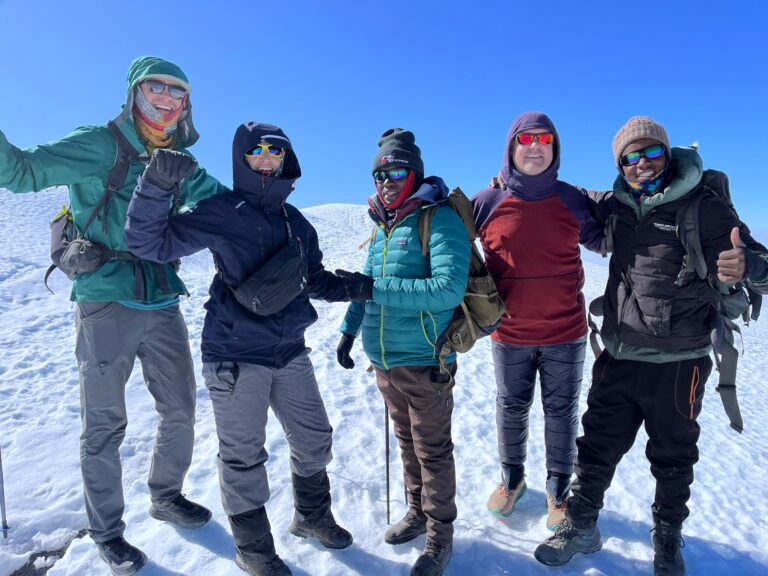 Best 6-Day Machame Route Success Rate: Your Kilimanjaro Guide 2026-2027Planning a Kilimanjaro climb via the Machame Route? Learn about the 6-day success rate, what factors influence it, and how to maximize your…View package7-Day Machame Route Success Rate For Kilimanjaro Climbs In 2026-2027The 7-day Machame Route offers a good balance of acclimatization and scenery, contributing to a strong success rate for Kilimanjaro climbs…View package
 Tanzania Catch-And-Release Fishing Safari: Your Ultimate Guide 2026-2027Experience the unique blend of wildlife viewing and angling with a Tanzania catch-and-release fishing safari. This comprehensive guide covers…View package


