
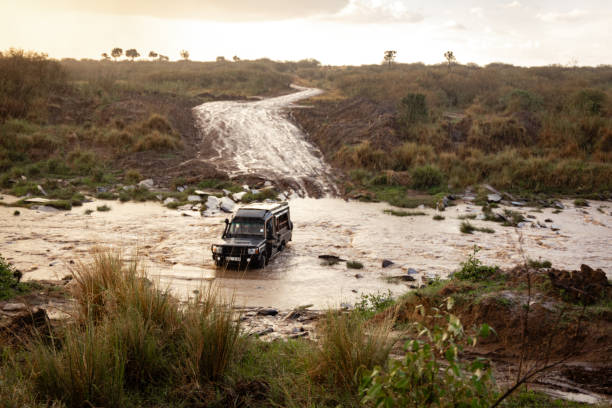
The best 4-day group safaris from Moshi after Kilimanjaro typically focus on the Northern Circuit’s most accessible and rewarding parks: Tarangire National Park, Lake Manyara National Park, and the Ngorongoro Crater. These tours are designed to maximize wildlife viewing opportunities within a short timeframe, offering a fantastic conclusion to your mountain trek. Expect to see diverse ecosystems, abundant wildlife including the Big Five, and comfortable accommodations, often with shared departures available for cost-effectiveness, especially in 2026 and 2027 planning.
Your Unforgettable Post-Kilimanjaro Safari Adventure: A 4-Day Group Experience from Moshi
You’ve conquered Kilimanjaro. The sense of achievement is immense, the views from Uhuru Peak are etched into your memory, and now, as you descend back to Moshi, your thoughts might turn to another iconic Tanzanian experience: a safari. Combining a Kilimanjaro trek with a safari is a classic Tanzanian journey, and a 4-day group safari starting from Moshi is an excellent way to witness the country’s unparalleled wildlife and diverse landscapes without needing extensive additional time. This curated itinerary is perfect for those who have just completed their climb and are looking for an efficient yet comprehensive wildlife adventure.
Choosing a group safari offers a unique blend of shared experience and cost-effectiveness. Traveling with like-minded adventurers means sharing stories around the campfire, splitting costs on accommodation and vehicle hire, and enjoying the camaraderie that comes with exploring one of the world’s greatest wildlife destinations together. For travelers planning their 2026 or 2027 adventures, booking a group departure can secure better rates and ensure availability, especially during peak seasons.
This guide is crafted to help you understand what makes a 4-day group safari from Moshi the ideal choice after your Kilimanjaro ascent, detailing the typical routes, what you can expect to see, and how to make the most of this incredible opportunity.
Why Choose a 4-Day Group Safari from Moshi?
After the physical exertion of climbing Kilimanjaro, the transition to a safari should be about relaxation, awe, and immersion in nature. A 4-day itinerary from Moshi is perfectly paced. It allows for travel to the key parks without feeling rushed, provides ample time for game drives, and includes necessary rest periods. Here’s why it’s a standout choice:
- Convenient Starting Point: Moshi is the natural gateway for Kilimanjaro climbers. Starting your safari here eliminates the need for extensive travel back to major hubs like Arusha or Kilimanjaro International Airport (JRO), saving you time and logistical hassle.
- Efficient Wildlife Encounters: This duration is optimized to cover the highlights of the Northern Circuit, particularly the areas closest to Moshi and Arusha. You’ll visit world-renowned parks that offer high chances of spotting a wide array of wildlife.
- Cost-Effective Travel: Group departures significantly reduce the per-person cost of a safari. Sharing the expenses of a safari vehicle, driver-guide, and sometimes accommodation makes this an accessible option for many travelers, especially when planning for 2026 and 2027.
- Social Experience: Traveling in a group can enhance the safari experience. You’ll meet people from different backgrounds, share exciting wildlife sightings, and build lasting friendships.
- Logistical Simplicity: Tour operators handle all the planning, including park entries, accommodation bookings, and transportation. This allows you to focus entirely on enjoying the wildlife and the incredible scenery, especially important after the demands of a Kilimanjaro climb.
The Classic 4-Day Northern Circuit Itinerary: A Taste of Tanzania’s Best
While specific itineraries can vary slightly between tour operators, a standard 4-day group safari from Moshi typically includes visits to three of Tanzania’s most celebrated wildlife destinations. This route is popular because it offers a rich diversity of landscapes and habitats, leading to varied animal sightings.
Day 1: From Moshi to Tarangire National Park – The Land of Giants
Your safari begins after a morning pickup from your hotel in Moshi. You’ll drive towards Tarangire National Park, a journey of approximately 3-4 hours. Tarangire is particularly famous for its large elephant herds, baobab trees, and its river, which acts as a magnet for wildlife, especially during the dry season.
Upon entering the park, your first game drive commences. Keep your eyes peeled for:
- Elephants: Tarangire is home to some of the largest elephant populations in Tanzania. You’ll likely see herds of all sizes, including playful youngsters.
- Baobab Trees: These iconic trees dot the landscape, adding a prehistoric feel to the scenery.
- Predators: Lions, leopards, and cheetahs are present, though often more elusive. Look for them resting in trees or stalking through the grasslands.
- Birdlife: Tarangire is a paradise for birdwatchers, with over 550 species recorded.
You’ll spend the afternoon exploring Tarangire before heading to your lodge or tented camp near the park for an overnight stay. Accommodation options range from comfortable mid-range lodges to more luxurious tented camps, offering a chance to relax and absorb the sounds of the African bush.
Day 2: Lake Manyara National Park & Transfer to Karatu
After breakfast, you’ll drive to Lake Manyara National Park. This park, though smaller than others, is renowned for its diverse ecosystems, including groundwater forests, acacia woodlands, and the alkaline lake itself, which attracts vast flocks of flamingos (seasonally).
Highlights of Lake Manyara include:
- Tree-Climbing Lions: Lake Manyara is one of the few places where lions are known to climb trees, a truly unique spectacle.
- Baboons: Large troops of baboons are common and often put on quite a show.
- Birdlife: The lake is a crucial stopover for migratory birds, and the variety of species is impressive.
- Diverse Habitats: From dense forests to open grasslands and the shores of the lake, the landscape changes dramatically, supporting a wide range of animals.
After a morning game drive in Lake Manyara, you’ll enjoy lunch and then proceed to the charming town of Karatu, situated on the rim of the Ngorongoro Crater highlands. This area offers cooler temperatures and stunning views. You’ll check into your lodge or guesthouse for the night, often with beautiful gardens and a peaceful atmosphere.
Day 3: Ngorongoro Crater – A Wildlife Haven
This is often the most anticipated day of the safari. You’ll descend into the Ngorongoro Crater, a UNESCO World Heritage Site and one of the most densely packed wildlife areas on Earth. The crater floor is a self-contained ecosystem, home to an incredible concentration of animals.
Your game drive within the crater will focus on spotting:
- The Big Five: The Ngorongoro Crater offers an excellent chance to see lions, elephants, rhinos (including the rare black rhino), leopards, and buffalo.
- Large Mammals: Expect to see vast herds of wildebeest, zebras, gazelles, hippos, and hyenas.
- Unique Scenery: The crater walls create a dramatic backdrop, and the landscape is a mosaic of grasslands, swamps, and small forests.
- Birdlife: Numerous bird species, including ostriches, eagles, and vultures, thrive in the crater.
You’ll spend most of the day on the crater floor, enjoying a picnic lunch by a hippo pool. The Ngorongoro Conservation Area also offers opportunities to visit a Maasai village, a cultural experience that provides insight into the lives of the indigenous people of this region. After a full day of exploration, you will ascend from the crater and return to your lodge in Karatu for your final night.
Day 4: Return to Moshi / Arusha
After a leisurely breakfast at your Karatu lodge, you will begin your journey back towards Moshi. The drive offers a final chance to soak in the Tanzanian countryside. Depending on your flight schedule or onward travel plans, you may be dropped off at Kilimanjaro International Airport (JRO) or your hotel in Arusha or Moshi.
This 4-day itinerary provides a comprehensive introduction to Tanzania’s most famous wildlife areas, perfectly complementing your Kilimanjaro achievement.
Planning Your 2026-2027 Safari: Key Considerations
When planning your post-Kilimanjaro safari for 2026 or 2027, several factors will influence your experience and budget. Group safaris offer a fantastic balance, but understanding these elements is crucial:
- Departure Dates: Group safaris have fixed departure dates. Check with your tour operator for schedules that align with your Kilimanjaro trek completion dates. Flexibility is key.
- Group Size: While “group safari” implies shared costs, the actual size can vary. Some operators offer small group departures (4-6 people), while others might have larger groups. Smaller groups often mean more personalized attention and easier wildlife viewing from the vehicle.
- Vehicle Type: Most 4-day safaris utilize a 4×4 Land Cruiser, essential for navigating park tracks. Ensure the vehicle is well-maintained and equipped with pop-up roofs for optimal game viewing.
- Accommodation Standards: Group safaris typically offer a range of accommodation options, from budget-friendly camps and lodges to mid-range and even some luxury tented camps. Your choice will significantly impact the overall cost.
- Inclusions and Exclusions: Carefully review what is included in your safari package. Common inclusions are park entrance fees, game drives, accommodation, meals (usually full board on safari), and a professional driver-guide. Exclusions might include tips, drinks, personal insurance, and souvenirs.
- Booking Window: For popular periods in 2026 and 2027, especially during the dry seasons (June-October and December-February), booking several months in advance is highly recommended to secure your spot on a group departure.
What Wildlife Can You Realistically Expect to See?
The Northern Circuit parks are renowned for their abundance and diversity of wildlife. While no safari guarantees sightings, a 4-day itinerary hitting Tarangire, Lake Manyara, and Ngorongoro Crater offers some of the highest probabilities for encountering iconic African animals.
Tarangire National Park:
- Elephants: Almost guaranteed. You’ll likely see large herds, especially during the dry season when they congregate around the Tarangire River.
- Giraffes: Masais giraffes are common.
- Zebras and Wildebeest: Large numbers are present, particularly during migration periods.
- Buffalo: Frequently seen in herds.
- Antelopes: Various species like impalas, dik-diks, gazelles, and kudus.
- Predators: Lions are often spotted, sometimes in trees. Leopards and cheetahs are more elusive but possible.
- Birds: Over 550 species, including the yellow-necked spurfowl and the largest flying bird, the Kori bustard.
Lake Manyara National Park:
- Tree-Climbing Lions: The park’s most famous residents, though sightings are never guaranteed.
- Baboons: Expect to see large, active troops.
- Flamingos: Depending on the season and water levels, the lake can be covered in pink flamingos.
- Elephants: Smaller herds than in Tarangire, but present.
- Buffalo: Common.
- Hippos: Often seen in the rivers and pools.
- Birds: Over 400 species, making it a birdwatcher’s delight.
Ngorongoro Crater:
- The Big Five: This is one of the best places in Africa to see the Big Five in a single day. The black rhino is a particular highlight, with a healthy population residing within the crater.
- Wildebeest and Zebras: Huge numbers graze on the crater floor, often in spectacular herds.
- Gazelles: Thomson’s and Grant’s gazelles are abundant.
- Buffalo: Large herds are common.
- Hippos: Found in the Ngoitokitok and Gorigor swamps.
- Predators: Lions are plentiful, and leopards are present though harder to spot. Cheetahs are also seen.
- Birds: A rich avian population, including flamingos on the lake, ostriches, secretary birds, and various raptors.
The combination of these three parks within a 4-day window ensures a high likelihood of encountering a vast array of Tanzania’s wildlife, providing an unforgettable conclusion to your mountain adventure.
Choosing the Right Tour Operator for Your Group Safari
Selecting a reputable tour operator is paramount for a smooth and enjoyable safari experience. When booking your 4-day group safari from Moshi after Kilimanjaro, consider operators that:
- Have a strong local presence: Operators based in Moshi or Arusha often have better logistical connections and local knowledge.
- Offer clear itineraries and inclusions: Ensure you understand exactly what your package covers.
- Provide experienced, certified guides: Your guide is key to spotting wildlife and understanding the ecosystem.
- Have positive reviews and testimonials: Look at platforms like TripAdvisor or ask for references.
- Are responsive to inquiries: Good communication is a sign of professionalism.
For those planning for 2026 or 2027, it’s wise to start researching and contacting operators early. Many offer flexible booking options and can tailor aspects of the safari to your group’s needs.
Top Guide Adventures is a well-regarded Tanzanian tour operator specializing in Kilimanjaro treks and Northern Circuit safaris. They offer various group safari options, including 4-day itineraries departing from Moshi. You can reach them for inquiries and bookings via WhatsApp +255616946642 or email at topguideadventures@gmail.com. Their backup email is info@topguideadventures.com.
Accommodation Options on a 4-Day Group Safari
The type of accommodation significantly impacts the safari experience and cost. For a 4-day group safari, you’ll typically find a range of options:
- Budget Camps: Basic but clean tented camps, often with shared bathroom facilities. These are the most economical choice and offer a true “bush” experience.
- Mid-Range Lodges and Tented Camps: Comfortable en-suite rooms or spacious canvas tents with proper beds, private bathrooms, and often amenities like restaurants and lounges. This is the most common choice for group safaris.
- Luxury Lodges and Tented Camps: For those seeking more comfort and exclusivity, these offer high-end amenities, gourmet dining, and often stunning locations. While possible on a group safari, they will increase the price significantly.
When comparing prices for 2026 or 2027 departures, always clarify the accommodation level included in the group package. You can often upgrade your accommodation for an additional fee.
What to Pack for Your Post-Kilimanjaro Safari
After your trek, you’ll likely have some gear, but a safari requires slightly different items. Pack light and efficiently:
- Clothing: Neutral-colored, lightweight clothing (khaki, green, brown). Long-sleeved shirts and trousers for sun and insect protection. A fleece or warm jacket for cooler evenings and early mornings.
- Footwear: Comfortable walking shoes or sturdy trainers. Sandals for relaxing at the lodge.
- Sun Protection: Wide-brimmed hat, sunglasses, high SPF sunscreen.
- Insect Repellent: Especially important for evenings and areas near water.
- Camera: With extra batteries and memory cards. Binoculars are highly recommended for spotting wildlife.
- Personal Items: Medications, basic first-aid kit, hand sanitizer, wet wipes.
- Documents: Passport, visa, vaccination certificates, travel insurance details.
- Adapter: For charging electronics.
Remember, you’ll be traveling in a 4×4 vehicle, so space can be limited. A soft duffel bag is often preferred over a hard-shelled suitcase.
Comparing 4-Day Group Safaris vs. Private Safaris
While this article focuses on group safaris, it’s helpful to understand the differences:
- Cost: Group safaris are significantly more affordable than private ones due to shared costs.
- Flexibility: Private safaris offer complete flexibility in terms of itinerary, pace, and accommodation choices. Group safaris follow a set schedule and route.
- Social Aspect: Group safaris are ideal for meeting new people. Private safaris are better for couples, families, or friends who prefer their own company.
- Departure Dates: Group safaris have fixed departure dates, while private safaris can be scheduled for any day.
For many post-Kilimanjaro trekkers looking for an efficient and budget-conscious wildlife experience, a 4-day group safari from Moshi is the perfect compromise.
Frequently Asked Questions About 4-Day Group Safaris from Moshi
Here are some common questions travelers have:
Can I book a 4-day group safari that starts immediately after I descend Kilimanjaro?
Yes, most tour operators specializing in Kilimanjaro and safaris can arrange your 4-day group safari to begin directly from Moshi on the day you descend or the following day, depending on your preference and the safari’s departure schedule. It’s crucial to coordinate this timing with your tour operator well in advance.
What is the typical cost of a 4-day group safari from Moshi?
The cost varies based on accommodation level, group size, and the season. For a mid-range 4-day group safari in 2026-2027, you can expect prices to range from approximately $700 to $1200 per person. Budget options might be slightly lower, and luxury options considerably higher. Always request a detailed quote.
Are park fees included in the group safari price?
Reputable tour operators will include all park entrance fees in their safari packages. This is a significant cost, and it’s essential to confirm this inclusion in your quote to avoid unexpected expenses.
What is the best time of year for a 4-day safari from Moshi?
The dry seasons (June to October and December to February) are generally considered the best times for safaris as wildlife congregates around water sources, and vegetation is less dense, making animals easier to spot. However, Tanzania offers excellent wildlife viewing year-round.
Do I need any vaccinations for a safari in Tanzania?
It is recommended to consult your doctor or a travel clinic regarding vaccinations and malaria prophylaxis. Yellow fever vaccination is often required for entry into Tanzania, especially if arriving from a country with a risk of yellow fever transmission.
The Magic of Ngorongoro: A Crater of Wonders
The Ngorongoro Crater deserves special mention. It is the world’s largest intact volcanic caldera and a UNESCO World Heritage site, teeming with an astonishing density of wildlife. The 4-day itinerary typically dedicates a full day to exploring this unique environment. Descending the steep crater walls feels like entering a lost world. The grasslands, acacia woodlands, and freshwater lakes create a diverse habitat that supports an incredible array of species. The chance to see the endangered black rhino here is a major draw, making this day a highlight for many visitors. The sheer number of animals present—lions, elephants, buffalo, hippos, flamingos, and countless others—is breathtaking. A picnic lunch by the hippo pools offers a chance to witness these large creatures in their natural habitat, often with a backdrop of zebras and wildebeest grazing nearby.
Beyond the Big Five: Other Wildlife Encounters
While the Big Five (lion, leopard, elephant, rhino, buffalo) are the most sought-after sightings, Tanzania’s parks are rich with other fascinating creatures. On your 4-day safari, keep an eye out for:
- Cheetahs: Particularly in open plains like the Serengeti (though not typically on a 4-day route), but they can be seen in other areas.
- Hyenas: Spotted hyenas are common and play a vital role in the ecosystem.
- Wild Dogs: While rare, packs of African wild dogs can sometimes be encountered.
- Giraffes: The elegant Masai giraffe is a common sight.
- Hippos: Often seen lounging in rivers and lakes.
- Crocodiles: In rivers and waterholes.
- A vast array of antelopes: From the tiny dik-dik to the majestic kudu and eland.
- Monkeys and Baboons: Vervet monkeys and baboons are frequently seen.
The diversity of life ensures that every game drive offers new discoveries and photographic opportunities.
The Cultural Dimension: Maasai Villages
Many 4-day safaris include an optional visit to a Maasai village. This is an opportunity to interact with one of Tanzania’s most iconic indigenous tribes. You’ll learn about their traditional way of life, their customs, their connection to the land, and perhaps witness a traditional dance. While these visits are often curated for tourists, they can offer a valuable cultural insight into the diverse peoples of Tanzania. It’s a chance to see a different facet of the country beyond its wildlife.
Booking Your 2026-2027 Safari: Practical Steps
To secure your best 4 days group safari from Moshi after Kilimanjaro for 2026 or 2027, follow these steps:
- Determine Your Dates: Pinpoint when your Kilimanjaro trek will end and when you’d like your safari to begin.
- Research Tour Operators: Look for reputable companies with strong reviews and a focus on Northern Circuit safaris.
- Request Quotes: Contact at least 2-3 operators and request detailed quotes for their 4-day group safari packages. Specify your preferred accommodation level.
- Compare Inclusions: Carefully compare what each quote includes (park fees, meals, accommodation, transfers).
- Book in Advance: Especially for peak seasons in 2026 and 2027, book your safari at least 6-12 months in advance to guarantee availability and potentially better pricing.
- Confirm Details: Once you’ve chosen an operator, confirm all details, including departure and arrival points, accommodation, and any special requests.
For a smooth experience, consider reaching out to operators like Top Guide Adventures. Their expertise in both Kilimanjaro and safaris means they can perfectly coordinate your post-climb adventure. Contact them via WhatsApp +255616946642 or email topguideadventures@gmail.com or info@topguideadventures.com to discuss your 2026-2027 plans.
A 4-day group safari from Moshi after your Kilimanjaro climb is more than just a trip; it’s the perfect epilogue to an epic adventure. It allows you to witness the raw beauty and incredible wildlife of Tanzania in a comfortable, efficient, and socially engaging way. Start planning your unforgettable journey today!
Check Availability for Best 4 Days Group Safari From Moshi After Kilimanjaro | Top Guide Adventures
Ready to compare dates, prices, and the best option for your group? Send the package name and travel month so the team can reply with a clear quote, availability, and what is included.
Shared 3 Days Group Safari From Moshi After Kilimanjaro 2026-2027After conquering Kilimanjaro, immerse yourself in Tanzania's iconic wildlife on a shared 3-day group safari departing from Moshi. This adventure…View package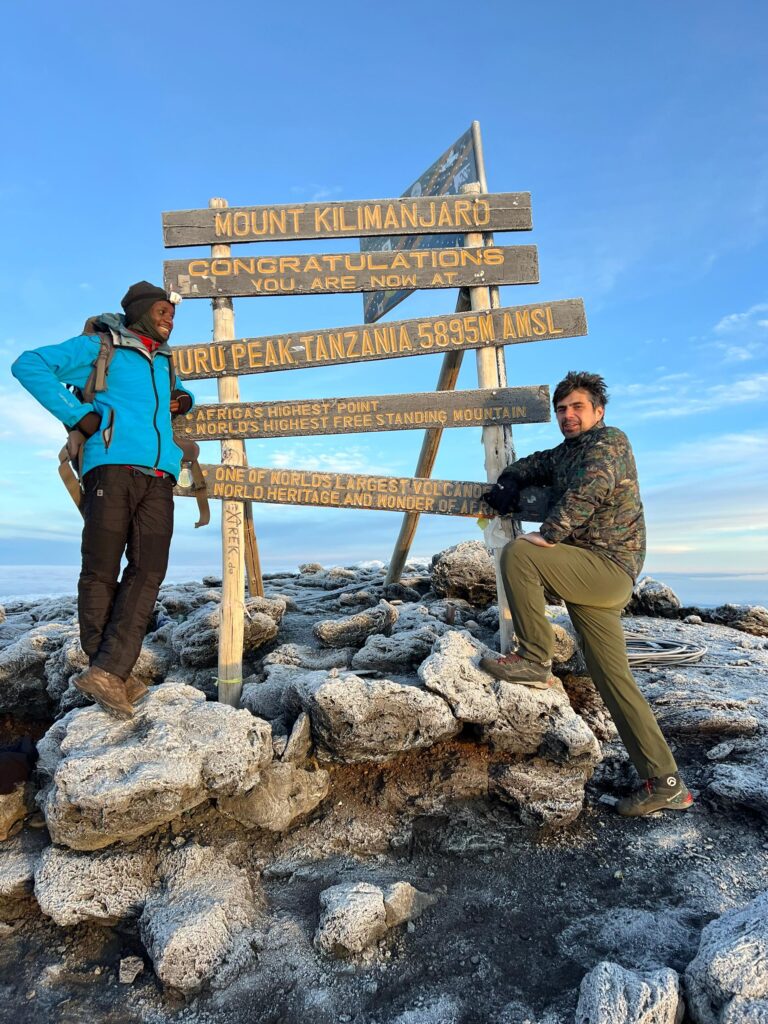 Budgeted 2-Day Group Safari From Moshi After Kilimanjaro In 2026-2027Planning a 2-day group safari from Moshi after your Kilimanjaro climb? This guide details budget-friendly options, popular routes, inclusions…View package
 Best 6-Day Umbwe Route Kilimanjaro Success Rate In 2026-2027The 6-day Umbwe Route on Kilimanjaro offers a challenging yet rewarding ascent. While success rates vary based on individual preparation and…View package
 Best 5 Day Umbwe Route Success Rate For Kilimanjaro Climbers 2026-2027The 5-day Umbwe route on Kilimanjaro presents a significant challenge with a lower success rate compared to longer routes. While offering a…View package
 7 Day Marangu Route Success Rate Climb: Maximizing Your Kilimanjaro SummitThe 7-day Marangu Route offers a unique Kilimanjaro climbing experience, often referred to as the 'Coca-Cola' route. While generally considered…View package6 Day Marangu Route Success Rate & Trek Kilimanjaro In 2026-2027Learn about the success rate for the 6-day Marangu Route on Kilimanjaro. This comprehensive guide covers preparation, acclimatization, and what…View package
 Best 6-Day Machame Route Success Rate: Your Kilimanjaro Guide 2026-2027Planning a Kilimanjaro climb via the Machame Route? Learn about the 6-day success rate, what factors influence it, and how to maximize your…View package7-Day Machame Route Success Rate For Kilimanjaro Climbs In 2026-2027The 7-day Machame Route offers a good balance of acclimatization and scenery, contributing to a strong success rate for Kilimanjaro climbs…View package


