


A Lake Eyasi cultural safari in Tanzania offers an unparalleled opportunity to connect with some of the continent’s most ancient and unique indigenous communities, primarily the hunter-gatherer Hadzabe and the pastoralist Datoga tribes, providing deep insights into their traditional ways of life, hunting techniques, and social structures through immersive visits and respectful interactions, ideal for travelers seeking authentic cultural experiences in 2026 and 2027.
Understanding the Lake Eyasi Cultural Safari Experience
The allure of Tanzania extends far beyond its renowned wildlife parks. For the discerning traveler in 2026 and 2027, a profound connection with the human heritage of this vibrant nation awaits at Lake Eyasi. This region, nestled in the Great Rift Valley, is a living museum, home to communities whose traditions have remained remarkably intact for millennia. A Lake Eyasi cultural safari is not merely a sightseeing trip; it is an immersion into a different rhythm of life, a chance to witness firsthand the enduring practices of people who have coexisted with this land for generations.
This journey is particularly appealing to those who seek to understand the ‘why’ behind ancient traditions, who wish to move beyond the superficial and engage with cultures on a more meaningful level. It is for the traveler who appreciates authenticity and recognizes the importance of responsible tourism, ensuring that these interactions benefit the communities they visit while preserving their unique heritage. Planning for 2026 or 2027 allows ample time to prepare for such a deeply rewarding experience, ensuring you are ready to approach these encounters with respect and an open mind.
The Significance of Lake Eyasi in Tanzania’s Cultural Landscape
Lake Eyasi itself is a vast, shallow soda lake, its shimmering surface a stark contrast to the arid, rugged landscape that surrounds it. The ecological richness, though subtle, has sustained human life here for thousands of years. This area is a critical corridor for ancient migratory routes and a sanctuary for communities who have mastered survival in this unique environment. The cultural significance of Lake Eyasi lies in its role as a custodian of traditions that are increasingly rare in the modern world. It is a place where the past is not just remembered but actively lived.
For travelers, this translates into an opportunity to witness traditions that have shaped human existence, from the intricate arrow-making of the Hadzabe to the metalworking skills of the Datoga. These are not performances; they are the daily realities of life. Understanding this context is key to appreciating the depth of a Lake Eyasi cultural safari and ensuring your visit in 2026 or 2027 is both enriching and responsible.
Who Lives Around Lake Eyasi? Meeting the Hadzabe and Datoga
The primary draws for a Lake Eyasi cultural safari are the indigenous peoples who call this region home. The most famous are the Hadzabe, one of the last remaining hunter-gatherer tribes in Africa. Their way of life is deeply intertwined with the land, relying on foraging for fruits, roots, and honey, and hunting game using traditional bows and arrows. Their language, characterized by click consonants, is thought to be one of the oldest in the world, a testament to their ancient lineage.
Equally significant are the Datoga, a pastoralist community known for their intricate beadwork, traditional tattoos, and remarkable skills in metalworking. They are renowned for crafting tools and ornaments from recycled materials, a practice that showcases their ingenuity and resourcefulness. Their social structure and customs offer a different, yet equally fascinating, perspective on life in the Eyasi region.
The Hadzabe: Masters of the Bush
Visiting the Hadzabe is often the highlight of any Lake Eyasi cultural safari. These encounters are facilitated with immense care and respect, aiming to provide a genuine glimpse into their lives without disrupting their traditions. Travelers may have the extraordinary opportunity to accompany Hadzabe men on a morning hunt, observing their tracking skills and their intimate knowledge of the bush. Witnessing them use their bows and arrows, crafted with precision from natural materials, is a powerful experience.
Participation, where appropriate and welcomed by the community, might include learning about edible plants, understanding their foraging techniques, and observing their communal living arrangements. The Hadzabe live in small, nomadic bands, their social structure based on kinship and cooperation. Their respect for nature is profound, viewing the land and its resources as gifts to be managed sustainably.
For those planning a trip in 2026 or 2027, understanding the Hadzabe’s lifestyle is crucial. It’s important to remember they are not a tourist attraction but a living community. Responsible interactions, guided by experienced local guides who have established relationships with the tribes, are paramount. This ensures that the experience is mutually beneficial and preserves the dignity and autonomy of the Hadzabe people.
The Datoga: Artisans and Herders of the Plains
While the Hadzabe represent a hunter-gatherer lifestyle, the Datoga offer a contrasting yet complementary cultural experience around Lake Eyasi. They are known for their distinctive appearance, often adorned with intricate beadwork and facial tattoos that signify tribal affiliation and status. Their primary livelihood revolves around herding cattle, goats, and sheep, and they are also skilled artisans.
A key aspect of meeting the Datoga is witnessing their traditional metalworking. They are adept at crafting jewelry, tools, and other implements from scrap metal, a skill passed down through generations. Observing a Datoga blacksmith at work, transforming discarded materials into functional and beautiful objects, is a testament to their ingenuity.
Datoga villages provide insights into their social organization, family structures, and spiritual beliefs. Their pastoralist lifestyle means they are deeply connected to their livestock, which are central to their wealth and social standing. For travelers in 2026-2027, understanding the Datoga’s role as both herders and artisans adds another rich layer to the cultural mix of Lake Eyasi.
Planning Your Lake Eyasi Cultural Safari: Routes and Logistics
Integrating a Lake Eyasi cultural safari into a broader Tanzanian itinerary requires careful planning. Lake Eyasi is typically accessed from Arusha, the main gateway for northern Tanzania safaris. The journey itself is part of the adventure, offering a glimpse into the changing landscapes as you move away from the more tourist-frequented areas.
Most visitors combine Lake Eyasi with safaris in the Serengeti National Park, Ngorongoro Conservation Area, and Tarangire National Park. This combination allows for a comprehensive Tanzanian experience, balancing iconic wildlife viewing with profound cultural encounters. The proximity of Lake Eyasi to these major attractions makes it a feasible addition to most safari itineraries.
Typical Itinerary Flow for Lake Eyasi
A common approach is to visit Lake Eyasi after exploring the Ngorongoro Crater or the Serengeti. Travelers might drive from Karatu or the Ngorongoro area towards the Eyasi region. The journey can take several hours, often traversing unpaved roads that add to the sense of adventure.
An example itinerary might look like this:
* Day 1: Arusha to Karatu/Ngorongoro Area. Begin your safari from Arusha, heading towards the Ngorongoro Conservation Area. Overnight near Karatu.
* Day 2: Ngorongoro Crater Tour. Descend into the crater for a full day of game viewing.
* Day 3: Ngorongoro to Lake Eyasi. After breakfast, drive to Lake Eyasi. Settle into your lodge or camp and potentially have an introductory visit to a local community in the afternoon.
* Day 4: Lake Eyasi Cultural Immersion. Full day dedicated to visiting the Hadzabe and Datoga. This includes accompanying the Hadzabe on a morning hunt (if successful) and observing Datoga artisans.
* Day 5: Lake Eyasi to Arusha. Enjoy a final morning activity or breakfast before driving back to Arusha, concluding your cultural safari experience.
This structure can be adapted. Some travelers opt for longer stays at Lake Eyasi to gain deeper insights, perhaps spending two full days with the communities. For those planning for 2026 or 2027, customizing such itineraries is straightforward with the right tour operator.
Travel Options: Lodges, Camps, and Responsible Tourism
Accommodation around Lake Eyasi ranges from basic but comfortable lodges and tented camps to more rustic, community-run guesthouses. The emphasis here is often on proximity to the communities and a connection to the natural environment rather than luxury amenities. Lodges like the Lake Eyasi Safari Lodge offer a comfortable base, while more adventurous options might involve camping closer to the tribal areas.
Responsible tourism is a cornerstone of any meaningful visit. This means:
* Respecting privacy: Always ask for permission before taking photographs.
* Engaging respectfully: Listen more than you speak, and show genuine interest.
* Supporting local economies: Purchasing authentic crafts directly from the artisans is a great way to contribute.
* Following guide’s advice: Your local guide is crucial in facilitating respectful interactions and understanding cultural nuances.
For 2026-2027 travel, choosing a tour operator committed to ethical tourism practices is essential. This ensures that your presence is a positive force, fostering understanding and providing tangible benefits to the communities you visit.
What to Expect During Your Cultural Encounters
The encounters at Lake Eyasi are designed to be immersive and educational. The key is to approach these experiences with humility and a genuine desire to learn. Your local guide will act as a cultural bridge, facilitating communication and ensuring that interactions are conducted with the utmost respect.
The Hadzabe Morning Hunt and Foraging
An early start is crucial for the Hadzabe experience. The best time to witness their hunting and foraging activities is at dawn. You might join the men as they head out into the bush, tracking animals like dik-dik, guinea fowl, or warthogs. While success is never guaranteed (as it is a true hunt, not a staged event), the opportunity to observe their incredible tracking skills, their knowledge of animal behavior, and their silent, coordinated movements is unforgettable.
If the hunt is successful, you will witness the primal act of preparing the game. You will also learn about the Hadzabe’s extensive knowledge of plants, identifying edible roots, berries, and medicinal herbs. Women and children often play a significant role in foraging, and observing their activities provides a broader picture of their subsistence lifestyle.
Datoga Village Visit and Craftsmanship
Visiting a Datoga village offers a different kind of immersion. You’ll see their traditional homesteads, often circular huts made from local materials. The focus here is on their daily life, their pastoral activities, and their renowned craftsmanship. The highlight for many is witnessing the Datoga blacksmiths at work. Using simple tools and techniques, they forge metal into essential items like knives, arrowheads, and jewelry.
You’ll have the chance to observe their intricate beadwork, a significant art form that adorns their clothing and accessories, often carrying symbolic meanings. Learning about their social customs, family structures, and their deep connection to their livestock provides a rich cultural context.
Photography and Etiquette
Photography is often welcomed, but always ask for permission before taking close-up shots of individuals, especially children. A small tip or a gift (like sugar, tea, or small amounts of cash) can be appropriate, but this should be handled discreetly and guided by your tour leader to avoid creating dependency or transactional relationships. The goal is genuine connection, not a photo opportunity.
For 2026-2027 trips, understanding these etiquette points will enhance the quality of your interactions and ensure you are a respectful visitor. Remember, you are a guest in their home.
The Unique Challenges and Rewards of Cultural Tourism
Cultural tourism, especially in remote areas like Lake Eyasi, presents unique challenges but offers immense rewards. The primary challenge is ensuring that tourism is conducted ethically and sustainably, benefiting the local communities without disrupting their way of life.
Ethical Considerations for 2026-2027 Travelers
As tourism evolves, so does the understanding of responsible travel. For travelers planning to visit Lake Eyasi in 2026 or 2027, the ethical considerations are paramount:
* Authenticity vs. Performance: It’s crucial to distinguish between genuine cultural practices and staged performances. Ethical operators ensure that visits are respectful and that communities are not pressured to alter their traditions for tourist consumption.
* Economic Impact: Ensure that your tourism spending directly benefits the local communities. Purchasing crafts, hiring local guides, and staying in community-supported accommodations are good practices.
* Cultural Preservation: Tourism should support, not undermine, the preservation of cultural heritage. This involves respecting traditions, privacy, and the autonomy of the communities.
* Environmental Impact: Minimize your footprint. Adhere to leave-no-trace principles and support eco-friendly tourism practices.
The Profound Rewards of Connection
The rewards of a well-executed Lake Eyasi cultural safari are immeasurable. It offers:
* Deep Cultural Understanding: Gain insights into human diversity, resilience, and the myriad ways people adapt to their environments.
* Personal Growth: Encountering different worldviews can broaden perspectives and foster empathy.
* Unforgettable Memories: The stories, faces, and experiences from Lake Eyasi stay with travelers long after they leave.
* Contribution to Conservation: By supporting responsible tourism, you help provide economic incentives for communities to preserve their unique cultures and environments.
For travelers in 2026 and 2027, this type of travel offers a chance to connect with humanity in its most fundamental forms, a stark contrast to the often-impersonal nature of modern life.
Photography Tips for Your Lake Eyasi Adventure
Capturing the essence of Lake Eyasi requires a sensitive approach to photography. The people and their environment are the subjects, and respect is paramount.
Respectful Photography Practices
* Always Ask Permission: Before taking any photos, especially of people, make eye contact and use gestures to ask for consent. A nod or a smile is usually a good sign.
* Focus on Interaction: Capture the moments of connection and engagement. The candid interactions are often more powerful than posed shots.
* Understand the Light: The African sun can be harsh. Early morning and late afternoon offer softer light, ideal for portraits and landscapes.
* Tell a Story: Think about the narrative you want to convey. Include details of the environment, the tools, the crafts, and the people.
* Avoid Exploitative Shots: Refrain from taking intrusive or disrespectful photos, particularly of children in vulnerable situations.
Gear Recommendations
* Versatile Lens: A 24-70mm or similar zoom lens is excellent for capturing a range of shots, from wide landscapes to portraits.
* Telephoto Lens: A 70-200mm lens can be useful for capturing details from a distance without disturbing subjects.
* Extra Batteries and Memory Cards: You won’t want to miss a moment due to equipment failure.
* Rain Protection: While the region can be dry, unexpected showers can occur.
For those planning their trip for 2026 or 2027, practicing these tips will help you return with meaningful, respectful, and beautiful photographs that truly capture the spirit of Lake Eyasi.
When is the Best Time to Visit Lake Eyasi?
Lake Eyasi experiences a dry season and a wet season, typical of much of Tanzania. The best time to visit depends on your priorities, but generally, the dry season offers more predictable weather for travel and cultural activities.
Dry Season (June to October)
This period is characterized by sunny days and cooler temperatures, especially in the mornings and evenings. The landscape is drier, which can make tracking easier for the Hadzabe. Wildlife tends to congregate around water sources, though Lake Eyasi itself is a soda lake and not a primary water source for game.
* Pros: Pleasant weather, easier travel on dusty roads, excellent for cultural interactions.
* Cons: Can be busier in popular safari areas if combined with Serengeti/Ngorongoro.
Wet Season (November to May)
The wet season brings rain, which can transform the landscape into a lush green. However, it can also make roads impassable, potentially disrupting travel plans. The heaviest rains usually occur between March and May.
* Pros: Lush scenery, fewer tourists, potentially lower prices.
* Cons: Rain can disrupt travel, some roads may become impassable, humidity can be higher.
For a Lake Eyasi cultural safari, the dry season, particularly from June to October, is often recommended for the most comfortable and accessible experience. However, the shoulder months of May and November can also offer good weather with fewer crowds. Planning for 2026 or 2027 allows you to choose the ideal window.
Integrating Lake Eyasi into Your Tanzania Safari in 2026-2027
A Lake Eyasi cultural safari is an exceptional addition to a classic Northern Circuit safari. It provides a vital counterpoint to the wildlife-centric experiences, offering a deeper understanding of Tanzania’s human heritage.
Combining with the Northern Circuit
* Serengeti National Park: Famous for the Great Migration and vast plains teeming with wildlife.
* Ngorongoro Conservation Area: Home to the unique Ngorongoro Crater, a caldera with a high density of wildlife.
* Tarangire National Park: Known for its large elephant herds and baobab trees.
* Lake Manyara National Park: Famous for its tree-climbing lions and diverse birdlife.
Adding Lake Eyasi to an itinerary that includes these parks creates a well-rounded journey. For example, a 7-10 day trip could include:
* 2-3 days in Serengeti
* 1 day Ngorongoro Crater tour
* 1-2 days at Lake Eyasi
* Travel days between locations
This balance ensures you experience the iconic wildlife while also engaging with the rich cultural mix of Tanzania. For travelers planning for 2026 or 2027, booking in advance, especially for peak season, is highly recommended.
Customizing Your Cultural Experience
At Top Guide Adventures, we specialize in crafting bespoke Tanzanian itineraries. Whether you dream of a private Lake Eyasi cultural safari or wish to join a small group departure in 2026 or 2027, we can tailor the experience to your interests and budget. We work closely with local communities to ensure that your visit is respectful, meaningful, and contributes positively to their livelihoods.
We understand the nuances of cultural tourism and are committed to providing authentic encounters that go beyond the superficial. Our guides are not only knowledgeable about wildlife but also deeply respectful of local cultures, acting as invaluable conduits for understanding.
Book Your Unforgettable Lake Eyasi Cultural Safari
Embarking on a Lake Eyasi cultural safari is a trip, offering a profound connection with ancient traditions and the resilient spirit of indigenous peoples. It’s an experience that challenges perspectives, broadens horizons, and leaves an indelible mark on the soul.
For those planning their Tanzanian adventure in 2026 or 2027, now is the perfect time to start planning. A Lake Eyasi cultural safari promises an authentic encounter with the heart of Tanzania, far from the well-trodden paths. We invite you to connect with us to design your personalized itinerary.
Reach out to our expert team at WhatsApp +255616946642 or via email at topguideadventures@gmail.com or info@topguideadventures.com. Let us help you craft a journey that is not just a holiday, but a meaningful exploration of culture and humanity in one of Africa’s most captivating landscapes. Your unforgettable Lake Eyasi cultural safari awaits.
Check Availability for Lake Eyasi Cultural Safari Guide
Ready to compare dates, prices, and the best option for your group? Send the package name and travel month so the team can reply with a clear quote, availability, and what is included.
 Lake Natron Flamingo Adventure: Your Ultimate Guide For 2026-2027Discover the magic of Lake Natron, a vital breeding ground for lesser flamingos. This guide covers the best times to visit for the flamingo…View package
 Lake Nyasa Highlands And Beach Package: Tanzanias Ultimate Adventure 2026-2027Experience the best of Tanzania with a Lake Nyasa Highlands and Beach Package, blending the dramatic landscapes of the Southern Highlands with…View package
 Lake Tanganyika Chimpanzee And Beach Tour: Your Ultimate Tanzania AdventureDiscover the extraordinary blend of wild chimpanzee encounters at Lake Tanganyika and the idyllic coastal beauty of Tanzania. This comprehensive…View package
 Lake Victoria Fishing And Island Tour: Your Ultimate Tanzanian AdventureExplore the vast beauty of Lake Victoria with our specialized fishing and island tour packages. From trophy catches to cultural immersion on its…View package
 10-Day Tanzania Lakes Expedition Guidestart an unforgettable 10-day Tanzania Lakes Expedition, a unique journey highlighting the diverse aquatic landscapes and cultural encounters…View package
 7-Day Great Lakes Of Tanzania Tour: An Unforgettable Itinerary 2026-2027start a unique 7-day journey across Tanzania's magnificent Great Lakes. This tour blends vibrant cultural encounters with breathtaking natural…View package
 Lakes And Rivers Packages In Tanzania: Your Ultimate Guide For 2026-2027Explore Tanzania's stunning natural waterways with specialized lakes and rivers packages. From the vast shores of Lake Tanganyika to the vibrant…View package
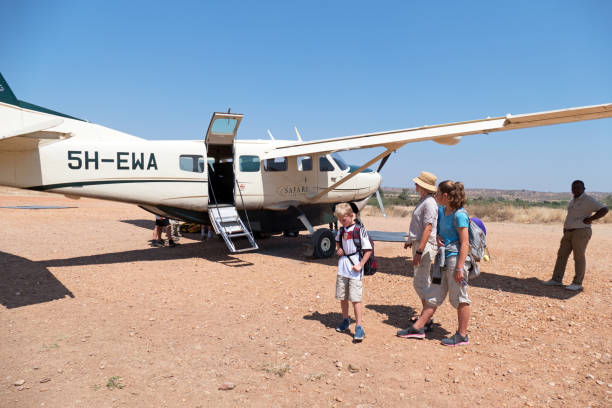
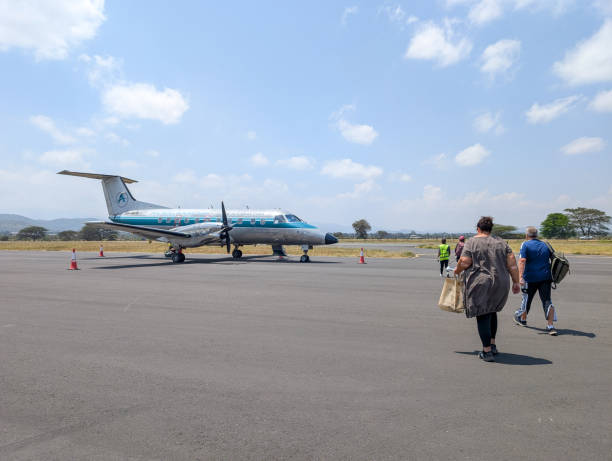 All Domestic Flights In Tanzania For Safari: Your Ultimate Guide 2026-2027Navigate Tanzania's vast landscapes efficiently with domestic flights. This guide covers everything you need to know about flying between safari…View package


