

Sumbawanga and Rukwa represent Tanzania’s vast, underexplored southwestern region, offering a unique blend of dramatic landscapes, rich cultural heritage, and burgeoning wildlife opportunities for travelers seeking experiences beyond the typical northern circuit. This area, encompassing towns like Sumbawanga and the broader Rukwa Region, is ideal for those looking for authentic encounters with nature and local communities, away from the crowds, with increasing accessibility and tourism infrastructure development projected for 2026 and 2027.
Unveiling the Charms of Sumbawanga and Rukwa: A Frontier for Exploration
When planning a Tanzanian adventure, most minds immediately drift to the Serengeti’s endless plains, the Ngorongoro Crater’s unique caldera, or Kilimanjaro’s majestic peak. While these iconic destinations rightly deserve their fame, Tanzania holds secrets far beyond the well-trodden paths. The southwestern region, particularly the areas around Sumbawanga and encompassing the vast Rukwa Region, offers a different kind of magic – one of raw, untamed beauty, profound cultural immersion, and a sense of pioneering discovery. This is a frontier for the discerning traveler, a place where the spirit of adventure thrives, and where the authentic pulse of Tanzania beats strongest.
For those of you considering a trip in the coming years, perhaps looking towards 2026 or 2027, understanding the unique appeal of Sumbawanga and Rukwa is key. This isn’t about ticking off Big Five sightings in crowded parks; it’s about engaging with a pristine environment, meeting communities with deep-rooted traditions, and witnessing landscapes that have remained largely unchanged for centuries. It’s a destination that rewards curiosity and a willingness to embrace the unexpected.
### The Allure of the Undiscovered: Why Choose Sumbawanga and Rukwa?
The primary draw of Sumbawanga and Rukwa lies in their relative remoteness. This has preserved a natural state that is increasingly rare. Unlike the more developed northern tourist circuit, the southwest offers a sense of stepping back in time, where human interaction with the environment is more traditional and less commercialized. The landscapes are diverse, ranging from the vast floodplains of the Rukwa Valley to the rugged highlands surrounding Sumbawanga town. This geographical variety supports a surprising array of wildlife and offers stunning vistas.
Furthermore, the cultural mix of this region is exceptionally rich. It is home to various ethnic groups, including the Nyakyusa, Pimbwe, and Sukwa peoples, each with their distinct customs, languages, and traditions. Engaging with these communities provides an unparalleled opportunity for cultural exchange, understanding local life, and appreciating the human element of Tanzania’s diverse identity.
For the traveler who has perhaps experienced the popular parks and is seeking something more profound, or for the adventurous soul wanting to explore the ‘real’ Tanzania, Sumbawanga and Rukwa present an irresistible proposition. The development of tourism here is still in its nascent stages, meaning that by visiting now, you are part of a select group experiencing this region’s potential. As we look towards 2026 and 2027, we anticipate a gradual increase in accessibility and tailored tour options, making it an opportune time to plan a visit.
## Geographical Canvas: Understanding Sumbawanga and the Rukwa Region
To truly appreciate Sumbawanga and Rukwa, one must first understand its geographical context. Located in the southwestern corner of Tanzania, this region is characterized by its vastness and varied topography. It’s a land of contrasts, where high plateaus meet expansive valleys and ancient rift system features shape the terrain.
### Sumbawanga Town: The Gateway to the Southwest
Sumbawanga itself serves as the administrative capital of the Rukwa Region and is the primary urban center in this vast area. Perched on a plateau at an altitude of around 1,600 meters (5,250 feet), the town enjoys a temperate climate, making it a pleasant place to acclimatize or start an exploration. Its setting is scenic, often offering sweeping views of the surrounding highlands and distant plains. While not a typical tourist destination in itself, Sumbawanga is the logistical hub for accessing many of the region’s natural attractions and cultural sites.
From Sumbawanga, roads radiate outwards, some paved, others notoriously rough, leading to different facets of the region’s appeal. It’s a town where you can find essential services, connect with local transport, and begin to feel the distinct rhythm of life in this less-traveled part of Tanzania.
### The Rukwa Valley: A Wildlife Haven in Waiting
Perhaps the most significant natural feature associated with the Rukwa Region is the Rukwa Valley. This is a vast, ancient rift valley, historically known for its large elephant populations and diverse birdlife. Lake Rukwa, a shallow, saline lake, dominates the valley floor and is a crucial water source for wildlife, especially during the dry season. The lake’s fluctuating levels and saline nature create unique ecological conditions that support specialized flora and fauna.
While not as renowned for its big cat populations as the northern parks, the Rukwa Valley offers excellent opportunities for observing a wide range of herbivores, including buffalo, wildebeest, zebra, and various antelope species. The birdwatching here is exceptional, with numerous aquatic birds, raptors, and savanna species recorded. The sheer scale of the valley, with its open plains and acacia woodlands, provides a dramatic backdrop for wildlife viewing.
### Highland Escarpments and Ancient Landscapes
Beyond the valley, the region is characterized by dramatic highland escarpments and rolling hills. These areas are often covered in miombo woodlands, a distinctive type of savanna ecosystem found across much of southern-central Africa. These woodlands are home to a different set of wildlife, including various monkey species, antelopes like the sable and roan, and a rich variety of birdlife. The higher altitudes also offer cooler temperatures and stunning panoramic views. Exploring these areas often involves hiking or driving along scenic, albeit sometimes challenging, routes, revealing hidden waterfalls, ancient rock formations, and a sense of profound natural solitude.
### Climate Considerations
The climate in Sumbawanga and Rukwa varies with altitude and proximity to Lake Rukwa. The highlands around Sumbawanga town experience a cooler, more temperate climate, with distinct wet and dry seasons. The rainy season typically runs from November to April, bringing lush greenery and making some roads impassable. The dry season, from June to October, is generally considered the best time for wildlife viewing as animals congregate around water sources and vegetation thins out. The Rukwa Valley itself can be hotter and more humid, especially during the rainy season.
Planning a visit for 2026 or 2027 requires considering these seasonal patterns to maximize your experience, whether you are focused on wildlife, cultural interactions, or simply soaking in the landscapes.
Wildlife Encounters: Beyond the Usual Suspects
While Sumbawanga and Rukwa may not feature on the global safari circuit like the Serengeti or Maasai Mara, they possess a unique and burgeoning wildlife potential. The region’s relative lack of intensive tourism has helped maintain a natural balance, offering a different, often more intimate, wildlife viewing experience. For those interested in Tanzania’s biodiversity away from the crowds, this area is a treasure trove.
### The Rukwa Valley’s Aquatic and Savanna Spectacle
The star attraction for wildlife in the Rukwa Region is undoubtedly the Rukwa Valley and its namesake lake. Lake Rukwa is a vital ecosystem, supporting a significant population of hippos and crocodiles. Its shores are a magnet for a vast array of birdlife. Expect to see large flocks of pelicans, flamingos (though less reliably than in some other Rift Valley lakes), various egrets, herons, storks, and waterfowl. The surrounding grasslands and acacia woodlands teem with plains game. Herds of buffalo are common, often seen grazing near water sources. Wildebeest and zebra are also present, though not in the massive migratory numbers seen in the north. Various species of gazelle and antelope, including the impala, grant’s gazelle, and topi, can be spotted. The region is also known for its significant elephant population, particularly in areas adjacent to the valley.
### Miombo Woodland Fauna
The highlands and woodlands surrounding Sumbawanga are home to a different set of species. The miombo ecosystem supports antelopes that are more adapted to thicker vegetation, such as the elegant sable antelope and the handsome roan antelope. Smaller antelopes like the bushbuck and duiker are also present. Primates are a common sight, with various species of monkeys, including baboons and vervet monkeys, often encountered along scenic drives. Birdlife in the woodlands is also diverse, with species like the Crested Guineafowl, various hornbills, and raptors being regular sightings. While large predators like lions and leopards exist, they are more elusive in this terrain compared to the open savannas, making sightings a special reward.
### Unique Species and Conservation Efforts
Sumbawanga and Rukwa are also important for certain species that may be less common elsewhere. The region is known to be a habitat for the rare Puku antelope. While not a primary focus of tourism, the conservation of these species and their habitats is crucial. The Tanzanian government and various conservation organizations are increasingly recognizing the potential of these areas, and efforts are underway to better protect and manage the wildlife populations. Visitors can contribute to conservation by choosing responsible tour operators and respecting the natural environment.
### Best Times for Wildlife Viewing
As mentioned, the dry season (June to October) is generally the prime time for wildlife viewing in Sumbawanga and Rukwa. During these months, water sources become scarce, concentrating animals around the remaining waterholes, including Lake Rukwa. The vegetation also thins out, making animals easier to spot. However, the shoulder months of the early wet season (November) can also offer good viewing with fewer crowds and emerging greenery.
### The Experience of ‘Wild’ Tanzania
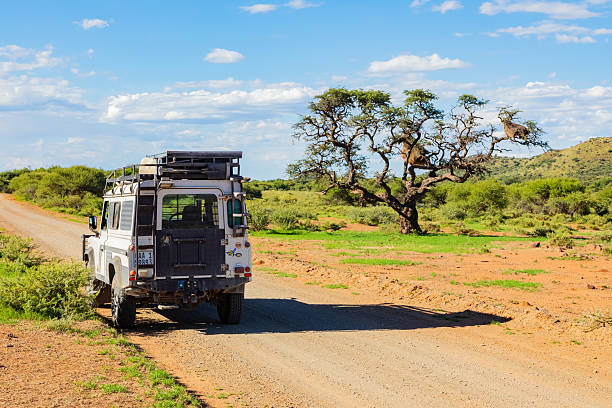
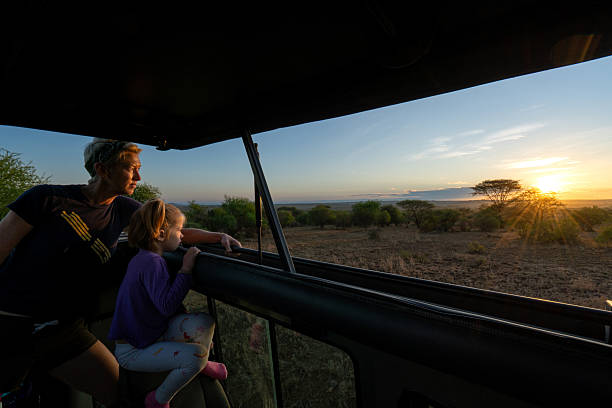
What sets wildlife viewing in Sumbawanga and Rukwa apart is the sense of immersion. You are not confined to a specific park boundary for the entire day. Safaris here can be more fluid, incorporating drives through diverse landscapes, from open plains to dense woodlands, often with very few other vehicles in sight. This allows for a more personal and profound connection with the natural world. The thrill of spotting a rare bird or a shy antelope in such a pristine setting is immensely rewarding.
## Cultural mix: Meeting the People of Sumbawanga and Rukwa
Beyond its natural beauty and wildlife, the southwestern region of Tanzania, including Sumbawanga and the broader Rukwa area, is profoundly shaped by its people and their rich cultural heritage. This is a land where traditions are deeply ingrained, and where the warmth and hospitality of the local communities offer a unique dimension to any visit.
### Diverse Ethnic Groups and Traditions
The Rukwa Region is a mosaic of ethnic groups, each contributing to the area’s cultural diversity. Prominent among these are the Nyakyusa, known for their agricultural practices and strong community structures, particularly in areas south of Lake Rukwa. The Pimbwe people inhabit the northern parts of the region, with their own distinct customs and historical narratives. Other groups like the Sukwa and Sangu also have a significant presence. These communities have unique languages, traditional ceremonies, social structures, and artistic expressions that reflect centuries of history and adaptation to their environment.
### Daily Life and Traditional Practices
Life in Sumbawanga and the surrounding rural areas is often centered around agriculture. Maize, cassava, beans, and various cash crops like coffee and tobacco are grown. Traditional farming methods are still widely practiced, alongside more modern techniques. Pastoralism is also important in some areas, with cattle, goats, and sheep being raised. Visitors may have the opportunity to witness these daily activities, from early morning market visits to observing farming practices in the fields. Understanding these livelihoods provides crucial context for the region’s economic and social fabric.
### Opportunities for Cultural Exchange
For travelers interested in authentic cultural experiences, Sumbawanga and Rukwa offer unparalleled opportunities. Unlike highly commercialized cultural tourism sites, interactions here often feel more genuine and spontaneous. This could involve visiting a local village, being welcomed into a traditional home, attending a local market, or observing traditional crafts being made. These encounters are best facilitated by local guides who understand the cultural nuances and can ensure respectful engagement.
### Understanding Local Etiquette
When visiting communities, it’s important to be mindful of local customs and etiquette. Dressing modestly, asking permission before taking photographs of people, and showing respect for elders are fundamental. Learning a few basic Swahili phrases can go a long way in fostering positive interactions. A genuine interest in learning about local life and traditions will be met with warmth and openness.
### Crafts and Artistic Expressions
While perhaps not as widely known for specific crafts as other regions, the people of Sumbawanga and Rukwa engage in traditional artistry. This can include pottery, basket weaving, wood carving, and beadwork, often serving both practical and decorative purposes. These crafts are typically made using locally sourced materials and reflect the cultural motifs and aesthetic sensibilities of the different ethnic groups.
### The Impact of Development and Modernity
Like all regions in Tanzania, Sumbawanga and Rukwa are experiencing the influences of modernization and globalization. While traditional practices remain strong, younger generations are increasingly exposed to urban lifestyles and global trends. This creates a dynamic cultural landscape, where tradition and modernity coexist and sometimes blend. Understanding this evolving cultural context adds another layer of depth to the visitor experience.
### Planning for Cultural Immersion
For travelers planning a trip in 2026 or 2027, incorporating cultural visits should be a deliberate part of the itinerary. Working with a local tour operator who has established relationships within communities is highly recommended. This ensures that visits are not intrusive and that the local communities benefit directly from tourism. These interactions are often highlights of a trip to this region, offering insights that no wildlife sighting alone can provide.
## Planning Your Sumbawanga and Rukwa Adventure: Practicalities and Possibilities
Venturing into Sumbawanga and the Rukwa Region requires a different approach to planning than a standard northern circuit safari. The remoteness and developing infrastructure mean that careful preparation is essential for a smooth and rewarding journey. As tourism infrastructure gradually improves, especially with potential enhancements anticipated for 2026 and 2027, understanding the current realities is crucial.
### Getting There: Routes and Access
Reaching Sumbawanga and the Rukwa Region is an adventure in itself. The most common way to arrive is by air. Sumbawanga has an airport (Sumbawanga Airport – Sumb) that receives domestic flights, primarily from Dar es Salaam and sometimes Mbeya. These flights are operated by Tanzanian airlines and can be subject to schedule changes, so flexibility is key.
Alternatively, long-distance road travel is possible, but it is arduous. Driving from Dar es Salaam to Sumbawanga can take two to three days, with challenging road conditions on significant stretches. From Mbeya, the journey is shorter but still demanding. These overland routes offer a glimpse into rural Tanzania but require robust vehicles and significant time commitment.
### Accommodation Options: From Basic to Comfortable
Accommodation in Sumbawanga town consists of a few lodges and guesthouses, offering basic but clean facilities. These are generally comfortable for overnight stays and serve as good starting points for exploring the region. Beyond the town, options become more limited. In the more remote areas, especially near wildlife zones, arrangements might involve tented camps or eco-lodges that are being developed. These often provide a more immersive experience in nature.
For those planning safaris within the Rukwa Valley or other wilderness areas, accommodation is typically arranged as part of a guided tour package. This might include well-equipped mobile camping safaris or stays in small, established camps that prioritize a low-impact, authentic experience. Luxury options are scarce, aligning with the region’s off-the-beaten-path character.
### Travel Style: Embracing the Adventure
Sumbawanga and Rukwa are best suited for travelers who embrace an adventurous spirit. This region is not about five-star resorts and predictable itineraries. It’s about exploring vast landscapes, encountering wildlife in its natural habitat, and engaging with local cultures in an authentic way. The roads can be rough, and travel times can be longer than anticipated. Patience, flexibility, and a positive attitude are essential.
### Recommended Duration
To truly experience the highlights of Sumbawanga and Rukwa, a minimum of 5-7 days is recommended. This allows for travel time to and from the region, exploration of Sumbawanga town and its surroundings, and dedicated time for safaris in the Rukwa Valley or other natural areas. Longer stays of 10-14 days would permit a more in-depth exploration of the diverse landscapes and cultural encounters.
### What to Pack: Essentials for the Remote Explorer
Packing for this region requires preparation for varying conditions. Key items include:
* Lightweight, neutral-colored clothing: For game drives and comfort.
* Warm layers: Especially for evenings and mornings at higher altitudes.
* Rain gear: Essential during the wet season.
* Sturdy walking shoes: For exploring villages or light hikes.
* Sun protection: Hat, sunglasses, and high SPF sunscreen.
* Insect repellent: Particularly important for evenings.
* Personal first-aid kit: With any personal medications.
* Binoculars: Crucial for wildlife viewing.
* Camera and extra batteries/memory cards: To capture the unique scenery and wildlife.
* Power bank or adapter: For charging devices, as power can be intermittent.
* Reusable water bottle: To minimize plastic waste.
### Booking and Tour Operators
Given the logistical complexities and the need for local expertise, booking a tour with a reputable local operator is highly recommended. Companies that specialize in off-the-beaten-path destinations in Tanzania will have the necessary knowledge, contacts, and equipment to ensure a safe and enriching experience. They can arrange flights, ground transportation, accommodation, park fees (where applicable), and guides. For those planning for 2026 or 2027, starting the planning process early is advisable to secure preferred dates and tailor-made itineraries.
### Safety and Health Considerations
Standard travel precautions for Tanzania apply. Consult your doctor regarding necessary vaccinations and malaria prophylaxis well in advance of your trip. It is advisable to drink bottled or purified water. Ensure your travel insurance covers medical emergencies and evacuation.
## Potential Itineraries and Experiences
While Sumbawanga and Rukwa don’t have fixed tourist circuits, the region offers a spectrum of experiences that can be woven into a compelling itinerary. The key is to tailor the journey to your interests, whether they lie in wildlife, culture, or simply the raw beauty of an unspoiled landscape. For those looking ahead to 2026 or 2027, envisioning these possibilities can help shape your travel plans.
### The Classic Southwest Explorer (7-10 Days)
This itinerary focuses on a balanced introduction to the region:
* Day 1-2: Arrival in Sumbawanga. Fly into Sumbawanga, settle into your lodge. Explore the town, visit the local market, and acclimatize. Perhaps a short excursion to a nearby viewpoint.
* Day 3-5: Rukwa Valley Wildlife Safari. Drive into the Rukwa Valley. Spend three days on game drives, focusing on the diverse birdlife around Lake Rukwa, elephant sightings, and plains game. Accommodation could be in a mobile camp or a small lodge.
* Day 6-7: Highland Exploration and Culture. Travel to the highland areas surrounding Sumbawanga. Engage in guided walks through miombo woodlands, visit local villages for cultural exchange, and enjoy panoramic vistas. Learn about traditional farming practices.
* Day 8: Return to Sumbawanga & Departure. Drive back to Sumbawanga for your onward flight.
### Deep look at Culture and Nature (10-14 Days)
For travelers seeking a more profound connection:
* Day 1-2: Arrival in Sumbawanga. Similar to the above, focusing on orientation.
* Day 3-6: Extended Rukwa Valley Immersion. Spend more time in the Rukwa Valley, exploring different sectors, focusing on birdwatching, and potentially visiting communities living on the valley fringes. This allows for a deeper appreciation of the ecosystem.
* Day 7-9: Cultural Heartland Exploration. Dedicate time to visiting specific ethnic communities. This might involve staying in a community-run guesthouse (if available) or arranging home visits through local contacts. Learn about traditional crafts, music, and social structures.
* Day 10-11: Highland Trekking and Scenery. Undertake guided day hikes in the highlands, exploring waterfalls, scenic lookouts, and perhaps ancient rock art sites if any are known and accessible.
* Day 12: Return to Sumbawanga & Relaxation. A more leisurely return, perhaps stopping at points of interest missed on the way out.
* Day 13-14: Departure. Fly out of Sumbawanga.
### Specialized Interests: Birding or Photography Tours
For dedicated birdwatchers or photographers, itineraries can be heavily customized. This would involve:
* Focusing on the prime birding seasons in the Rukwa Valley and associated wetlands.
* Spending extended periods in specific ecological zones known for unique flora and fauna.
* Arranging for specialized guides with expertise in ornithology or wildlife photography.
* Potentially including visits to less-explored areas that offer unique photographic opportunities.
### The Role of Local Guides
In all these scenarios, the quality of the local guide is paramount. A good guide in Sumbawanga and Rukwa is not just someone who knows the roads; they are a cultural interpreter, a wildlife spotter, a storyteller, and a safety manager. They possess invaluable local knowledge that transforms a trip from a simple journey into a rich, educational, and authentic experience. For trips planned for 2026 and 2027, ensuring you have a guide with deep roots and understanding of the region is a key factor for success.
### Flexibility is Key
It’s crucial to remember that planning for such a remote destination requires flexibility. Flight schedules can change, road conditions can be unpredictable, and weather can impact travel plans. An itinerary should be seen as a framework, with room for adaptation based on on-the-ground realities. This spirit of adventure is precisely what makes exploring Sumbawanga and Rukwa so rewarding.
## Why 2026 and 2027 Might Be Perfect for Your Southwest Tanzania Adventure
Timing is everything in travel, and for those considering a journey to the less-explored corners of Tanzania, the years 2026 and 2027 present a particularly compelling window of opportunity for visiting Sumbawanga and the Rukwa Region. While these areas have always held a unique allure for the adventurous traveler, a confluence of factors suggests that this period could be ideal for experiencing their raw beauty and authentic culture.
### Growing Accessibility and Infrastructure
While still remote, there’s a discernible trend towards improved accessibility in Tanzania’s less-visited regions. For Sumbawanga and Rukwa, this might translate into more reliable domestic flight schedules, potentially new routes, or gradual improvements to key road networks. As Tanzania continues to invest in its infrastructure, even incremental changes can make a significant difference in travel times and comfort. Planning for 2026 or 2027 allows you to capitalize on these emerging conveniences before they potentially lead to increased visitor numbers.
### A Sweet Spot for Authentic Experiences
One of the greatest appeals of Sumbawanga and Rukwa is their authenticity. They offer a Tanzania that is less influenced by mass tourism. However, as any destination develops, its character can shift. Visiting in 2026 or 2027 could place you in a ‘sweet spot’ – a time when the region is becoming more accessible and its tourism offerings are maturing, but it hasn’t yet reached a level of development that might dilute its unique charm. You can experience the genuine hospitality, unspoiled landscapes, and traditional way of life before they undergo significant transformations.
### Emerging Tourism Products
Local operators and communities in the southwest are increasingly recognizing the potential for sustainable tourism. This means that by 2026-2027, you might find a broader range of well-designed, locally-led tours and experiences. These could include more structured cultural immersion programs, specialized eco-lodges, or guided expeditions that are sensitive to the environment and benefit local communities. Booking with operators who are actively involved in this development ensures you are part of a positive tourism trajectory.
### Cost-Effectiveness
While not a primary driver for all travelers, visiting less-developed regions can sometimes offer better value. As the tourism infrastructure in Sumbawanga and Rukwa is still growing, prices for tours, accommodation, and activities might be more competitive compared to established tourist hubs. This doesn’t mean compromising on quality, especially when working with experienced local guides, but rather getting more for your travel budget.
### The Pioneer’s Advantage
There’s an undeniable thrill in being among the first to explore a destination that is just beginning to open up. For travelers who seek unique stories and bragging rights, visiting Sumbawanga and Rukwa in the near future offers just that. You’ll be discovering a part of Tanzania that many have yet to consider, bringing back tales of adventure from a truly off-the-beaten-path locale.
### Planning Your 2026-2027 Trip
To make the most of a trip planned for 2026 or 2027:
* Start planning early: Especially if you have specific dates or preferences. The best guides and lodges can book up.
* Connect with experienced local operators: They will have the most up-to-date information on accessibility, accommodation, and the best experiences.
* Be flexible: Embrace the adventure. Things may not always go exactly as planned, and that’s part of the charm.
* Focus on responsible tourism: Support local communities and conservation efforts.
By considering Sumbawanga and Rukwa for your travels in 2026 or 2027, you are choosing a journey that promises depth, authenticity, and a profound connection with one of Tanzania’s most captivating, yet understated, regions.
## Why Choose Top Best Tanzania Tour Operator for Your Sumbawanga and Rukwa Expedition?
Exploring a destination as unique and relatively untouched as Sumbawanga and the Rukwa Region requires a partner with deep local knowledge, a commitment to authentic experiences, and a passion for showcasing the best of Tanzania. At Top Best Tanzania Tour Operator, we specialize in crafting tailor-made adventures that go beyond the ordinary, and our expertise in the southwestern circuit is unparalleled.
### Local Expertise, Global Standards
Our team is comprised of Tanzanians who know this land intimately. We understand the logistical challenges and the hidden gems of Sumbawanga and Rukwa. We don’t just plan trips; we craft journeys that are immersive, respectful, and unforgettable. We are committed to providing high-quality service that meets international standards, ensuring your safety, comfort, and enjoyment throughout your adventure.
### Tailored Itineraries for Every Traveler
Whether you are an avid wildlife enthusiast, a culture seeker, a photographer, or simply someone looking to escape the crowds and experience the real Tanzania, we can design an itinerary that perfectly matches your interests and pace. From arranging domestic flights and comfortable ground transport to selecting the best local guides and accommodation, every detail is meticulously planned.
### Commitment to Responsible Tourism
We believe in tourism that benefits local communities and contributes to conservation efforts. When you travel with us to Sumbawanga and Rukwa, you are supporting local economies and helping to preserve the natural and cultural heritage of this special region. We work closely with local partners to ensure that our tours are sustainable and ethically managed.
### Preparing for 2026 and 2027
As interest in off-the-beaten-path destinations grows, we are continuously refining our offerings for regions like Sumbawanga and Rukwa. For your planned expeditions in 2026 and 2027, we are ideally positioned to provide insights into the latest developments, best travel times, and unique experiences available. We can help you navigate the planning process, ensuring your journey is smooth and extraordinary.
### Let’s Plan Your Adventure
Ready to discover the untamed beauty of Sumbawanga and Rukwa? Contact us today to start planning your personalized Tanzanian adventure. Let us share our passion for this incredible country with you.
Reach out via WhatsApp at +255616946642, email us at topguideadventures@gmail.com, or our backup email info@topguideadventures.com. Let’s create your dream safari.
Check Availability for Sumbawanga And Rukwa: Your Guide To Tanzanias Untamed Southwest 2026-2027
Ready to compare dates, prices, and the best option for your group? Send the package name and travel month so the team can reply with a clear quote, availability, and what is included.
 X. Katavi And Rukwa Packages GuideExperience the untamed wilderness of Katavi and Rukwa National Parks with curated safari packages. Discover exceptional wildlife viewing and…View packageKatavi Dry Season Wildlife Tour: Best Of Tanzanias Untamed WildernessDiscover the raw beauty and incredible wildlife of Katavi National Park during its dry season. This tour focuses on the best game viewing…View packageKatavi Honeymoon Safari: Ultimate Romantic Wilderness Escape 2026-2027Plan your dream Katavi honeymoon safari, an exclusive Tanzanian wilderness experience combining incredible wildlife viewing with intimate…View package
 Katavi Remote Camping Adventure: An Unforgettable Tanzanian WildernessDiscover the raw, untamed beauty of Katavi National Park with our remote camping adventures. This guide explores what makes Katavi a premier…View package
 Katavi Birdwatching Tour: Ultimate Tanzania Ornithology Adventure 2026-2027A detailed 2026-2027 guide to Katavi Birdwatching Tour, with clear planning and booking information for travelers.View packageKatavi Walking Safari: Your Ultimate Guide To Tanzanias Wildest Frontierstart a Katavi walking safari for an intimate exploration of Tanzania's most remote and wild national park. Discover the thrill of encountering…View packageKatavi Hippo Pool Safari: The Ultimate Tanzania Wildlife Experience 2026-2027Explore the raw, untamed beauty of Katavi National Park, focusing on its incredible hippo pools. This guide details what makes a Katavi Hippo…View package
 6-Day Katavi Photography Expedition: Wildlife Secrets Revealed 2026-2027A detailed 2026-2027 guide to 6-Day Katavi Photography Expedition, with clear planning and booking information for travelers.View package


