
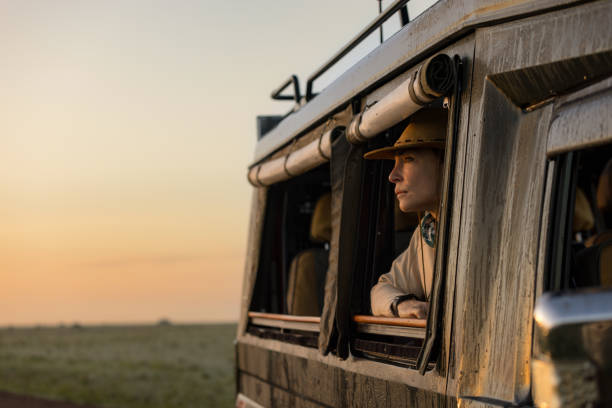
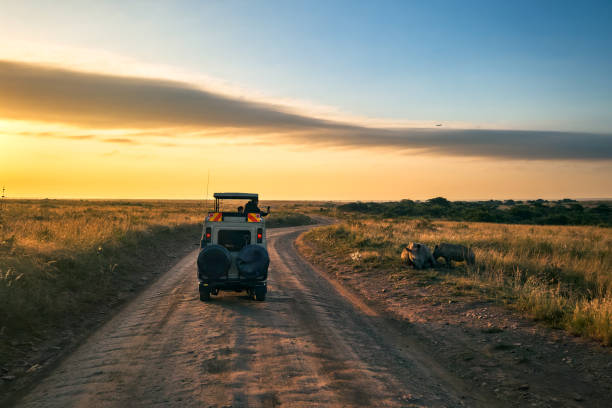
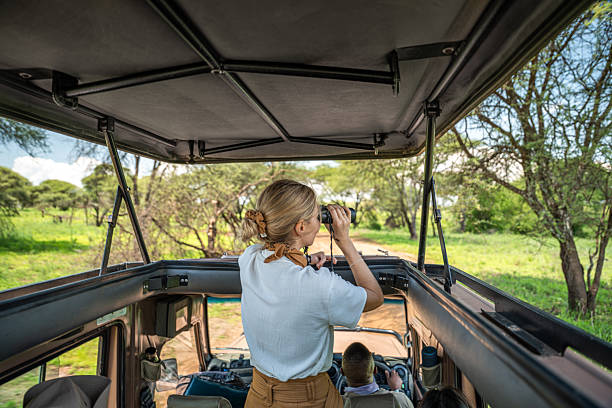
A Katavi Birdwatching Tour offers an exceptional opportunity to witness Tanzania’s rich avian diversity in one of its most pristine and remote wilderness areas, Katavi National Park. These tours focus on identifying a vast array of resident and migratory bird species, often in significant numbers, utilizing specialized guides and vehicles to navigate the park’s unique landscapes, including floodplains, woodlands, and miombo forests, to maximize sightings of species like the African Pitta, Wattled Crane, and various raptors and waterbirds.
Discovering Katavi’s Avian Riches: A Premier Birdwatching Expedition
Katavi National Park, situated in the remote western reaches of Tanzania, stands as a jewel for those seeking an authentic and uncrowded wilderness experience. While famed for its large mammal populations, particularly hippos and crocodiles that gather in astounding numbers in the Katuma River and Lake Rukwa, Katavi is also a sanctuary for an incredible diversity of birdlife. A dedicated Katavi Birdwatching Tour is designed for ornithology enthusiasts who wish to explore this often-overlooked gem, focusing on the park’s unique habitats and the remarkable species that call them home. From the expansive floodplains teeming with waterbirds to the dense miombo woodlands and acacia savannas that harbor elusive forest dwellers, Katavi presents a compelling destination for serious birders.
Planning a birdwatching safari in Katavi requires a specific approach. Unlike more frequented parks, Katavi demands patience, expert guidance, and an appreciation for true wilderness. The rewards, however, are immense. The sheer scale of the park, its relative inaccessibility, and its minimal tourist footprint mean that encounters with both wildlife and birds are often intimate and undisturbed. This is a destination where you can feel like you are discovering the continent’s natural wonders anew, with the symphony of birdsong as your constant companion.
Why Katavi for Birdwatching? A Unique Ecosystem
Katavi National Park’s ecological significance for birdlife stems from its varied topography and the dramatic seasonal changes it undergoes. The park encompasses several distinct habitat types, each supporting a specialized community of birds:
- Floodplains and Wetlands: The Kavu, Katuma, and Luwese rivers, along with the seasonal Lakes Katavi and Chada, create vast floodplains that are crucial for many water-dependent species. During the wet season, these areas transform into rich feeding grounds, attracting large congregations of waders, ducks, geese, and storks. Even in the dry season, permanent water sources remain vital hubs for bird activity.
- Miombo Woodlands: Extensive tracts of miombo woodland cover large portions of the park. These forests are home to a specialized suite of birds, including various antshrikes, flycatchers, and woodpeckers that are characteristic of this ecosystem.
- Acacia Savannas: Open savannas dotted with acacia trees provide habitat for seed-eaters, raptors, and ground-dwelling birds.
- Riverine Forests: Along the riverbanks, dense gallery forests offer shelter and foraging opportunities for a different set of species, often including insectivores and frugivores.
This habitat mosaic supports an estimated over 400 bird species, a remarkable number for any single park. The isolation of western Tanzania means that Katavi can host species that are less common or absent in the more northern safari circuits. For the dedicated birder, this translates into a chance to see a unique assemblage of African avifauna.
Key Bird Species to Spot on a Katavi Birdwatching Tour
While a comprehensive list would be extensive, certain species are highlights for birdwatchers visiting Katavi. These include:
Avian Jewels of the Floodplains and Wetlands
The open, wet areas are magnets for a spectacular array of waterbirds:
- Wattled Crane: A striking, large crane with distinctive wattles, often seen foraging in pairs or small groups on the grasslands.
- Saddle-billed Stork: One of Africa’s most iconic storks, easily recognized by its large, colorful bill.
- Shoebill: While notoriously elusive and more associated with Uganda’s swamps, opportunistic sightings can occur in suitable wetland areas within or near Katavi, though it’s not a primary target species here.
- African Skimmer: A unique bird of prey that feeds by skimming the water surface with its lower mandible.
- Various Herons, Egrets, and Ibises: Including Goliath Heron, Great White Egret, Sacred Ibis, and Hadada Ibis.
- Ducks and Geese: Species like Spur-winged Goose, Egyptian Goose, and various teal and pintail species can be abundant.
- Raptors: The open plains attract numerous raptors, such as Bateleur, Tawny Eagle, Martial Eagle, and Secretarybird.
Miombo Woodland Specialists
The miombo woodlands are a treasure trove for those seeking species adapted to this specific environment:
- African Pitta: A legendary, brightly colored ground-dwelling bird, highly sought after by birdwatchers. Katavi is one of the key locations in Tanzania for spotting this elusive species, particularly during its migratory period.
- Miombo Rock Thrush: A beautiful thrush endemic to the miombo ecosystem.
- White-breasted Cuckooshrike: A distinctive bird of the woodland canopy.
- Ground Woodpecker: The only woodpecker species that habitually forages on the ground.
- Various Flycatchers and Tits: Including species like the Crested Flycatcher and Miombo Tit.
Other Notable Species
- Hartlaub’s Bustard: A large, ground-dwelling bird found in open grasslands.
- Orange-bellied Parrot: A critically endangered species, though sightings in Katavi are rare and require expert knowledge of its specific microhabitats.
- Meyer’s Parrot: A common and beautiful parrot of woodland and savanna areas.
- African Fish Eagle: A ubiquitous sight and sound near permanent water bodies, with its distinctive call.
The best time for birdwatching in Katavi often coincides with the late dry season (July to October) when water sources are concentrated, attracting large numbers of birds and mammals. However, the wet season (November to April) brings migratory birds from Eurasia and other parts of Africa, and it’s also when resident birds are breeding and most colorful. A skilled guide can adapt the birding strategy to suit the season.
Planning Your Katavi Birdwatching Tour in 2026-2027
When planning your Katavi birdwatching adventure for 2026 or 2027, consider that Katavi is a remote destination. Access typically involves a flight from Arusha or Dar es Salaam to a local airstrip, followed by a game drive to your camp. This remoteness contributes to its pristine nature but also requires careful logistical planning. The best birding seasons are generally from July to October (dry season, concentrated wildlife and birds at waterholes) and November to April (wet season, migratory birds, breeding plumage, lush landscapes). For specific bird species like the African Pitta, the migratory season (roughly November to April) is crucial. Booking well in advance is highly recommended, especially for 2026 and 2027, as accommodations are limited and flights can fill up.
Crafting the Perfect Katavi Birdwatching Itinerary
A successful Katavi Birdwatching Tour isn’t just about arriving; it’s about strategic exploration. The ideal itinerary balances time spent in different habitats, allows for early morning and late afternoon birding sessions (when birds are most active), and incorporates opportunities for general game viewing, as many large mammals share the same areas as the birds.
Typical Tour Durations and Structure
A minimum of 3 to 4 full days within Katavi National Park is recommended to truly appreciate its birding potential. This allows for exploration of different sectors and habitats. A typical Katavi Birdwatching Tour might look like this:
- Day 1: Arrival and Initial Exploration. Fly into Katavi Airstrip (KVI). Meet your guide and transfer to your lodge or camp. After settling in, a late afternoon game drive focused on the areas around your camp, often near water sources, to begin identifying common species and get a feel for the park’s environment.
- Day 2: Floodplains and Riverine Habitats. Early morning game drive focusing on the vast floodplains and river systems like the Katuma River. This is prime territory for waterbirds, storks, cranes, and raptors. Spend time observing the large hippo and crocodile populations, which also attract birdlife.
- Day 3: Miombo Woodlands and Savanna Exploration. Today’s focus shifts to the miombo woodlands and acacia savannas. This requires slower driving and more walking (where permitted and safe) to spot species like the African Pitta (if in season) and other woodland specialists.
- Day 4: Further Exploration or Departure. Depending on your flight schedule, a final morning game drive to revisit favorite spots or explore a new area. This could be an opportunity to seek out any species missed or to enjoy the general wildlife. Transfer back to the airstrip for your onward flight.
Extended tours of 5-7 days allow for deeper exploration, visiting more remote areas of the park, and spending more time with specific species or habitats. This is ideal for serious ornithologists who want to maximize their species list and photography opportunities.
Choosing Your Accommodation
Accommodation in Katavi is limited and largely consists of tented camps. These range from comfortable to luxurious, offering an immersive wilderness experience. Options include:
- Luxury Tented Camps: Offering spacious tents with en-suite bathrooms, fine dining, and exceptional service. These provide a comfortable base for serious birding.
- Mid-Range Tented Camps: Providing comfortable canvas tents, often with shared or en-suite facilities, and good quality meals.
- Budget Options: While true budget camping is rare due to the park’s remoteness, some more basic tented camps exist, offering essential amenities.
The choice of accommodation significantly impacts the overall experience and cost of your Katavi Birdwatching Tour.
Transportation and Guiding
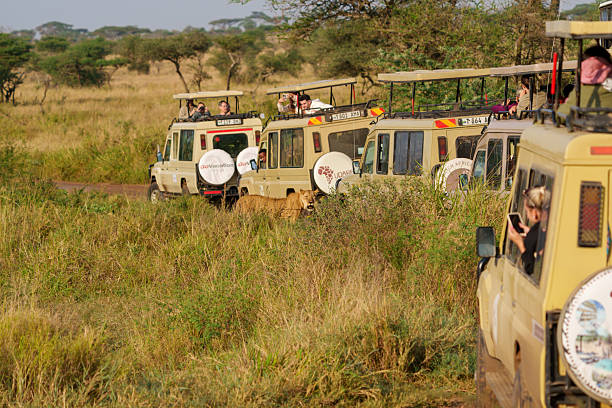
A 4×4 safari vehicle is essential for navigating Katavi’s terrain, especially during and after the rainy season. These vehicles are typically open-sided or pop-top to allow for unobstructed viewing and photography. Your guide is paramount. For birdwatching, it’s crucial to have a guide with specialized ornithological knowledge who can identify calls, understand bird behavior, and knows the best locations for specific species. Many tour operators can arrange for guides with this expertise.
When is the Best Time for Katavi Birdwatching?
The timing of your Katavi Birdwatching Tour can dramatically influence the species you see. Tanzania’s climate varies, and Katavi experiences distinct wet and dry seasons:
- The Dry Season (June to October): This is generally considered the prime time for safaris in Katavi due to pleasant weather and concentrated wildlife. Birds are attracted to the remaining water sources, making them easier to spot. Many resident birds are active. However, migratory birds from the Palearctic region are absent during this period.
- The Green Season/Wet Season (November to May): This period brings lush vegetation and dramatic skies. It’s the time when European and other migratory birds arrive, significantly boosting the avian count. Many resident birds are in breeding plumage and actively nesting, offering excellent opportunities for observing behavior and photography. While driving can be more challenging in some areas, it’s often a fantastic time for birders seeking variety.
Specific Migratory Periods
For those keen on seeing migratory species, including the highly sought-after African Pitta, the period from November through April is critical. This is when these species are present in Katavi, feeding and preparing for their journeys.
Considering 2026 and 2027 Travel
When planning for 2026 and 2027, remember that weather patterns can be unpredictable. However, the general seasonal trends hold. If your primary goal is to see the highest number of species, including migrants, aiming for the November to April window is advisable. If you prefer drier conditions and more concentrated wildlife viewing around waterholes, the July to October period is excellent, with still plenty of resident birdlife to observe.
Understanding Katavi Tour Costs
The cost of a Katavi Birdwatching Tour is influenced by several factors, primarily:
- Duration of the Tour: Longer stays naturally increase costs.
- Accommodation Standard: Luxury camps are significantly more expensive than mid-range options.
- Transportation: Internal flights to Katavi are a major component. Private charters are costlier than scheduled light aircraft.
- Vehicle and Guide: Private vehicles and specialist birding guides can add to the price.
- Inclusions: Park fees, meals, activities, and guide services are usually included. Exclusions typically cover international flights, visas, travel insurance, tips, and personal expenses.
As a general guideline, a mid-range Katavi Birdwatching Tour of 4 days/3 nights, including internal flights, accommodation, park fees, meals, and a dedicated guide, can range from approximately $2,500 to $4,500 per person. Luxury options can easily exceed $5,000 per person for the same duration. Prices for 2026 and 2027 are expected to follow similar trends, with potential minor increases due to inflation and operational costs. It’s always best to request a personalized quote for the most accurate pricing.
Getting to Katavi National Park
Reaching Katavi is an adventure in itself, reflecting its remoteness and exclusivity. The journey typically involves:
- International Flights: Arrive at Kilimanjaro International Airport (JRO) or Julius Nyerere International Airport (DAR) in Dar es Salaam.
- Domestic Flights: From Arusha or Dar es Salaam, you will take a scheduled light aircraft flight to Katavi Airstrip (KVI). These flights are operated by companies like Safari Air Link or Auric Air and are usually booked as part of your safari package. The flight duration is typically around 1.5 to 2.5 hours, depending on the departure point and any en-route stops.
- Airstrip Transfer: Upon arrival at Katavi Airstrip, you will be met by your guide and a safari vehicle from your chosen lodge or camp. A game drive transfer to your accommodation usually takes between 30 minutes to over an hour, depending on the camp’s location and any wildlife sightings along the way.
Due to the flight schedules, most tours to Katavi will start and end with these internal flights, often connecting via Arusha or Dar es Salaam for onward travel.
What to Pack for Your Katavi Birdwatching Tour
Packing appropriately is crucial for comfort and effectiveness on a birdwatching safari. Focus on neutral, earth-toned clothing that blends with the environment. Avoid bright colors and white, which can startle birds and attract insects.
Essential Clothing Items:
- Lightweight Trousers and Long-Sleeved Shirts: Essential for sun protection, insect protection, and warmth during cooler mornings and evenings.
- T-shirts and Shorts: For warmer parts of the day.
- Fleece Jacket or Warm Sweater: For chilly early mornings and evenings.
- Waterproof and Windproof Jacket: Useful for unexpected rain showers, especially during the wet season.
- Comfortable Walking Shoes/Hiking Boots: For any walking safaris or excursions.
- Sandals or Flip-flops: For relaxing at the camp.
- Sun Hat with a Wide Brim: Crucial for sun protection.
- Scarf or Bandana: For dust protection and warmth.
Essential Gear:
- Binoculars: A good quality pair (e.g., 8×42 or 10×42) is indispensable for birdwatching. Consider bringing a backup pair if possible.
- Field Guide to the Birds of East Africa: Essential for identification.
- Camera with Zoom Lens: For capturing images of birds and wildlife. Extra batteries and memory cards are a must.
- Sunscreen and Insect Repellent: High SPF sunscreen and a repellent containing DEET.
- Personal First-Aid Kit: Including any personal medications.
- Reusable Water Bottle: To stay hydrated and reduce plastic waste.
- Headlamp or Torch: For navigating around camp at night.
- Power Bank/Portable Charger: For keeping electronics charged, as power sources can be limited.
Remember to check baggage weight restrictions for internal flights, as they are typically much lower than for international carriers.
The Role of the Expert Guide in Katavi Birdwatching
On any safari, a guide is important. For a specialized Katavi Birdwatching Tour, the guide’s expertise is paramount. A great birding guide:
- Possesses Deep Ornithological Knowledge: They can identify birds by sight and, critically, by their calls, which is often the first indication of a bird’s presence.
- Knows Habitats and Behavior: They understand which species prefer which habitats and can predict where to find them based on the time of day, season, and weather.
- Skilled Driver: They can navigate the park’s challenging terrain safely and efficiently, stopping at optimal points for viewing.
- Patient and Observant: They are adept at spotting subtle movements and signs of bird activity that a novice might miss.
- Photography-Friendly: They understand the needs of photographers, positioning the vehicle for the best light and angles.
- Communicative: They can share fascinating insights into bird behavior, ecology, and conservation.
Choosing a tour operator that provides experienced, specialist birding guides is essential for maximizing your success and enjoyment in Katavi.
Conservation and Responsible Birdwatching in Katavi
Katavi National Park is a vital wilderness area, and responsible tourism practices are crucial to its preservation. When on a Katavi Birdwatching Tour, adhere to the following:
- Stay on Designated Tracks: Avoid driving off-road, which can damage sensitive vegetation and disturb wildlife.
- Maintain a Respectful Distance: Do not approach birds or other wildlife too closely, especially during nesting or breeding periods. Use your zoom lens for photos.
- Minimize Noise: Loud noises can stress animals.
- No Feeding Wildlife: Never feed any animals, including birds.
- Pack It In, Pack It Out: Take all litter with you.
- Support Local Conservation Efforts: Choose operators who contribute to conservation initiatives and employ local guides.
By practicing responsible tourism, you help ensure that Katavi remains a pristine sanctuary for its incredible birdlife and other wildlife for generations to come, including for travelers in 2026 and 2027 and beyond.
Combining Katavi Birding with Other Tanzanian Experiences
While a dedicated Katavi Birdwatching Tour is a remarkable experience on its own, it can be wonderfully combined with other Tanzanian highlights to create a comprehensive safari or travel itinerary. Consider pairing Katavi with:
- The Northern Circuit: While Katavi offers a different, more remote experience, combining it with parks like the Serengeti, Ngorongoro Crater, Tarangire, and Lake Manyara provides a broader picture of Tanzania’s wildlife and birdlife. This would involve flying between regions.
- Mahale Mountains National Park: Located on the shores of Lake Tanganyika, Mahale is famous for its chimpanzees. It also offers excellent birdwatching opportunities in its forest habitats and along the lake.
- Ruaha National Park: Another vast and wild park in southern Tanzania, known for its large elephant and lion populations, and also a significant birding destination.
- Zanzibar: For a complete contrast, end your trip with relaxation on the tropical beaches of Zanzibar, perhaps with some coastal birding on the side.
Integrating Katavi into a larger Tanzanian itinerary requires careful planning, especially concerning internal flight logistics. Operators like Top Best Tanzania Tour operator can help craft smooth multi-destination trips.
Why Choose Top Best Tanzania Tour Operator for Your Katavi Birdwatching Tour?
When planning an expedition to a remote and ecologically rich destination like Katavi, partnering with an experienced and reputable tour operator is crucial. Top Best Tanzania Tour Operator specializes in creating bespoke safari experiences, including dedicated birdwatching tours. We understand the nuances of Katavi National Park, the best times to visit for specific species, and the logistical challenges involved.
Our commitment is to provide:
- Expert Ornithological Guides: We work with guides who possess deep knowledge of East African birds, their calls, and their habitats.
- Tailor-Made Itineraries: We craft itineraries that cater specifically to your birdwatching interests, ensuring maximum species encounters.
- Careful Logistical Planning: From internal flights to accommodation and vehicle arrangements, we handle all the details for a smooth journey.
- Responsible Tourism: We are committed to sustainable travel practices that benefit both wildlife and local communities.
- Personalized Service: We offer dedicated support, from your initial inquiry to your departure, ensuring a memorable and stress-free experience.
Whether you are planning your Katavi Birdwatching Tour for 2026, 2027, or any future year, let us help you discover the unparalleled avian wonders of this magnificent park. We can also assist with other Tanzanian adventures, including Kilimanjaro treks and Zanzibar holidays.
For inquiries or to start planning your custom Katavi birdwatching safari, please contact us:
- WhatsApp: +255616946642
- Email: topguideadventures@gmail.com
- Backup Email: info@topguideadventures.com
Let us guide you to the heart of Tanzania’s wild birdlife in Katavi National Park.
Check Availability for Katavi Birdwatching Tour: Ultimate Tanzania Ornithology Adventure 2026-2027
Ready to compare dates, prices, and the best option for your group? Send the package name and travel month so the team can reply with a clear quote, availability, and what is included.
 Katavi Walking Safari: Your Ultimate Guide To Tanzanias Wildest Frontierstart a Katavi walking safari for an intimate exploration of Tanzania's most remote and wild national park. Discover the thrill of encountering…View packageKatavi Hippo Pool Safari: The Ultimate Tanzania Wildlife Experience 2026-2027Explore the raw, untamed beauty of Katavi National Park, focusing on its incredible hippo pools. This guide details what makes a Katavi Hippo…View package
 6-Day Katavi Photography Expedition: Wildlife Secrets Revealed 2026-2027A detailed 2026-2027 guide to 6-Day Katavi Photography Expedition, with clear planning and booking information for travelers.View package5-Day Katavi Fly-In Safari: Ultimate Tanzania Wildlife Experience 2026-2027Discover the raw, untamed beauty of Tanzania with a 5-Day Katavi Fly-In Safari. This exclusive itinerary focuses on the rich biodiversity and…View package4-Day Katavi Wilderness Safari: An Unforgettable Tanzania Adventure 2026-2027start a 4-day Katavi Wilderness Safari, a truly wild Tanzanian experience. This itinerary focuses on the raw beauty and abundant wildlife of…View package3-Day Katavi National Park Safari: An Immersive Tanzanian Wildlife ExperienceA detailed 2026-2027 guide to 3-Day Katavi National Park Safari, with clear planning and booking information for travelers.View packageKatavi National Park: Tanzanias Untamed Wilderness Safari 2026-2027Katavi National Park offers an authentic, off-the-beaten-path safari experience in Tanzania, boasting vast herds and a truly wild atmosphere…View packageX. Katavi And Rukwa Packages GuideExperience the untamed wilderness of Katavi and Rukwa National Parks with curated safari packages. Discover exceptional wildlife viewing and…View package


