
Katavi National Park is Tanzania’s third-largest protected area, celebrated for its wild, remote atmosphere and staggering concentrations of wildlife, especially during the dry season when animals congregate around the remaining water sources. It offers an unparalleled, authentic safari experience for those seeking to escape the crowds and witness nature at its most primal, with opportunities to see huge herds of buffalo, elephants, lions, leopards, and hippos, as well as unique species like the roan antelope and sable antelope.
The Allure of Katavi: Tanzania’s Unspoiled Frontier
While the Serengeti and the Ngorongoro Crater often capture the lion’s share of attention, Katavi National Park stands as a testament to Tanzania’s enduring wild heart. Located in the remote southwest of the country, Katavi is a vast expanse of miombo woodland, open grasslands, and seasonal floodplains that transforms dramatically between the wet and dry seasons. It’s a destination for the discerning traveler, one who yearns for an unadulterated wilderness experience, where the sheer scale of the landscape and the density of its wildlife can feel overwhelming in the most magnificent way.
Visiting Katavi is not like visiting its more famous northern counterparts. Here, the infrastructure is minimal, the human presence is even more so, and the wildlife reigns supreme. This is a place where you can drive for hours and encounter few other vehicles, allowing for intimate and profound wildlife viewing moments. The park’s remoteness is precisely its charm, preserving an ancient rhythm of life that has largely vanished from more accessible safari destinations. For travelers planning their 2026 or 2027 Tanzanian adventure, Katavi offers a distinct and deeply rewarding alternative.
Why Choose Katavi for Your Next Safari?
The decision to venture to Katavi is often driven by a desire for authenticity and a profound connection with nature. It’s a park that rewards patience and offers spectacles that few other places on Earth can match. Here’s why Katavi should be high on your safari wish list:
- Unrivaled Wildlife Density: During the dry season (typically June to October), Katavi becomes a magnet for wildlife. The park’s three main lakes – Katavi, Chada, and Nzeze – shrink, concentrating vast numbers of animals. The sight of thousands of buffalo and elephants converging on these water sources is breathtaking.
- Predator Paradise: The abundance of prey naturally attracts a healthy population of predators. Katavi is renowned for its large prides of lions, often seen lounging in trees or hunting. Leopards are also present, though more elusive, and cheetahs can be spotted on the open plains.
- Hippo and Crocodile Spectacles: The park is home to one of the largest concentrations of hippos in East Africa. The muddy shores of the lakes teem with these massive animals, and the annual drying up of smaller pools often leads to dramatic territorial battles and a fascinating display of their social dynamics. Nile crocodiles are equally abundant, basking on riverbanks or lurking in the waters.
- Unique Antelope Species: Katavi is one of the best places in Tanzania to see the strikingly beautiful roan antelope and the magnificent sable antelope, both of which are less common in the northern parks.
- True Wilderness Immersion: The lack of crowds means you can experience the sights and sounds of the African bush without interruption. Game drives feel more personal, and the sense of being in a truly wild place is palpable.
- Birdwatcher’s Haven: With over 400 bird species recorded, Katavi is a paradise for ornithologists. The mix of woodland, grassland, and wetland habitats supports a diverse avian population, including raptors, waterbirds, and colorful smaller species.
Understanding Katavi’s Geography and Ecosystems
Katavi National Park covers an immense area of approximately 4,471 square kilometers (1,726 sq mi), making it Tanzania’s third-largest national park after the Serengeti and Ruaha. Its vastness contributes significantly to its wild character and the diversity of its habitats.
The park’s landscape is a dynamic mosaic:
- Miombo Woodlands: Large swathes of the park are covered in miombo woodland, characterized by the dominant Brachystegia tree species. These woodlands provide habitat for many species, including a significant portion of the park’s predators.
- Floodplains and Grasslands: Extensive floodplains, particularly around the main lakes and rivers, open up into vast grasslands. These areas are crucial grazing grounds for herbivores like zebras, wildebeest, and hartebeest, and they become exceptionally productive during the wet season.
- Seasonal Lakes and Rivers: The lifeblood of Katavi, especially in the dry season, are its permanent and seasonal water bodies. Lake Katavi, Lake Chada, and Lake Nzeze are focal points for wildlife congregations. The Kapapa, Katuma, and Luiche rivers also play vital roles in the ecosystem.
The dramatic contrast between the lush green of the rainy season (typically November to May) and the dry, dusty landscape of the dry season is a defining feature of Katavi. The rainy season brings life, growth, and disperses wildlife across the park. The dry season concentrates animals around dwindling water sources, creating the spectacular wildlife viewing opportunities that Katavi is famous for.
The Best Time to Visit Katavi National Park
Timing your safari to Katavi is crucial for maximizing your wildlife viewing experience. The park’s appeal shifts significantly between the wet and dry seasons.
The Dry Season (June to October): The Peak Wildlife Viewing Period
This is the prime time for a safari in Katavi. As the rains subside and the landscape dries, water becomes a precious commodity. Animals, including elephants, buffalo, zebras, giraffes, and numerous antelope species, are drawn to the remaining rivers and lakes. This concentration makes spotting wildlife easier and more dramatic.
- Wildlife: Expect to see enormous herds of buffalo and elephants, large prides of lions, and excellent chances of spotting hippos and crocodiles in close proximity. The dry conditions also make it easier to track predators.
- Vegetation: The landscape becomes more open as grasses dry out, improving visibility.
- Conditions: Days are typically sunny and warm, with cooler evenings and mornings. Dust can be prevalent.
- Accessibility: Roads are generally in better condition during the dry season, although some areas can still be challenging.
The Green Season / Shoulder Months (November to May): A Different Kind of Beauty
While not the peak season for concentrated wildlife viewing, the green season offers a different, often equally rewarding, experience.
- Wildlife: Wildlife disperses as water becomes abundant. While large herds may not be as concentrated, the landscape is lush and beautiful, offering excellent photographic opportunities. Birdlife is exceptional during this period, with migratory birds present. Predator sightings can still be good, especially in the early mornings and late afternoons.
- Vegetation: The park is vibrant and green, offering stunning scenery.
- Conditions: Expect warm to hot temperatures and intermittent rainfall. The rains can sometimes make certain areas inaccessible.
- Birdwatching: This is the best time for bird enthusiasts, with abundant resident and migratory species.
- Fewer Visitors: You’ll encounter even fewer people, offering an even more exclusive experience.
For most visitors aiming for the iconic Katavi wildlife spectacles, the dry season from June to October is highly recommended. However, for photographers, birdwatchers, or those seeking a more tranquil and lush environment, the shoulder months can also be very rewarding.
Getting to Katavi National Park
Katavi’s remoteness is a key part of its appeal, but it also means getting there requires some planning. It is not as straightforward as reaching the northern circuit parks.
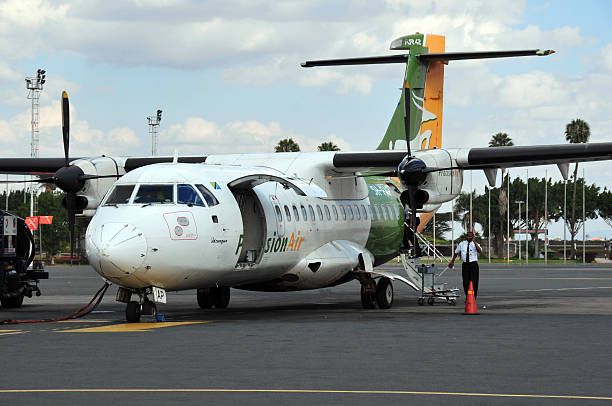
- By Air: The most common and practical way to reach Katavi is by light aircraft. Scheduled or chartered flights operate from Arusha or Dar es Salaam to the Mpanda airstrip or directly to airstrips near the park’s lodges (e.g., Katavi Airstrip). These flights are scenic and save considerable travel time. The flight duration is typically around 1.5 to 2.5 hours, depending on the departure point and specific route.
- By Road: Driving to Katavi is a long and arduous journey, often taking two days or more from major cities like Dar es Salaam or Arusha. The roads can be rough, especially during the rainy season. This option is generally only recommended for the most adventurous travelers or those on a very tight budget who have ample time.
Most visitors combine Katavi with other parks in the Southern Circuit, such as Ruaha, or fly in and out for a dedicated Katavi experience. The travel logistics are best handled by an experienced tour operator who can arrange flights, park transfers, and accommodation.
Where to Stay: Lodges and Camps in Katavi
Accommodation options in Katavi are limited, reflecting its remote and exclusive nature. These are typically high-end lodges and tented camps designed to blend with the environment and offer a comfortable base for exploring the wilderness.
- Luxury Tented Camps: These camps offer an immersive safari experience with comfortable canvas tents, often featuring en-suite bathrooms and private verandas. They provide a close-to-nature feel without compromising on comfort. Examples include Chada Katavi Camp and Jongomero Camp.
- Exclusive Lodges: A few lodges offer more permanent structures with excellent amenities, often situated with prime views of the park’s waterholes or plains.
When planning for 2026 or 2027, booking your accommodation well in advance is essential, as the number of beds is limited. These lodges typically operate on an all-inclusive basis, covering meals, drinks (often local brands), laundry, park fees, and guided safari activities.
Activities and Experiences in Katavi
The primary activity in Katavi is, of course, game driving. However, the park’s unique environment allows for a range of enriching experiences.
Classic Game Drives
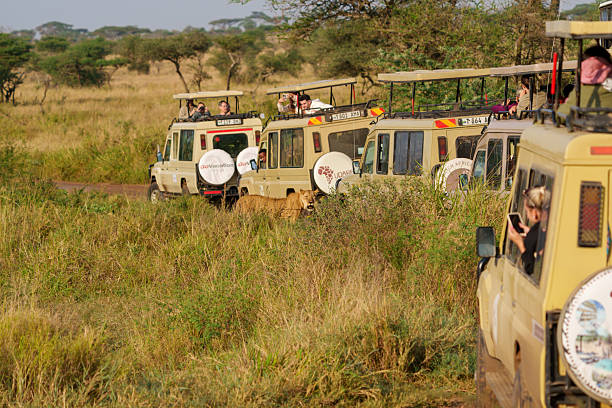
Guided game drives in open-top 4×4 safari vehicles are the main way to explore Katavi. Experienced guides will take you to the best wildlife viewing spots, sharing their knowledge of the animals, birds, and the ecosystem. Early morning and late afternoon drives are usually the most productive for spotting predators and other active wildlife.
Walking Safaris
In certain areas and under strict supervision, walking safaris offer a more intimate and sensory connection with the bush. Accompanied by an armed ranger and a guide, you can learn about tracking, identify plants and insects, and appreciate the smaller details of the wilderness that are often missed from a vehicle. Walking safaris are a fantastic way to experience Katavi’s raw beauty.
Birdwatching
With its diverse habitats, Katavi is a magnet for a wide array of bird species. Dedicated birding excursions can be arranged, focusing on the park’s avian residents and seasonal visitors. Keep an eye out for African fish eagles, lilac-breasted rollers, various hornbills, and many other colorful species.
Cultural Encounters
While Katavi is primarily about wildlife, some lodges may offer opportunities to learn about the local culture and traditions of the people living in the surrounding areas, though this is less common than in other Tanzanian parks. The focus remains firmly on the natural world.
Wildlife Highlights of Katavi National Park
Katavi’s wildlife viewing is dominated by large mammals and the dramatic interactions that occur, especially during the dry season.
The Big Five
While all the Big Five (lion, leopard, elephant, buffalo, rhino) are present, spotting them requires patience and a bit of luck.
- Lions: Katavi is known for its large prides of lions, often found resting in the shade of trees or on termite mounds. They are skilled hunters, and witnessing a hunt is a rare but unforgettable experience.
- Leopards: These elusive cats are more challenging to spot but are present throughout the park, particularly in areas with denser vegetation.
- Elephants: Large herds of elephants roam Katavi, especially during the dry season when they congregate around water sources.
- Buffalo: Katavi boasts one of the largest buffalo populations in Tanzania, with herds numbering in the thousands. The sight of these massive bovines is truly awe-inspiring.
- Rhinos: Black rhinos are present but are very rare and difficult to find. Sightings are exceptional.
Hippos and Crocodiles
The park’s lakes and rivers are teeming with hippos and crocodiles. The sight of hundreds of hippos wallowing in the mud or defending their territory is a signature Katavi experience. Nile crocodiles are also abundant, often seen basking on the riverbanks.
Other Notable Mammals
Beyond the Big Five, Katavi is home to a rich variety of other mammals:
- Roan Antelope: Katavi is one of the best places to see these striking antelopes with their distinctive curved horns and white facial markings.
- Sable Antelope: Another beautiful antelope species, the sable, with its elegant, backward-curving horns, is also found here.
- Giraffes: Maasai giraffes are a common sight, often seen browsing on acacia trees.
- Zebra and Wildebeest: Large herds of plains zebra and various species of wildebeest graze on the open grasslands.
- Cheetahs: While not as common as in the Serengeti, cheetahs can be spotted on the open plains.
- Wild Dogs: Although rare, packs of African wild dogs are sometimes sighted.
- Other Antelopes: Topi, impala, waterbuck, bushbuck, and hartebeest are also present.
Planning Your Katavi Safari for 2026-2027
Planning a safari to a remote destination like Katavi requires careful consideration. Here’s a guide to help you prepare for your 2026 or 2027 adventure.
Choosing the Right Itinerary
A typical safari to Katavi often involves flying in and out, spending 3-4 nights at a lodge or camp. It can be combined with other parks in the Southern Circuit (like Ruaha) or the Selous Game Reserve (now Nyerere National Park) for a more comprehensive Tanzanian experience. Alternatively, it can be a standalone destination for those seeking the ultimate remote wilderness immersion.
Consider the following when designing your itinerary:
- Duration: 3-4 nights are usually sufficient to experience the highlights of Katavi.
- Combinations: For a 10-14 day trip, consider combining Katavi with Ruaha for a diverse Southern Circuit experience.
- Travel Style: Decide between a private safari (tailored to your schedule and interests) or a small group departure if available. Given Katavi’s exclusivity, private safaris are more common and often recommended.
Booking Window
Due to the limited accommodation and flight availability, it is highly recommended to book your Katavi safari at least 6-12 months in advance, especially if you are planning for peak season in 2026 or 2027.
Budget Considerations
Katavi is generally considered a high-end safari destination due to its remoteness, the cost of flights, and the exclusive nature of the lodges. Expect prices to be higher than for safaris in more accessible parks.
A typical Katavi safari package will include:
- Internal flights to and from Katavi
- Park fees
- Accommodation
- All meals and select drinks at the lodge
- Guided game drives
- Laundry services
Factors influencing cost include the choice of lodge (luxury camps are generally more expensive), the time of year (peak season is pricier), and the duration of your stay.
Packing Essentials
Packing for Katavi is similar to other Tanzanian safaris, with an emphasis on comfort, practicality, and protection from the elements.
- Clothing: Lightweight, neutral-colored clothing (khaki, beige, olive green) is best. Avoid bright colors and dark blue/black, which can attract insects. Include long-sleeved shirts and trousers for sun and insect protection. A warm fleece or jacket is essential for cool mornings and evenings.
- Footwear: Comfortable walking shoes or hiking boots (if planning walking safaris) and sandals.
- Sun Protection: High SPF sunscreen, a wide-brimmed hat, and sunglasses are crucial.
- Insect Repellent: Especially important for evenings and early mornings.
- Camera and Binoculars: Essential for wildlife viewing. Bring extra batteries and memory cards.
- First-Aid Kit: Include personal medications and basic first-aid supplies.
- Personal Items: Toiletries, hand sanitizer, wet wipes.
Remember that most lodges offer laundry services, so you don’t need to pack excessively.
Conservation Efforts in Katavi
Katavi National Park faces challenges due to its vastness and remoteness, including poaching and human-wildlife conflict in surrounding areas. Conservation efforts are crucial for preserving its unique ecosystem.
- Anti-Poaching Patrols: Rangers conduct regular patrols to deter poaching of elephants, buffalo, and other wildlife.
- Community Engagement: Working with local communities to foster a sense of ownership and benefit-sharing from tourism is vital for long-term conservation success.
- Research and Monitoring: Ongoing research helps understand wildlife populations, migration patterns, and ecosystem health, informing conservation strategies.
- Sustainable Tourism: The limited, high-value tourism model employed by lodges in Katavi aims to generate revenue that directly supports conservation and local livelihoods, while minimizing environmental impact.
By choosing to visit Katavi, you are contributing to these vital conservation efforts through your park fees and support for eco-conscious lodges.
Comparing Katavi to Other Tanzanian Safari Destinations
Understanding how Katavi differs from other popular Tanzanian parks helps in making informed travel decisions.
Katavi vs. Serengeti
- Serengeti: Famous for the Great Migration, vast open plains, and high densities of predators. More developed infrastructure, more tourist traffic. Excellent for general game viewing and witnessing the migration spectacle.
- Katavi: Known for its raw, untamed wilderness, immense herds of buffalo and elephants during the dry season, and fewer visitors. Offers a more exclusive and remote experience. Best for those seeking true wilderness and dramatic wildlife congregations.
Katavi vs. Ruaha
- Ruaha: Tanzania’s largest national park, also in the Southern Circuit. Known for its large elephant herds, high concentration of predators (especially lions and wild dogs), and rugged, dramatic landscapes. More accessible than Katavi but still relatively wild.
- Katavi: Even more remote and less visited than Ruaha. Offers unique spectacles like the massive hippo congregations. While both parks are wild, Katavi takes remoteness and a sense of primal nature to another level.
Katavi vs. Ngorongoro Crater
- Ngorongoro Crater: A unique caldera offering incredibly dense wildlife viewing in a confined area. Famous for high chances of seeing the Big Five, including rhinos. Very popular and can be crowded.
- Katavi: Vast, open wilderness with dispersed wildlife (except around water in the dry season). Offers a much more expansive and less crowded experience. Focus is on the sheer scale of nature and the wildness.
Katavi is for the traveler who has likely experienced other safari destinations and is looking for something truly off the beaten path, offering a profound connection with Africa’s wild heart.
Planning Your 2026-2027 Katavi Safari with Experts
Organizing a safari to Katavi National Park requires specialized knowledge due to its remoteness and the logistics involved. Working with an experienced tour operator is essential to ensure a smooth and unforgettable journey.
At Top Best Tanzania Tour operator, we specialize in crafting tailor-made safari experiences across Tanzania, including the most remote and exclusive destinations like Katavi. Our team understands the intricacies of travel to this magnificent park, from arranging the necessary light aircraft flights to selecting the perfect lodge that matches your preferences and budget.
We can help you:
- Design a custom itinerary for 2026 or 2027 that includes Katavi, tailored to your interests, whether it’s wildlife photography, birdwatching, or simply immersing yourself in the wilderness.
- Provide detailed information on the best time to visit based on your priorities.
- Secure bookings for the limited accommodation and flights well in advance.
- Offer expert advice on packing and preparing for your adventure.
- Combine Katavi with other Tanzanian highlights for a comprehensive safari experience.
For a personalized quote and to start planning your dream safari to Katavi National Park, please reach out to us. You can connect with our safari experts via WhatsApp at +255616946642 or send us an email at topguideadventures@gmail.com. For inquiries, you can also use our backup email: info@topguideadventures.com. Let us help you discover the raw, untamed beauty of Katavi.
Check Availability for Katavi National Park: Tanzanias Untamed Wilderness Safari 2026-2027
Ready to compare dates, prices, and the best option for your group? Send the package name and travel month so the team can reply with a clear quote, availability, and what is included.
 X. Katavi And Rukwa Packages GuideExperience the untamed wilderness of Katavi and Rukwa National Parks with curated safari packages. Discover exceptional wildlife viewing and…View package
 3-Day Central Slave Route Expedition: A Deep Look At Zanzibars Historystart a profound 3-Day Central Slave Route Expedition in Zanzibar, uncovering the island's complex past and vibrant present. This immersive…View packageTabora Forest And Birding Tour: Your Ultimate Guide In Tanzania 2026-2027A detailed 2026-2027 guide to Tabora Forest and Birding Tour, with clear planning and booking information for travelers.View package
 The Tabora To Ujiji Historical Route: A Journey Through Tanzanias PastDiscover the rich history and cultural significance of the Tabora to Ujiji route in Tanzania, a path once central to trade and exploration. This…View packageTabora Market And Craft Tour: A Deep Dive For Travelers 2026-2027Explore the heart of Tabora's commerce and artistry with our comprehensive guide to the Tabora Market and Craft Tour. Learn about local…View package
 Tabora German Colonial Heritage Tour: A Journey Through Tanzanias PastDiscover the fascinating German colonial history of Tabora, Tanzania, with a specialized heritage tour. This immersive experience delves into…View packageTabora Cycling Adventure: Explore Tanzanias Heartland By Bike 2026-2027start a unique Tabora Cycling Adventure, traversing the historical and cultural heartland of Tanzania by bicycle. This journey offers an…View packageTabora Local Food Experience: A Culinary Journey Through Tanzanias HeartlandExplore the rich and diverse flavors of Tabora, Tanzania, through its unique local food experiences. This guide covers traditional dishes…View package


