
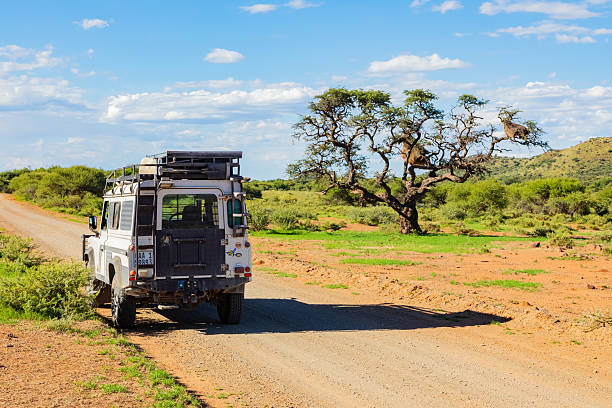

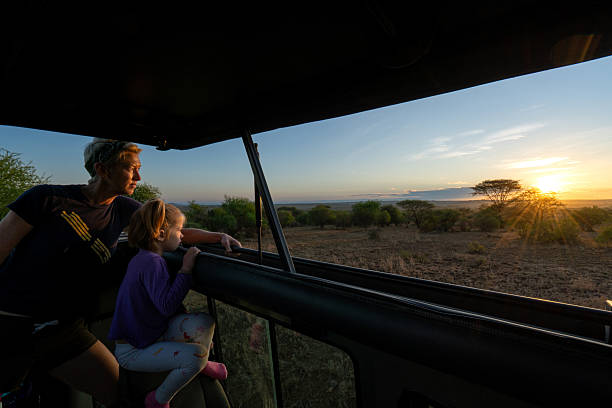
A Katavi Hippo Pool safari offers an unparalleled immersion into one of Africa’s most spectacular wildlife spectacles, centered around the immense congregations of hippos in Katavi National Park, Tanzania. This remote park is renowned for its dramatic landscapes and dense animal populations, particularly during the dry season when hippos, crocodiles, and a multitude of other species are concentrated in the remaining water bodies, creating unforgettable viewing opportunities distinct from more accessible parks. Planning a safari here in 2026 or 2027 promises an authentic, wild experience.
Discovering Katavi: Tanzania’s Untamed Heart
Tanzania is a name synonymous with extraordinary wildlife encounters. While the Serengeti’s Great Migration and the Ngorongoro Crater’s dense populations often steal the spotlight, there exists a wilder, more rugged corner of this magnificent country that calls to the true adventurer: Katavi National Park. For those seeking an authentic, off-the-beaten-path safari experience, a Katavi Hippo Pool safari is an absolute revelation. This is not a park for the casual tourist; it’s a destination for the discerning traveler who yearns for raw wilderness, dramatic wildlife spectacles, and a profound sense of isolation.
Katavi is Tanzania’s third-largest national park, a vast expanse of miombo woodland, acacia savanna, and floodplains, characterized by three major lakes: Lake Katavi, Lake Chada, and the vital Lake Manya. It is within the vicinities of these lakes, especially during the dry season, that the park’s most iconic feature emerges – the staggering concentration of hippos. These are not just a few pods; these are colossal gatherings, numbering in the hundreds, sometimes even thousands, creating a primal scene of life and competition that is rarely witnessed elsewhere on the continent.
The appeal of a Katavi Hippo Pool safari lies in its sheer authenticity. Unlike more developed parks, Katavi retains a rugged, wild character. Roads can be challenging, lodges are few and far between, and the sense of being truly immersed in nature is profound. This remoteness is precisely what preserves its magic and ensures that visitors experience wildlife in its most natural, undisturbed state. If you are considering a safari for 2026 or 2027 and crave an experience that goes beyond the ordinary, Katavi deserves your attention.
The Star Attraction: Hippo Pools of Katavi
The true heart of a Katavi safari beats within its hippo pools. During the dry season, typically from June to October, the landscape transforms. Rivers dwindle, and the large lakes and swamps become the sole sources of water for an astonishing array of wildlife. The hippos, territorial and gregarious, converge in these life-giving waters in numbers that defy imagination. Observing these massive creatures, often referred to as ‘river horses,’ in such dense concentrations is a breathtaking spectacle.
These hippo pools are dynamic ecosystems. During the day, hippos spend most of their time submerged, their eyes, ears, and nostrils just above the surface, communicating through grunts and snorts. As dusk approaches, they emerge to graze on the surrounding grasslands, traveling surprisingly long distances inland. The sheer density of hippos means constant interaction, territorial disputes, and the constant hum of their presence. It’s a cacophony of sounds and a visual feast of activity.
But the hippos are not alone. The same pools attract enormous numbers of Nile crocodiles, often basking on the muddy banks or lurking just beneath the water’s surface, patiently waiting for an opportunity. The juxtaposition of these two formidable species, sharing the same limited water resources, creates a palpable tension and a constant reminder of the raw power of nature.
Beyond the main hippo congregations, these water sources are vital for other wildlife. Herds of elephants, buffaloes, zebras, wildebeest, and various antelopes come to drink, often in large numbers, especially during the peak dry months. This concentration of herbivores, in turn, attracts predators. Lions, leopards, cheetahs, and hyenas are drawn to the abundant prey, making the areas around the hippo pools some of the most exciting places for wildlife viewing in the park.
A specialized Katavi Hippo Pool safari means dedicating significant time to these prime locations. Experienced guides know the best vantage points and the optimal times to witness the hippos’ behavior, from their daytime wallowing to their nocturnal grazing and the dramatic interactions that occur. This focus on the pools provides a unique perspective on Katavi’s ecological dynamics.
Understanding Hippo Behavior in Katavi
To truly appreciate the spectacle of Katavi’s hippo pools, a basic understanding of hippo behavior is invaluable. Hippos are semi-aquatic mammals, spending up to 16 hours a day in the water. They are social animals, living in groups called pods, which can range from a few individuals to over a hundred. These pods are typically composed of females, young hippos, and a dominant bull.
The dominant bull is fiercely territorial, especially in confined waters like the hippo pools. He will defend his patch of water and the females within it from rival bulls. This defense can lead to spectacular, and often dangerous, confrontations. Watching two massive bulls engage in a territorial dispute, with their immense jaws opening wide to display their formidable tusks, is a primal display of power.
While hippos appear placid when submerged, they are among the most dangerous animals in Africa. Their speed on land can be surprising, and their bite force is immense. They are responsible for more human fatalities in Africa than any other large mammal. In Katavi, observing them from a safe distance, guided by experts, allows for a respectful appreciation of their power and presence.
During the dry season, the hippo pools become a battleground for survival. As water levels drop, hippos are forced into closer proximity, increasing competition for space and resources. This is also when they are most vulnerable to predators, particularly lions, who learn to target young, old, or infirm individuals, or even attempt to take down healthy adults when opportunities arise.
The sheer density of hippos in Katavi’s pools means that every moment offers a potential sighting of fascinating behavior. Whether it’s a mother nudging her calf, a bull asserting his dominance, or a group collectively yawning to show off their impressive tusks, the dynamics within these pools are endlessly captivating.
When to Plan Your Katavi Hippo Pool Safari
The timing of your visit to Katavi National Park significantly impacts the safari experience, particularly concerning the hippo pools. Katavi experiences distinct wet and dry seasons, each offering different advantages and challenges.
The Dry Season (June to October): Peak Hippo Viewing
The dry season is unequivocally the prime time for a Katavi Hippo Pool safari. As the rains recede, the landscape dries out, and the rivers and lakes shrink. This is when the park’s wildlife, most notably the hippos, concentrates into the remaining water sources. The hippo pools become the epicenters of animal activity, making for spectacular viewing.
- Concentration of Wildlife: The dramatic reduction in available water forces hippos, crocodiles, elephants, buffaloes, and numerous other species to gather in and around the lakes and rivers.
- Predator Activity: With so much prey concentrated in specific areas, predator sightings, particularly of lions, hyenas, and wild dogs, tend to increase around the hippo pools and watering holes.
- Easier Game Viewing: The vegetation thins out, and animals are more visible against the drier landscape.
- Road Conditions: Roads are generally in better condition during the dry season, making travel within the park more accessible.
For those specifically interested in the hippo pools, planning a safari for late July through October is highly recommended, as this is when the water levels are at their lowest, and the hippo congregations are at their most impressive.
The Wet Season (November to May): Lush Landscapes and Different Wildlife Dynamics
The wet season offers a different, though equally rewarding, experience. While the hippo pools may be more dispersed and less concentrated than in the dry season, the park transforms into a lush, green paradise. This period is ideal for birdwatchers and those who appreciate the park’s scenic beauty.
- Beautiful Scenery: The landscape is vibrant and green, offering stunning photographic opportunities.
- Birding Paradise: Migratory birds arrive, and resident species are highly active, making it an excellent time for birdwatching.
- Fewer Crowds: The wet season is considered the ‘low season’ for tourism, meaning fewer visitors and a more exclusive experience.
- Calving Season: Many species give birth during the wet season, leading to sightings of young animals.
While hippo viewing might not be as concentrated as in the dry season, they are still present in the larger lakes and rivers. The focus of a wet season safari in Katavi might shift slightly, but the opportunity for incredible wildlife encounters remains high.
For 2026 and 2027 safaris, if your primary goal is to witness the spectacular hippo pool phenomenon, aim for the dry season months. If you prefer lush scenery, abundant birdlife, and a more solitary experience, the wet season can also be incredibly rewarding.
Getting to Katavi: The Journey to Remote Wilderness
Reaching Katavi National Park is part of the adventure, emphasizing its remote and exclusive nature. Unlike parks on the Northern Circuit, Katavi is not easily accessible by road from major tourist hubs like Arusha or Moshi. The journey itself is a testament to the park’s wild character.
By Air: The Most Convenient Option
The most common and efficient way to reach Katavi is by light aircraft. Scheduled or chartered flights operate from Arusha Airport (ARK) or Kilimanjaro International Airport (JRO) to the park’s airstrips. The main airstrip is at Mpiga, and others might be available depending on your lodge location.
- Flight Duration: Flights typically take between 1.5 to 2.5 hours, depending on the number of stops.
- Scenery: The aerial views of Tanzania’s diverse landscapes are spectacular.
- Cost: This is generally the most expensive option, but it saves significant travel time and effort.
- Booking: Flights are usually arranged by your tour operator as part of your safari package.
Booking flights well in advance is crucial, especially if you are planning for peak seasons in 2026 or 2027, as availability can be limited.
By Road: An Adventurous, Time-Consuming Alternative
Traveling to Katavi by road is possible but requires significant time and a sturdy 4×4 vehicle. The drive from major towns like Mbeya or Kigoma can take several days, with rough road conditions being a significant factor.
- Duration: A road trip from Arusha could take 2-3 days of intensive driving, often involving overnight stops in towns along the way. From Kigoma, it’s roughly a day’s drive.
- Vehicle Requirements: A reliable 4×4 vehicle with experienced driver-guides is essential.
- Road Conditions: Roads can be extremely challenging, especially during and immediately after the rainy season.
- Experience: This option offers a different perspective on the country but is not recommended for those with limited time or who prefer comfort.
For most international visitors, flying into Katavi is the recommended approach to maximize their time within the park and ensure a comfortable start to their safari experience.
What to Expect on a Katavi Safari: Beyond the Hippos
While the hippo pools are the undeniable stars, a Katavi safari offers a rich mix of wildlife and landscapes. The park’s sheer size and diverse habitats support a remarkable array of species, providing a comprehensive and rewarding wildlife viewing experience.
Mammal Diversity
Katavi is home to a significant population of mammals, many of which are found in impressive numbers:
- Elephants: Large herds of elephants roam the park, particularly around the lakes and rivers.
- Buffaloes: Herds of buffalo are common, often seen grazing in the open plains or near water sources.
- Giraffes: Thornicroft’s giraffes are a subspecies found in this region and are a beautiful sight against the acacia trees.
- Predators: Katavi is renowned for its lion populations, often found in prides that are larger than in many other Tanzanian parks. Leopards are more elusive but present. Cheetahs are seen, though less common than in the Serengeti. Hyenas, both spotted and striped, are abundant, as are wild dogs, especially during the cooler months.
- Antelopes: A wide variety of antelopes inhabit Katavi, including topi, hartebeest, impala, waterbuck, roan, sable, and the rare eland.
- Other Species: Expect to see zebras, warthogs, baboons, vervet monkeys, and if you’re lucky, rarer species like the caracal or aardwolf.
Birdlife Extravaganza
For ornithologists and casual birdwatchers alike, Katavi is a paradise. The park boasts over 400 bird species, with the birdlife being particularly spectacular during the wet season when migratory birds are present.
- Waterfowl: The lakes and rivers teem with various species of ducks, geese, and other water birds.
- Raptors: Numerous eagles, buzzards, and falcons patrol the skies.
- Endemic Species: Keep an eye out for species like the Bateleur eagle, African fish eagle, secretary bird, lilac-breasted roller, and various hornbills.
- Wet Season Highlights: During the wet season, the park becomes a magnet for European and Asian migratory birds, adding to the already rich resident population.
The Landscape
Katavi’s beauty lies in its vast, unspoiled wilderness. The landscape is a mosaic of:
- Miombo Woodlands: These vast forests dominate much of the park, providing habitat for many species.
- Acacia Savanna: Open plains dotted with acacia trees create classic safari scenes.
- Floodplains: Extensive floodplains, especially around the lakes, are crucial for grazing animals and are prime viewing spots.
- Rivers and Lakes: The lifeblood of the park, these water bodies are focal points for wildlife, especially during the dry season.
The sheer scale and untouched nature of Katavi’s environment contribute to its unique appeal. It’s a place where you can truly feel the pulse of wild Africa.
Choosing Your Accommodation in Katavi
Accommodation options in Katavi are limited, reflecting its remote and exclusive nature. The focus is on providing comfortable, immersive experiences that complement the wild surroundings. Most lodges are situated to offer excellent access to the park’s prime wildlife areas, including the hippo pools.
Lodges in Katavi typically fall into the mid-range to luxury category, offering a high level of service and comfort in a remote setting. Expect:
- Tented Camps: Many lodges offer luxurious tented accommodation, providing a close-to-nature feel without sacrificing comfort. These tents are usually well-equipped with en-suite bathrooms and comfortable bedding.
- Bungalows: Some lodges may offer more permanent structures like bungalows, providing sturdy and comfortable lodging.
- All-Inclusive Packages: Most Katavi accommodations operate on an all-inclusive basis, covering meals, drinks, park fees, and game drives.
- Exclusive Experience: Due to the limited number of lodges, Katavi offers a far less crowded experience than other Tanzanian parks, even during peak season in 2026 or 2027.
When booking your Katavi Hippo Pool safari, your tour operator will assist in selecting the lodge that best suits your preferences and budget. Options might include:
- Chada Katavi: Known for its intimate atmosphere and excellent guiding.
- Katavi Wildlife Camp: Offering a classic safari tent experience.
- Mbali Mbali Katavi: A well-regarded lodge providing comfortable stays.
It is advisable to book accommodation well in advance, especially for travel during the dry season (June-October) and for popular safari seasons in 2026 and 2027, as availability is limited.
Crafting Your Katavi Hippo Pool Safari Itinerary
A well-crafted itinerary is key to maximizing your experience on a Katavi Hippo Pool safari. Given the park’s size and the importance of the hippo pools, a minimum of 3-4 nights is recommended to truly appreciate its offerings.
Sample Itinerary Structure (4 Nights / 5 Days)
Day 1: Arrival in Katavi & First Game Drive
Fly from Arusha/Kilimanjaro to Katavi airstrip (Mpiga). You will be met by your lodge’s guide and transferred to your chosen accommodation. After settling in and enjoying lunch, start your first afternoon game drive, perhaps heading towards one of the accessible hippo pools or exploring the surrounding woodlands.
Day 2: Full Day Exploring Hippo Pools and Plains
Spend the day exploring the heart of Katavi. Focus on the major hippo pools like Lake Katavi and Lake Chada. Your guide will navigate the park’s tracks, seeking out the best vantage points for observing the massive hippo congregations, crocodiles, and the diverse birdlife. Enjoy a picnic lunch in a scenic spot.
Day 3: Predator Tracking and Diverse Habitats
Today, venture into different habitats. Explore the miombo woodlands and open plains in search of predators like lions and hyenas, which are often found in Katavi in significant numbers. You might also seek out species like roan and sable antelope. Return to the hippo pools in the late afternoon as the animals become more active.
Day 4: Birdwatching and Further Exploration
Dedicate the morning to birdwatching, particularly around the lakes and riverine areas. Alternatively, revisit your favorite hippo pool for a final immersion into the hippo spectacle, or explore areas you haven’t yet seen. Enjoy a final evening game drive as the sun sets over the vast Katavi landscape.
Day 5: Departure
Enjoy an early morning game drive, depending on your flight schedule. After breakfast, you will be transferred back to the airstrip for your onward flight to Arusha or your next destination.
This is a flexible structure. Depending on your interests, you can extend your stay, focus more on walking safaris (where permitted and offered), or combine Katavi with other Tanzanian destinations.
Customizing Your Safari for 2026/2027
When planning for 2026 or 2027, consider these customization options:
- Duration: Extend your stay to 5-7 nights for a more in-depth exploration.
- Focus: If photography is your passion, tailor your days around the best light and wildlife activity. If birding is key, focus on areas known for avian diversity.
- Combination Safaris: Combine Katavi with parks like Ruaha (for more elephants and predators) or the Selous (for river safaris and wild dogs), though this requires more travel time.
- Private Safaris: Opt for a private safari for maximum flexibility in your itinerary and game drive times.
What to Pack for Your Katavi Safari
Packing for a Katavi safari requires careful consideration due to the remote location and the type of activities involved. Lightweight, neutral-colored clothing is essential for game drives.
Essential Items:
- Clothing: Lightweight, breathable long-sleeved shirts and trousers (neutral colors like khaki, beige, olive green), t-shirts, shorts for camp. Avoid bright colors and black/blue (which can attract tsetse flies).
- Outerwear: A warm fleece or jacket for cool mornings and evenings, a waterproof and windproof jacket.
- Footwear: Comfortable walking shoes or hiking boots (if planning bush walks), sandals or flip-flops for the lodge.
- Headwear: A wide-brimmed hat for sun protection, a beanie for cooler evenings.
- Eyewear: Sunglasses.
- Health: Insect repellent (with DEET), sunscreen (high SPF), personal first-aid kit, any prescription medications. Consult your doctor about malaria prophylaxis.
- Photography: Camera with extra batteries, memory cards, zoom lens, binoculars (essential for wildlife viewing). A headlamp or flashlight is useful.
- Documents: Passport, visa (if required), flight tickets, travel insurance details, vaccination certificates.
- Miscellaneous: Reusable water bottle, small backpack for day trips, power bank or adapter for charging electronics.
Note: Laundry services are usually available at lodges, so you don’t need to pack an outfit for every day.
Why Choose a Katavi Hippo Pool Safari? The Unique Selling Points
In a continent teeming with incredible safari destinations, Katavi stands out for several compelling reasons, making a Katavi Hippo Pool safari a standout choice for discerning travelers, especially when planning for 2026 or 2027.
- Unrivaled Wildlife Density: The sheer concentration of hippos, crocodiles, elephants, and buffaloes in the dry season is a spectacle unmatched elsewhere.
- Authentic Wilderness: Katavi offers a true sense of raw, untamed Africa. It’s a place where you feel immersed in nature, far from the crowds.
- Predator Sightings: The park is known for its healthy lion populations, often seen in larger prides, and is a good location for spotting wild dogs.
- Exclusive Experience: With very few lodges and visitors, Katavi provides an intimate and personal safari experience.
- Dramatic Landscapes: From vast floodplains to dense miombo woodlands, the park’s scenery is diverse and breathtaking.
- Adventure and Discovery: The journey to Katavi and the park’s rugged nature appeal to those seeking a more adventurous safari.
If you’re looking for a safari that offers a profound connection with nature, spectacular wildlife, and a genuine sense of adventure, a Katavi Hippo Pool safari is an exceptional choice for your 2026 or 2027 travel plans.
Planning Your 2026/2027 Katavi Adventure with Experts
Organizing a safari to a remote destination like Katavi requires expert knowledge and meticulous planning. At Top Best Tanzania Tour Operator, we specialize in crafting unforgettable safari experiences tailored to your interests, budget, and travel style. Our team has extensive experience with Katavi National Park and understands the nuances of planning a trip to this extraordinary destination.
We can help you:
- Select the best time to visit based on your priorities (hippo pools, birding, general game viewing).
- Choose the ideal lodge that matches your comfort level and desired atmosphere.
- Arrange smooth flights from Arusha or Kilimanjaro to Katavi.
- Design a bespoke itinerary that maximizes your time and wildlife viewing opportunities.
- Provide expert advice on packing, health precautions, and what to expect.
Whether you’re dreaming of witnessing the incredible hippo pools, tracking lions across the savanna, or simply immersing yourself in pristine wilderness, we are here to make your Katavi Hippo Pool safari a reality. Contact us today to start planning your adventure for 2026 or 2027.
Reach out via WhatsApp at +255616946642 or send us an email at topguideadventures@gmail.com. For alternative inquiries, you can also use info@topguideadventures.com. Let us help you create the safari of a lifetime in the wild heart of Tanzania.
Check Availability for Katavi Hippo Pool Safari: The Ultimate Tanzania Wildlife Experience…
Ready to compare dates, prices, and the best option for your group? Send the package name and travel month so the team can reply with a clear quote, availability, and what is included.
 5-Day Katavi Fly-In Safari: Ultimate Tanzania Wildlife Experience 2026-2027Discover the raw, untamed beauty of Tanzania with a 5-Day Katavi Fly-In Safari. This exclusive itinerary focuses on the rich biodiversity and…View package4-Day Katavi Wilderness Safari: An Unforgettable Tanzania Adventure 2026-2027start a 4-day Katavi Wilderness Safari, a truly wild Tanzanian experience. This itinerary focuses on the raw beauty and abundant wildlife of…View package3-Day Katavi National Park Safari: An Immersive Tanzanian Wildlife ExperienceA detailed 2026-2027 guide to 3-Day Katavi National Park Safari, with clear planning and booking information for travelers.View package
 Katavi National Park: Tanzanias Untamed Wilderness Safari 2026-2027Katavi National Park offers an authentic, off-the-beaten-path safari experience in Tanzania, boasting vast herds and a truly wild atmosphere…View package6-Day Katavi Photography Expedition: Wildlife Secrets Revealed 2026-2027A detailed 2026-2027 guide to 6-Day Katavi Photography Expedition, with clear planning and booking information for travelers.View package
 X. Katavi And Rukwa Packages GuideExperience the untamed wilderness of Katavi and Rukwa National Parks with curated safari packages. Discover exceptional wildlife viewing and…View package
 3-Day Central Slave Route Expedition: A Deep Look At Zanzibars Historystart a profound 3-Day Central Slave Route Expedition in Zanzibar, uncovering the island's complex past and vibrant present. This immersive…View packageTabora Forest And Birding Tour: Your Ultimate Guide In Tanzania 2026-2027A detailed 2026-2027 guide to Tabora Forest and Birding Tour, with clear planning and booking information for travelers.View package


