

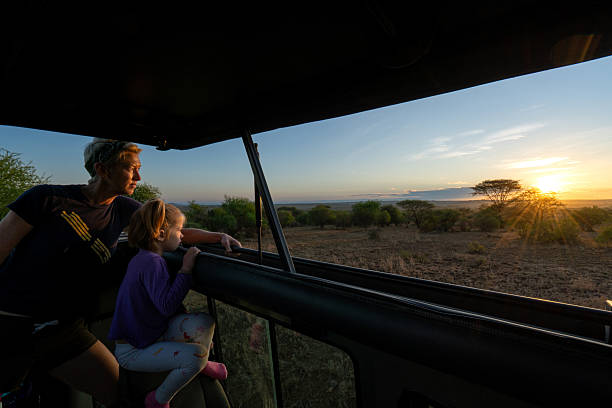
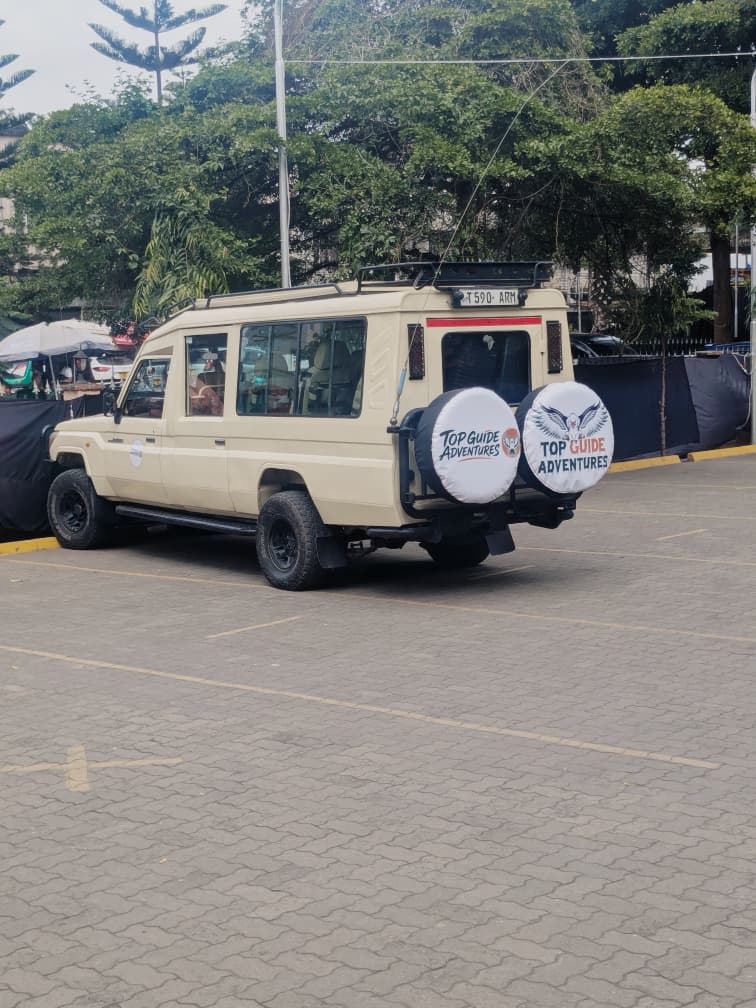
A Rukwa Valley photography expedition focuses on capturing the unique, often elusive wildlife and dramatic landscapes of southwestern Tanzania’s vast Rukwa Valley ecosystem, offering unparalleled opportunities for photographers seeking untamed wilderness and authentic cultural encounters away from typical safari routes. Such expeditions typically involve specialized 4×4 vehicles, experienced guides, and potentially longer durations to maximize photographic potential, with key attractions including diverse birdlife, large mammal herds, and the striking Rift Valley scenery.
The Allure of Rukwa Valley for the Photographer’s Lens
Tanzania is globally celebrated for its iconic safari destinations – the Serengeti, Ngorongoro Crater, Tarangire. Yet, for the discerning photographer yearning for subjects beyond the well-trodden paths, the Rukwa Valley presents an entirely different, and arguably more profound, canvas. This vast, remote region in southwestern Tanzania is a realm of raw, untamed beauty, where the rhythms of nature dictate the landscape and its inhabitants. A Rukwa Valley photography expedition is not merely a safari; it is an immersion into a wild Africa that few visitors ever witness, a place where every frame tells a story of survival, adaptation, and breathtaking natural spectacle.
The sheer scale of the Rukwa Valley is impressive. Sprawling across hundreds of square kilometers, it encompasses diverse habitats, from open grasslands and acacia woodlands to seasonal wetlands and the dramatic escarpments of the Great Rift Valley. This ecological richness supports an astonishing array of wildlife, including species that are less common or harder to find in the more popular northern circuit parks. For photographers, this translates into a higher probability of encountering unique species and capturing intimate moments of animal behavior.
Why Rukwa Valley Stands Apart for Photography
What truly sets Rukwa Valley apart is its relative lack of development and tourist infrastructure. While this means fewer lodges and more challenging logistics, it is precisely this remoteness that preserves its wild character and offers photographers the invaluable gift of solitude. Imagine framing a herd of sable antelope against a fiery sunset, or capturing the intense gaze of a leopard lounging in an ancient fig tree, all without the intrusion of other vehicles. This is the promise of a Rukwa Valley photography expedition.
The photographic opportunities extend beyond large mammals. The valley is a birdwatcher’s paradise, boasting a remarkable diversity of avian species, from colorful rollers and kingfishers to majestic raptors and waterbirds. The wetlands, particularly during the wet season, teem with life, creating dynamic scenes perfect for capturing action shots and intricate details.
Culturally, the Rukwa Valley is home to various ethnic groups, including the Fipa people. Interacting respectfully with local communities, perhaps with prior arrangement and guidance, can offer poignant photographic subjects – portraits that capture the dignity and traditions of people living in harmony with their environment. These elements combine to create a photographic journey that is as culturally enriching as it is visually spectacular.
Planning Your Rukwa Valley Photography Expedition: Key Considerations for 2026-2027
Undertaking a Rukwa Valley photography expedition requires meticulous planning, especially given the region’s remoteness. Unlike more accessible parks, flexibility and preparedness are paramount. For travelers planning their trip for 2026 or 2027, understanding the nuances of this destination is crucial for a successful and rewarding experience.
Best Time to Visit for Photographers
The Rukwa Valley experiences distinct wet and dry seasons, each offering unique photographic advantages:
- Dry Season (June to October): This is generally considered the prime time for wildlife viewing and photography. As water sources dwindle, animals congregate around remaining waterholes, making them easier to spot and photograph. The vegetation thins out, improving visibility. Landscapes are stark and dramatic, offering a different kind of beauty. This period also sees fewer mosquitoes.
- Wet Season (November to May): While challenging logistically, the wet season transforms the valley into a lush, verdant paradise. The landscape is vibrant, and birdlife is particularly abundant, with many migratory species present. The rains bring life, and dramatic skies are common, offering photographers stunning atmospheric conditions. However, some roads may become impassable, and wildlife might be more dispersed.
For photographers, the dry season often provides the most reliable opportunities for spotting and photographing a wide range of wildlife. However, the wet season offers unique aesthetic advantages, particularly for landscape and bird photography, provided one is prepared for the conditions. Many photographers choose the shoulder months, such as May or November, to balance good conditions with fewer crowds and potentially lower costs.
Logistics and Transportation
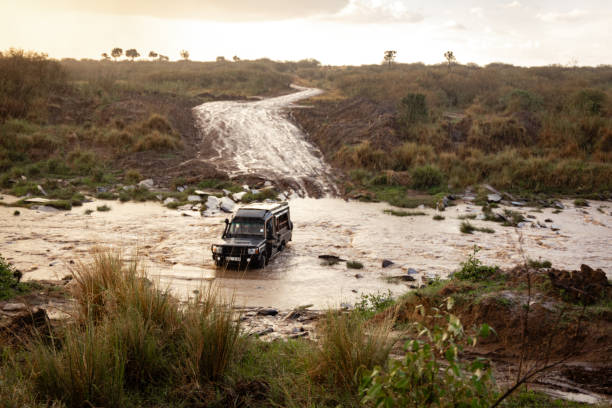
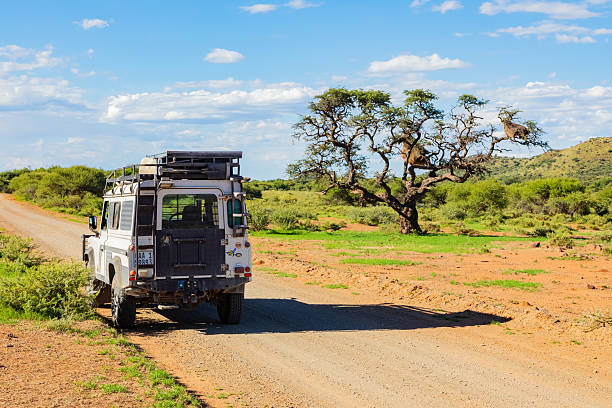
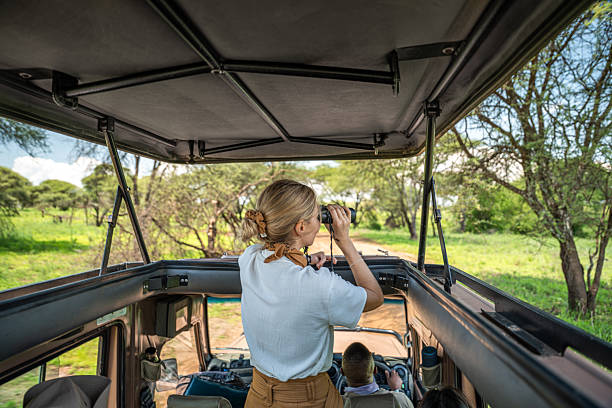
Getting to Rukwa Valley is an adventure in itself. The most common entry points involve flying into smaller regional airports like Sumbawanga or Mbeya, followed by road travel. For a dedicated Rukwa Valley photography expedition, specialized 4×4 safari vehicles are essential. These vehicles need to be robust enough to handle the often-challenging terrain, especially during or after the rainy season. Open-sided vehicles are ideal for unobstructed photographic opportunities, allowing for 360-degree views and easy camera positioning.
Accommodation in Rukwa Valley is limited. Options typically range from basic tented camps and campsites to a few modest lodges. For serious photographers, arranging mobile camping safaris, where a camp is set up in strategic locations, offers the ultimate flexibility and immersion. This allows photographers to be in the heart of the action at dawn and dusk, the golden hours for photography, without long drives from a fixed lodge.
Essential Photography Gear and Preparation
A Rukwa Valley photography expedition demands specific gear to make the most of the unique subjects:
- Telephoto Lenses: Essential for capturing wildlife details from a distance (e.g., 300mm, 400mm, 600mm).
- Mid-Range Zooms: Versatile for various subjects and environmental portraits (e.g., 70-200mm, 24-70mm).
- Wide-Angle Lenses: For dramatic landscapes and capturing the vastness of the valley.
- Sturdy Tripod/Monopod: Crucial for sharp shots in low light and with heavy telephoto lenses.
- Plenty of Memory Cards and Batteries: Given the remoteness, resupply is impossible.
- Camera Cleaning Kit: Dust is ubiquitous in Africa.
- Protective Gear: Camera rain covers are vital, especially during the wet season.
- Laptop/Tablet: For backing up images and reviewing shots. Consider a portable hard drive.
Preparation should include understanding your camera equipment thoroughly. Practice shooting in various lighting conditions. Research the specific wildlife and birds likely to be encountered to anticipate photographic moments. Informing your tour operator about your photographic goals will help them tailor the itinerary and guiding.
Photographer’s Note:
The lack of crowds in Rukwa Valley is a significant advantage for photographers. You can spend extended periods with a subject, waiting for the perfect behavior or light, without feeling rushed. This patience is key to capturing truly exceptional images. For 2026-2027 trips, consider booking well in advance, as specialized operators for this remote region are limited.
Wildlife Hotspots within the Rukwa Valley Ecosystem
The Rukwa Valley is not a single national park but a broader ecosystem encompassing protected areas and surrounding landscapes. While access can be challenging, the rewards for photographers are immense. Key areas and their photographic highlights include:
Katavi National Park: The Unspoiled Wilderness
Often described as a more remote and wilder version of the Serengeti, Katavi is a jewel within the Rukwa Valley ecosystem. It is renowned for its immense herds of buffalo and elephants, often seen in staggering numbers during the dry season. The park’s two main floodplains, Katuma and Mlele, are centers of wildlife activity.
- Buffalo Herds: Photographers can capture the sheer scale of these formidable beasts, especially when they move en masse.
- Elephants: Large, often dust-bathing elephants are a common sight.
- Predators: Katavi boasts healthy populations of lions, leopards, and cheetahs. The famous ‘Katavi lions’ are known for their size and power. Seeing a pride interacting or hunting is a career-defining photographic moment.
- Crocodiles and Hippos: The seasonal lakes and rivers teem with these reptiles and mammals, offering dramatic encounters.
- Birdlife: Over 400 bird species have been recorded, including raptors, waterbirds, and ground birds.
A Rukwa Valley photography expedition spending time in Katavi offers a profound experience of raw, African wilderness. The absence of other vehicles allows for intimate observation and photography.
Lake Rukwa National Park: Avian Spectacle and Aquatic Life
Lake Rukwa itself is a vast, shallow alkaline lake, a vital water source for wildlife, particularly during the dry season. The surrounding areas and the lake shores are a magnet for birds and animals seeking water and grazing.
- Bird Colonies: During the wet season, the lake and its shores can host enormous congregations of waterbirds, including flamingos (though less common than in Rift Valley lakes further north), pelicans, storks, and various waders.
- Crocodiles: The lake is home to a significant population of Nile crocodiles.
- Hippos: Large pods of hippos are found in the lake and its tributaries.
- Game Viewing: While not as densely packed with large mammals as Katavi, the areas around Lake Rukwa attract various antelopes, zebras, and elephants, especially when water is scarce elsewhere.
Photographing the vast expanses of Lake Rukwa, its dynamic birdlife, and the surrounding arid landscapes offers a different perspective compared to the woodland and savanna photography of Katavi.
The Rukwa Valley Escarpment and Surrounding Areas
The dramatic escarpments of the Great Rift Valley form the backdrop to much of the Rukwa Valley. These geological features offer spectacular panoramic photographic opportunities, especially during sunrise and sunset.
- Landscape Photography: The sweeping vistas, rugged terrain, and dramatic light create compelling scenes.
- Unique Flora and Fauna: Higher altitudes can host different vegetation and potentially specialized wildlife adapted to the rocky slopes.
- Cultural Encounters: The foothills and valleys are often home to rural communities, offering opportunities for respectful cultural photography.
Accessing these areas might require sturdy vehicles and experienced local guides who know the terrain. A well-planned Rukwa Valley photography expedition should incorporate these varied environments to provide a comprehensive portfolio.
Unique Photographic Subjects in Rukwa Valley
Beyond the ‘big five’ (though lions, leopards, elephants, buffalo, and rhinos are present, rhinos are rare), Rukwa Valley offers a treasure trove of unique subjects that distinguish it from other Tanzanian destinations.
Sable Antelope: The Majestic Black Antelope
The Rukwa Valley is one of the key strongholds for the magnificent sable antelope. With their striking black coats (in males), elegant lyre-shaped horns, and white facial markings, they are incredibly photogenic. Capturing a bull sable in full display or a family herd grazing in the golden light of dawn is a highlight for any wildlife photographer.
Roan Antelope
Similar in beauty to the sable, the roan antelope also graces the plains of Rukwa. Their reddish-brown coats, distinctive facial masks, and curved horns make them another sought-after subject.
Defassa Waterbuck
Easily identifiable by the white ring on their rump (unlike the common waterbuck’s distinct white circles), these water-loving antelopes are often found near water sources, providing opportunities for shots in riparian habitats.
Predator Dynamics: Lions, Leopards, and Hyenas
While predators are elusive everywhere, Katavi’s relatively undisturbed nature increases the chances of observing them. Lions are particularly impressive here, often seen hunting or resting in large prides. Leopards, the masters of camouflage, can be challenging but incredibly rewarding to photograph when spotted in trees or dense bush. Spotted hyenas are also abundant and offer fascinating behavioral photography opportunities.
Avian Wonders: Birds of Prey and Waterfowl
The sheer diversity of birds is astounding. Photographers can focus on:
- Raptors: Martial eagles, Bateleur eagles, Fish eagles, and various vultures are common.
- Waterbirds: Pelicans, storks (Marabou, Saddle-billed), herons, egrets, and diverse duck species thrive around Lake Rukwa and seasonal pans.
- Ground Birds: Secretary birds, ostrich, and various guinea fowl species are prevalent in open areas.
- Colorful Species: Lilac-breasted rollers, bee-eaters, and hornbills add vibrant pops of color to the savanna backdrop.
The Human Element: Cultural Portraits
With appropriate permissions and a sensitive approach, interacting with local communities like the Fipa can yield powerful portraits. Understanding their way of life, their connection to the land, and their traditions offers a dimension to a Rukwa Valley photography expedition that goes beyond wildlife.
Structuring Your Rukwa Valley Photography Expedition (Sample Itinerary Ideas for 2026-2027)
A typical Rukwa Valley photography expedition would likely focus on Katavi National Park and the areas around Lake Rukwa, possibly incorporating a visit to the escarpment. Durations often range from 7 to 14 days to allow sufficient time for exploration and patient photography.
10-Day Rukwa Valley Photographic Immersion
- Day 1-2: Arrival in Dar es Salaam & Transfer to Katavi Gateway. Fly into Sumbawanga or Mbeya, followed by a drive to a camp near Katavi National Park. Settle in and prepare for the photographic adventure.
- Day 3-5: Katavi National Park Exploration. Full days dedicated to game drives in Katavi, focusing on the Mlele and Katuma floodplains. Emphasis on large mammals (buffalo, elephants, lions) and predator sightings. Early morning and late afternoon golden hour shoots.
- Day 6: Mobile Camp Setup & Bush Photography. Move to a different sector of Katavi or a transitional zone. Experience a mobile camp setup, allowing for photography right from the camp surroundings. Focus on smaller details, birds, and the general atmosphere of the wilderness.
- Day 7-8: Lake Rukwa National Park & Wetlands. Travel towards Lake Rukwa. Focus on bird photography, large waterbirds, hippos, and crocodiles. Capture the unique landscape of the lake and its shores.
- Day 9: Escarpment Views & Cultural Insights. Drive towards the Rukwa Valley escarpment for panoramic landscape photography. If possible and arranged, a brief, respectful visit to a local village for cultural portraiture.
- Day 10: Departure. Drive back to Sumbawanga or Mbeya for your onward flight.
This is a sample structure. For 2026 and 2027 trips, working with a specialist operator like Top Best Tanzania Tour operator allows for complete customization. You might opt for longer stays in Katavi, focus exclusively on birdlife around Lake Rukwa, or incorporate more time for landscape photography from elevated viewpoints.
Customization Options for Your Expedition
Top Best Tanzania Tour operator excels at crafting bespoke photographic safaris. For your Rukwa Valley photography expedition, consider:
- Duration: Extend your stay to 14 days or more for deeper exploration.
- Accommodation Style: Opt for fully mobile fly camps for ultimate immersion, or choose from the few available lodges.
- Specialized Guiding: Request guides with specific knowledge of wildlife behavior and photographic best practices.
- Vehicle Choice: Ensure you have a pop-top 4×4 designed for optimal photographic viewing.
- Focus Areas: Tailor the itinerary to prioritize birdlife, predators, landscapes, or cultural elements.
Contacting the team at Top Best Tanzania Tour operator via WhatsApp +255616946642 or Email topguideadventures@gmail.com is the first step to designing your perfect Rukwa Valley photography expedition for 2026 or 2027.
The Practicalities: Costs, Booking, and What to Expect
A Rukwa Valley photography expedition is a significant investment, reflecting the specialized nature, remoteness, and logistical complexity. Understanding the cost factors is crucial for budgeting your 2026-2027 travel plans.
Cost Factors for a Rukwa Valley Expedition
The price of your expedition will be influenced by several key elements:
- Duration: Longer trips naturally incur higher costs for accommodation, vehicle hire, and guiding.
- Accommodation: Mobile camping safaris are often more expensive due to the logistics of setting up and staffing remote camps. Lodge stays can vary in price.
- Transportation: Internal flights to regional airstrips add to the cost, as does the daily rate for a specialized 4×4 vehicle and experienced driver-guide.
- Park Fees: Entry fees for Katavi and Lake Rukwa National Parks are a significant component.
- Guiding: The expertise of your photographer guide is invaluable and factored into the price.
- Group Size: Private expeditions will have a higher per-person cost than small group tours, although group tours for Rukwa are rare due to the destination’s niche appeal.
Given these variables, expect a Rukwa Valley photography expedition to be priced at the higher end of Tanzanian safari costs. A rough estimate for a 10-day private expedition might range from $5,000 to $9,000+ per person, depending on the level of luxury and inclusions. It’s essential to get a detailed quote tailored to your specific requirements.
Typical Inclusions for a Rukwa Valley Expedition:
- All internal transfers (flights and road transport).
- Private use of a 4×4 safari vehicle with pop-up roof.
- Professional driver-guide with photographic knowledge.
- Accommodation (lodges, tented camps, or mobile camping).
- All meals and standard drinks (water, soft drinks) during the safari portion.
- National Park entrance fees and concession fees.
- Limited laundry service.
Potential Exclusions:
- International flights.
- Visa fees.
- Gratuities for guides and camp staff.
- Premium alcoholic beverages.
- Personal travel insurance.
- Items of a personal nature.
Booking Your Expedition for 2026-2027
Due to the specialized nature of Rukwa Valley, it is highly recommended to book through an experienced Tanzania tour operator. Companies like Top Best Tanzania Tour operator have the local knowledge and established networks to manage the complex logistics.
- Lead Time: For 2026 and 2027 trips, booking at least 9-12 months in advance is advisable, especially if you require specific dates or mobile camping arrangements.
- Consultation: Start with a detailed consultation to discuss your photographic interests, budget, and desired experience.
- Itinerary Planning: Work with the operator to craft a bespoke itinerary.
- Deposit and Payment: Typically, a deposit (around 20-30%) is required upon booking, with the balance due 60-90 days before departure.
What to Expect on the Ground
A Rukwa Valley photography expedition is an adventure. Expect:
- Early Mornings and Late Evenings: The best light and wildlife activity occur during dawn and dusk.
- Longer Game Drives: Be prepared for extended periods in the vehicle, sometimes covering significant distances.
- Basic Amenities: Especially in mobile camps, facilities are functional rather than luxurious.
- Dust and Heat: The environment can be dusty and hot, particularly in the dry season.
- Unpredictable Wildlife: While efforts are made to find subjects, wildlife sightings are never guaranteed. Patience is key.
- Incredible Solitude: The lack of crowds is a defining feature. You will often feel like you have the wilderness to yourself.
For unparalleled photographic opportunities in one of Africa’s last truly wild places, a Rukwa Valley photography expedition offers an unforgettable journey. To start planning your tailor-made adventure for 2026 or 2027, reach out to the experts at Top Best Tanzania Tour operator. Connect via WhatsApp +255616946642, Email topguideadventures@gmail.com, or their backup Email info@topguideadventures.com. Explore more about Tanzanian safaris at their website, or see group departure options at this link.
Check Availability for Rukwa Valley Photography Expedition: Capturing Tanzanias Untamed Wilderness
Ready to compare dates, prices, and the best option for your group? Send the package name and travel month so the team can reply with a clear quote, availability, and what is included.
 6-Day Katavi Photography Expedition: Wildlife Secrets Revealed 2026-2027A detailed 2026-2027 guide to 6-Day Katavi Photography Expedition, with clear planning and booking information for travelers.View package
 Sumbawanga Historical Tour: Uncovering Rukwas Rich Past In 2026-2027A Sumbawanga Historical Tour offers a unique journey into the heart of Tanzania's Rukwa Region, revealing layers of history from pre-colonial…View package
 2-Day Lake Rukwa Fishing Adventure In Tanzania: Your Ultimate Guide 2026-2027start an unforgettable 2-day fishing adventure on Tanzania's vast Lake Rukwa. This immersive experience offers incredible angling opportunities…View package1-Day Lake Rukwa Birdwatching Tour: Your Ultimate Tanzania OrnithologyA 1-Day Lake Rukwa Birdwatching Tour offers an intensive, focused experience for ornithology enthusiasts, showcasing the rich birdlife of this…View package
 Sumbawanga And Rukwa: Your Guide To Tanzanias Untamed Southwest 2026-2027Explore the untouched beauty of Sumbawanga and Rukwa in Tanzania's southwestern corner. This guide offers insights into wildlife, culture, and…View package
 X. Katavi And Rukwa Packages GuideExperience the untamed wilderness of Katavi and Rukwa National Parks with curated safari packages. Discover exceptional wildlife viewing and…View package
 3-Day Sumbawanga Highlands Package: An Exclusive Tanzania Adventure 2026-2027Discover the untouched beauty and rich culture of the Sumbawanga Highlands with our exclusive 3-day package. Perfect for adventurers seeking…View package1-Day Sumbawanga Cultural Tour: Experience Local Life In Tanzania 2026-2027A detailed 2026-2027 guide to 1-Day Sumbawanga Cultural Tour, with clear planning and booking information for travelers.View package


