

An Ufipa Plateau cultural experience offers deep immersion into the traditions, daily life, and unique heritage of the Fipa people in southwestern Tanzania, providing a rare opportunity to connect with local communities away from mainstream tourist routes, explore ancient customs, and witness a distinct way of life that has persisted for generations, making it an ideal destination for travelers seeking authentic cultural encounters in 2026 and 2027.
Understanding the Ufipa Plateau: A Gateway to Fipa Culture
The Ufipa Plateau, nestled in the Rukwa Region of southwestern Tanzania, is a vast, elevated landscape characterized by rolling hills, scattered woodlands, and fertile valleys. It is the ancestral homeland of the Fipa people, a Bantu ethnic group with a rich history and a distinct cultural identity. Unlike the more frequented tourist destinations in northern Tanzania, the Ufipa Plateau remains largely untouched by mass tourism, preserving an authentic atmosphere that is highly sought after by discerning travelers. This region offers a compelling narrative of resilience, tradition, and a harmonious relationship with the land, making it a prime location for a profound cultural experience.
For those planning a visit in 2026 or 2027, understanding the geographical and socio-cultural context of the Ufipa Plateau is crucial for appreciating the depth of the cultural encounters available. The plateau’s elevation influences its climate, typically cooler than the surrounding lowlands, and its natural beauty, which plays a significant role in the Fipa people’s agricultural practices and traditional beliefs. The Fipa are known for their agricultural prowess, cultivating crops such as maize, beans, and cassava, and their social structures are deeply rooted in kinship and community.
### The Fipa People: History and Societal Structure
The Fipa people have a long and storied history, marked by periods of both centralized leadership and decentralized community governance. Historically, they were known for their sophisticated ironworking skills and their formidable military organization, which allowed them to resist colonial encroachment for a considerable period. This historical resilience has contributed to the preservation of their cultural heritage. Today, Fipa society is largely organized around villages, with elders playing a vital role in decision-making and maintaining traditions. Family ties are paramount, and community cooperation is essential for daily life, from farming to celebrations.
When you engage in an Ufipa Plateau cultural experience, you are stepping into a society where these historical threads are still visible. You might witness traditional farming techniques, observe the communal sharing of resources, and understand the respect accorded to elders. The social fabric is woven with mutual support and a deep connection to ancestral lands. This understanding will enhance your appreciation of the interactions you have with the local people.
## What Constitutes an Ufipa Plateau Cultural Experience?
An Ufipa Plateau cultural experience is not a passive observation; it is an active engagement with the Fipa way of life. It involves direct interaction with local communities, participation in daily activities where appropriate, and learning about their customs, beliefs, and artistic expressions. The essence lies in genuine human connection and mutual respect.
### Key Elements of Cultural Immersion:
* Community Visits: Spending time in Fipa villages, interacting with families, and learning about their homes and daily routines.
* Traditional Practices: Observing or participating in agricultural activities, cooking traditional meals, or learning about local crafts.
* Storytelling and Folklore: Listening to elders share traditional stories, myths, and proverbs that encapsulate Fipa wisdom and history.
* Local Markets: Visiting bustling local markets to see and understand the local economy, trade, and social interactions.
* Art and Music: Experiencing traditional Fipa music, dance, and perhaps seeing examples of their craftwork, such as pottery or basketry.
* Understanding Beliefs: Learning about the Fipa people’s spiritual beliefs, which often blend traditional practices with Christianity or Islam, and their connection to the natural environment.
For travelers planning for 2026-2027, the Ufipa Plateau offers a refreshing alternative to crowded cultural centers. It promises an intimate and authentic encounter, fostering a deeper understanding of Tanzanian diversity beyond the popular safari circuits.
### Beyond the Tourist Trail: Authenticity on the Plateau
The remoteness of the Ufipa Plateau is its greatest asset for cultural tourism. It means that traditions are less likely to be performed for tourists and more likely to be lived. This authenticity is what many travelers seek – a genuine glimpse into a culture that has maintained its identity over centuries. The Fipa people are generally welcoming, and with the guidance of experienced local operators, visitors can ensure their presence is respectful and beneficial to the community.
## Planning Your Ufipa Plateau Cultural Journey for 2026-2027
Organizing a trip to the Ufipa Plateau requires careful planning, especially for those aiming for visits in 2026 or 2027. Due to its remote location and limited infrastructure, working with a knowledgeable tour operator is highly recommended. They can arrange logistics, ensure comfortable and safe accommodations, and facilitate meaningful cultural interactions.
### Best Time to Visit:
The dry season, generally from June to October, is the most comfortable time for travel, with pleasant temperatures and less rainfall. However, the shoulder seasons (May and November) can also offer good weather and fewer crowds. For agricultural experiences, visiting during planting or harvest seasons might offer unique insights, though this depends on the specific crops and local cycles.
### Getting There:
Access to the Ufipa Plateau typically involves flying into a major Tanzanian city like Dar es Salaam or Kilimanjaro International Airport, followed by a domestic flight to Sumbawanga, the regional capital. From Sumbawanga, further arrangements for transport to specific villages on the plateau would be necessary, often involving 4×4 vehicles. This journey itself is part of the adventure, offering a gradual transition into the remote landscape.
### Accommodation:
Accommodation options on the Ufipa Plateau are generally simpler than in major tourist hubs. Expect guesthouses, community-run lodges, or homestays. These offer a more intimate experience and allow your tourist spending to directly benefit local communities. For those looking for more comfort, staying in Sumbawanga and undertaking day trips to nearby villages is also an option, though less immersive.
### Cultural Etiquette and Respect:
Respect is paramount when visiting any community. It is advisable to dress modestly, especially when visiting villages. Always ask permission before taking photographs of people. Learning a few basic phrases in Swahili, the national language, or even attempting a few words of Fipa, can go a long way in building rapport. Engaging with local guides who understand both the culture and visitor needs is essential.
## Deep look at Fipa Traditions and Daily Life
The Ufipa Plateau cultural experience truly shines when one delves into the specifics of Fipa life. Their connection to the land is profound, shaping their calendar, their diet, and their spiritual practices. Understanding these elements provides context for the interactions you’ll have.
### Agriculture: The Backbone of Fipa Society
The Fipa are primarily agriculturalists. The plateau’s soil and climate are suitable for growing a variety of staple crops. Maize (corn) is a primary food source, often ground into flour for ugali, a staple carbohydrate dish throughout Tanzania. Beans, peas, sweet potatoes, and cassava are also widely cultivated. The agricultural cycle dictates much of the year’s rhythm, from land preparation and planting during the rainy season to harvesting. Visitors might have the opportunity to witness or even participate in these activities, offering a hands-on understanding of the labor and skill involved.
* Planting Ceremonies: In some communities, specific rituals might mark the beginning of the planting season, invoking blessings for a good harvest.
* Harvest Festivals: Celebrations often accompany successful harvests, featuring music, dance, and feasting.
* Farming Techniques: Traditional methods, often passed down through generations, are still in use, sometimes supplemented by modern tools. Observing the careful management of land and water resources provides insight into their sustainable practices.
### Cuisine: Flavors of the Plateau
Fipa cuisine is hearty and based on locally grown ingredients. Ugali, made from maize flour, is a staple, typically served with a stew (mchuzi) made from vegetables, beans, or occasionally meat. Fish from Lake Rukwa, though access can be challenging, is also a valued part of the diet. Local greens, often foraged or grown in small gardens, add variety. For a cultural experience, sharing a meal with a Fipa family is a memorable event, offering a taste of their daily life and hospitality.
* Local Ingredients: Emphasis on fresh, seasonal produce.
* Communal Eating: Meals are often shared, reinforcing community bonds.
* Traditional Beverages: Locally brewed beers, often made from maize or millet, may be available.
### Social Customs and Community Life
Community life on the Ufipa Plateau is characterized by strong social bonds and a collective spirit. Villages are the primary social units, and cooperation is key to survival and prosperity. Elders are highly respected for their wisdom and experience, and their advice is often sought in community matters. Traditional greetings and forms of address are important, reflecting the hierarchical respect within the community. Visitors who show genuine interest and respect for these customs will find the Fipa people warm and engaging.
* Village Structure: Homes are often clustered, with communal spaces for gathering.
* Role of Elders: They are custodians of tradition and often mediate disputes.
* Community Work: Mutual assistance is common for tasks like building homes or clearing fields.
### Arts, Crafts, and Music
While not as widely known as some other Tanzanian art forms, the Fipa people have their own unique artistic expressions. Traditional music and dance are integral to celebrations and social gatherings. Instruments might include drums, rattles, and stringed instruments. Storytelling is also a significant art form, with tales often conveying moral lessons and historical accounts. While large-scale craft production might be limited, visitors may find examples of functional art, such as intricately woven baskets or simple pottery, used in daily life.
* Oral Traditions: Stories, proverbs, and songs passed down through generations.
* Rhythmic Music: Often accompanying dance and ceremonies.
* Practical Crafts: Items made for daily use, reflecting local materials and skills.
## Engaging with the Fipa People: Tips for Travelers
To ensure your Ufipa Plateau cultural experience is enriching and respectful, consider these practical tips:
### Communication:
Swahili is widely spoken in Tanzania, and many people on the Ufipa Plateau will understand and speak it. English may be understood by some, particularly those in administrative roles or who have had some exposure to the outside world. Hiring a local guide who speaks Swahili and can translate Fipa dialects is invaluable. Even learning a few basic Swahili phrases like ‘Jambo’ (Hello), ‘Asante’ (Thank you), and ‘Karibu’ (Welcome) will be greatly appreciated.
### Gift Giving:
When visiting families, a small, thoughtful gift can be a gesture of goodwill. Practical items like school supplies for children, soap, or basic medical supplies are often more appreciated than monetary gifts, which can sometimes create dependency. Always present gifts with humility and respect.
### Photography:
Always ask for permission before taking photos of people, especially children. Some individuals may be shy or uncomfortable being photographed. Respect their decision if they decline. A good rule of thumb is to ask your guide to facilitate photo requests.
### Participation:
Be open to participating in activities if invited, such as helping with cooking or joining in a dance. This is often the most rewarding part of a cultural immersion. However, always be mindful of your skill level and avoid intruding. Your guide will help you navigate these situations appropriately.
## Potential Challenges and Considerations for 2026-2027 Visits
While the Ufipa Plateau offers a unique and rewarding experience, potential visitors in 2026 and 2027 should be aware of certain challenges:
### Infrastructure:
Infrastructure is basic. Roads can be rough, especially during the rainy season. Internet and mobile phone connectivity can be intermittent. This is part of the adventure but requires flexibility and preparedness.
### Health and Safety:
Standard precautions for travel in Tanzania apply, including ensuring vaccinations are up-to-date and taking malaria precautions. It is wise to carry a basic first-aid kit and any personal medications. Tap water should not be consumed; bottled or purified water is recommended. Travelers should also be aware of local customs and laws.
### Cultural Sensitivity:
It is crucial to approach every interaction with humility and respect. Avoid making judgments about local customs or ways of life. Remember that you are a guest, and your goal is to learn and understand, not to impose your own views.
### Environmental Impact:
As with any travel, minimizing your environmental footprint is important. Avoid single-use plastics where possible, dispose of waste responsibly, and respect the natural environment.
## Why Choose the Ufipa Plateau for Your Cultural Journey?
In an era where authentic travel experiences are increasingly valued, the Ufipa Plateau stands out. It offers a genuine connection to a culture that is rich, resilient, and welcoming, away from the commercialization that can sometimes dilute cultural encounters elsewhere. For travelers planning their trips for 2026 or 2027, this region presents an opportunity to:
* Experience True Authenticity: Engage with traditions that are lived, not performed.
* Support Local Communities: Your visit directly contributes to the livelihoods of the Fipa people.
* Discover Unspoiled Landscapes: Enjoy the natural beauty of the plateau alongside cultural exploration.
* Gain a Deeper Understanding: Move beyond superficial tourist interactions to genuine human connection.
* Travel Off the Beaten Path: Discover a side of Tanzania rarely seen by tourists.
## Integrating the Ufipa Plateau into a Broader Tanzanian Itinerary
While the Ufipa Plateau offers a complete cultural experience on its own, it can also be integrated into a broader Tanzanian adventure. For instance, after a safari in Ruaha National Park or a trek on Kilimanjaro, a cultural visit to the Ufipa Plateau can provide a grounding and deeply human counterpoint. Such a combination would offer a comprehensive view of Tanzania’s diverse offerings—from wildlife and mountains to vibrant local cultures.
### Example Itinerary Considerations:
* Post-Safari Reflection: Following an intense wildlife safari, a few days on the plateau can offer a slower pace and a focus on human stories.
* Pre-Trek Cultural Insight: For those planning a Kilimanjaro climb, understanding different Tanzanian cultures beforehand can enrich the overall experience.
* Southern Tanzania Exploration: Combining the Ufipa Plateau with other southern attractions like Lake Tanganyika or Selous Game Reserve (though geographically distant, logistically possible with careful planning) can create a unique itinerary.
### Customizing Your 2026-2027 Trip:
When planning for 2026 or 2027, consider discussing your interests with a specialized tour operator. Whether you are keen on agricultural practices, traditional music, or simply spending time with local families, a custom itinerary can be crafted to meet your specific desires. This ensures your Ufipa Plateau cultural experience is tailored to your personal interests and expectations.
## The Future of Cultural Tourism on the Ufipa Plateau
As responsible tourism gains momentum, destinations like the Ufipa Plateau are poised to become more prominent for travelers seeking meaningful experiences. The key is to develop this potential sustainably, ensuring that tourism benefits the local communities without compromising their culture or environment. For travelers in 2026 and 2027, this presents an opportunity to be part of a new wave of conscious travel, supporting initiatives that preserve cultural heritage and empower local people.
### Supporting Sustainable Tourism:
* Choose Local Operators: Partnering with tour operators who have strong ties to the Ufipa communities and prioritize ethical practices.
* Community-Based Tourism: Opting for accommodations and activities directly managed by or benefiting local villages.
* Respectful Engagement: Maintaining a respectful demeanor and being mindful of cultural norms.
* Economic Contribution: Purchasing local crafts directly from artisans and supporting local businesses.
### What to Expect in 2026 and Beyond:
While the Ufipa Plateau will likely retain its authentic charm, expect gradual improvements in infrastructure and accessibility as responsible tourism initiatives grow. However, the core of the experience—the genuine interactions with the Fipa people and their timeless traditions—will undoubtedly remain the defining feature. Travelers in 2026 and 2027 can look forward to an experience that is both deeply traditional and increasingly accessible for those who seek it out.
## Making Your Ufipa Plateau Cultural Experience a Reality
An Ufipa Plateau cultural experience is a journey into the heart of Tanzanian heritage, offering profound insights into the lives of the Fipa people. It’s an opportunity to connect on a human level, learn about ancient traditions, and witness a way of life that is both resilient and deeply connected to the land. For travelers planning for 2026 or 2027, this is a chance to step off the beaten path and discover a truly authentic cultural immersion.
To begin planning your Ufipa Plateau cultural journey, or to discuss how to integrate this unique experience into a broader Tanzanian itinerary, we invite you to connect with our team. We specialize in crafting custom travel experiences that prioritize authenticity, sustainability, and meaningful engagement with local communities. Whether you’re dreaming of wildlife safaris, Kilimanjaro treks, Zanzibar holidays, or specific cultural explorations like the Ufipa Plateau, we are here to help make your 2026-2027 travel dreams a reality. Reach out to us via WhatsApp +255616946642 or email us at topguideadventures@gmail.com. You can also find more information and inspiration on our website at Top Best Tanzania Tour Operator and our Instagram page.
Check Availability for Ufipa Plateau Cultural Experience: Authentic Encounters In Tanzania…
Ready to compare dates, prices, and the best option for your group? Send the package name and travel month so the team can reply with a clear quote, availability, and what is included.
1-Day Sumbawanga Cultural Tour: Experience Local Life In Tanzania 2026-2027A detailed 2026-2027 guide to 1-Day Sumbawanga Cultural Tour, with clear planning and booking information for travelers.View package Sumbawanga Local Food Experience: A Culinary Journey Through Rukwa RegionExplore the authentic flavors of Sumbawanga, Tanzania. This guide details the local food scene, traditional dishes, market visits, and how to…View package
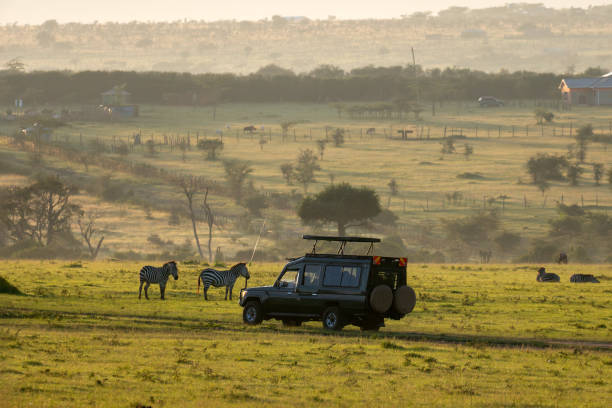 Lake Rukwa Community Tour: An Immersive Experience In Tanzanias Wild HeartExplore the vibrant culture and diverse wildlife surrounding Lake Rukwa on a community-focused tour in Tanzania. This immersive experience…View package
 Katavi Hippo Pool Safari: The Ultimate Tanzania Wildlife Experience 2026-2027Explore the raw, untamed beauty of Katavi National Park, focusing on its incredible hippo pools. This guide details what makes a Katavi Hippo…View package
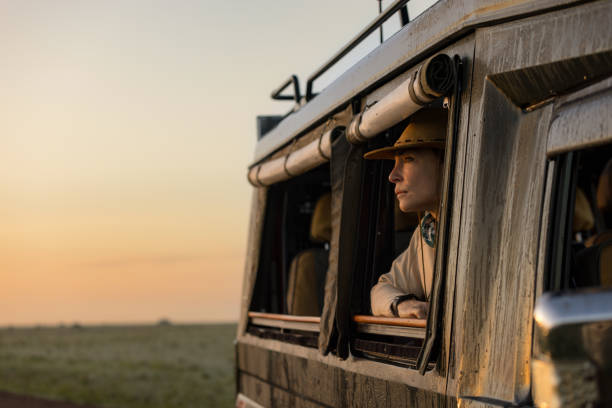 5-Day Katavi Fly-In Safari: Ultimate Tanzania Wildlife Experience 2026-2027Discover the raw, untamed beauty of Tanzania with a 5-Day Katavi Fly-In Safari. This exclusive itinerary focuses on the rich biodiversity and…View package2-Day Kalambo Falls Hiking Tour: A Comprehensive Guide For 2026-2027start a captivating 2-day hiking tour to Kalambo Falls, one of Africa's most spectacular waterfalls. This guide provides detailed insights into…View package
 Rukwa Valley Photography Expedition: Capturing Tanzanias Untamed Wildernessstart an unparalleled Rukwa Valley photography expedition, a journey into the heart of Tanzania's least explored wilderness. This expedition…View package
 Sumbawanga Historical Tour: Uncovering Rukwas Rich Past In 2026-2027A Sumbawanga Historical Tour offers a unique journey into the heart of Tanzania's Rukwa Region, revealing layers of history from pre-colonial…View package


