
A Mount Rungwe Forest birdwatching tour offers an exceptional opportunity to discover Tanzania’s rich avian biodiversity, particularly focusing on the unique species endemic to the Southern Highlands, with the best planning and expert guidance available for your 2026-2027 travel dates.
Discovering the Avian Treasures of Mount Rungwe Forest
Mount Rungwe, a majestic dormant volcano in Tanzania’s Southern Highlands, is a sanctuary for a remarkable array of birdlife. Its diverse habitats, ranging from montane forests and bamboo thickets to Afro-alpine moorlands, create a haven for numerous endemic and rare species. For dedicated birdwatchers, a tour here is more than just a trip; it’s an immersion into one of East Africa’s most ecologically significant and least-explored birding hotspots. As you plan your adventures for 2026 and 2027, consider how a specialized Mount Rungwe Forest birdwatching tour can elevate your travel experience, offering encounters with birds found nowhere else on Earth.
Top Guide Adventures specializes in crafting bespoke birdwatching experiences that go beyond the typical safari. We understand the specific needs of birders – the patience required, the keen eye for detail, and the desire to witness elusive species in their natural environment. Our tours are designed to maximize sightings, provide expert local knowledge, and ensure a comfortable and rewarding journey through this unique landscape.
Why Mount Rungwe Forest for Birdwatching?
The allure of Mount Rungwe for birdwatchers stems from several key factors:
- Endemic Species: The Southern Highlands of Tanzania are a recognized biodiversity hotspot, and Mount Rungwe is home to several species that are found only in this specific region. This makes it a prime destination for ticking off those highly sought-after lifers.
- Habitat Diversity: The altitudinal range of Mount Rungwe supports a variety of forest types, from dense evergreen montane forests teeming with understory birds to open montane grasslands and rocky outcrops. Each zone hosts a distinct set of species.
- Lower Tourist Traffic: Compared to the more famous Northern Circuit parks, Mount Rungwe receives far fewer visitors. This means a more intimate and undisturbed birding experience, with less competition for prime viewing spots.
- Unique Avifauna: Beyond endemics, the forest harbors a rich mix of species typical of the Albertine Rift and Eastern Arc Mountains, creating a fascinating blend of East and Central African bird families.
Key Bird Species to Spot on a Mount Rungwe Tour
A Mount Rungwe Forest birdwatching tour presents the chance to see a spectacular list of birds. While sightings are never guaranteed, experienced guides significantly increase your odds. Here are some of the stars of the Rungwe avifauna:
Endemic and Near-Endemic Highlights
- Rubeho Akalat (Sheppardia lowei): While named after the Rubeho Mountains, this shy forest dweller is also found in the Rungwe range, making it a significant target.
- Iringa Double-collared Sunbird (Cinnyris mediocris): Though its range extends slightly, it’s a key species of the Southern Highlands.
- Southern Hyliotela (Hyliotela sharpii): A beautiful and sought-after bird of the montane forests.
- White-chested Alethe (Alethe fuelleborni): A striking ground-dwelling bird of the dense forest undergrowth.
- Appert’s Tetraka (Bernieria apperti): A rare and elusive species, though more typically associated with other highland forests, its presence in the broader region makes it a potential, albeit unlikely, sighting.
- Dusky Coralwing (Pternistis furens): A game bird endemic to the highlands.
Other Notable Species
- Cinnamon-chested Bee-eater (Merops oreobates): A vibrant bee-eater often seen in forest clearings.
- Mountain Yellow-warbler (Iduna similis): Found in the upper montane scrub and forest edges.
- Cape Robin-chat (Cossypha caffra): A common but beautiful resident.
- Augur Buzzard (Buteo augur): Often seen soaring above the higher slopes.
- African Emerald Cuckoo (Chrysococcyx cupreus): A striking cuckoo species.
- Regal Sunbird (Cinnyris regius): Another stunning sunbird species.
- Striped Pipit (Anthus lineola): Found in open grassland areas.
- Montane Oriole (Oriolus monorima): A striking bird of the forest canopy.
The sheer variety ensures that even experienced birders will find Rungwe a rewarding destination. Our guides are adept at identifying calls, understanding behavior, and leading you to the best spots for these and many more species, including various barbets, woodpeckers, flycatchers, and warblers.
Planning Your Mount Rungwe Forest Birdwatching Tour for 2026-2027
Successful birdwatching in a remote location like Mount Rungwe requires careful planning. Top Guide Adventures is here to manage the complexities, allowing you to focus on the birds.
Best Time to Visit
The ideal time for birdwatching on Mount Rungwe generally aligns with Tanzania’s dry seasons, offering clearer skies and more accessible trails. However, bird activity can be excellent even during the shoulder seasons.
- June to October: This is the primary dry season. Trails are generally in better condition, and the weather is pleasant for hiking and birding. Migratory birds might be present.
- November to May: This period includes the long rains (typically March-May). While some days can be wet, bird activity often increases as vegetation greens up, and some resident species may be breeding. The scenery is lush and vibrant. Shoulder months like November or February can offer a good balance.
For 2026 and 2027, we recommend considering the dry months for the most comfortable experience, but we can tailor your trip to suit your preferences, even if that means exploring during a wetter period for specific breeding plumage or activity.
Duration of the Tour
A dedicated Mount Rungwe Forest birdwatching tour typically requires a minimum of 3 to 5 days specifically within the Rungwe area to allow for thorough exploration of its varied habitats. This duration enables you to cover different altitudinal zones and maximize your chances of encountering a wide range of species. Longer stays, perhaps combined with other birding sites in the Southern Highlands, can be arranged.
Getting to Mount Rungwe
Mount Rungwe is located in the Mbeya Region of southwestern Tanzania. The most common access point is via the city of Mbeya.
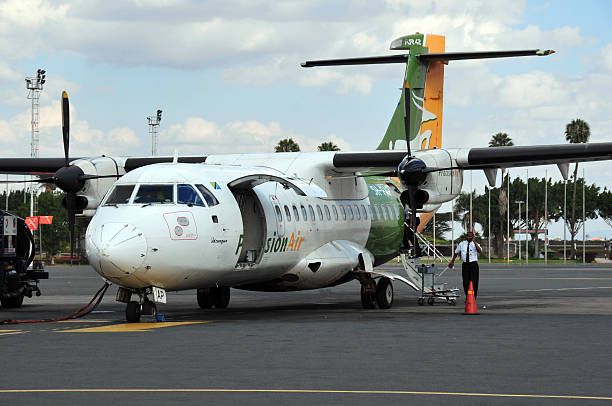
- By Air: The nearest airport with scheduled flights is Mbeya Airport (JMK). Flights typically originate from Julius Nyerere International Airport (DAR) in Dar es Salaam. From Mbeya, further arrangements can be made for road transport.
- By Road: Mbeya is accessible by road from major Tanzanian cities like Dar es Salaam, Arusha, and Dodoma. The journey can be long but offers glimpses of the country’s diverse landscapes.
Once near Mbeya or Tukuyu (a town closer to the mountain), local transport, often 4×4 vehicles, will be necessary to reach the forest boundaries and trailheads. Top Guide Adventures handles all these logistical details, including airport transfers and local transportation.
Accommodation Options
Accommodation options around Mount Rungwe are more rustic and limited compared to major tourist hubs. This is part of its charm and why it remains relatively undeveloped.
- Forest Lodges/Camps: Basic but comfortable lodges or tented camps are often situated near the forest edge or within accessible areas. These provide essential amenities and a close-to-nature experience.
- Local Guesthouses: In nearby towns like Tukuyu, you can find simpler guesthouses.
- Camping: For a truly immersive experience, camping within designated areas can be arranged, offering unparalleled proximity to the natural environment.
Top Guide Adventures prioritizes comfortable and strategically located accommodation that enhances your birding experience, ensuring you are well-rested and ready for early morning birding sessions.
Structuring Your Mount Rungwe Birdwatching Itinerary
A well-structured itinerary is crucial for a successful birdwatching tour. Our approach focuses on covering diverse habitats and maximizing observation time.
Sample 5-Day Rungwe Birding Itinerary (Customizable)
This is a flexible template; we tailor each trip to your specific interests and fitness levels.
Day 1: Arrival in Mbeya & Transfer to Rungwe Foothills
Arrive at Mbeya Airport (JMK), where you will be met by your Top Guide Adventures representative. Transfer by 4×4 vehicle towards the Rungwe area, perhaps near Tukuyu. Settle into your lodge or camp. Afternoon birding around the lodge grounds, looking for common species and getting acclimatized. Potential sightings include various sunbirds and African paradise flycatcher.
Day 2: Lower Montane Forests & Bamboo Zones
An early start for birding in the lower montane forest zone. Focus on the dense undergrowth and canopy for species like White-chested Alethe, Southern Hyliotela, and various forest flycatchers. Explore areas with bamboo thickets, which can host specific species. Your guide will use calls and knowledge of territories to locate birds.
Day 3: Ascent to Mid-Altitude Montane Forests
Ascend further up the slopes to explore different forest strata. This zone might reveal species like Cinnamon-chested Bee-eater and montane warblers. Keep an eye on the canopy for potential sightings of Montane Oriole. The terrain can be steeper here, requiring moderate fitness.
Day 4: High Altitude Moorlands & Grasslands
Venture into the higher altitude moorlands and open grasslands. This habitat is ideal for spotting ground-dwelling birds like the Dusky Coralwing and Pipits. Raptors, including Augur Buzzards, are often seen soaring overhead. The views from these heights are also spectacular.
Day 5: Final Birding & Departure
Enjoy a final morning birding session, perhaps revisiting a promising spot or exploring a new trail near the base. After breakfast, begin your transfer back to Mbeya for your onward flight, filled with memories of Rungwe’s unique birdlife.
This sample itinerary highlights the core experience. We can extend your stay, focus on specific altitudinal zones, or incorporate hiking to higher peaks for those interested in the challenge and the unique alpine avifauna. For 2026-2027, booking in advance is highly recommended to secure preferred dates and accommodation.
What to Pack for Your Rungwe Birding Expedition
Proper gear is essential for comfort and effectiveness. Here’s a checklist tailored for a Mount Rungwe Forest birdwatching tour:
Essential Birdwatching Gear:
- Binoculars: High-quality, waterproof binoculars (e.g., 8×42 or 10×42) are crucial.
- Field Guide: A comprehensive field guide to the birds of East Africa.
- Camera: With a good zoom lens (e.g., 300mm or more) for capturing distant birds. Extra batteries and memory cards.
- Notebook & Pen: For recording sightings, bird behavior, and locations.
- Spotting Scope (Optional): For stationary observation, especially in open areas.
Clothing & Footwear:
- Layered Clothing: Temperatures can vary significantly with altitude and time of day. Include base layers, fleece, and a waterproof/windproof outer jacket.
- Waterproof Trousers: Essential for rainy days.
- Hiking Boots: Sturdy, waterproof, and broken-in hiking boots are a must for uneven terrain.
- Comfortable Camp Shoes: For relaxing after a day of hiking.
- Socks: Several pairs of good quality hiking socks.
- Hat: A wide-brimmed hat for sun protection and a warm beanie for cold mornings/evenings.
Health & Safety:
- Insect Repellent: Especially important during dawn and dusk.
- Sunscreen: High SPF sunscreen.
- Personal First-Aid Kit: Including any personal medications.
- Water Bottle/Hydration Pack: Staying hydrated is key.
- Headlamp/Torch: With extra batteries for early mornings or navigating at night.
- Malaria Prophylaxis: Consult your doctor regarding malaria prevention for Tanzania.
- Yellow Fever Vaccination Certificate: May be required for entry into Tanzania.
Other Essentials:
- Backpack: A comfortable daypack for carrying essentials during walks.
- Trekking Poles (Optional): Can be helpful on steep ascents and descents.
- Power Bank/Adapter: For charging electronics.
- Cash: For tips and small purchases.
Top Guide Adventures can provide more specific packing advice based on the season and your chosen itinerary for your 2026-2027 trip.
The Role of Expert Guides
The success of any birdwatching tour hinges on the expertise of the guides. Our guides are not just drivers or trackers; they are passionate ornithologists and local experts with:
- In-depth Knowledge: They know the local bird species, their habitats, calls, and behaviors intimately.
- Identification Skills: Expert ability to identify birds by sight and sound, even in challenging conditions.
- Trail Navigation: Proficient in navigating the sometimes unmarked trails of Mount Rungwe Forest.
- Safety Awareness: Trained in first aid and knowledgeable about the local environment and potential hazards.
- Cultural Understanding: Ability to interact respectfully with local communities.
Our guides are committed to providing an enriching experience, sharing their knowledge, and ensuring you have the best possible opportunities to observe Rungwe’s avian inhabitants.
Conservation and Responsible Birdwatching
Mount Rungwe Forest is a precious natural resource, and responsible tourism is paramount. Top Guide Adventures is committed to sustainable practices:
- Respecting Habitats: We tread lightly, staying on designated trails and avoiding disturbance to sensitive areas.
- Minimizing Impact: We adhere to leave-no-trace principles, managing waste responsibly.
- Supporting Local Communities: We work with local guides and service providers, ensuring that tourism benefits the people living around the forest.
- Ethical Wildlife Viewing: We maintain a respectful distance from birds and wildlife, avoiding any action that could cause stress or alter their natural behavior.
- Conservation Awareness: We aim to educate our guests about the importance of conserving these unique ecosystems.
By choosing Top Guide Adventures for your Mount Rungwe Forest birdwatching tour in 2026-2027, you are supporting responsible and sustainable tourism initiatives in Tanzania.
Beyond Birdwatching: Exploring the Wider Rungwe Region
While birds are the primary focus, the Rungwe region offers other points of interest that can enrich your trip:
- Scenery: The volcanic landscape of Mount Rungwe provides stunning vistas, including views of Lake Nyasa (Lake Malawi) from higher elevations on clear days.
- Waterfalls: The region is dotted with beautiful waterfalls, such as the Mwayi Waterfall, offering refreshing stops.
- Local Culture: Interacting with the local communities, such as the Nyakyusa people, can provide insights into traditional life in the Southern Highlands.
- Tea Plantations: The lower slopes of Rungwe are home to extensive tea estates, offering a different perspective on the local economy and landscape.
We can incorporate these elements into your itinerary, creating a well-rounded exploration of the Rungwe area.
Cost Considerations for Your 2026-2027 Tour
The cost of a Mount Rungwe Forest birdwatching tour is influenced by several factors. While exact pricing for 2026-2027 will be provided upon inquiry, typical components include:
- Duration of the tour: Longer trips naturally incur higher costs.
- Accommodation standard: Options range from basic camping and guesthouses to more comfortable lodges.
- Group size: Private tours are generally more expensive per person than shared group departures, though we focus on custom private tours for birdwatchers.
- Inclusions: Most tours will include accommodation, meals, park fees (if applicable, though Rungwe is not a typical national park), guide services, and all ground transportation in 4×4 vehicles.
- Exclusions: Typically exclude international flights, visa fees, travel insurance, personal expenses, tips, and alcoholic beverages.
For a personalized quote for your 2026 or 2027 Mount Rungwe Forest birdwatching tour, please contact us directly. We pride ourselves on offering excellent value, combining expert guiding with comfortable logistics for an unforgettable avian adventure.
Why Choose Top Guide Adventures for Your Rungwe Birding Trip?
Selecting the right tour operator is crucial for a specialized trip like a Mount Rungwe Forest birdwatching tour. Top Guide Adventures offers:
- Specialized Expertise: We understand the nuances of birdwatching tours and have local knowledge of Rungwe’s unique ecosystems.
- Customization: We craft itineraries tailored to your interests, pace, and budget.
- Experienced Guides: Our guides are passionate, knowledgeable, and dedicated to providing the best possible birding experience.
- Logistical Excellence: We handle all the details, from transportation and accommodation to permits and meals, ensuring a smooth journey.
- Commitment to Conservation: We practice and promote responsible tourism.
We are passionate about showcasing the incredible biodiversity of Tanzania, and Mount Rungwe Forest is a jewel we are eager to share with fellow bird enthusiasts. Whether you are planning for 2026 or 2027, let us help you create the birdwatching adventure of a lifetime.
Book Your Mount Rungwe Forest Birdwatching Tour
The unique montane forests of Mount Rungwe await your discovery. With its endemic species and pristine natural beauty, it’s a destination that promises unparalleled birdwatching experiences. To start planning your personalized Mount Rungwe Forest birdwatching tour for 2026-2027, or to inquire about other birding destinations in Tanzania, please reach out to our expert team.
Contact us today via WhatsApp at +255616946642, email us at topguideadventures@gmail.com, or use our backup email info@topguideadventures.com. Let Top Guide Adventures guide you to the hidden avian wonders of Tanzania’s Southern Highlands.
Check Availability for Mount Rungwe Forest Birdwatching Tour: Your Ultimate Guide For 2026-2027
Ready to compare dates, prices, and the best option for your group? Send the package name and travel month so the team can reply with a clear quote, availability, and what is included.
 Your Expert Guide To A 2-Day Mount Rungwe Trek 2026-2027Plan your ultimate 2-Day Mount Rungwe Trek with our comprehensive guide. Learn about routes, gear, fitness, and why this Tanzanian gem is…View packageMount Rungwe: Your Definitive Guide To Tanzanias Untamed Highland 2026-2027Mount Rungwe offers a unique blend of challenging treks and rich biodiversity in southern Tanzania. This comprehensive guide details everything…View package
 Ngozi Crater Birdwatching Tour: Your Ultimate Tanzania Ornithology Adventurestart an unparalleled birdwatching expedition to Ngozi Crater, Tanzania. This tour is meticulously crafted for ornithology enthusiasts, offering…View package
 Ngozi Crater And Mbeya Highlands Package: Your Ultimate Tanzania AdventureDiscover the breathtaking beauty and unique ecosystems of Ngozi Crater and the Mbeya Highlands with a tailor-made package. This guide details…View package
 2-Day Ngozi Crater Camping Adventure: Your Ultimate Tanzanian Escape 2026-2027start a thrilling 2-day camping adventure to Ngozi Crater, a less crowded place in Tanzania. This compact journey offers breathtaking views…View package
 1-Day Ngozi Crater Lake Hike: Your Ultimate Tanzania Adventure 2026-2027start an unforgettable 1-day hike to Ngozi Crater Lake, a less crowded place in Tanzania's Southern Highlands. This guide covers everything from…View package
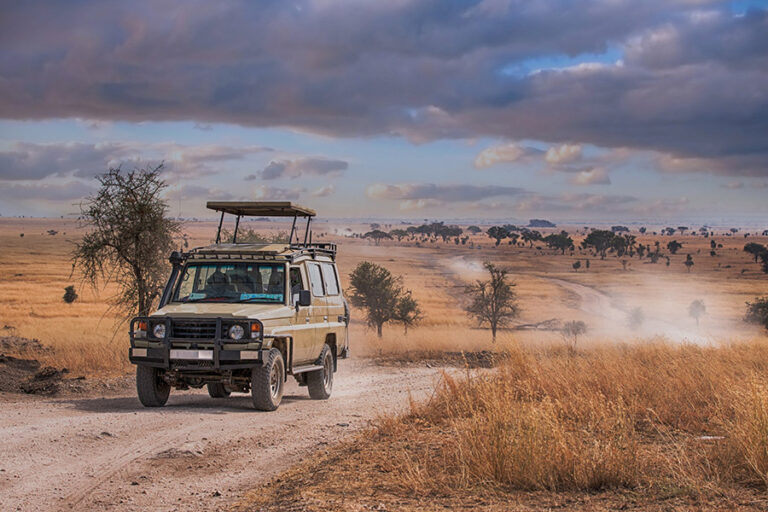 Mbeya Scenic Photography Tour: Capturing Tanzanias Southern HighlandsDiscover the breathtaking landscapes and vibrant culture of Tanzania's Southern Highlands on a Mbeya Scenic Photography Tour. This specialized…View package
 Mbeya Historical Tour: Uncover Southern Tanzanias Rich Past 2026-2027Discover the Mbeya Historical Tour, a journey through Southern Tanzania's fascinating past. Explore ancient ruins, colonial influences, and the…View package


