

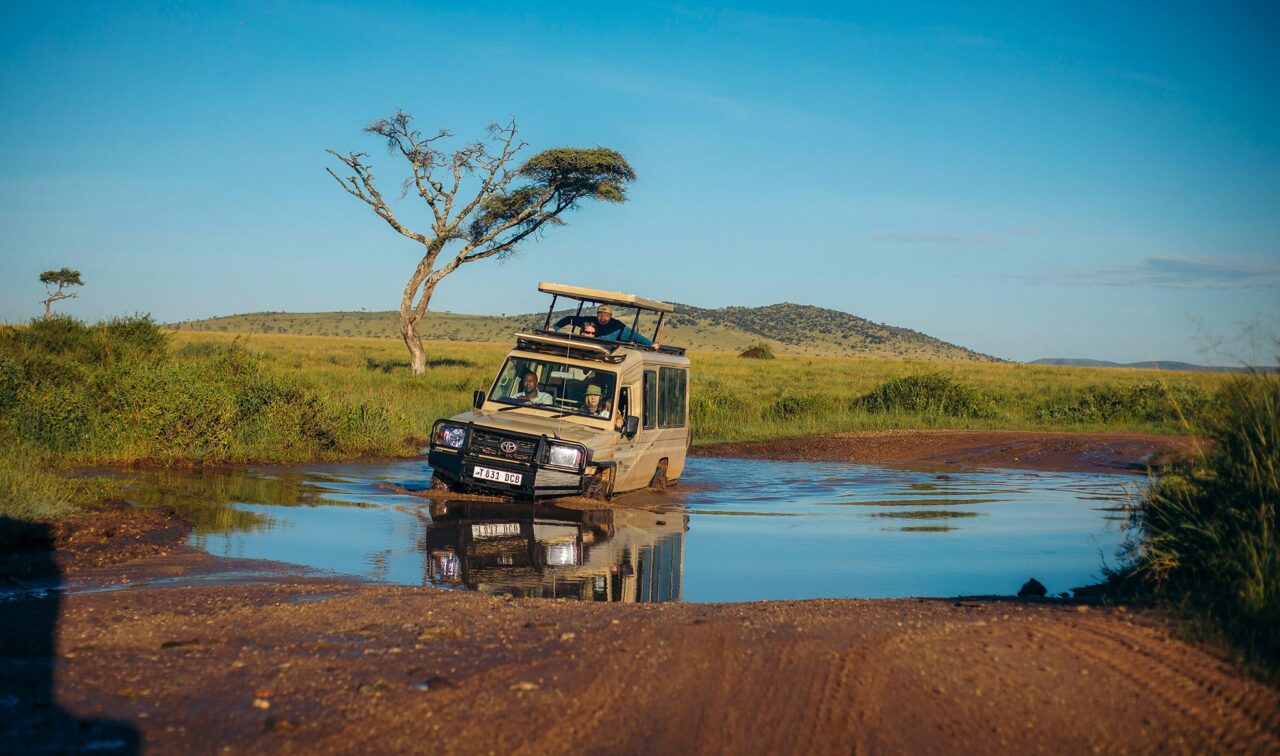
A Mount Rungwe Botanical Expedition is an immersive journey into the unique montane ecosystems of Mount Rungwe in southern Tanzania, focusing on its exceptional plant diversity, endemic species, and rich birdlife, typically undertaken over several days with guided treks through its forests and alpine zones.
Understanding the Mount Rungwe Botanical Expedition
Mount Rungwe, the highest peak in the Southern Highlands of Tanzania, presents a captivating destination for those with a keen interest in botany, ecology, and unique natural landscapes. Unlike the more famous Kilimanjaro or Mount Meru, Rungwe offers a different kind of adventure – one steeped in biological richness and a sense of pristine wilderness. A Mount Rungwe Botanical Expedition is specifically designed to explore this biodiversity, focusing on the incredible array of plant life that thrives on its slopes, from dense montane forests to windswept alpine meadows. This expedition is not merely a climb; it’s an educational and sensory experience, revealing the intricate web of life that makes this mountain a biological treasure.
The expedition is ideal for botanists, ecologists, serious hikers, birdwatchers, and travelers seeking an off-the-beaten-path adventure in Tanzania. It requires a good level of fitness due to the challenging terrain and variable weather conditions. The primary focus is on observing and learning about the unique flora, including endemic species found nowhere else on Earth, alongside the diverse fauna, particularly the vibrant bird populations. Planning for a Mount Rungwe Botanical Expedition in the 2026-2027 seasons means understanding the optimal times to visit, the best routes to take, and the necessary preparations for a successful and enriching journey.
The Unique Biodiversity of Mount Rungwe
Mount Rungwe’s ecological significance stems from its isolation and high altitude, which have fostered the evolution of a distinct flora and fauna. Its slopes are a mosaic of habitats, each supporting specialized life forms. The expedition aims to traverse these zones, showcasing the transition from lower montane forests to upper montane forests, and finally to the alpine and sub-alpine vegetation.
Flora: A Living Laboratory
The botanical aspect is paramount. Mount Rungwe is renowned for its endemic plant species. These are plants that have evolved in isolation and are found only in this specific region. During your expedition, you can expect to encounter:
- Montane Forests: Dominated by species like Podocarpus spp., Olea spp., and various Syzygium species. These forests are often draped in mosses, lichens, and epiphytic orchids, creating a mystical atmosphere.
- Bamboo Zones: Large areas are covered by Arundinaria alpina, the African mountain bamboo, which forms dense stands and is a critical habitat for certain species.
- Giant Heathers and Groundsels: As you ascend, the vegetation changes dramatically. Erica arborea (tree heath) and species of giant senecio (like Senecio johnstonii) and lobelia become prominent, creating an almost alien landscape.
- Alpine Meadows: In the higher reaches, hardy grasses and flowering plants adapted to harsh conditions, including various species of Helichrysum (everlasting flowers), thrive.
A key highlight for any botanical enthusiast is the potential to spot rare orchids, endemic ferns, and unique flowering plants that are indicators of the pristine nature of Rungwe’s ecosystem. Guides with botanical knowledge are invaluable for identifying these species and explaining their ecological roles and evolutionary significance.
Fauna: Wildlife in the Highlands
While Rungwe is not a prime safari destination in the traditional sense, its forests and highlands support a fascinating array of wildlife, particularly birds and primates. The expedition offers opportunities to observe:
- Avian Diversity: Mount Rungwe is a birdwatcher’s paradise. Endemic species like the Rubeho Akalat, Kipengere Seedeater, and various sunbirds and forest birds are found here. The forests echo with the calls of hornbills, turacos, and other arboreal species. Birding during the 2026-2027 seasons will be most rewarding during the drier months when bird activity is high.
- Mammals: While sightings are less common due to their elusive nature, Rungwe is home to various monkey species, including the rare Angolan black-and-white colobus. Small antelopes, forest hogs, and smaller mammals also inhabit the mountain.
- Reptiles and Amphibians: The moist environment supports a variety of reptiles and amphibians, though these are often shy and require keen observation skills to spot.
Planning Your Mount Rungwe Botanical Expedition for 2026-2027
Successful planning is crucial for an expedition of this nature. Several factors need careful consideration to ensure a safe, enjoyable, and productive experience. The 2026-2027 planning window allows ample time to arrange logistics and prepare adequately.
Best Time to Visit
The Southern Highlands of Tanzania experience distinct wet and dry seasons. For a botanical expedition, the ideal time balances good trekking conditions with active plant growth and bird activity.
- Dry Seasons (June to October, December to February): These periods offer the most favorable trekking conditions. Trails are less muddy, and visibility is generally better. Birdlife is often more active during these times, and many flowering plants are in bloom. The longer dry spell from June to October is often considered prime time for trekking Rungwe.
- Wet Seasons (March to May, November): These months bring heavy rainfall, making trekking challenging and potentially dangerous. Trails can become impassable, and visibility is poor. However, the landscape is at its most lush and vibrant, and some specific plant species might be in bloom. For serious botanists who don’t mind the conditions, these periods can offer unique observations.
For the Mount Rungwe Botanical Expedition in 2026-2027, targeting the dry seasons, particularly June to October 2026 or June to October 2027, is highly recommended for optimal trekking and wildlife viewing.
Physical Preparation
Mount Rungwe is a challenging mountain. The expedition involves trekking at high altitudes, often on steep and uneven terrain. Good physical condition is essential.
- Cardiovascular Fitness: Engage in regular aerobic activities like running, cycling, or swimming for at least 3-4 months prior to your expedition.
- Leg Strength: Incorporate exercises like squats, lunges, and step-ups to build strength in your legs and glutes.
- Endurance Hiking: Undertake long hikes, preferably with a backpack and on varied terrain, to simulate expedition conditions. Practice hiking uphill and downhill for extended periods.
- Acclimatization: While Rungwe is not as high as Kilimanjaro, spending a few days at altitude before starting the trek can aid acclimatization.
Essential Gear and Equipment
Packing the right gear is critical for comfort and safety. The weather on Rungwe can change rapidly, with cold temperatures, rain, and strong winds possible even in the dry season.
Gear Checklist for Your Expedition
- Clothing: Layering is key. Include moisture-wicking base layers, insulating mid-layers (fleece or down), and a waterproof/windproof outer shell. Bring warm trousers, waterproof overtrousers, thermal underwear, and multiple pairs of socks (wool or synthetic).
- Footwear: Sturdy, broken-in waterproof hiking boots are essential. Consider gaiters to keep mud and debris out of your boots.
- Headwear & Handwear: A warm hat, gloves (waterproof recommended), and a sun hat are necessary.
- Backpack: A comfortable daypack for daily essentials and a larger backpack or duffel bag for porters to carry your main gear.
- Sleeping Gear: A warm sleeping bag (rated to at least 0°C or lower) and a sleeping mat.
- Trekking Poles: Highly recommended for stability and reducing strain on your knees.
- Headlamp: With extra batteries, for early morning starts or navigating in the dark.
- Sun Protection: High SPF sunscreen, sunglasses, and lip balm.
- Insect Repellent: Especially for lower altitudes and forest areas.
- First-Aid Kit: Personal medications, blister treatment, pain relievers, antiseptic wipes, etc.
- Water Bottle/Hydration System: At least 2-3 liters capacity. Water purification tablets or a filter are also advisable.
- Camera and Binoculars: To capture the stunning scenery and wildlife.
- Notebook and Field Guides: For botanical and ornithological observations.
Choosing a Route
Several trails lead up Mount Rungwe, each offering different scenic perspectives and levels of difficulty. The choice of route often depends on the expedition’s duration, the specific botanical interests, and the desired level of challenge.
- The Forest Trail (Southern Approach): This is a common starting point, leading through dense montane forests. It’s often considered more accessible and offers excellent opportunities for observing forest flora and fauna.
- The Ridge Trail (Western Approach): This route can be more challenging but offers dramatic views and traverses different ecological zones.
- The Northern Approach: Less frequently used, this route can offer a more remote experience.
Experienced guides will tailor the route to the group’s interests, ensuring maximum exposure to diverse botanical zones. For a dedicated Mount Rungwe Botanical Expedition, a multi-day itinerary focusing on traversing different altitudinal zones is recommended. This could involve a loop or an out-and-back trek, depending on logistics.
Guides and Porters
Hiring local guides and porters is not only essential for safety and navigation but also supports the local economy. Guides with specialized botanical or ornithological knowledge can significantly enhance the expedition’s educational value.
- Guides: Ensure your guides are certified, experienced with Mount Rungwe, and knowledgeable about the local flora and fauna. They are crucial for identifying plants, understanding the ecosystem, and managing any safety concerns.
- Porters: They will carry the bulk of your gear, making your trek more comfortable. They also assist with camp setup and meal preparation.
Top Guide Adventures can arrange experienced, knowledgeable guides for your Mount Rungwe Botanical Expedition, ensuring a safe and enriching experience for 2026-2027 expeditions.
Sample Itinerary for a Botanical Expedition
A typical Mount Rungwe Botanical Expedition might last between 4 to 7 days, allowing for a comprehensive exploration of the mountain’s diverse ecosystems. Here is a sample itinerary designed for in-depth botanical observation:
5-Day Mount Rungwe Botanical Expedition
Day 1: Arrival in Mbeya & Transfer to Rungwe Foothills
Arrive in Mbeya, the nearest major city to Mount Rungwe. You will be met by your guide and transferred to a local village or lodge near the mountain’s base. Briefing on the expedition, gear check, and an introductory walk to observe lower montane forest flora. Overnight in a lodge or tented camp.
Day 2: Trekking into the Montane Forest
Begin the trek, ascending into the dense montane forests. Focus on identifying various tree species, epiphytic plants, ferns, and forest-dwelling birds. The trail may be muddy and steep. Camp setup in a designated forest clearing.
Day 3: Ascending to the Bamboo Zone & Alpine Moorland
Continue the ascent, passing through the characteristic bamboo zone. Observe the transition in vegetation as you reach higher altitudes. The landscape opens up to alpine moorland, dotted with giant heathers and groundsels. Look for alpine birds and unique flowering plants. Camp at a higher altitude, near the tree line.
Day 4: Summit Push & Botanical Exploration
An early start for the summit push. While the summit itself is often shrouded in mist, the journey offers incredible views and opportunities to study the hardy alpine flora. Focus on specialized plants adapted to extreme conditions. Descend to a lower camp, perhaps revisiting areas of interest for further botanical study.
Day 5: Descent & Return to Mbeya
Complete the descent, retracing your steps or taking a different path through the forest. Observe any flora or fauna missed on the ascent. Arrive back at the foothills and transfer to Mbeya. Overnight in Mbeya or depart.
This itinerary can be extended to 7 days for more in-depth botanical surveys, including exploring different valleys or spending more time in specific ecological zones.
Conservation and Sustainability
As with any expedition into a sensitive ecosystem, conservation and sustainability are paramount. Mount Rungwe is a vital watershed and a sanctuary for unique species. Responsible tourism practices ensure its preservation for future generations.
- Leave No Trace: Pack out all waste, including organic matter. Stay on designated trails to minimize erosion and habitat disturbance.
- Respect Wildlife: Maintain a safe distance from animals. Do not feed them or disturb their natural behavior.
- Support Local Communities: Employ local guides and porters, purchase local crafts, and respect local customs.
- Minimize Impact: Use established campsites. Avoid collecting plants or souvenirs from the wild.
For expeditions planned for 2026-2027, it’s important to book with operators who demonstrate a strong commitment to eco-tourism principles. Top Guide Adventures prioritizes responsible travel practices on all its expeditions.
Comparing Rungwe with Other Tanzanian Peaks
While Tanzania is famous for Kilimanjaro, Rungwe offers a distinct experience for the nature enthusiast.
Mount Rungwe vs. Kilimanjaro: A Botanical Perspective
- Kilimanjaro: The Roof of Africa. Primarily a high-altitude trekking challenge focused on reaching the summit. While it has diverse ecological zones, its botanical richness is often secondary to the achievement of summiting. The flora is impressive, but Rungwe is specifically geared towards botanical study.
- Mount Rungwe: A botanical haven. The focus is on the unique plant life and ecosystems. It offers a more intimate connection with nature, with fewer crowds and a strong emphasis on ecological observation. It’s less about extreme altitude and more about biodiversity.
For travelers whose primary interest is flora, fauna, and a deep look at a specific ecosystem, the Mount Rungwe Botanical Expedition is a superior choice compared to the more general trekking experience of Kilimanjaro. If you are considering a trip in 2026 or 2027 and prioritize ecological discovery, Rungwe should be high on your list.
Logistics and Booking for 2026-2027
Organizing a trip to Mount Rungwe requires careful logistical planning. Top Guide Adventures specializes in creating tailored expeditions to Tanzania’s natural wonders.
Getting to Mount Rungwe
The nearest major airport to Mount Rungwe is Mbeya Airport (MBI). Flights typically connect through Dar es Salaam (DAR) or Kilimanjaro International Airport (JRO). From Mbeya, road transport is required to reach the mountain’s base, usually taking a few hours depending on the specific starting point and road conditions.
Accommodation
Accommodation options range from basic lodges and guesthouses in the towns near Rungwe to tented camps set up by tour operators during the expedition. For the truly adventurous, camping on the mountain is the standard practice.
Tour Operators
Choosing a reputable tour operator is vital for a successful expedition. They handle permits, guides, porters, equipment, and transportation. When planning for 2026-2027, it’s advisable to book well in advance, especially for custom expeditions.
Top Guide Adventures is a leading Tanzanian tour operator with extensive experience in organizing treks and expeditions. We can customize your Mount Rungwe Botanical Expedition to meet your specific interests, duration, and budget. Whether you’re an individual researcher, a small group of botanists, or a keen nature lover, we tailor our services to provide an unforgettable experience.
Costs and Budget Considerations
The cost of a Mount Rungwe Botanical Expedition can vary significantly based on the duration, group size, level of service, and inclusions. Factors influencing the price include:
- Permits and Park Fees: Necessary for trekking on Mount Rungwe.
- Guide and Porter Fees: Essential for a safe and efficient trek.
- Accommodation: Pre- and post-trek lodging.
- Food: Meals provided during the trek.
- Equipment Rental: Tents, sleeping bags, etc., if not bringing your own.
- Transportation: Transfers to and from the mountain.
- Customization: Specialized guides or specific research support.
For a standard 5-day expedition, you might expect costs to range from $900 to $1500 per person, depending on the operator and inclusions. For detailed pricing and custom quotes for your 2026-2027 expedition, please contact us directly.
Booking Your Expedition with Top Guide Adventures
Planning a specialized expedition like the Mount Rungwe Botanical Expedition requires expert knowledge and local insight. Top Guide Adventures is dedicated to providing unparalleled service and authentic experiences in Tanzania. We work closely with our clients to design bespoke itineraries that cater to specific interests, ensuring that every aspect of the journey, from the botanical focus to logistical comfort, is meticulously arranged.
For those looking to start this unique adventure in 2026 or 2027, we encourage you to reach out to us to start planning. Our team is ready to answer all your questions and help craft the perfect botanical expedition for you. Let us guide you through the breathtaking landscapes and incredible biodiversity of Mount Rungwe.
Connect with us today to discuss your Mount Rungwe Botanical Expedition:
- WhatsApp: +255616946642
- Email: topguideadventures@gmail.com
- Backup Email: info@topguideadventures.com
Explore more of Tanzania’s adventures with us at Top Guide Adventures.
Check Availability for Mount Rungwe Botanical Expedition: A Comprehensive Guide For 2026-2027
Ready to compare dates, prices, and the best option for your group? Send the package name and travel month so the team can reply with a clear quote, availability, and what is included.
 Mount Rungwe Forest Birdwatching Tour: Your Ultimate Guide For 2026-2027Explore the unparalleled avian diversity of Mount Rungwe Forest on a specialized birdwatching tour. This guide details what to expect for your…View package
 Your Expert Guide To A 2-Day Mount Rungwe Trek 2026-2027Plan your ultimate 2-Day Mount Rungwe Trek with our comprehensive guide. Learn about routes, gear, fitness, and why this Tanzanian gem is…View package
 Mount Rungwe: Your Definitive Guide To Tanzanias Untamed Highland 2026-2027Mount Rungwe offers a unique blend of challenging treks and rich biodiversity in southern Tanzania. This comprehensive guide details everything…View package
 Ngozi Crater And Mbeya Highlands Package: Your Ultimate Tanzania AdventureDiscover the breathtaking beauty and unique ecosystems of Ngozi Crater and the Mbeya Highlands with a tailor-made package. This guide details…View package
 Ngozi Crater Birdwatching Tour: Your Ultimate Tanzania Ornithology Adventurestart an unparalleled birdwatching expedition to Ngozi Crater, Tanzania. This tour is meticulously crafted for ornithology enthusiasts, offering…View package
 2-Day Ngozi Crater Camping Adventure: Your Ultimate Tanzanian Escape 2026-2027start a thrilling 2-day camping adventure to Ngozi Crater, a less crowded place in Tanzania. This compact journey offers breathtaking views…View package
 1-Day Ngozi Crater Lake Hike: Your Ultimate Tanzania Adventure 2026-2027start an unforgettable 1-day hike to Ngozi Crater Lake, a less crowded place in Tanzania's Southern Highlands. This guide covers everything from…View package
 Mbeya Scenic Photography Tour: Capturing Tanzanias Southern HighlandsDiscover the breathtaking landscapes and vibrant culture of Tanzania's Southern Highlands on a Mbeya Scenic Photography Tour. This specialized…View package


