
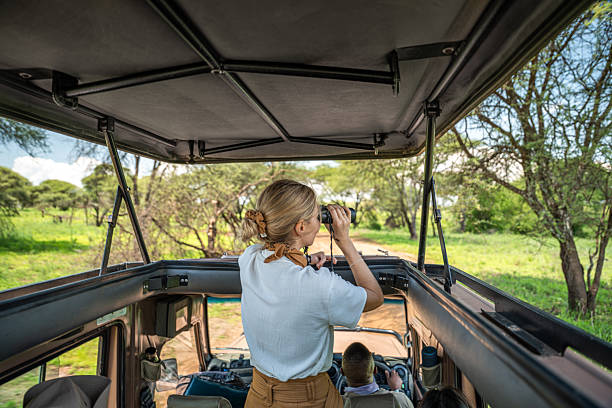
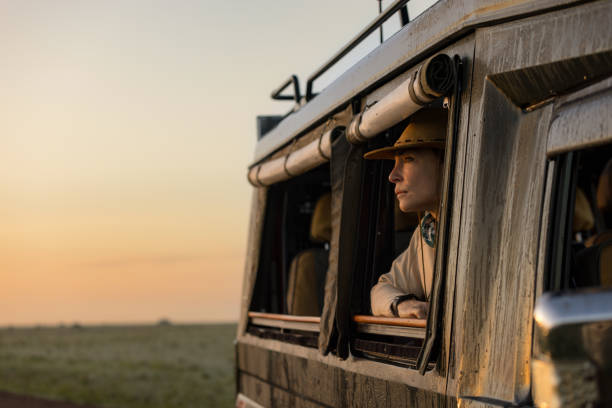
The Poroto Mountains in Tanzania offer a unique and rewarding trekking experience for those seeking natural beauty away from the typical tourist paths, featuring lush montane forests, diverse wildlife, and panoramic views, making them an ideal destination for adventurers planning trips in 2026 and 2027.
Unveiling the Poroto Mountains: Tanzania’s Hidden Highland Gem
The Poroto Mountains, often overshadowed by their more famous northern counterparts like Kilimanjaro and Mount Meru, represent a captivating frontier for trekkers and nature enthusiasts in Tanzania. Situated in the Southern Highlands, this range is part of a larger volcanic massif that also includes the more prominent Mount Rungwe. Unlike the crowded trails of Kilimanjaro, the Poroto Mountains offer a sense of solitude and an intimate connection with pristine wilderness. For travelers planning their adventures in 2026 and 2027, these mountains present an opportunity to experience Tanzania’s diverse ecosystems and rich cultural heritage in a more personal and authentic way.
This region is characterized by its cool, misty climate, verdant rainforests, rolling grasslands, and dramatic escarpments. It’s a biodiversity hotspot, home to a surprising array of flora and fauna, including rare bird species and primates. The accessibility, while requiring a bit more planning than the northern circuit parks, is part of its charm, ensuring that those who venture here are rewarded with unparalleled tranquility and breathtaking landscapes. Whether you’re an experienced hiker or a curious traveler looking for a unique natural escape, the Poroto Mountains promise an unforgettable journey.
The Allure of the Southern Highlands: Why Poroto Stands Out
Tanzania is globally renowned for its iconic safari destinations and the majestic Mount Kilimanjaro. However, the Southern Highlands, where the Poroto Mountains are located, offer a different, yet equally compelling, experience. This region is characterized by its cooler temperatures, fertile volcanic soils supporting tea and coffee plantations, and a less-developed tourism infrastructure that preserves its authentic charm. The Poroto Mountains, specifically, are a testament to this untamed beauty. Their elevation ranges from approximately 1,500 to 2,700 meters, creating a distinct montane environment that supports unique ecosystems.
The allure of the Poroto Mountains lies in their relative obscurity. This means fewer crowds, allowing for a more immersive experience with nature. The trails are less trodden, the air is crisp, and the silence is profound, broken only by the sounds of the forest. This tranquility is a significant draw for travelers in 2026-2027 seeking an escape from the hustle and bustle of modern life. Furthermore, the region is culturally rich, with opportunities to interact with local communities and learn about their way of life, adding a significant human dimension to the natural exploration.
Geographical Context and Landscape Features
The Poroto Mountains form an integral part of the East African Rift Valley’s southern section. They are geologically related to the larger volcanic complex that includes Mount Rungwe, the highest peak in the region. The landscape is a mosaic of dense montane forests, often shrouded in mist, giving them an ethereal quality. As you ascend, these forests gradually give way to open grasslands and moorlands, offering sweeping vistas of the surrounding highlands and the distant plains.
Key geographical features include:
- Volcanic Origins: The mountains are of volcanic origin, with evidence of past geological activity shaping their rugged terrain.
- Montane Forests: These forests are rich in biodiversity, featuring ancient trees draped in moss and epiphytes.
- Highland Plateaus: Expansive plateaus at higher altitudes provide excellent trekking grounds and offer spectacular viewpoints.
- Crater Lakes: Several small crater lakes and natural springs dot the landscape, adding to its scenic beauty.
- Steep Escarpments: Dramatic cliffs and valleys characterize the edges of the mountain range, offering challenging routes and breathtaking panoramas.
The climate in the Poroto Mountains is temperate to cool, with distinct wet and dry seasons. The higher altitudes experience significantly lower temperatures, especially at night, and frequent mist and cloud cover, particularly during the rainy periods. Planning your trek for the dry seasons (typically June to October and December to February) is advisable for clearer views and more predictable weather, especially for those planning their 2026-2027 trips.
Ecological Significance and Biodiversity
The Poroto Mountains are a crucial area for conservation due to their unique montane ecosystems. The dense forests act as a vital water catchment area for the surrounding regions. The biodiversity here is remarkable, supporting species that are endemic or rare in other parts of Tanzania.
Flora: Expect to encounter a rich variety of plant life. The lower slopes are dominated by dense evergreen forests, including species like Podocarpus, Olea africana, and various figs. As you climb higher, you’ll find Hagenia abyssinica, giant heathers, and Afro-alpine vegetation in the open moorlands. The undergrowth is often thick with ferns, mosses, and orchids.
Fauna: While not a prime wildlife viewing destination in the same vein as Serengeti or the Ngorongoro Crater, the Poroto Mountains are teeming with life. Birdwatchers will be particularly delighted, with species such as the Southern Banded Snake Eagle, Cape Eagle-Owl, and various sunbirds and endemic forest birds. Primates like the Blue Monkey and the rare Angolan Colobus Monkey can be spotted in the forest canopy. You might also encounter small mammals like bushbucks, various rodents, and a rich insect life. The cooler climate makes it less likely to encounter large predators, contributing to a safer trekking environment.
Trekking Routes and Trail Experiences
Unlike Kilimanjaro’s well-defined routes, trekking in the Poroto Mountains is often more exploratory and less structured. Trails can range from well-trodden paths used by local communities to more rugged, off-the-beaten-track routes. The choice of route often depends on your fitness level, desired duration, and the specific areas you wish to explore. Engaging a local guide is essential for navigation, safety, and enriching your understanding of the environment and culture.
Popular starting points and general route ideas include:
- Mbeya Town Vicinity: Many treks begin from areas accessible from Mbeya, the largest city in the Southern Highlands. From here, you can arrange transport to trailheads.
- Forest Exploration: Shorter hikes can focus on exploring the lower montane forests, perhaps visiting waterfalls or scenic viewpoints. These might last a few hours to a full day.
- Highland Traverse: For more experienced trekkers, multi-day treks can traverse higher ridges and plateaus, offering more challenging terrain and spectacular panoramic views. These can be customized to last from 2 to 5 days.
- Rungwe-Poroto Connection: Some adventurous itineraries might link parts of the Poroto range with the slopes of Mount Rungwe, offering a more extensive mountain experience.
Sample Trek Itinerary: A Taste of the Poroto Mountains (3 Days/2 Nights)
This sample itinerary is designed for moderate fitness levels and offers a good introduction to the Poroto Mountains’ beauty. It assumes starting from a point near Mbeya.
Day 1: Arrival and Forest Hike
* Morning: Arrive in Mbeya, meet your guide, and drive to the trailhead (approx. 1-2 hours).
* Afternoon: Begin your trek into the montane forest. The path is likely to be muddy and winding, passing through dense vegetation. Your guide will point out interesting flora and fauna.
* Evening: Set up camp at a designated campsite within the forest or at a scenic clearing. Enjoy a hot meal prepared by your trekking crew.
Day 2: Ascent to the Plateau and Views
* Morning: Continue ascending, emerging from the dense forest into more open moorland. The air becomes cooler and crisper.
* Midday: Reach a high plateau offering stunning panoramic views of the surrounding mountains and valleys. This is an excellent spot for a packed lunch.
* Afternoon: Explore the plateau, perhaps visiting a small crater lake or a unique rock formation. Descend slightly to a campsite with a commanding view.
Day 3: Descent and Cultural Interaction
* Morning: Begin your descent, taking a different path to experience new scenery. You might pass through small farming communities.
* Midday: Reach the end of the trail. Enjoy a final picnic lunch.
* Afternoon: Transfer back to Mbeya or your next destination. Reflect on your incredible journey through the Poroto Mountains.
This is a flexible itinerary and can be adapted. For those planning for 2026-2027, consider booking in advance to secure guides and logistics.
Challenges and Considerations for Trekkers
Trekking in the Poroto Mountains, while rewarding, comes with its own set of challenges:
- Weather: The weather can be unpredictable, with sudden changes in temperature, mist, and rainfall. Be prepared for all conditions.
- Terrain: Trails can be steep, muddy, and sometimes overgrown, especially after rain. Good quality hiking boots are essential.
- Navigation: Trails are not always well-marked. A knowledgeable local guide is crucial for safety and navigation.
- Altitude: While not extremely high, the altitudes reached can still affect some individuals. Acclimatization is important, especially if coming directly from sea level.
- Remoteness: The region is less developed, meaning fewer facilities and limited access to emergency services. Thorough preparation is key.
Preparing for Your Poroto Mountains Adventure (2026-2027)
Successful trekking in the Poroto Mountains requires careful planning and packing. Unlike more established trekking destinations, you’ll need to be more self-sufficient. Consulting with experienced tour operators is highly recommended for arranging logistics, guides, porters (if needed), and ensuring you have the right equipment.
Essential Gear Checklist
- Clothing: Layering is key. Include moisture-wicking base layers, insulating mid-layers (fleece or down jacket), and a waterproof/windproof outer shell. Thermal leggings and warm socks are vital.
- Footwear: Sturdy, waterproof hiking boots with good ankle support are non-negotiable. Bring comfortable camp shoes or sandals for evenings.
- Backpack: A comfortable daypack (20-30 liters) for essentials during hikes, and a larger backpack (60-80 liters) if camping overnight.
- Sleeping Gear: A warm sleeping bag (rated to 0°C or lower), sleeping mat, and pillow (optional).
- Navigation: Map, compass, and GPS device (though your guide will lead).
- Safety & First Aid: Comprehensive first-aid kit, including blister treatment, pain relievers, antiseptic wipes, bandages, and any personal medications. Insect repellent and sunscreen are also important.
- Hydration: Water bottles or a hydration reservoir. Water purification tablets or a filter are essential.
- Headlamp/Torch: With extra batteries.
- Personal Items: Toiletries, quick-dry towel, sunglasses, hat, and camera.
- Trekking Poles: Highly recommended for stability on steep and uneven terrain.
Fitness and Health Recommendations
Given the terrain and potential altitude, a good level of physical fitness is recommended. Cardiovascular training (running, cycling, swimming) and strength training (legs and core) in the weeks leading up to your trip will be beneficial. If you have any pre-existing health conditions, consult your doctor before planning your trek.
Choosing the Right Tour Operator
For a safe and enjoyable experience in the Poroto Mountains, especially for your 2026-2027 travels, partnering with a reputable tour operator is crucial. Look for companies with local expertise, experienced guides, and a commitment to responsible tourism. They can handle:
- Logistics: Transportation to and from trailheads.
- Guides and Porters: Hiring qualified local guides and porters.
- Permits: Securing any necessary permits.
- Accommodation: Arranging campsites or basic lodging.
- Food: Providing meals and ensuring food safety.
- Emergency Support: Having contingency plans in place.
Booking Your 2026-2027 Poroto Mountains Adventure
Planning ahead is wise for unique destinations like the Poroto Mountains. For tailored itineraries and expert guidance on your 2026 or 2027 trekking adventure, reach out to Top Guide Adventures. They specialize in creating memorable Tanzanian experiences, from Kilimanjaro climbs to off-the-beaten-path explorations. Get in touch via WhatsApp +255616946642 or email topguideadventures@gmail.com. For backup, use info@topguideadventures.com.
Wildlife and Birding Opportunities
While the Poroto Mountains aren’t a primary wildlife safari destination, they offer rich opportunities for observing nature, particularly for birdwatchers and those interested in smaller mammals and primates. The montane forest and highland grassland ecosystems support a diverse array of species.
Birdlife in the Porotos
The region is a haven for avian enthusiasts. The combination of forest, moorland, and cultivated areas creates varied habitats. Key species to look out for include:
- Endemic and Near-Endemic Species: The Southern Highlands have a unique avifauna. Keep an eye out for species like the Streaky Seedeater, Chestnut-chested Vanga, and various endemic sunbirds and warblers.
- Birds of Prey: Various eagles, buzzards, and kestrels patrol the skies and forest edges.
- Forest Birds: Within the dense forests, you might spot turacos, barbets, hornbills, and various passerines.
- Montane and Moorland Birds: Species adapted to higher altitudes include alpine chats, pipits, and larks.
Birding is best done early in the morning or late in the afternoon when birds are most active. A good pair of binoculars and a field guide are highly recommended.
Mammals and Other Wildlife
Encounters with larger mammals are less common, but not impossible. The forests are home to:
- Primates: Blue Monkeys and Angolan Colobus Monkeys are often seen in the forest canopy.
- Antelopes: Bushbucks are shy but can be found in denser vegetation.
- Small Mammals: Various species of rodents, shrews, and perhaps even porcupines inhabit the area.
It’s important to maintain a respectful distance from all wildlife and never feed the animals. Your guide will be knowledgeable about animal behavior and safe viewing practices.
Cultural Encounters in the Southern Highlands
Trekking through the Poroto Mountains provides opportunities to connect with the local communities that inhabit the lower slopes and surrounding areas. The Southern Highlands are home to various ethnic groups, including the Nyakyusa, Ndali, and Kinga people, each with their unique traditions and customs.
Interacting with Local Communities
As you hike, you may pass through small villages and agricultural lands. Engaging respectfully with local people can enrich your travel experience. Opportunities might include:
- Visiting Local Markets: If your trek coincides with market days, you can witness the vibrant local commerce.
- Learning about Agriculture: The region is known for its coffee, tea, and bean cultivation. You might see traditional farming methods in practice.
- Homestays or Village Visits: Some tours can be arranged to include overnight stays in local villages or visits to community projects, offering deeper cultural immersion.
It’s always advisable to seek permission before taking photographs of people and to approach interactions with humility and openness. Learning a few basic Swahili phrases can go a long way in building rapport.
Responsible Tourism in the Poroto Mountains
Given the relatively untouched nature of the Poroto Mountains, practicing responsible tourism is paramount. This ensures the preservation of its natural beauty and the well-being of its local communities.
- Leave No Trace: Pack out everything you pack in, including all trash. Stay on marked trails to minimize erosion.
- Support Local Economy: Hire local guides and porters through reputable operators. Purchase local crafts and produce when appropriate.
- Respect Wildlife: Observe animals from a distance and avoid disturbing their natural habitats.
- Cultural Sensitivity: Dress modestly when visiting villages and always ask for permission before taking photos.
- Water Conservation: Be mindful of water usage, especially in more remote areas.
By adhering to these principles, you contribute to the sustainable tourism of the Poroto Mountains, ensuring its wonders are preserved for future visitors in 2026, 2027, and beyond.
Comparing Poroto Mountains with Other Tanzanian Trekking Destinations
For travelers considering their options in Tanzania for 2026-2027, it’s helpful to understand how the Poroto Mountains compare to other popular trekking or nature destinations.
Poroto Mountains vs. Mount Kilimanjaro
* Kilimanjaro: Africa’s highest peak, a challenging but achievable climb for many. Offers well-established routes, large trekking groups, and a highly commercialized infrastructure. Focus is on summiting. Requires significant physical exertion and acclimatization. Cost: Generally higher due to extensive services and park fees.
Experience: Iconic, high-altitude challenge, sense of accomplishment.
Crowds: Can be very crowded on popular routes.
* Poroto Mountains: Lower altitude, less demanding climbs, focused on nature immersion and solitude. Offers a more intimate trekking experience with fewer crowds. Focus is on the journey and the diverse ecosystems. Cost: Generally lower, but requires more self-sufficiency or specialized guiding.
Experience: Tranquil, rich biodiversity, cultural interaction, stunning highland scenery.
Crowds: Minimal.
Poroto Mountains vs. Mount Meru
* Mount Meru: Often called the “Little Brother” of Kilimanjaro. A challenging trek with steep ascents, volcanic landscapes, and abundant wildlife (including buffalo and monkeys) in its lower reaches. Offers fantastic views of Kilimanjaro. Cost: Moderate, with park fees and guide requirements.
Experience: Strenuous but rewarding, good acclimatization hike for Kili.
Crowds: Moderate.
* Poroto Mountains: Less steep overall, more focus on forest and moorland exploration. Wildlife is more subtle (birds, small mammals). Offers a different kind of natural beauty and tranquility. Cost: Can be lower, depending on the operator and itinerary.
Experience: Peaceful, diverse flora, unique highland ecosystem.
Crowds: Very low.
Poroto Mountains vs. Usambara Mountains
* Usambara Mountains: Known for their lush rainforests, biodiversity, and community-based tourism initiatives. Offers excellent hiking, birdwatching, and cultural experiences. Accessible from the coast. Cost: Moderate.
Experience: Rich biodiversity, scenic viewpoints, cultural villages.
Crowds: Moderate.
* Poroto Mountains: Similar in terms of forest and biodiversity but located in the Southern Highlands, offering a different geographical and cultural context. Potentially more remote and less developed infrastructure than parts of the Usambaras. Cost: Potentially lower for basic treks.
Experience: Untamed highland wilderness, distinct montane flora.
Crowds: Very low.
For travelers in 2026-2027 seeking a genuine escape and a connection with nature away from the main tourist circuits, the Poroto Mountains offer a compelling alternative or addition to their Tanzanian itinerary.
Planning Your 2026-2027 Trip to the Poroto Mountains
When planning your trip for 2026 or 2027, consider the following practical aspects:
Best Time to Visit
The dry seasons are generally the most favorable for trekking:
- June to October: Cool, dry, and sunny days. Excellent visibility.
- December to February: Warmer, dry periods. Can be good, but may have some short showers.
The rainy seasons (March-May and November) can make trails muddy and slippery, and cloud cover can obscure views. However, these periods offer lush green landscapes and fewer visitors, which might appeal to some.
Visa and Health Requirements
* Visa: Most nationalities require a visa for Tanzania. This can often be obtained on arrival or applied for online in advance. Check the latest requirements from the Tanzanian immigration authorities.
* Health: Consult your doctor or a travel clinic regarding vaccinations (e.g., Yellow Fever, Hepatitis A/B) and malaria prophylaxis. While malaria risk is lower at higher altitudes, it’s still present in Tanzania.
Getting There
The primary gateway to the Poroto Mountains is Mbeya. You can fly into Mbeya Airport (MBI) from Dar es Salaam or other major Tanzanian cities. Alternatively, long-distance bus services connect Mbeya to major urban centers.
From Mbeya, local transport (taxis, dala-dalas, or pre-arranged vehicles) can take you to the trailheads or villages on the mountain’s periphery.
Conclusion: An Unforgettable Highland Adventure Awaits
The Poroto Mountains offer a compelling destination for those seeking an authentic and adventurous experience in Tanzania. Far from the well-trodden paths, these highlands provide a sanctuary of natural beauty, diverse ecosystems, and peaceful solitude. Whether you’re drawn by the call of the montane forests, the thrill of exploring less-known trails, or the chance to connect with local cultures, the Poroto Mountains promise a deeply rewarding journey.
For travelers planning their expeditions for 2026 and 2027, now is the perfect time to start envisioning this unique adventure. With careful preparation and the right local expertise, your trek through the Poroto Mountains will undoubtedly become a highlight of your Tanzanian exploration. Let Top Guide Adventures help you craft this exceptional experience, offering personalized itineraries and expert guidance every step of the way. Contact them today to begin planning your unforgettable journey.
Ready to Explore the Poroto Mountains in 2026-2027?
Let Top Guide Adventures be your expert partner in discovering the hidden beauty of Tanzania’s Poroto Mountains. We specialize in crafting custom trekking and adventure itineraries tailored to your interests and fitness levels. Secure your spot for the 2026-2027 travel seasons and experience the magic of the Southern Highlands with knowledgeable local guides.
Contact Us:
- WhatsApp: +255616946642
- Email: topguideadventures@gmail.com
- Backup Email: info@topguideadventures.com
Visit our website for more inspiration on Tanzanian adventures: Top Guide Adventures.
Check Availability for Poroto Mountains Tanzania: Your Ultimate Trekking And Nature Guide 2026-2027
Ready to compare dates, prices, and the best option for your group? Send the package name and travel month so the team can reply with a clear quote, availability, and what is included.
 Mount Rungwe Botanical Expedition: A Comprehensive Guide For 2026-2027Explore the unique Mount Rungwe Botanical Expedition, a journey into Tanzania's rich biodiversity. This guide details routes, flora, fauna, and…View package
 Mount Rungwe Forest Birdwatching Tour: Your Ultimate Guide For 2026-2027Explore the unparalleled avian diversity of Mount Rungwe Forest on a specialized birdwatching tour. This guide details what to expect for your…View package
 Your Expert Guide To A 2-Day Mount Rungwe Trek 2026-2027Plan your ultimate 2-Day Mount Rungwe Trek with our comprehensive guide. Learn about routes, gear, fitness, and why this Tanzanian gem is…View package
 Mount Rungwe: Your Definitive Guide To Tanzanias Untamed Highland 2026-2027Mount Rungwe offers a unique blend of challenging treks and rich biodiversity in southern Tanzania. This comprehensive guide details everything…View package
 Ngozi Crater And Mbeya Highlands Package: Your Ultimate Tanzania AdventureDiscover the breathtaking beauty and unique ecosystems of Ngozi Crater and the Mbeya Highlands with a tailor-made package. This guide details…View package
 Ngozi Crater Birdwatching Tour: Your Ultimate Tanzania Ornithology Adventurestart an unparalleled birdwatching expedition to Ngozi Crater, Tanzania. This tour is meticulously crafted for ornithology enthusiasts, offering…View package
 2-Day Ngozi Crater Camping Adventure: Your Ultimate Tanzanian Escape 2026-2027start a thrilling 2-day camping adventure to Ngozi Crater, a less crowded place in Tanzania. This compact journey offers breathtaking views…View package
 1-Day Ngozi Crater Lake Hike: Your Ultimate Tanzania Adventure 2026-2027start an unforgettable 1-day hike to Ngozi Crater Lake, a less crowded place in Tanzania's Southern Highlands. This guide covers everything from…View package


