
The Eastern Serengeti, often encompassing areas like the Moru Kopjes, Gol Mountains, and the boundary areas near Lake Natron and Lake Eyasi, offers a distinct safari experience characterized by its unique rock formations, resident wildlife populations, and fewer crowds compared to the central corridor, making it an excellent choice for an authentic Tanzanian wildlife adventure in 2026-2027.
Unveiling the Eastern Serengeti: A Realm of Untamed Beauty
When most people envision the Serengeti, they picture the vast, endless plains teeming with wildebeest and zebras during the Great Migration. While this iconic spectacle is a cornerstone of the Serengeti experience, the park’s diverse ecosystems extend far beyond the central Seronera Valley. The Eastern Serengeti, a region often overlooked by first-time visitors, presents a different, yet equally compelling, face of Tanzania’s most celebrated wildlife sanctuary. This area, stretching towards the national park’s eastern boundaries and including regions like the Gol Mountains and the vicinity of the Ngorongoro Conservation Area’s less-visited sections, offers a unique blend of dramatic landscapes, resident wildlife, and a sense of profound wilderness that is increasingly rare.
For travelers planning their safari for 2026 or 2027, understanding the nuances of the Eastern Serengeti is key to crafting an unforgettable journey. This region is not defined by a single, predictable migration river crossing, but rather by its year-round resident game, its dramatic kopjes (granite outcrops), and the sheer feeling of having stepped back in time. It’s a place where the ancient rhythms of the African bush are palpable, and where encounters with predators and prey unfold against a backdrop of impressive scenery.
Top Guide Adventures specializes in crafting personalized safari experiences that go beyond the typical tourist trails. We understand the magic of the Eastern Serengeti and are passionate about sharing its secrets with discerning travelers. Whether you’re seeking the thrill of spotting a leopard lounging on a kopje, the quiet majesty of a solitary bull elephant, or the raw beauty of the African sunrise over an unblemished horizon, the Eastern Serengeti delivers.
Defining the Eastern Serengeti: What Makes It Unique?
The term “Eastern Serengeti” isn’t as rigidly defined on maps as the central or western sectors, but it generally refers to the park’s eastern and southeastern reaches. This includes areas that might border the Ngorongoro Conservation Area, extend towards the Maasai Mara ecosystem’s southern extensions, and feature distinct geological formations like the Gol Mountains and the numerous kopjes scattered across the landscape. Unlike the central Seronera, which is a hub for predator action year-round due to permanent water sources, the Eastern Serengeti’s wildlife movements are more influenced by rainfall patterns and the availability of grazing land, though many species remain resident.
Key characteristics that set the Eastern Serengeti apart include:
- Dramatic Kopjes: These ancient granite inselbergs rise abruptly from the plains, providing crucial vantage points, shade, and denning sites for predators like lions and cheetahs. They also offer habitat for klipspringers and hyraxes.
- Gol Mountains: This rugged mountain range in the eastern part of the park adds a unique topographical dimension, attracting different bird species and providing a stark contrast to the open grasslands.
- Fewer Crowds: Due to its less accessible location and the absence of the predictable migration river crossings that draw masses to the Grumeti or Mara rivers, the Eastern Serengeti offers a more exclusive and tranquil safari experience.
- Resident Wildlife: While it doesn’t host the massive migration herds year-round, the Eastern Serengeti boasts healthy populations of resident game, including lions, leopards, cheetahs, elephants, giraffes, buffaloes, and a variety of antelope species.
- Varied Habitats: Beyond the typical savannah, this region includes acacia woodlands, rocky outcrops, and seasonal riverbeds, supporting a diverse array of flora and fauna.
For travelers in 2026-2027 looking for an authentic, less commercialized safari, the Eastern Serengeti is an exceptional choice. It allows for a deeper connection with nature and a greater sense of discovery.
Wildlife Encounters in the Eastern Serengeti: Beyond the Migration
While the Great Migration is the Serengeti’s most famous phenomenon, the Eastern Serengeti offers incredible wildlife viewing opportunities throughout the year, often with a more intimate feel. The region’s scattered kopjes are particularly famous for hosting resident predators. Lions often use these rocky outcrops as lookout points or shaded resting spots, and leopards are frequently sighted draped over branches of trees near the kopjes or perched on the rocks themselves.
Predator Paradise: Lions, Leopards, and Cheetahs
The kopjes are natural fortresses and prime hunting grounds. You’ll find prides of lions, often with cubs, utilizing the shade and elevated positions of formations like the Moru Kopjes (though sometimes considered central, they border eastern exploration areas). These prides are well-adapted to the area and offer fantastic viewing opportunities. Leopards, known for their elusive nature, are also more readily spotted here than in some other parts of the park, thanks to the available perches and hunting opportunities. Cheetahs, the fastest land animals, also frequent the open grasslands of the Eastern Serengeti, often seen scanning the plains for prey or resting after a hunt.
The advantage of visiting the Eastern Serengeti outside of peak migration months is that these predators are often more focused on their resident prey, leading to more frequent and dynamic sightings. Imagine watching a cheetah stalk gazelles across the open plains or observing a lion pride basking in the morning sun on a kopje – these are moments that define a true Serengeti safari.
The Majestic Giants: Elephants and Other Herbivores
Elephants are a common sight in many parts of the Serengeti, and the Eastern region is no exception. You might encounter small herds or solitary bulls moving through the woodlands and across the plains. Giraffes, with their elegant browsing habits, are also abundant, often seen against the backdrop of acacia trees. Buffalo herds can be found grazing in the grasslands, and various antelope species, including Thomson’s gazelles, Grant’s gazelles, impalas, and the more specialized klipspringers found on the kopjes, are plentiful.
Even without the massive wildebeest herds, the diversity and density of resident herbivores ensure that predator sightings remain high. The ecosystem is robust, and the interactions between different species are constant and fascinating.
Avian Wonders: A Birdwatcher’s Dream
The Eastern Serengeti is also a haven for birdlife. The varied habitats, from open grasslands to acacia woodlands and rocky areas, support a rich diversity of species. Birdwatchers can look forward to spotting various eagles, vultures, hornbills, bee-eaters, rollers, and many other resident and migratory birds. The Gol Mountains area, in particular, can offer unique birding opportunities due to its different topography.
For those planning their 2026-2027 safari, consider the Eastern Serengeti if you appreciate a wider variety of wildlife viewing experiences beyond just the mega-herds, and if you value the chance for more private and less crowded encounters.
Navigating the Eastern Serengeti: Getting There and Around
Reaching the Eastern Serengeti requires a bit more planning than heading directly to Seronera, but the rewards are well worth the effort. Its relative remoteness contributes to its exclusive feel.
Access Points and Routes
Most safaris to the Eastern Serengeti begin in Arusha, the safari capital of Tanzania. From Arusha, you have a few primary options:
- Charter Flights: The quickest and most convenient way to reach the Eastern Serengeti is by small bush plane. There are airstrips located strategically within or near the eastern sectors, often serving lodges in the region. Flights typically depart from Arusha Airport (ARK) and offer spectacular aerial views of the landscapes below. This is a premium option, but highly recommended for maximizing your time on the ground.
- Road Transfers: Driving from Arusha to the Eastern Serengeti is a longer journey, often taking a full day or more, depending on the specific destination within the eastern sector. This involves driving through the Ngorongoro Conservation Area and potentially entering the Serengeti via the Naabi Hill Gate or similar access points. While time-consuming, it allows you to witness the changing landscapes and can be a more budget-friendly option. This route often involves driving through areas closer to the central Serengeti before heading east.
Internal Movement and Safari Drives
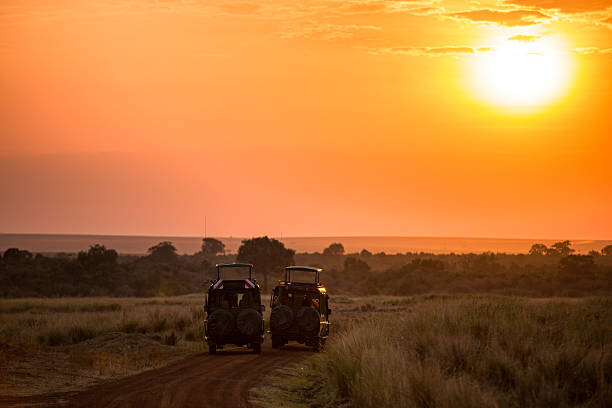
Once you are in the Eastern Serengeti, your primary mode of transport will be a 4×4 safari vehicle, typically a custom-built Land Cruiser or Land Rover, driven by an experienced safari guide. These vehicles are essential for navigating the often-rough terrain and providing optimal viewing and photographic opportunities.
Safari drives in the Eastern Serengeti are flexible and guided by your guide’s expertise and knowledge of wildlife movements. Early morning and late afternoon drives are usually the most productive for spotting predators when they are most active. Your guide will tailor the drives to your interests, whether that’s tracking a specific animal, exploring the kopjes, or simply enjoying the vastness of the landscape.
Important Considerations for 2026-2027 Travel:
- Vehicle Choice: Ensure your tour operator provides a well-maintained 4×4 safari vehicle with pop-up roofs for excellent game viewing.
- Guide Expertise: The quality of your guide is paramount. Experienced guides in the Eastern Serengeti know the best spots, understand animal behavior, and can interpret the subtle signs of the bush.
- Lodge Location: The choice of lodge or camp significantly impacts your access to different parts of the Eastern Serengeti. Camps situated closer to the Gol Mountains or key kopjes will offer more immediate access to unique habitats.
Top Guide Adventures works with you to select the most efficient and enjoyable way to reach and explore the Eastern Serengeti, ensuring your 2026-2027 safari is smooth from start to finish.
Where to Stay: Lodges and Camps in the Eastern Serengeti
Accommodation in the Eastern Serengeti ranges from luxurious tented camps to more rustic lodges, all designed to provide an authentic wilderness experience while ensuring comfort. Because this region is less developed than the central corridor, the lodges and camps often offer a more exclusive and intimate setting.
Luxury Tented Camps
These camps provide the quintessential safari experience, combining comfort with proximity to nature. Expect spacious canvas tents with comfortable beds, en-suite bathrooms with flushing toilets and hot showers, and often private verandas. The atmosphere is one of understated elegance, allowing the surrounding wilderness to take center stage.
- Features: Often include gourmet dining, personalized service, and unique locations offering stunning views. Many camps are unfenced, allowing you to hear the sounds of the bush at night from the safety of your tent.
- Ideal for: Travelers seeking a high level of comfort and service without compromising on the wild feel of the Serengeti.
Mid-Range Lodges and Camps
These options offer a comfortable and enjoyable stay, balancing amenities with value. They might feature more permanent structures or simpler tented accommodations, but still provide essential comforts like private bathrooms and good meals.
- Features: Comfortable rooms or tents, communal dining areas, and good service. They provide a solid base for exploring the Eastern Serengeti.
- Ideal for: Travelers looking for a good balance of comfort, experience, and cost.
Exclusive-Use Options
For ultimate privacy and flexibility, consider exclusive-use lodges or mobile camps. These are ideal for families, groups of friends, or those seeking a highly personalized safari experience.
- Features: Your own private chef, dedicated guide and vehicle, and the ability to set your own schedule.
- Ideal for: Special occasions, large groups, or travelers who desire complete control over their safari itinerary.
Choosing the Right Accommodation for 2026-2027:
- Location is Key: Consider where you want to focus your game drives. Camps near the Gol Mountains will offer different experiences than those closer to the central Serengeti borders or specific kopje areas.
- Seasonality: Some camps might be mobile, moving to optimize wildlife viewing based on seasonal patterns. Discuss this with your tour operator.
- Book Early: Popular lodges and camps, especially in exclusive-use or high-demand seasons, get booked up well in advance, particularly for 2026-2027.
Top Guide Adventures can help you select the perfect accommodation that aligns with your budget, desired experience, and safari itinerary in the Eastern Serengeti. Contact us to discuss your options.
Best Time to Visit the Eastern Serengeti for 2026-2027 Safaris
The Eastern Serengeti offers rewarding wildlife viewing year-round, but the ‘best’ time depends on your specific interests and tolerance for crowds and weather.
Dry Season (June to October)
This is generally considered the peak safari season across the Serengeti. The weather is dry and sunny, with cooler temperatures, making game drives comfortable. Water sources become scarcer, concentrating wildlife around permanent waterholes and making animals easier to spot. Vegetation is less dense, improving visibility.
- Pros: Excellent game viewing, comfortable weather, lower chance of game drives being interrupted by rain.
- Cons: Higher prices, more tourists (though still significantly fewer than central areas), and potentially dusty conditions.
Wet Season (November to May)
The wet season brings lush green landscapes and is a fantastic time for birdwatchers, as migratory birds arrive. The short rains typically occur in November and December, followed by a longer rainy period from March to May. The landscape transforms into a vibrant green paradise.
- Pros: Stunning green scenery, excellent birding, newborn animals (especially wildebeest calves in Feb/March, though this is more typical in the southern Serengeti), fewer tourists, and lower prices.
- Cons: Heavy rains can disrupt game drives, some roads may become impassable, and vegetation can become very dense, making game spotting more challenging. The Great Migration is typically in the western or northern Serengeti during these months, so large herds may not be a primary feature of the eastern sector.
Shoulder Seasons (May-June and October-November)
These periods offer a good balance. You’ll experience pleasant weather, thinning crowds after the peak season, and still enjoy good game viewing as the ecosystem transitions between seasons.
Specific Considerations for the Eastern Serengeti in 2026-2027:
- Resident Game: Since the Eastern Serengeti is known for its resident wildlife, it offers good viewing regardless of the migration’s location. The kopjes and Gol Mountains areas hold game year-round.
- Birding: If birdwatching is a priority, the wet season (November to May) is ideal.
- Photography: The green season (wet months) provides dramatic, lush backdrops for photography, while the dry season offers clearer skies and more dramatic light.
Top Guide Adventures can help you choose the best time for your 2026-2027 Eastern Serengeti safari based on your priorities.
Crafting Your Eastern Serengeti Itinerary: What to Expect
An Eastern Serengeti safari itinerary can be tailored to your interests, duration, and desired pace. Here’s a sample of what a typical 5-day itinerary might look like, focusing on the unique aspects of this region. This can be extended or shortened as needed.
Sample 5-Day Eastern Serengeti Safari Itinerary (2026-2027)
Day 1: Arrival in Arusha & Transfer to Eastern Serengeti
- Arrive at Kilimanjaro International Airport (JRO) or Arusha Airport (ARK).
- Meet your Top Guide Adventures representative and transfer to your lodge/camp in Arusha for an overnight stay or directly to Arusha Airport for your charter flight.
- Take a scenic bush flight from Arusha to a designated airstrip in the Eastern Serengeti (e.g., near Gol Mountains or a central-eastern airstrip).
- Upon arrival, you’ll be met by your safari guide and vehicle. Enjoy a short game drive en route to your chosen lodge/camp.
- Check-in, have lunch, and relax.
- Late afternoon/evening game drive exploring the immediate surroundings, focusing on predator sightings around kopjes or open grasslands.
- Return to camp for dinner and overnight.
Day 2: Exploring the Gol Mountains & Kopjes
- Early morning game drive after breakfast, heading towards the Gol Mountains area or prominent kopjes.
- Focus on searching for lions, leopards, and cheetahs that frequent these rocky outcrops and surrounding plains.
- Enjoy a picnic lunch in a scenic spot within the park.
- Continue with game drives in the afternoon, perhaps exploring riverbeds or different grassland areas.
- Return to camp for sundowners, dinner, and overnight.
Day 3: Deeper Exploration of Eastern Plains & Wildlife Corridors
- Full day dedicated to exploring further into the eastern reaches of the Serengeti.
- Search for elephant herds, buffalo, and various antelope species. Observe the interactions between predators and prey.
- Your guide will use their knowledge to track animals and find unique sightings.
- Optional: Visit a Maasai village (if ethically arranged and culturally sensitive) or enjoy a guided bush walk (where permitted and safe).
- Return to camp for dinner and overnight.
Day 4: Birding, Scenic Views & Relaxation
- Morning game drive focusing on birdlife, especially if visiting during the wet season.
- Explore areas with diverse vegetation that attract different bird species.
- Return to camp for lunch and some relaxation during the heat of the day.
- Optional: A final afternoon game drive or simply relax at the camp, enjoying the sounds and sights of the African bush.
- Farewell dinner at the lodge/camp.
Day 5: Departure from Eastern Serengeti
- Enjoy a final early morning game drive, perhaps with coffee and rusks, to catch any last-minute sightings.
- Return to camp for breakfast.
- Transfer to the local airstrip for your charter flight back to Arusha.
- Connect with your onward international flight or continue your Tanzanian adventure.
Customization for 2026-2027:
- Duration: Extend your stay to 7-10 days for a more in-depth exploration or combine it with other regions like the central Serengeti or Ngorongoro Crater.
- Interests: Tailor drives for photography, birding, or specific animal tracking.
- Pace: Opt for more relaxed days with longer siestas or pack in more game drives.
Top Guide Adventures excels at creating bespoke itineraries. We listen to your dreams for your 2026-2027 safari and translate them into a perfectly planned journey.
Conservation Efforts and Responsible Tourism in the Eastern Serengeti
The Serengeti ecosystem is a global treasure, and its preservation is paramount. The Eastern Serengeti, while less visited, plays a vital role in the overall health of the park. Responsible tourism is not just a buzzword; it’s a necessity for ensuring this wilderness thrives for future generations, including visitors in 2026 and beyond.
Supporting Local Communities
Many safari operations, including Top Guide Adventures, work closely with local communities, particularly Maasai villages, to ensure that tourism benefits the people who live alongside the wildlife. This can involve employment opportunities, sourcing local produce, and supporting community development projects.
Minimizing Environmental Impact
Sustainable tourism practices are crucial:
- Waste Management: Proper disposal of waste, especially non-biodegradable items, is critical. Camps and lodges are increasingly implementing eco-friendly waste management systems.
- Off-Road Driving: Strict adherence to designated tracks prevents habitat degradation and minimizes disturbance to wildlife.
- Camp/Lodge Practices: Choosing accommodations that use solar power, conserve water, and employ eco-friendly building materials contributes to sustainability.
- Respecting Wildlife: Maintaining a safe distance from animals, never feeding them, and keeping noise levels down are fundamental rules for ethical wildlife viewing.
Conservation Initiatives
The Serengeti National Park Authority (TANAPA) and various conservation organizations work tirelessly to protect the park’s wildlife and habitats. By choosing to safari with reputable operators who support these initiatives, travelers contribute directly to conservation efforts.
How You Can Contribute in 2026-2027:
- Choose Eco-Conscious Operators: Select tour companies committed to sustainable practices.
- Respect Park Rules: Always follow the guidance of your safari guide and park rangers.
- Educate Yourself: Understand the importance of the ecosystem and the challenges it faces.
- Support Local Crafts: When purchasing souvenirs, choose locally made items that support artisans.
Top Guide Adventures is deeply committed to responsible tourism. We believe in protecting the natural heritage of Tanzania for the benefit of wildlife, local communities, and our guests. When you book with us for your 2026-2027 safari, you are choosing a partner dedicated to conservation.
Why Choose the Eastern Serengeti for Your 2026-2027 Safari?
The allure of the Eastern Serengeti lies in its promise of an authentic, uncrowded, and profoundly wild safari experience. While the central Serengeti offers iconic migration sightings, the eastern sector provides something different – a sense of discovery and solitude.
Key Advantages:
- Exclusivity: Escape the crowds and enjoy vast landscapes with fewer vehicles. This allows for more intimate wildlife encounters and a greater feeling of being in the true wilderness.
- Unique Landscapes: The dramatic kopjes and the Gol Mountains offer a visually stunning and diverse environment, a departure from the endless plains.
- Resident Wildlife: Reliable sightings of predators like lions, leopards, and cheetahs are common due to their resident populations, particularly around the kopjes.
- Photographic Opportunities: The dramatic landscapes, unique rock formations, and abundant wildlife provide endless opportunities for stunning photography.
- Peace and Tranquility: Experience the Serengeti at a slower pace, allowing you to truly connect with the sounds, sights, and rhythms of the African bush.
For travelers planning their safari for 2026 or 2027, the Eastern Serengeti presents an opportunity to experience the Serengeti in a way that feels more personal and less commercialized. It’s ideal for repeat visitors looking for a new perspective or for first-timers who prioritize a deeper connection with nature over ticking off the most famous migration points.
Planning Your Eastern Serengeti Safari with Top Guide Adventures
Organizing a safari to a less-traveled region like the Eastern Serengeti requires expert knowledge and careful planning. At Top Guide Adventures, we leverage our deep understanding of Tanzania’s parks and our passion for creating exceptional travel experiences to ensure your 2026-2027 safari is flawless.
Our Commitment to You:
- Personalized Itineraries: We don’t believe in one-size-fits-all. We work closely with you to design a safari that matches your interests, budget, and travel style.
- Expert Guides: Our guides are highly experienced, knowledgeable about wildlife behavior, local culture, and the best routes within the Eastern Serengeti.
- Quality Accommodation: We partner with lodges and camps that meet our high standards for comfort, service, and sustainability.
- smooth Logistics: From flights and transfers to park fees and vehicle arrangements, we handle all the details so you can focus on the adventure.
- 24/7 Support: We are available to assist you throughout your journey, ensuring peace of mind.
Ready to Explore the Eastern Serengeti in 2026-2027?
The Eastern Serengeti awaits with its dramatic landscapes and incredible wildlife. Let us help you plan the safari of a lifetime. Whether you dream of watching lions on kopjes, photographing vast open plains, or simply experiencing the tranquility of the wild, we can make it happen.
Contact Top Guide Adventures today to start planning your unforgettable Eastern Serengeti safari for 2026-2027. Reach us via WhatsApp +255616946642, email us at topguideadventures@gmail.com, or our backup email info@topguideadventures.com. Let’s create your perfect Tanzanian adventure!
Check Availability for Eastern Serengeti Safari: Your Ultimate Guide For Adventures 2026-2027
Ready to compare dates, prices, and the best option for your group? Send the package name and travel month so the team can reply with a clear quote, availability, and what is included.
14-Day Selous, Mikumi, Ruaha And Beach Holiday In Tanzania 2026-2027
This 14-day itinerary combines the incredible wildlife viewing of Southern Tanzania's parks – Selous Game Reserve, Mikumi National Park, and Ruaha National Park – with a relaxing beach...
View package details
12-Day Nyerere Safari And Zanzibar Honeymoon: The Ultimate Romantic Escape
A 12-day Nyerere Safari and Zanzibar Honeymoon offers an unparalleled blend of thrilling wildlife encounters in one of Africa's largest game reserves and serene relaxation on the exotic...
View package details
12-Day Southern Tanzania Grand Safari: An Unforgettable Adventure In 2026-2027
Discover the untamed beauty of Southern Tanzania on an epic 12-day safari. This journey explores the vast wilderness of Selous Game Reserve, the dramatic landscapes of Ruaha National Park...
View package details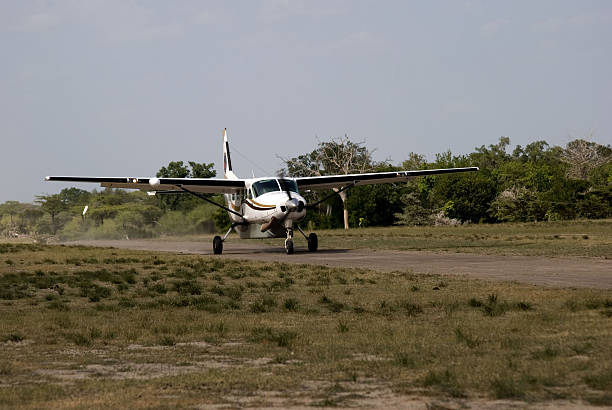
10-Day Selous, Mikumi And Ruaha Safari Guide
Discover the untamed beauty of southern Tanzania with a 10-day safari combining Selous Game Reserve, Mikumi National Park, and Ruaha National Park. This itinerary offers a comprehensive...
View package details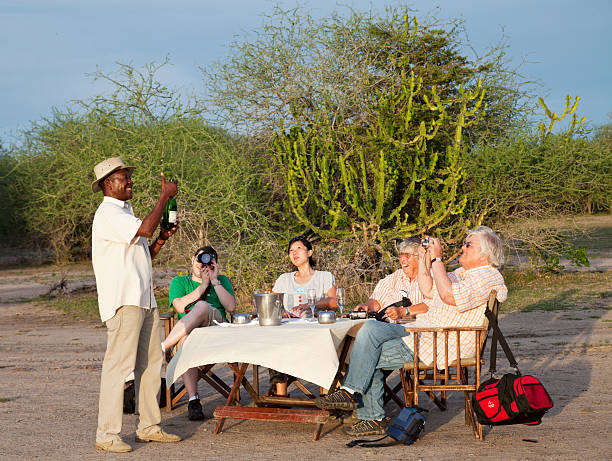
10-Day Nyerere, Ruaha & Zanzibar Package: Ultimate Southern Tanzania Adventure
Discover the best of Southern Tanzania with a meticulously crafted 10-day package combining the vast wilderness of Nyerere National Park (formerly Selous) and Ruaha National Park with the...
View package details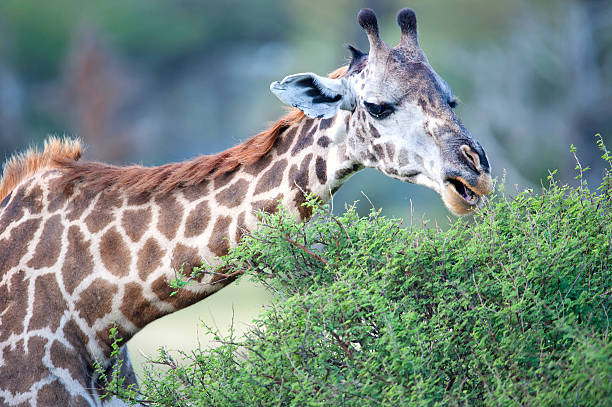
10-Day Southern Tanzania Safari And Beach Holiday 2026-2027
Discover the ultimate 10-day Southern Tanzania safari and beach holiday, blending the wild wonders of Selous and Ruaha with the serene shores of Zanzibar or Mafia Island. Perfect for...
View package details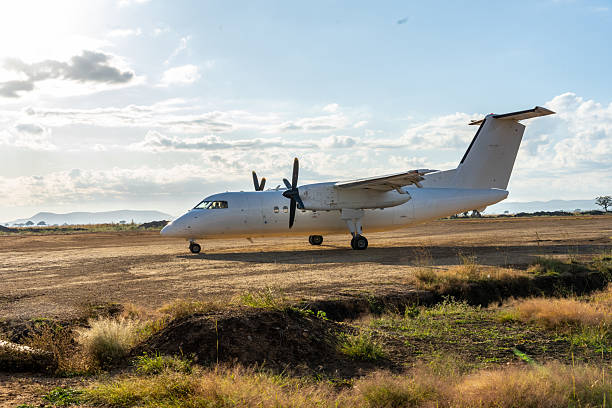
9-Day Mikumi, Nyerere And Zanzibar Tour: The Ultimate Southern Tanzania
Discover the magic of Southern Tanzania with a 9-day journey through Mikumi National Park, Nyerere National Park (formerly Selous Game Reserve), and the spice island of Zanzibar. This tour...
View package details
9-Day Selous Glamping And Spice Island Holiday: Your Ultimate Tanzania Escape
Combine the thrill of a luxury glamping safari in Selous Game Reserve with the serene beauty of Zanzibar's Spice Islands on this 9-day Tanzania adventure. Perfect for 2026-2027 planning.
View package details9-Day Nyerere Safari And Zanzibar Package: Ultimate Southern Tanzania
Discover the best of Tanzania's southern circuit with a 9-day Nyerere Safari and Zanzibar package. Experience thrilling game drives in Nyerere National Park, once known as Selous, followed...
View package details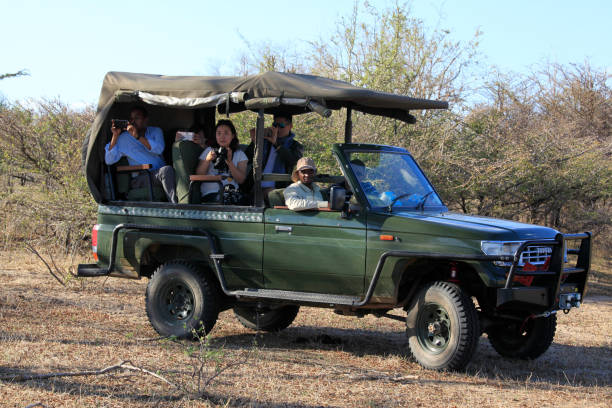
8-Day Nyerere Family Safari: The Ultimate Tanzania Adventure 2026-2027
Experience an unforgettable 8-day Nyerere Family Safari in Tanzania with Top Guide Adventures. This itinerary focuses on diverse wildlife, stunning landscapes, and family-friendly...
View package details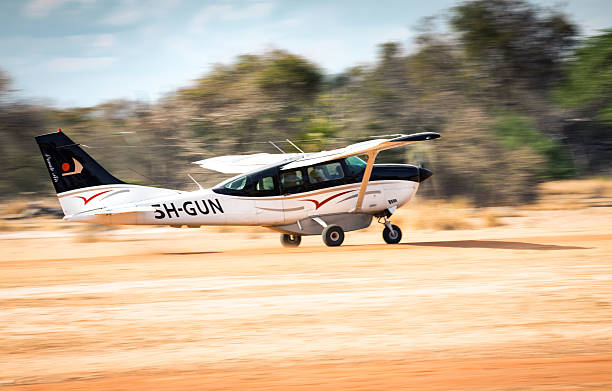
8-Day Selous Safari And Zanzibar Holiday: Your Ultimate Tanzania Adventure
An 8-day adventure perfectly blending the wild heart of Selous Game Reserve with the tropical allure of Zanzibar. This itinerary offers an unforgettable Tanzanian experience, combining...
View package details
8-Day Southern Tanzania Luxury Safari: Selous & Ruaha 2026-2027
An 8-day luxury safari through Southern Tanzania's Selous Game Reserve and Ruaha National Park offers an unparalleled wildlife experience. This itinerary focuses on exclusive lodges...
View package detailsNo related package matches those filters. Clear one or more filters to see the other topic-matched options.



