
The Ngorongoro Crater is a UNESCO World Heritage Site in Tanzania, famous for its incredible concentration of wildlife within a collapsed volcanic caldera, offering exceptional safari experiences and opportunities to see the ‘Big Five’ in a single day, making it a must-visit for any 2026-2027 Tanzania adventure.
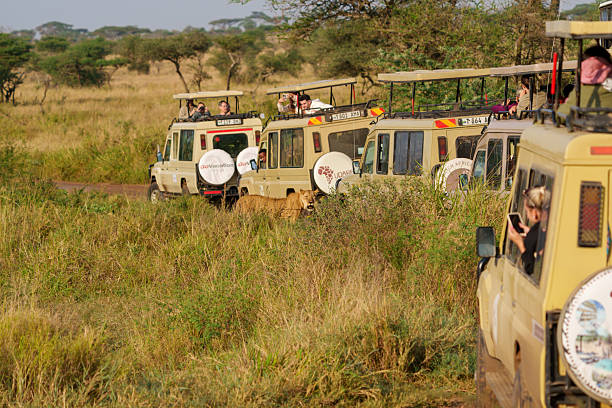
Ngorongoro Crater: A Natural Wonder and Wildlife Spectacle
The Ngorongoro Conservation Area (NCA) is more than just the famous crater; it’s a vast, protected landscape in northern Tanzania, home to a unique ecosystem that supports an astonishing array of wildlife. At its heart lies the Ngorongoro Crater, a geological marvel and one of the most biodiverse places on Earth. This massive volcanic caldera, spanning approximately 19 kilometers (12 miles) in diameter, plunges to a depth of about 600 meters (2,000 feet). Its floor, a rich mix of grassland, acacia woodlands, swamps, and a soda lake, provides a year-round habitat for an estimated 25,000 large animals. For travelers planning their African safari for 2026 or 2027, the Ngorongoro Crater stands out as a premier destination, promising close-up encounters with iconic African wildlife in a truly spectacular setting.
Unlike many other safari destinations where wildlife migration dictates sightings, the Ngorongoro Crater boasts a resident population of animals, ensuring that incredible game viewing is possible throughout the year. This makes planning a safari for specific dates in 2026 or 2027 relatively straightforward, as the wildlife is consistently present. The sheer density of animals is astounding; you can often spot lions, elephants, rhinos, buffaloes, and hippos, along with numerous other species like wildebeest, zebras, gazelles, hyenas, and a variety of birdlife, all within the confines of the crater floor. The chance to see the endangered black rhinoceros, a notoriously elusive creature, is a significant draw for visitors.
The unique environment of the crater, with its steep walls acting as a natural enclosure, concentrates wildlife in a way that is rarely seen elsewhere. This geographical feature contributes to the high success rates for spotting animals, even for those on shorter safari trips. For many, a visit to the Ngorongoro Crater is the highlight of their Tanzanian safari, offering a condensed yet profoundly rewarding wildlife experience that sets it apart from the more expansive plains of the Serengeti.
Why the Ngorongoro Crater is a Top Safari Destination
The allure of the Ngorongoro Crater lies in its unique combination of natural beauty and abundant wildlife. Its status as a UNESCO World Heritage Site underscores its global significance, not just for its ecological value but also for its cultural importance, as it is also home to the Maasai people, who share the landscape with the wildlife.
Unrivaled Wildlife Density: The primary reason for the crater’s fame is the sheer number of animals that inhabit its floor. Estimates suggest that over 25,000 animals reside within this relatively small area. This density means that game drives are highly productive, with sightings often occurring within minutes of descending into the crater. The concentration is so high that it’s possible to see a remarkable diversity of species in a single day.
The ‘Big Five’ in One Day: For many safari-goers, the ultimate goal is to spot the ‘Big Five’ – the lion, leopard, elephant, rhino, and buffalo. While leopards can be more reclusive, the Ngorongoro Crater offers some of the best chances in Africa to see all five within a single game drive, especially given the presence of the critically endangered black rhino, which is more visible here than in many other protected areas.
Spectacular Scenery: The crater itself is a impressive sight. Descending the steep escarpment into the caldera reveals a vast, verdant landscape dotted with acacia trees, a shimmering soda lake, and open grasslands. The panoramic views from the crater rim are simply stunning, offering a dramatic backdrop to the wildlife encounters below.
Year-Round Accessibility: Unlike areas heavily influenced by the Great Migration, the Ngorongoro Crater maintains a resident animal population throughout the year. This means that regardless of when you plan your safari in 2026 or 2027, you are almost guaranteed excellent wildlife viewing opportunities. While certain periods might offer slightly different animal behaviors (e.g., calving season), the crater is always teeming with life.
Cultural Significance: The Ngorongoro Conservation Area is unique in that it allows human habitation within its boundaries, primarily by the Maasai people. Visitors can learn about their traditional way of life, their relationship with the land, and their efforts to coexist with wildlife. This cultural dimension adds another layer of richness to the safari experience.
Accessibility and Logistics: The crater is relatively easy to access, typically incorporated into northern circuit safaris that also include the Serengeti National Park and Tarangire National Park. Its proximity to Arusha, the main gateway city for Tanzanian safaris, makes it a convenient and logical stop.
Planning Your Ngorongoro Crater Safari for 2026-2027
A successful Ngorongoro Crater safari requires careful planning, especially when booking for future years like 2026 and 2027. Understanding the best times to visit, accommodation options, and the logistics involved will ensure a smooth and memorable trip.
Best Time to Visit Ngorongoro Crater
While the Ngorongoro Crater offers excellent game viewing year-round due to its resident wildlife population, certain periods might be more favorable depending on your preferences. For 2026 and 2027, consider these factors:
- Dry Seasons (June to October and December to February): These are generally considered peak safari seasons. The vegetation is less dense, making wildlife easier to spot. Water sources become scarcer, concentrating animals around the available waterholes, particularly on the crater floor. This is also a popular time for international tourists, so expect higher prices and more crowds. Booking well in advance for 2026-2027 is crucial for these periods.
- Green Season (March to May): This period sees the start of the long rains, transforming the landscape into lush green scenery. While game viewing can be slightly more challenging due to thicker vegetation and scattered animals, it offers a more photographic environment with fewer tourists and lower prices. The Ngorongoro Crater’s floor, however, remains a magnet for wildlife. Birdwatching is also at its best during this time.
- Shoulder Seasons (Late May/Early June and November): These months can offer a good balance, with decent game viewing, fewer crowds than peak season, and potentially better prices.
For specific events, the calving season for wildebeest and zebras typically occurs in the Serengeti around February, and while the crater is not part of the main migration route, the presence of these herbivores influences predator activity. For 2026-2027, booking your safari between June and October or during the December to February dry spells will offer the most predictable and abundant game viewing, though the crater’s unique ecosystem ensures good sightings anytime.
Getting to the Ngorongoro Crater
The Ngorongoro Crater is part of the larger Ngorongoro Conservation Area (NCA) and is typically accessed as part of a Northern Circuit safari in Tanzania. The most common starting point is Arusha, located about 180 kilometers (112 miles) east of the conservation area.
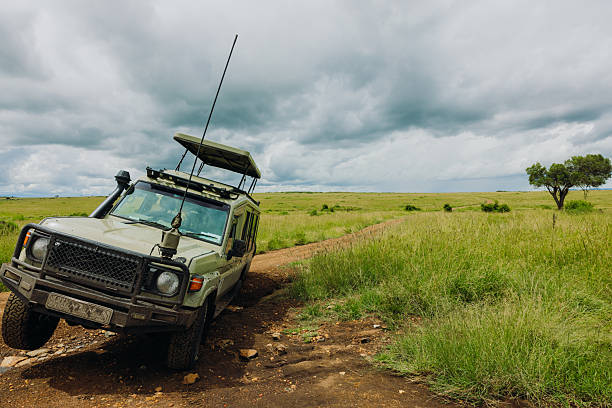
- By Road: The most popular method is by 4×4 safari vehicle. The drive from Arusha to the Ngorongoro Conservation Area entrance gate takes approximately 3-4 hours. From the gate, it’s another hour or so to reach the crater rim lodges or the descent road to the crater floor. Top Guide Adventures operates comfortable, custom-built 4×4 safari vehicles with pop-up roofs for optimal game viewing.
- By Air: For those with limited time or seeking a more exclusive experience, light aircraft flights can be chartered from Arusha Airport (ARK) to the nearby Manyara Airstrip (LKY) or the Karatu airstrip. From there, a road transfer to the crater rim or lodges can be arranged. This option significantly reduces travel time but increases the overall cost of the safari.
When planning your 2026-2027 trip, discuss your preferred mode of transport with your tour operator. Road travel is standard for most safaris and allows for flexibility and the opportunity to see the changing landscapes.
Accommodation Options Around the Crater
Accommodation options around the Ngorongoro Crater range from luxury lodges perched on the crater rim with unparalleled views to more budget-friendly lodges and tented camps in the nearby town of Karatu or within the conservation area itself. Booking accommodation, especially for rim lodges, is essential and should be done many months in advance for 2026-2027 trips, particularly during peak seasons.
- Crater Rim Lodges: These offer the ultimate Ngorongoro experience, providing direct access to the crater floor and stunning panoramic views. Examples include the Ngorongoro Serena Safari Lodge, Ngorongoro Wildlife Lodge, and the exclusive Ngorongoro Crater Lodge. Staying here means you can descend into the crater early in the morning, maximizing your wildlife viewing time.
- Karatu Lodges and Tented Camps: Located a short drive (around 30-45 minutes) from the crater descent, these offer a wide range of options from mid-range to luxury. They often provide a more tranquil setting away from the immediate crater rim bustle. Options include the Gibbs Farm, Plantation Lodge, and various tented camps.
- Inside the Conservation Area (Non-Rim): Some lodges and camps are situated within the NCA but not directly on the rim, offering a good balance of accessibility and a more secluded feel.
Top Guide Adventures can help you select the perfect accommodation based on your budget and preferences for your 2026-2027 safari. Whether you seek the convenience of a rim lodge or the tranquility of a Karatu retreat, we ensure your stay complements your Ngorongoro experience.
Costs and Budget Considerations for 2026-2027
The cost of a Ngorongoro Crater safari can vary significantly based on accommodation choices, safari duration, group size, and the season of travel. For 2026-2027 planning, it’s important to understand the key cost components:
- Park Fees: The Ngorongoro Conservation Area Authority (NCAA) charges daily conservation fees per person and vehicle fees. These are mandatory and contribute to wildlife conservation and local community development. For 2026-2027, expect these fees to be substantial and are usually included in your safari package price.
- Accommodation: This is often the largest cost component. Luxury rim lodges are significantly more expensive than mid-range lodges in Karatu.
- Vehicle and Guide: A private 4×4 safari vehicle and experienced driver-guide are essential. The cost is typically per vehicle per day.
- Crater Descent Fee: There is an additional fee for vehicles entering the crater floor, which is separate from the general conservation fee.
- Food and Drinks: While meals are usually included in safari packages, drinks (especially alcoholic beverages) are often extra.
- Tipping: It’s customary to tip your guide.
A typical 3-day/2-night safari that includes a full day in the Ngorongoro Crater, often combined with Lake Manyara National Park, might range from $700 to $2,500+ per person, depending on the level of accommodation and group size. For a more precise quote for your 2026-2027 adventure, please contact Top Guide Adventures via WhatsApp +255616946642 or Email topguideadventures@gmail.com.
What to Expect on a Ngorongoro Crater Game Drive
A game drive on the Ngorongoro Crater floor is an experience like no other. The moment your safari vehicle descends the steep walls, you enter a world teeming with life, offering unparalleled opportunities for wildlife observation.
The Descent and the Crater Floor
The drive down into the crater is an adventure in itself. The road winds its way down the steep, verdant slopes, offering glimpses of the vast expanse that awaits. Once on the floor, the landscape opens up into a mosaic of short-grass plains, acacia woodlands, marshy areas, and the shimmering, alkaline Lake Magadi. The sheer scale of the caldera is impressive, and the feeling of being within this natural amphitheater is unique.
Wildlife Encounters
The density of animals on the crater floor is remarkable. Within minutes of starting your drive, you’re likely to encounter herds of wildebeest and zebras grazing side-by-side. Herds of buffalo are common, often seen wallowing in muddy patches or grazing peacefully. Elephants, including large bulls with impressive tusks, are also resident in the crater, though they tend to be found more in the forested areas.
Predator Sightings: The Ngorongoro Crater is a prime location for spotting predators. Lions are abundant and often seen lounging by the roadside or hunting. Cheetahs can be spotted on the open plains, and hyenas are frequently seen scavenging or hunting. The elusive leopard is more challenging to find, typically preferring the denser woodlands near the crater walls.
The Black Rhinoceros: One of the most sought-after sightings is the endangered black rhino. The crater floor is home to a healthy population, and while they can be shy, your guide will know the best areas and times to search for them. Seeing a rhino in its natural habitat is a truly special moment.
Birdlife: The crater is also a haven for birdwatchers. Lake Magadi attracts flamingos, pelicans, and various waterbirds. You’ll also see ostriches, secretary birds, kori bustards, and numerous smaller species.
The Crater Rim and Views
While the main action is on the crater floor, the views from the rim are spectacular. Many lodges are situated here, offering incredible vistas. There are designated viewpoints along the rim where you can stop to take in the panorama. It’s worth noting that overnight stays on the crater rim are generally more expensive but provide unmatched convenience and views.
Picnic Lunches
Most Ngorongoro Crater game drives last for a full day, including a stop for a picnic lunch. These are often set up at designated picnic sites, offering a chance to stretch your legs and enjoy your meal surrounded by the sounds and sights of the African bush. Some sites are located near hippo pools, providing additional entertainment.
Rules and Regulations
To protect this fragile ecosystem, the Ngorongoro Conservation Area Authority (NCAA) enforces strict rules:
- Time Limits: Vehicles are typically limited to a maximum of 6 hours on the crater floor.
- Speed Limits: Speed limits are enforced to ensure safety and minimize disturbance to wildlife.
- No Off-Road Driving: Driving off designated tracks is prohibited.
- Waste Disposal: All litter must be carried out of the crater.
- Noise Levels: Keeping noise to a minimum is encouraged.
Your guide will ensure all regulations are followed, contributing to the preservation of this unique natural wonder for future generations, including those planning trips in 2026 and 2027.
Beyond the Crater: Exploring the Ngorongoro Conservation Area
While the Ngorongoro Crater is the main attraction, the wider Ngorongoro Conservation Area (NCA) offers diverse experiences that complement a safari. This unique area is managed by the NCAA and is notable for being the only protected area in Tanzania where conservation and human habitation coexist.
The Maasai People and Cultural Visits
The Maasai are semi-nomadic pastoralists who have inhabited this region for centuries. Their traditional way of life, centered around cattle herding, is deeply intertwined with the landscape. Visiting a Maasai village or cultural boma offers a fascinating glimpse into their customs, social structures, and beliefs. These visits, often arranged as part of a safari, provide an opportunity to learn about their beadwork, dances, and daily routines. It’s important to approach these interactions with respect and an open mind.
Top Guide Adventures can arrange respectful and authentic Maasai cultural experiences as part of your 2026-2027 itinerary. We work with communities to ensure that visits are mutually beneficial and educational.
Other Attractions within the NCA
The NCA is a vast area that includes more than just the famous crater:
- Olduvai Gorge: Known as the ‘Cradle of Mankind,’ this archaeological site is where some of the earliest human fossils have been discovered, including those of Homo habilis and Homo erectus. A visit to the museum here provides insight into early human evolution.
- Lake Manyara National Park: While often visited as a separate destination, Lake Manyara is adjacent to the NCA and can be combined with Ngorongoro. It’s famous for its tree-climbing lions, large elephant herds, and abundant birdlife, especially flamingos on the lake’s edge.
- Empakaai Crater: A smaller, more heavily forested crater than Ngorongoro, Empakaai offers stunning views and a beautiful soda lake at its center. Access requires a guided walk down, often with Maasai guides, and offers a more off-the-beaten-path experience.
- Olmoti Crater: Known for its waterfalls and the Maasai name meaning ‘salt lick,’ Olmoti is less visited but offers beautiful scenery and a chance for walking safaris with rangers.
- Ndutu Plains: During the green season (typically December to March), the southern part of the NCA, bordering the Serengeti, becomes a crucial part of the Great Migration, especially for wildebeest calving. This area offers incredible predator action during this period.
Incorporating these elements into your 2026-2027 safari can create a richer and more varied experience, showcasing the full diversity of the Ngorongoro Conservation Area.
What to Pack for Your Ngorongoro Crater Safari
Packing wisely is crucial for comfort and enjoyment on your Ngorongoro Crater safari. The weather can vary, and practicality is key. Here’s a guide for your 2026-2027 adventure:
- Clothing: Pack lightweight, breathable clothing in neutral colors (khaki, beige, olive green). Avoid bright colors that might startle wildlife and dark colors that attract tsetse flies. Include long-sleeved shirts and trousers for sun protection and cooler evenings. A fleece or warm jacket is essential for early mornings and evenings, especially at the crater rim.
- Footwear: Comfortable walking shoes or hiking boots are recommended if you plan any walking safaris or hikes. Lightweight trainers or sandals are suitable for lodges.
- Headwear: A wide-brimmed hat or cap is vital for sun protection.
- Eyewear: Sunglasses are a must.
- Sun Protection: High SPF sunscreen, lip balm with SPF.
- Insect Repellent: Especially important for evenings and areas near water.
- Camera and Binoculars: Essential for capturing memories and spotting distant wildlife. Bring extra batteries and memory cards.
- Personal Items: Prescription medications, basic first-aid kit, hand sanitizer, wet wipes.
- Adapter: For charging electronics (most lodges have 220v power).
- Small Backpack: For carrying essentials during game drives (water, camera, jacket).
Top Guide Adventures can provide a more detailed packing list tailored to your specific safari itinerary for 2026-2027.
Photography Tips for Ngorongoro Crater
The Ngorongoro Crater is a photographer’s paradise. To make the most of your photo opportunities in 2026-2027, consider these tips:
- Best Light: The ‘golden hours’ – early morning and late afternoon – offer the most beautiful light for photography. The crater floor is often shrouded in mist in the early morning, adding a dramatic effect.
- Telephoto Lens: A lens with a good zoom range (e.g., 70-300mm or longer) is essential for capturing wildlife details from a safe distance.
- Wide-Angle Lens: Useful for landscape shots of the crater and capturing animals in their environment.
- Beanbag: A beanbag can be invaluable for stabilizing your camera when shooting from the safari vehicle.
- Settings: Understand your camera’s settings for low light (early morning) and fast-moving subjects (predators). Shutter speed is crucial for freezing action.
- Patience: Wildlife photography requires patience. Wait for the right moment, the perfect pose, or a behavioral interaction.
- Respect Wildlife: Never disturb animals for a photo. Maintain a safe distance and let them behave naturally. Your guide will help you find the best vantage points while respecting the animals.
Sustainable Tourism in Ngorongoro
As a visitor to the Ngorongoro Crater, you play a role in its preservation. Sustainable tourism practices are vital for protecting this unique ecosystem and supporting the local communities.
- Choose Responsible Tour Operators: Select companies like Top Guide Adventures that are committed to eco-friendly practices, support local communities, and adhere to conservation guidelines.
- Respect Wildlife: Maintain a safe distance from animals, never feed them, and avoid making loud noises that could disturb them.
- Minimize Your Footprint: Stick to designated paths, avoid littering, and conserve water and energy at your accommodation.
- Support Local Communities: Purchase authentic handicrafts directly from artisans and consider visiting cultural bomas that offer genuine insights into local life.
- Follow Park Rules: Adhere to all regulations set by the Ngorongoro Conservation Area Authority to ensure the protection of the environment and its inhabitants.
By traveling responsibly, you contribute to ensuring that the Ngorongoro Crater remains a vibrant and protected natural wonder for years to come, benefiting both wildlife and future visitors in 2026, 2027, and beyond.
Frequently Asked Questions about Ngorongoro Crater
Q1: Is Ngorongoro Crater worth the cost?
Yes, for most travelers, the Ngorongoro Crater is absolutely worth the cost. Its unparalleled wildlife density, the chance to see the ‘Big Five’ including the rare black rhino, and the sheer scenic beauty of the caldera make it a unique and highly rewarding safari destination. The fees contribute to conservation and local communities, ensuring its preservation.
Q2: How many days are needed for Ngorongoro Crater?
A minimum of one full day is required to explore the crater floor. However, to fully appreciate the area and combine it with other attractions within the Ngorongoro Conservation Area (like Olduvai Gorge or a Maasai village visit), a stay of 2 to 3 days is highly recommended. Many Northern Circuit safaris allocate 1-2 nights in the area.
Q3: Can you see the Great Migration in Ngorongoro Crater?
No, the Great Migration primarily takes place in the wider Serengeti ecosystem. While animals from the migration may wander into the NCA, the Ngorongoro Crater itself has a resident population of wildlife that does not migrate in the same way. The Ndutu Plains, bordering the crater and Serengeti, are part of the migration’s calving grounds from December to March.
Q4: What is the best month to visit Ngorongoro Crater?
The best months for wildlife viewing are generally during the dry seasons: June to October and December to February. However, the crater’s high resident wildlife population means good sightings are possible year-round. For fewer crowds and lush scenery, the green season (March-May) is an option, though game spotting can be slightly more challenging.
Q5: Are there predators in Ngorongoro Crater?
Yes, the Ngorongoro Crater is home to a rich variety of predators, including lions, spotted hyenas, cheetahs, and jackals. Leopards are present but more elusive, preferring the forested areas. The high density of prey animals supports a thriving predator population.
Q6: What are the accommodation options like?
Accommodation ranges from luxurious lodges perched on the crater rim with spectacular views to comfortable mid-range and budget lodges and tented camps located in the nearby town of Karatu or within the conservation area. Booking in advance, especially for 2026-2027, is highly advised.
Ready for Your 2026-2027 Ngorongoro Crater Adventure?
The Ngorongoro Crater offers an unparalleled safari experience, blending impressive landscapes with an astonishing abundance of wildlife. Whether you dream of witnessing the ‘Big Five’ in a single day or simply soaking in the unique beauty of this natural wonder, planning your trip for 2026 or 2027 is the first step towards an unforgettable journey. Top Guide Adventures specializes in crafting personalized Tanzanian safari experiences, including comprehensive Ngorongoro Crater tours. We handle all the logistics, from accommodation and park fees to expert guiding, ensuring a smooth and memorable adventure. Contact us today to start planning your dream safari!
Reach us:
WhatsApp: +255616946642
Email: topguideadventures@gmail.com
Backup Email: info@topguideadventures.com
Let us help you create your perfect Ngorongoro Crater safari for 2026-2027.
Check Availability for Ngorongoro Crater Safari: Your Ultimate Guide For Adventures 2026-2027
Ready to compare dates, prices, and the best option for your group? Send the package name and travel month so the team can reply with a clear quote, availability, and what is included.

December Kilimanjaro And Safari Holiday: Your Ultimate Guide 2026-2027
Discover the magic of a December Kilimanjaro and Safari holiday in Tanzania. This comprehensive guide covers everything from choosing the right Kilimanjaro route and safari destinations to...
View package details
November Kilimanjaro And Safari Package: Your Ultimate Tanzania Adventure
Explore comprehensive details for a November Kilimanjaro and Safari package in Tanzania, covering the best routes, packing essentials, safari experiences, and planning tips for 2026-2027...
View package details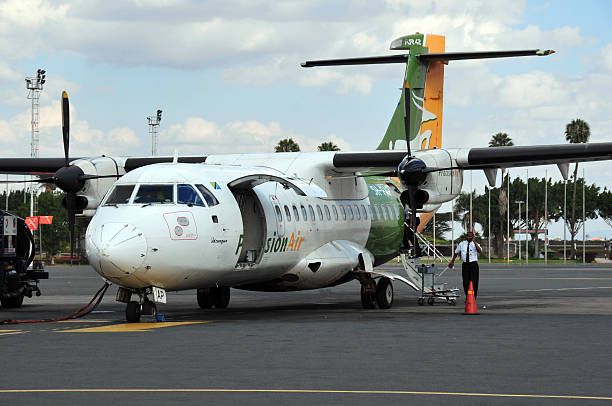
October Kilimanjaro And Tanzania Safari: Your Ultimate Guide 2026-2027
Combining a Kilimanjaro climb with a Tanzania safari in October offers incredible opportunities. This guide details the best routes, wildlife viewing, weather patterns, and essential...
View package details
September Kilimanjaro Climb & Cultural Safari: Your Guide 2026-2027
This comprehensive guide covers everything you need to know for a September Kilimanjaro climb combined with a cultural safari in Tanzania, including optimal routes, packing lists, weather...
View package details
September Kilimanjaro And Serengeti Migration Safari : Your Ultimate Guide
Combining a Kilimanjaro climb with a Serengeti Migration safari in September offers unparalleled wildlife viewing and trekking opportunities. This guide details the best of both experiences...
View package details
August Kilimanjaro Climb With River-Crossing Safari: Your Ultimate Tanzania
Combine the challenge of climbing Mount Kilimanjaro in August with the thrill of witnessing the Great Migration river crossings on a safari. This guide covers itineraries, routes, packing...
View package details
August Kilimanjaro And Migration Safari: Your Ultimate Tanzania Adventure
Combine a Kilimanjaro trek with witnessing the Great Migration in August for an unforgettable Tanzania adventure. This guide covers everything you need to know for your 2026-2027 trip.
View package detailsNo related package matches those filters. Clear one or more filters to see the other topic-matched options.



