
A September Kilimanjaro and Serengeti Migration safari in 2026-2027 combines the best of Tanzania’s natural wonders, offering dry trekking conditions on Kilimanjaro and prime viewing of the Great Migration in the northern Serengeti. This period is ideal for tackling Kilimanjaro’s summit before the short rains, and witnessing the vast herds of wildebeest and zebra as they move towards the western or northern corridor, often crossing rivers. Expect clear skies, cooler temperatures on the mountain, and abundant wildlife on safari, making it a peak season for a comprehensive Tanzanian adventure.

Why September is Prime Time for Kilimanjaro and Serengeti
Choosing September for your Kilimanjaro and Serengeti Migration safari is a strategic decision that pays dividends in experience. Tanzania experiences distinct seasons, and September falls squarely within the dry season, which significantly enhances both aspects of this iconic dual adventure. For trekkers aiming for Kilimanjaro’s summit, the dry weather means clearer trails, better visibility, and a more comfortable ascent. For safari enthusiasts focused on the Great Migration, September is a critical month for observing the dramatic river crossings or the immense congregations of animals in the western and northern Serengeti regions.
The weather patterns in Tanzania are generally divided into two main seasons: the long rains (March to May) and the dry season (June to October). September sits at the tail end of the main dry season, often characterized by sunny days, minimal rainfall, and comfortable temperatures, especially at higher altitudes like Kilimanjaro. This stability is crucial for a successful and enjoyable climb, minimizing the risk of weather-related disruptions. On the safari front, the dry conditions concentrate wildlife around permanent water sources, making sightings more predictable and spectacular. The Great Migration, a constant, dynamic movement, is often at a particularly compelling stage in September.
Planning a trip for 2026 or 2027 requires understanding these seasonal advantages. Early booking is highly recommended, especially for September departures, as it’s a popular month. Top Guide Adventures specializes in crafting smooth itineraries that maximize your experience during this optimal period, ensuring you benefit from the best of both Kilimanjaro and the Serengeti Migration.
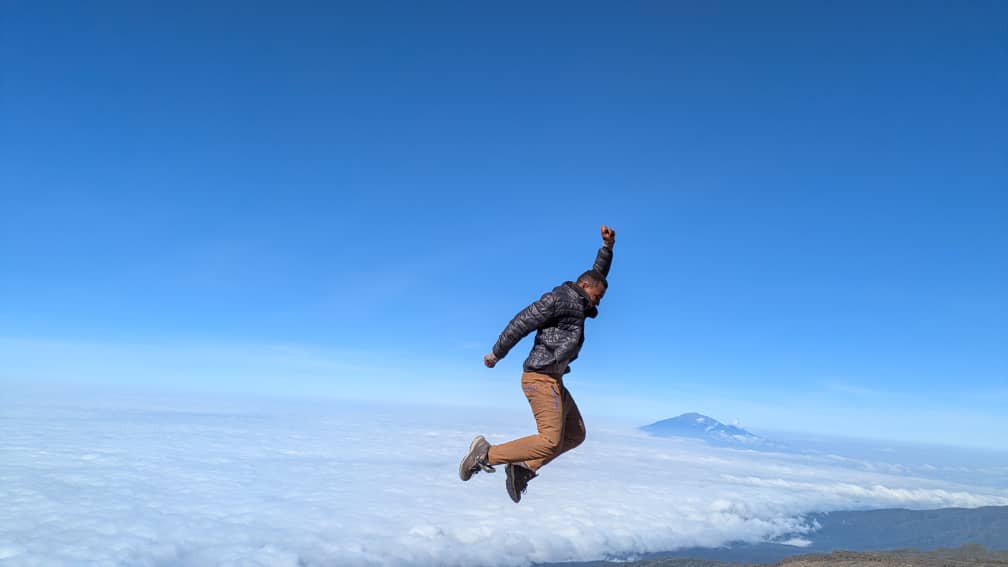
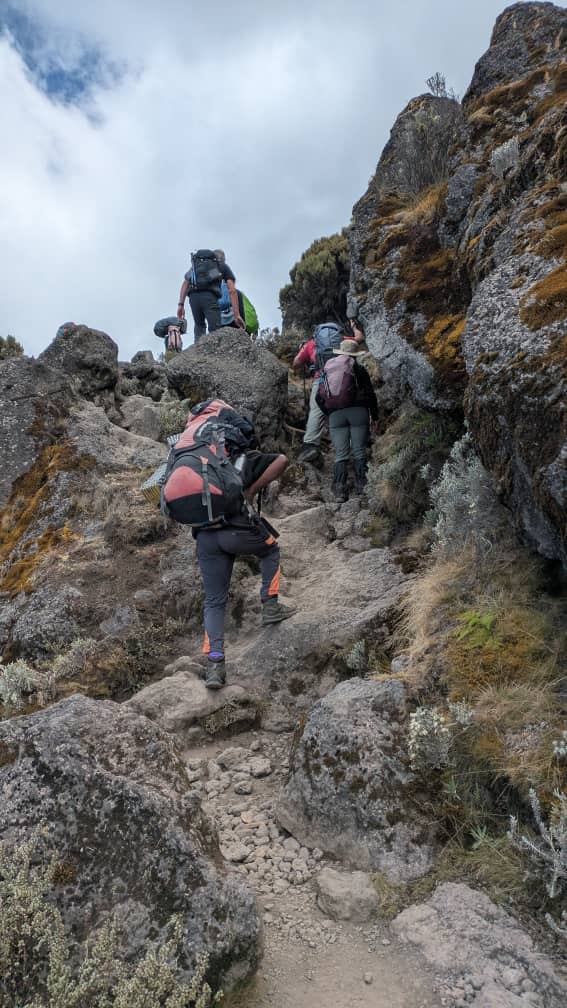
Kilimanjaro in September: Clear Skies and Summit Success
Climbing Kilimanjaro in September offers some of the most favorable conditions for reaching Uhuru Peak. The mountain’s weather is typically stable during this month, characterized by:
- Clear Skies: Expect bright, sunny days with excellent visibility. This means stunning panoramic views from the higher camps and the summit, a crucial factor for both enjoyment and safety.
- Low Rainfall: September is part of the dry season. While brief, isolated showers can occur at lower altitudes, the higher slopes and summit area are generally dry, keeping trails less muddy and more predictable.
- Cool Temperatures: Daytime temperatures can be pleasant, but nights and summit days are cold, often dropping well below freezing. Proper layering is essential, but the lack of rain makes the cold more manageable.
- Good Trail Conditions: Dry trails are less prone to erosion and mudslides, making the trek safer and more comfortable.
Several routes are popular for climbing Kilimanjaro, each offering a different experience and acclimatization profile. For a September climb, routes like the Machame, Lemosho, and Marangu are excellent choices. The Machame Route, known for its scenic beauty and good acclimatization, is a favorite. The Lemosho Route offers a longer, more remote experience with superior acclimatization, often considered the best for summit success. The Marangu Route, or ‘Coca-Cola’ route, is the only one with hut accommodations, offering a different level of comfort.
Choosing the right route is vital for acclimatization and enjoyment. For 2026-2027, consider these factors when selecting your Kilimanjaro route for a September climb:
- Duration: Longer routes (7-8 days) generally offer better acclimatization and higher success rates.
- Scenery: Some routes traverse more diverse landscapes than others.
- Crowds: September can be busy. Some routes are less crowded than others, especially in the initial days.
- Comfort: Marangu offers huts, while all other routes involve camping.
Top Guide Adventures provides expert guidance on selecting the best route for your fitness level and preferences, ensuring your Kilimanjaro ascent in September 2026 or 2027 is as safe and rewarding as possible. We focus on small group sizes and experienced guides to maximize your chances of reaching the summit.
Kilimanjaro Route Options for September Climbs
When planning your September Kilimanjaro and Serengeti Migration Safari, the choice of Kilimanjaro route is paramount. Each route presents unique challenges, scenery, and acclimatization benefits. For the dry, clear conditions of September 2026-2027, certain routes stand out for their suitability.
Popular Kilimanjaro Routes in September
| Route | Typical Duration (Days) | Acclimatization | Scenery | Accommodation | Pros for September |
|---|---|---|---|---|---|
| Machame | 6-7 | Good (Circumnavigates) | Excellent, diverse landscapes | Camping | Popular, good success rate, beautiful |
| Lemosho | 7-8 | Very Good (Longer) | Spectacular, remote start | Camping | Highest success rate, fewer crowds initially |
| Marangu | 5-6 | Moderate (Steeper ascent) | Less varied, direct | Huts | Comfortable accommodation, faster option (lower success rate) |
| Northern Circuit | 9-10 | Excellent (Slowest) | Most scenic, diverse | Camping | Highest success rate, uncrowded, longest trek |
| Umbwe | 6-7 | Challenging (Steep) | Steepest, most direct | Camping | For experienced trekkers, less crowded |
For a September climb, the Lemosho Route (7-8 days) and the Northern Circuit (9-10 days) are often recommended by Top Guide Adventures for their superior acclimatization profiles, which significantly boost summit success rates. The Machame Route (6-7 days) remains a strong contender for its balance of scenery and accessibility. While the Marangu Route is shorter, its steeper ascent profile can make acclimatization more challenging, potentially reducing summit success chances, especially for less experienced trekkers in 2026-2027.
The Great Migration in September: A Spectacle of Nature
September is a phenomenal month to witness the Great Migration in the Serengeti. The vast herds of wildebeest and zebras are typically found in the western and northern Serengeti during this period. This phase of the migration is often characterized by:
- River Crossings: While the peak of the Mara River crossings often occurs in August and early September, there’s still a strong possibility of witnessing these dramatic events as the herds move north or consolidate in the northern Serengeti. The Grumeti River can also present significant crossing opportunities earlier in the month.
- Vast Herds in the North: By mid-to-late September, the majority of the migration usually settles in the northern Serengeti, particularly around the Mara River basin. This area offers lush grazing, and the sheer number of animals is astounding.
- Predator Activity: With such a concentration of prey, predator sightings (lions, leopards, cheetahs, hyenas) are exceptionally high. This is prime time for observing the intricate predator-prey dynamics.
- Calving Season Aftermath: While the main calving season is earlier in the year, the herds are in excellent condition, and the landscape is vibrant, offering a rich safari experience.
The northern Serengeti, including areas like Kogatende and Lamai Wedge, becomes a focal point for migration viewing in September. These areas are known for their dramatic river landscapes and the high density of wildebeest, zebras, and predators. Staying in lodges or tented camps in these regions provides direct access to the heart of the action.
When planning your September Kilimanjaro and Serengeti Migration Safari for 2026-2027, it’s crucial to time your safari portion to coincide with the migration’s expected location. Top Guide Adventures designs itineraries that place you in the best areas for migration viewing during September, maximizing your chances of witnessing this natural wonder.
Serengeti Safari Areas for September Migration Viewing
The Serengeti National Park is vast, and the movement of the Great Migration means different areas are optimal at different times. For September, the focus shifts north.
Key Serengeti Regions for September Migration
- Northern Serengeti (Kogatende, Lamai Wedge): This is the prime location for September. The Mara River meanders through this region, and the large herds often congregate here, seeking fresh grass and preparing for or undertaking river crossings. Predator sightings are exceptionally high due to the abundant prey.
- Western Corridor (Grumeti River): While the bulk of the migration may have moved north, there’s still potential for significant activity around the Grumeti River earlier in September. This river is also known for its large crocodiles, making crossings particularly dramatic.
- Central Serengeti (Seronera): While not the primary migration hotspot in September, Seronera always offers excellent resident wildlife viewing year-round, including big cats. It can serve as a transition point or a place to see animals that have remained behind.
Top Guide Adventures typically schedules safari portions in the Northern Serengeti for September departures to ensure clients are in the heart of the migration. This often involves game drives in custom-built safari vehicles, led by experienced guides who understand the animals’ behavior and the migration patterns.
Combining Kilimanjaro and Serengeti: The Logistics
Successfully combining a Kilimanjaro climb with a Serengeti Migration safari requires careful planning and logistics. The typical flow for a September Kilimanjaro and Serengeti Migration safari involves:
- Arrival in Tanzania: Most international flights arrive at Kilimanjaro International Airport (JRO).
- Kilimanjaro Climb: You’ll typically spend a day or two acclimatizing near Moshi or Arusha before starting your climb. The climb itself takes 6-10 days depending on the chosen route.
- Post-Climb Relaxation: After descending Kilimanjaro, you’ll need a day or two to rest and recover in Moshi or Arusha.
- Safari: You’ll then fly or drive to the Serengeti for your safari experience. A typical safari duration is 3-5 days.
- Departure: Depart from JRO or potentially a connecting flight from the Serengeti’s airstrip to a larger hub like Arusha or Nairobi.
The transition between the climb and the safari is crucial. Many travelers opt for a flight from Kilimanjaro or Arusha to a Serengeti airstrip (e.g., Kogatende or Seronera) to save time and maximize wildlife viewing. This is particularly beneficial for a September trip when time spent in the best migration areas is key.
For 2026-2027 bookings, Top Guide Adventures handles all these transfers, accommodations, and internal flights, creating a smooth journey. We ensure that your time is optimized for both the mountain challenge and the wildlife spectacle.
Sample Itinerary Flow for September Kilimanjaro and Serengeti Safari
Here’s a conceptual itinerary structure to illustrate how a trip combining Kilimanjaro and the Serengeti Migration in September might look. This is a flexible framework that can be customized.
Example 12-Day September Kilimanjaro & Serengeti Adventure (2026/2027)
| Day | Activity | Location | Notes |
|---|---|---|---|
| Day 1 | Arrival at Kilimanjaro International Airport (JRO) | Arusha/Moshi | Airport transfer, overnight at hotel, pre-climb briefing. |
| Day 2 | Kilimanjaro Climb: Machame Route – Day 1 | Machame Gate to Machame Camp | 3-4 hours trek, 5-7 km. Start your 7-day Machame climb. |
| Day 3 | Kilimanjaro Climb: Machame Route – Day 2 | Machame Camp to Shira Camp | 4-6 hours trek, 5-7 km. Ascend through rainforest. |
| Day 4 | Kilimanjaro Climb: Machame Route – Day 3 | Shira Camp to Barranco Camp | 5-7 hours trek, 10 km. Cross Lava Tower. |
| Day 5 | Kilimanjaro Climb: Machame Route – Day 4 | Barranco Camp to Karanga Camp | 3-5 hours trek, 5 km. Climb the Barranco Wall. |
| Day 6 | Kilimanjaro Climb: Machame Route – Day 5 | Karanga Camp to Barafu Camp | 3-5 hours trek, 4 km. Reach the base camp for summit night. |
| Day 7 | Kilimanjaro Climb: Machame Route – Day 6 (Summit Day) | Barafu Camp to Uhuru Peak, descend to Mweka Camp | 10-14 hours trek. Summit at sunrise, descend to Mweka Camp. |
| Day 8 | Kilimanjaro Climb: Machame Route – Day 7 | Mweka Camp to Mweka Gate | 3-5 hours trek. Descend through rainforest, receive certificate. Transfer to Moshi. |
| Day 9 | Safari: Fly to Serengeti | Northern Serengeti (Kogatende) | Morning transfer to Arusha Airport (ARK), flight to Kogatende Airstrip. Game drive en route to camp. |
| Day 10 | Safari: Full Day Northern Serengeti | Northern Serengeti | Morning and afternoon game drives focusing on the Great Migration and predators. |
| Day 11 | Safari: Full Day Northern Serengeti | Northern Serengeti | Continue exploring the migration in the Mara River area. Possible river crossings. |
| Day 12 | Safari: Morning Game Drive & Departure | Northern Serengeti to Kilimanjaro (JRO) | Final morning game drive, transfer to Kogatende Airstrip for flight to JRO for your international departure. |
This sample itinerary highlights the intensity and variety of experiences. Top Guide Adventures can tailor this for 2026-2027, adjusting durations, routes, and safari locations based on your specific interests and pace.
What to Pack for a September Kilimanjaro and Serengeti Safari
Packing correctly is essential for comfort and safety during your September Kilimanjaro and Serengeti Migration safari. You’ll need gear for two very different environments: the cold, alpine conditions of Kilimanjaro and the warmer, varied climate of the Serengeti.
Kilimanjaro Packing Essentials (September)
- Clothing: Layering is key. Include thermal base layers (merino wool or synthetic), fleece mid-layers, and a waterproof/windproof outer shell. Bring warm trousers, waterproof overtrousers, and comfortable hiking trousers.
- Footwear: Broken-in hiking boots are crucial. Bring camp shoes (sandals or trainers) and warm socks (wool).
- Headwear: A warm, insulated hat covering the ears, a sun hat with a brim, and a balaclava or neck gaiter for summit night.
- Handwear: Warm, waterproof gloves and liner gloves.
- Sleeping Gear: A warm sleeping bag (rated to -15°C or lower), a sleeping bag liner, and a sleeping mat (usually provided by tour operators).
- Accessories: Headlamp with extra batteries, sunglasses, sunscreen (high SPF), lip balm with SPF, water bottles or hydration reservoir (at least 3 liters capacity), water purification tablets or filter, gaiters, trekking poles, and a good quality backpack (50-70 liters) with a rain cover.
- Personal Items: High-energy snacks, personal first-aid kit, toiletries, hand sanitizer, and camera equipment.
Serengeti Safari Packing Essentials (September)
- Clothing: Lightweight, breathable clothing in neutral colors (khaki, beige, olive green). Long-sleeved shirts and trousers are good for sun protection and cooler evenings. Include a light jacket or fleece for early morning/late evening game drives.
- Footwear: Comfortable walking shoes or trainers. You won’t be doing much walking, but comfort is key for game drives.
- Headwear: A wide-brimmed hat or baseball cap for sun protection.
- Accessories: Sunglasses, high SPF sunscreen, insect repellent (especially for evenings), binoculars (essential for wildlife viewing), camera with zoom lens, power bank for charging devices, and a small daypack.
- Personal Items: Any necessary medications, hand sanitizer, wet wipes.
Top Guide Adventures provides detailed packing lists tailored to your specific itinerary for your 2026-2027 September Kilimanjaro and Serengeti Migration safari. We also offer rental of essential gear like sleeping bags and trekking poles.
Choosing Your Tour Operator: Top Guide Adventures
Selecting the right tour operator is critical for a successful and memorable September Kilimanjaro and Serengeti Migration safari. Top Guide Adventures stands out as one of Tanzania’s trusted local companies, offering:
- Local Expertise: Deep understanding of Kilimanjaro climbing and Serengeti wildlife, gained from years of operation on the ground.
- Personalized Service: Dedicated support and attention to detail for every client, ensuring your trip is tailored to your needs.
- Experienced Guides: Certified, knowledgeable guides for both Kilimanjaro treks and Serengeti safaris, committed to your safety and enjoyment.
- Quality Equipment: Reliable camping gear for Kilimanjaro and well-maintained safari vehicles for the Serengeti.
- Safety Focus: Prioritizing climber and traveler safety with comprehensive emergency protocols and oxygen supplies on the mountain.
- Ethical Operations: Commitment to fair treatment of porters and staff, and responsible tourism practices.
When planning your adventure for 2026-2027, partnering with Top Guide Adventures means you are choosing a company dedicated to providing exceptional experiences. We manage all the complexities, from airport transfers and hotel bookings to mountain permits, park fees, and internal flights, allowing you to focus on the journey.
We offer a range of options, from group departures to private tailor-made journeys. Whether you’re looking for a challenging climb on a specific Kilimanjaro route or a family-friendly safari experience in the Serengeti, we can create the perfect itinerary. Our team is ready to answer your questions and help you plan the ultimate September Kilimanjaro and Serengeti Migration safari.
For inquiries about our September Kilimanjaro and Serengeti Migration Safari packages for 2026-2027, or to discuss a custom itinerary, please reach out to us:
Contact Top Guide Adventures
- WhatsApp: +255616946642
- Email: topguideadventures@gmail.com
- Backup Email: info@topguideadventures.com
- Website: www.topguideadventures.com
- Instagram: @top_guide_adventures
We look forward to helping you plan an unforgettable adventure combining Kilimanjaro’s majestic peak with the impressive spectacle of the Great Migration in September 2026 or 2027.
Pricing and Budget Considerations for 2026-2027
The cost of a September Kilimanjaro and Serengeti Migration safari can vary significantly based on several factors. Understanding these elements will help you budget effectively for your 2026-2027 trip. Key cost drivers include:
- Kilimanjaro Route and Duration: Longer routes with better acclimatization (like Lemosho or Northern Circuit) are generally more expensive due to more guide, porter, and park fee days. Shorter routes (like Marangu) can be less costly but may have lower summit success rates.
- Kilimanjaro Group Size: Private climbs are more expensive per person than joining a group departure.
- Kilimanjaro Operator: Local operators like Top Guide Adventures often provide better value and direct support compared to international agents who add markups. Quality of service, equipment, and guide experience also influences price.
- Serengeti Accommodation: Safari lodge or tented camp standards range from budget-friendly to luxury. High-end lodges in prime migration areas will command higher prices.
- Safari Duration: The number of days spent on safari directly impacts costs, including park fees, vehicle hire, and accommodation.
- Internal Flights: Flights between Kilimanjaro/Arusha and Serengeti airstrips add to the overall cost.
- Park Fees: Kilimanjaro National Park and Serengeti National Park fees are substantial and are typically included in tour packages.
- Time of Year: While September is a popular dry season month, it’s considered high season, meaning prices might be slightly higher than in the shoulder or low seasons.
For a September Kilimanjaro and Serengeti Migration Safari in 2026-2027, you can expect a range:
Estimated Cost Ranges (Per Person, Excluding International Flights)
| Component | Budget/Mid-Range | Comfort/Luxury |
|---|---|---|
| Kilimanjaro Climb (7-Day Route) | $1,600 – $2,500 | $2,500 – $4,000+ |
| Serengeti Safari (4 Days) | $1,200 – $2,000 | $2,000 – $4,500+ |
| Combined Package (Approx.) | $2,800 – $4,500 | $4,500 – $8,500+ |
Note: These are approximate ranges for 2026-2027. Exact quotes depend on specific itinerary choices, accommodation levels, and group size. Park fees are a significant portion of these costs.
Top Guide Adventures offers transparent pricing. When you request a quote for your September Kilimanjaro and Serengeti Migration Safari, we will detail all inclusions and exclusions. Our packages typically cover:
- Kilimanjaro climb with all park fees, crew wages, equipment, food, and accommodation.
- Serengeti safari with park fees, vehicle hire, guide, fuel, accommodation, and meals.
- Airport transfers and ground transportation.
- Pre- and post-climb accommodation.
- Internal flights (if applicable).
Exclusions often include international flights, visa fees, travel insurance, tips for guides and porters, personal items, and drinks. We recommend budgeting for tips, as they are a significant part of the local guides’ income. For the most accurate pricing for 2026-2027, please contact Top Guide Adventures directly.
Health and Safety Considerations
Your health and safety are paramount for a successful September Kilimanjaro and Serengeti Migration safari. Both activities present unique challenges that require preparation.
Kilimanjaro Health and Safety
- Altitude Sickness (AMS): This is the primary risk. Proper acclimatization, achieved through slow ascent, adequate hydration, and appropriate route selection (longer routes are better), is crucial. Guides are trained to monitor for symptoms. Your tour operator should provide Diamox (acetazolamide) if recommended by your doctor.
- Physical Fitness: While Kilimanjaro is not technically difficult, it requires excellent cardiovascular fitness and stamina. Train for at least 2-3 months prior to your climb.
- Hypothermia: September can be cold, especially at night and on summit day. Proper layering of clothing is essential to prevent heat loss.
- Sunburn: The equatorial sun is intense, especially at high altitudes. Use high SPF sunscreen, lip balm, and wear protective clothing and sunglasses.
- Hydration: Drink plenty of water (3-4 liters per day) to aid acclimatization and prevent dehydration.
- First Aid: Always carry a personal first-aid kit with essentials like blister treatment, pain relievers, and antiseptic wipes. Your guide will have a comprehensive medical kit, including supplementary oxygen.
Serengeti Safari Health and Safety
- Malaria: The Serengeti is a malaria-risk area. Consult your doctor about malaria prophylaxis well in advance of your trip for 2026-2027.
- Insect Bites: Use insect repellent, especially during dawn and dusk, to protect against mosquitoes carrying malaria and other insect-borne diseases.
- Sun Protection: The African sun is strong. Wear a hat, sunglasses, and sunscreen during game drives.
- Food and Water: Drink bottled or purified water only. Be cautious with uncooked food. Reputable tour operators ensure food safety standards.
- Wildlife Encounters: Always follow your guide’s instructions. Do not exit the safari vehicle in the park unless in designated safe areas. Maintain a safe distance from all wildlife.
- Road Safety: Safari vehicles are designed for off-road conditions, but drivers are trained to navigate safely.
Top Guide Adventures prioritizes safety on all its tours. Our Kilimanjaro guides are Wilderness First Responder certified, and our safari vehicles are equipped for comfortable and secure travel. We ensure all necessary safety equipment is available and protocols are followed for your September Kilimanjaro and Serengeti Migration Safari in 2026-2027.
Booking Your 2026-2027 September Adventure
Booking your September Kilimanjaro and Serengeti Migration Safari for 2026 or 2027 should be done well in advance, especially given September’s popularity. Here’s how to proceed with Top Guide Adventures:
- Inquire: Contact us via WhatsApp, email, or our website to express your interest. Provide your preferred travel dates, the number of travelers, and any specific requirements (e.g., Kilimanjaro route, safari duration).
- Consultation: We’ll discuss your options, recommend suitable itineraries, routes, and accommodations based on your budget and preferences. We can help you decide on the best Kilimanjaro route for your fitness level and the optimal safari locations for September.
- Proposal and Quote: You’ll receive a detailed itinerary and a personalized quote, outlining all inclusions and exclusions.
- Confirmation and Deposit: Once you approve the itinerary, a deposit is required to secure your booking and reserve permits, guides, and accommodations.
- Pre-Trip Information: We will provide comprehensive pre-departure information, including packing lists, training advice, and visa requirements.
- Final Payment: The balance is typically due 45-60 days before your departure date.
- Arrival and Trip: We handle all arrangements from your arrival in Tanzania, ensuring a smooth and unforgettable experience.
Given the demand for September travel, especially for combined Kilimanjaro and Serengeti trips, we strongly advise booking at least 6-12 months in advance for 2026-2027. This ensures availability for preferred Kilimanjaro routes, safari camps, and internal flights.
Contact Top Guide Adventures today to start planning your dream September Kilimanjaro and Serengeti Migration Safari for 2026-2027.
Reach us via:
- WhatsApp: +255616946642
- Email: topguideadventures@gmail.com
- Website: www.topguideadventures.com
Let us craft your ultimate Tanzanian adventure, combining the challenge of Kilimanjaro with the awe-inspiring spectacle of the Great Migration in September.
Check Availability for September Kilimanjaro And Serengeti Migration Safari : Your Ultimate Guide
Ready to compare dates, prices, and the best option for your group? Send the package name and travel month so the team can reply with a clear quote, availability, and what is included.
Kilimanjaro Safari Package For Non-Climbing Companions: Options & Experiences
For those accompanying climbers to Kilimanjaro but not ascending the peak, specialized safari packages offer a fantastic way to experience Tanzania's renowned wildlife and landscapes. These...
View package details
18-Day Kilimanjaro And Northern Tanzania Grand Adventure: Trek, Safari &
An 18-day itinerary blending Kilimanjaro's summit with Northern Tanzania's wildlife and culture offers a comprehensive African experience. This adventure typically includes a multi-day trek...
View package details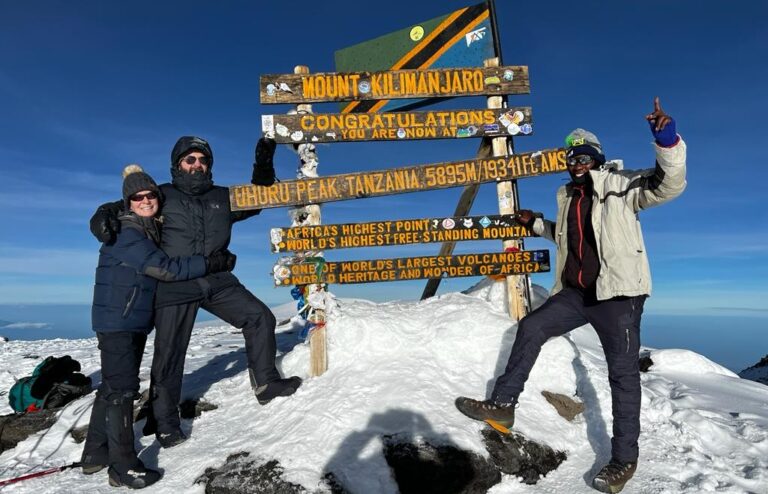
15-Day Kilimanjaro, Great Migration & Zanzibar Beach Package | Top Guide
Combine the thrill of summiting Mount Kilimanjaro, witnessing the iconic Great Migration in the Serengeti, and unwinding on the pristine beaches of Zanzibar in one unforgettable 15-day...
View package details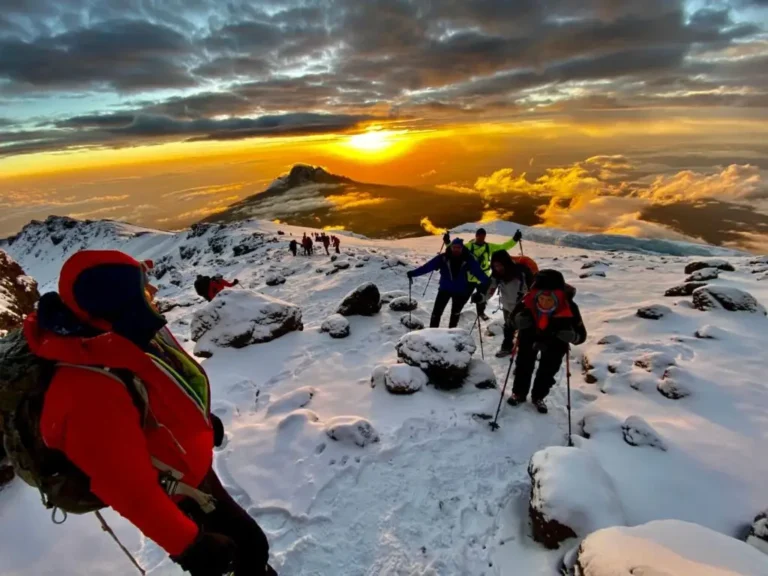
17-Day Kilimanjaro, Serengeti, Ngorongoro & Zanzibar Tour: Your Ultimate
This 17-day tour combines the iconic Mount Kilimanjaro climb with unparalleled wildlife safaris in the Serengeti and Ngorongoro Crater, culminating in a relaxing beach escape in Zanzibar...
View package detailsKilimanjaro Climb & West Safari: The Ultimate Tanzania Adventure 2026-2027
Experience the pinnacle of Tanzania with a combined Kilimanjaro climb and West Kilimanjaro safari. This guide details itineraries, preparation, and what to expect for your 2026-2027...
View package details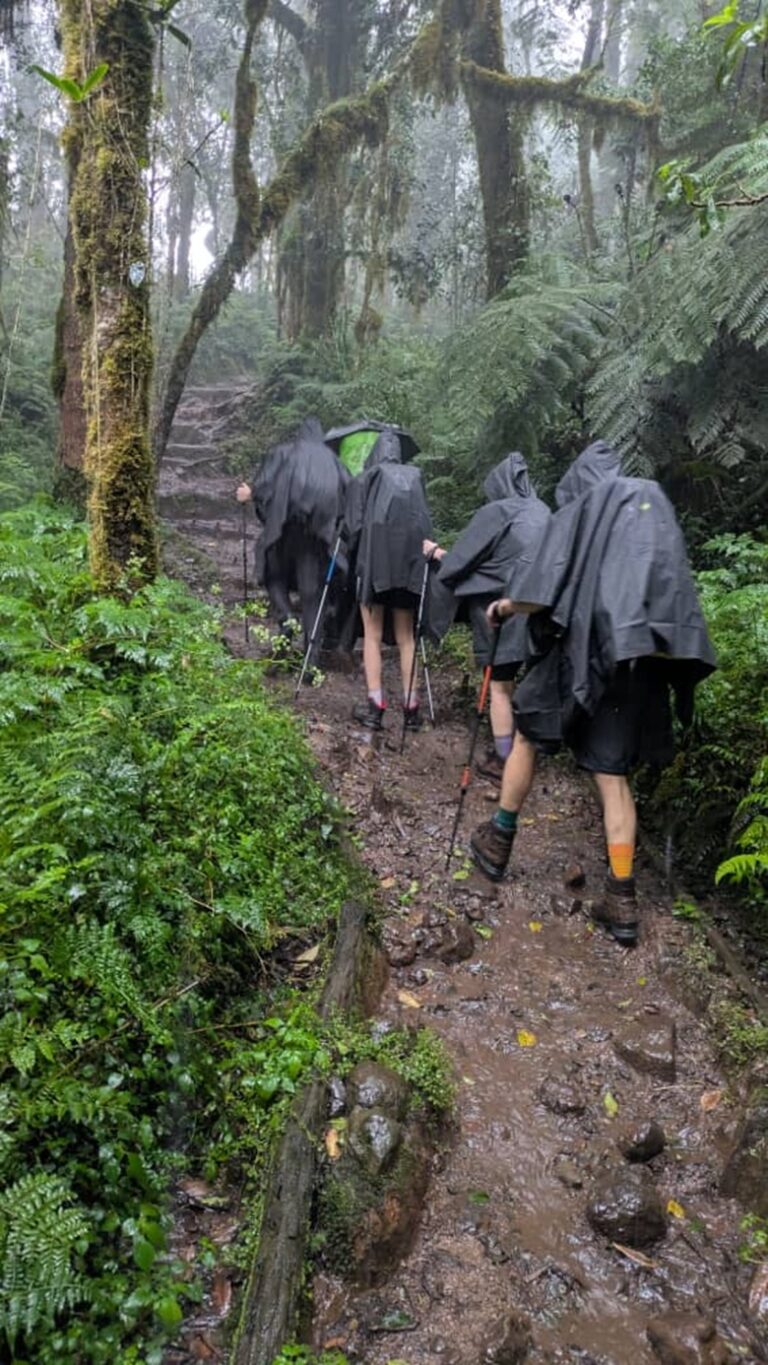
Kilimanjaro Climb With Mkomazi Rhino Safari 2026-2027
Kilimanjaro Climb with Mkomazi Rhino Safari is explained with current 2026-2027 planning, price, itinerary and booking information.
View package details
Kilimanjaro Climb With Amboseli Safari Extension: Your Ultimate Tanzania
Experience the pinnacle of African adventure by combining a challenging Kilimanjaro climb with a impressive safari in Amboseli National Park. This guide details itineraries, costs, best...
View package details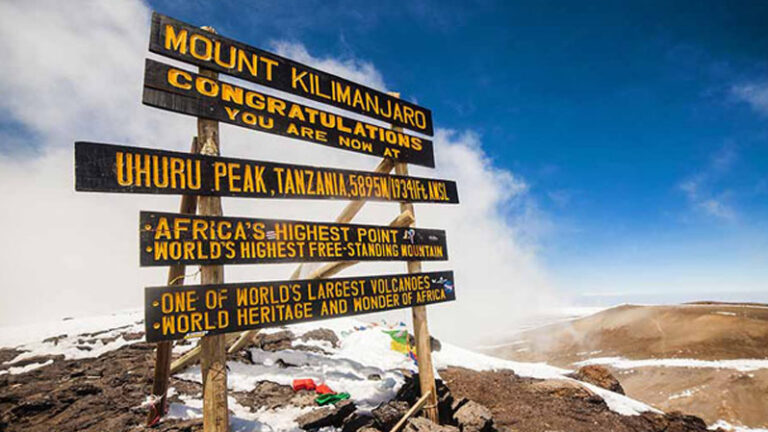
11-Day Kilimanjaro Acclimatization, Summit And Safari Package 2026-2027
11-Day Kilimanjaro Acclimatization, Summit and Safari Package is explained with current 2026-2027 planning, price, itinerary and booking information.
View package details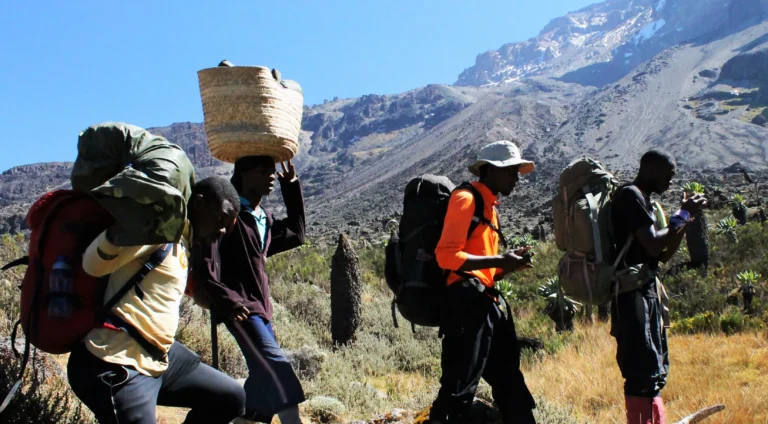
Kilimanjaro Safari First Vs Zanzibar 2026-2027
Kilimanjaro Safari First vs Zanzibar First is explained with current 2026-2027 planning, price, itinerary and booking information.
View package details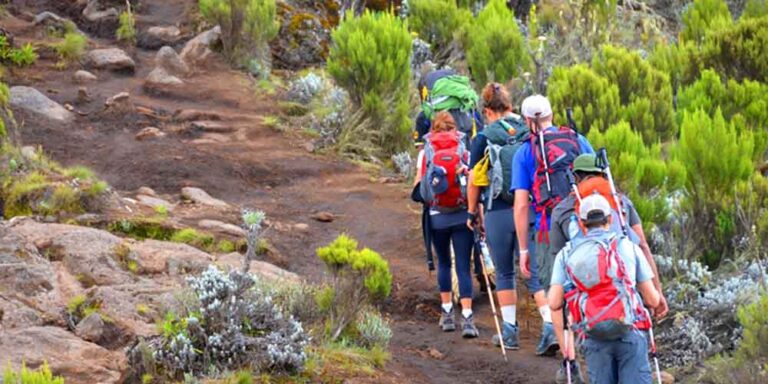
What Happens To The Rest Of Group During An Evacuation On A Tanzania Safari
When an individual requires evacuation during a group safari or Kilimanjaro climb in Tanzania, comprehensive safety protocols are in place for the remaining participants, ensuring their...
View package details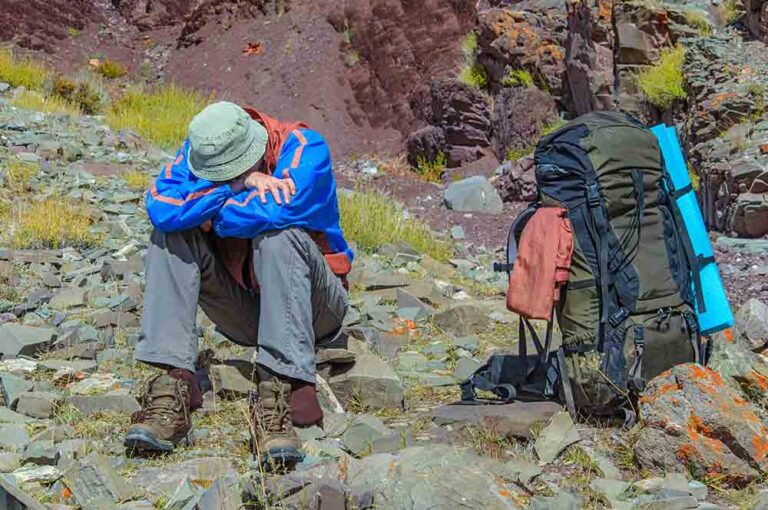
Kilimanjaro Airport Transfer For Large Groups: Smooth Travel With Top Guide
Top Guide Adventures specializes in Kilimanjaro Airport transfers for large groups, ensuring a smooth and comfortable journey from Kilimanjaro International Airport (JRO) to your...
View package details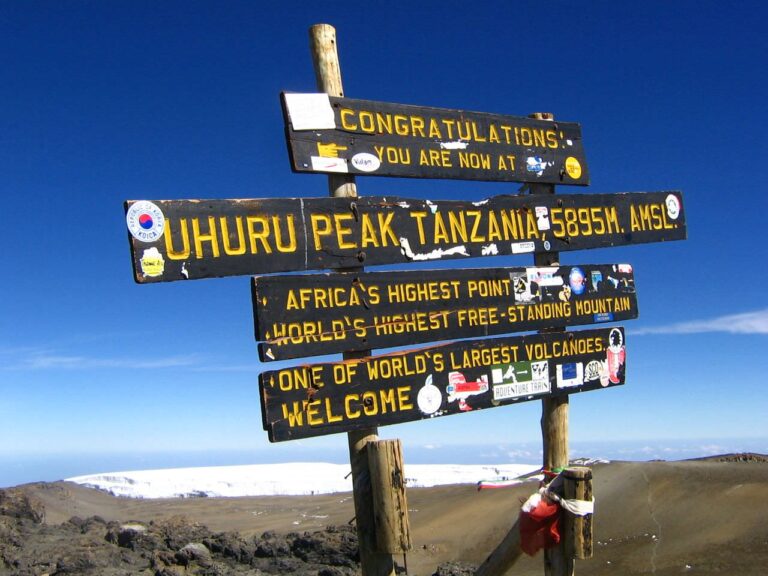
What Does Kilimanjaro Rainforest Look Like? A Trekkers Visual Guide 2026-2027
The Kilimanjaro rainforest is a vibrant, humid zone of dense vegetation, towering trees, and diverse plant life found on the mountain's lower slopes. It's the first major ecosystem trekkers...
View package detailsNo related package matches those filters. Clear one or more filters to see the other topic-matched options.



