
A September Kilimanjaro climb and cultural safari in Tanzania offers excellent weather conditions for trekking the mountain and abundant wildlife viewing opportunities on safari, making it a prime time for a combined adventure in 2026-2027. This month typically features dry, clear skies ideal for summit attempts and game drives, with comfortable temperatures and lower humidity, positioning it as one of the best periods for experiencing both iconic Tanzanian attractions.
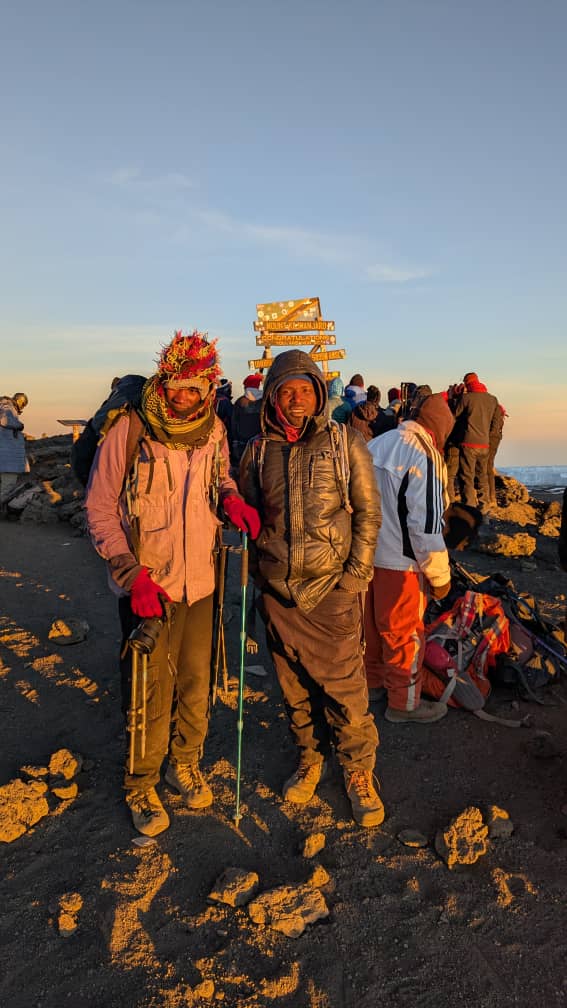

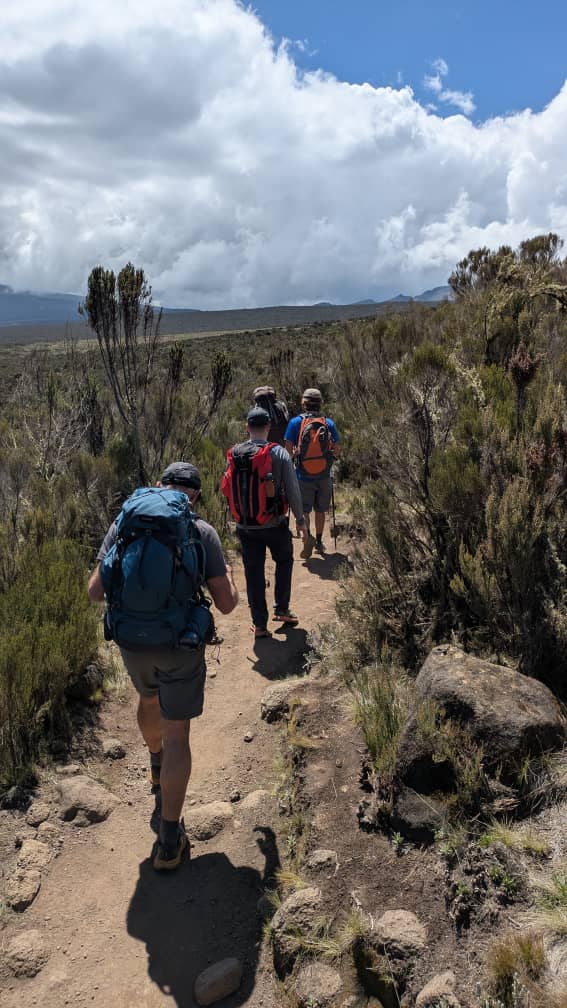
Why September is Ideal for Kilimanjaro and Cultural Safari Adventures in 2026-2027
Combining a Kilimanjaro climb with a Tanzanian cultural safari is a dream for many adventurers. When planning such a monumental trip, the choice of season significantly impacts the experience. September stands out as a particularly favorable month for this dual adventure, offering a sweet spot where both the mountain and the plains are at their most inviting. This period falls within Tanzania’s second dry season, following the ‘short rains’ of November and December, and preceding the ‘long rains’ of March to May. For trekkers, this translates to clearer skies, stable weather, and drier trails, which are crucial for a safe and enjoyable ascent of Mount Kilimanjaro. For safari enthusiasts, September means game viewing is at its peak, especially in the northern circuit parks, as animals congregate around dwindling water sources, making them easier to spot against the drier landscape. This synergy makes September Kilimanjaro and cultural safari tours a top choice for travelers looking for a comprehensive Tanzanian experience in 2026 and 2027.
Top Guide Adventures specializes in crafting these unforgettable journeys, paying close attention to the nuances of each season to maximize your adventure. Our expertise ensures that your September Kilimanjaro and cultural safari is not just a trip, but a meticulously planned expedition that leverages the best of what Tanzania offers during this exceptional month.
Kilimanjaro Trekking in September: Weather, Routes, and Success Rates
Mount Kilimanjaro, Africa’s highest peak, presents a significant challenge and an even greater reward. September is often lauded as one of the best months for climbing due to its favorable weather patterns. The post-rainy season period typically brings cool, dry, and clear conditions, which are paramount for a successful and comfortable ascent.
September Weather on Kilimanjaro
During September, Kilimanjaro experiences relatively low humidity and minimal rainfall. Daytime temperatures on the lower slopes can be warm, typically ranging from 20°C to 27°C (68°F to 81°F). As you ascend, temperatures drop dramatically. At higher altitudes, especially near the summit, expect temperatures to hover around freezing point or below, often ranging from -7°C to 2°C (19°F to 36°F) during the day and dropping significantly at night, potentially to -15°C (-5°F) or lower, particularly on summit night. The skies are generally clear, offering spectacular views of the surrounding landscapes and the sunrise from the crater rim. While wind can be a factor, especially at higher elevations, it is typically less severe than during the rainy seasons. The reduced cloud cover means more consistent sunshine during the day, but also colder conditions as soon as the sun sets. Visibility is usually excellent, enhancing the visual experience of the diverse ecological zones you traverse.
Choosing the Best Kilimanjaro Route for September
While most routes are viable in September, some are better suited to the prevailing conditions and offer a higher chance of acclimatization and success. The choice of route is critical for any Kilimanjaro climb, but especially when combining it with other activities, as it affects your overall timeline and physical preparation.
- Machame Route: Often called the “Whiskey Route,” this is arguably the most popular route. It offers a challenging yet scenic trek with excellent acclimatization profiles due to its “climb high, sleep low” strategy. Its popularity means there’s a good chance of joining a group, which can be more economical. For a September Kilimanjaro climb, its varied terrain and excellent acclimatization make it a strong contender. The 7-day Machame route is highly recommended for better acclimatization.
- Lemosho Route: Known for its stunning scenery and high success rates, Lemosho is another excellent choice. It’s a longer route, typically 7 or 8 days, providing more time for acclimatization. It starts in the west and joins the Machame route, offering a more remote feel in its initial stages. The longer duration is beneficial for September trekkers aiming for acclimatization.
- Marangu Route: Also known as the “Coca-Cola Route,” this is the only route that offers dormitory-style accommodation in huts rather than camping. It’s the shortest and often considered the easiest, but its direct ascent profile leads to lower acclimatization and success rates. While possible in September, it’s generally not recommended for first-time climbers seeking the best chance of reaching the summit.
- Rongai Route: This route approaches Kilimanjaro from the north, near the Kenyan border. It’s a good option for those who prefer a slightly drier trek, as it receives less rain than the southern routes. It’s also less crowded. September trekkers might appreciate the drier approach, though it can be slightly colder due to its location.
- Northern Circuit: The longest route, offering the highest success rate due to its extended 9-day itinerary, which allows for superior acclimatization. It circles the mountain, providing diverse views and a more relaxed pace. For those prioritizing acclimatization and comfort in September, this is an outstanding choice.
Top Guide Adventures recommends the 7-day Machame or Lemosho routes for a balanced experience of challenge, scenery, and acclimatization for a September Kilimanjaro climb. For those prioritizing success and comfort, the 8 or 9-day Northern Circuit is unparalleled.
Success Rates in September
Success rates for climbing Kilimanjaro vary significantly based on the route chosen, the duration of the trek, the operator’s quality, and individual preparation. Generally, longer routes (7 days or more) offer significantly higher success rates than shorter ones (5 or 6 days) because they allow for better acclimatization. September’s stable weather conditions contribute positively to success rates across all routes. With a reputable operator like Top Guide Adventures, proper acclimatization strategies, and good personal preparation, success rates for experienced trekkers can be very high, often exceeding 80-90% on 7-day+ routes.
The Tanzanian Cultural Safari in September: Wildlife and Experiences
Following a Kilimanjaro climb, or as a standalone adventure, a Tanzanian safari in September is an experience like no other. The country’s famed national parks and conservation areas teem with wildlife, and the dry season enhances viewing opportunities. A cultural safari adds a rich layer, connecting you with the diverse peoples and traditions of Tanzania.
Prime Safari Destinations in September
September is peak season for wildlife viewing in Tanzania’s northern circuit, which includes some of the most renowned parks in Africa.
- Serengeti National Park: This vast ecosystem is home to the Great Migration. While the bulk of the herds might be moving north towards Kenya’s Maasai Mara in late August and early September, large numbers often remain in the Serengeti, particularly in the western and central regions, or are beginning to return south. The Mara River crossings, a dramatic highlight, may still be occurring in early September in certain locations. Even without the peak migration, the Serengeti’s resident wildlife population is immense, with predators like lions, leopards, and cheetahs abundant.
- Ngorongoro Conservation Area: The Ngorongoro Crater, a UNESCO World Heritage Site, is a unique caldera supporting a dense concentration of wildlife year-round. Its caldera floor is a haven for lions, elephants, buffaloes, rhinos (including the endangered black rhino), hippos, and a vast array of birdlife. September’s dry conditions mean animals are often found near permanent water sources within the crater, making for excellent sightings.
- Tarangire National Park: Known for its large elephant herds and iconic baobab trees, Tarangire is particularly spectacular in September. As the dry season intensifies, elephants, along with other animals like wildebeest, zebras, and giraffes, gather around the Tarangire River, creating incredible viewing opportunities. The park’s landscape is dotted with ancient baobabs, adding to its unique charm.
- Lake Manyara National Park: Famous for its tree-climbing lions and large flocks of flamingos (though numbers can vary seasonally), Lake Manyara offers diverse habitats, including groundwater forests, savannah, and the lake itself. September brings animals to the lake shores, and the park’s compact size makes it ideal for shorter game drives.
Cultural Experiences to Integrate
Tanzania is rich in cultural diversity. Integrating cultural experiences into your September itinerary offers a deeper understanding of the country beyond its natural wonders. Top Guide Adventures can arrange visits that are respectful and enriching.
- Maasai Village Visits: Experience the traditional lifestyle of the Maasai people, known for their distinctive red shukas and warrior culture. Learn about their customs, social structure, and relationship with the land. Visits are typically arranged with local communities to ensure authenticity and mutual benefit.
- Hadza and Datoga Tribes (near Lake Eyasi): For a truly unique cultural encounter, consider a visit to the Lake Eyasi region to meet the Hadza, one of the last hunter-gatherer tribes in Africa, and the Datoga, known for their metalworking skills. These experiences offer a rare glimpse into ancient ways of life.
- Local Markets and Villages: Exploring local markets in towns like Arusha or Moshi provides a vibrant snapshot of daily life. Visiting smaller villages allows for interaction with local communities and an appreciation of their agricultural practices and social customs.
- Chagga Cultural Heritage Centre (Moshi): Learn about the history and traditions of the Chagga people, who inhabit the fertile slopes of Kilimanjaro. This center offers insights into their farming techniques, brewing traditions, and historical dwellings.
A well-planned September Kilimanjaro and cultural safari allows for a smooth transition between the physical exertion of the trek and the in-depth cultural encounters and wildlife viewing on safari. Top Guide Adventures can tailor your itinerary to include these elements, ensuring a balanced and profoundly rewarding journey.
Planning Your September Kilimanjaro and Cultural Safari in 2026-2027
Organizing a trip that combines a Kilimanjaro climb with a safari requires careful planning, especially when looking ahead to 2026 and 2027. September is a popular month, so early booking is highly recommended to secure your preferred dates, routes, and accommodations.
Booking Timeline and Availability for 2026-2027
Given the desirability of September for both climbing Kilimanjaro and experiencing Tanzania’s wildlife, availability can become limited, particularly for popular routes and lodges. We strongly advise booking your September Kilimanjaro and cultural safari at least 6-12 months in advance for 2026 and 2027. This lead time ensures:
- Kilimanjaro Permits: While permits are generally available, booking early guarantees your desired climbing dates, especially for longer routes that have capped daily numbers.
- Safari Lodges and Camps: Prime accommodations in national parks, especially those with unique locations or exclusive experiences, fill up quickly. Early booking secures your preferred stays.
- Flight Availability: International and domestic flight prices and availability are best when booked well in advance.
- Guide and Crew Availability: Experienced guides and dedicated support crews are in high demand, particularly during peak seasons like September.
Top Guide Adventures can assist you in navigating these booking complexities, ensuring your September adventure in 2026 or 2027 is secured well in advance.
Essential Preparations for Trekkers and Safari-Goers
Both climbing Kilimanjaro and going on safari require specific preparations. Combining them means a comprehensive packing list and training regimen.
Kilimanjaro Trekking Preparations:
- Physical Training: Focus on cardiovascular fitness, strength training (especially for legs and core), and endurance. Practice hiking with a weighted backpack on varied terrain. Aim for consistency in your training for at least 3-6 months prior to your climb.
- Acclimatization: This is the most crucial factor for summit success. Choose a longer route (7+ days) and ascend gradually. Listen to your body and communicate any symptoms of altitude sickness to your guide immediately.
- Gear: Proper gear is non-negotiable. Key items include waterproof and windproof outer layers, warm insulating layers (fleece, down), thermal base layers, sturdy hiking boots (broken in!), a good sleeping bag rated for sub-zero temperatures, a headlamp, sunglasses, sunscreen, and a reusable water bottle or hydration system.
- Health: Consult your doctor about necessary vaccinations and malaria prophylaxis. Consider a basic first-aid kit with personal medications.
Safari Preparations:
- Clothing: Pack light, breathable clothing in neutral colors (khaki, beige, olive green). Avoid bright colors that can startle wildlife. Include long sleeves and trousers for sun and insect protection, a warm jacket or fleece for cool mornings and evenings, and comfortable walking shoes.
- Health and Safety: Malaria precautions are essential for most safari areas. Use insect repellent with DEET, especially during dawn and dusk. Drink bottled or purified water only. Follow your guide’s instructions regarding wildlife encounters and camp safety.
- Photography: Bring a good camera with a zoom lens to capture wildlife from a distance. Extra batteries and memory cards are highly recommended. Binoculars are also invaluable.
- Mindset: Be patient. Wildlife viewing is unpredictable. Enjoy the journey and the incredible landscapes, and be open to spontaneous sightings.
Packing List Essentials for a September Kilimanjaro and Cultural Safari
Combining these activities requires a versatile packing list. You’ll need gear for the mountain, comfortable clothing for safari, and items for cultural interactions.
Key Items for Both Kilimanjaro and Safari:
- Duffel Bag: A large, soft-sided duffel bag (80-100 liters) for your main gear on Kilimanjaro (porters carry this). A smaller daypack for essentials during the trek and for carrying items on safari drives.
- Clothing: Layers are key. Quick-drying trousers and shirts, thermal underwear, fleece jackets, a warm down jacket, waterproof outer shells, and comfortable casual wear for evenings and safari.
- Footwear: Broken-in hiking boots for Kilimanjaro, comfortable walking shoes or trainers for safari and cultural visits, and warm socks (wool or synthetic).
- Sun Protection: High SPF sunscreen, wide-brimmed hat, sunglasses.
- Insect Repellent: Essential for safari and lower elevations of Kilimanjaro.
- Personal Hygiene Kit: Including biodegradable soap, toothbrush, toothpaste, wet wipes.
- First-Aid Kit: Personal medications, blister treatment, pain relievers, antiseptic wipes.
- Water Purification: Tablets or a filter, though many operators provide boiled or purified water.
- Camera and Binoculars: To capture memories and observe wildlife.
- Headlamp: Essential for summit night and early mornings.
Cost Considerations for September 2026-2027
September is considered a high season month for Kilimanjaro climbs and safaris due to the excellent weather. Consequently, prices tend to be higher compared to the low season. The cost of a September Kilimanjaro and cultural safari package typically includes:
- Kilimanjaro climbing permits (park fees, rescue fees)
- All meals and accommodation during the climb
- Experienced climbing guides, cooks, and porters
- Equipment (tents, cooking gear)
- Safari vehicle and driver-guide
- Park entry fees for national parks
- Accommodation (lodges/tented camps) during safari
- Meals during safari
- Airport transfers and ground transportation
Costs can vary significantly based on the route chosen (longer routes are more expensive), the duration of the safari, the level of accommodation (budget, mid-range, luxury), and the number of people in the group (private vs. group tours). For a combined September Kilimanjaro and cultural safari in 2026 or 2027, expect prices to range broadly, but a reasonable estimate for a mid-range 7-day Kilimanjaro climb plus a 5-day safari would be in the region of $3,500 to $6,000+ per person. This is a general estimate, and a detailed quote from Top Guide Adventures will provide precise pricing based on your specific itinerary and preferences.
Factors influencing cost include:
- Route length: Longer routes like Lemosho or Northern Circuit are more expensive.
- Safari duration: More days on safari increase the overall cost.
- Accommodation type: Luxury lodges and tented camps are pricier than basic tented camps or budget lodges.
- Group size: Private tours are more expensive per person than joining a scheduled group departure.
- Inclusions: Some operators may offer more inclusions (e.g., hot showers, bottled water) which can affect the price.
It’s crucial to compare what is included in different packages. Top Guide Adventures prides itself on transparent pricing and comprehensive inclusions, ensuring no hidden costs for your September Kilimanjaro and cultural safari.
Sample Itinerary: September Kilimanjaro Climb & Northern Circuit Safari
This sample itinerary offers a balanced experience of climbing Kilimanjaro via the popular Machame route and exploring the northern circuit’s wildlife highlights. This is a suggestion, and Top Guide Adventures excels at customizing every aspect to your preferences for 2026-2027.
Day 1: Arrival in Arusha
Arrive at Kilimanjaro International Airport (JRO). You will be met by a Top Guide Adventures representative and transferred to your hotel in Arusha. Briefing on your upcoming Kilimanjaro climb and safari. Overnight in Arusha.
Day 2: Drive to Machame Gate & Trek to Machame Camp
After breakfast and a final gear check, drive to Machame Gate (approx. 1,800m / 5,905ft). Complete park formalities before starting your trek through the rainforest to Machame Camp (approx. 3,000m / 9,842ft). Trek time: 5-7 hours. Distance: 11 km / 7 miles.
Day 3: Machame Camp to Shira Camp
Ascend through moorland and heath zones. The trail becomes steeper as you approach Shira Camp (approx. 3,850m / 12,631ft). Enjoy stunning views of the Kibo massif. Trek time: 4-6 hours. Distance: 5 km / 3 miles.
Day 4: Shira Camp to Barranco Camp
A day of acclimatization. You’ll climb to Lava Tower (4,600m / 15,091ft) before descending to Barranco Camp (approx. 3,950m / 12,959ft). This “climb high, sleep low” strategy is vital for acclimatization. Trek time: 3-5 hours. Distance: 10 km / 6 miles.
Day 5: Barranco Camp to Karanga Camp
Cross the dramatic Barranco Wall (a steep but manageable climb) and continue through alpine desert to Karanga Camp (approx. 4,200m / 13,779ft). Trek time: 4-5 hours. Distance: 5 km / 3 miles.
Day 6: Karanga Camp to Barafu Camp
Continue ascending through alpine desert to Barafu Camp (approx. 4,650m / 15,255ft), the base camp for your summit attempt. Rest and prepare for the night’s summit push. Trek time: 3-4 hours. Distance: 4 km / 2.5 miles.
Day 7: Summit Day! Barafu Camp to Uhuru Peak & Descend to Mweka Camp
Start your summit attempt around midnight. Ascend via Stella Point (5,756m / 18,885ft) to Uhuru Peak (5,895m / 19,341ft), the highest point in Africa, for sunrise. Descend back to Barafu Camp for a short rest, then continue descending to Mweka Camp (approx. 3,100m / 10,170ft). A challenging but rewarding day. Trek time: 7-10 hours to summit, 5-7 hours to Mweka. Distance: 5 km / 3 miles ascent, 12 km / 7.5 miles descent.
Day 8: Mweka Camp to Mweka Gate & Drive to Arusha
Descend through the rainforest to Mweka Gate (approx. 1,650m / 5,413ft). Celebrate your achievement with your team. Transfer back to Arusha for a well-deserved rest and celebration dinner. Trek time: 3-4 hours. Distance: 8 km / 5 miles.
Day 9: Arusha to Tarangire National Park
After breakfast, drive to Tarangire National Park, famous for its large elephant herds and baobab trees. Enjoy an afternoon game drive. Overnight at a lodge/tented camp in or near Tarangire.
Day 10: Tarangire to Ngorongoro Conservation Area
Morning game drive in Tarangire. Afterwards, drive to the Ngorongoro Conservation Area. You’ll descend into the Ngorongoro Crater for an unforgettable game drive, looking for the Big Five. Overnight at a lodge on the crater rim or nearby.
Day 11: Ngorongoro to Serengeti National Park
Drive to the legendary Serengeti National Park, possibly with a stop at Olduvai Gorge (optional). Enjoy an afternoon game drive in the Serengeti, searching for predators and plains game. Overnight at a lodge/tented camp in the Serengeti.
Day 12: Serengeti National Park
Full day of game drives in the Serengeti. Depending on the time of year, you might witness parts of the Great Migration. Explore different regions of this vast park. Overnight at a lodge/tented camp in the Serengeti.
Day 13: Serengeti to Arusha / Departure
Enjoy a final morning game drive in the Serengeti. Afterwards, you will be transferred to a local airstrip for your flight back to Arusha. Depending on your international flight schedule, you may proceed directly to Kilimanjaro International Airport (JRO) for your departure, or spend another night in Arusha.
Why Choose Top Guide Adventures for Your September Kilimanjaro and Cultural Safari
Top Guide Adventures is a leading Tanzanian tour operator committed to providing exceptional travel experiences. For your September Kilimanjaro and cultural safari in 2026-2027, we offer:
- Local Expertise: As a locally based company, we possess intimate knowledge of Kilimanjaro routes, safari circuits, and cultural nuances. Our guides are highly trained, experienced, and passionate about sharing Tanzania with you.
- Personalized Service: We believe in tailored experiences. From the moment you inquire, you receive personal attention, with itineraries customized to your interests, fitness level, and budget.
- Safety First: Your safety is our utmost priority. We adhere to strict safety protocols on Kilimanjaro, including regular health checks by guides, adequate oxygen supplies, and emergency evacuation plans. On safari, our vehicles are well-maintained, and our guides are trained in wildlife safety.
- Sustainable Tourism: We are committed to responsible tourism practices that benefit local communities and protect the environment. We work with local suppliers and ensure fair treatment of our staff.
- Comprehensive Packages: We offer all-inclusive packages that cover permits, accommodation, meals, transport, guides, and support staff, making your planning process smooth.
Whether you are planning your September Kilimanjaro and cultural safari for 2026 or 2027, or any other time, Top Guide Adventures is your trusted partner. We are dedicated to creating unforgettable journeys that exceed expectations. Feel free to reach out to us to discuss your dream Tanzanian adventure.
For inquiries, bookings, or a personalized quote for your September Kilimanjaro and cultural safari in 2026-2027, please contact us:
WhatsApp: +255 616 946 642
Email: topguideadventures@gmail.com
Backup Email: info@topguideadventures.com
You can also explore our offerings and read testimonials from satisfied clients:
TripAdvisor Reviews | Instagram | Website
Check Availability for September Kilimanjaro Climb & Cultural Safari: Your Guide 2026-2027
Ready to compare dates, prices, and the best option for your group? Send the package name and travel month so the team can reply with a clear quote, availability, and what is included.

September Kilimanjaro And Serengeti Migration Safari : Your Ultimate Guide
Combining a Kilimanjaro climb with a Serengeti Migration safari in September offers unparalleled wildlife viewing and trekking opportunities. This guide details the best of both experiences...
View package details
October Kilimanjaro And Tanzania Safari: Your Ultimate Guide 2026-2027
Combining a Kilimanjaro climb with a Tanzania safari in October offers incredible opportunities. This guide details the best routes, wildlife viewing, weather patterns, and essential...
View package details
August Kilimanjaro Climb With River-Crossing Safari: Your Ultimate Tanzania
Combine the challenge of climbing Mount Kilimanjaro in August with the thrill of witnessing the Great Migration river crossings on a safari. This guide covers itineraries, routes, packing...
View package details
August Kilimanjaro And Migration Safari: Your Ultimate Tanzania Adventure
Combine a Kilimanjaro trek with witnessing the Great Migration in August for an unforgettable Tanzania adventure. This guide covers everything you need to know for your 2026-2027 trip.
View package details
December Kilimanjaro And Safari Holiday: Your Ultimate Guide 2026-2027
Discover the magic of a December Kilimanjaro and Safari holiday in Tanzania. This comprehensive guide covers everything from choosing the right Kilimanjaro route and safari destinations to...
View package details
November Kilimanjaro And Safari Package: Your Ultimate Tanzania Adventure
Explore comprehensive details for a November Kilimanjaro and Safari package in Tanzania, covering the best routes, packing essentials, safari experiences, and planning tips for 2026-2027...
View package details
September Kilimanjaro Last-Minute Group Departures : Find Your Spot 2026-2027
Looking for September Kilimanjaro last-minute group departures? Discover available climbs for 2026-2027, ideal routes, and how to book your adventure with Top Guide Adventures.
View package detailsSeptember Kilimanjaro Climb With Extra Acclimatization 2026-2027
September Kilimanjaro Climb with Extra Acclimatization is explained with current 2026-2027 planning, price, itinerary and booking information.
View package details
September Kilimanjaro Climb For Seniors 2026-2027
September Kilimanjaro Climb for Seniors is explained with current 2026-2027 planning, price, itinerary and booking information.
View package detailsSeptember Kilimanjaro Sunrise Photography Tour 2026-2027
September Kilimanjaro Sunrise Photography Tour is explained with current 2026-2027 planning, price, itinerary and booking information.
View package detailsSeptember Kilimanjaro Crowd Levels 2026-2027
September Kilimanjaro Crowd Levels is explained with current 2026-2027 planning, price, itinerary and booking information.
View package details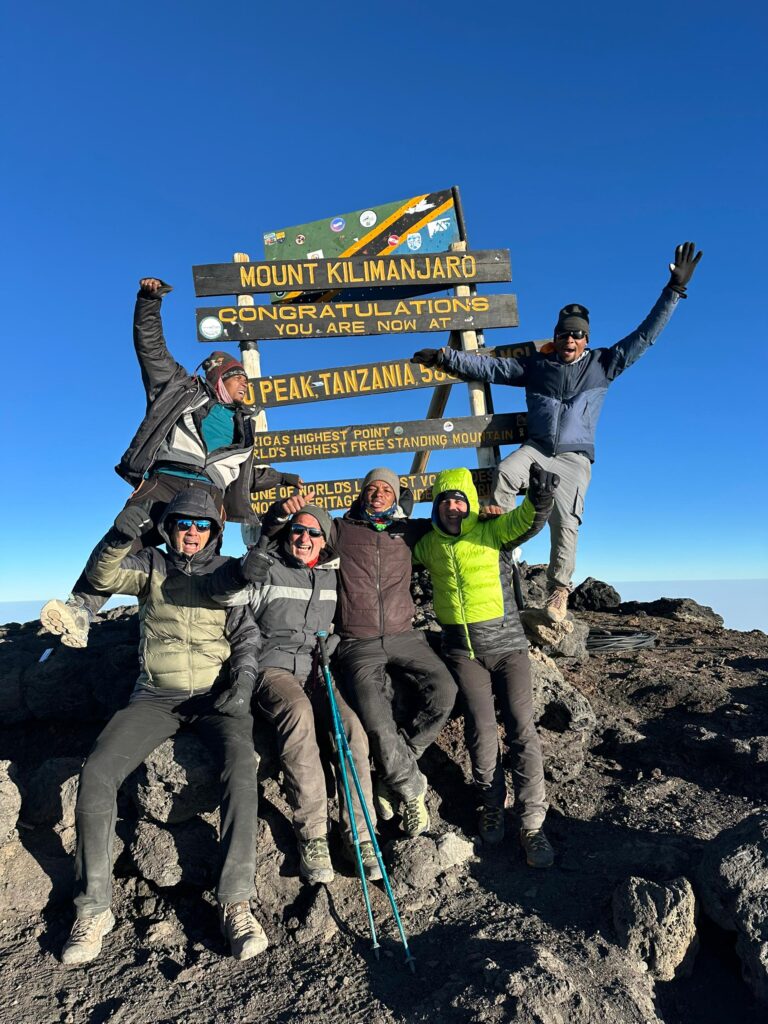
September Kilimanjaro Packing Guide 2026-2027
September Kilimanjaro Packing Guide is explained with current 2026-2027 planning, price, itinerary and booking information.
View package detailsNo related package matches those filters. Clear one or more filters to see the other topic-matched options.



