
For a September Kilimanjaro climb in 2026 or 2027, your packing list should focus on versatile, layered clothing to manage the significant temperature fluctuations from base camp to the summit, sturdy waterproof outer layers for potential rain and wind, essential high-altitude gear like a 4-season sleeping bag and insulated mat, and personal items for comfort and health, including sunscreen, lip balm, and a comprehensive first-aid kit. September offers dry conditions and clear skies, making it a prime month, but packing smart ensures you are prepared for everything from warm days on lower slopes to freezing temperatures at the peak.
Why September is Ideal for Kilimanjaro and What it Means for Your Packing
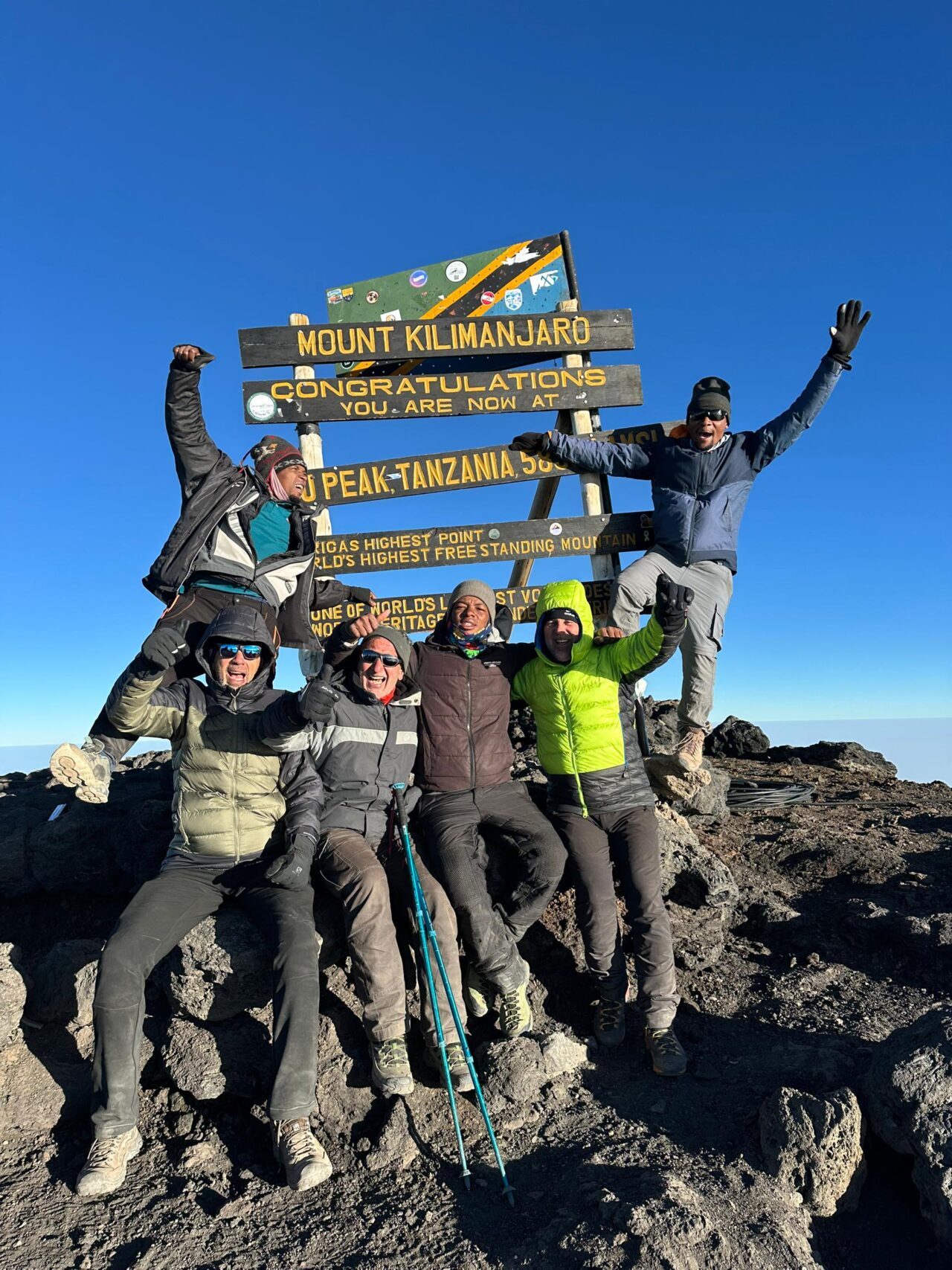
September marks the end of the dry season on Kilimanjaro, offering some of the most stable and pleasant weather conditions for climbing. This means fewer rainy days, clearer views, and generally less challenging trail conditions compared to the wet seasons. However, even with favorable weather, the mountain’s altitude dictates extreme temperature variations. Mornings and evenings at base camps can be mild, while the summit push on Kibo’s icy slopes will be sub-zero, often with biting winds. Understanding these conditions is the first step in creating your effective September Kilimanjaro packing list for 2026-2027. You’ll need gear that can adapt to everything from cool, sunny days to frigid, windy nights.
Top Guide Adventures consistently guides climbers through this exceptional month, and our experience highlights the critical importance of a well-prepared pack. This guide is designed to help you select the right equipment, ensuring your focus remains on the incredible journey and the challenge of reaching Uhuru Peak, rather than on discomfort or inadequate gear. We’ll cover everything from the technical clothing layers needed for the summit night to the comfort items that make camp life more enjoyable.
The Core Principle: Layering for Kilimanjaro’s Microclimates
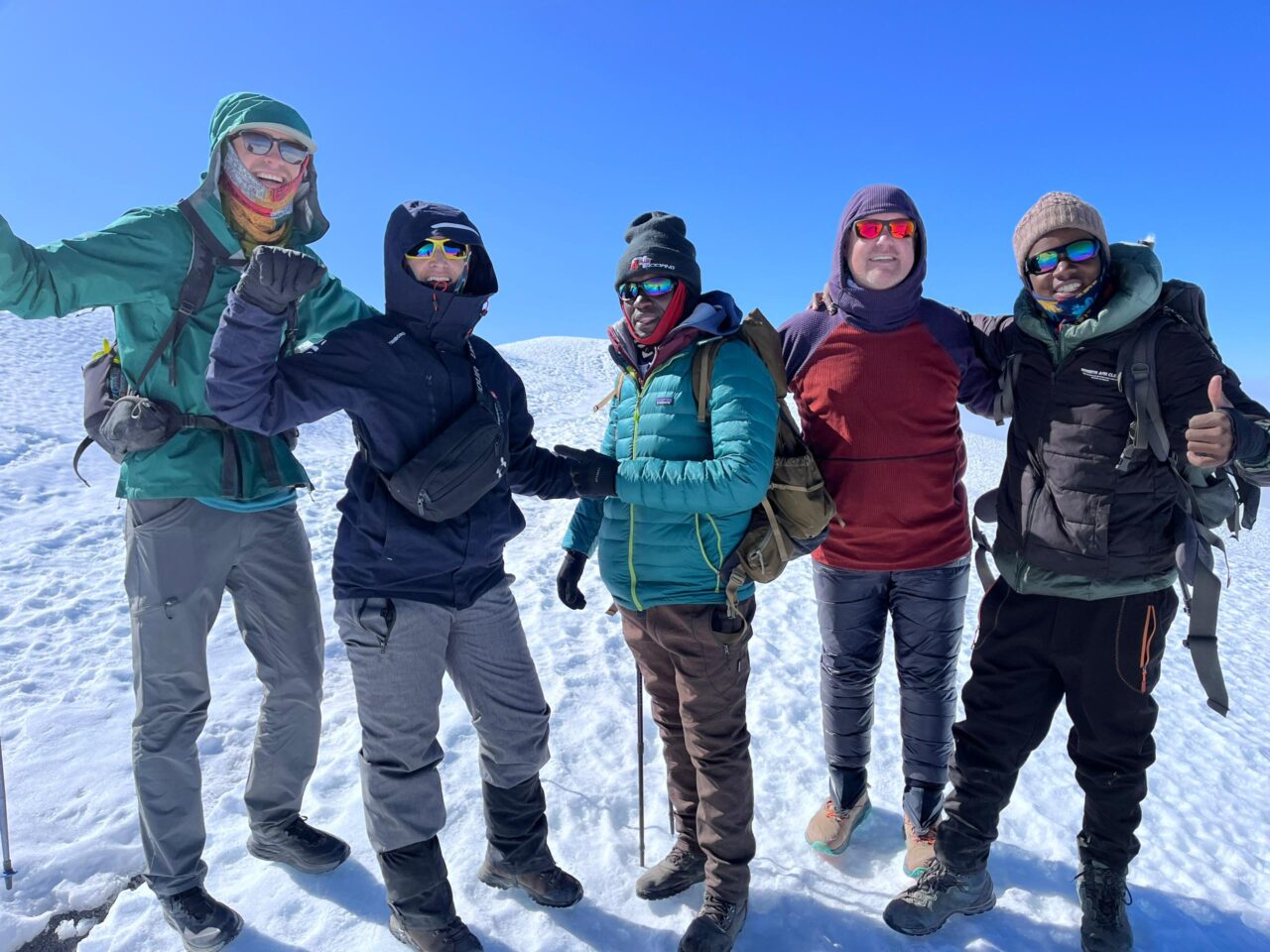
Kilimanjaro’s diverse ecosystems are mirrored in its dramatic temperature shifts. As you ascend through the rainforest, moorland, alpine desert, and arctic summit zones, the weather can change drastically within a single day. The key to staying comfortable and safe is a robust layering system. This allows you to add or remove clothing as needed, regulating your body temperature and preventing overheating or chilling. For September climbs in 2026 and 2027, this principle is paramount.
Base Layers: The Foundation of Warmth
Your base layers are the first line of defense against the cold. They are designed to wick moisture away from your skin, keeping you dry. Sweating is a natural bodily function, but if that sweat stays against your skin in the cold, it can lead to dangerous hypothermia. For September Kilimanjaro packing, opt for synthetic materials (like polyester or nylon) or merino wool. Avoid cotton at all costs, as it absorbs moisture and takes a long time to dry.
- Lightweight thermal tops and bottoms: Two to three sets are recommended. These are your go-to for cooler evenings and mornings at lower altitudes, or as an inner layer during the summit push.
- Midweight thermal tops and bottoms: One to two sets. These offer more insulation and are crucial for colder days and nights, especially as you gain altitude.
Mid Layers: Insulation and Warmth
Mid layers provide the bulk of your insulation. They trap body heat, keeping you warm. Fleece jackets and down or synthetic insulated jackets are excellent choices.
- Fleece jacket or pullover: One to two mid-weight fleece items (e.g., Polartec 100 or 200). These are breathable and provide good warmth without being too bulky.
- Insulated jacket: One warm, down or synthetic-fill jacket. This is essential for summit night and cold evenings in camp. A jacket with a hood is highly recommended. Look for something that packs down small when not in use.
Outer Layers: Protection from the Elements
Your outer shell is your primary defense against wind and rain. For a September Kilimanjaro packing list, waterproof and breathable materials are key. While September is dry, mountain weather can be unpredictable, and you’ll want protection from wind chill, especially at higher elevations.
- Waterproof and breathable jacket (hardshell): This must be fully waterproof with taped seams and a hood. It should be large enough to fit over your other layers. Brands like Gore-Tex are standard.
- Waterproof and breathable trousers (hardshell): Essential for protecting your legs from rain, wind, and scree. Full-length side zips are very useful for easy on/off over boots.
- Softshell jacket (optional but recommended): A softshell offers excellent wind resistance and some water repellency with more breathability than a hardshell. It can be a great layer for dry, windy days on the mountain.
Headwear and Handwear: Crucial for Preventing Heat Loss
You lose a significant amount of body heat through your head and extremities. Proper headwear and handwear are non-negotiable for a Kilimanjaro climb, especially during the cold summit night in September 2026 or 2027.
Headwear
- Warm hat (beanie): One fleece or wool hat that covers your ears. Essential for keeping warm in camp and during early morning starts.
- Sun hat or cap: A wide-brimmed hat or a cap with a neck flap is vital for protecting your face and neck from the intense equatorial sun at lower altitudes and during exposed sections.
- Balaclava or neck gaiter: A fleece balaclava or a versatile neck gaiter (buff) is excellent for protecting your face and neck from wind and cold, particularly on summit night. It can also be used as a scarf.
- Bandana (optional): Useful for dust protection or as an extra layer.
Handwear
You’ll need a range of gloves to handle different temperatures.
- Thin liner gloves: One pair of lightweight fleece or wool liner gloves. These can be worn on their own in milder conditions or under warmer gloves for added insulation.
- Warm insulated gloves or mittens: One pair of waterproof and insulated gloves or mittens. Mittens are generally warmer than gloves as they keep your fingers together. These are critical for summit night. Ensure they are truly warm and windproof.
- Waterproof over-mitts (optional but recommended): A lightweight waterproof shell glove or mitt to wear over your insulated gloves for extra protection against wind and rain.
Footwear: Your Most Important Gear
Your feet will carry you to the summit. Investing in good quality, broken-in footwear is one of the most critical decisions you’ll make for your September Kilimanjaro climb.
Hiking Boots
- Sturdy, waterproof, broken-in hiking boots: These are paramount. They should be mid-to-high cut to provide ankle support and have a sturdy sole. Ensure they are waterproof (Gore-Tex or similar) and have been worn extensively before your trek to avoid blisters. They should be comfortable with your chosen hiking socks. Test them with your gaiters if you plan to use them.
Camp Shoes and Socks
- Camp shoes: A pair of comfortable, lightweight shoes for wearing around camp. This allows your feet to breathe and rest. Crocs, sandals, or lightweight trainers work well.
- Hiking socks: 4-6 pairs of thick, moisture-wicking wool or synthetic hiking socks. These are essential for comfort and preventing blisters.
- Liner socks: 2-3 pairs of thin liner socks. These can be worn under your hiking socks to further wick moisture and reduce friction.
- Warm socks: 1-2 pairs of thick wool socks specifically for cold evenings and summit night.
Trekking Poles: Essential for Stability and Reducing Strain
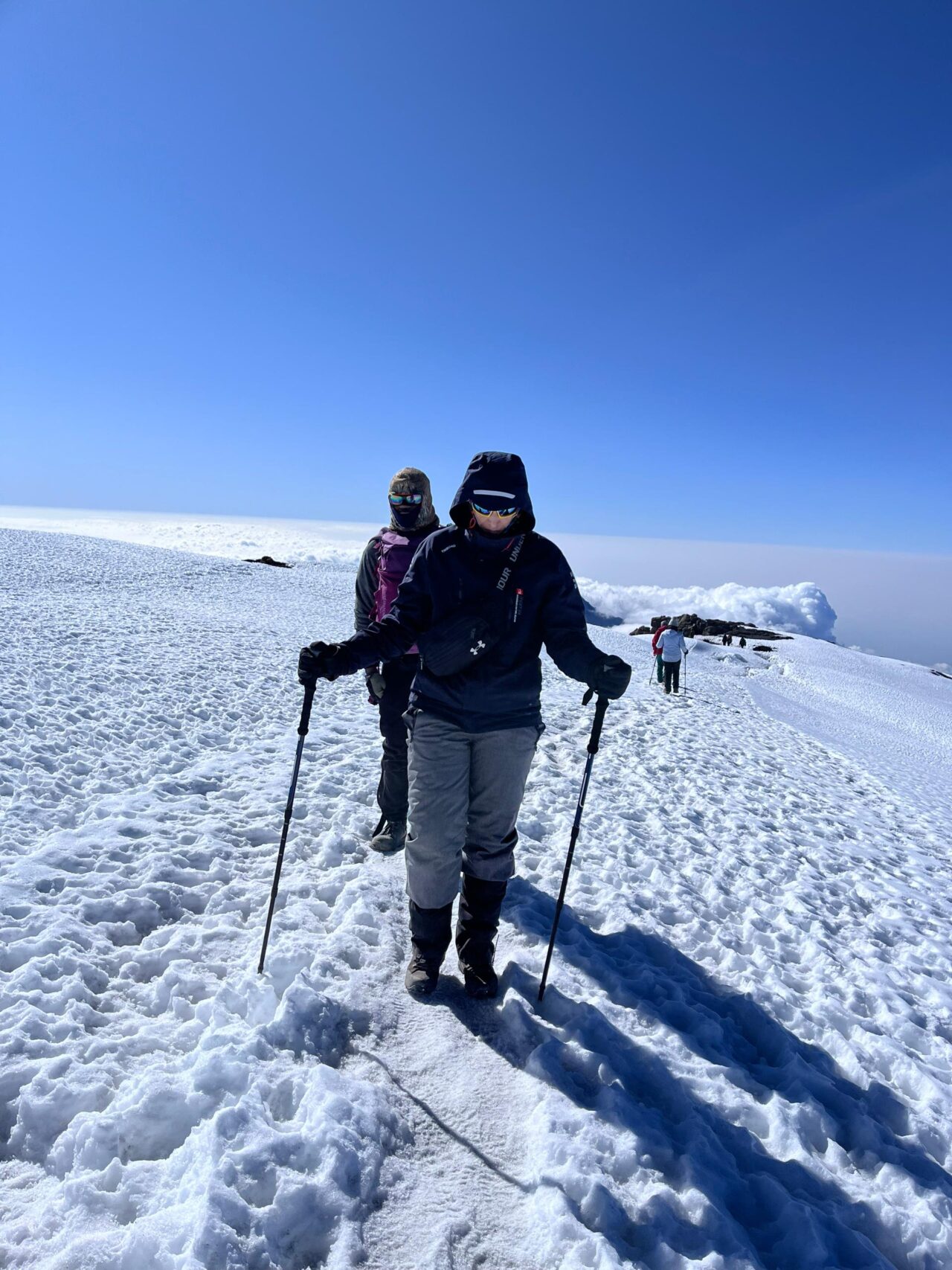
Trekking poles are highly recommended for Kilimanjaro. They significantly reduce strain on your knees and ankles, especially on descents, and provide stability on uneven terrain. For a September climb in 2026 or 2027, they will be invaluable.
- Adjustable trekking poles: Ensure they are sturdy and adjustable to your height. Consider poles with comfortable grips and a reliable locking mechanism.
Backpacks and Duffel Bags: Carrying Your Gear
You’ll need two main bags for your climb: a daypack for essentials you need during the day, and a larger duffel bag for your main gear that porters will carry.
- Daypack (30-40 liters): This is your backpack for the trek. It should be comfortable to wear for long periods, have a good suspension system, padded shoulder straps, and a hip belt. It needs to be large enough to carry water, snacks, rain gear, warm layers, sunscreen, a camera, and your first-aid kit. A rain cover for your daypack is essential.
- Duffel bag (80-100 liters): This is the main bag for your clothing and personal items. Porters will carry this bag. It should be durable, waterproof or water-resistant, and easy to carry. Avoid hard-shell suitcases. Ensure it’s not too heavy, as there are often weight limits (usually around 15kg/33lbs). Top Guide Adventures provides porter services for this.
- Waterproof dry bags: Several dry bags of various sizes are highly recommended to keep your clothing and sensitive items dry inside your duffel bag or daypack, even if the main bags are water-resistant.
Sleeping Gear: Comfort and Warmth at Altitude
While Top Guide Adventures provides tents, you will need your own sleeping bag and mat to ensure warmth and comfort throughout your climb, especially in September.
- 4-season sleeping bag: This is non-negotiable. Temperatures can drop well below freezing at higher altitudes. A sleeping bag rated to at least -10°C (14°F) or even -20°C (-4°F) is recommended. Down bags are lighter and more compressible but lose insulation when wet; synthetic bags are bulkier but retain warmth better if damp.
- Sleeping bag liner: A silk or fleece liner can add a few extra degrees of warmth and also helps keep your sleeping bag clean.
- Sleeping mat (optional but recommended): While tents are provided, a good insulated sleeping mat can significantly improve comfort and insulation from the cold ground. Inflatable mats are more comfortable, but closed-cell foam mats are more reliable as they can’t puncture.
Hydration: Staying Well-Hydrated is Key
Dehydration is a serious risk at altitude and can exacerbate altitude sickness symptoms. Proper hydration is critical for your September Kilimanjaro climb.
- Water bottles: Two 1-liter or one 2-liter Nalgene-type water bottles. Avoid using standard plastic bottles that can freeze. Ensure they are BPA-free and durable.
- Hydration reservoir (CamelBak-style): A 2-3 liter reservoir can be convenient for sipping water on the go. However, the drinking tube can freeze in cold temperatures, so insulated tubes or keeping the bite valve close to your body are necessary precautions for September. It’s wise to have both bottles and a reservoir.
- Water purification tablets or filter (optional): While porters will boil water, having a backup method for purification can provide peace of mind.
Health and Hygiene: Staying Healthy on the Mountain
Maintaining good health and hygiene is crucial for a successful and enjoyable trek. September’s dry weather helps, but personal care is still vital.
- Personal First-Aid Kit: This should include:
- Blister treatment (moleskin, blister plasters)
- Assorted bandages and sterile gauze pads
- Adhesive tape
- Antiseptic wipes
- Pain relievers (e.g., ibuprofen, paracetamol)
- Antihistamines (for allergies or insect bites)
- Motion sickness medication (if prone)
- Diarrhea medication (e.g., Imodium)
- Personal prescription medications (with a copy of the prescription)
- Any other personal medical supplies
- Sunscreen: High SPF (30-50+), broad-spectrum sunscreen. The sun is intense at altitude, even on cloudy days.
- Lip balm with SPF: To protect your lips from sun and windburn.
- Insect repellent: While less of an issue at higher altitudes, it’s useful for the rainforest section.
- Hand sanitizer: Essential for maintaining hygiene before eating and after using the “toilet.”
- Wet wipes/body wipes: For freshening up in camp.
- Toiletries: Travel-sized toothbrush, toothpaste, biodegradable soap, small quick-dry towel.
- Toilet paper: Bring your own supply as it’s not always available in camp.
- Prescription glasses/contact lenses: If you wear contacts, bring a sufficient supply and a backup pair of glasses, as dry, dusty conditions can be hard on eyes.
- Headlamp/torch: With extra batteries. Essential for navigating in the dark, especially during the pre-dawn summit push.
Camera and Electronics: Capturing Memories
You’ll want to document your incredible journey, but be mindful of battery life in the cold.
- Camera: A digital camera or smartphone with good battery life.
- Extra batteries/power bank: Batteries drain faster in the cold. A portable power bank is highly recommended to recharge devices. Keep electronics and batteries warm in your sleeping bag at night.
- Memory cards: Plenty of storage for photos and videos.
- Waterproof camera bag or case: To protect your equipment from dust and moisture.
- Binoculars (optional): For enjoying the scenery and wildlife at lower altitudes.
Miscellaneous Essentials for Your September Climb
These items might not fit neatly into other categories but are vital for comfort and safety.
- Sunglasses: High-quality, UV-protective sunglasses are a must for protecting your eyes from the bright sun and glare, especially on snow.
- Snacks: While meals are provided, carrying a few of your favorite high-energy snacks (energy bars, nuts, dried fruit, chocolate) can be a great morale booster and provide quick energy during challenging stretches.
- Duct tape: Invaluable for quick repairs to gear.
- Zip-top bags: Useful for organizing small items, protecting electronics, and carrying out trash.
- Small personal first-aid kit: For immediate access in your daypack.
- Passport and visa: Keep these in a secure, waterproof pouch.
- Travel insurance documents: Essential for any trek.
- Cash: For tips for guides and porters, and any personal purchases. US Dollars are widely accepted.
- Book or journal: For downtime in camp.
- Earplugs: For a more restful sleep in camp.
Special Considerations for September 2026-2027 Climbs
While September is generally dry, it can still experience unpredictable weather. Temperatures can swing dramatically. Ensure your gear is rated for sub-zero conditions, especially for summit night. The dry conditions mean dust can be an issue, so consider a dust mask or bandana. The clear skies offer incredible stargazing opportunities, so don’t forget to look up!
What NOT to Pack for Kilimanjaro
Packing light is as important as packing smart. Avoid bringing items that are:
- Heavy and bulky: Unless essential for safety or comfort, leave unnecessary weight behind.
- Cotton-based: As mentioned, cotton is a poor choice for base layers and socks due to its moisture-retaining properties.
- Valuable items: Minimize the amount of jewelry, expensive electronics, or large sums of cash you carry.
- Non-waterproof gear: Even in September, a waterproof outer layer is essential.
- New, untested footwear: Always break in your boots thoroughly before the trek.
Renting vs. Buying Gear
Some high-cost items, like sleeping bags and waterproof jackets, can be rented in Moshi or Arusha before your climb. Top Guide Adventures can assist with arranging rentals. However, it’s generally recommended to purchase items like hiking boots, socks, and base layers, as these are personal items that need to fit perfectly and be well-worn.
Renting: Consider renting a 4-season sleeping bag and waterproof jacket if you don’t own them or plan to use them infrequently. This can save on initial cost. Ensure the rental gear is in good condition.
Buying: For boots, socks, and base layers, investing in your own quality gear is advisable. These items directly impact your comfort and health on the mountain. Ensure they are tried and tested before your climb.
Packing for the Porter’s Duffel Bag vs. Your Daypack
It’s crucial to understand what goes where. Your daypack is what you’ll carry daily, containing essentials for that day’s trek. The duffel bag is what the porters carry between camps. Porters have weight limits (typically 15kg/33lbs), so pack efficiently.
Daypack Essentials (What you need access to during the day):
- Water bottles/hydration reservoir
- Snacks
- Rain gear (jacket and trousers)
- Warm layer (fleece or down jacket)
- Sunscreen and lip balm
- Hat and sunglasses
- Camera
- Headlamp
- Personal first-aid kit
- Hand sanitizer
- Toilet paper (for emergencies)
- Passport/money (if not secured elsewhere)
Duffel Bag Essentials (What porters carry between camps):
- All clothing layers (base, mid, outer)
- Spare socks and underwear
- Warm hat and gloves
- Camp shoes
- Sleeping bag and liner
- Toiletries
- Larger first-aid kit
- Book/journal
- Spare batteries/power bank
- Quick-dry towel
Final Checks Before You Depart for Kilimanjaro in September 2026/2027
A few weeks before your climb, lay out all your gear. Check for wear and tear, ensure everything is functional, and pack your bags. This is also the time to:
- Confirm rental gear: If you’ve arranged rentals, double-check the details and pick-up arrangements.
- Break in boots: If you haven’t already, wear your boots on several long walks.
- Test electronics: Ensure cameras, headlamps, and power banks are working.
- Pack medications: Make sure you have enough for the entire trip plus a buffer.
- Review your packing list: Tick off each item to ensure nothing is missed.
Top Guide Adventures is dedicated to providing you with a safe and memorable Kilimanjaro experience. Our experienced guides are knowledgeable about the mountain and its conditions, and they will support you throughout your climb. We can offer advice on gear and logistics to ensure you are fully prepared for your September 2026 or 2027 adventure.
For any questions regarding your Kilimanjaro packing list, gear recommendations, or to discuss your climb itinerary for 2026-2027, please do not hesitate to contact us. We are here to help you every step of the way.
Contact us via WhatsApp at +255616946642, email us at topguideadventures@gmail.com, or our backup email info@topguideadventures.com. You can also explore our services and learn more about Tanzania adventures on our website at Top Guide Adventures.
“,
“faq_schema”: [
{
“question”: “What are the typical weather conditions for Kilimanjaro in September?”,
“answer”: “September is one of the best months to climb Kilimanjaro. It’s part of the dry season, offering clear skies, good visibility, and minimal rainfall. Temperatures are moderate at lower elevations but can drop significantly below freezing at the summit, especially during the pre-dawn summit push. Expect cool to cold conditions, with strong sunshine during the day and very cold nights.”
},
{
“question”: “Do I need a 4-season sleeping bag for Kilimanjaro in September?”,
“answer”: “Yes, absolutely. Even though September is a dry month, temperatures at the summit can reach -10°C to -20°C (14°F to -4°F) with wind chill. A 4-season sleeping bag rated to at least -10°C (14°F), or ideally lower, is essential for staying warm and safe during the cold nights and summit attempt.”
},
{
“question”: “What kind of boots are best for Kilimanjaro in September?”,
“answer”: “You need sturdy, waterproof, mid-to-high cut hiking boots that offer good ankle support and have a strong, grippy sole. Crucially, they must be well broken-in before your trek to prevent blisters. They should be comfortable with the hiking socks you plan to wear. Waterproofing is key, even in September, as conditions can change.”
},
{
“question”: “How many layers of clothing do I need for Kilimanjaro?”,
“answer”: “Layering is critical. You’ll need a base layer (moisture-wicking thermals), a mid-layer (fleece or insulated jacket for warmth), and an outer layer (waterproof and windproof jacket and trousers). You’ll also need warm accessories like a hat, gloves, and scarf. The exact number of items will depend on the specific route and your personal comfort levels, but the principle is to be able to add or remove layers as needed.”
},
{
“question”: “Can I rent gear in Tanzania for my September Kilimanjaro climb?”,
“answer”: “Yes, many essential items like sleeping bags, waterproof jackets, and trekking poles can be rented in Moshi or Arusha. Top Guide Adventures can assist with arranging rentals. However, it is highly recommended to purchase your own hiking boots, socks, and base layers, as these are personal items that need to fit perfectly and be well-worn for comfort and blister prevention.”
},
{
“question”: “What are the main differences in packing for September compared to other months?”,
“answer”: “September is generally drier than many other months, meaning you might encounter less rain and mud. However, the cold at altitude remains a significant factor, so the need for warm, insulated gear, especially for summit night, is just as critical as during the colder months. The primary difference is the reduced likelihood of encountering heavy rain or prolonged wet conditions, but always be prepared for the cold.”
}
]
}
“`
Check Availability for September Kilimanjaro Packing Guide 2026-2027
Ready to compare dates, prices, and the best option for your group? Send the package name and travel month so the team can reply with a clear quote, availability, and what is included.
December Kilimanjaro Packing Checklist: Essential Gear For Climbs 2026-2027
Prepare for your December Kilimanjaro climb with our comprehensive packing checklist. This guide covers essential gear, clothing, and tips for conquering Africa's highest peak in the dry...
View package details
October Kilimanjaro Waterproof Packing Guide For Climbs 2026-2027
Prepare for your October Kilimanjaro climb with this comprehensive waterproof packing guide. Essential gear and clothing advice for 2026-2027 expeditions.
View package details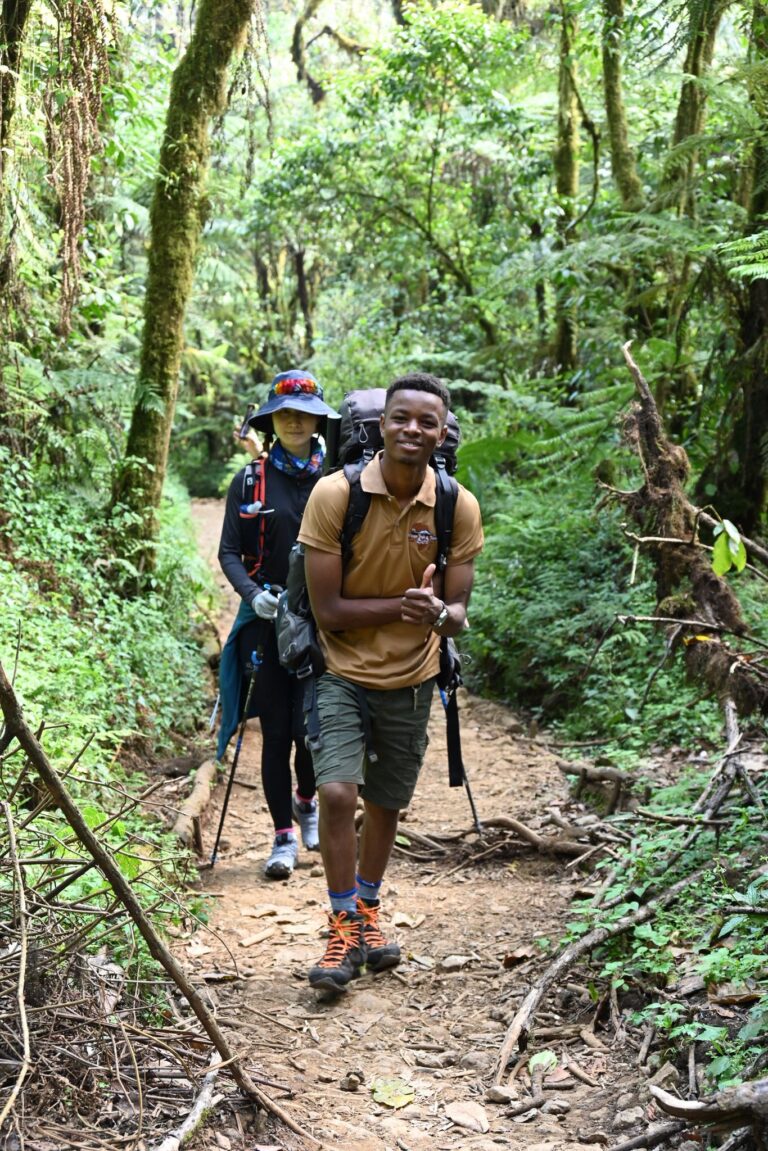
September Kilimanjaro Last-Minute Group Departures : Find Your Spot 2026-2027
Looking for September Kilimanjaro last-minute group departures? Discover available climbs for 2026-2027, ideal routes, and how to book your adventure with Top Guide Adventures.
View package detailsSeptember Kilimanjaro Climb & Cultural Safari: Your Guide 2026-2027
This comprehensive guide covers everything you need to know for a September Kilimanjaro climb combined with a cultural safari in Tanzania, including optimal routes, packing lists, weather...
View package detailsSeptember Kilimanjaro Climb With Extra Acclimatization 2026-2027
September Kilimanjaro Climb with Extra Acclimatization is explained with current 2026-2027 planning, price, itinerary and booking information.
View package details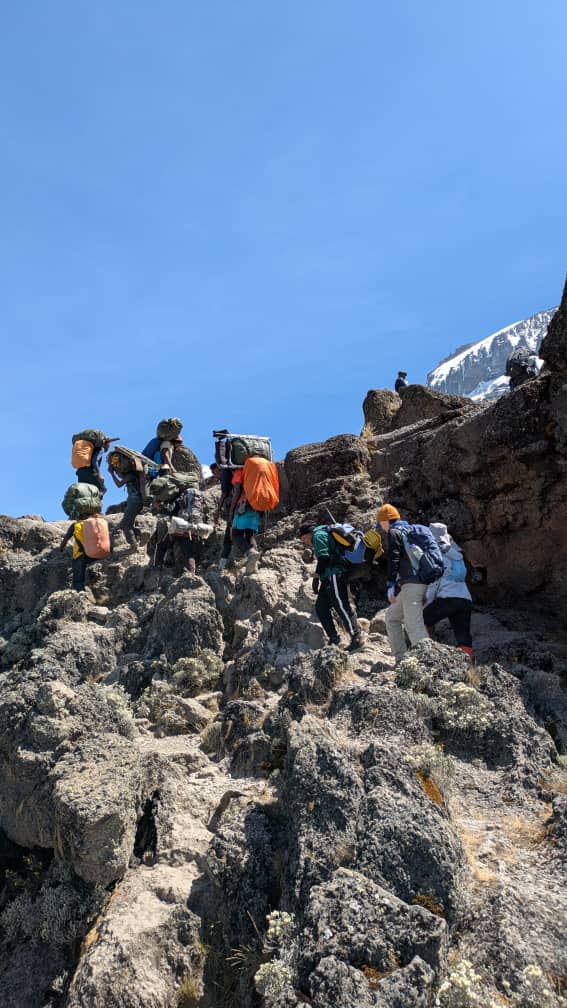
September Kilimanjaro Climb For Seniors 2026-2027
September Kilimanjaro Climb for Seniors is explained with current 2026-2027 planning, price, itinerary and booking information.
View package details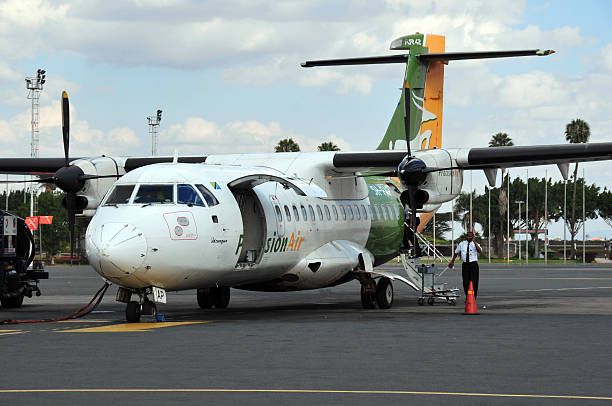
September Kilimanjaro Sunrise Photography Tour 2026-2027
September Kilimanjaro Sunrise Photography Tour is explained with current 2026-2027 planning, price, itinerary and booking information.
View package details
September Kilimanjaro Crowd Levels 2026-2027
September Kilimanjaro Crowd Levels is explained with current 2026-2027 planning, price, itinerary and booking information.
View package details
September Kilimanjaro Summit Night Temperature 2026-2027
September Kilimanjaro Summit Night Temperature is explained with current 2026-2027 planning, price, itinerary and booking information.
View package details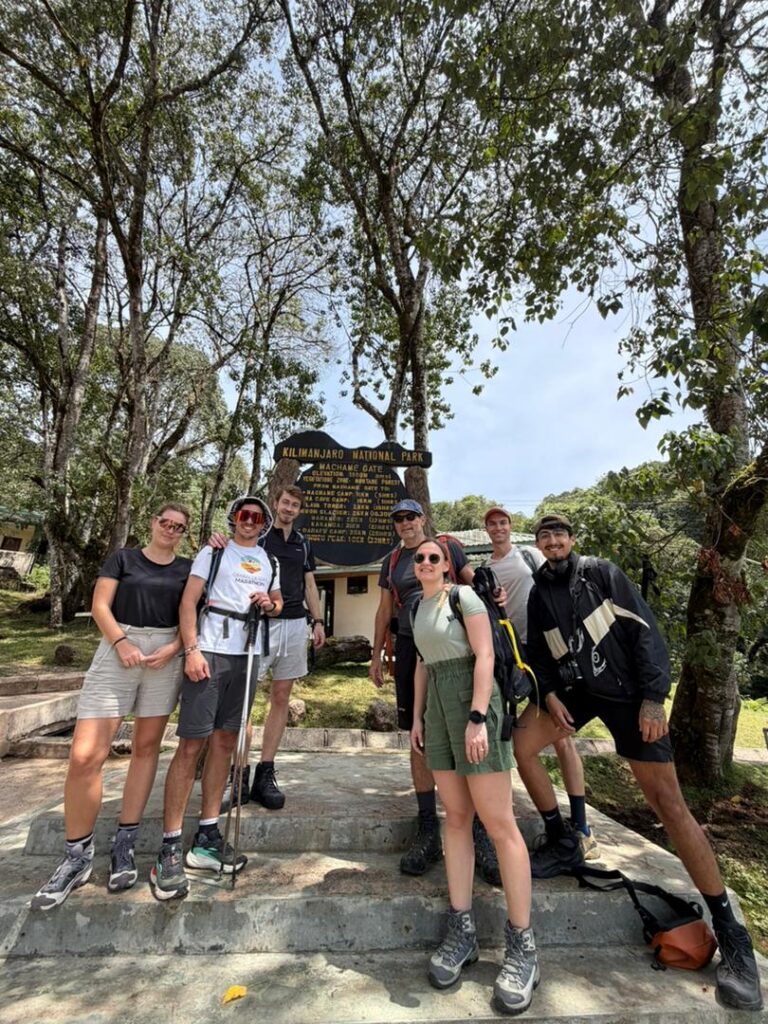
Kilimanjaro Weather And Visibility In September 2026-2027
Kilimanjaro Weather and Visibility in September is explained with current 2026-2027 planning, price, itinerary and booking information.
View package detailsIs September Good For Climbing Kilimanjaro? Your Guide 2026-2027
Discover why September is a prime month for ascending Mount Kilimanjaro. This guide details the weather, crowds, and what to expect for your 2026-2027 climb.
View package details
September Kilimanjaro Prices And Availability 2026-2027
September Kilimanjaro Prices and Availability is explained with current 2026-2027 planning, price, itinerary and booking information.
View package detailsNo related package matches those filters. Clear one or more filters to see the other topic-matched options.



