
Kilimanjaro summit night temperatures in September typically range from -10°C to -20°C (-14°F to -4°F), and can feel much colder due to significant wind chill. This period falls within the dry season, offering clearer skies but also exposing climbers to harsh, freezing conditions on summit night, especially after midnight. Proper layering and essential gear are crucial for a successful and safe ascent during the 2026-2027 climbing season.


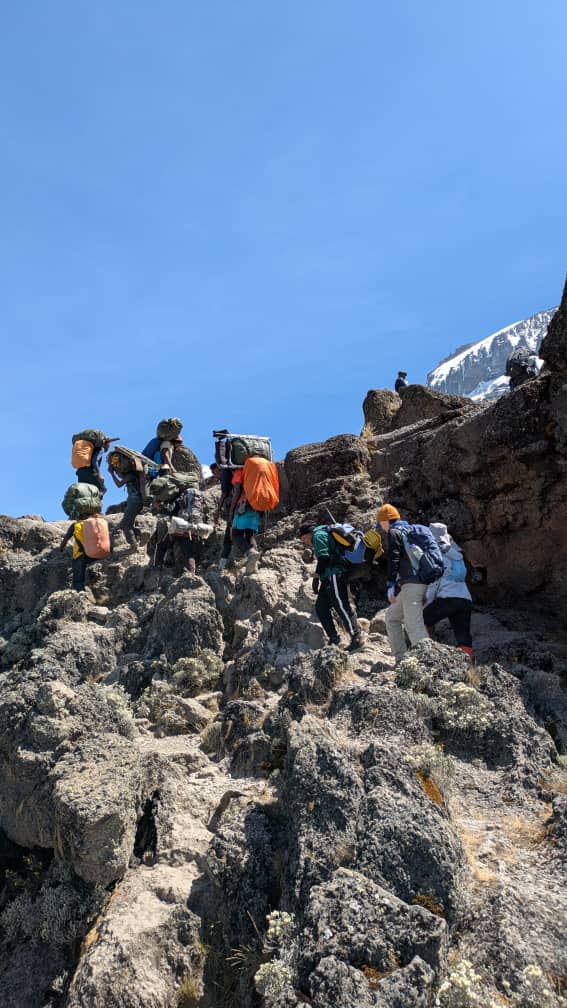
Understanding Kilimanjaro’s Climate in September
September on Kilimanjaro marks the tail end of the dry season, a period generally favored by trekkers for its stable weather patterns and reduced rainfall. While daytime temperatures can be surprisingly pleasant, especially at lower altitudes, the focus for any Kilimanjaro climber, particularly when considering a September ascent, must shift dramatically to the conditions experienced at extreme altitudes. The summit, Uhuru Peak, stands at a formidable 5,895 meters (19,341 feet), placing it well into the ‘death zone’ where the human body struggles to acclimatize. Consequently, the September Kilimanjaro summit night temperature is a critical factor in planning and preparation.
During September, Kilimanjaro experiences a distinct shift in weather as it transitions from the dry season towards the short rainy season later in the year. However, for much of the month, trekkers benefit from clear skies and excellent visibility, which are ideal for both the trekking experience and the final push to the summit. This clarity, combined with the drier trails, makes September a popular choice for climbers aiming for the Roof of Africa in 2026 and 2027. Yet, this pleasant daytime weather is deceptive. As you ascend, temperatures drop significantly, and the real challenge begins when you start your summit attempt, typically in the pre-dawn hours.
The air at nearly 6,000 meters is thin, and the sun’s rays, while potent, offer little warmth at night. The prevailing conditions on summit night are dictated by altitude, wind, and the absence of direct sunlight. For September, this translates to consistently frigid temperatures. It’s not uncommon for thermometers to read well below freezing, and this is before accounting for the wind. Wind chill is a major factor on Kilimanjaro’s exposed summit ridge and crater rim. A temperature of -15°C can easily feel like -25°C or even colder when the wind picks up, which it often does at that altitude.
Altitude and Temperature: A Direct Correlation
The relationship between altitude and temperature on Kilimanjaro is stark. For every 1,000 meters (approximately 3,280 feet) gained, the temperature drops by about 6.5°C (11.7°F). This is a general rule, and local weather patterns can cause variations, but it provides a fundamental understanding of why the summit is so cold. Starting your climb from the park gate at around 1,800 meters (5,900 feet) where temperatures might be a mild 15-20°C (59-68°F) during the day, you are heading towards a zone where temperatures hover around -10°C to -20°C on summit night. This dramatic temperature gradient is why meticulous packing and layering are non-negotiable for a September Kilimanjaro climb.
The summit night itself is an extreme endurance test. Climbers usually begin their ascent between 11 PM and 2 AM to reach Stella Point or Uhuru Peak by sunrise. This means spending several hours in the coldest part of the night, often in blizzard-like conditions if the weather turns. Even on a clear September night, the air is incredibly dry and biting. Understanding this critical aspect of the September Kilimanjaro summit night temperature is the first step towards successful preparation for your 2026 or 2027 adventure.
Average Temperatures and Wind Chill in September
While exact figures can fluctuate, experienced guides and meteorological data consistently point to a specific range for the September Kilimanjaro summit night temperature. Based on typical conditions, you should be prepared for temperatures hovering between -10°C and -20°C (-14°F to -4°F). These are the ambient air temperatures. However, the real enemy is often the wind.
Wind speeds on Kilimanjaro’s summit can easily reach 30-50 km/h (19-31 mph), and in stronger gusts, even higher. This wind dramatically increases the perceived temperature through wind chill. A -15°C temperature with a 40 km/h wind can feel like -25°C or even colder. This effect is amplified by the dry air, which doesn’t retain heat as well as humid air. Therefore, when packing for your September Kilimanjaro climb, it’s essential to consider the wind chill factor as much as the base temperature. This means prioritizing windproof and insulated outer layers.
Daytime vs. Nighttime Temperatures: A Stark Contrast
It’s crucial to differentiate between daytime and nighttime temperatures on Kilimanjaro, especially in September. During the day, especially on lower slopes and when the sun is shining, temperatures can be quite comfortable, perhaps ranging from 10°C to 20°C (50°F to 68°F) at altitudes between 3,000 and 4,000 meters. However, as the sun sets, the temperature plummets rapidly. By the time you reach the higher camps, such as Kibo Hut (around 4,700 meters), temperatures are already below freezing, typically -5°C to -10°C (14°F to 23°F).
The significant difference between day and night temperatures requires a versatile layering system. You’ll need breathable clothing for the daytime trek and robust, insulated, and windproof gear for the freezing summit night. This contrast is a defining characteristic of climbing Kilimanjaro, and September offers a prime example of this phenomenon. The clear skies often associated with September mean that evenings can be exceptionally cold and clear, amplifying the chill.
The Impact of Wind Chill on Summit Night
The September Kilimanjaro summit night temperature is not a static figure. The wind is a constant variable that can drastically alter the perceived cold. Imagine standing at nearly 6,000 meters, exposed on a ridge, with winds whipping around you. Even if the thermometer reads -15°C, the wind can strip away your body heat at an alarming rate. This is why windproof outer layers are paramount. Without them, you risk rapid heat loss, hypothermia, and frostbite, even with adequate base and mid-layers.
For climbers planning their 2026 or 2027 expedition, understanding this wind chill effect is as important as knowing the base temperature. It dictates the type of outer shell you need – one that is not just waterproof but also highly wind-resistant and preferably insulated. A good quality down jacket or a synthetic equivalent, combined with a waterproof and windproof shell, is essential for protecting against the biting winds on summit night.
What to Pack for September Summit Night
Given the freezing September Kilimanjaro summit night temperature, meticulous packing is not just recommended; it’s a prerequisite for safety and comfort. The key is a multi-layering system that allows you to adapt to changing conditions throughout the climb and, most critically, to survive the extreme cold of summit night. Top Guide Adventures emphasizes that proper gear can make the difference between a triumphant summit and a premature descent.
Your clothing system should include:
- Base Layers: Moisture-wicking thermal tops and bottoms made from merino wool or synthetic materials. These are worn next to the skin to draw sweat away and provide initial warmth.
- Mid Layers: Fleece jackets or vests, and potentially a lightweight down or synthetic insulated jacket. These layers provide insulation and trap body heat. You might wear one or two mid-layers depending on the cold.
- Outer Layers: A waterproof and windproof jacket and trousers (hardshell). This is your final defense against wind, rain, and snow. Ensure it’s breathable to prevent moisture buildup from within.
Essential Gear for Extreme Cold
Beyond clothing layers, specific items are vital for handling the September Kilimanjaro summit night temperature:
- Down Jacket: A warm, high-quality down jacket (rated for sub-zero temperatures) is indispensable for summit night. This is often worn over your mid-layers.
- Gloves and Mittens: Bring multiple pairs. Lightweight liner gloves, waterproof insulated gloves, and even warm mittens are recommended. Mittens are generally warmer than gloves as they keep fingers together.
- Headwear: A warm fleece hat or beanie that covers your ears is essential. A balaclava or neck gaiter (buff) is also crucial for protecting your face and neck from the wind and cold.
- Socks: Several pairs of warm, thick wool or synthetic hiking socks. Avoid cotton. You might even wear two pairs on summit night – a liner sock under a thick wool sock.
- Boots: Insulated, waterproof hiking boots that are well broken-in. Ensure they are roomy enough to accommodate thick socks and allow for good circulation.
- Sleeping Bag: A 4-season sleeping bag rated to at least -15°C (5°F), preferably -20°C (-4°F), is necessary for the high-altitude camps.
- Headlamp: A reliable headlamp with fresh batteries is critical for navigating in the dark. Bring a spare headlamp or spare batteries.
Important Note on Gear for 2026-2027 Climbs
When planning your 2026 or 2027 climb, remember that rental gear is available for some items like sleeping bags and down jackets. However, we strongly advise purchasing your own base layers, gloves, hats, and socks, as these personal items are critical for fit and hygiene. Top Guide Adventures can provide guidance on recommended gear specifications and rental options.
Protecting Extremities: Hands, Feet, and Face
The extremities are the first to suffer in extreme cold. The September Kilimanjaro summit night temperature poses a significant risk to fingers, toes, and exposed facial skin.
- Hands: Layering is key. Start with thin liner gloves, then add insulated waterproof gloves or mittens. Keeping hands warm is vital for managing equipment and maintaining dexterity.
- Feet: Ensure your boots are not too tight, as this restricts circulation. Wear thick, moisture-wicking socks. Consider chemical foot warmers for extra heat on summit night.
- Face: A balaclava or ski mask is essential. Sunglasses are needed for the bright sun reflecting off snow and ice, even in September, and goggles can offer better protection against wind and blowing snow. Sunscreen and lip balm with SPF are also vital due to the high altitude and UV exposure.
Factors Influencing September Summit Conditions
While September is generally part of the dry season, Kilimanjaro’s weather is notoriously unpredictable. Several factors can influence the actual September Kilimanjaro summit night temperature and overall conditions:
- Altitude: This is the primary driver of temperature. The higher you go, the colder it gets, irrespective of the month.
- Time of Day: Summit night is the coldest, typically starting between midnight and 2 AM. Temperatures are lowest just before dawn.
- Wind: As discussed, wind chill is a major factor that can make it feel drastically colder than the thermometer reading.
- Cloud Cover: While September often brings clear skies, occasional cloud cover can block the sun during the day, leading to colder conditions. At night, clouds can sometimes trap some heat, but they also bring the risk of precipitation.
- Precipitation: Although September is dry, brief snow flurries or light rain are not impossible at higher altitudes.
- Aspect: The side of the mountain can experience microclimates. For instance, the western side might receive more direct sun during the day.
The Dry Season Advantage (and Disadvantage)
September is part of Kilimanjaro’s extended dry season, which runs from June to October. This means trekkers can expect significantly less rainfall compared to the wet seasons. Trails are generally in good condition, and visibility is often excellent, offering stunning views of Mount Meru and the surrounding plains. This clarity is a major draw for climbers planning their 2026-2027 trips.
However, the dry season also means lower humidity and more exposure to the sun’s UV rays during the day. At night, the dry air radiates heat quickly, contributing to the extreme cold. While you avoid heavy rains, you must be prepared for the intense cold and potential for frost and ice, especially on the summit.
Comparing September to Other Months
When considering the September Kilimanjaro summit night temperature, it’s helpful to compare it to other months:
- January-February: Generally considered the warmest months, but also part of the rainy season. Summit night can still be very cold, but with a higher chance of snow and rain mixed with freezing temperatures.
- March-May: The long rainy season. Climbing is generally not recommended due to heavy rainfall, mud, and poor visibility. Summit temperatures are cold, but the main issue is the weather.
- June-October: The dry season.
- June-August: Cooler temperatures, especially at night. Can be quite cold, approaching September levels.
- September: Often considered one of the best months. Dry, clear skies, but with significant cold on summit night.
- October: Still dry and clear, but temperatures might start to slightly moderate compared to September as it moves towards the short rainy season.
- November-December: The short rainy season. Conditions can be mixed, with periods of sun and rain. Temperatures are milder than the peak dry season.
In essence, September offers a trade-off: excellent visibility and dry conditions in exchange for a higher likelihood of extreme cold on summit night. Climbers aiming for 2026-2027 expeditions in September should prioritize cold-weather gear above all else.
Preparing Your Body for Summit Night
Beyond the gear, your physical and mental preparation is crucial for tackling the September Kilimanjaro summit night temperature. Altitude sickness is a significant risk, and the extreme cold adds another layer of challenge.
Acclimatization Strategy
The most effective way to combat altitude sickness is proper acclimatization. This involves ascending slowly, allowing your body time to adjust to the decreasing oxygen levels. Most reputable Kilimanjaro operators, including Top Guide Adventures, build acclimatization days into their itineraries. Longer routes like the 8-day Lemosho or 9-day Northern Circuit offer superior acclimatization profiles compared to shorter routes.
A key principle is “pole pole” (slowly, slowly). This applies not just to your walking pace but also to your ascent profile. Climbing higher during the day and sleeping at a lower altitude (climb high, sleep low) is an effective strategy. For September climbs, ensuring your chosen route and itinerary allow for adequate acclimatization is paramount, especially when anticipating the harsh summit night conditions.
Hydration and Nutrition
Staying hydrated and well-nourished is vital for maintaining energy levels and aiding acclimatization. At high altitudes, the air is dry, and you lose more fluids through respiration and perspiration. Aim to drink at least 3-4 liters of water per day. Electrolyte supplements can be beneficial.
Your diet should focus on carbohydrates for energy. High-altitude cuisine typically includes plenty of rice, pasta, potatoes, and fruits. On summit night, energy-dense snacks that are easy to eat in the cold are essential. Think energy bars, nuts, dried fruits, and chocolate.
Mental Fortitude
Summit night is as much a mental challenge as a physical one. The darkness, the extreme cold, the physical exhaustion, and the sheer length of the ascent can be daunting. Positive self-talk, focusing on one step at a time, and trusting your guides are crucial for maintaining morale.
For September climbs, knowing the September Kilimanjaro summit night temperature will be extreme can help you prepare mentally. You’ll know what to expect and can mentally rehearse your strategies for staying warm and motivated. Visualizing success and understanding the journey can build resilience.
Expert Advice from Top Guide Adventures
Our guides are trained to monitor climbers closely for signs of altitude sickness and hypothermia. They will encourage you to drink, eat, and move steadily. Don’t hesitate to communicate any discomfort or concerns to your guide. Your safety and well-being are our top priorities for your 2026-2027 Kilimanjaro adventure.
Navigating Summit Night: Tips for Success
Successfully reaching Uhuru Peak on a September night requires careful planning and execution. The extreme conditions mean that small mistakes can have significant consequences.
The Summit Attempt Itself
Summit attempts typically begin between 11 PM and 2 AM from Kibo Hut or the Advanced Base Camp. The goal is to reach Stella Point (the crater rim) by sunrise, around 6 AM, and then continue for another hour to Uhuru Peak. The ascent is steep and slow, often on scree or rocky terrain.
Your guides will set a slow, steady pace. It’s vital to keep moving to generate body heat, but not so fast that you become breathless and sweat excessively, which can lead to chilling later. Regular short breaks are taken for hydration and checking on your condition.
Managing the Cold During the Ascent
To manage the September Kilimanjaro summit night temperature:
- Keep Moving: Maintain a consistent, slow pace.
- Layer Management: Adjust your layers as needed. If you start to overheat, remove a layer temporarily. Put it back on during breaks or when you start to feel cold.
- Stay Hydrated: Sip water frequently. Insulated water bottles or hydration reservoirs with insulated tubes are recommended to prevent freezing.
- Eat Regularly: Small, frequent snacks provide the energy needed to stay warm.
- Protect Extremities: Ensure your gloves, hat, and balaclava are secure and effective.
Dealing with Potential Challenges
Even in September, challenges can arise:
- Frostbite: Keep fingers and toes moving. If you feel numbness, alert your guide immediately.
- Hypothermia: Recognize the symptoms – shivering, confusion, slurred speech. Communicate any feelings of extreme cold or disorientation.
- Equipment Failure: Ensure your headlamp is working and batteries are fresh. Keep spare batteries warm in an inside pocket.
Summit Night Checklist for September Climbers
- Headlamp: Bright with fresh batteries + spares.
- Water: At least 2-3 liters in insulated containers.
- Snacks: High-energy, easy-to-eat items.
- Warm Layers: All base, mid, and outer layers ready.
- Gloves/Mittens: Multiple pairs, including waterproof outer.
- Hat/Balaclava: For full head and face protection.
- Sun Protection: Sunglasses, sunscreen, lip balm (for sunrise and descent).
- Camera: To capture the incredible views (keep batteries warm!).
- Personal First-Aid: Blister treatment, pain relievers.
- Trekking Poles: Essential for stability on scree.
The Descent: Often Underestimated
The descent from Kilimanjaro is often more challenging than the ascent, despite being less demanding in terms of oxygen. After the exhilaration of reaching the summit, fatigue sets in, and the steep, loose scree slopes can be treacherous. The September Kilimanjaro summit night temperature, while easing as you descend, still means cold conditions prevail for a significant portion of the morning.
Your legs will be tired, and balance can be difficult. Using trekking poles is highly recommended to reduce stress on your knees and provide stability. Stay hydrated and continue to eat on the way down. The goal is to reach the lower camps safely and efficiently.
Post-Summit Considerations
Once you descend back to Mweka Camp (around 3,100 meters), the temperature will noticeably increase. However, the cold experienced on summit night will likely linger in your memory. The final day’s walk to the Mweka Gate (around 1,650 meters) is usually through the rainforest, where temperatures can be quite pleasant, often in the low 20s Celsius (70s Fahrenheit).
Celebrations typically occur upon arrival at the gate or back in Moshi. Reflecting on the accomplishment, especially having braved the challenging September Kilimanjaro summit night temperature, is a rewarding experience. Top Guide Adventures ensures a comfortable transfer back to your hotel and helps arrange celebratory meals.
Booking Your September Kilimanjaro Climb for 2026-2027
September is a prime month for climbing Kilimanjaro, and bookings for the 2026 and 2027 seasons, especially for popular dates, should be made well in advance. This allows for proper planning, gear acquisition, and securing your preferred itinerary and dates.
Top Guide Adventures offers a range of itineraries designed to maximize your chances of success and enjoyment. We understand the nuances of Kilimanjaro’s climate and tailor our trips accordingly. When you book with us, you benefit from:
- Experienced Local Guides: Our guides are highly trained and knowledgeable about altitude, weather, and safety protocols.
- Quality Equipment: We provide high-quality tents, cooking equipment, and can assist with gear rental.
- Comprehensive Itineraries: Routes are chosen for optimal acclimatization and scenery.
- Personalized Support: From your initial inquiry to your return from the mountain, we offer dedicated support.
Considering the specific challenges posed by the September Kilimanjaro summit night temperature, choosing a reputable operator like Top Guide Adventures is crucial. We ensure you are well-prepared, well-equipped, and supported every step of the way.
Choosing the Right Route for September
While most routes are viable in September, some are better suited for acclimatization and overall experience:
- Lemosho Route (7-8 days): Excellent acclimatization, beautiful scenery, and higher success rates.
- Machame Route (6-7 days): Popular, scenic, and challenging, with good acclimatization on longer itineraries.
- Northern Circuit (9 days): The longest route, offering the best acclimatization and a full circuit of the mountain.
- Marangu Route (5-6 days): The “Coca-Cola” route, less scenic and with poorer acclimatization, generally not recommended for those prioritizing success and comfort, especially given the September summit conditions.
For a September climb, we strongly recommend opting for at least a 7-day itinerary to ensure adequate acclimatization, which is critical for handling the cold summit night. For 2026-2027 bookings, contact us early to discuss the best route for your goals.
Making Your 2026-2027 Booking
Ready to plan your Kilimanjaro adventure in September 2026 or 2027? Understanding the September Kilimanjaro summit night temperature is just one piece of the puzzle. Let Top Guide Adventures help you with the rest.
Contact us today to discuss your climb:
- WhatsApp: +255616946642
- Email: topguideadventures@gmail.com
- Backup Email: info@topguideadventures.com
We look forward to helping you achieve your dream of summiting Kilimanjaro in the crisp, clear air of September!
“,
“faq_schema”: [
{
“question”: “What is the typical temperature on Kilimanjaro’s summit at night in September?”,
“answer”: “In September, the typical Kilimanjaro summit night temperature is between -10°C and -20°C (-14°F to -4°F). This does not include wind chill, which can make it feel significantly colder.”
},
{
“question”: “How cold does it feel on Kilimanjaro’s summit at night in September due to wind chill?”,
“answer”: “Wind chill can make the September Kilimanjaro summit night temperature feel as low as -25°C (-13°F) or even colder, depending on wind speed. Proper windproof gear is essential.”
},
{
“question”: “Is September a good month to climb Kilimanjaro considering the summit night temperature?”,
“answer”: “Yes, September is part of the dry season, offering clear skies and good visibility. While the September Kilimanjaro summit night temperature is very cold, with proper preparation and gear, it’s an excellent month for a climb. The trade-off is cold for clear weather.”
},
{
“question”: “What gear is most important for the cold summit night in September?”,
“answer”: “The most critical gear includes a warm down jacket, waterproof and windproof outer layers, insulated gloves or mittens, a warm hat and balaclava, and thick wool socks. A multi-layering system is key to managing the September Kilimanjaro summit night temperature.”
},
{
“question”: “How does the September summit temperature compare to other months?”,
“answer”: “September is among the colder months for summit night, comparable to June-August, due to it being in the dry season. It’s generally colder than the short rainy season months (Nov-Dec) but potentially less extreme than the peak of winter (July/August) in some years. The key is consistent cold and dry conditions.”
},
{
“question”: “What is the best route for a September Kilimanjaro climb in 2026-2027?”,
“answer”: “For a September climb, longer routes like the 8-day Lemosho or the 9-day Northern Circuit are highly recommended for better acclimatization, which is crucial for handling the cold September Kilimanjaro summit night temperature. These routes offer higher success rates.”
},
{
“question”: “Do I need a special sleeping bag for September?”,
“answer”: “Yes, a 4-season sleeping bag rated to at least -15°C (5°F), preferably -20°C (-4°F), is essential for the high-altitude camps during a September climb, given the cold nights and the extreme September Kilimanjaro summit night temperature.”
}
]
}
“`
Check Availability for September Kilimanjaro Summit Night Temperature 2026-2027
Ready to compare dates, prices, and the best option for your group? Send the package name and travel month so the team can reply with a clear quote, availability, and what is included.
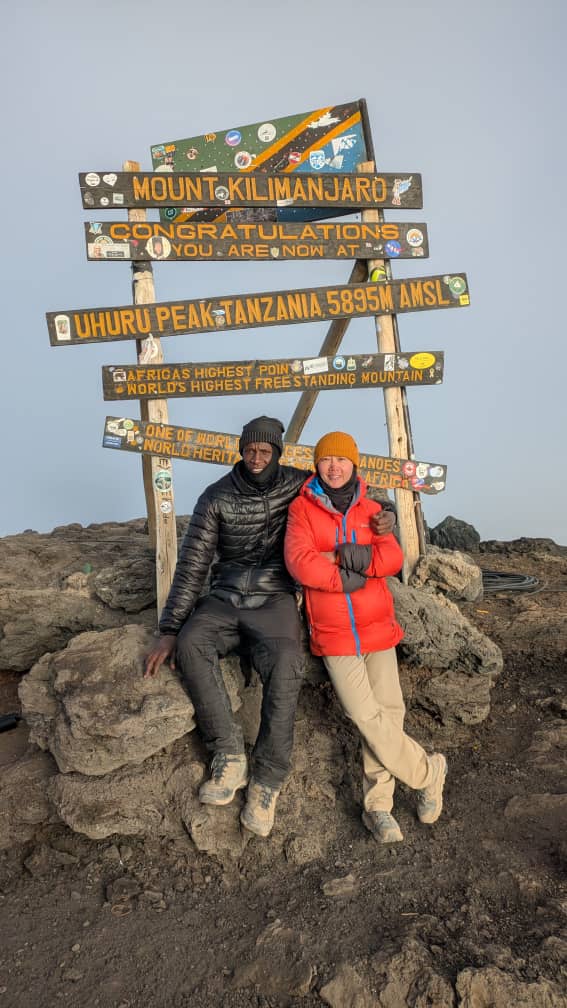
October Kilimanjaro Summit Temperature 2026-2027
October Kilimanjaro Summit Temperature is explained with current 2026-2027 planning, price, itinerary and booking information.
View package details
September Kilimanjaro Full-Moon Summit Trek Guide
Discover the magic of a September Kilimanjaro full-moon summit trek. This comprehensive guide covers everything from planning and routes to what to expect during your 2026-2027 lunar...
View package details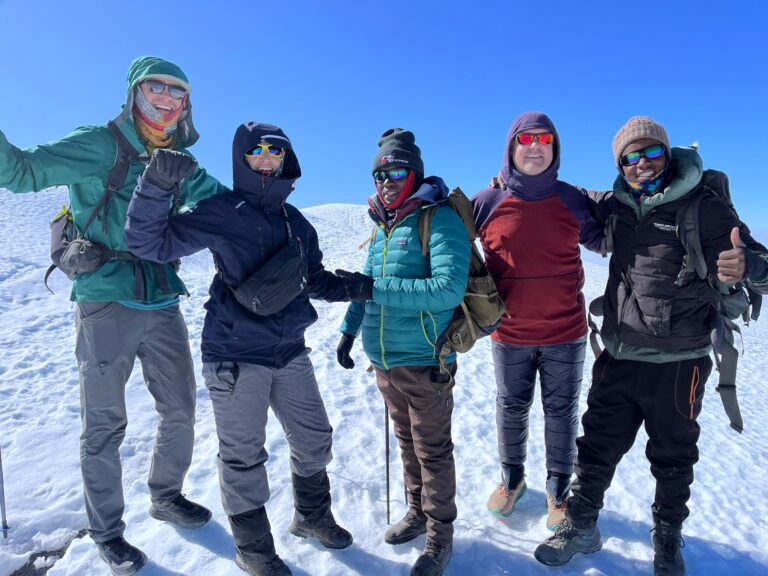
July Kilimanjaro Summit Night Clothing Guide
Summiting Kilimanjaro in July means preparing for extreme cold on summit night. This guide details the essential clothing layers and gear needed to stay warm and safe, ensuring your...
View package details
December Kilimanjaro Summit Temperature: What To Expect In 2026-2027
Planning a Kilimanjaro climb in December? Understand the extreme cold at the summit, essential gear, and how to prepare for the challenging conditions expected in 2026-2027.
View package details
November Kilimanjaro Summit Night Weather: What To Expect And How To Prepare
Climbing Kilimanjaro in November? This guide details the summit night weather, including temperature ranges, wind chill, precipitation chances, and crucial preparation tips for a successful...
View package detailsEarly October Kilimanjaro Climbing Packages: Your Guide To Summit Success
Planning an early October climb of Kilimanjaro? This guide covers everything you need to know about packages, routes, weather, and preparation for your 2026-2027 adventure.
View package details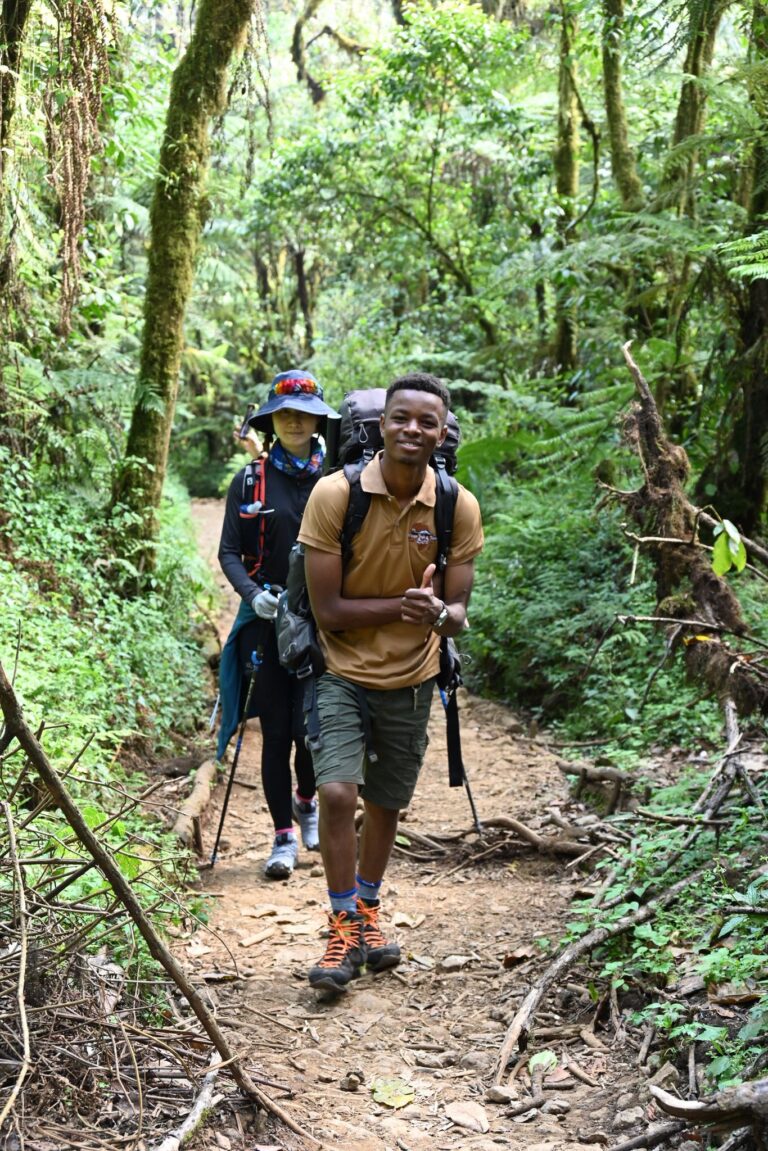
September Kilimanjaro Last-Minute Group Departures : Find Your Spot 2026-2027
Looking for September Kilimanjaro last-minute group departures? Discover available climbs for 2026-2027, ideal routes, and how to book your adventure with Top Guide Adventures.
View package details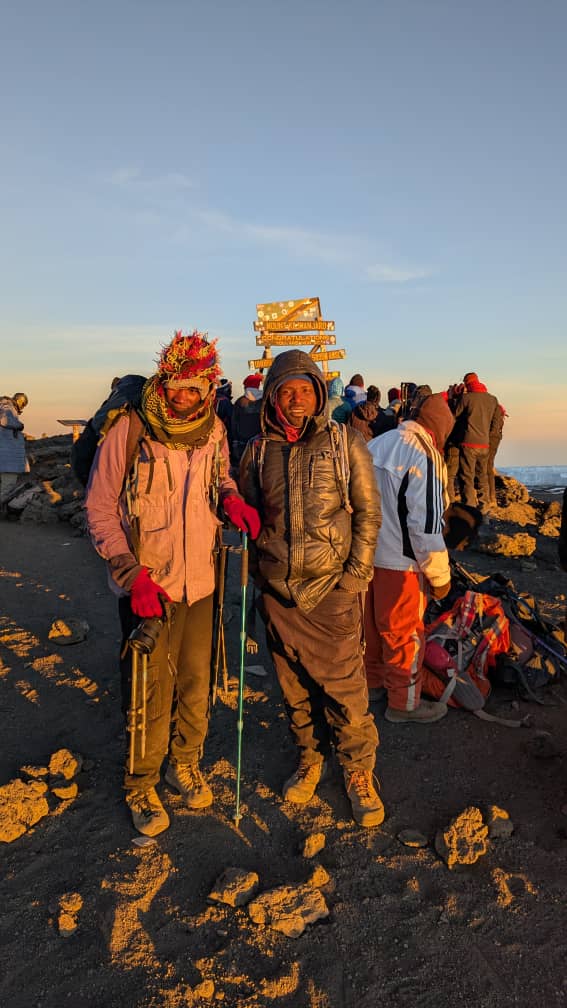
September Kilimanjaro Climb & Cultural Safari: Your Guide 2026-2027
This comprehensive guide covers everything you need to know for a September Kilimanjaro climb combined with a cultural safari in Tanzania, including optimal routes, packing lists, weather...
View package detailsSeptember Kilimanjaro Climb With Extra Acclimatization 2026-2027
September Kilimanjaro Climb with Extra Acclimatization is explained with current 2026-2027 planning, price, itinerary and booking information.
View package detailsSeptember Kilimanjaro Climb For Seniors 2026-2027
September Kilimanjaro Climb for Seniors is explained with current 2026-2027 planning, price, itinerary and booking information.
View package details
September Kilimanjaro Sunrise Photography Tour 2026-2027
September Kilimanjaro Sunrise Photography Tour is explained with current 2026-2027 planning, price, itinerary and booking information.
View package detailsSeptember Kilimanjaro Crowd Levels 2026-2027
September Kilimanjaro Crowd Levels is explained with current 2026-2027 planning, price, itinerary and booking information.
View package detailsNo related package matches those filters. Clear one or more filters to see the other topic-matched options.



