
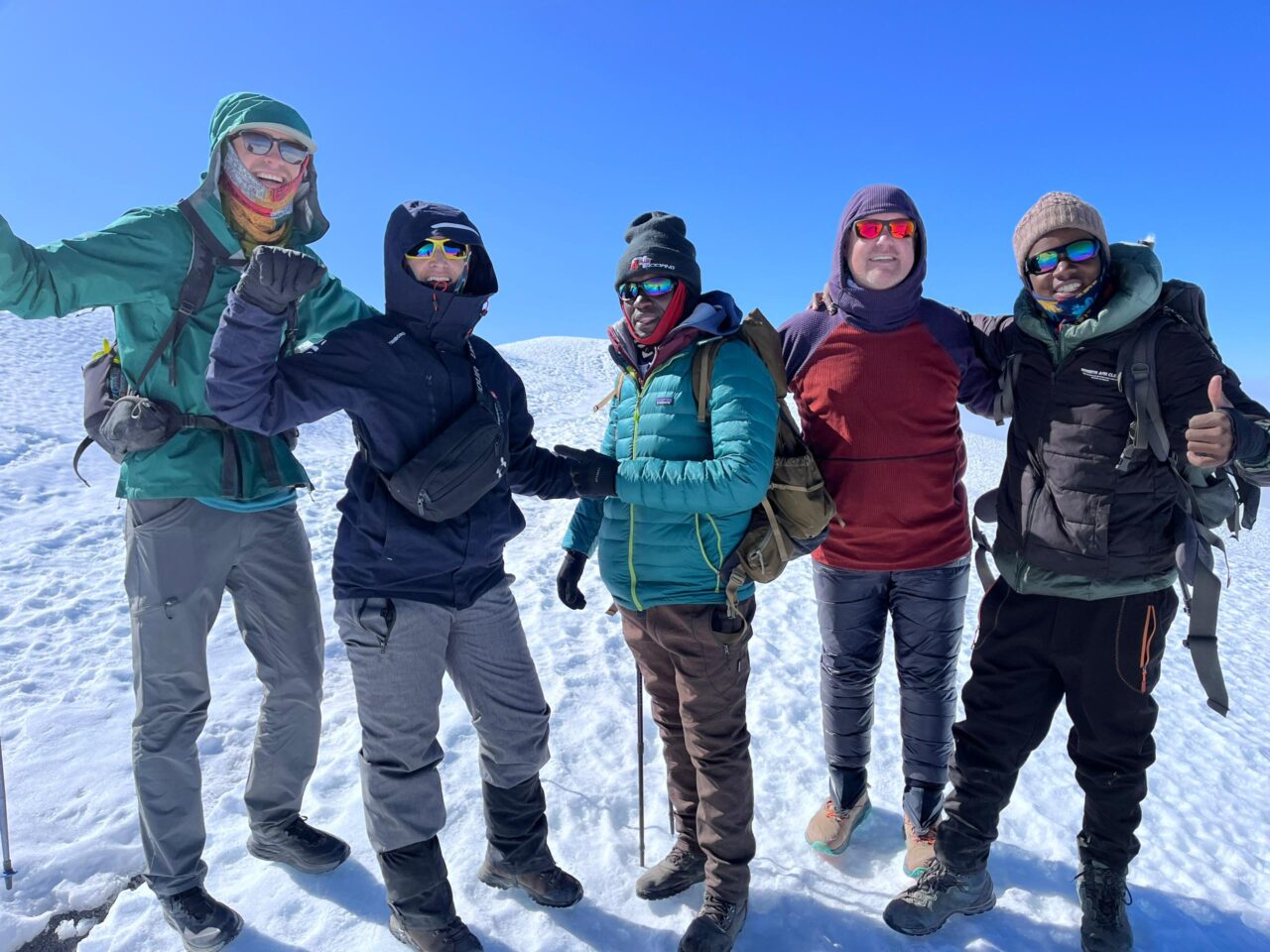
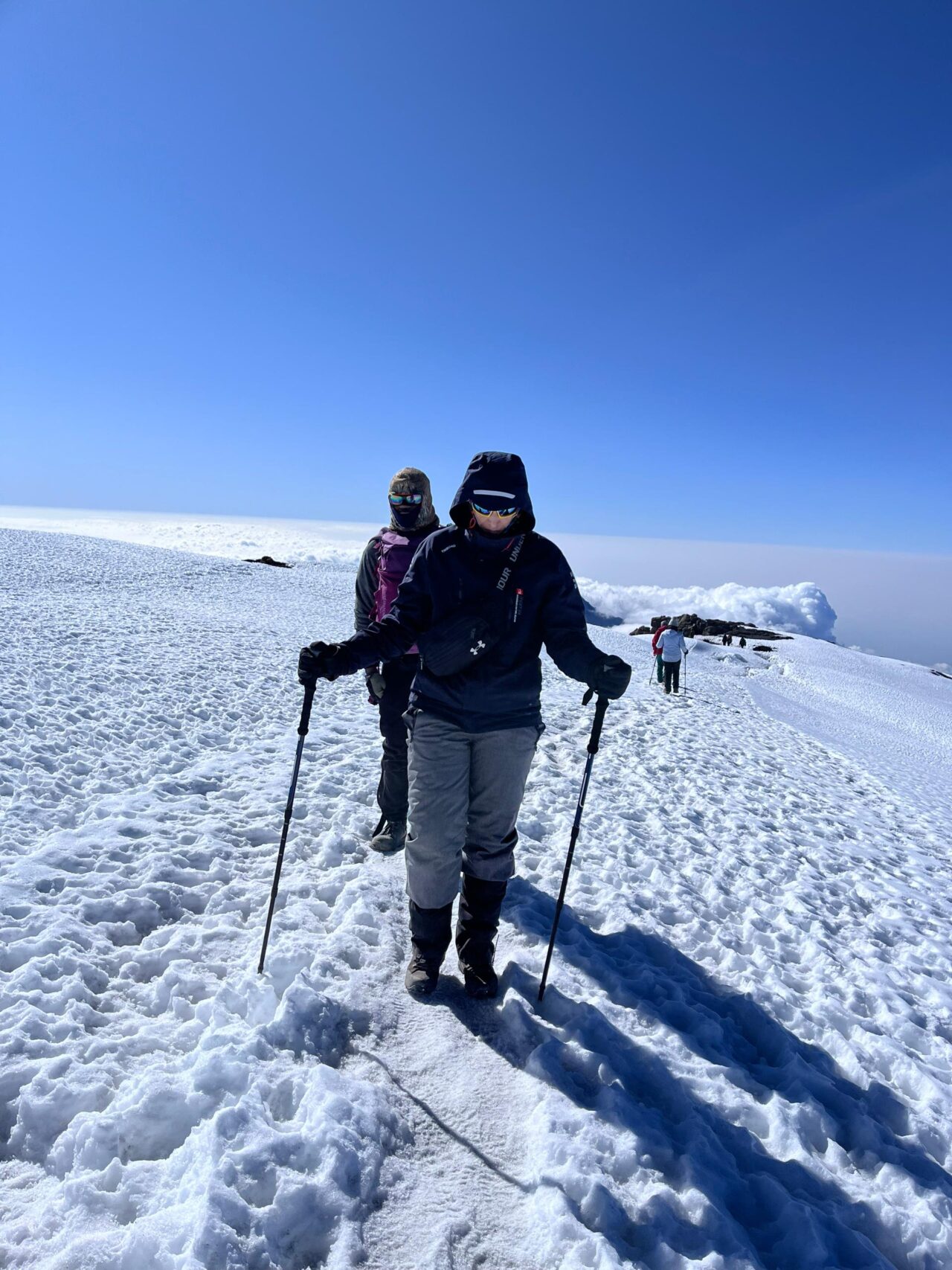
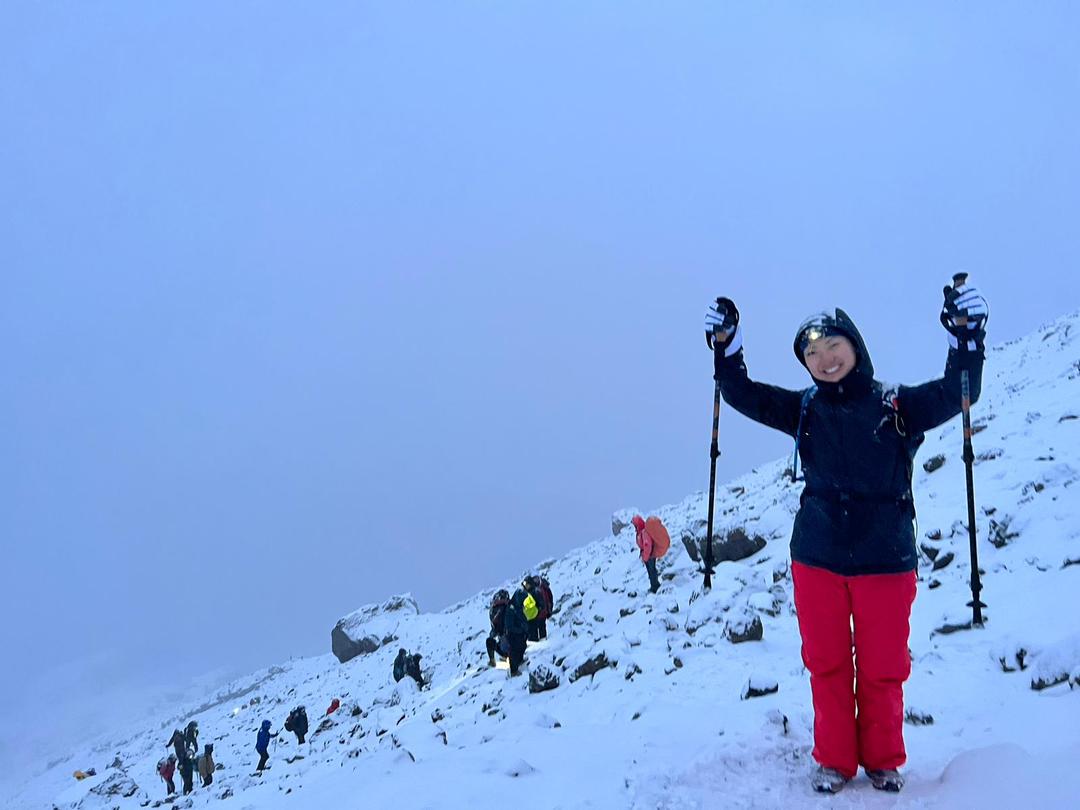
July Kilimanjaro summit night clothing requires a robust layering system designed for extreme cold, wind, and altitude. Expect temperatures to plummet below -10°C (14°F), with wind chill making it feel significantly colder. Your kit must include thermal base layers, insulating mid-layers (fleece and down), a waterproof and windproof outer shell, insulated trousers, a warm hat, gloves, and a balaclava. Proper gear is critical for safety and comfort during the challenging ascent to Uhuru Peak.
Understanding Kilimanjaro’s July Climate for Summit Night
Climbing Kilimanjaro is an incredible adventure, and timing your ascent is crucial for a comfortable and successful experience. July falls within Kilimanjaro’s dry season, which is generally considered one of the best times to climb. However, this dry weather comes with a significant trade-off: plummeting temperatures, especially on summit night. As you ascend to the crater rim and then to Uhuru Peak (5,895 meters / 19,341 feet), the environment dramatically shifts. By July 2026 or 2027, the principles remain the same: preparation is paramount.
The dry season (June to October) offers clearer skies and less rain, which is highly desirable for trekking. But this lack of cloud cover also means more heat radiates away from the mountain at night. During the day, temperatures can be pleasant, even warm in the lower rainforest zones. However, once you reach the alpine desert and arctic zones, and particularly as you begin the final ascent around midnight on summit night, the mercury drops sharply. For July Kilimanjaro summit night clothing, this means prioritizing warmth and protection above all else.
Temperature Fluctuations and Wind Chill
On a typical July night, the summit area can experience temperatures ranging from -10°C to -20°C (14°F to -4°F). This is before accounting for wind chill. Kilimanjaro is known for its strong winds, especially at higher altitudes. A seemingly manageable -15°C can feel like -30°C or colder with a steady breeze. This is why a windproof outer layer is not just recommended, but absolutely essential. Without it, wind can rapidly strip away your body heat, leading to hypothermia.
The summit push typically begins around midnight to 1 AM, aiming to reach the peak by sunrise. This timing means you’ll be exposed to the coldest conditions for several hours. Understanding these extreme variations is the first step in selecting the appropriate July Kilimanjaro summit night clothing. Your gear needs to perform under pressure, keeping you safe and allowing you to focus on the physical and mental challenge of reaching the roof of Africa.
The Layering System: Your Key to Summit Success
The most effective strategy for managing Kilimanjaro’s extreme temperature swings is the layering system. This involves wearing multiple, thin layers of clothing rather than one bulky item. Each layer serves a specific purpose, and you can add or remove them as your body temperature changes during the climb. This system allows for ventilation when you’re working hard (generating body heat) and maximum insulation when you’re stationary or the temperature drops.
For July Kilimanjaro summit night clothing, the focus shifts heavily towards insulation and protection from the elements. While you’ll still need breathability for the initial parts of the ascent, the summit phase demands maximum warmth. We’ll break down the essential layers:
1. Base Layer: Wicking Away Moisture
The base layer is the first layer against your skin. Its primary function is to wick sweat away from your body. When you sweat, moisture trapped against your skin can cool you down rapidly, especially at high altitudes and in freezing temperatures. Therefore, synthetic materials like polyester or merino wool are ideal. Avoid cotton at all costs, as it absorbs moisture and stays wet, leading to dangerous chilling.
- Thermal Tops: Pack at least two sets of long-sleeved thermal tops. A mid-weight merino wool or synthetic blend is perfect for Kilimanjaro. One set will be worn on summit night, and the other can be used on colder days or as a backup.
- Thermal Bottoms: Similarly, pack two pairs of thermal leggings or long johns. A mid-weight option is best for July. You’ll wear one pair on summit night and potentially on other colder days.
Ensure your base layers fit snugly but are not constricting. This close fit is essential for efficient moisture transfer.
2. Mid Layer(s): Insulation and Warmth
The mid-layer provides the bulk of your insulation. This is where you trap warm air close to your body. You might use one or two mid-layers depending on the temperature and your personal metabolism. For July Kilimanjaro summit night clothing, prioritizing a substantial insulating layer is key.
- Fleece Jacket/Pullover: A mid-weight fleece (e.g., Polartec 200 or 300 weight) is a versatile option. It’s breathable, warm even when damp, and relatively lightweight. Bring one good quality fleece jacket.
- Insulated Jacket (Down or Synthetic): This is arguably the most critical piece for summit night. A lightweight down jacket or a synthetic-fill insulated jacket is essential for retaining body heat in extreme cold. Look for a jacket with a high fill power for down or good quality synthetic insulation. It should be warm enough to wear comfortably in sub-zero temperatures. This jacket will likely be worn over your base and fleece layers on summit night.
- Insulated Vest (Optional but Recommended): A lightweight, packable insulated vest can add extra core warmth without restricting arm movement, making it a good addition for summit night if you tend to feel the cold.
The combination of a fleece and a down/synthetic jacket provides excellent warmth and can be adjusted. You might wear the fleece alone during the day, add the insulated jacket when it gets colder, or wear both together for the summit push.
3. Outer Layer (Shell): Protection from Wind and Rain
The outer shell is your final line of defense against the elements. Its primary roles are to block wind and repel precipitation (rain and snow). For July Kilimanjaro summit night clothing, windproofing is paramount. While July is dry, sudden weather changes can occur, and the wind at the summit is relentless.
- Waterproof and Breathable Jacket: This should be a high-quality, durable jacket made from materials like Gore-Tex or similar. It needs to be fully waterproof and windproof, with an adjustable hood that can accommodate a warm hat. Pit zips are a useful feature for ventilation during strenuous activity.
- Waterproof and Windproof Trousers: Full-length, waterproof, and windproof trousers are essential. Look for options with side zippers to allow you to put them on or take them off without removing your boots. These will be worn over your thermal bottoms and potentially fleece trousers.
The shell layer should be roomy enough to fit comfortably over your insulating layers without restricting movement. Ensure the jacket cuffs and trouser hems can be tightened to prevent wind and snow from entering.
Essential Accessories for July Kilimanjaro Summit Night
Beyond the core clothing layers, several accessories are vital for a successful and safe July Kilimanjaro summit night. These items often get overlooked but play a crucial role in maintaining comfort and preventing cold-related injuries.
Headwear: Protecting Your Extremities
You lose a significant amount of body heat through your head. On summit night, keeping your head and face warm is critical.
- Warm Hat: A fleece or wool hat that covers your ears is a must. It should be snug-fitting.
- Balaclava or Ski Mask: This is indispensable for summit night. It protects your face, neck, and ears from the biting wind and cold. A fleece balaclava is ideal.
- Neck Gaiter or Buff: A versatile neck gaiter or a fleece-lined buff provides extra warmth for your neck and can be pulled up over your face if needed.
- Balaclava Liner (Optional): For extreme cold, a thin balaclava liner worn under your main balaclava can add an extra layer of warmth.
Handwear: Keeping Fingers Functional
Your hands are highly susceptible to frostbite. Protecting them requires multiple layers.
- Liner Gloves: Thin, moisture-wicking liner gloves (merino wool or synthetic) are worn next to the skin. They allow for dexterity when you need to use your hands for tasks like adjusting gear or taking photos.
- Insulated Gloves or Mittens: This is your main protection. Waterproof and heavily insulated gloves or mittens are essential for July Kilimanjaro summit night. Mittens are generally warmer than gloves as they keep your fingers together, sharing warmth. Ensure they are large enough to fit over your liner gloves.
- Spare Gloves/Mittens: Always carry a spare pair in case one gets wet.
Eyewear: Shielding Against Sun and Wind
The sun’s rays are intense at high altitudes, and the wind can be harsh.
- Sunglasses: High-quality sunglasses with UV protection are crucial to prevent snow blindness. Choose wraparound styles to protect from wind and glare.
- Goggles (Optional): Ski goggles can provide superior protection against wind and blowing snow, especially if conditions are severe.
Footwear: The Foundation of Your Comfort
Your feet are critical for trekking. Proper footwear and socks are non-negotiable.
- Hiking Boots: Well-worn-in, waterproof, insulated hiking boots are essential. They should provide good ankle support and have a sturdy sole. Ensure they are not too tight, especially with thick socks, as this can restrict circulation and lead to cold feet.
- Camp Shoes/Sandals (Optional): For use at the camps, a pair of lightweight camp shoes or sandals allows your feet to breathe and recover from the day’s trek.
- Gaiters: Waterproof and breathable gaiters prevent scree, dust, and snow from entering your boots, keeping your feet drier and warmer.
- Socks: Pack several pairs of high-quality wool or synthetic hiking socks. Avoid cotton. For summit night, consider wearing two pairs: a thin liner sock and a thicker wool sock.
- Thermal Socks: Bring at least one pair of thick, insulated thermal socks specifically for summit night.
Footwear and Sock Strategy for July Kilimanjaro Summit Night
The importance of your feet cannot be overstated when climbing Kilimanjaro, especially on summit night in July. Cold, wet, or blistered feet can quickly end your trek. A strategic approach to footwear and socks is vital.
Choosing the Right Hiking Boots
Your primary hiking boots should be sturdy, waterproof, and well broken-in. For July Kilimanjaro summit night, consider:
- Insulation: While not strictly necessary for all boots, some boots come with built-in insulation, which can be beneficial. However, the primary insulation will come from your socks.
- Fit: This is paramount. Ensure there is enough room in the toe box for thicker socks and for your toes to wiggle. When laced up, your heel should not lift excessively, but your toes should not jam into the front of the boot when walking downhill. Try boots on with the socks you intend to wear.
- Waterproofing: A Gore-Tex lining or similar waterproof membrane is crucial. You’ll encounter streams, mud, and potentially snow.
- Ankle Support: Mid- or high-cut boots provide essential ankle support on the uneven terrain.
Tip: If your main hiking boots aren’t sufficiently insulated for the extreme cold of July summit night, some climbers opt for a pair of mountaineering boots, which are designed for such conditions. However, ensure these are also well broken-in. For most, well-chosen insulated hiking boots combined with the right socks suffice.
Sock System: The Ultimate Foot Warmth
Your socks are your primary defense against cold feet. For July Kilimanjaro summit night, a double-layer sock system is highly recommended:
- Inner Sock: A thin, moisture-wicking liner sock made of synthetic material or thin merino wool. This sock’s main job is to wick moisture away from your skin to the outer sock, preventing blisters and keeping your feet dry.
- Outer Sock: A thick, warm hiking sock made of merino wool. This sock provides insulation and cushioning. On summit night, you might even opt for a very thick thermal sock over the liner.
Crucially, ensure your boots are not too tight when wearing two pairs of socks. This is a common mistake that can severely impede circulation, leading to cold feet and increasing the risk of frostbite. You should be able to wiggle your toes freely.
Pack spares! Bring at least 3-4 pairs of good quality hiking socks (wool or synthetic) for the trek, and at least one dedicated pair of thick thermal socks for summit night. Having dry socks to change into at camp is a important choice for comfort and foot health.
Gaiters and Their Role
Gaiters are fabric coverings that wrap around the top of your boots and extend up your lower leg. They are invaluable for:
- Preventing Debris: They stop scree, dust, mud, and small stones from entering your boots.
- Keeping Snow Out: Crucial for July summit night, gaiters prevent snow from getting into your boots, which would quickly lead to cold, wet feet.
- Adding Warmth: They can offer a slight additional layer of warmth around your ankles.
Ensure your gaiters are waterproof and breathable, and that they fit securely over your boots and trousers.
Specific Clothing Items for July Kilimanjaro Summit Night
Let’s break down the specific items that make up your July Kilimanjaro summit night clothing ensemble, focusing on performance and warmth.
The Insulated Jacket: Your Summit Core
This is the jacket you’ll likely be wearing for the majority of the summit push. It needs to be seriously warm.
- Down vs. Synthetic: Down offers the best warmth-to-weight ratio and compressibility, but it loses insulating power when wet. Synthetic insulation performs better in damp conditions and is often more affordable. For Kilimanjaro’s dry July climate, high-quality down is an excellent choice, but ensure it’s treated for water resistance. Synthetic is a safer bet if you’re concerned about unexpected moisture.
- Fill Power (Down): Look for a fill power of 650 or higher for down jackets.
- Features: An adjustable hood is essential. Handwarmer pockets are a bonus. The jacket should be roomy enough to fit over your other layers.
- Weight: Aim for a jacket that weighs between 400g and 700g, providing substantial warmth without being overly cumbersome.
Trousers: Double Up for Extreme Cold
You’ll need more than just one layer of trousers for summit night.
- Base Layer: Thermal leggings (mid-weight merino or synthetic) are worn first.
- Mid Layer (Optional): If you feel the cold intensely, a pair of fleece trousers can be worn over your thermals. However, this can sometimes restrict movement and be too warm if you’re moving fast.
- Outer Layer: Waterproof and windproof overtrousers are non-negotiable. Ensure they have full-length side zips for easy on/off over boots.
Recommendation: For July Kilimanjaro summit night clothing, wearing thermal leggings under well-fitting, waterproof/windproof overtrousers is usually sufficient. Ensure the overtrousers are not so baggy that they catch the wind but have enough room for your base layer and freedom of movement.
Gloves and Mittens: The Critical Duo
Your hands need the best protection available.
- Liner Gloves: Thin, touch-screen compatible gloves are useful for operating cameras or GPS devices without removing your main gloves.
- Insulated Mittens: These are your primary defense. They must be waterproof, windproof, and heavily insulated. Look for mittens with a durable outer shell and a warm lining. Wrist straps help prevent accidental loss.
- Backup Gloves: Always carry a spare pair of warm, waterproof gloves in case your main pair gets wet or lost.
Why Mittens are Better: In extreme cold, mittens are superior to gloves because your fingers share warmth inside the mitten. Gloves separate fingers, allowing heat to dissipate more quickly.
Headwear: A System for Your Head and Face
Don’t underestimate the importance of head and face protection.
- Fleece Hat: Covers your head and ears.
- Balaclava: Essential for face and neck protection from wind and cold.
- Neck Gaiter/Buff: Adds versatility for neck warmth and can be pulled up over the face.
Wearing a combination of these (e.g., hat and balaclava, or balaclava and neck gaiter) ensures all exposed areas are covered.
Putting It All Together: What to Wear on Summit Night (July 2026-2027)
Here’s a practical guide to the layers you should be wearing as you begin your ascent on July Kilimanjaro summit night. This assumes a typical July temperature of around -15°C with wind chill making it feel colder.
Start at the Core:
- Base Layer: Mid-weight merino wool or synthetic long-sleeved top and long johns.
- Mid Layer 1: A breathable fleece jacket (e.g., Polartec 200/300).
- Mid Layer 2: Your heavily insulated down or synthetic jacket. This is your primary warmth layer for the summit.
- Outer Shell (Jacket): Your waterproof and windproof shell jacket, worn over the insulated jacket. Ensure the hood is up and adjusted.
For Your Legs:
- Base Layer: Mid-weight thermal leggings.
- Outer Layer (Trousers): Waterproof and windproof overtrousers. Make sure they are zipped up securely around your boots.
Hands, Head, and Feet:
- Feet: Thin liner socks, thick wool hiking socks, and well-fitting, waterproof boots. Gaiters should be securely fastened.
- Hands: Liner gloves, followed by heavily insulated waterproof mittens. Carry a spare pair of gloves.
- Head: Fleece hat covering ears, and a fleece balaclava protecting your face and neck. A neck gaiter can add extra warmth.
Key Considerations:
- Adjustability: Be prepared to adjust layers as needed. If you get too warm during the initial ascent, you might temporarily remove the insulated jacket, but you’ll likely need it back on as you gain altitude and the temperature drops.
- Breathing: The balaclava and neck gaiter are crucial for warming the air you inhale, preventing your lungs from being chilled.
- Hydration: Keep your water bottle insulated to prevent freezing. A hydration pack with an insulated tube is an option, but ensure the tube won’t freeze. Many prefer bottles for ease of use in extreme cold.
Choosing the Right Route in July
While July Kilimanjaro summit night clothing remains consistent across routes, the route itself can influence your overall experience and the conditions you encounter. The most popular routes are Machame, Lemosho, and Marangu. For July, given the dry season, all routes are generally accessible and offer good views.
- Machame Route: Known as the ‘Whiskey Route’, it’s popular for its scenic beauty and high success rates due to its ‘climb high, sleep low’ profile. It’s a 6-7 day trek.
- Lemosho Route: A longer, more remote route (7-8 days) offering stunning scenery and a higher acclimatization profile, leading to better success rates.
- Marangu Route: The ‘Coca-Cola Route’, it’s the only route with hut accommodation. It’s generally shorter (5-6 days) but has a steeper ascent profile, which can impact acclimatization and success rates. For July, the huts offer a welcome respite from the cold nights.
Regardless of the route chosen for your 2026 or 2027 climb, the clothing requirements for summit night will be identical. Your choice of route should be based on your desired trekking experience, time available, and acclimatization preferences.
Rental vs. Purchase: Deciding on Your Gear
For many trekkers, especially those new to high-altitude climbing, the cost of purchasing all the necessary July Kilimanjaro summit night clothing and gear can be substantial. This leads to the question: rent or buy?
Renting Gear
Pros:
- Cost-Effective: Renting expensive items like down jackets, sleeping bags, and waterproof trousers can save a significant amount of money, especially if you don’t anticipate using them frequently.
- Convenience: Many tour operators, including Top Guide Adventures, offer gear rental services. This means you can often arrange to pick up your rented gear in Moshi before your trek begins.
- Trying Before Buying: Renting allows you to try out certain types of gear before committing to a purchase.
Cons:
- Availability: High-demand items might not always be available, especially during peak season.
- Fit and Condition: Rented gear might not fit perfectly, and its condition can vary. It’s essential to inspect rented items thoroughly.
- Hygiene Concerns: Some people have concerns about the hygiene of rented clothing, although reputable companies maintain high standards.
Purchasing Gear
Pros:
- Perfect Fit and Comfort: You can select items that fit you perfectly and are tailored to your comfort preferences.
- Quality and Durability: Investing in high-quality gear ensures it will perform reliably and last for future adventures.
- Hygiene: You know exactly where your gear has been.
Cons:
- Cost: The initial investment can be significant.
- Storage and Maintenance: You need to store and maintain your gear properly.
Recommendation for July Kilimanjaro Summit Night Clothing:
It’s often practical to purchase core items like base layers, good hiking socks, fleece mid-layers, and potentially your waterproof shell if you hike regularly. For the most expensive and specialized items, such as a high-quality down jacket or insulated mittens, renting might be a more economical choice for a single climb. Always check with your tour operator, like Top Guide Adventures, about their rental options before your 2026 or 2027 expedition.
Packing Smart: What to Leave in Your Duffel Bag vs. Daypack
On Kilimanjaro, you’ll have a main duffel bag carried by porters and a smaller daypack that you carry yourself. Knowing what goes where is crucial for comfort and efficiency.
Daypack Contents (What you need during the day and for summit night)
Your daypack should contain everything you might need access to during the trekking day, including items for your summit night climb. This includes:
- Water bottles (insulated)
- Snacks
- Rain gear (waterproof jacket and trousers, just in case)
- Warm hat, gloves, balaclava
- Insulated jacket (you might wear this or carry it in your daypack)
- Headlamp with extra batteries
- Sunscreen and lip balm
- Sunglasses
- Camera
- Basic first-aid kit
- Personal medications
- Toiletries (hand sanitizer, wet wipes)
- Energy bars/gels
- Passport/ID (in a waterproof pouch)
Duffel Bag Contents (Items for evenings and emergencies)
The duffel bag is carried by porters and will only be accessible at the end of each trekking day. It should contain:
- Clean base layers (tops and bottoms)
- Spare socks
- Casual camp clothing (e.g., fleece trousers, comfortable shirt)
- Camp shoes/sandals
- Sleeping bag (if not rented)
- Toiletries (toothbrush, toothpaste, etc.)
- Towel
- Sun hat
- Any non-essential items
For July Kilimanjaro summit night: Ensure your insulated jacket, waterproof shell, warm hat, balaclava, and warmest gloves/mittens are either worn or easily accessible in your daypack. You’ll likely put on your insulated jacket and potentially overtrousers as you approach the summit zone.
Health and Safety Considerations for Summit Night
Summit night is the most physically demanding part of the climb. Proper clothing is a crucial component of safety, but other factors are equally important.
Altitude Sickness (AMS)
Altitude Mountain Sickness is a serious risk. Symptoms include headache, nausea, dizziness, and fatigue. The best prevention is slow ascent, proper acclimatization, and hydration. Your guide will monitor you closely. Never ascend if you are feeling significantly unwell.
Hypothermia
This is the primary danger related to clothing. Hypothermia occurs when your body loses heat faster than it can produce it. Wearing appropriate July Kilimanjaro summit night clothing, including multiple insulating layers and windproof/waterproof outer shells, is your best defense. Staying dry and avoiding cotton are critical. Know the signs: shivering, confusion, slurred speech, drowsiness.
Frostbite
Frostbite occurs when body tissues freeze. It most commonly affects extremities like fingers, toes, ears, and nose. Properly insulated gloves, mittens, hats, and face protection are essential. Ensure your boots are not too tight, as this restricts circulation. If you feel numbness or tingling, alert your guide immediately.
Hydration and Nutrition
Staying hydrated and fueled is vital for maintaining body heat and energy levels. Dehydration can exacerbate altitude sickness. Ensure your water bottles are insulated to prevent freezing. High-energy snacks are crucial for summit night.
Final Checklist for July Kilimanjaro Summit Night Clothing (2026-2027)
To ensure you are fully prepared for the extreme conditions of July Kilimanjaro summit night, use this comprehensive checklist. Remember that quality and functionality are key; investing in good gear will significantly enhance your safety and enjoyment.
- Base Layers: 2x Mid-weight long-sleeved thermal tops (merino wool or synthetic)
- Base Layers: 2x Mid-weight thermal leggings (merino wool or synthetic)
- Mid Layer: 1x Fleece jacket (mid-weight, e.g., Polartec 200/300)
- Insulated Jacket: 1x Warm down or synthetic-fill jacket (essential for summit)
- Outer Shell Jacket: 1x Waterproof and breathable shell jacket with hood
- Overtrousers: 1x Waterproof and windproof overtrousers with side zips
- Trousers (Optional): 1x Fleece trousers (if particularly sensitive to cold)
- Hiking Boots: 1x Well-worn-in, waterproof, insulated hiking boots
- Camp Shoes: 1x Lightweight camp shoes or sandals (optional)
- Socks: 3-4x pairs of wool or synthetic hiking socks
- Summit Socks: 1x pair of thick thermal socks for summit night
- Liner Gloves: 1x pair of thin, moisture-wicking liner gloves
- Mittens/Gloves: 1x pair of heavily insulated, waterproof mittens (highly recommended)
- Spare Gloves: 1x pair of warm, waterproof spare gloves
- Warm Hat: 1x Fleece or wool hat covering ears
- Balaclava: 1x Fleece balaclava or ski mask
- Neck Gaiter: 1x Fleece-lined neck gaiter or Buff
- Sunglasses: 1x pair of high-quality UV-protection sunglasses
- Gaiters: 1x pair of waterproof/breathable gaiters
- Headlamp: 1x Reliable headlamp with extra batteries
- Backpack: 1x Comfortable daypack (approx. 30-40 liters)
- Duffel Bag: 1x Large, durable duffel bag (for porters)
- Water Bottles: 2-3x Insulated water bottles (1-liter capacity)
- Sleeping Bag: 1x Warm (rated to -15°C or lower) sleeping bag (can often be rented)
- Trekking Poles: 1x pair of adjustable trekking poles (highly recommended)
Preparing your July Kilimanjaro summit night clothing is a critical step towards a safe and successful climb. At Top Guide Adventures, we understand the nuances of climbing Kilimanjaro, especially during the colder dry season. We offer comprehensive support, including advice on gear, rental options, and expert guiding services for your 2026 or 2027 expedition. Don’t let inadequate clothing be the reason your dream climb falters. Contact us to discuss your preparations and ensure you have the right gear for your summit attempt.
For personalized advice on your Kilimanjaro climb and specific gear recommendations, reach out to our experienced team:
- WhatsApp: +255616946642
- Email: topguideadventures@gmail.com
- Backup Email: info@topguideadventures.com
Let us help you plan an unforgettable adventure to the summit of Kilimanjaro in 2026 or 2027.
Check Availability for July Kilimanjaro Summit Night Clothing Guide
Ready to compare dates, prices, and the best option for your group? Send the package name and travel month so the team can reply with a clear quote, availability, and what is included.
Kilimanjaro Summit-Night Mistakes To Avoid: Your Essential Guide For Climbs
Summit night on Kilimanjaro is the most challenging part of the climb. Avoiding common mistakes in acclimatization, gear, hydration, and pacing is crucial for success. This guide details...
View package details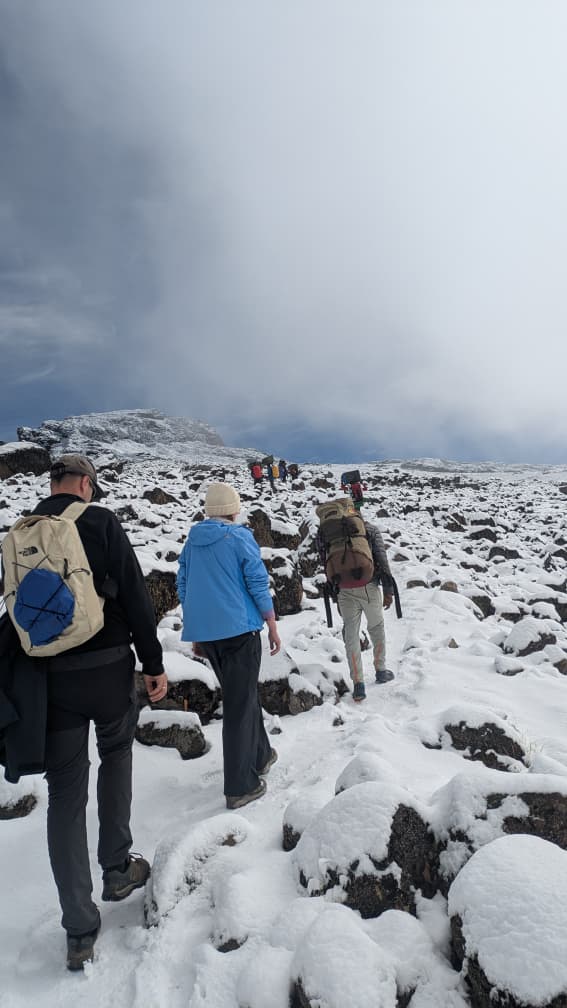
What Is Barafu Camp Like Before Summit Night On Kilimanjaro? 2026-2027
Barafu Camp is the high-altitude staging post on Kilimanjaro, situated just below the summit cone. It's a critical point where climbers rest and prepare for the final ascent to Uhuru Peak...
View package details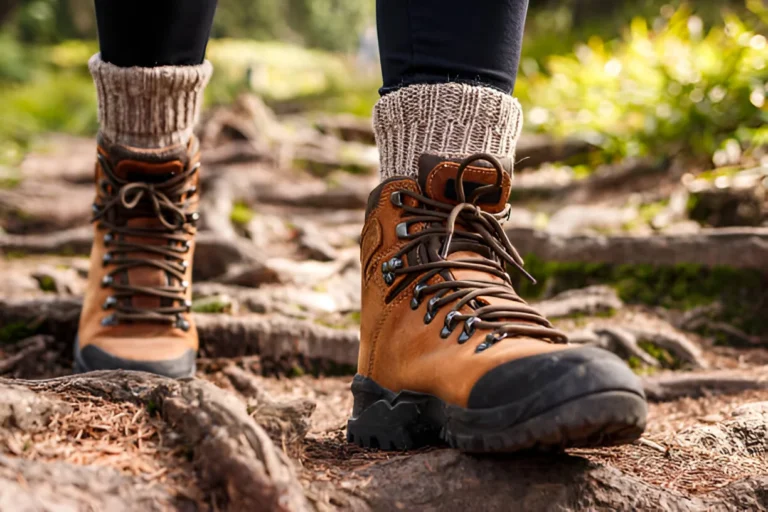
Kilimanjaro Training Mistakes That Reduce Summit Success 2026-2027
Kilimanjaro Training Mistakes that Reduce Summit Success is explained with current 2026-2027 planning, price, itinerary and booking information.
View package details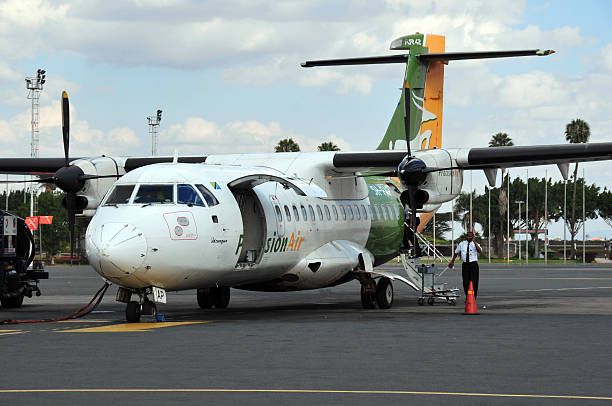
Kilimanjaro Leadership And Team-Building Expedition: Summit Success With Top
Elevate your team's potential on a Kilimanjaro Leadership and Team-Building Expedition. Top Guide Adventures crafts unique climbs designed to foster collaboration, resilience, and strategic...
View package details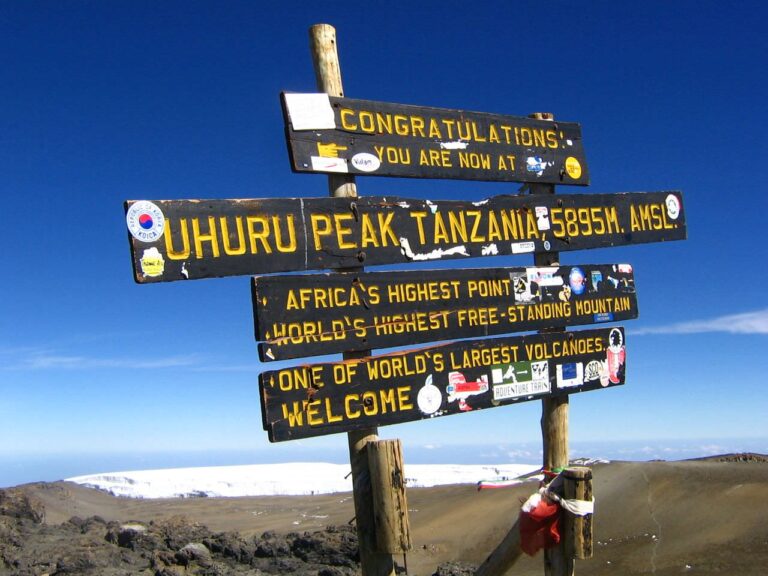
What Does Kilimanjaro Rainforest Look Like? A Trekkers Visual Guide 2026-2027
The Kilimanjaro rainforest is a vibrant, humid zone of dense vegetation, towering trees, and diverse plant life found on the mountain's lower slopes. It's the first major ecosystem trekkers...
View package details
Kilimanjaro Climb With A Personal Support Assistant: Your Ultimate Guide
Climbing Mount Kilimanjaro with a personal support assistant offers unparalleled safety, comfort, and focus on your summit goals. This guide details what a personal assistant entails, its...
View package details
How To Know Whether You Are Ready For Kilimanjaro: A Comprehensive Guide
Climbing Mount Kilimanjaro is a significant undertaking. This guide helps you evaluate your physical, mental, and logistical readiness to ensure a safe and successful trek in 2026 or 2027...
View package details
Kilimanjaro Hydration Mistakes Climbers Make And How To Avoid Them 2026-2027
Proper hydration is critical for a successful Kilimanjaro climb. This guide details common hydration mistakes climbers make, from under-drinking to choosing the wrong fluids, and provides...
View package details
Kilimanjaro Altitude-Sickness Mistakes 2026-2027
Kilimanjaro Altitude-Sickness Mistakes is explained with current 2026-2027 planning, price, itinerary and booking information.
View package details
Kilimanjaro Personal Porter Vs Standard Support 2026-2027
Kilimanjaro Personal Porter vs Standard Porter Support is explained with current 2026-2027 planning, price, itinerary and booking information.
View package details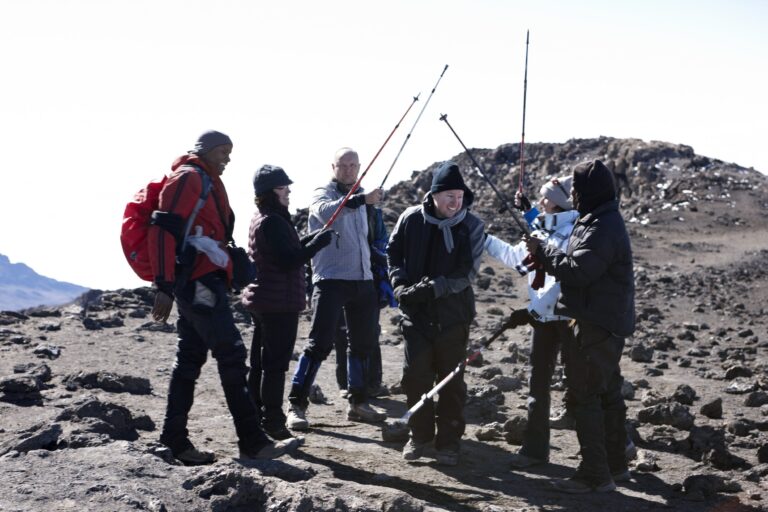
Kilimanjaro Airport Vs Arusha For Climbers: The Definitive Guide 2026-2027
A comprehensive comparison of Kilimanjaro International Airport (JRO) and Arusha Airport (ARK) for trekkers planning a Mount Kilimanjaro climb, detailing pros, cons, and booking advice for...
View package details
Kilimanjaro Climb For Retired Couples: Planning Your Adventure 2026-2027
Planning a Kilimanjaro climb as a retired couple is an achievable and rewarding goal. This guide offers in-depth advice on route selection, physical preparation, essential gear, and the...
View package detailsNo related package matches those filters. Clear one or more filters to see the other topic-matched options.



