
July on Kilimanjaro generally experiences moderate to high crowd levels, positioning it as a popular but not overwhelmingly busy month for trekkers. While the dry season makes it attractive, it avoids the absolute peak congestion seen in earlier dry months. Climbers in July 2026 and 2027 can anticipate encountering other groups on the trails, particularly on the more frequented routes like Machame and Lemosho, but it usually offers a more manageable experience than the busiest periods.

Understanding Kilimanjaro’s Peak Seasons and July’s Place
Mount Kilimanjaro, Africa’s highest peak, attracts thousands of adventurers annually. Its climbing seasons are primarily dictated by weather patterns, with two main dry seasons offering the most favorable conditions. These are from January to March and from June to October. Within these, certain months stand out for their popularity, and understanding where July fits is key to managing expectations regarding Kilimanjaro trail crowd levels.
The period from June to October is often considered the prime dry season, with the absolute peak usually falling in July, August, and September. This is because the weather is typically stable, with clear skies and minimal rainfall, making ascents more comfortable and safer. Consequently, July, being right in the middle of this highly desirable window, naturally sees a substantial number of trekkers. However, it’s important to differentiate between ‘peak’ and ‘overcrowded’. While July is popular, it often strikes a balance, offering good weather without the extreme congestion that might be experienced if, for example, multiple large groups converged on the same narrow section of trail on a specific day.
For those planning a climb in July 2026 or July 2027, it’s wise to prepare for seeing a good number of other climbers. This isn’t necessarily a negative; it confirms you’re climbing during an excellent time. The key is to understand how these crowds manifest and what strategies can be employed to ensure a positive experience.
The Dry Season Advantage: Why July is Popular
Kilimanjaro’s weather is the primary driver of its climbing seasons. The mountain experiences distinct wet and dry periods. The dry seasons offer the best visibility, the least amount of rain and snow on the upper slopes, and more stable trail conditions. July falls squarely within the longer dry season (June to October).
- Clear Skies: July often boasts clear, sunny days, offering spectacular views of the surrounding landscape and distant Mount Meru.
- Lower Rainfall: While not entirely rain-free, precipitation is minimal, primarily occurring as light showers or mist at lower altitudes. Higher up, snow is possible but usually melts quickly.
- Stable Trails: The paths are generally dry and less muddy, making the trek more comfortable and reducing the risk of slips and falls.
- Optimal Views: With less cloud cover, the chances of enjoying panoramic vistas from the summit and along the routes are significantly higher.
These favorable conditions make July a prime choice for many international trekkers. The desire for good weather and a successful summit bid naturally leads to higher demand and, consequently, increased July Kilimanjaro trail crowd levels.
Comparing July to Other Kilimanjaro Months
To truly appreciate the crowd levels in July, it’s helpful to compare it with other months on Kilimanjaro.
The Absolute Peak Months: August & September
August and September are often considered the absolute busiest months on Kilimanjaro. They fall within the same dry season as July but can sometimes see even higher numbers of trekkers. This is particularly true if holidays in key international markets align favorably. The trails can feel more populated, and campsites might be fuller.
The Shoulder Months: June & October
June and October are considered shoulder months within the dry season. June marks the beginning of the long dry season, and while popular, it might not yet have reached the peak numbers of July. October is the end of this dry spell, and crowds can begin to thin out as the short rains approach. These months can offer a good balance of decent weather and slightly fewer people.
The Wet Seasons: April, May, November, December
These months generally experience significantly lower crowd levels. April and May are the wettest months, making trekking challenging and less appealing for most. November sees the start of the short rains, and December, while sometimes good weather-wise, can be busy with holiday travelers, but the overall numbers are usually lower than in the main dry season.
July Kilimanjaro trail crowd levels are therefore best characterized as high, but typically less intense than the August-September peak. This makes it an excellent compromise for trekkers seeking good weather with a manageable number of fellow climbers.
Kilimanjaro Routes and Their Impact on Crowds in July
The route you choose to climb Kilimanjaro significantly influences the number of people you encounter. Some routes are inherently more popular and thus tend to be more crowded, especially during peak season like July.
The Most Popular Routes (Machame & Lemosho)
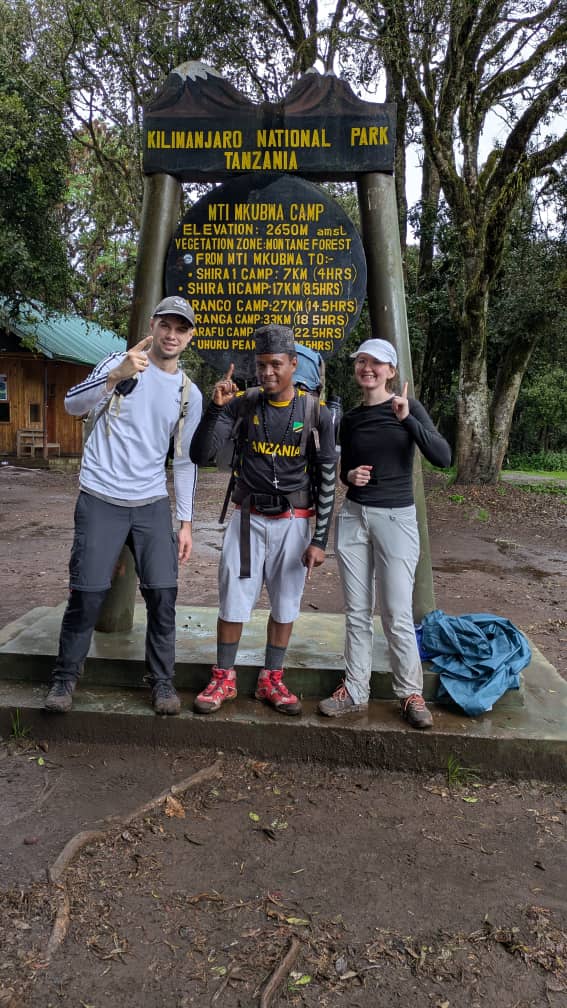
The Machame Route and the Lemosho Route are consistently the most popular choices for trekkers. This popularity stems from their scenic beauty, higher success rates (due to their gradual ascent profiles and acclimatization), and availability of 7-day or longer itineraries.
- Machame Route: Often called the ‘Whiskey Route’, it’s known for its challenging terrain and stunning scenery. It joins the Shira and then the Barafu routes, meaning you’ll be sharing the trail and campsites with climbers from other routes in the latter stages. In July, expect this route to be busy.
- Lemosho Route: Considered one of the most beautiful routes, Lemosho starts in a more remote western region before eventually merging with the Machame Route. Its longer duration allows for better acclimatization. Because it merges with Machame, crowds can increase significantly from day 3 onwards.
Climbing these routes in July means you should be prepared to see other groups regularly. Campsites can be quite full, and you’ll likely encounter many other trekkers on the summit push from Barafu Camp.
Moderately Popular Routes (Marangu & Rongai)
The Marangu Route (the ‘Coca-Cola Route’) is the oldest and often considered the easiest due to its hut accommodation. The Rongai Route is the only route that approaches from the north, offering a different landscape and typically less foot traffic than Machame or Lemosho.
- Marangu Route: Because it uses huts instead of tents and has a more direct ascent and descent, it can feel crowded, especially at the huts. However, its popularity has waned slightly in favor of the camping routes for acclimatization reasons. In July, it will still be busy, but perhaps less so than Machame.
- Rongai Route: This route is a good option for those seeking fewer people, especially in the initial days. It joins the Marangu route for the final ascent. While it offers a quieter start, you will encounter others on the upper slopes and at the summit. July will see more people on Rongai than in the wet season, but generally fewer than on Machame or Lemosho.
Less Crowded Routes (Northern Circuit & Umbwe)
The Northern Circuit is the longest route and circles the mountain, offering the best acclimatization and highest success rates. Due to its longer duration (9-11 days) and higher cost, it attracts fewer climbers. The Umbwe Route is the shortest, steepest, and most challenging route, known for its rapid ascent and low success rate. It’s generally for experienced climbers and is thus less popular.
- Northern Circuit: While you will encounter other groups, especially at the Barafu and Kibo Huts, the Northern Circuit is generally the least crowded route. Its extended itinerary means trekkers are spread out more. July is a good time to consider this route if you want to minimize encounters.
- Umbwe Route: This is the least crowded route by a significant margin. However, it is not recommended for most climbers due to its difficulty and poor acclimatization profile. If you choose Umbwe in July, you will likely have a very solitary experience for most of the trek.
For July 2026 and 2027 climbs, choosing a less popular route like the Northern Circuit can significantly reduce your exposure to crowds.
What to Expect on the Trails and at Campsites in July
Understanding the practical implications of July Kilimanjaro trail crowd levels is crucial for setting realistic expectations.
Trail Congestion
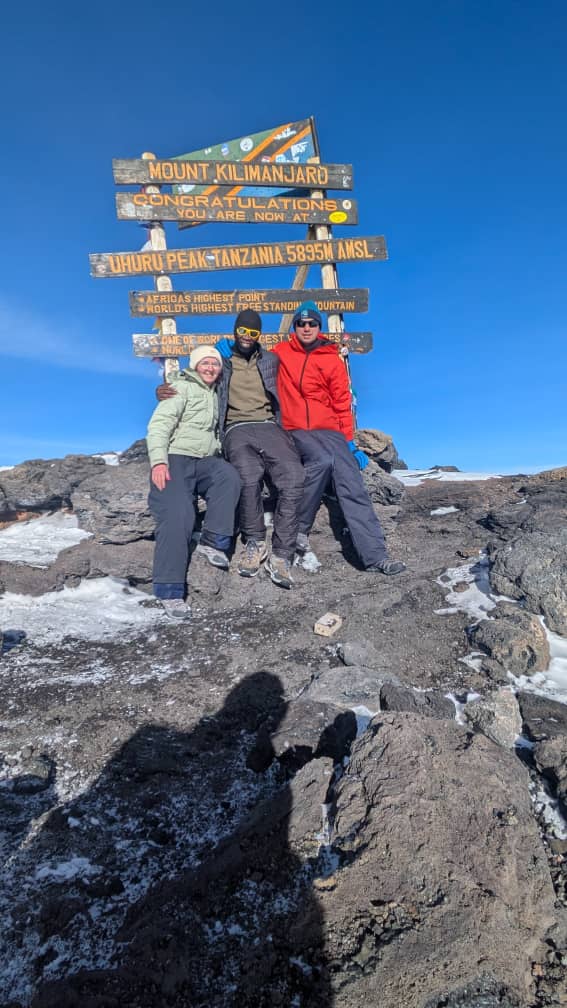
On popular routes like Machame and Lemosho, expect to see other groups of climbers throughout the day. Trails can become narrow in places, leading to brief queues, especially during popular trekking times (mid-morning to early afternoon). Summit night, starting from Barafu Camp or Kibo Camp, is often the most concentrated experience. You will likely be part of a procession of headlamps ascending towards Stella Point and Uhuru Peak.
The order in which groups start their summit push can influence this. Some operators have their clients start slightly earlier or later to mitigate this, but on a busy July night, some level of shared experience is inevitable.
Campsite Dynamics
Campsites on Kilimanjaro are designated areas, and during July, they will be quite full. Popular campsites like Mweka, Barafu, and Kibo will host numerous tents from various expedition companies. While each group has its designated area, the overall atmosphere is one of shared space. Meal times, briefing sessions, and the general ambiance of the campsite will involve being around many other trekkers.
A good tour operator, like Top Guide Adventures, plays a vital role in managing these dynamics. They ensure efficient camp setup, timely meal service, and organized logistics, which helps make the experience smoother even with more people around. Having a dedicated team ensures your comfort and safety are prioritized.
Summit Night Experience
Summit night is often the most intense experience regarding crowds. Starting between 11 PM and 1 AM, you’ll join a steady stream of climbers heading for the crater rim. The path from Barafu Camp (or Kibo Camp for Marangu/Rongai) to Stella Point is steep and can be slow-going. You will encounter other groups, and passing can sometimes be difficult on the narrow, rocky path.
At Stella Point, the transition to the crater rim path can be a bottleneck. However, once you reach Uhuru Peak, the crowds tend to disperse somewhat as people take photos and begin their descent. The descent itself, while long, is usually less congested than the ascent.
Impact on Pace and Acclimatization
While July crowds can feel significant, they typically don’t severely impede acclimatization if you’re following a well-paced itinerary (7+ days). The key is to maintain your own steady pace (‘pole pole’). Guides are trained to manage group movement and ensure everyone climbs at a suitable speed. The presence of other groups might mean slightly longer waits at certain points, but this can also provide brief rest opportunities.
Strategies for Managing Crowds in July 2026-2027
While you can’t eliminate crowds entirely in July, you can adopt strategies to minimize their impact and enhance your trekking experience. Planning is paramount.
1. Choose Your Route Wisely
As discussed, the Northern Circuit is the least crowded option, followed by Rongai. If minimizing encounters is a high priority for your July 2026 or 2027 Kilimanjaro climb, consider these routes. While Machame and Lemosho are popular for good reason, they will inevitably mean more fellow trekkers.
2. Select a Reputable Tour Operator
A well-established operator like Top Guide Adventures can make a significant difference. They often:
- Stagger Departures: They may adjust departure dates slightly to avoid clustering multiple groups on the same day, especially for private climbs.
- Employ Experienced Guides: Guides know the trails and can advise on the best times to push forward or when to expect congestion. They also ensure your group maintains its own rhythm.
- Provide Excellent Logistics: Efficient camp setup and meal service mean less waiting around and more comfort, even when campsites are busy.
When booking your July Kilimanjaro climb, inquire about their group sizes and departure schedules.
3. Opt for a Private Climb
While more expensive, a private climb offers the most control over your schedule and pace. You won’t be tied to the pace of a larger group, and your operator can often adjust your start times for summit night to potentially avoid the main rush. This is a significant advantage for managing July Kilimanjaro trail crowd levels.
4. Extend Your Trek Duration
Longer itineraries (e.g., 8 days on Machame or Lemosho, 9-10 days on Northern Circuit) allow for a slower pace and better acclimatization. This means you are less likely to be rushed and can enjoy the mountain at your own rhythm, even when sharing the trail. It also spreads your group’s presence over more days, potentially reducing the impact on any single day.
5. Be Flexible and Patient
Even with the best planning, you will encounter other climbers. Embrace it as part of the shared adventure. A positive attitude and patience go a long way. Remember that everyone is there for the same reason: to experience the magic of Kilimanjaro.
6. Start Summit Night Earlier or Later
While most operators have standard start times for summit night (around midnight), some may offer flexibility. Starting slightly earlier (e.g., 11 PM) or later (e.g., 1 AM) could mean you are on a different part of the trail than the main wave of climbers. Discuss this possibility with your operator.
Cost Implications of Climbing in July
July falls within the peak season, which generally means prices might be slightly higher compared to the wet months. However, the difference is usually not drastic, as most reputable operators maintain consistent pricing structures throughout the dry season.
Factors influencing cost include:
- Route chosen: Longer routes like the Northern Circuit are more expensive due to more days and park fees.
- Duration of climb: Longer itineraries cost more.
- Operator type: Local vs. international, budget vs. premium.
- Inclusions: What’s covered (gear rental, tips, transfers, accommodation before/after).
- Group size: Private climbs are more expensive per person than group climbs.
For July 2026 and 2027 climbs, expect prices to be in the typical peak season range. Reputable companies like Top Guide Adventures offer transparent pricing, detailing what is included. It’s crucial to compare packages based on value, safety standards, and guide experience, not just the lowest price.
Key Considerations for July Climbers
Weather: Generally excellent, but be prepared for cold temperatures at altitude, especially on summit night. Pack layers!
Crowds: Moderate to high. Choose your route and operator carefully.
Success Rates: High due to good weather and acclimatization potential on longer routes.
Booking Window: For July 2026 and 2027, book at least 6-12 months in advance, especially if you want specific dates or a private climb.
Preparing for Your July Climb: What to Pack
While July offers great weather, it’s still a high-altitude mountain environment. Proper packing is essential for comfort and safety.
Clothing Essentials
- Layering System: Base layers (merino wool or synthetic), mid-layers (fleece or down jacket), and an outer shell (waterproof and windproof jacket and pants).
- Headwear: Warm beanie, sun hat, and balaclava or neck gaiter for summit night.
- Gloves: Warm, waterproof gloves and thinner liner gloves.
- Footwear: Broken-in hiking boots, comfortable camp shoes, and several pairs of warm hiking socks.
Gear
- Backpack: A comfortable daypack (30-40 liters) for essentials.
- Sleeping Bag: A 4-season sleeping bag rated to at least -10°C (0°F).
- Headlamp: With extra batteries – essential for summit night.
- Trekking Poles: Highly recommended for stability and reducing knee strain.
- Water Bottles/Hydration Reservoir: At least 3 liters capacity. Insulated sleeves are helpful in the cold.
- Sun Protection: High SPF sunscreen, sunglasses, lip balm.
Other Necessities
- First-Aid Kit: Personal medications, blister treatment, pain relievers.
- Toiletries: Biodegradable soap, hand sanitizer, wet wipes.
- Snacks: Energy bars, nuts, dried fruit – though operators provide ample food.
Your tour operator will provide a detailed packing list. Ensure you review it carefully. For instance, Top Guide Adventures provides comprehensive lists tailored to Kilimanjaro climbs.
Booking Your Kilimanjaro Adventure for July 2026 or 2027
Booking your Kilimanjaro climb requires careful consideration, especially when targeting a popular month like July.
Timing Your Booking
Given the popularity of July, it’s advisable to book your trek well in advance. For July 2026 and 2027 climbs, aim to book at least 6 to 12 months prior. This ensures availability, especially if you are looking for specific dates, a private climb, or traveling with a group.
Choosing Your Operator
Selecting a trusted and experienced tour operator is paramount. Look for companies that:
- Are locally based or have strong local partnerships.
- Have a proven track record of safety and success.
- Employ qualified guides and support staff.
- Provide transparent pricing and detailed itineraries.
- Offer excellent customer service and communication.
Top Guide Adventures is a highly-rated Tanzanian tour company known for its personalized service, experienced guides, and commitment to client safety and satisfaction. We specialize in creating complete travel experiences across Tanzania, including Kilimanjaro climbs. You can reach us for a personalized quote and advice on planning your July 2026 or 2027 climb.
Making the Booking
Once you’ve chosen your operator and itinerary, the booking process typically involves:
- Confirming your dates and chosen route.
- Paying a deposit to secure your booking.
- Completing necessary booking forms and providing personal details.
- Arranging the balance payment, usually due a few months before departure.
Contact Top Guide Adventures today to start planning your unforgettable Kilimanjaro adventure in July 2026 or 2027. Whether you’re seeking a group departure or a private expedition, we are dedicated to providing you with personal attention, care, and dedicated support every step of the way. You can reach us via WhatsApp at +255616946642 or email us at topguideadventures@gmail.com or info@topguideadventures.com.
Final Thoughts on July Kilimanjaro Crowds
Climbing Kilimanjaro in July offers a fantastic combination of excellent weather and a vibrant trekking atmosphere. While July Kilimanjaro trail crowd levels are significant, they are generally manageable and do not detract from the incredible experience of summiting Africa’s highest peak. By choosing the right route, selecting a reputable operator like Top Guide Adventures, and preparing adequately, you can ensure your July 2026 or 2027 Kilimanjaro climb is a safe, successful, and memorable journey.
Remember that the presence of other climbers is a testament to July being one of the best times to ascend. Embrace the camaraderie, enjoy the stunning scenery, and focus on your personal journey to the roof of Africa. We look forward to helping you achieve your dream climb.
Check Availability for July Kilimanjaro Trail Crowd Levels: What To Expect In 2026-2027
Ready to compare dates, prices, and the best option for your group? Send the package name and travel month so the team can reply with a clear quote, availability, and what is included.
What Happens If The Kilimanjaro Trail Is Closed? 2026-2027
What Happens If the Kilimanjaro Trail Is Closed? is explained with current 2026-2027 planning, price, itinerary and booking information.
View package details
What Does Kilimanjaro Rainforest Look Like? A Trekkers Visual Guide 2026-2027
The Kilimanjaro rainforest is a vibrant, humid zone of dense vegetation, towering trees, and diverse plant life found on the mountain's lower slopes. It's the first major ecosystem trekkers...
View package details
Kilimanjaro Climb With A Personal Support Assistant: Your Ultimate Guide
Climbing Mount Kilimanjaro with a personal support assistant offers unparalleled safety, comfort, and focus on your summit goals. This guide details what a personal assistant entails, its...
View package details
How To Know Whether You Are Ready For Kilimanjaro: A Comprehensive Guide
Climbing Mount Kilimanjaro is a significant undertaking. This guide helps you evaluate your physical, mental, and logistical readiness to ensure a safe and successful trek in 2026 or 2027...
View package details
Kilimanjaro Hydration Mistakes Climbers Make And How To Avoid Them 2026-2027
Proper hydration is critical for a successful Kilimanjaro climb. This guide details common hydration mistakes climbers make, from under-drinking to choosing the wrong fluids, and provides...
View package detailsKilimanjaro Altitude-Sickness Mistakes 2026-2027
Kilimanjaro Altitude-Sickness Mistakes is explained with current 2026-2027 planning, price, itinerary and booking information.
View package details
Kilimanjaro Summit-Night Mistakes To Avoid: Your Essential Guide For Climbs
Summit night on Kilimanjaro is the most challenging part of the climb. Avoiding common mistakes in acclimatization, gear, hydration, and pacing is crucial for success. This guide details...
View package details
Kilimanjaro Training Mistakes That Reduce Summit Success 2026-2027
Kilimanjaro Training Mistakes that Reduce Summit Success is explained with current 2026-2027 planning, price, itinerary and booking information.
View package details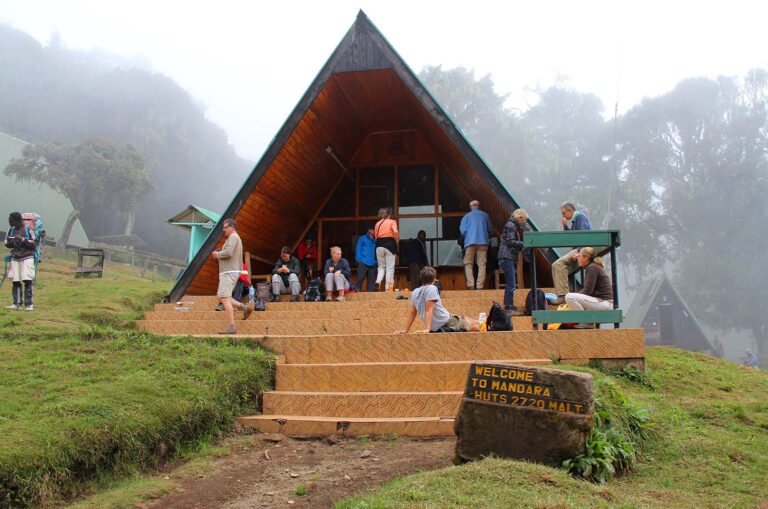
Kilimanjaro Personal Porter Vs Standard Support 2026-2027
Kilimanjaro Personal Porter vs Standard Porter Support is explained with current 2026-2027 planning, price, itinerary and booking information.
View package details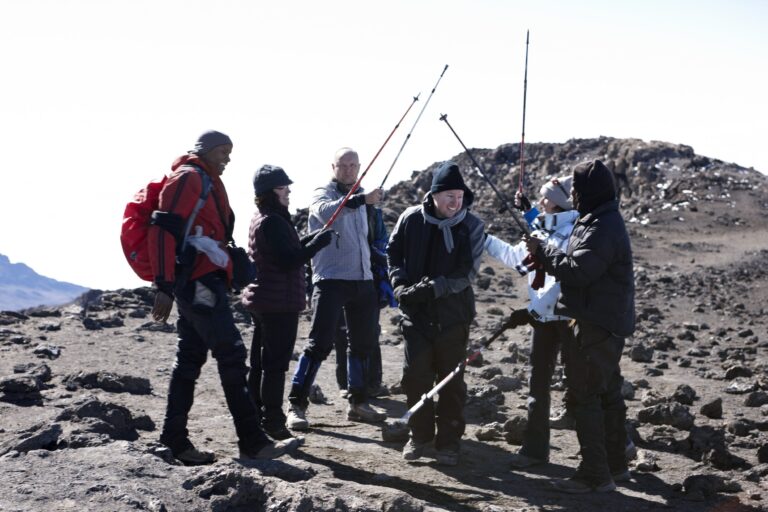
Kilimanjaro Airport Vs Arusha For Climbers: The Definitive Guide 2026-2027
A comprehensive comparison of Kilimanjaro International Airport (JRO) and Arusha Airport (ARK) for trekkers planning a Mount Kilimanjaro climb, detailing pros, cons, and booking advice for...
View package details
Kilimanjaro Climb For Retired Couples: Planning Your Adventure 2026-2027
Planning a Kilimanjaro climb as a retired couple is an achievable and rewarding goal. This guide offers in-depth advice on route selection, physical preparation, essential gear, and the...
View package details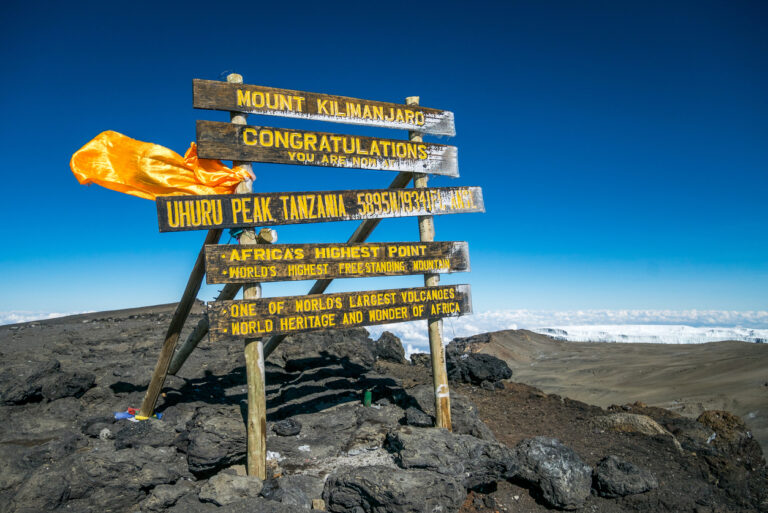
Kilimanjaro Training Plan For Climbers Over 60 2026-2027
Kilimanjaro Training Plan for Climbers over 60 is explained with current 2026-2027 planning, price, itinerary and booking information.
View package detailsNo related package matches those filters. Clear one or more filters to see the other topic-matched options.



