
July Kilimanjaro route availability is generally excellent, with all major routes open and operational. As July falls within Kilimanjaro’s dry season, it’s a peak climbing month, meaning popular routes like Machame and Lemosho can book up quickly for 2026 and 2027. Early booking is highly recommended to secure your preferred dates and route, especially for private climbs, as established tour operators like Top Guide Adventures manage permits and logistics well in advance. Expect clear skies, cooler temperatures, and significant daytime and nighttime temperature variations.
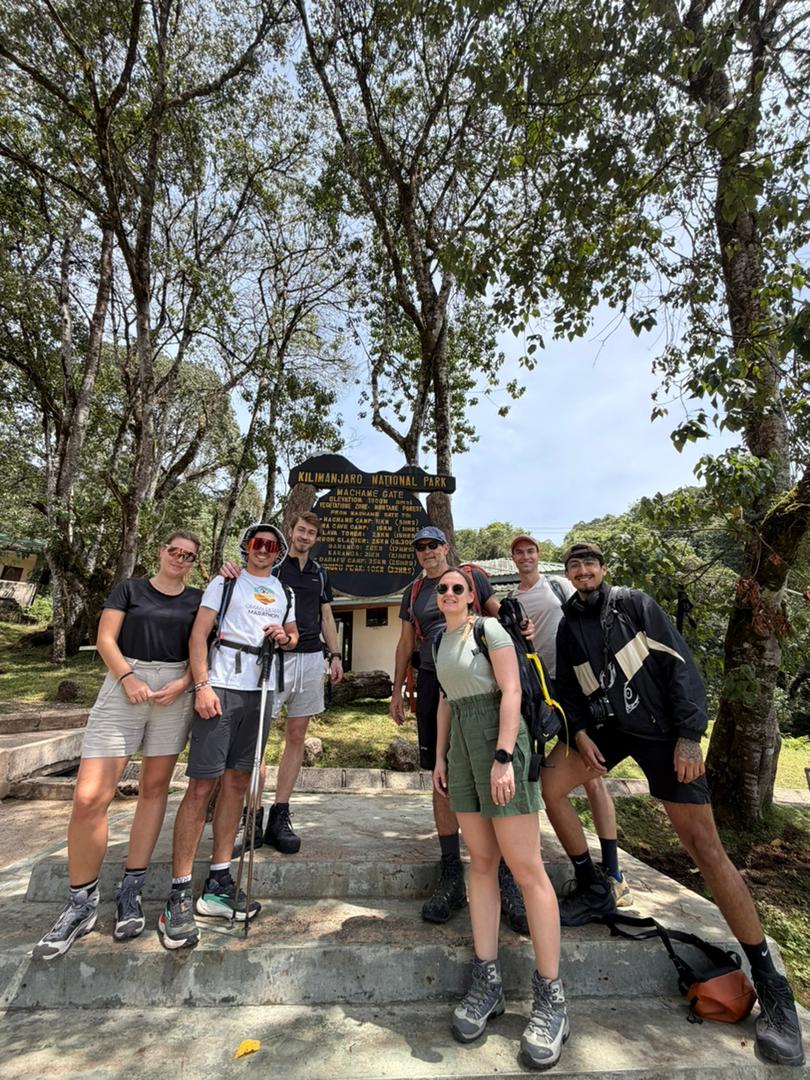

Understanding July’s Climate on Kilimanjaro
July marks the heart of Kilimanjaro’s dry season, offering some of the most favorable climbing conditions of the year. The weather patterns during this month are a significant draw for trekkers worldwide, making it a prime time to ascend Africa’s highest peak. Understanding these conditions is crucial for effective planning and preparation, particularly when considering July Kilimanjaro route availability for 2026 and 2027 climbs.
The dry season on Kilimanjaro is characterized by minimal rainfall, clear skies, and generally stable weather. While “dry” doesn’t mean completely devoid of precipitation, the chances of encountering prolonged rain showers are significantly lower compared to the wet seasons. This allows for more consistent trekking days and better visibility from higher altitudes.
Daytime and Nighttime Temperatures in July
Temperatures on Kilimanjaro vary dramatically with altitude and time of day. In July, daytime temperatures at the base and lower slopes can be pleasantly warm, often ranging from 15°C to 25°C (59°F to 77°F). As you ascend, these temperatures drop rapidly.
At the summit, Uhuru Peak (5,895 meters / 19,341 feet), temperatures can plummet to -7°C to -15°C (19°F to 5°F), and even colder with wind chill. Nights are consistently cold across all camps, especially at higher elevations above the tree line. Expect temperatures to range from -5°C to 10°C (23°F to 50°F) in the lower camps and well below freezing, often -10°C to -20°C (14°F to -4°F), in the higher camps like Kibo Hut or Barafu Camp.
Proper layering of clothing is therefore non-negotiable for a July Kilimanjaro climb. This temperature fluctuation is a key factor to consider when choosing your route and packing list, influencing your comfort and safety throughout the trek.
Visibility and Scenery in July
One of the most compelling reasons to climb Kilimanjaro in July is the exceptional visibility. The dry air and clear skies offer panoramic views of the surrounding landscape, including the vast plains of the Serengeti and the plains of Kenya stretching out below. From the higher reaches of the mountain, you can often see Mount Meru and, on exceptionally clear days, even glimpses of the Kenyan highlands.
The morning sunrises are particularly spectacular, painting the sky with vibrant colors. The clear nights also provide incredible stargazing opportunities, with the Milky Way often visible in its full glory due to the lack of light pollution and atmospheric haze. This clarity enhances the overall experience and provides stunning photographic opportunities.
Wind Conditions and Precipitation in July
While July is dry, it’s not entirely wind-free. Strong winds can be encountered, especially at higher altitudes and on the exposed summit ridge. These winds can increase the perceived cold, making windproof outer layers essential. Precipitation, when it occurs, is usually in the form of light showers or mist, typically during the early morning or late afternoon, and rarely lasts for extended periods.
The prevailing winds are generally from the northeast, which can influence the weather patterns on different sides of the mountain. However, the overall dryness of the month means that these winds are less likely to be laden with moisture that would impede your climb.
July Kilimanjaro Route Availability: Popular Choices
With July being a prime climbing month, July Kilimanjaro route availability requires careful consideration, especially for those planning their treks for 2026 and 2027. All officially recognized routes are typically open and serviced by licensed tour operators. However, popularity dictates how busy certain routes become, and thus, how early you need to book.
Top Guide Adventures, as a leading operator, ensures that permits and logistics are handled efficiently for all routes. The main consideration for trekkers in July is not usually a lack of open routes, but rather securing preferred departure dates and group sizes, particularly for private climbs.
Machame Route: The Most Popular Choice
The Machame Route remains the most popular choice for Kilimanjaro climbers, and July is no exception. Its popularity stems from its scenic beauty, high success rates, and relatively good acclimatization profile due to its “climb high, sleep low” philosophy. Given its high demand, July Kilimanjaro route availability on Machame can be limited for specific dates, especially for private groups.
Key features of the Machame Route:
- Duration: Typically 6 or 7 days. The 7-day itinerary is strongly recommended for better acclimatization and higher success rates.
- Scenery: Offers diverse and stunning landscapes, passing through rainforest, moorland, alpine desert, and arctic zones.
- Acclimatization: Generally good, especially on the 7-day version.
- Crowds in July: Expect this route to be busy, particularly the lower sections and campsites.
- Booking: For July 2026 and 2027 climbs, booking at least 6-12 months in advance is advisable, especially if you require specific dates or a private group.
Top Guide Adventures offers regular departures on the Machame route. You can find specific dates and availability by contacting them directly or checking their Machame Route Group Departures page.
Lemosho Route: Scenic and Highly Recommended
The Lemosho Route is another excellent option, often praised for its scenic beauty and excellent acclimatization profile. It starts on the western side of the mountain, offering more remote trekking in its initial days before merging with the Machame route. Its longer duration (typically 7 or 8 days) contributes to higher success rates.
Key features of the Lemosho Route:
- Duration: Typically 7 or 8 days. The 8-day itinerary is ideal for maximizing acclimatization.
- Scenery: Arguably one of the most beautiful routes, with stunning views of the Shira Plateau and diverse vegetation zones.
- Acclimatization: Excellent due to its gradual ascent and longer duration.
- Crowds in July: While busy, it may feel slightly less crowded than Machame in the initial stages, but merges with Machame later.
- Booking: Similar to Machame, early booking for July 2026 and 2027 is crucial.
The Lemosho route is a fantastic choice for those prioritizing scenery and a higher chance of summit success. The longer itinerary allows for a more relaxed pace, which is beneficial for acclimatization.
Marangu Route: The “Coca-Cola” Route
The Marangu Route, often called the “Coca-Cola” route due to its accessibility and perceived ease, is the oldest and most direct route. It’s unique in that it uses dormitory-style huts instead of camping, offering a different experience.
Key features of the Marangu Route:
- Duration: 5 or 6 days. The 5-day option has a very low success rate due to poor acclimatization. The 6-day option is better but still challenging.
- Scenery: Less varied and scenic compared to western routes, with a steep final ascent.
- Accommodation: Huts provide basic but comfortable shelter.
- Crowds in July: Can be very crowded due to its popularity and shorter duration options.
- Booking: While huts offer more capacity than campsites, booking for July 2026 and 2027 is still recommended, especially for specific dates.
Due to its rapid ascent and lower success rates, Marangu is generally not recommended for first-time Kilimanjaro climbers unless time is a severe constraint and a higher risk of not summiting is accepted.
Other Routes: Rongai, Northern Circuit, and Umbwe
While Machame, Lemosho, and Marangu are the most common, other routes also offer availability in July:
- Rongai Route: This is the only route that approaches Kilimanjaro from the north, making it a good option during the rainy season, but it’s also viable in July. It’s generally less crowded and offers a different perspective. It typically takes 6 or 7 days.
- Northern Circuit: The longest route (9-10 days), offering the best acclimatization and highest success rates. It circles the mountain, providing spectacular views and a more remote experience. It’s ideal for those who want to maximize their chances and enjoy the journey. Availability for this longer trek in July 2026-2027 will require earlier booking.
- Umbwe Route: The shortest, steepest, and most challenging route. It’s not recommended for most climbers due to its rapid ascent and poor acclimatization. Its availability is less of a concern as it’s rarely chosen.
For specific July Kilimanjaro route availability and detailed itineraries for 2026-2027, contacting Top Guide Adventures is the best approach. They can guide you based on your fitness, time, and desired experience.
Booking Your July Kilimanjaro Climb for 2026-2027
Securing your spot for a July Kilimanjaro climb in 2026 or 2027 requires proactive planning. July’s status as a peak month means that popular operators and routes fill up well in advance. Understanding the booking process and what to look for ensures a smoother experience.
Choosing a Reputable Tour Operator
The choice of tour operator significantly impacts your climbing experience, safety, and success rate. For Kilimanjaro, it’s essential to choose a company that prioritizes:
- Safety: Adequate oxygen supplies, experienced guides trained in first aid, and emergency evacuation plans.
- Porter Welfare: Fair wages, proper equipment, and humane treatment of porters are crucial indicators of ethical operations. Top Guide Adventures is committed to porter welfare.
- Experience and Success Rates: Look for operators with a proven track record and high summit success rates, which often correlate with well-planned itineraries and experienced guides.
- Inclusions: Understand what is included in the price – park fees, meals, accommodation (camping or huts), guide and porter salaries, rescue fees, and sometimes even items like duffel bags and oxygen.
Top Guide Adventures is one of Tanzania’s trusted tour companies, offering comprehensive travel experiences with personal attention and dedicated support. They are known for their commitment to safety, quality service, and ethical treatment of their staff. When planning your July Kilimanjaro route availability for 2026 or 2027, their expertise is invaluable.
Permit and Park Fees
Kilimanjaro National Park fees are substantial and are typically included in the package price by reputable operators. These fees cover:
- Park entrance fees
- Camping or hut fees
- Crater service fees (if applicable, e.g., for the 6-day Marangu route)
- Rescue fees
These fees are non-negotiable and must be paid to the park authorities. Operators manage the permit acquisition process, which involves securing bookings for specific campsites or huts on your chosen route and dates. For July 2026 and 2027, the demand for permits means they are allocated on a first-come, first-served basis, underscoring the need for early booking.
Booking Timelines for July Climbs
To ensure July Kilimanjaro route availability, particularly for popular routes like Machame and Lemosho, and for specific dates in 2026 and 2027, follow these general guidelines:
- 12+ months in advance: Ideal for securing preferred dates, private group departures, and specific routes. This is especially relevant for peak season climbs like July.
- 6-12 months in advance: Still a good window for most trekkers, offering a decent selection of dates and routes.
- Less than 6 months: Possible, but options may be limited, especially for private climbs or specific departure dates. Group climbs might still have spots.
Last-minute bookings are sometimes possible, but they come with a higher risk of limited availability and potentially higher costs. For a stress-free planning experience for your July 2026 or 2027 climb, aim to book as early as possible.
What to Expect in Your Booking Package
A typical Kilimanjaro climb package from a reputable operator like Top Guide Adventures will usually include:
- Professional Guides: Certified guides with extensive Kilimanjaro experience.
- Porters: To carry your main luggage (usually up to 15 kg per climber).
- Cook: To prepare all meals on the mountain.
- All Meals: Nutritious and varied meals prepared on the trek.
- Camping Equipment: Tents, sleeping mats, mess tents, and cooking equipment. (Marangu route includes hut accommodation).
- Park Fees and Permits: All required government fees.
- Water: Boiled and purified water provided daily.
- Transfers: Airport transfers and transport to/from the mountain.
- Accommodation: Pre- and post-climb accommodation in a hotel (often included in packages).
- Safety Equipment: First-aid kits and supplemental oxygen.
Exclusions commonly include flights, visas, travel insurance, personal gear, tips for guides and porters, and drinks other than water. Always clarify inclusions and exclusions with your chosen operator.
Travelers’ Note: July 2026-2027 Booking Window
Given the consistent popularity of July for Kilimanjaro climbs, securing your July Kilimanjaro route availability for 2026 and 2027 should be prioritized. Top Guide Adventures recommends booking at least 9-12 months in advance for peak season climbs to guarantee your preferred dates and route. This lead time allows for thorough preparation and ensures a smooth logistical arrangement.
Comparing Kilimanjaro Routes for a July Climb
When considering July Kilimanjaro route availability, comparing the different routes based on duration, scenery, acclimatization, and crowd levels is essential for making an informed decision. While all routes are technically open in July, the experience can vary significantly.
| Route | Typical Duration (Days) | Scenery | Acclimatization | Crowds in July | Success Rate (Approx.) |
|---|---|---|---|---|---|
| Marangu | 5-6 | Moderate, less varied | Poor (5-day) / Fair (6-day) | High | 30-50% (5-day) / 65-75% (6-day) |
| Machame | 6-7 | Excellent, diverse | Good (6-day) / Very Good (7-day) | Very High | 70-80% (6-day) / 80-90% (7-day) |
| Lemosho | 7-8 | Exceptional, remote start | Very Good | Moderate (initial) / High (merges) | 85-95% |
| Shira | 8 | Similar to Lemosho, faster start | Good | Moderate | 80-90% |
| Rongai | 6-7 | Good, drier side | Fair | Low to Moderate | 70-80% |
| Northern Circuit | 9-10 | Spectacular, panoramic | Excellent | Low | 90-95%+ |
| Umbwe | 5-6 | Steep, direct | Poor | Low | 50-60% |
Route Choice Based on Experience and Goals
For a July Kilimanjaro climb, especially in 2026-2027, consider these factors when choosing your route:
- For first-time trekkers prioritizing success: Lemosho (8-day) or Northern Circuit (9-10 day) offer the best acclimatization and highest success rates. These routes are longer, allowing for a more gradual ascent.
- For those seeking a balance of scenery and good acclimatization: Machame (7-day) is a solid choice, though expect more company.
- For budget-conscious travelers or those seeking fewer crowds on the approach: Rongai offers a different perspective and can be less congested initially.
- For experienced trekkers seeking a challenge: Umbwe is an option, but not recommended for most. Marangu (6-day) is an option if hut accommodation is preferred, but success rates are lower.
The July Kilimanjaro route availability might also influence your choice. If a specific route is fully booked for your desired dates, being open to alternatives like Lemosho instead of Machame, or a 7-day Machame instead of an 8-day Lemosho, can help secure a climb.
Preparing for Your July Kilimanjaro Climb
A successful Kilimanjaro climb in July hinges on thorough preparation, encompassing physical fitness, appropriate gear, and mental readiness. The cooler temperatures and dry conditions of July present unique preparation needs.
Physical Training and Fitness
Kilimanjaro is a strenuous trek, not a technical climb, but it demands significant cardiovascular fitness and endurance. Focus your training in the 3-6 months leading up to your climb:
- Cardiovascular Exercise: Aim for at least 3-4 sessions per week of activities like hiking (with a weighted pack), running, cycling, or swimming.
- Strength Training: Focus on leg strength (squats, lunges) and core stability.
- Hiking Practice: The most crucial element is hiking, preferably on varied terrain and with a backpack similar to what you’ll carry. Practice long hikes (4-6 hours) on weekends.
- Altitude Simulation (Optional): If you live at sea level and have no prior high-altitude experience, consider using an altitude training mask or visiting a local altitude center if available.
Your fitness will help you manage the physical demands and better enjoy the experience, especially during the long summit night.
Essential Gear for July Climbs
Layering is key for Kilimanjaro. For July, you’ll need gear for both cool days and freezing nights. Top Guide Adventures provides a comprehensive packing list, but here are essentials:
Kilimanjaro Gear Checklist (July Focus)
- Base Layers: Moisture-wicking thermal tops and bottoms (merino wool or synthetic).
- Mid Layers: Fleece jacket or a synthetic insulated jacket for warmth.
- Outer Layer (Insulation): A warm down or synthetic insulated jacket for summit night and cold evenings.
- Outer Layer (Shell): Waterproof and windproof jacket and trousers (Gore-Tex or similar). Essential for potential wind and any unexpected precipitation.
- Trekking Trousers: Comfortable, quick-drying hiking trousers (avoid jeans).
- Headwear: Warm fleece hat or beanie, sun hat with a wide brim, and a balaclava or neck gaiter for the summit.
- Gloves: Warm, waterproof gloves or mittens, and liner gloves.
- Footwear: Broken-in, waterproof hiking boots with good ankle support. Camp shoes or comfortable trainers for evenings.
- Socks: Several pairs of warm wool or synthetic hiking socks.
- Headlamp: With extra batteries – crucial for summit night.
- Sunglasses: High UV protection.
- Backpack: A comfortable daypack (30-40 liters) for essentials, and a larger waterproof duffel bag (80-100 liters) for porters.
- Sleeping Bag: Rated to at least -10°C to -20°C (0°F to -4°F).
- Water Bottles/Hydration Reservoir: At least 3 liters capacity. Insulated sleeves are recommended for July to prevent freezing.
- Sunscreen and Lip Balm: High SPF.
- Personal First-Aid Kit: Including blister treatment, pain relievers, and any personal medications.
Acclimatization Strategies
Proper acclimatization is the single most important factor for summit success. Regardless of the route chosen for your July Kilimanjaro route availability booking, these principles apply:
- Go Slowly: “Pole Pole” (slowly, slowly) is the mantra on Kilimanjaro. Maintain a slow, steady pace, especially on ascent days.
- Hydrate: Drink plenty of fluids – at least 3-4 liters per day. Water, herbal teas, and electrolyte drinks are beneficial.
- Eat Well: Consume high-carbohydrate meals to provide energy.
- Avoid Alcohol and Smoking: These can hinder acclimatization.
- Listen to Your Body: Report any symptoms of altitude sickness (headache, nausea, dizziness) to your guide immediately.
- Choose Longer Routes: As seen in the comparison table, longer routes (7-10 days) provide significantly better acclimatization than shorter ones.
Mental Preparation
Kilimanjaro is as much a mental challenge as a physical one. The summit night, in particular, can be grueling. Visualizing success, staying positive, and breaking the climb down into manageable stages can help you push through difficult moments.
Navigating Crowds and Logistics in July
July’s favorable weather makes it a peak season, meaning campsites and trails can be busy. Understanding how to manage this aspect of your climb is important for a positive experience.
Managing Crowds on Popular Routes
The Machame Route and Lemosho Route are particularly busy in July. This means campsites can be crowded, and you’ll encounter many other trekkers on the trails. While this can sometimes detract from the sense of solitude, it also means there’s a strong support infrastructure with many guides and porters on the mountain.
Strategies to mitigate crowds:
- Choose Longer Itineraries: Opting for a 7-day Machame or 8-day Lemosho over shorter versions spreads the trekkers out more.
- Consider Less Popular Routes: Rongai or the Northern Circuit (though longer) generally see fewer trekkers overall.
- Start Early: Begin your daily treks early in the morning to reach campsites before the main rush.
- Private Climbs: Booking a private climb with Top Guide Adventures ensures your group has dedicated campsites and guides, offering a more personalized experience even when other groups are around.
Permit Availability and Booking Lead Times for 2026-2027
As mentioned, permit availability for July Kilimanjaro route availability is a critical factor. Kilimanjaro National Park limits the number of climbers allowed per day on each route to manage impact and safety. Reputable operators like Top Guide Adventures secure these permits months, or even over a year, in advance for peak seasons like July.
For July 2026 and 2027 climbs, early booking is not just recommended; it’s essential. Waiting too long can mean missing out on your preferred dates, routes, or even the opportunity to climb with a specific operator.
Logistics and Support from Top Guide Adventures
When you book with Top Guide Adventures, they handle the complex logistics:
- Permit Acquisition: Securing all necessary park entry and camping/hut permits.
- Guide and Porter Teams: Assigning experienced, certified guides and sufficient porters for your group.
- Campsite Reservations: Booking your spots at designated campsites along your chosen route.
- Food and Equipment: Providing all necessary food, cooking gear, tents, and safety equipment.
- Transportation: Arranging airport transfers and transport to and from Kilimanjaro National Park.
- Pre- and Post-Climb Accommodation: Organizing hotel stays in Moshi or Arusha.
This comprehensive support allows you to focus on your preparation and the climb itself, knowing that all the operational details are expertly managed.
Post-Climb Considerations and Extensions
After successfully descending Kilimanjaro, many travelers extend their African adventure. The dry season of July also provides excellent conditions for safaris and beach holidays.
Safari in Tanzania in July
July is an exceptional month for a Tanzanian safari. The Northern Circuit, including the Serengeti National Park, is in its prime for the Great Migration. Millions of wildebeest and zebras are typically in the northern Serengeti or crossing the Mara River, a dramatic spectacle.
Why July is great for safaris:
- The Great Migration: Witness the iconic river crossings (though timing can vary slightly).
- Dry Conditions: The landscape is dry, making animals easier to spot as they congregate around water sources.
- Clear Skies: Excellent for photography.
- Pleasant Temperatures: Cooler than the hot season, making game drives more comfortable.
Top Guide Adventures offers a range of Tanzania safaris, from Serengeti and Ngorongoro Crater tours to tailor-made journeys. Combining your Kilimanjaro climb with a safari in July is a highly recommended experience.
Zanzibar Holidays
July falls within Zanzibar’s “cool” season, which is also dry. This makes it an ideal time to relax on the island’s pristine beaches.
Zanzibar in July:
- Weather: Pleasant temperatures (around 25-28°C / 77-82°F), low humidity, and minimal rainfall.
- Sea Conditions: The ocean is typically calm, making it good for swimming, snorkeling, and diving.
- Activities: Explore Stone Town, visit spice farms, relax on beaches like Nungwi or Kendwa, or go for a sunset dhow cruise.
A Kilimanjaro climb followed by a relaxing beach holiday in Zanzibar is a classic Tanzanian adventure combination. Top Guide Adventures can arrange smooth transitions between your climb, safari, and beach vacation.
Frequently Asked Questions About July Kilimanjaro Climbs
Is July a good month to climb Kilimanjaro?
Yes, July is an excellent month to climb Kilimanjaro. It falls within the dry season, offering clear skies, good visibility, and a lower chance of rain. Temperatures are cool, especially at higher altitudes, requiring warm clothing, but the stable weather is ideal for trekking.
What is the weather like on Kilimanjaro in July?
July is characterized by dry conditions, with minimal rainfall. Daytime temperatures can range from 15-25°C at lower elevations, dropping significantly at higher altitudes. Summit night temperatures can reach -10°C to -20°C or colder with wind chill. Expect clear skies and excellent visibility, but also potentially strong winds.
Which Kilimanjaro route is best in July?
All major routes are open in July. For the best acclimatization and scenery, the Lemosho Route (7-8 days) or the Northern Circuit (9-10 days) are highly recommended. The Machame Route (7 days) is also very popular and offers good conditions, though it can be crowded. The choice depends on your priorities: success rate, scenery, solitude, or duration.
How crowded are the Kilimanjaro routes in July?
July is a peak climbing month, so popular routes like Machame and Lemosho can be quite crowded, especially at campsites. To avoid the worst crowds, consider longer itineraries, less popular routes like Rongai, or booking a private climb with an operator like Top Guide Adventures.
Do I need to book my July Kilimanjaro climb far in advance for 2026-2027?
Yes, absolutely. For July 2026 and 2027 climbs, booking 9-12 months in advance is strongly advised, especially if you want specific dates, a private group, or to climb a popular route. Permits and spots with good operators fill up quickly during this peak season.
What are the summit success rates in July?
Summit success rates in July are generally high, often above 80-90% for longer routes (7+ days) with reputable operators. This is due to the favorable weather conditions and the emphasis on acclimatization. Choosing a longer route and a quality operator like Top Guide Adventures significantly increases your chances.
Conclusion: Securing Your July Kilimanjaro Adventure for 2026-2027
July offers a prime window for climbing Mount Kilimanjaro, boasting dry weather, clear skies, and stunning vistas. Understanding the July Kilimanjaro route availability is paramount for a successful and enjoyable trek, especially when planning for 2026 and 2027. Popular routes like Machame and Lemosho are open and highly sought after, making early booking with a trusted operator like Top Guide Adventures essential.
By choosing a longer itinerary (7 days or more), focusing on proper acclimatization, packing the right gear for cool to freezing temperatures, and partnering with experienced professionals, you significantly enhance your chances of reaching Uhuru Peak. Remember that July is a peak season, so securing your preferred dates and route well in advance is key. Top Guide Adventures is dedicated to providing personalized support, safety, and an unforgettable Kilimanjaro experience. Don’t miss the opportunity to conquer Kilimanjaro in the excellent conditions July provides.
Ready to plan your 2026 or 2027 Kilimanjaro adventure? Contact Top Guide Adventures today for expert advice and to secure your spot. Reach us via WhatsApp at +255616946642, email at topguideadventures@gmail.com or info@topguideadventures.com. Let’s make your Kilimanjaro dream a reality!
Check Availability for July Kilimanjaro Route Availability And Planning For Climbs 2026-2027
Ready to compare dates, prices, and the best option for your group? Send the package name and travel month so the team can reply with a clear quote, availability, and what is included.
Reasons Climbers Regret Choosing A Short Kilimanjaro Route | Top Guide
Many Kilimanjaro climbers opt for shorter routes to save time or money, only to later regret their decision. This article details the common pitfalls of short routes, focusing on...
View package details
Kilimanjaro Route-Selection Mistakes 2026-2027
Kilimanjaro Route-Selection Mistakes is explained with current 2026-2027 planning, price, itinerary and booking information.
View package details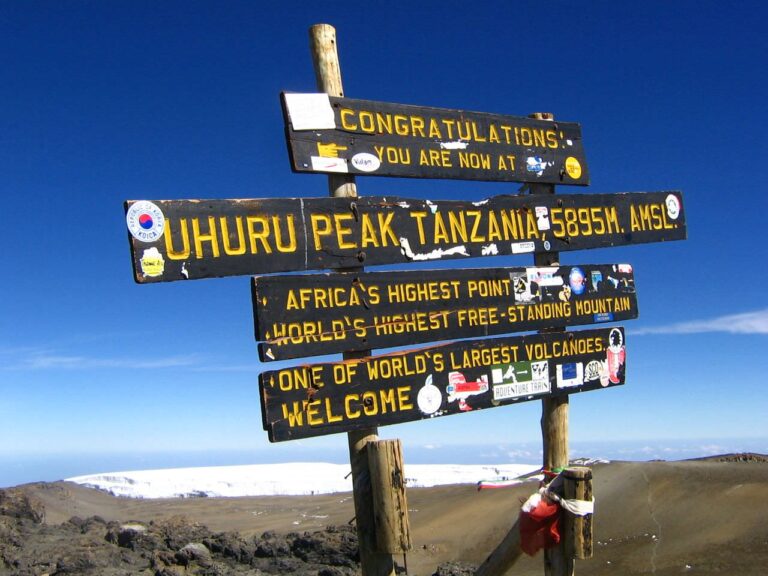
What Does Kilimanjaro Rainforest Look Like? A Trekkers Visual Guide 2026-2027
The Kilimanjaro rainforest is a vibrant, humid zone of dense vegetation, towering trees, and diverse plant life found on the mountain's lower slopes. It's the first major ecosystem trekkers...
View package details
Kilimanjaro Climb With A Personal Support Assistant: Your Ultimate Guide
Climbing Mount Kilimanjaro with a personal support assistant offers unparalleled safety, comfort, and focus on your summit goals. This guide details what a personal assistant entails, its...
View package details
How To Know Whether You Are Ready For Kilimanjaro: A Comprehensive Guide
Climbing Mount Kilimanjaro is a significant undertaking. This guide helps you evaluate your physical, mental, and logistical readiness to ensure a safe and successful trek in 2026 or 2027...
View package detailsKilimanjaro Hydration Mistakes Climbers Make And How To Avoid Them 2026-2027
Proper hydration is critical for a successful Kilimanjaro climb. This guide details common hydration mistakes climbers make, from under-drinking to choosing the wrong fluids, and provides...
View package details
Kilimanjaro Altitude-Sickness Mistakes 2026-2027
Kilimanjaro Altitude-Sickness Mistakes is explained with current 2026-2027 planning, price, itinerary and booking information.
View package details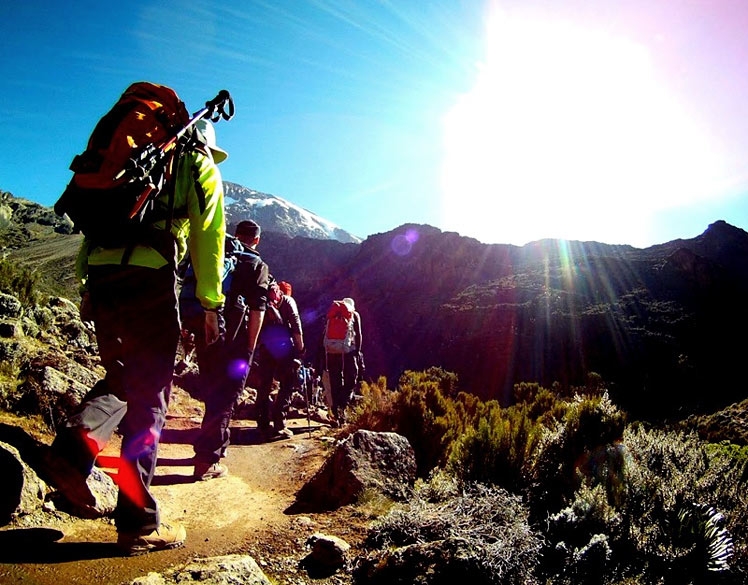
Kilimanjaro Summit-Night Mistakes To Avoid: Your Essential Guide For Climbs
Summit night on Kilimanjaro is the most challenging part of the climb. Avoiding common mistakes in acclimatization, gear, hydration, and pacing is crucial for success. This guide details...
View package details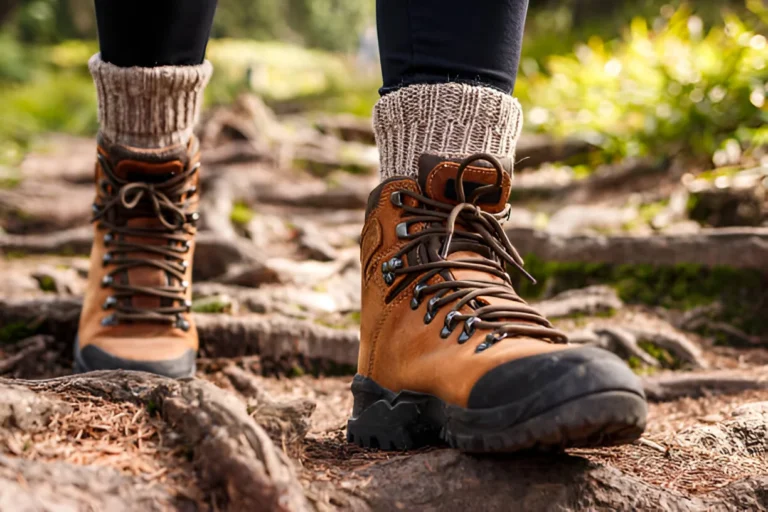
Kilimanjaro Training Mistakes That Reduce Summit Success 2026-2027
Kilimanjaro Training Mistakes that Reduce Summit Success is explained with current 2026-2027 planning, price, itinerary and booking information.
View package details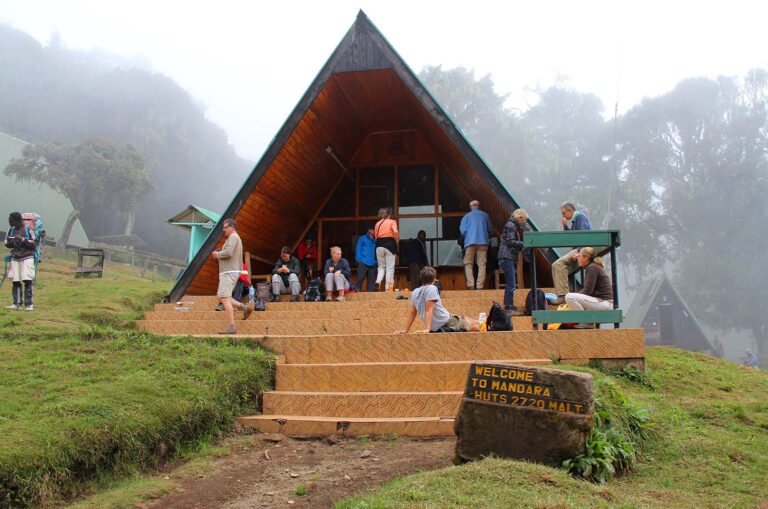
Kilimanjaro Personal Porter Vs Standard Support 2026-2027
Kilimanjaro Personal Porter vs Standard Porter Support is explained with current 2026-2027 planning, price, itinerary and booking information.
View package details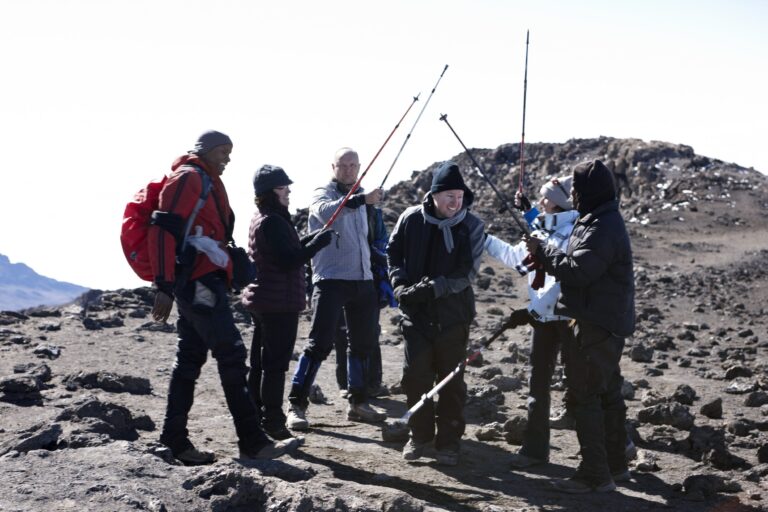
Kilimanjaro Airport Vs Arusha For Climbers: The Definitive Guide 2026-2027
A comprehensive comparison of Kilimanjaro International Airport (JRO) and Arusha Airport (ARK) for trekkers planning a Mount Kilimanjaro climb, detailing pros, cons, and booking advice for...
View package details
Kilimanjaro Climb For Retired Couples: Planning Your Adventure 2026-2027
Planning a Kilimanjaro climb as a retired couple is an achievable and rewarding goal. This guide offers in-depth advice on route selection, physical preparation, essential gear, and the...
View package detailsNo related package matches those filters. Clear one or more filters to see the other topic-matched options.



