
Kilimanjaro in July typically experiences cool to cold weather, with daytime temperatures often ranging from 5°C to 15°C (41°F to 59°F) on the lower slopes and summit approaches, while nighttime temperatures can plummet to well below freezing, reaching -5°C to -15°C (23°F to 5°F) or even colder at the summit (Uhuru Peak). July falls within Kilimanjaro’s dry season, making it a popular, albeit chilly, month for climbing, with clear skies and good visibility being common.

Understanding Kilimanjaro’s Climate in July
When planning a Kilimanjaro climb, understanding the specific weather conditions for your chosen month is paramount. July is a significant month on the mountain, falling squarely within the dry season. This period is generally favored by trekkers for its lower chances of rain and clearer skies, which offer spectacular views and more predictable trekking conditions. However, this stability comes with a distinct characteristic: cooler temperatures. For those asking, “How cold is Kilimanjaro in July?”, the answer involves a spectrum of cold, from brisk on the lower slopes to seriously frigid at the summit, especially after dark.
Kilimanjaro’s climate is famously stratified, meaning temperature and weather patterns change dramatically as you ascend through its distinct ecological zones. From the warm, humid rainforest at the base to the alpine desert and the frigid arctic zone at the summit, each zone presents unique challenges and experiences. July’s weather amplifies these differences. The dry air means less humidity on the lower slopes, but it also means heat dissipates more rapidly as the sun sets.
The consistent dry weather in July is a major draw for international climbers, many of whom are planning their expeditions for 2026 and 2027. The reduced rainfall significantly improves trail conditions, making the ascent safer and more enjoyable. Mud and slippery paths are less of a concern compared to the rainy seasons. However, the trade-off for this dry comfort is the cold. The clarity of the skies often means more direct solar radiation during the day, but once the sun dips below the horizon, temperatures drop sharply. This diurnal temperature variation is a key factor to consider when packing and preparing for a July climb.
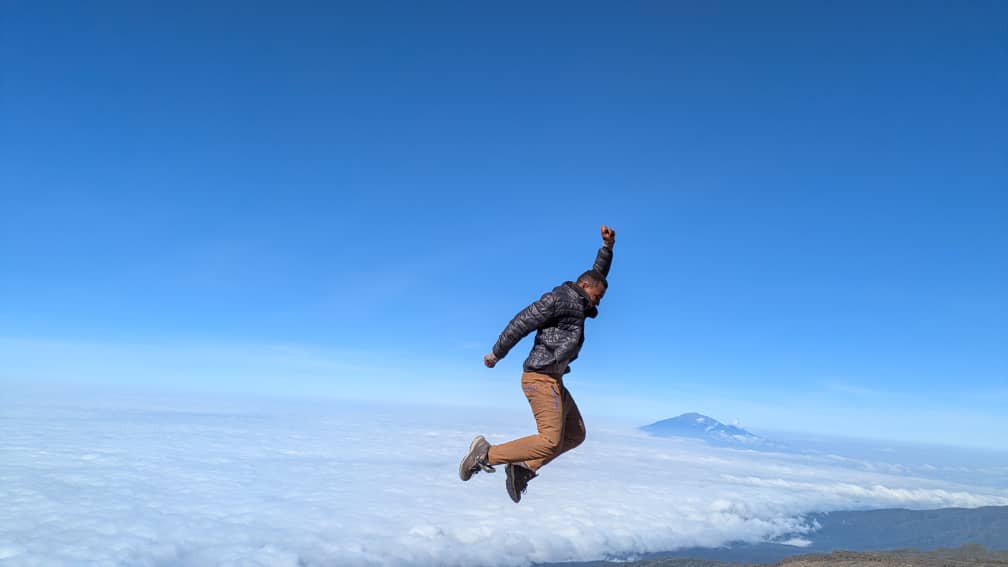
Climbers in July can expect bright, sunny days, often with minimal cloud cover, especially on the upper reaches of the mountain. This allows for stunning panoramic views of the surrounding plains and, on exceptionally clear days, Mount Meru. However, the altitude plays a crucial role. Even with sunshine, the thin air at higher elevations means the sun’s warmth is less intense than at sea level. As you gain altitude, the ambient temperature drops significantly, and the wind chill factor becomes more pronounced. Therefore, “cool” during the day on the lower slopes can translate to “very cold” on the summit ridge at night.
Temperature Ranges by Altitude in July
To truly answer “How cold is Kilimanjaro in July?”, it’s essential to break down expected temperatures by altitude and time of day. Kilimanjaro is a massive mountain, and the temperature varies greatly from its base to its peak.
- Base (1,800m – 2,000m / 5,900ft – 6,500ft): During the day, expect pleasant, spring-like temperatures, typically between 15°C and 25°C (59°F to 77°F). Evenings can cool down to around 10°C to 15°C (50°F to 59°F). This is the rainforest zone, and while July is dry, it can still feel humid in this lower section.
- Lower Slopes (2,000m – 3,000m / 6,500ft – 9,800ft): As you ascend into the moorland and heath zones, daytime temperatures will likely hover between 10°C and 20°C (50°F to 68°F). Nights will become noticeably cooler, dropping to around 5°C to 10°C (41°F to 50°F).
- Middle Altitudes (3,000m – 4,500m / 9,800ft – 14,750ft): This is the alpine desert zone. Daytime temperatures can range from 5°C to 15°C (41°F to 59°F), but this is highly dependent on sunshine and wind. As soon as the sun sets, temperatures will rapidly fall to between 0°C and 5°C (32°F to 41°F).
- High Altitude (4,500m – 5,895m / 14,750ft – 19,341ft): In the arctic zone, which includes the summit area, daytime temperatures are often just above freezing, around 0°C to 5°C (32°F to 41°F), but the wind chill can make it feel much colder. Nighttime temperatures on summit night are the most extreme. Expect lows of -5°C to -15°C (23°F to 5°F), and with wind, it can feel as cold as -20°C (-4°F) or even lower.
These figures are averages, and actual temperatures can fluctuate. Factors like cloud cover, wind speed, and the intensity of the sun can all influence how cold it feels on any given day or night in July. Experienced guides from companies like Top Guide Adventures closely monitor these conditions to ensure climber safety and comfort.
July Weather Patterns on Kilimanjaro
July is part of Kilimanjaro’s longer dry season, which generally runs from June to October. This period is characterized by stable weather patterns, lower humidity, and significantly reduced rainfall compared to the wetter months of March-May and November. For climbers planning their 2026 or 2027 adventure, this predictability is a major advantage.
The dry season means that the trails are generally in good condition. You won’t have to contend with the deep mud and slippery conditions that can make trekking challenging during the rainy periods. The skies are often clear, offering excellent visibility for both the ascent and the impressive panoramas from the higher altitudes. This is particularly important for summit night, where clear conditions can enhance the psychological boost of seeing the stars and the curvature of the earth.
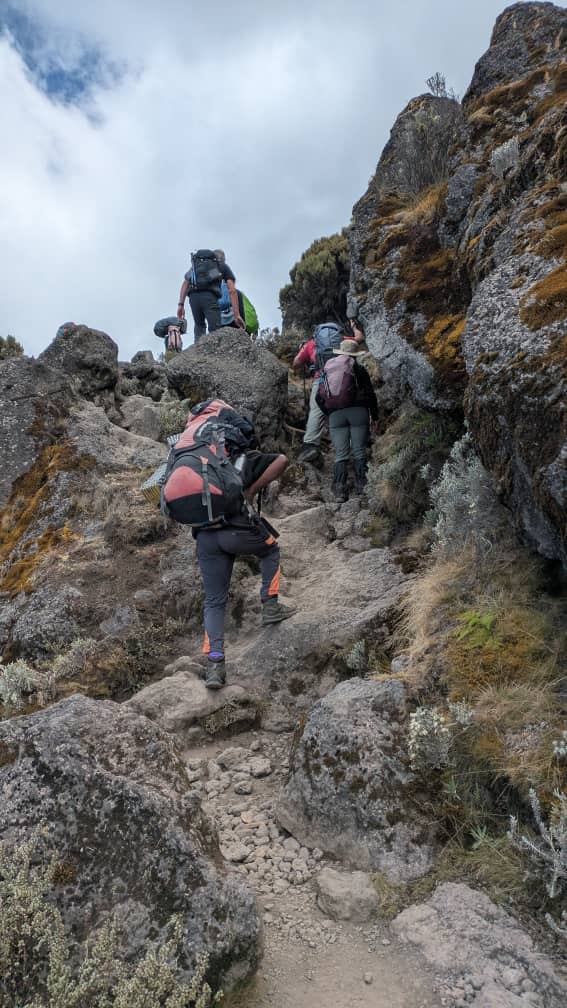
However, “dry” on Kilimanjaro does not mean “warm.” The altitude is the primary driver of temperature. Even on a sunny day, the air is thin and cold. The lack of cloud cover means that while the sun can feel intense when you’re directly exposed, temperatures drop dramatically once it sets or when you enter shaded areas. Wind is another significant factor. The higher you climb, the stronger and colder the winds become. Wind chill can make a 0°C day feel like -10°C or colder, especially on the exposed alpine desert and arctic zones.
Precipitation in July
Rainfall is minimal in July. You are unlikely to encounter sustained downpours. However, it’s not impossible to experience brief, light showers, especially on the lower, rainier slopes during the rainforest zone. These are usually short-lived and don’t significantly disrupt the trek. Snowfall is also rare at the altitudes typically reached by trekkers during the day. However, frost and ice are common on the ground and vegetation in the early mornings, particularly at higher elevations, and snow is a permanent feature only on the very highest peaks and glaciers near the summit.
Sunshine and Cloud Cover
July generally offers abundant sunshine. Days are often bright and clear, providing excellent visibility. However, cloud formations can still occur, especially in the early mornings or late afternoons. These clouds are usually localized and tend to dissipate as the day progresses. The clear skies mean that sun protection is crucial during the day, even when it feels cold. High SPF sunscreen, hats, and sunglasses are essential to prevent sunburn and snow blindness at higher altitudes.
Wind Conditions
Wind is a constant companion on Kilimanjaro, especially at higher altitudes. In July, winds can be moderate to strong, particularly on the exposed sections of the mountain. The wind chill factor is significant and can dramatically lower the perceived temperature. This is why layering your clothing is so critical. A windproof outer layer is indispensable for a July climb to protect against these cold, biting winds.
Impact of Altitude on Perceived Cold
It’s impossible to discuss how cold Kilimanjaro is in July without emphasizing the role of altitude. As you ascend, the atmospheric pressure decreases, and the air becomes thinner. This has two primary effects on temperature perception:
- Lower Ambient Temperatures: For every 1,000 meters (approximately 3,280 feet) you ascend, the temperature drops by about 6.5°C (11.7°F). This is a fundamental principle of atmospheric science and explains why even on a sunny day, it’s cold at 4,000 meters.
- Reduced Heat Retention: The thinner air holds less heat. While the sun’s rays can be intense, the air itself doesn’t retain warmth effectively. This means that once the sun’s direct radiation stops (e.g., at night, in a shadow, or behind clouds), the temperature plummets rapidly.
Furthermore, the body’s physiological response to altitude can make you feel colder. Altitude sickness (Acute Mountain Sickness or AMS) can manifest with symptoms like chills, fatigue, and nausea, all of which can exacerbate the feeling of being cold. Staying hydrated, eating well, and ascending slowly are crucial not only for acclimatization but also for helping your body regulate temperature more effectively.
The summit night, often starting around midnight or 1 am, is the coldest part of the trek. You’ll be trekking in the arctic zone, in complete darkness, with temperatures likely below -10°C (14°F) and wind chills making it feel much colder. This is where your most advanced cold-weather gear becomes absolutely essential. It’s not just about comfort; it’s about safety and preventing hypothermia.
What to Pack for a July Kilimanjaro Climb
Answering “How cold is Kilimanjaro in July?” directly informs your packing strategy. Given the cold, especially at altitude and during summit night, comprehensive layering is key. Top Guide Adventures emphasizes that clients should be prepared for a wide range of temperatures, from mild to extreme cold.
Essential Clothing Layers
- Base Layers: Moisture-wicking thermal tops and bottoms (merino wool or synthetic). Bring at least two sets. These are your first line of defense against the cold, drawing sweat away from your skin.
- Mid Layers: Fleece jackets or down vests. These provide insulation. You might need one or two mid-layers depending on how cold it is and your personal metabolism.
- Outer Layer (Shell): A waterproof and windproof jacket and trousers. This is critical for protection against wind chill and any potential light rain or snow. Ensure it’s breathable to prevent overheating during ascents.
Headwear and Handwear
- Warm Hat: A wool or fleece hat that covers your ears is essential.
- Balaclava or Neck Gaiter: Protects your face and neck from the wind and cold.
- Gloves: You’ll need at least two pairs: lightweight liner gloves for dexterity and warm, waterproof/windproof mittens or heavy-duty gloves for summit night and cold periods.
Footwear
- Hiking Boots: Broken-in, waterproof, and sturdy hiking boots with good ankle support are non-negotiable.
- Socks: Several pairs of warm wool or synthetic hiking socks. Avoid cotton.
- Camp Shoes/Sandals: Lightweight shoes or sandals to wear around camp, allowing your feet to breathe and recover.
Sleeping Gear
- Sleeping Bag: A four-season sleeping bag rated to at least -15°C (5°F) is highly recommended for July. Many climbers opt for -20°C (-4°F) rated bags for added comfort.
- Sleeping Bag Liner: Adds extra warmth and keeps your sleeping bag clean.
Other Essentials
- Headlamp: With extra batteries. Essential for summit night and navigating camp in the dark.
- Sunglasses: High-quality, UV-protective sunglasses are crucial, especially at altitude where the sun’s rays are more intense and can reflect off snow.
- Sunscreen and Lip Balm: High SPF (30+) sunscreen and SPF lip balm.
- Water Bottles/Hydration Reservoir: Insulated bottles or reservoirs are recommended to prevent water from freezing.
- Trekking Poles: Aid stability and reduce strain on your knees, especially on descents.
- Thermal Water Bottle: Useful for carrying hot drinks on cold nights or summit morning.
Top Guide Adventures provides detailed packing lists tailored to each specific climb and season. We ensure our clients are fully equipped to handle the cold conditions characteristic of a July Kilimanjaro ascent.
Choosing Your Route in July
While July’s weather is generally favorable for climbing Kilimanjaro, the choice of route can still influence your experience, particularly regarding acclimatization and scenic beauty. The most popular routes remain open and are well-serviced during this dry period.
- Machame Route: Often called the “Whiskey Route,” it’s known for its scenic beauty and high success rates due to its “climb high, sleep low” acclimatization profile. It’s a popular choice in July. Check Machame Route group departures for 2026-2027.
- Lemosho Route: A longer, more remote, and highly scenic route that offers excellent acclimatization. It’s a fantastic option for July if you want a more in-depth experience.
- Marangu Route: The “Coca-Cola Route” is the only route offering dormitory-style accommodation in huts. While shorter, its direct ascent profile means lower acclimatization and success rates. It’s a viable option in July but less recommended for optimal acclimatization compared to other routes.
- Rongai Route: This route approaches from the north, offering a different perspective and experiencing less rainfall even during the wet season. In July, it’s a solid, dry-season choice, often with fewer crowds.
Regardless of the route chosen for a 2026 or 2027 climb, the fundamental cold experienced in July at altitude will be consistent. However, routes with better acclimatization profiles (like Machame and Lemosho) can help climbers feel more comfortable and prepared for the extreme cold of summit night by allowing their bodies to adapt more gradually.
Success Rates in July
July is considered a prime month for Kilimanjaro climbs, and success rates are generally high. This is attributed to the dry weather, which means:
- Better Trail Conditions: Less mud and ice mean easier and safer trekking.
- Clearer Visibility: Helps with navigation and provides psychological benefits.
- Stable Weather: Reduces the likelihood of unexpected weather forcing a descent.
The primary challenge remains altitude sickness and the extreme cold on summit night. Proper acclimatization, appropriate gear, and a good pace are the most significant factors influencing success, more so than the month itself. Choosing a reputable operator like Top Guide Adventures, who prioritize safety and provide experienced guides, significantly boosts your chances of reaching the summit.
July vs. Other Months: A Comparative Look
When considering “How cold is Kilimanjaro in July?”, comparing it to other months provides valuable context for planning a 2026-2027 trek.
- June: The beginning of the dry season. Temperatures are similar to July, perhaps slightly warmer on average. It’s also a great month with clear skies.
- August: Continues the dry season. Temperatures are comparable to July, often remaining cool to cold. It’s another very popular month, so expect more company on the trails.
- September: Still within the dry season, though towards the end. It can start to get slightly warmer than July/August, but still generally cool, especially at night.
- October: The transition month. Generally dry, but the possibility of short rains increases towards the end of the month. Temperatures remain cool.
- November: Marks the start of the short rainy season. While not as wet as the long rains, you can expect more frequent showers, which can make trails muddy and visibility poorer. Temperatures start to moderate slightly.
- December – February: These months are generally dry and warmer than the June-October period. This is often considered the second-best season after the main dry season, offering a good balance of reasonable temperatures and clear skies, though summit night can still be very cold.
- March – May: The long rainy season. These are the wettest months, with high humidity, frequent downpours, and often poor visibility. Trails can be very muddy and slippery. Temperatures are milder due to cloud cover and rain, but the conditions are generally less favorable for climbing.
In summary, July offers a classic dry season experience on Kilimanjaro: predictable weather, clear views, and consistently cool to cold temperatures. It’s a trade-off many climbers find worthwhile for the improved trekking conditions.
Is July a Good Time to Climb Kilimanjaro?
Absolutely. July is one of the best months to climb Kilimanjaro. The combination of dry weather and generally clear skies makes it an ideal time for trekking. While the temperatures are cool, especially at night and at altitude, this is manageable with the right gear and preparation. For many, the benefit of dry trails and excellent visibility outweighs the need for warmer clothing.
The relatively stable weather patterns in July contribute to higher success rates and a more comfortable overall experience, provided climbers are adequately prepared for the cold. If you are planning your climb for 2026 or 2027 and are looking for a balance of favorable weather conditions and manageable crowds (though it is a popular month), July is an excellent choice.
Pros of Climbing in July:
- Dry Season: Minimal rainfall, leading to better trail conditions.
- Clear Skies: Excellent visibility for views and photography.
- Stable Weather: Predictable conditions for planning.
- Good Acclimatization Potential: Dry air aids in body’s adjustment.
Cons of Climbing in July:
- Cold Temperatures: Especially at night and on summit day.
- Crowds: July is a popular month, so trails and campsites can be busy.
- Wind Chill: Can make the cold feel more severe.
Overall, the pros of climbing Kilimanjaro in July, particularly for those planning expeditions in 2026 and 2027, significantly outweigh the cons, especially when adequate preparation is made.
Preparing for the Cold: Tips for July Climbers
Understanding “How cold is Kilimanjaro in July?” is the first step. The next is preparing effectively. Here are some practical tips:
- Layering is Key: As detailed in the packing section, multiple thin layers are far more effective than one bulky item. Adjust layers frequently to manage body temperature and prevent sweating, which can lead to rapid chilling.
- Invest in Quality Gear: Don’t skimp on your sleeping bag and outer layers. A warm sleeping bag and a windproof/waterproof shell are non-negotiable for a July climb.
- Stay Hydrated: Dehydration can worsen altitude sickness symptoms and make you feel colder. Drink plenty of water, even if you don’t feel thirsty. Use an insulated water bottle or reservoir to prevent freezing.
- Eat Well: Your body needs fuel to generate heat. Ensure you eat the high-carbohydrate meals provided by your guides. Carry high-energy snacks for the trail.
- Protect Extremities: Hands, feet, and head lose heat quickly. Ensure you have warm gloves, thick socks, and a hat that covers your ears. Consider chemical hand warmers for summit night.
- Listen to Your Body and Guide: Pay attention to signs of hypothermia (shivering, slurred speech, confusion) and altitude sickness. Communicate any concerns immediately to your guide.
- Pre-Acclimatization: If possible, spend a day or two at a slightly higher altitude before starting your trek. This can help your body begin its acclimatization process.
Top Guide Adventures guides are trained to monitor weather and your condition, offering advice and support throughout the climb. They understand the specific challenges of Kilimanjaro in July and will help you navigate the cold safely.
Booking Your Kilimanjaro Climb for July 2026-2027
Booking your Kilimanjaro adventure for July 2026 or 2027 requires careful planning. Given that July is a popular month within the dry season, it’s advisable to book well in advance to secure your preferred dates and routes, especially if you are looking for specific group departures. Early booking also allows ample time for training, gear acquisition, and logistical arrangements.
When selecting a tour operator, consider factors such as:
- Experience and Reputation: Look for companies with a proven track record and positive reviews. Top Guide Adventures is a trusted name in Tanzania, known for its commitment to client safety and satisfaction. You can see our TripAdvisor reviews.
- Safety Standards: Ensure the company adheres to strict safety protocols, including carrying adequate medical supplies and having experienced, certified guides.
- Inclusions and Exclusions: Understand what is covered in the price (e.g., park fees, meals, crew wages, equipment) and what is not (e.g., tips, personal gear, travel insurance).
- Group Size and Departures: Decide if you prefer a private climb or joining a group. Check the availability of group departures for your desired dates in 2026 and 2027. Explore our group tour options.
By choosing a reputable operator and booking early, you can ensure a well-organized and memorable Kilimanjaro experience in July, fully prepared for the conditions. We at Top Guide Adventures are ready to help you plan your perfect climb. Feel free to reach out with any questions regarding Kilimanjaro in July 2026, July 2027, or any other aspect of your Tanzanian adventure.
Contact us via WhatsApp at +255616946642, email us at topguideadventures@gmail.com or info@topguideadventures.com to discuss your trip or get a personalized quote for your Kilimanjaro climb. Our team is dedicated to providing you with the best possible service and support for your expedition.
Key Takeaway for July Climbers
Kilimanjaro in July is characterized by dry, clear weather and cool to very cold temperatures. While daytime temperatures can be brisk, nights and summit conditions are frigid, often dropping well below freezing. Proper layering, a warm sleeping bag, and protection against wind chill are essential for a successful and safe climb during this popular dry season month. Planning and booking your 2026 or 2027 expedition with experienced operators like Top Guide Adventures ensures you are well-prepared for the cold.
Check Availability for How Cold Is Kilimanjaro In July? Your Expert Guide For 2026-2027
Ready to compare dates, prices, and the best option for your group? Send the package name and travel month so the team can reply with a clear quote, availability, and what is included.
Kilimanjaro Layering Mistakes That Leave Climbers Cold: Expert Guide 2026-2027
Discover the common Kilimanjaro layering mistakes that can lead to discomfort and hypothermia. This guide provides essential tips on choosing the right gear and layering system to ensure...
View package details
Kilimanjaro Climb & West Safari: The Ultimate Tanzania Adventure 2026-2027
Experience the pinnacle of Tanzania with a combined Kilimanjaro climb and West Kilimanjaro safari. This guide details itineraries, preparation, and what to expect for your 2026-2027...
View package details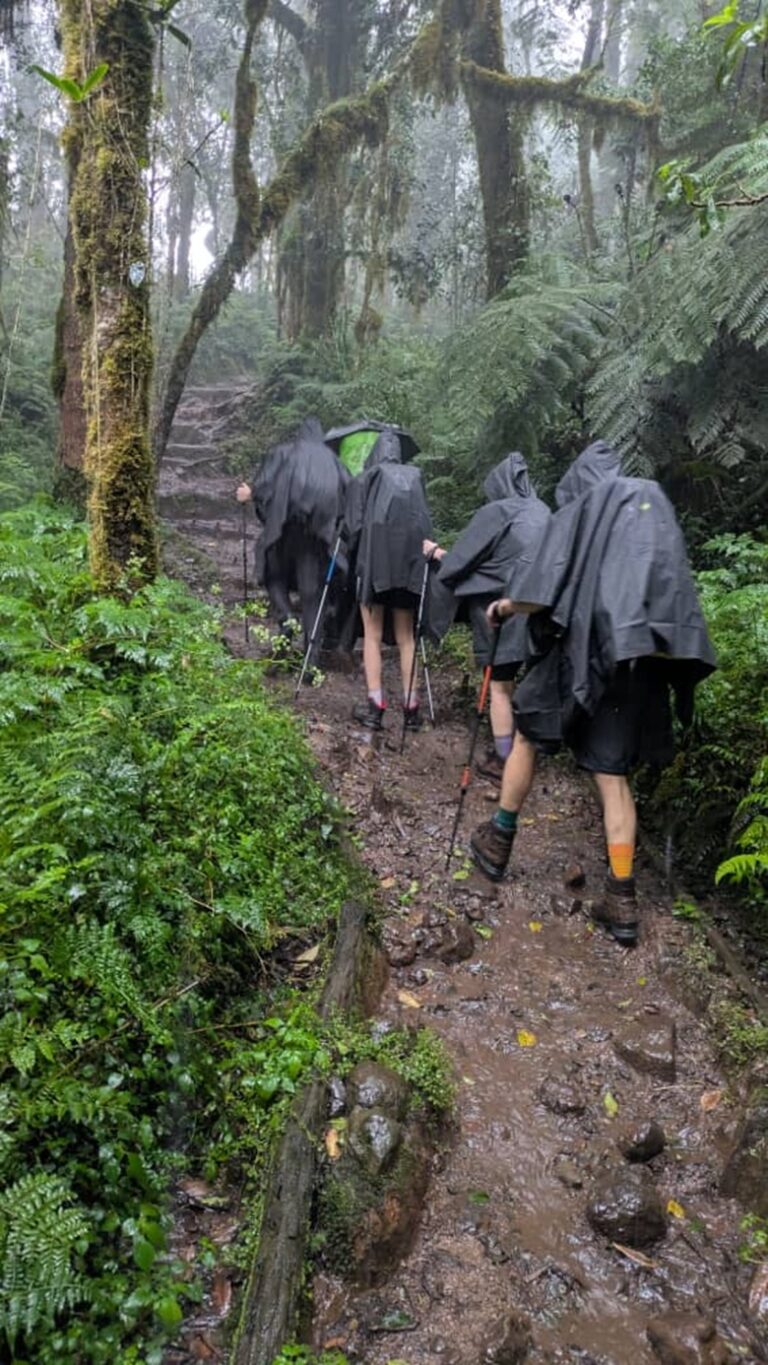
Kilimanjaro Climb With Mkomazi Rhino Safari 2026-2027
Kilimanjaro Climb with Mkomazi Rhino Safari is explained with current 2026-2027 planning, price, itinerary and booking information.
View package details
Kilimanjaro Climb With Amboseli Safari Extension: Your Ultimate Tanzania
Experience the pinnacle of African adventure by combining a challenging Kilimanjaro climb with a impressive safari in Amboseli National Park. This guide details itineraries, costs, best...
View package details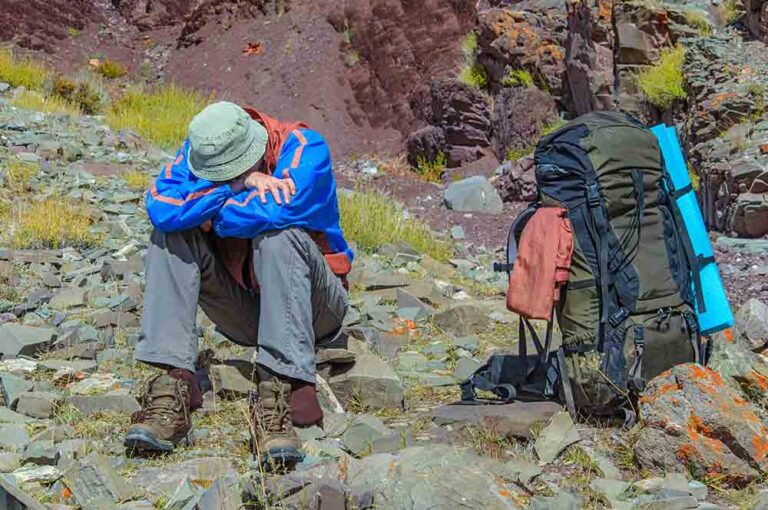
21-Day Kilimanjaro And Complete Tanzania Holiday: Your Ultimate Adventure
This comprehensive 21-day itinerary offers the ultimate Tanzanian adventure, merging the challenge of climbing Mount Kilimanjaro with the wildlife wonders of its famed national parks and...
View package details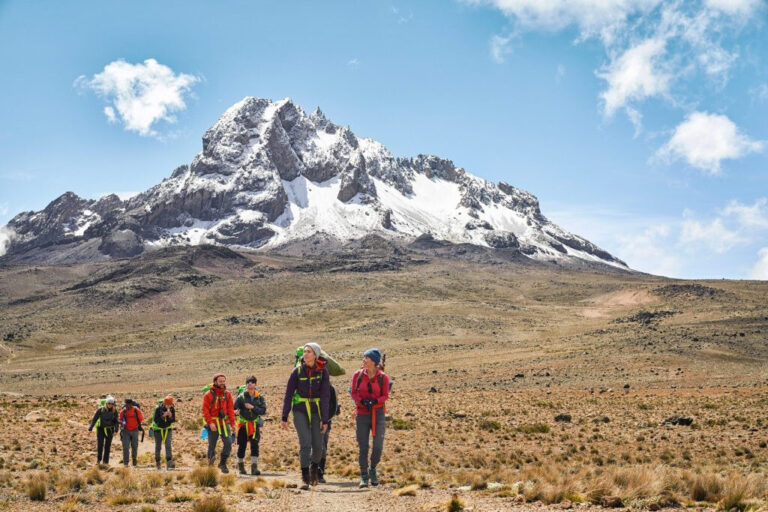
18-Day Kilimanjaro And Northern Tanzania Grand Adventure: Trek, Safari &
An 18-day itinerary blending Kilimanjaro's summit with Northern Tanzania's wildlife and culture offers a comprehensive African experience. This adventure typically includes a multi-day trek...
View package details17-Day Kilimanjaro, Serengeti, Ngorongoro & Zanzibar Tour: Your Ultimate
This 17-day tour combines the iconic Mount Kilimanjaro climb with unparalleled wildlife safaris in the Serengeti and Ngorongoro Crater, culminating in a relaxing beach escape in Zanzibar...
View package details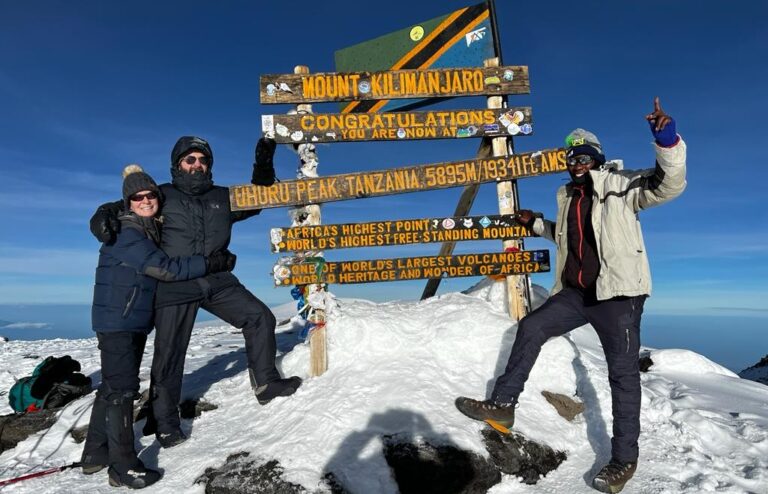
15-Day Kilimanjaro, Great Migration & Zanzibar Beach Package | Top Guide
Combine the thrill of summiting Mount Kilimanjaro, witnessing the iconic Great Migration in the Serengeti, and unwinding on the pristine beaches of Zanzibar in one unforgettable 15-day...
View package details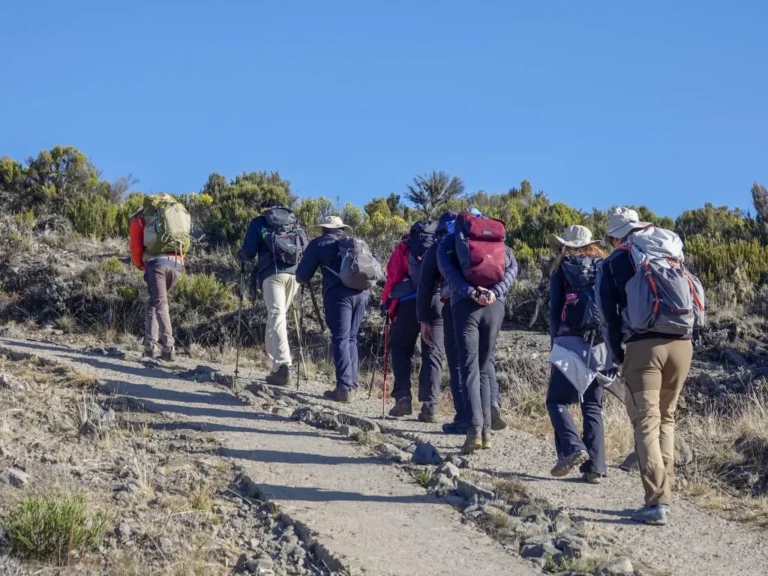
13-Day Kilimanjaro Climb, Cultural Tour & Zanzibar Holiday: Your Ultimate
This 13-day itinerary offers an unparalleled Tanzanian experience, blending the thrill of conquering Mount Kilimanjaro with deep cultural exploration and the serene beauty of Zanzibar...
View package details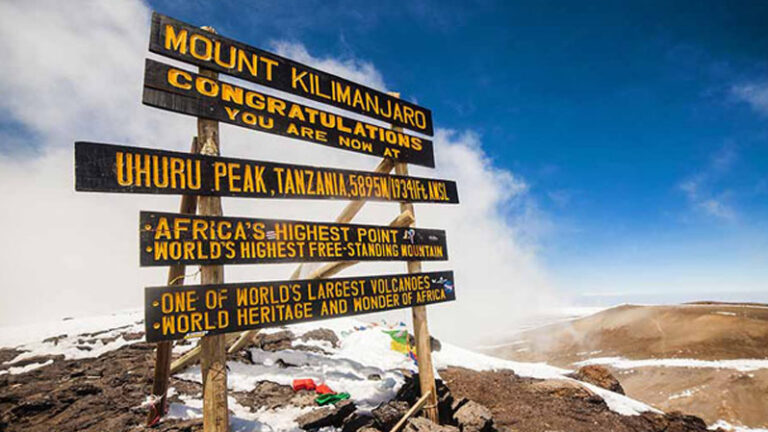
11-Day Kilimanjaro Acclimatization, Summit And Safari Package 2026-2027
11-Day Kilimanjaro Acclimatization, Summit and Safari Package is explained with current 2026-2027 planning, price, itinerary and booking information.
View package details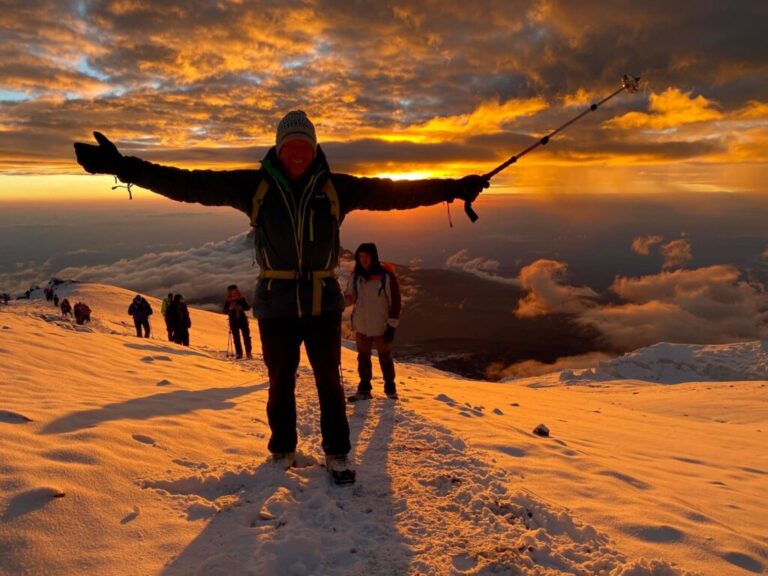
Final 48-Hour Checklist Before Kilimanjaro 2026-2027
Final 48-Hour Checklist before Kilimanjaro is explained with current 2026-2027 planning, price, itinerary and booking information.
View package details
Kilimanjaro Questions To Ask During Your Briefing For Climbs 2026-2027
Before embarking on your Kilimanjaro adventure, a thorough briefing is crucial. This guide outlines the most important questions to ask your tour operator to ensure you're fully prepared...
View package detailsNo related package matches those filters. Clear one or more filters to see the other topic-matched options.



