
The final 48 hours before your Kilimanjaro climb are crucial for ensuring a smooth and successful ascent in 2026 or 2027. Your checklist should focus on confirming essential gear, final health checks, hydration, last-minute packing, documentation, and clear communication with your tour operator, Top Guide Adventures, to address any lingering questions or needs.
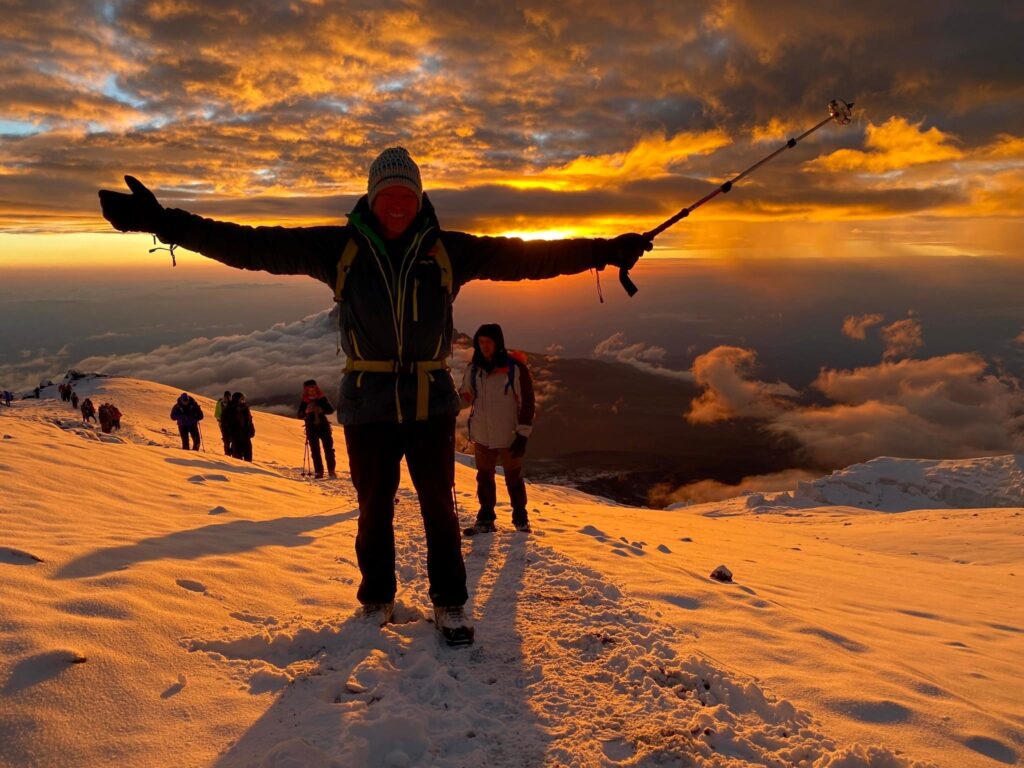
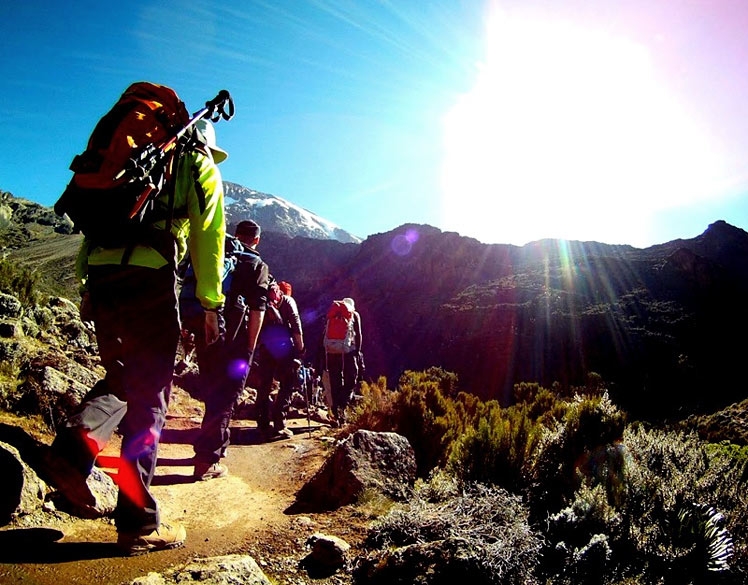
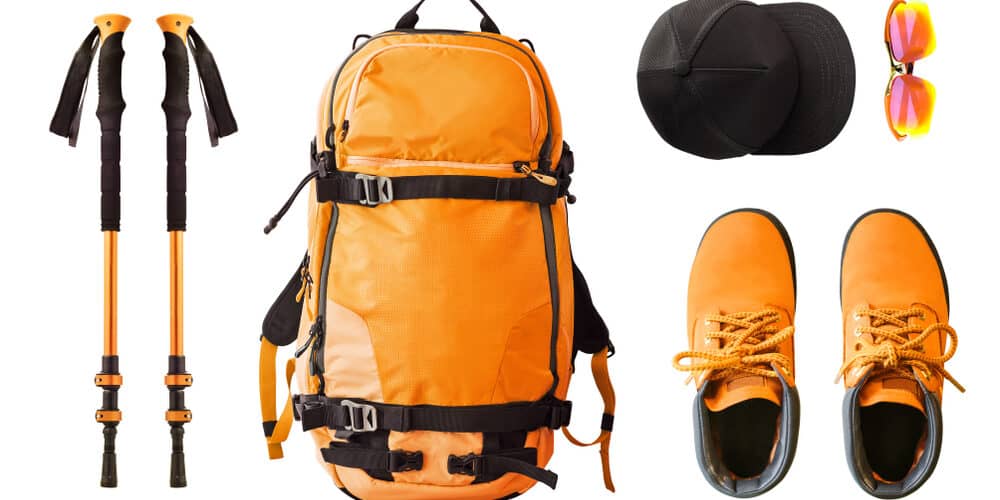
Your Critical Countdown: The 48 Hours Before Kilimanjaro
You’ve trained, you’ve packed, and the dream of standing on the Roof of Africa is within reach. But before you set foot on the trail, those final 48 hours are a whirlwind of anticipation and final preparations. This period is key to ensuring you’re physically, mentally, and logistically ready for the challenge ahead. It’s about tying up loose ends, confirming details, and getting your body and mind in the best possible state for the demanding trek. For climbers planning their 2026 or 2027 adventure, this period is just as vital as the months of preparation leading up to it.
At Top Guide Adventures, we understand that the final approach to Kilimanjaro is as important as the climb itself. Our aim is to provide you with all the support and information needed, right up to the moment you begin your trek from the gate. This guide is designed to be your definitive Final 48-Hour Checklist before Kilimanjaro, ensuring nothing is overlooked.
Final Gear Check and Packing Adjustments (48-36 Hours Out)
This is your last chance to ensure you have everything you need and that it’s all in working order. Don’t wait until the last minute to discover a problem.
Reviewing Your Kilimanjaro Packing List
By now, your main luggage should be largely packed. The focus in these final hours is on reviewing, organizing, and making any necessary last-minute additions or adjustments. Think about the items you’ll need immediately upon arrival in Tanzania and those that will be in your daypack or carried by porters.
- Essential Clothing Layers: Double-check that you have all your base layers (merino wool or synthetic), mid-layers (fleece or down jacket), and outer shell (waterproof and windproof jacket and trousers). Ensure they are clean and dry.
- Footwear: Your broken-in hiking boots should be ready. Check the soles for any damage and ensure laces are intact. Pack comfortable camp shoes or sandals for evenings.
- Headwear and Handwear: Confirm you have a warm beanie, sun hat, balaclava or neck gaiter, and waterproof, insulated gloves, plus liner gloves.
- Sleeping Gear: If you’re bringing your own sleeping bag, ensure it’s rated for the cold temperatures expected at high altitudes. Check its zippers and cleanliness.
- Hydration System: Clean and test your water bottles or hydration reservoir. Ensure you have purification tablets or a filter as a backup.
- First-Aid and Personal Items: Review your personal first-aid kit. Add any necessary personal medications, blister treatments, and toiletries.
- Sun Protection: High SPF sunscreen, lip balm with SPF, and sunglasses are non-negotiable.
- Headlamp: Crucial for early morning summit attempts. Check the batteries and pack spares.
Organizing Your Daypack and Porter Bags
Distinguishing between what you carry yourself and what porters will carry is vital. Your daypack should contain essentials for the trekking day, while porter bags can hold the bulk of your clothing and camping gear.
- Daypack Essentials: Water, snacks, camera, extra layers, rain gear, sunscreen, lip balm, headlamp, first-aid kit, hand sanitizer, toilet paper, and personal medications.
- Porter Bag Contents: All your sleeping gear, spare clothing, toiletries, and any items you won’t need during the trekking day. Ensure these bags are clearly labeled with your name.
Checking Gear Functionality
A quick, practical check can save significant hassle on the mountain.
- Zippers: Test all zippers on jackets, trousers, bags, and your sleeping bag.
- Headlamp Batteries: Install fresh batteries in your headlamp and carry spares.
- Water Bottles/Reservoir: Ensure there are no leaks.
- Trekking Poles: Check that they lock securely and are the correct length.
Important Note on Gear:
While Top Guide Adventures provides most camping equipment (tents, cooking gear, mess tents), personal items like clothing, sleeping bags, and trekking poles are your responsibility. Ensure your sleeping bag is rated to at least -10°C to -20°C (0°F to -4°F), as temperatures on Kilimanjaro can drop significantly at higher altitudes, especially for a 2026 or 2027 climb.
Health and Wellness Check (48-24 Hours Out)
Your physical condition is paramount. These final hours are about prioritizing rest, hydration, and a final health assessment.
Final Hydration Strategy
Starting the climb well-hydrated is one of the most critical factors in acclimatization and preventing altitude sickness. Focus on consistent fluid intake.
- Sip Constantly: Drink water throughout the day, aiming for at least 3-4 liters.
- Electrolytes: Consider adding electrolyte powders or tablets to your water to aid hydration and replenish lost salts.
- Avoid Diuretics: Minimize or avoid alcohol and excessive caffeine, as they can contribute to dehydration.
Nutrition for Energy
Fuel your body appropriately in the days leading up to the climb. Focus on balanced meals.
- Carbohydrate-Rich Meals: Prioritize complex carbohydrates like pasta, rice, and potatoes for sustained energy.
- Avoid Heavy or Greasy Foods: These can be harder to digest and may cause discomfort.
- Listen to Your Body: Eat foods that you know agree with you.
Rest and Sleep
This is not the time for late nights or strenuous activity. Prioritize rest to allow your body to recover and prepare.
- Early Nights: Aim for early bedtime. Even if you can’t sleep soundly, resting your body is beneficial.
- Minimize Stress: Try to relax and avoid stressful situations.
Final Health Assessment
Conduct a self-assessment and consult your doctor if you have any concerns.
- Monitor Symptoms: Be aware of any new or worsening symptoms of illness, such as fever, persistent cough, or severe headaches. If you feel unwell, it’s crucial to communicate this to your guide immediately.
- Pre-existing Conditions: If you have any pre-existing medical conditions, ensure you have discussed your Kilimanjaro climb with your doctor and have any necessary medications.
- Dental Check: While not always considered, a dental issue can be exacerbated by altitude and temperature changes. If you have any concerns, a quick check might be wise.
Altitude Sickness Awareness:
While acclimatization is key on the mountain, starting in the best possible health is vital. Altitude sickness symptoms can be more severe if you are already unwell. Be honest with your guides about any symptoms you experience, no matter how minor they seem. Early detection is crucial for effective management and safety on your Final 48-Hour Checklist before Kilimanjaro.
Logistics and Documentation (24-12 Hours Out)
Confirming all the practical details ensures a smooth start to your expedition.
Confirming Your Kilimanjaro Itinerary and Transfers
Ensure all ground arrangements are in place, especially your airport transfer and accommodation before the climb.
- Airport Pickup: Confirm your flight arrival details with Top Guide Adventures and reconfirm your airport transfer arrangements.
- Pre-Climb Accommodation: If you’re staying in Moshi or Arusha before the climb, confirm your hotel booking and check-in times.
- Meeting Point and Time: Clarify the exact meeting point and time for your briefing with your Top Guide Adventures team.
Documentation Check
These documents are essential for entry into Tanzania and for your climb.
- Passport: Ensure your passport is valid for at least six months beyond your intended stay and has sufficient blank pages for entry and exit stamps.
- Visa: Confirm you have the necessary visa for Tanzania. Many nationalities can obtain this on arrival or apply online in advance.
- Yellow Fever Certificate: Depending on your travel route into Tanzania, you may need proof of Yellow Fever vaccination. Check the latest requirements.
- Travel Insurance: Have your travel insurance policy details readily available, including the emergency contact number. Ensure it covers high-altitude trekking and emergency evacuation.
- Flight Tickets: Keep copies of your flight itineraries.
- Emergency Contacts: Have a list of emergency contacts for your family and friends back home, and your tour operator.
Money Matters
Plan for tips, personal expenses, and any potential incidentals.
- Tanzanian Shillings: Have some local currency for small purchases, tips, or emergencies upon arrival.
- USD: US Dollars are widely accepted for tips and larger purchases. Ensure they are newer bills (post-2009) and in good condition.
- Credit Cards/ATMs: While ATMs are available in major towns, they can be unreliable. Credit cards are accepted in larger hotels and shops but not for smaller vendors or tips.
- Tipping Guidelines: Familiarize yourself with the tipping guidelines provided by Top Guide Adventures. It’s customary to tip guides, porters, and cooks.
Communication and Connectivity
Stay in touch and have emergency contact information accessible.
- Mobile Phone: Ensure your phone is unlocked if you plan to buy a local SIM card upon arrival.
- Chargers and Power Banks: Pack necessary chargers and consider a power bank for charging devices on the go.
- Offline Maps: Download offline maps of Moshi and Arusha if you plan to explore independently.
Final Documentation Checklist:
- Passport (valid 6+ months)
- Tanzania Visa (if required)
- Yellow Fever Certificate (if required)
- Travel Insurance Policy Details
- Flight Itineraries
- Emergency Contact List
- Copies of all important documents (stored separately or digitally)
Mental Preparation and Final Briefing (12-0 Hours Out)
The final hours are about mental readiness and confirming all operational details with your team.
The Pre-Climb Briefing
This is a crucial step where your Top Guide Adventures team will run through everything you need to know for the trek.
- Itinerary Review: A detailed walk-through of each day’s plan, including start times, estimated trekking hours, and camp locations.
- Gear Check: Your guide will likely do a final check of your essential gear, especially items like your boots, rain gear, and warm layers.
- Acclimatization Principles: A reminder of how to manage your body at altitude – ‘pole pole’ (slowly, slowly), hydration, and recognizing symptoms.
- Safety Procedures: Understanding emergency protocols and communication methods on the mountain.
- Q&A: This is your opportunity to ask any last-minute questions. No question is too small.
Mental Readiness
Kilimanjaro is as much a mental challenge as a physical one. Prepare yourself for the ups and downs.
- Positive Mindset: Focus on your goal and the incredible experience ahead.
- Patience: Understand that the climb will have challenging moments. Embrace the ‘pole pole’ philosophy.
- Flexibility: Be prepared for weather changes or minor itinerary adjustments. Your guides will manage these for your safety.
- Visualization: Picture yourself successfully reaching Uhuru Peak.
Final Communications
Ensure you have a way to communicate with Top Guide Adventures if any last-minute issues arise before your transfer.
- Contact Numbers: Have the direct numbers for your expedition leader and the Top Guide Adventures operations team.
- WhatsApp: If applicable, ensure you can reach them via WhatsApp for quick queries.
Your Top Guide Adventures Support:
We pride ourselves on offering personal attention and dedicated support. In the 48 hours before your Final 48-Hour Checklist before Kilimanjaro, don’t hesitate to reach out. Whether it’s a query about gear, a last-minute logistical question, or just to ease your mind, our team is here for you. Contact us via WhatsApp +255616946642 or Email topguideadventures@gmail.com.
What to Expect Upon Arrival in Tanzania (if applicable within 48 hours)
If you are arriving in Tanzania within this 48-hour window, these points are essential.
Airport Procedures
- Immigration and Customs: Be prepared for potential queues. Have your passport and visa documents ready.
- Baggage Claim: Collect all your luggage, including any checked bags with climbing gear.
- Meeting Your Driver: Look for a representative holding a sign with your name or the Top Guide Adventures logo.
First Impressions and Acclimatization to Environment
The Tanzanian air is warm and humid, a stark contrast to the cold you’ll experience on the mountain.
- Hydration: Continue drinking plenty of water immediately upon arrival.
- Rest: Avoid overexertion on your first day.
- Local Culture: Be mindful of local customs and dress modestly when in towns.
Common Last-Minute Worries and How to Address Them
It’s natural to have some anxieties in the final days. Here’s how to manage them.
Worry: “Did I forget something crucial?”
Solution: Revisit your packing list one last time. Focus on essentials: waterproofs, warm layers, good boots, headlamp, and personal medications. If you’re truly unsure, ask your Top Guide Adventures contact. It’s rare that something critical is forgotten, and often minor items can be purchased in Moshi if absolutely necessary.
Worry: “What if I get sick?”
Solution: You’ve done your best by preparing and monitoring your health. If you feel unwell, inform your guide immediately. They are trained to assess symptoms and make decisions for your safety. Trust their expertise. For planned climbs in 2026 or 2027, ensure your travel insurance covers medical emergencies and evacuation.
Worry: “I’m not fit enough.”
Solution: You’ve trained for months. Remember that Kilimanjaro is a marathon, not a sprint. The ‘pole pole’ pace and your guides’ encouragement will get you through. Focus on consistent, steady progress each day. Most people who prepare adequately can complete the climb.
Worry: “What about the cold?”
Solution: Proper layering is the key. Your Final 48-Hour Checklist before Kilimanjaro should include ensuring you have a good set of base, mid, and outer layers. Don’t underestimate the importance of warm, waterproof gloves and a good hat. Your guides will also advise on managing warmth during the climb.
The Final Hours: Setting Yourself Up for Success
As the clock ticks down, focus on what you can control: your hydration, your rest, your mindset, and your communication with the Top Guide Adventures team.
Final Packing Decisions
Ensure your daypack is packed and ready to go for the morning. Your larger bags should be organized for the porters.
Hydration and Nutrition
Continue sipping water and eating light, energy-rich meals. Avoid alcohol and heavy foods.
Mental Check-in
Take a few moments to breathe, relax, and remind yourself why you are undertaking this incredible journey. Trust your preparation and your guides.
Confirm Meeting Details
Double-check the time and location for your pick-up or briefing. If anything is unclear, contact Top Guide Adventures immediately.
Looking Ahead: Beyond the 48 Hours
While this checklist focuses on the immediate pre-climb period, remember that the support from Top Guide Adventures continues throughout your expedition and beyond. We are committed to making your Kilimanjaro adventure a safe, memorable, and successful experience, whether you’re climbing in 2026 or 2027.
This Final 48-Hour Checklist before Kilimanjaro is designed to give you peace of mind. By systematically going through these points, you can ensure that you are as prepared as possible, allowing you to focus on the awe-inspiring journey ahead. For any further assistance or to discuss your upcoming 2026-2027 Kilimanjaro climb, please do not hesitate to contact Top Guide Adventures:
- WhatsApp: +255616946642
- Email: topguideadventures@gmail.com
- Backup Email: info@topguideadventures.com
- Website: Top Guide Adventures
We look forward to helping you achieve your Kilimanjaro dream!
“,
“faq_schema”: [
{
“question”: “What are the most critical items to check in the final 48 hours before climbing Kilimanjaro?”,
“answer”: “In the final 48 hours before your Kilimanjaro climb, the most critical items to check are your essential clothing layers (especially waterproofs and warm insulation), your broken-in hiking boots, your headlamp with fresh batteries, your hydration system, and all essential documentation like your passport and visa. Ensuring you are well-hydrated and well-rested is also paramount.”
},
{
“question”: “How much water should I be drinking in the 48 hours before my Kilimanjaro trek?”,
“answer”: “You should aim to drink at least 3-4 liters of water per day in the 48 hours leading up to your Kilimanjaro trek. Sipping water consistently throughout the day is more effective than drinking large amounts at once. Consider adding electrolytes to aid hydration and absorption.”
},
{
“question”: “What should I do if I feel unwell in the 48 hours before climbing Kilimanjaro?”,
“answer”: “If you feel unwell in the 48 hours before your Kilimanjaro climb, it’s crucial to inform your tour operator, Top Guide Adventures, immediately. They can advise on whether it’s safe to proceed or if adjustments are needed. Be honest about any symptoms like fever, severe headache, or digestive issues, as starting the climb while sick can exacerbate altitude sickness and other complications.”
},
{
“question”: “What documents are absolutely essential for my Kilimanjaro climb and need final checking?”,
“answer”: “The absolutely essential documents for your Kilimanjaro climb are your passport (valid for at least six months beyond your stay), your Tanzania visa (if required), proof of Yellow Fever vaccination (if required by your entry point), and your travel insurance policy details, including emergency contact numbers. Keep digital and physical copies separate.”
},
{
“question”: “Should I pack my entire bag in the final 48 hours before Kilimanjaro?”,
“answer”: “In the final 48 hours, your main packing should be complete, but the focus shifts to organizing and reviewing. Ensure your daypack is packed with essentials for the trekking day (water, snacks, extra layers, rain gear, first-aid, sunscreen). Your larger duffel bags for the porters should be organized, clearly labeled, and ready for collection or transfer to the starting point.”
},
{
“question”: “What is the best way to handle money for tips and expenses in the final 48 hours before Kilimanjaro?”,
“answer”: “In the final 48 hours, ensure you have a mix of currencies. US Dollars (newer bills, post-2009) are widely used for tips and larger purchases. Have some Tanzanian Shillings for immediate expenses upon arrival. Familiarize yourself with the tipping guidelines provided by Top Guide Adventures, and have this money accessible but secure.”
},
{
“question”: “Can I buy last-minute gear in Moshi before my Kilimanjaro climb?”,
“answer”: “Yes, Moshi town has shops where you can purchase or rent some last-minute gear, such as warm hats, gloves, or trekking poles. However, it’s best to have your primary essential gear (like good quality boots and base layers) already sorted before arriving, as the selection and quality in Moshi can vary. Relying on the Final 48-Hour Checklist before Kilimanjaro for your own gear is advisable.”
},
{
“question”: “What should I do about my phone and electronics in the final 48 hours before Kilimanjaro?”,
“answer”: “In the final 48 hours, ensure your phone is charged, and you have necessary chargers and power banks. If you plan to use a local SIM card, ensure your phone is unlocked. Download any offline maps or essential apps. While you can’t charge devices easily on the mountain, having a fully charged power bank is useful for the first day or two.”
}
]
}
“`
Check Availability for Final 48-Hour Checklist Before Kilimanjaro 2026-2027
Ready to compare dates, prices, and the best option for your group? Send the package name and travel month so the team can reply with a clear quote, availability, and what is included.
What To Check Before Paying A Kilimanjaro Deposit In 2026-2027
Planning to climb Kilimanjaro? Learn what crucial details to verify before paying your deposit to ensure a safe, successful, and well-organized trek in 2026 or 2027.
View package detailsKilimanjaro Booking Checklist For First-Time Climbers: Your Essential Guide
Planning your first Kilimanjaro climb in 2026 or 2027? This detailed checklist covers everything from choosing a route and operator to packing and acclimatization, ensuring a well-prepared...
View package details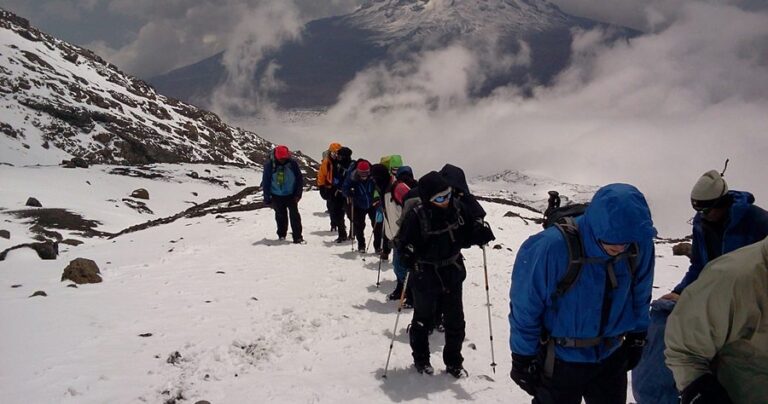
30 Things To Know Before Booking Kilimanjaro: Your Expert Guide For Climbs
Your ultimate checklist for booking a Kilimanjaro climb in 2026-2027. This guide covers everything from choosing the right route and understanding costs to essential gear and preparation...
View package details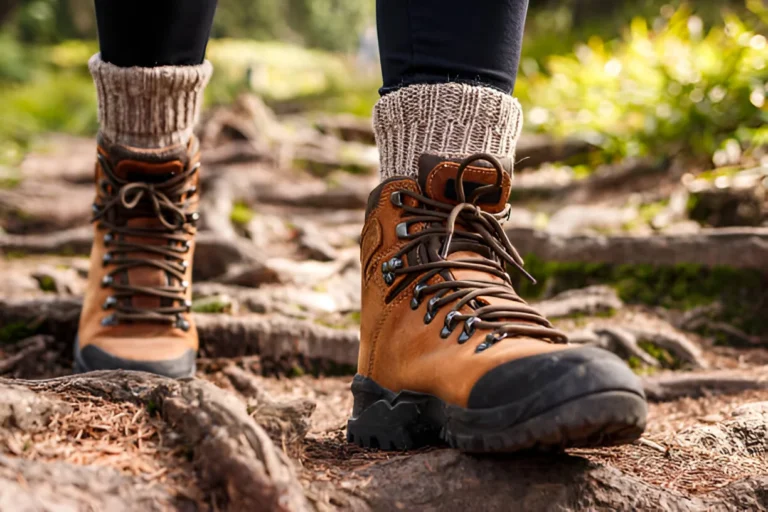
Moshi Hotel Vs Mountain Lodge Before Kilimanjaro 2026-2027
Moshi Hotel vs Mountain Lodge before Kilimanjaro is explained with current 2026-2027 planning, price, itinerary and booking information.
View package details
Kilimanjaro Climb With Materuni Recovery Day 2026-2027
Kilimanjaro Climb with Materuni Recovery Day is explained with current 2026-2027 planning, price, itinerary and booking information.
View package details
Kilimanjaro Climb With Lake Chala Relaxation Day: Your Ultimate Post-Trek
Experience the ultimate Kilimanjaro adventure followed by serene relaxation at Lake Chala. This guide details how to combine these incredible Tanzanian experiences, covering itineraries...
View package details
Kilimanjaro Climb & West Safari: The Ultimate Tanzania Adventure 2026-2027
Experience the pinnacle of Tanzania with a combined Kilimanjaro climb and West Kilimanjaro safari. This guide details itineraries, preparation, and what to expect for your 2026-2027...
View package details
Kilimanjaro Climb With Mkomazi Rhino Safari 2026-2027
Kilimanjaro Climb with Mkomazi Rhino Safari is explained with current 2026-2027 planning, price, itinerary and booking information.
View package details
Kilimanjaro Climb With Amboseli Safari Extension: Your Ultimate Tanzania
Experience the pinnacle of African adventure by combining a challenging Kilimanjaro climb with a impressive safari in Amboseli National Park. This guide details itineraries, costs, best...
View package details
21-Day Kilimanjaro And Complete Tanzania Holiday: Your Ultimate Adventure
This comprehensive 21-day itinerary offers the ultimate Tanzanian adventure, merging the challenge of climbing Mount Kilimanjaro with the wildlife wonders of its famed national parks and...
View package details
18-Day Kilimanjaro And Northern Tanzania Grand Adventure: Trek, Safari &
An 18-day itinerary blending Kilimanjaro's summit with Northern Tanzania's wildlife and culture offers a comprehensive African experience. This adventure typically includes a multi-day trek...
View package details
17-Day Kilimanjaro, Serengeti, Ngorongoro & Zanzibar Tour: Your Ultimate
This 17-day tour combines the iconic Mount Kilimanjaro climb with unparalleled wildlife safaris in the Serengeti and Ngorongoro Crater, culminating in a relaxing beach escape in Zanzibar...
View package detailsNo related package matches those filters. Clear one or more filters to see the other topic-matched options.



