
Yes, July is generally considered a very good month to climb Kilimanjaro, falling within the dry season. You can expect clear skies, lower humidity, and cooler temperatures, making for more comfortable trekking conditions and excellent summit views. This period, along with June and August, marks a peak season, so while weather is favorable, expect more fellow climbers on the mountain.

Kilimanjaro in July: Understanding the Conditions
When planning a trek up Africa’s highest peak, understanding the prevailing weather patterns is crucial. Kilimanjaro experiences distinct seasons, and July sits firmly within one of the two primary dry seasons. This makes it a highly attractive month for adventurers aiming for the summit. For those considering a climb in 2026 or 2027, July offers a compelling combination of favorable weather and accessible conditions.
The weather on Kilimanjaro is a complex interplay of altitude, microclimates, and the mountain’s position relative to seasonal monsoon influences. While rain is possible at any time of year, certain months offer significantly higher probabilities of dry trekking days. July typically provides these ideal conditions, allowing climbers to focus on the physical and mental challenge rather than battling persistent rain or fog.
The July Weather Profile: Dry and Cool
July is part of the long dry season, which runs from approximately June through October. This period is characterized by:
- Low Rainfall: Precipitation is minimal across all altitude zones. While brief, isolated showers can occur, they are infrequent and usually do not disrupt climbing for extended periods. The risk of heavy, prolonged rain that can make trails muddy and difficult is significantly reduced.
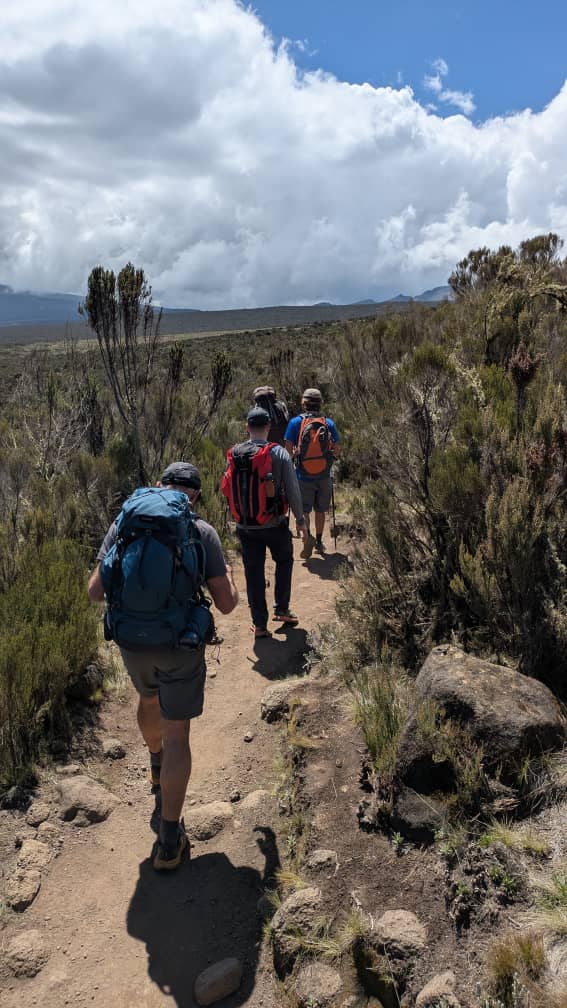
- Clear Skies: Days are often sunny and bright, offering spectacular views of the surrounding landscape and, crucially, the summit. Visibility is generally excellent, enhancing the visual experience of the trek.
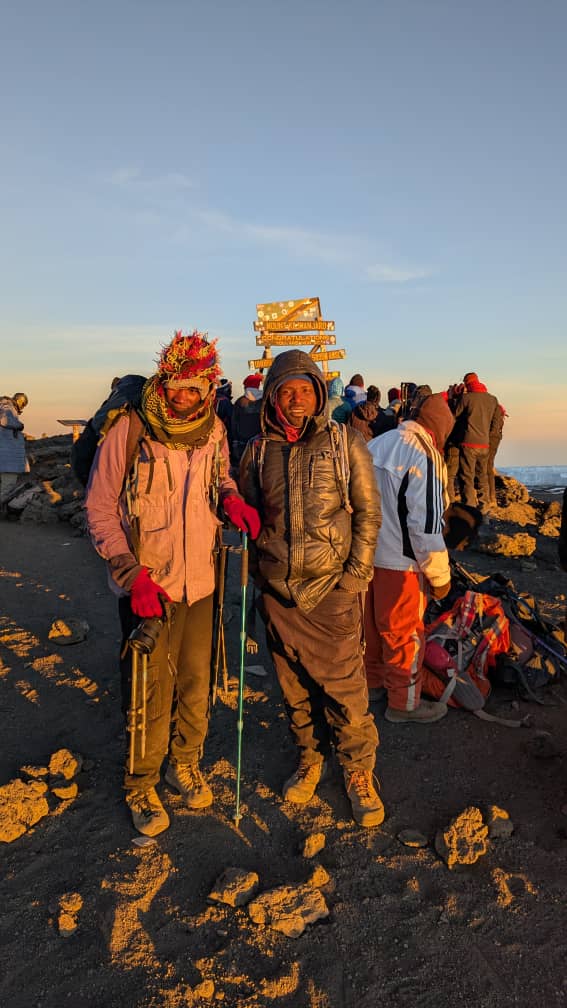
- Cool Temperatures: As you ascend, temperatures drop dramatically. In July, daytime temperatures at lower altitudes can be warm, but as you gain elevation, expect cool to cold conditions. The summit area, including Stella Point and Uhuru Peak, will be very cold, often well below freezing, especially at night and during early morning summit pushes. The cooler air also means less humidity, which can make the climb feel more manageable.
- Moderate Humidity: Unlike the wet seasons, humidity levels are generally low in July. This helps with comfort and can make breathing at higher altitudes feel slightly easier.
For trekkers planning their expedition for 2026 or 2027, understanding these conditions allows for better preparation, particularly regarding appropriate clothing and gear. The predictability of dry weather in July is a major draw for many climbers.
Altitude and Temperature Variations in July
Kilimanjaro’s weather is not uniform; it varies significantly with altitude. In July, you can expect the following temperature ranges:
- Base (around 1,800m / 6,000ft): Daytime temperatures can range from 20°C to 25°C (68°F to 77°F). Nights will be cooler, perhaps 10°C to 15°C (50°F to 59°F).
- Rainforest Zone (1,800m – 2,800m / 6,000ft – 9,200ft): Daytime temperatures typically range from 15°C to 20°C (59°F to 68°F). Nights can drop to 8°C to 12°C (46°F to 54°F).
- Moorland Zone (2,800m – 4,000m / 9,200ft – 13,000ft): Daytime temperatures are cooler, around 10°C to 15°C (50°F to 59°F). Nights can fall to 5°C to 10°C (41°F to 50°F).
- Alpine Desert Zone (4,000m – 5,000m / 13,000ft – 16,400ft): Daytime temperatures might be 5°C to 10°C (41°F to 50°F). Nights become significantly colder, ranging from 0°C to 5°C (32°F to 41°F).
- Summit Zone (Uhuru Peak, 5,895m / 19,341ft): Temperatures here are consistently below freezing. Expect -5°C to -15°C (23°F to 5°F), and potentially colder with wind chill, especially during the pre-dawn summit push.
The dry air in July means that while temperatures can be cool, the lack of humidity makes the cold feel less penetrating than it might in wetter months at similar temperatures. This is a significant advantage for climbers.
Crowds and Availability in July
As one of the two primary dry seasons, July is considered a peak season for Kilimanjaro climbs. This means you can expect more trekkers on the mountain compared to the shoulder or wet seasons. While this might be a consideration for some, it also offers certain advantages.
What to Expect in Terms of Fellow Climbers
- Busy Trails: Popular routes like the Machame and Lemosho routes will see a higher volume of trekkers. This can mean more company on the trails, more people at campsites, and a more communal atmosphere.
- Shared Experience: For some, climbing alongside many other trekkers can enhance the sense of shared adventure. You’ll encounter people from all over the world, all with the same goal.
- Campsite Dynamics: Campsites will be busier. While operators like Top Guide Adventures manage their own groups, the overall campsite environment will be more populated.
- Summit Day: Summit day, particularly the final push from Barafu Camp or Kibo Hut, can be quite crowded. This is because multiple groups often start their summit bid around the same time in the early morning hours.
Booking Considerations for July 2026 and 2027
Due to July being a peak season, it’s advisable to book your Kilimanjaro climb well in advance, especially if you are planning for 2026 or 2027. Popular dates and preferred tour operators can fill up quickly.
- Advance Booking: Aim to book your trek at least 6-12 months in advance to secure your preferred dates, route, and operator.
- Availability: While July is busy, it does not mean you won’t find availability. However, planning ahead is key to avoiding disappointment.
- Tour Operators: Reputable operators like Top Guide Adventures often manage group departures and private climbs. Booking early ensures you get a spot on a departure that suits your schedule. You can check group departure dates for popular routes like the Machame route on our website.
The advantage of peak season is that most operators will be running climbs, meaning more flexibility in choosing a departure date, provided you book early.
Choosing the Right Route in July
Kilimanjaro has several established routes, each offering a different experience in terms of scenery, difficulty, acclimatization profile, and crowd levels. In July, with its dry conditions, all routes are generally accessible and in good trekking order.
The choice of route is often more dependent on your priorities for acclimatization, scenery, and comfort than the month of travel, as all routes are viable in July. However, longer routes generally offer better acclimatization, increasing your chances of summit success.
Popular Routes and Their July Suitability
- Machame Route: Often called the ‘Whiskey Route’, this is one of the most popular routes due to its scenic beauty and good acclimatization profile. It is suitable for July climbs and offers a great trekking experience. Expect it to be relatively busy.
- Lemosho Route: Known for its stunning scenery and excellent acclimatization, Lemosho is a longer route that converges with Machame. It’s a fantastic choice for July, offering a more remote start before joining busier sections.
- Marangu Route: The ‘Coca-Cola Route’ is the oldest and most direct. It’s known for its hut accommodation, which can be a draw for those preferring beds over camping. July is a good month for Marangu, but its rapid ascent profile means acclimatization is less ideal than on longer routes.
- Shira Route: Similar to Lemosho but starts at a higher altitude. It offers great views but a steeper initial climb. Good for July, but acclimatization needs careful management.
- Rongai Route: This route approaches from the north and is known for being drier, making it a good option during rainy seasons. In July, it’s still a viable and often less crowded option compared to Machame or Lemosho, offering a different perspective.
- Northern Circuit: The longest route, offering the best acclimatization and a circumnavigation of the mountain’s northern slopes. It is ideal for maximizing summit success chances and is excellent in July for its superb scenery and lower crowd density for much of the trek.
- Umbwe Route: The shortest and steepest route, offering the least favorable acclimatization. It is challenging and generally recommended only for experienced high-altitude trekkers. July is suitable weather-wise, but the route’s difficulty remains the primary factor.
For July 2026 or 2027, the Machame, Lemosho, and Northern Circuit routes are often recommended for their balance of scenery, acclimatization, and overall climbing experience. The Rongai route is a good alternative if you prefer a potentially quieter climb.
Preparing for Your Kilimanjaro Climb in July
Successful preparation is key to enjoying your Kilimanjaro trek and increasing your chances of reaching the summit. July’s conditions require specific attention to certain aspects of preparation.
Packing Essentials for July
The cool, dry weather in July means you need to pack layers. The temperature swings from potentially warm at the base to freezing at the summit are significant. Here’s a guide:
- Base Layers: Moisture-wicking thermals (merino wool or synthetic) are essential for managing sweat and keeping warm. Bring several sets.
- Mid Layers: Fleece jackets or insulated vests provide crucial warmth.
- Outer Layer (Insulation): A warm down or synthetic insulated jacket is vital for the summit night and cold evenings.
- Waterproof/Windproof Shell: A breathable, waterproof and windproof jacket and trousers are necessary, even in the dry season, as conditions can change, and wind chill is a factor.
- Headwear: A warm, insulated hat (beanie) that covers your ears is a must for the cold. A sun hat or cap is also needed for lower, sunny altitudes.
- Gloves: Bring a combination of liner gloves and warm, waterproof outer gloves or mittens. Crucial for summit night.
- Footwear: Well-broken-in, waterproof hiking boots are non-negotiable. Bring several pairs of warm hiking socks (wool blend).
- Sleeping Bag: A four-season sleeping bag rated to at least -10°C to -20°C (14°F to -4°F) is highly recommended for July.
- Sun Protection: High SPF sunscreen, sunglasses, and lip balm with SPF are essential due to the strong equatorial sun, especially at altitude.
- Headlamp: A reliable headlamp with extra batteries is vital for night ascents and general camp use.
- Hydration: Water bottles or a hydration reservoir (ensure it’s insulated to prevent freezing).
Consulting with your tour operator, such as Top Guide Adventures, for a detailed packing list tailored to July conditions is highly recommended. They can provide insights based on their extensive experience.
Physical Training and Acclimatization
Kilimanjaro is a demanding trek that requires good physical fitness. While July’s weather is favorable, it doesn’t negate the need for preparation.
- Cardiovascular Fitness: Focus on activities like hiking, running, cycling, or swimming to build endurance.
- Strength Training: Strengthen your legs, core, and back muscles.
- Hiking Practice: Undertake long hikes, preferably with a weighted backpack, on varied terrain.
- Acclimatization Strategy: Choose a longer route (7-9 days) for better acclimatization. Ascend slowly (‘pole pole’) and listen to your body. Hydrate well and avoid alcohol and caffeine, especially at higher altitudes.
Proper training and a focus on acclimatization are paramount for a safe and enjoyable climb in July 2026 or 2027.
Pros and Cons of Climbing Kilimanjaro in July
Like any month, July presents its own set of advantages and disadvantages for climbing Kilimanjaro. Weighing these factors will help you decide if it aligns with your expectations and preferences.
Advantages of a July Climb
- Excellent Weather: This is the primary draw. Low rainfall, clear skies, and good visibility significantly increase comfort and summit success rates.
- Cooler Temperatures: While the summit is freezing, the cooler air at lower and mid-altitudes can be more pleasant for trekking than the heat of the wet seasons.
- Scenic Views: Clear days mean unparalleled views of the volcanic landscape, glaciers, and the plains below.
- Accessibility: All routes are open and in good condition.
Disadvantages of a July Climb
- Peak Season Crowds: You will encounter more trekkers on the mountain, especially on popular routes.
- Higher Prices: Peak season can sometimes mean slightly higher prices for flights and accommodation in the gateway town of Moshi or Arusha, though tour operator packages often remain consistent.
- Cold Summit Temperatures: While dry, July nights and summit conditions are very cold, requiring robust cold-weather gear.
For many, the benefits of the dry, clear weather in July outweigh the drawbacks of increased crowds. If you’re planning for 2026 or 2027, and prioritize favorable conditions, July remains a top choice.
Alternative Months for Climbing Kilimanjaro
While July is excellent, it’s worth noting other periods that also offer good climbing conditions, allowing for flexibility in your 2026-2027 travel plans.
- June: The beginning of the long dry season. Weather is similar to July – dry and cool. Crowds are usually slightly less than in July or August.
- August: Also part of the long dry season. Weather remains excellent. It’s another peak month, so expect similar crowd levels to July.
- January & February: These months form the shorter dry season. Weather is generally dry and warm, though slightly less predictable than the June-October period. Temperatures at the summit can be colder due to the mountain’s position relative to the sun.
The wet seasons (March-May and November-December) are generally less ideal due to higher rainfall, although they offer fewer crowds and potentially lower prices. Some experienced trekkers opt for these times, but for most, the dry seasons are preferred.
Top Guide Adventures: Your Partner for a July Kilimanjaro Climb
Choosing the right tour operator is as important as choosing the right month. Top Guide Adventures is committed to providing safe, well-organized, and memorable Kilimanjaro expeditions. Whether you’re planning for July 2026 or 2027, we offer:
- Experienced Guides: Our guides are certified, highly experienced, and trained in wilderness first aid and high-altitude rescue.
- Quality Equipment: We provide high-quality camping gear, including tents and mess tents, ensuring your comfort on the mountain.
- Nutritious Meals: Our cooks prepare delicious and energy-rich meals to fuel your climb.
- Safety First: We prioritize your safety with thorough briefings, regular health checks on the mountain, and emergency protocols.
- Sustainable Tourism: We are committed to responsible tourism practices, respecting the environment and supporting local communities.
- Tailor-Made Itineraries: We can customize your climb based on your preferences, fitness level, and desired route.
We understand that climbing Kilimanjaro is a significant undertaking. Our team is dedicated to supporting you every step of the way, from initial planning to your successful summit and descent.
Planning Your 2026-2027 Kilimanjaro Expedition with Us
Ready to take on Kilimanjaro in July? Or perhaps you’re exploring other dates for your 2026-2027 adventure? Contact Top Guide Adventures to discuss your options.
We can help you select the best route, understand the itinerary, prepare your packing list, and answer all your questions. Our goal is to ensure your Kilimanjaro climb is a safe, rewarding, and unforgettable experience.
For inquiries and bookings, you can reach us via:
- WhatsApp: +255616946642
- Email: topguideadventures@gmail.com
- Backup Email: info@topguideadventures.com
Visit our website www.topguideadventures.com to explore our offerings, including group departures and information on various Kilimanjaro routes like the Machame Route. We also offer a wide range of Tanzania Safaris and other adventure packages.
Don’t forget to check out our TripAdvisor reviews and follow us on Instagram to see the adventures we organize.
Frequently Asked Questions About Climbing Kilimanjaro in July
What is the average temperature on Kilimanjaro in July?
In July, temperatures on Kilimanjaro vary greatly with altitude. At the base camps, daytime temperatures can be around 20-25°C (68-77°F). As you ascend, temperatures drop significantly, reaching well below freezing, typically -5°C to -15°C (23°F to 5°F) at the summit, especially during the pre-dawn summit push. The air is dry, which can make the cold feel less intense than in humid conditions.
Will it rain if I climb Kilimanjaro in July?
July falls within Kilimanjaro’s main dry season. While no month is completely guaranteed to be rain-free, July typically experiences very little precipitation. You can expect mostly clear skies and sunny days, making it an ideal month for trekking and summiting. Occasional, brief showers are possible but uncommon and usually do not disrupt the climb significantly.
Is July a crowded month to climb Kilimanjaro?
Yes, July is considered a peak season for climbing Kilimanjaro due to the favorable dry weather. This means you will likely encounter more trekkers on the popular routes compared to the shoulder or wet seasons. Campsites and trails will be busier, particularly on routes like Machame and Lemosho. Booking your climb well in advance for 2026 or 2027 is highly recommended.
What is the best route for climbing Kilimanjaro in July?
All routes are generally accessible and in good condition in July. However, for optimal acclimatization and scenery, longer routes are recommended. The Machame, Lemosho, and Northern Circuit routes are excellent choices for July. The Northern Circuit offers the best acclimatization and fewer crowds for much of the trek. The Rongai route is also a good option, often being a bit less crowded.
What gear do I need for a Kilimanjaro climb in July?
Given the temperature fluctuations and cold summit conditions, layering is key. Essential gear includes moisture-wicking base layers, warm fleece or insulated mid-layers, a heavy down or synthetic insulated jacket for the summit, waterproof and windproof outer layers, warm hats, gloves (liner and waterproof), sturdy waterproof hiking boots, warm socks, and a 4-season sleeping bag rated for at least -10°C to -20°C. Sun protection (sunscreen, sunglasses, lip balm) is also crucial.
How does July weather compare to other months?
July is one of the best months, comparable to June, August, and September for dry weather and clear skies. The summit temperatures can be colder in July and August than in January and February due to Kilimanjaro’s position relative to the sun. However, the overall probability of clear, dry trekking days is very high in July, making it a preferred choice for many climbers planning for 2026 or 2027.
In conclusion, July stands out as a prime month for climbing Kilimanjaro, offering a compelling blend of dry weather, clear views, and manageable temperatures for much of the trek. While it is a peak season with more trekkers, the advantages of favorable conditions make it an excellent choice for your 2026-2027 adventure. Top Guide Adventures is ready to help you plan and execute a safe and unforgettable climb. Contact us today to start planning your journey to the Roof of Africa!
Check Availability for Is July A Good Month To Climb Kilimanjaro? Your Guide 2026-2027
Ready to compare dates, prices, and the best option for your group? Send the package name and travel month so the team can reply with a clear quote, availability, and what is included.

Is December A Good Month To Climb Kilimanjaro? Your Guide 2026-2027
December offers a unique window for Kilimanjaro climbs, balancing good weather with fewer crowds. This guide explores its advantages and considerations for 2026-2027.
View package details
Is October A Good Time To Climb Kilimanjaro? Your Expert Guide For 2026-2027
Discover if October is an ideal month for your Kilimanjaro ascent. This guide covers weather, crowds, costs, and essential planning for your 2026-2027 climb.
View package details
Is September Good For Climbing Kilimanjaro? Your Guide 2026-2027
Discover why September is a prime month for ascending Mount Kilimanjaro. This guide details the weather, crowds, and what to expect for your 2026-2027 climb.
View package details
July Kilimanjaro Last-Minute Availability Guide
Planning a last-minute Kilimanjaro climb in July 2026 or 2027? This guide covers current availability, best routes, essential packing, and how to secure your spot with Top Guide Adventures.
View package detailsDecember Kilimanjaro Packing Checklist: Essential Gear For Climbs 2026-2027
Prepare for your December Kilimanjaro climb with our comprehensive packing checklist. This guide covers essential gear, clothing, and tips for conquering Africa's highest peak in the dry...
View package details
October Kilimanjaro Climb: Fewer Crowds, Great Weather 2026-2027
Planning an October Kilimanjaro climb offers a sweet spot with fewer trekkers and ideal weather conditions. Learn why October is a fantastic month for reaching Uhuru Peak and how to make...
View package detailsOctober Kilimanjaro Waterproof Packing Guide For Climbs 2026-2027
Prepare for your October Kilimanjaro climb with this comprehensive waterproof packing guide. Essential gear and clothing advice for 2026-2027 expeditions.
View package detailsOctober Kilimanjaro And Zanzibar Package: Climb & Island Bliss 2026-2027
Discover the ultimate October Kilimanjaro and Zanzibar package. This guide details combining a trek up Africa's highest peak with the idyllic beaches of Zanzibar, perfect for 2026-2027...
View package detailsOctober Kilimanjaro Climb For Couples: Your Ultimate Guide 2026-2027
Discover everything couples need to know for a successful Kilimanjaro climb in October. This guide covers the best routes, essential packing, weather insights, and booking tips for...
View package detailsOctober Kilimanjaro Private Climbing Tour: Your Ultimate Guide For 2026-2027
Your comprehensive guide to embarking on a private Kilimanjaro climb in October 2026 or 2027. Discover optimal routes, essential preparations, and why a private tour offers unparalleled...
View package details
7-Day Rongai Route Kilimanjaro Climb In October : Your Expert Guide 2026-2027
Your comprehensive guide to the 7-Day Rongai Route Kilimanjaro climb in October, detailing itineraries, what to expect, and essential preparation for 2026-2027 climbs.
View package details
8-Day Lemosho Route Kilimanjaro Climb In October : Your Expert Guide 2026-2027
An in-depth guide to climbing Kilimanjaro via the 8-day Lemosho Route in October, detailing weather, itinerary, preparation, and what to expect in 2026-2027. Perfect for trekkers seeking...
View package detailsNo related package matches those filters. Clear one or more filters to see the other topic-matched options.



