
September is an excellent month for climbing Kilimanjaro, consistently offering some of the best conditions of the year. You can expect dry weather, clear skies, and comfortable, cooler temperatures, making it a peak season for trekkers aiming for success and stunning views on their 2026 or 2027 adventure.

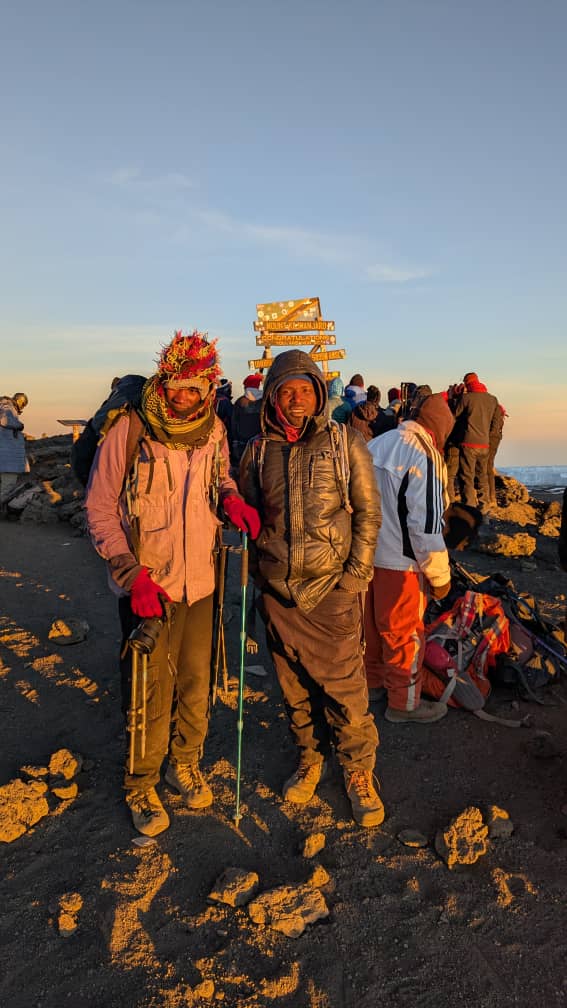

Kilimanjaro in September: A Detailed Look at Conditions
When planning a Kilimanjaro ascent, timing is crucial. The mountain experiences distinct weather patterns throughout the year, largely dictated by two dry seasons and two rainy seasons. September falls squarely within the longer, more favorable dry season, which typically spans from June to October. This period is highly sought after by climbers for good reason, and understanding why can help you make an informed decision for your 2026-2027 trek.
Weather Patterns in September
September on Kilimanjaro is characterized by its dry and stable weather. The monsoon rains have typically receded, and the air is crisp and clear. This means less chance of encountering muddy trails, slippery conditions, or persistent fog that can obscure the magnificent vistas from the higher altitudes. Temperatures at the summit, Uhuru Peak (5,895 meters or 19,341 feet), will be well below freezing, often ranging from -5°C to -20°C (23°F to -4°F), with wind chill making it feel even colder. However, during the day at lower elevations, temperatures can be quite pleasant, typically ranging from 15°C to 25°C (59°F to 77°F).
The absence of significant rainfall significantly enhances the trekking experience. Trails are generally firm underfoot, reducing the risk of slips and falls, and making the physical exertion more manageable. Furthermore, the clear skies prevalent in September offer unparalleled panoramic views of the surrounding plains, Mount Meru, and the expansive African continent below. These clear conditions are particularly vital for appreciating the dramatic landscapes as you ascend through Kilimanjaro’s diverse ecological zones.
Visibility and Summit Success Rates
Clear skies directly translate to better visibility. For climbers, this means unobstructed views of the crater, the glaciers (though sadly diminishing), and the stunning sunrise from the summit. This visual reward is a significant part of the Kilimanjaro experience, and September reliably delivers. High visibility also contributes to higher success rates for reaching the summit. When visibility is good, guides can better navigate, and climbers can maintain morale seeing the path ahead and the grandeur of the mountain. While no month guarantees 100% summit success due to the inherent challenges of high-altitude trekking, September consistently ranks among the months with the best conditions for a successful ascent in 2026 and 2027.
Temperatures: Comfortable Yet Challenging
While September is a dry month, it’s also one of the cooler months, especially at higher altitudes. The average daytime temperature at lower camps can be around 15-20°C (59-68°F), which is comfortable for hiking. However, as you gain altitude, temperatures drop significantly. Nights and summit attempts will be cold, requiring appropriate gear. Expect temperatures to hover around freezing point at higher camps and plummet well below zero Celsius during the summit push. This cooler air, combined with the dry conditions, can be more invigorating for some trekkers compared to the heat of other seasons, though it necessitates careful layering of clothing.
Comparing September to Other Months
To truly appreciate why September is a good choice for climbing Kilimanjaro, it’s helpful to compare it against the other months of the year. Kilimanjaro’s weather is broadly divided into two dry seasons and two rainy seasons.
- Dry Season 1 (June to October): This is the longer and generally considered the best dry season. June and July are cooler, while August, September, and October are drier and warmer, though still cool at altitude. September sits in a sweet spot within this period.
- Rainy Season 1 (November to Mid-December): This is a shorter rainy season, often characterized by lighter showers, though they can be unpredictable. Visibility might be reduced, and trails can be muddy.
- Dry Season 2 (Late December to February): This is the shorter dry season. It’s generally warmer than the June-October dry season, making it popular, but there’s a slightly higher chance of brief showers compared to the peak of the June-October period.
- Rainy Season 2 (March to May): This is the long rainy season, often referred to as the ‘long rains’. It brings heavy rainfall, especially at mid-altitudes, making trekking difficult, trails muddy, and visibility poor. This is generally considered the worst time to climb.
Within the prime dry season (June-October), September often stands out. It avoids the potentially colder winds of early June and July and offers very stable, dry conditions. While October can also be excellent, it sometimes marks the transition towards the shorter rainy season, meaning a slightly increased chance of precipitation towards the end of the month. Therefore, for those prioritizing dry trails, clear skies, and good visibility for their 2026 or 2027 climb, September is a top contender.
Crowd Levels in September
September is part of the high season for Kilimanjaro climbs, meaning you will encounter other trekkers on the mountain. However, it generally experiences slightly fewer crowds than the absolute peak months of August or the beginning of October. The trails and campsites will be active, but usually not overwhelmingly crowded. This can be a good balance for trekkers who prefer a bit of company and atmosphere without feeling completely overwhelmed. If you are looking for solitude, you might need to consider the shoulder months or specific less-trafficked routes, but September offers a vibrant trekking community.
Choosing Your Route in September
The choice of route is a significant factor in any Kilimanjaro climb, influencing difficulty, scenery, acclimatization profile, and cost. September’s excellent weather makes almost all routes viable and enjoyable. However, some routes might offer particular advantages or considerations during this month.
Popular Routes in September
- Machame Route: Often called the ‘Whiskey Route’, this is one of the most popular routes due to its scenic beauty and good acclimatization profile. It’s a challenging trek but offers high success rates. The dry conditions of September make its varied terrain, from rainforest to alpine desert, very accessible. We have Machame Route group departures which are ideal for solo travelers or those looking to join a group in 2026-2027.
- Lemosho Route: Known for its stunning scenery and excellent acclimatization, Lemosho is a longer route that offers a higher chance of success. Its gradual ascent through diverse landscapes is particularly rewarding in the clear skies of September.
- Marangu Route: The ‘Coca-Cola Route’ is the oldest and most established. It’s the only route with dormitory-style accommodation in huts. While popular year-round, its relative simplicity and sheltered camping (in huts) can be appealing, though its acclimatization profile is less ideal than longer routes.
- Rongai Route: This route approaches Kilimanjaro from the north, near the Kenyan border. It’s known for being drier, as it’s on the leeward side of the mountain, making it a strong contender for September, especially if there’s a slight chance of lingering showers from the previous season.
Considerations for Route Selection in September
With the reliable dry weather of September, the primary factors for route selection shift more towards scenery, acclimatization, and personal preference rather than weather avoidance. Longer routes like Lemosho and Machame are generally recommended for better acclimatization and higher success rates, and September’s conditions support these longer treks beautifully. The clear views will enhance the dramatic landscapes encountered on these routes.
Preparing for Your September Kilimanjaro Climb
Even with ideal weather, climbing Kilimanjaro is a demanding undertaking. Proper preparation is non-negotiable for a safe and enjoyable experience. September’s cooler temperatures mean you need to be well-equipped for cold conditions, especially at night and during the summit push.
Essential Gear for September
Your packing list should focus on layering to adapt to the varying temperatures. Key items include:
- Base Layers: Moisture-wicking thermal tops and bottoms.
- Mid Layers: Fleece jackets or vests for insulation.
- Outer Layer: A waterproof and windproof jacket and trousers (Gore-Tex or similar).
- Insulation Layer: A warm down or synthetic insulated jacket for extreme cold.
- Headwear: A warm beanie, sun hat, and balaclava or neck gaiter.
- Gloves: Waterproof outer gloves and warm inner gloves.
- Footwear: Broken-in, waterproof hiking boots with good ankle support, and warm socks (wool or synthetic).
- Sleeping Bag: A 4-season sleeping bag rated for temperatures down to -15°C or -20°C (0°F to -4°F).
- Trekking Poles: Essential for reducing strain on knees, especially on descents.
- Headlamp: With extra batteries for summit night and early mornings.
Ensure all your gear is high quality and tested before your trip. For a comprehensive guide, check out our detailed Kilimanjaro packing list.
Physical Training and Acclimatization
Physical fitness is paramount. Focus on cardiovascular exercises like hiking, running, cycling, and swimming in the months leading up to your climb. Strength training, particularly for your legs and core, is also beneficial. Most importantly, understand the principles of acclimatization. Choose a longer route (7-9 days) to allow your body to adjust to the altitude gradually. Listen to your body, stay hydrated, and inform your guide of any symptoms of altitude sickness.
Mental Preparation
Kilimanjaro is as much a mental challenge as a physical one. Be prepared for long hiking days, cold nights, and the demanding summit push. Positive self-talk, a clear understanding of the challenges, and the support of your trekking team are vital. September’s good weather can boost morale, but remember the mountain demands respect and perseverance.
What to Expect on the Trail in September
The experience of trekking Kilimanjaro in September is shaped by its excellent weather conditions. The trails are generally in good condition, and the mountain offers a dynamic and rewarding journey through its distinct ecological zones.
Daily Trekking Experience
Your days will typically involve waking up early, having breakfast, and then trekking for 4-8 hours, depending on the day and route. The clear morning air offers spectacular views as you ascend. Lunch is usually a packed meal enjoyed en route. After reaching the day’s camp, you’ll have time to rest, hydrate, and enjoy the surroundings before dinner. Evenings are for preparing for the next day and resting. The dry weather means you’re less likely to be delayed by rain, allowing for a more consistent rhythm.
Campsite Conditions
Campsites on Kilimanjaro are typically well-established. In September, they will be busy due to it being high season. Tents are usually set up by the support crew before you arrive. The dry ground means less mud and a more comfortable camping experience. However, be prepared for cold nights, and ensure your sleeping bag is adequate. The views from the campsites, especially at higher altitudes, can be impressive in the clear September air.
Summit Night
Summit night is the most challenging part of the climb, usually beginning around midnight. You’ll be hiking in darkness, relying on your headlamp, and facing extremely cold temperatures. The clear skies of September can offer a spectacular celestial display, with an abundance of stars visible. The dry conditions mean the terrain is usually firm, but the cold and altitude remain significant factors. Reaching Stella Point and then Uhuru Peak at sunrise, with clear views across the crater, is an unforgettable moment, especially in September when visibility is at its best.
Why Choose Top Guide Adventures for Your September Climb?
Selecting the right tour operator is as important as choosing the right month to climb. At Top Guide Adventures, we are dedicated to providing safe, memorable, and well-supported Kilimanjaro expeditions. We understand the nuances of climbing Kilimanjaro, especially during specific months like September, and tailor our services to ensure your success and comfort.
Our Commitment to Safety and Quality
Your safety is our top priority. We employ experienced, certified guides who are trained in wilderness first aid and altitude sickness management. Our support crews are well-equipped, and we maintain strict safety protocols on all our climbs. We use high-quality camping equipment and ensure nutritious meals are prepared for our trekkers. For your 2026 or 2027 climb, we offer comprehensive packages that include:
- Park fees and rescue fees
- Experienced guides and support crew
- Quality tents and camping equipment
- Nutritious meals prepared by our chefs
- Portable toilet services
- 24/7 support from our operations team
Tailored Experiences for 2026-2027
Whether you’re an individual climber looking to join a group or prefer a private expedition, we can accommodate your needs. We offer various routes and durations to suit different fitness levels and preferences. For those planning their climb in 2026 or 2027, we recommend booking in advance, especially for September, as it is a popular month. You can explore our group departure dates for shared adventures or contact us for a tailor-made private climb.
Our team is passionate about sharing the magic of Kilimanjaro and ensuring every trekker has an exceptional experience. We pride ourselves on personal attention, care, and dedicated support for every client, making us one of Tanzania’s most trusted tour companies.
Booking Your September Kilimanjaro Climb for 2026-2027
Given that September is a prime month for climbing Kilimanjaro, booking your trek well in advance is highly advisable, especially if you are planning for the 2026 or 2027 seasons. Popular dates, particularly within September, tend to fill up quickly.
When to Book
For the best availability on your preferred routes and dates in September 2026 or September 2027, we recommend booking at least 6 to 12 months in advance. This allows us to secure permits and logistics, ensuring a smooth operation for your climb.
What to Consider When Booking
When comparing operators, look beyond just the price. Consider the following:
- Safety Record: Prioritize companies with a strong emphasis on safety and experienced guides.
- Inclusions: Ensure your package includes all necessary park fees, permits, meals, and quality equipment.
- Crew Welfare: A reputable company treats its porters and guides ethically, providing fair wages and proper gear.
- Group Size: Smaller groups can offer a more personalized experience.
- Reviews and Reputation: Check independent reviews on platforms like TripAdvisor to gauge customer satisfaction. We are proud of our reviews, such as this one on TripAdvisor.
Contact Us to Plan Your Adventure
Ready to plan your Kilimanjaro adventure for September 2026 or 2027? Get in touch with the experts at Top Guide Adventures. We’re here to answer all your questions and help you craft the perfect expedition.
WhatsApp: +255616946642
Email: topguideadventures@gmail.com
Backup Email: info@topguideadventures.com
We look forward to helping you achieve your dream of climbing Kilimanjaro!
Frequently Asked Questions About September Kilimanjaro Climbs
Here are some common questions climbers have regarding September expeditions:
Is September a busy month on Kilimanjaro?
September is considered a high season month for Kilimanjaro climbs, meaning you will encounter other trekkers on the mountain. However, it is generally slightly less crowded than August or early October, offering a good balance between having company and not feeling overwhelmed. Booking in advance for 2026-2027 is still recommended.
What is the temperature like on Kilimanjaro in September?
September offers cool, dry weather. Daytime temperatures at lower elevations can be pleasant (15-25°C), but at higher altitudes and during summit night, temperatures will be cold, often dropping below freezing point (-5°C to -20°C or colder with wind chill). Proper layering is essential.
What gear is essential for a September climb?
Key gear includes waterproof and windproof outer layers, warm insulation (down jacket, fleece), thermal base layers, warm hat and gloves, sturdy waterproof hiking boots, warm socks, and a 4-season sleeping bag. Layering is crucial to adapt to changing conditions.
Are there any specific routes better suited for September?
All routes are generally suitable for September due to the excellent weather. Longer routes like Machame and Lemosho are recommended for acclimatization and scenery, which are enhanced by clear September skies. The Rongai route is also a good option as it tends to be drier.
What are the chances of summit success in September?
September offers some of the highest chances of summit success due to the stable, dry weather and clear skies, which aid visibility and reduce the risk of weather-related delays. However, success ultimately depends on individual fitness, acclimatization, and mental fortitude.
Should I book my 2026 or 2027 September climb now?
Yes, it is highly recommended to book your 2026 or 2027 September climb as early as possible, ideally 6-12 months in advance. September is a popular month, and prime dates and preferred routes fill up quickly.
Check Availability for Is September Good For Climbing Kilimanjaro? Your Guide 2026-2027
Ready to compare dates, prices, and the best option for your group? Send the package name and travel month so the team can reply with a clear quote, availability, and what is included.
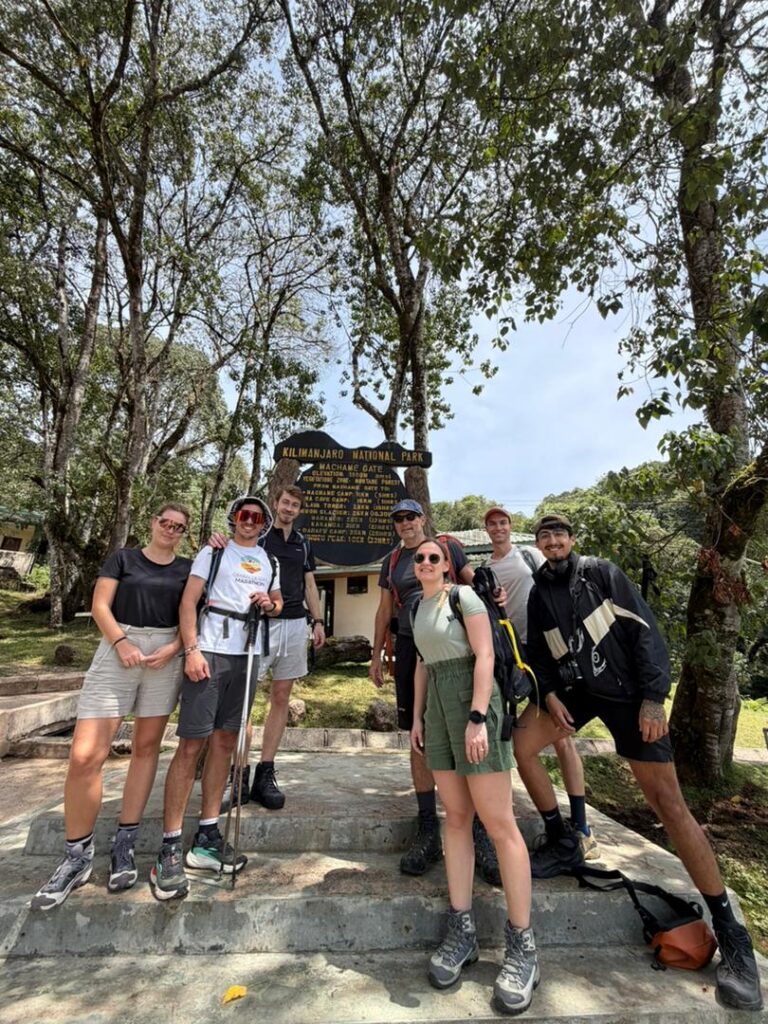
September Kilimanjaro Private Climbing Package: Your Ultimate Guide 2026-2027
Discover everything you need to know for a September Kilimanjaro private climbing package in 2026-2027. This comprehensive guide covers route selection, essential gear, acclimatization...
View package details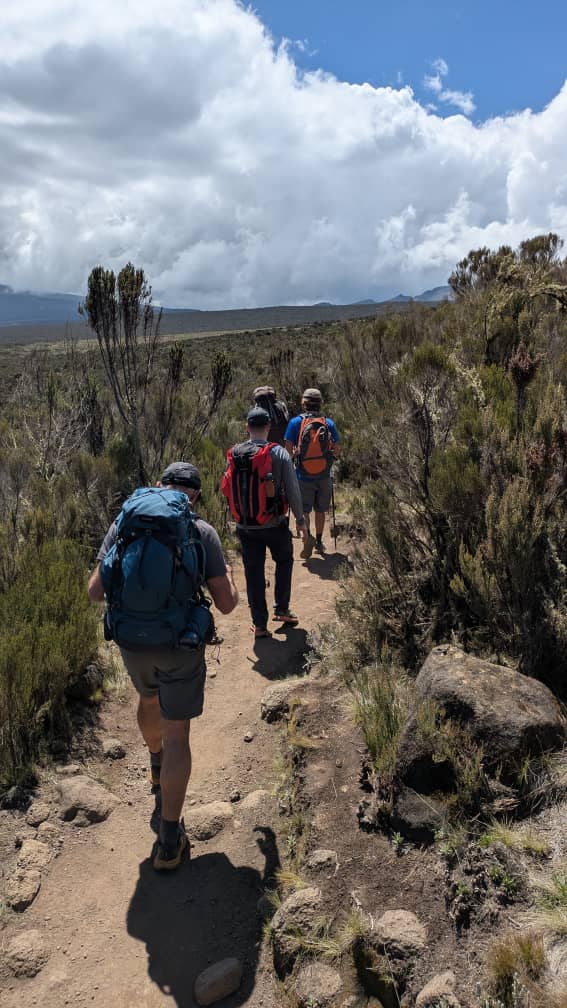
Kilimanjaro Climbing In September : Your Complete Planning Guide 2026-2027
This comprehensive guide covers everything you need to know for climbing Mount Kilimanjaro in September 2027, including the best routes, crucial preparation, weather expectations, essential...
View package details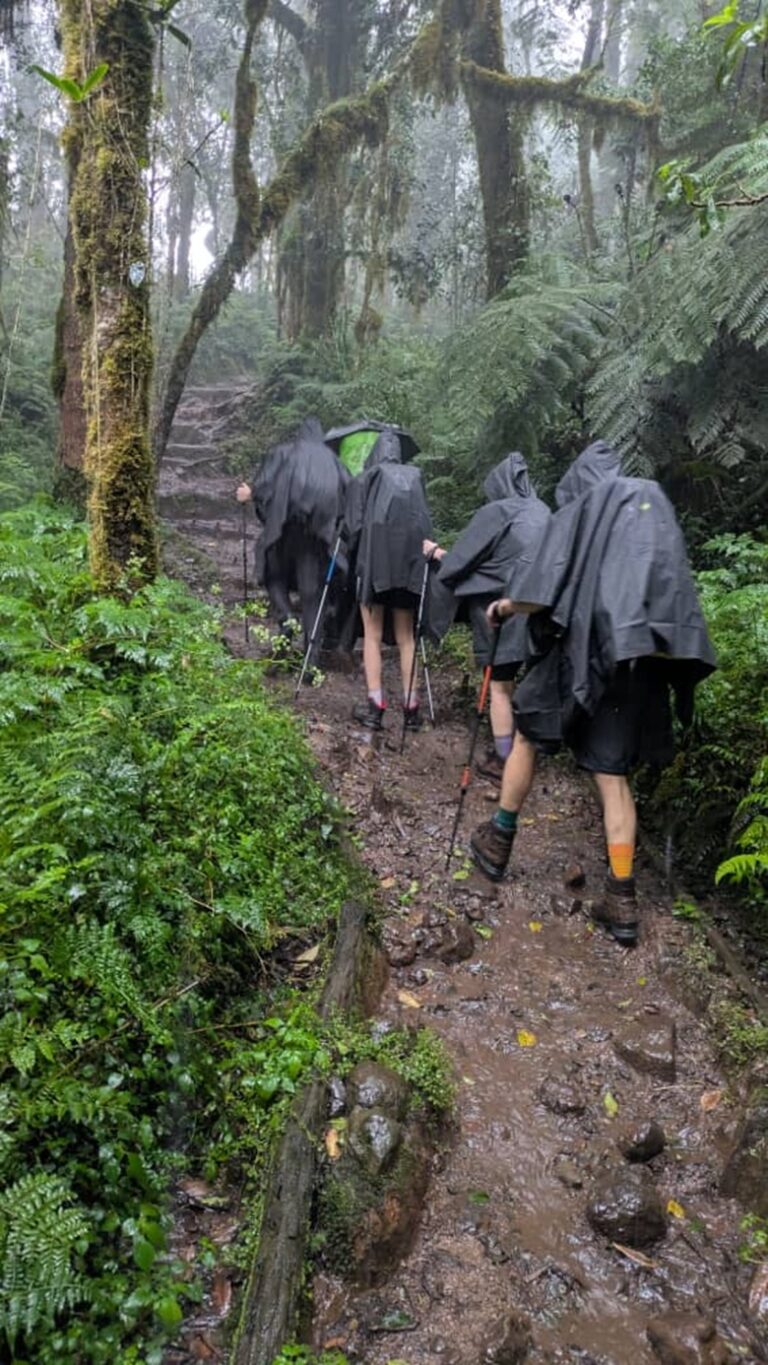
Is October A Good Time To Climb Kilimanjaro? Your Expert Guide For 2026-2027
Discover if October is an ideal month for your Kilimanjaro ascent. This guide covers weather, crowds, costs, and essential planning for your 2026-2027 climb.
View package details
October Kilimanjaro Family Climbing Holiday: Your Ultimate Guide 2026-2027
Planning an October Kilimanjaro family climbing holiday? This comprehensive guide covers everything from route selection and packing essentials to acclimatization and safety for your...
View package detailsOctober Kilimanjaro Private Climbing Tour: Your Ultimate Guide For 2026-2027
Your comprehensive guide to embarking on a private Kilimanjaro climb in October 2026 or 2027. Discover optimal routes, essential preparations, and why a private tour offers unparalleled...
View package details
Late October Kilimanjaro Climbing Conditions & What To Expect In 2026-2027
Climbing Kilimanjaro in late October offers a unique window with fewer crowds and transitioning weather. This guide details what to expect in 2026-2027, covering temperature, precipitation...
View package detailsEarly October Kilimanjaro Climbing Packages: Your Guide To Summit Success
Planning an early October climb of Kilimanjaro? This guide covers everything you need to know about packages, routes, weather, and preparation for your 2026-2027 adventure.
View package details
Kilimanjaro Climbing In October : Weather, Routes, And Planning 2026-2027
Planning a Kilimanjaro climb for October 2027? This guide details the excellent weather conditions, compares the most suitable routes like Machame and Lemosho, and provides essential...
View package details
September Kilimanjaro Last-Minute Group Departures : Find Your Spot 2026-2027
Looking for September Kilimanjaro last-minute group departures? Discover available climbs for 2026-2027, ideal routes, and how to book your adventure with Top Guide Adventures.
View package detailsSeptember Kilimanjaro Climb & Cultural Safari: Your Guide 2026-2027
This comprehensive guide covers everything you need to know for a September Kilimanjaro climb combined with a cultural safari in Tanzania, including optimal routes, packing lists, weather...
View package detailsSeptember Kilimanjaro Climb With Extra Acclimatization 2026-2027
September Kilimanjaro Climb with Extra Acclimatization is explained with current 2026-2027 planning, price, itinerary and booking information.
View package details
September Kilimanjaro Climb For Seniors 2026-2027
September Kilimanjaro Climb for Seniors is explained with current 2026-2027 planning, price, itinerary and booking information.
View package detailsNo related package matches those filters. Clear one or more filters to see the other topic-matched options.



