
Late October Kilimanjaro climbing conditions generally present a transition from the drier September/October period into the short rainy season. Expect cooler temperatures, especially at higher altitudes, with a higher chance of rainfall, particularly in the afternoons. Visibility can be good, but snow is increasingly likely near the summit. Crowds are typically lower than in peak seasons, making it a good time for a quieter ascent in 2026 or 2027 if you are prepared for variable weather.
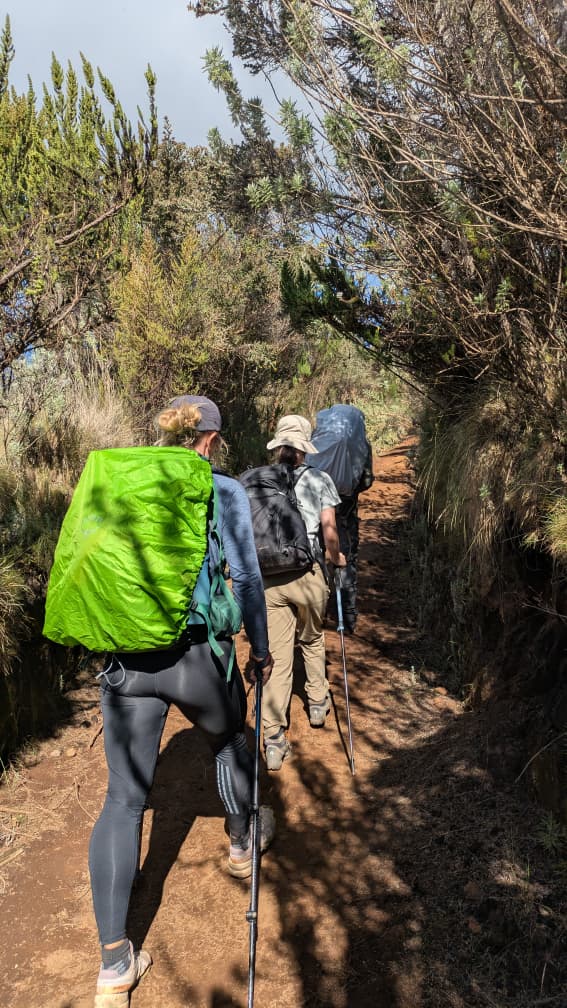

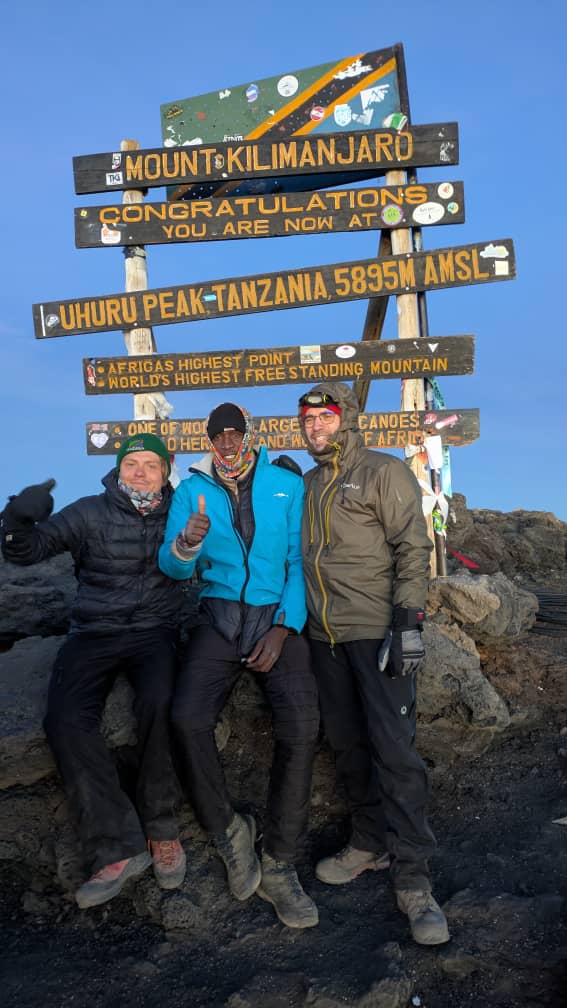
Understanding Kilimanjaro’s Climate: The October Transition
Kilimanjaro, Africa’s highest peak, boasts a unique microclimate that changes dramatically with altitude and season. Understanding these shifts is crucial for any climber planning an expedition, especially for late October. This period marks a significant transition in the mountain’s weather patterns, moving from the drier, cooler months towards the brief rainy season that typically begins in November.
For climbers considering a trek in late October, particularly in the 2026 or 2027 seasons, it’s essential to prepare for a mix of conditions. While the earlier part of October often shares characteristics with September, the latter half can see a noticeable increase in cloud cover and precipitation. This means you might experience sunny mornings followed by cloudier afternoons and the possibility of rain or even snow as you gain elevation.
The prevailing winds also begin to shift, influencing temperature and the likelihood of precipitation. Altitude is, of course, the primary driver of temperature. At the base of the mountain, you might still enjoy warm, tropical conditions. However, as you ascend through the rainforest, moorland, alpine desert, and arctic summit zones, temperatures plummet. By the time you reach the summit crater, temperatures can easily drop below freezing, even during the day, and become significantly colder during the night ascent.
One of the key advantages of climbing in late October is the potential for fewer trekkers compared to the peak months of January-February and June-September. This can lead to a more serene and personal experience on the mountain. However, this quieter atmosphere comes with the trade-off of potentially less predictable weather. Being prepared for both clear, crisp days and damp, cloudy conditions is paramount for a successful and enjoyable late October Kilimanjaro climb.
Late October Weather Patterns on Kilimanjaro
Kilimanjaro’s weather is notoriously unpredictable, but general patterns emerge throughout the year. Late October falls within a shoulder season, bridging the gap between the dry season and the short rainy season. This means you can anticipate a blend of conditions, making thorough preparation vital for late October Kilimanjaro climbing conditions.
Temperature Fluctuations by Altitude
The temperature on Kilimanjaro changes dramatically with elevation. This is a fundamental aspect of climbing the mountain, regardless of the season, but it’s particularly pronounced in October.
- Base (e.g., Marangu Gate, ~1,800m / 5,900ft): Expect warm, tropical weather, often in the 20-30°C (68-86°F) range during the day. Nights are mild.
- Rainforest Zone (e.g., Mandara Huts, ~2,700m / 8,850ft): Temperatures begin to cool, typically ranging from 15-25°C (59-77°F) during the day. Nights can drop to around 10°C (50°F).
- Moorland Zone (e.g., Horombo Huts, ~3,700m / 12,150ft): This is where conditions become more variable. Daytime temperatures might be 10-20°C (50-68°F), but nights can fall to 0-10°C (32-50°F). It feels considerably colder due to wind.
- Alpine Desert Zone (e.g., Kibo Hut, ~4,700m / 15,400ft): Days are cool, around 5-15°C (41-59°F). Nights are cold, often dropping to 0-5°C (32-41°F).
- Summit (Uhuru Peak, 5,895m / 19,341ft): Summit night is extreme. Temperatures are typically -5°C to -15°C (23°F to 5°F), and can feel much colder with wind chill, especially during the pre-dawn hours of your summit push.
In late October, you can expect the lower end of these ranges to be more common, especially at night and during the summit ascent. The cooling trend is noticeable as the month progresses.
Precipitation: Rain and Snow Possibilities
October is a transitional month, meaning precipitation patterns are less predictable than in the distinct dry or wet seasons. You are more likely to encounter rain in late October than in September, but it’s generally not as persistent as the main rainy season (April-May) or the short rainy season (November-December).
- Rainfall: Expect showers, which can be light or heavy. They are often more frequent in the afternoons as the day’s heat causes moisture to build up. The rainforest zone is particularly prone to rain.
- Snow: Snowfall is possible, especially at higher altitudes and on summit night. While heavy snow is unlikely to block the main routes for extended periods in October, accumulations can occur, particularly around the crater rim and summit. This adds to the challenge and cold of the summit ascent.
The key takeaway for late October Kilimanjaro climbing conditions is to be prepared for rain. Waterproof gear is non-negotiable. While you might get lucky with clear days, assuming clear skies would be a mistake. The mountain often provides its own weather.
Visibility and Cloud Cover
Visibility in October can be mixed. Mornings often offer the best chances for clear views of the surrounding landscape and the summit. However, as the day progresses, clouds can roll in, obscuring views and potentially bringing rain.
- Morning Clarity: Early mornings, especially from higher camps, can provide stunning vistas.
- Afternoon Clouds: Be prepared for cloud build-up, particularly from mid-morning onwards. This can reduce visibility and make the landscape appear more dramatic but less expansive.
- Summit Visibility: Summit night visibility is highly dependent on the specific weather system. While clear nights are possible, cloud cover is a significant factor. If it’s cloudy on summit night, the experience can feel more isolating, and the views from Uhuru Peak will be limited.
Despite potential cloud cover, the dramatic landscapes of Kilimanjaro are still impressive. Many climbers find the misty, cloud-filled valleys and slopes to be quite atmospheric.
Wind Conditions
Wind is a constant factor on Kilimanjaro, especially at higher, more exposed altitudes. In October, winds can be brisk, contributing significantly to the perceived cold, particularly on summit night. Strong winds can also affect visibility by blowing snow or dust.
The summit area, including Stella Point and Uhuru Peak, is often very windy. Proper windproof outer layers are essential for comfort and safety.
Crowds and Trekker Numbers in Late October
One of the significant advantages of choosing late October for your Kilimanjaro climb is the reduced number of trekkers compared to the peak seasons. The peak seasons, generally considered to be January-February and June-September, attract the largest crowds due to typically more stable weather conditions.
In late October, you are entering a shoulder season. This means:
- Fewer Trekkers: You’ll likely encounter fewer fellow climbers on the trails and at the camps. This can lead to a more peaceful and less congested experience.
- More Availability: Campsites and huts might have more availability, potentially offering more flexibility in booking. However, it’s always wise to book well in advance, especially if you have specific dates in mind for 2026 or 2027.
- Quieter Campsites: Evenings at the camps will be less boisterous, allowing for more personal reflection and a better connection with the mountain environment.
- Guide and Porter Attention: With fewer groups, your guide and porter team may be able to offer more personalized attention.
While the quiet is appealing for many, it’s important to remember that this is also a period where weather can be more unpredictable. The trade-off for fewer crowds is the increased likelihood of encountering rain, wind, and colder temperatures, particularly on summit night. If you prioritize solitude and a more intimate mountain experience, late October Kilimanjaro climbing conditions can be an excellent choice, provided you are well-prepared for the weather.
Choosing the Right Route for Late October
The route you choose significantly impacts your acclimatization, scenery, and overall experience. For late October, considering the transitional weather, some routes might offer slight advantages or require specific considerations.
Popular Routes and Their Suitability for October
Most routes remain open and viable in late October, but the weather can influence the experience on each.
- Machame Route: Known for its “climb high, sleep low” profile, which aids acclimatization. It’s a popular route with good scenery. The higher camps can be exposed to wind and potential snow in late October.
- Lemosho Route: Offers excellent acclimatization and stunning scenery, often considered one of the most beautiful routes. Similar to Machame, higher camps can be exposed to challenging weather.
- Marangu Route: The “Coca-Cola” route, it’s the only one with hut accommodation. Its direct ascent means less time for acclimatization, which is a disadvantage for any season but especially crucial when weather can be more volatile.
- Northern Circuit: The longest route, offering the best acclimatization. This extended duration can be highly beneficial for adjusting to altitude, potentially mitigating some risks associated with October’s variable weather. It also circles the mountain, offering diverse views.
- Rongai Route: Approaches from the north, often drier than southern routes. This can be a significant advantage in October, potentially offering a better chance of drier conditions, especially in the lower sections. However, once you reach the higher zones, you’ll still face the mountain’s typical weather.
Considerations for Acclimatization
Regardless of the route, acclimatization is king. The longer the route, the better the acclimatization. In late October, when conditions can be tougher, giving your body more time to adjust is a wise strategy. Routes like the Northern Circuit (9 days) or Lemosho/Machame (7-8 days) are generally recommended over shorter options like the 5-day Marangu or Machame routes. For 2026 or 2027 expeditions, prioritizing acclimatization will significantly increase your chances of success and enjoyment.
Impact of Weather on Route Choice
While all routes lead to the summit, the experience in late October can differ. The Rongai route’s northern approach might offer slightly drier conditions in the initial days. However, once you reach the alpine desert and summit zone, all routes converge and face similar weather challenges. The key is not to rely on a route being entirely dry, but rather to choose one that maximizes acclimatization and offers the best chance of a positive experience.
Top Guide Adventures recommends routes that offer at least 7 days for climbing. For instance, the Machame Route or Lemosho Route at 7 or 8 days are excellent choices. If you’re particularly concerned about weather and want the best acclimatization, the Northern Circuit is a top contender for your 2026-2027 climb.
Essential Gear for Late October Kilimanjaro Climbs
Packing correctly is critical for comfort and safety, especially when dealing with the variable weather of late October. Layering is the fundamental principle. You’ll need gear for warm, wet, cold, and windy conditions.
Layering System: Base, Mid, and Outer Layers
This is the most crucial aspect of your clothing strategy.
- Base Layers: Moisture-wicking thermal tops and bottoms (merino wool or synthetic). These keep you dry by drawing sweat away from your skin. You’ll need several sets.
- Mid Layers: Insulating layers like fleece jackets or down vests/jackets. These trap body heat. You might need one or two lighter fleeces and a warmer, more substantial insulated jacket for higher altitudes and summit night.
- Outer Layers (Shell): A waterproof and windproof jacket (Gore-Tex or similar) and waterproof trousers. These are your primary defense against rain and wind. Ensure they are breathable to prevent overheating during ascents.
Footwear: Boots and Socks
Your feet are critical. Neglecting them can lead to serious issues.
- Hiking Boots: Sturdy, waterproof, broken-in hiking boots with good ankle support are essential. They should be comfortable for long days of trekking. Consider bringing them on a few hikes before your trip.
- Camp Shoes: Comfortable shoes (like trainers or sandals) for wearing around camp to let your feet rest.
- Socks: Several pairs of warm, moisture-wicking hiking socks (wool or synthetic). Avoid cotton. Bring liner socks as well to prevent blisters.
- Gaiters: Highly recommended to keep mud, scree, and snow out of your boots.
Headwear and Handwear
Extremities are prone to cold and frostbite.
- Warm Hat: A fleece or wool hat that covers your ears.
- Sun Hat: A wide-brimmed hat for sun protection during lower, warmer sections.
- Balaclava or Buff: Essential for protecting your face and neck from wind and cold, especially on summit night.
- Gloves: A system of gloves is best:
- Liner Gloves: Thin gloves for dexterity.
- Warm Insulated Gloves/Mittens: Waterproof and windproof. Mittens are generally warmer than gloves.
Other Essential Items
Don’t forget these vital pieces of gear:
- Backpack: A comfortable daypack (30-40 liters) for essentials you need during the day (water, snacks, camera, extra layer). Porters will carry your main duffel bag.
- Duffel Bag: A large, waterproof duffel bag (80-100 liters) for your main gear, carried by porters.
- Sleeping Bag: A four-season (-10°C to -20°C / 0°F to -4°F comfort rating) sleeping bag is recommended for Kilimanjaro, even in drier months. For late October, it’s essential.
- Water Bottles/Hydration Reservoir: Carry at least 3 liters of water capacity. Insulated covers for bottles are a good idea to prevent water from freezing.
- Headlamp: With extra batteries. Essential for summit night and navigating camps in the dark.
- Sunscreen and Lip Balm: High SPF. The sun is intense at altitude.
- Sunglasses: With UV protection.
- Personal First-Aid Kit: Including any personal medications, blister treatment, pain relievers, and altitude sickness medication (consult your doctor).
- Trekking Poles: Highly recommended to reduce strain on knees and improve balance, especially on descents.
- Toiletries: Including wet wipes, hand sanitizer, and quick-dry towel.
When packing for late October Kilimanjaro climbing conditions, err on the side of caution. It’s better to have an extra warm layer you don’t need than to be caught without one.
Health and Safety Considerations for Late October Treks
Climbing Kilimanjaro is a serious undertaking, and health and safety must be prioritized, especially during transitional weather periods like late October. Altitude sickness is the primary concern, but other factors also come into play.
Altitude Sickness (Acute Mountain Sickness – AMS)
AMS is caused by ascending too quickly and is the most common ailment on Kilimanjaro. Symptoms include headache, nausea, dizziness, fatigue, and loss of appetite. The best prevention is:
- Slow Ascent: Choose a longer route (7-9 days) that allows for gradual acclimatization.
- Hydration: Drink plenty of water (3-4 liters per day).
- Pacing: “Pole pole” (slowly, slowly) is the mantra. Don’t overexert yourself.
- Avoid Alcohol and Smoking: These can exacerbate AMS symptoms.
- Medication: Consult your doctor about Diamox (acetazolamide) as a preventative measure.
If symptoms arise, inform your guide immediately. Descent is the most effective treatment. Your guide is trained to monitor for AMS and make critical decisions regarding your safety.
Hypothermia and Cold Exposure
With potential rain and cold temperatures in late October, hypothermia is a risk. This occurs when your body loses heat faster than it can produce it.
- Proper Layering: As detailed in the gear section, wearing appropriate layers is crucial.
- Stay Dry: Waterproof outer layers are essential. Change out of wet clothes as soon as possible.
- Eat and Drink: Maintain energy levels by eating regularly and staying hydrated.
- Recognize Symptoms: Shivering, confusion, slurred speech, and drowsiness are signs of hypothermia.
Sunburn and Dehydration
Even with cooler temperatures, the sun’s UV rays are intense at high altitudes, especially when reflected off snow or ice. Dehydration is also a significant risk, as the dry air and exertion lead to fluid loss.
- Sun Protection: Use high SPF sunscreen and lip balm regularly, wear sunglasses and a hat.
- Hydration: Sip water constantly throughout the day.
Gastrointestinal Issues
While less common on organized treks with strict hygiene standards, it’s possible to experience stomach upsets. Ensure you drink purified water provided by your tour operator and maintain good hand hygiene.
Importance of Experienced Guides
For late October Kilimanjaro climbing conditions, having a reputable and experienced tour operator with highly trained guides is paramount. Guides are not only experts in navigation but also in recognizing and managing altitude sickness, hypothermia, and other potential health issues. They ensure your safety and make crucial decisions on summit night and throughout the trek.
Top Guide Adventures prioritizes guide training and safety protocols. Our guides are certified and experienced in high-altitude rescue and first aid, ensuring your well-being on Kilimanjaro.
Training and Physical Preparation for October Climbs
Climbing Kilimanjaro requires a good level of physical fitness. While you don’t need to be an elite athlete, consistent training will significantly improve your experience and chances of reaching the summit, especially when facing the potential challenges of late October weather.
Cardiovascular Fitness
The core of your training should focus on aerobic capacity. This will help your body utilize oxygen more efficiently at altitude.
- Activities: Aim for activities like hiking (with a backpack), running, cycling, swimming, or using an elliptical machine.
- Frequency: Engage in 3-4 cardio sessions per week.
- Duration: Sessions should ideally last 45-60 minutes.
Strength Training
Focus on leg and core strength. Strong legs will help with the long ascents and descents, and a strong core improves stability and endurance.
- Exercises: Squats, lunges, step-ups (with weights), deadlifts, planks, and core rotations.
- Frequency: 2-3 times per week, not on days preceding long hikes.
Hiking with a Pack
This is the most specific training you can do. Mimic the conditions of your trek as closely as possible.
- Simulate Conditions: Hike on varied terrain (hills, stairs) with a backpack weighing 10-15 kg (20-30 lbs).
- Duration: Gradually increase the length and difficulty of your hikes. Aim for at least one long hike (4-6 hours) per week in the months leading up to your climb.
- Practice Gear Use: Wear your hiking boots and clothing during these training hikes to break them in and test their comfort.
Altitude Acclimatization Training (If Possible)
While difficult to simulate perfectly, any training at higher altitudes can be beneficial. If you live near mountains, try to incorporate hikes at higher elevations.
Mental Preparation
Kilimanjaro is as much a mental challenge as a physical one. Be prepared for discomfort, cold, fatigue, and potential weather setbacks.
- Positive Mindset: Focus on your goal and the incredible experience.
- Resilience: Understand that there will be tough moments, and develop strategies to push through them.
- Patience: “Pole pole” applies to training and the climb itself.
Starting your training at least 3-6 months before your late October 2026 or 2027 climb is recommended. Consistency is key. Listen to your body and adjust your training as needed.
What to Expect on Summit Night in Late October
Summit night is the most challenging part of the Kilimanjaro climb. In late October, you must be prepared for harsh conditions. The ascent typically begins around midnight from Kibo Hut (or its equivalent on other routes) and aims to reach Uhuru Peak by sunrise.
- Start Time: Usually between 11 PM and 2 AM.
- Duration: The ascent to the summit can take 5-8 hours, and the descent back to Kibo Hut another 3-4 hours.
- Temperature: Expect temperatures to be well below freezing, likely ranging from -10°C to -20°C (14°F to -4°F), potentially feeling much colder with wind chill.
- Conditions: The trail is steep and often covered in scree (loose gravel). In late October, you may encounter ice and snow, making the footing more challenging. Wind can be a significant factor, adding to the extreme cold.
- Visibility: Visibility can be limited by darkness, clouds, or blowing snow. The stars can be spectacular on a clear night, but cloud cover is common.
- Oxygen Levels: At this altitude (nearly 6,000m / 19,700ft), oxygen levels are about half of what they are at sea level. This makes every step strenuous.
Key Strategies for Summit Night Success
- Pacing: “Pole pole” is more critical than ever. Move slowly and steadily.
- Hydration: Sip water constantly, even if you don’t feel thirsty. Ensure your water bottles are insulated to prevent freezing.
- Energy: Eat high-energy snacks regularly. Your body needs fuel to generate heat and provide energy.
- Layering: Ensure your layering system is correctly applied. Adjust layers as needed to manage heat and prevent sweating.
- Mental Fortitude: This is where mental strength is tested. Focus on one step at a time. Your guides will provide encouragement.
- Communicate: Inform your guide immediately of any discomfort, dizziness, or other symptoms.
The sunrise from the summit is a truly memorable sight, often making the arduous journey worthwhile. However, the descent is just as important and can be challenging due to fatigue and steep terrain. Take your time and be careful.
Packing List Summary for Late October Kilimanjaro
Here’s a concise summary of essential gear for your late October Kilimanjaro adventure in 2026 or 2027. Remember to pack according to the layering system.
Clothing
- Base Layers (3-4 sets)
- Mid-Layer Fleece Jackets (2)
- Insulated Puffy Jacket (down or synthetic)
- Waterproof & Windproof Shell Jacket
- Waterproof & Windproof Shell Trousers
- Hiking Trousers (1-2 pairs, quick-dry)
- Trekking Shirts (2-3, moisture-wicking)
- Thermal Socks (4-6 pairs, wool/synthetic)
- Liner Socks (2-3 pairs)
- Camp Shoes/Trainers
Headwear & Handwear
- Warm Fleece Hat
- Sun Hat
- Balaclava or Buff
- Liner Gloves
- Warm Waterproof Gloves/Mittens
Footwear
- Waterproof, Broken-in Hiking Boots
- Gaiters
Equipment
- Duffel Bag (100L, waterproof)
- Daypack (30-40L)
- Sleeping Bag (-10°C to -20°C comfort)
- Water Bottles/Reservoir (3L capacity)
- Headlamp with extra batteries
- Trekking Poles
- Sunglasses
- Sunscreen & Lip Balm (SPF 30+)
- Personal First-Aid Kit
- Toiletries (incl. hand sanitizer, wet wipes)
- Camera and spare batteries/power bank
- Snacks (high energy)
It’s always advisable to consult with your tour operator for a detailed packing list specific to their recommendations and the conditions they typically encounter. Top Guide Adventures provides comprehensive packing lists to all our clients upon booking.
Comparing Late October to Other Months
Understanding how late October stacks up against other months helps in making an informed decision for your 2026 or 2027 Kilimanjaro climb.
Late October vs. Peak Dry Season (January-February, June-September)
- Weather: Peak dry seasons offer more stable, predictable weather with less rainfall and generally clearer skies. Late October has a higher chance of rain and cloud cover.
- Crowds: Peak seasons are significantly busier, leading to more crowded trails and campsites. Late October is quieter.
- Temperature: Temperatures are generally consistent throughout the year, but dry seasons might feel slightly warmer due to clearer skies during the day. Cold is always a factor at altitude.
- Visibility: Generally better in dry seasons.
- Cost: Prices can be slightly higher in peak seasons due to demand, though this varies by operator.
Late October vs. Main Rainy Season (April-May)
- Weather: April and May are the wettest months, with persistent rain and often heavy cloud cover, making conditions challenging and visibility poor. Late October sees less overall rainfall, and it’s often in the form of showers rather than continuous downpours.
- Crowds: Both are shoulder/low seasons, so crowds are minimal.
- Temperature: Similar, but the main rainy season can feel damper and colder due to constant moisture.
- Visibility: Typically poor in April-May. Better, though variable, in late October.
Late October vs. Short Rainy Season (November)
- Weather: November generally sees a more consistent increase in rainfall than late October. The transition into the short rains is more established.
- Crowds: Both months are relatively quiet.
- Temperature: Similar transitional temperatures.
Conclusion for 2026-2027 Planning: Late October offers a good compromise for climbers seeking fewer crowds and reasonable weather. It’s less predictable than the dry season but significantly better than the main rainy season. Preparation for rain and cold is key. If solitude is a high priority, it’s a strong contender.
Booking Your Late October Kilimanjaro Climb
When booking your late October Kilimanjaro expedition for 2026 or 2027, choosing the right tour operator is as important as choosing the right time to climb. A reputable company ensures safety, quality service, and a well-managed trek.
What to Look for in a Tour Operator
- Experience and Reputation: Look for established companies with a proven track record. Check reviews on platforms like TripAdvisor.
- Safety Standards: Ensure they have robust safety protocols, including experienced guides trained in first aid and high-altitude medicine, and access to emergency oxygen.
- Guide-to-Climber Ratio: A lower ratio often means better attention and safety.
- Inclusions: Understand what is included in the price (park fees, crew wages, meals, accommodation before/after the climb, transfers).
- Environmental Responsibility: Choose operators who practice Leave No Trace principles and support their porters ethically.
- Route Options: A good operator will offer various routes and durations, advising you on the best fit for your goals and fitness.
Cost Factors for Late October Climbs
The cost of a Kilimanjaro climb can vary significantly. For late October, you might find slightly more competitive pricing than in peak season, but quality operators maintain consistent pricing due to fixed costs (park fees, crew salaries).
Key cost components typically include:
- National Park Fees: A significant portion of the cost, mandated by the government.
- Crew Salaries: For guides, cooks, and porters. Fair wages are crucial for ethical operations.
- Food and Accommodation: Meals on the mountain and pre/post-climb accommodation.
- Equipment: Tents, cooking gear, etc.
- Transfers: To and from the mountain.
- Support: Emergency oxygen, communication equipment.
Be wary of prices that seem too good to be true; they often indicate compromises in safety, crew welfare, or quality of equipment and food.
Booking with Top Guide Adventures for 2026-2027
At Top Guide Adventures, we are committed to providing exceptional Kilimanjaro climbing experiences. We understand the nuances of climbing in different seasons, including late October, and help you prepare thoroughly.
We offer:
- Experienced, certified guides.
- Ethical treatment of porters and fair wages.
- High-quality equipment and nutritious meals.
- Comprehensive pre-trip support and advice.
- Various route options tailored to your preferences and fitness.
For inquiries about late October Kilimanjaro climbing conditions in 2026 or 2027, or to request a personalized quote, please contact us:
- WhatsApp: +255616946642
- Email: topguideadventures@gmail.com
- Backup Email: info@topguideadventures.com
We look forward to helping you plan your unforgettable Kilimanjaro adventure. Explore our website for more details on our services and itineraries.
Check Availability for Late October Kilimanjaro Climbing Conditions & What To Expect In 2026-2027
Ready to compare dates, prices, and the best option for your group? Send the package name and travel month so the team can reply with a clear quote, availability, and what is included.
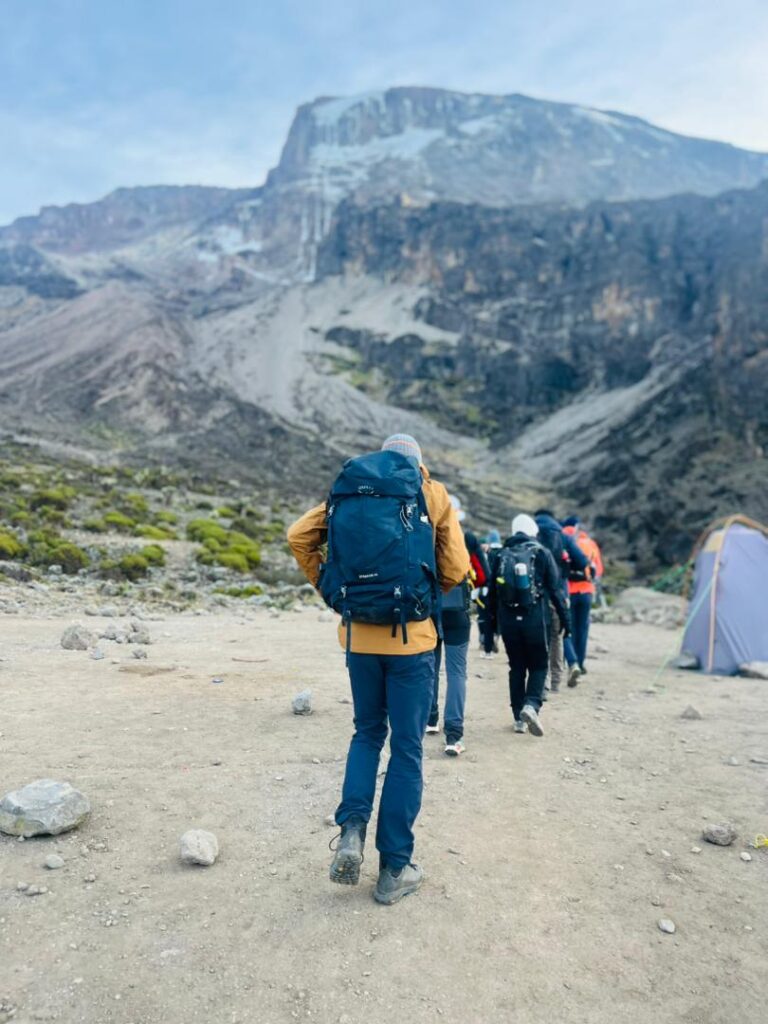
October Kilimanjaro Trail Conditions: Your Expert Guide For 2026-2027
Planning a Kilimanjaro climb in October? This guide details the trail conditions, weather patterns, crowds, and essential preparations for your 2026-2027 adventure.
View package details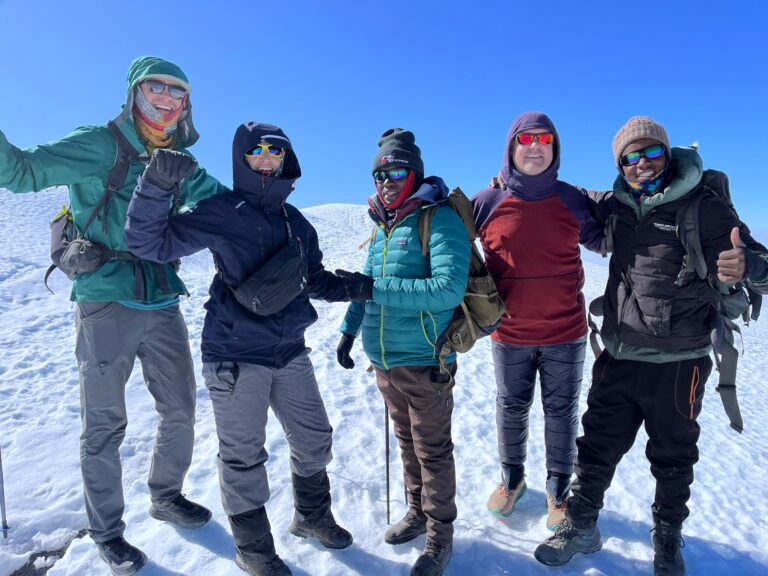
October Kilimanjaro Family Climbing Holiday: Your Ultimate Guide 2026-2027
Planning an October Kilimanjaro family climbing holiday? This comprehensive guide covers everything from route selection and packing essentials to acclimatization and safety for your...
View package details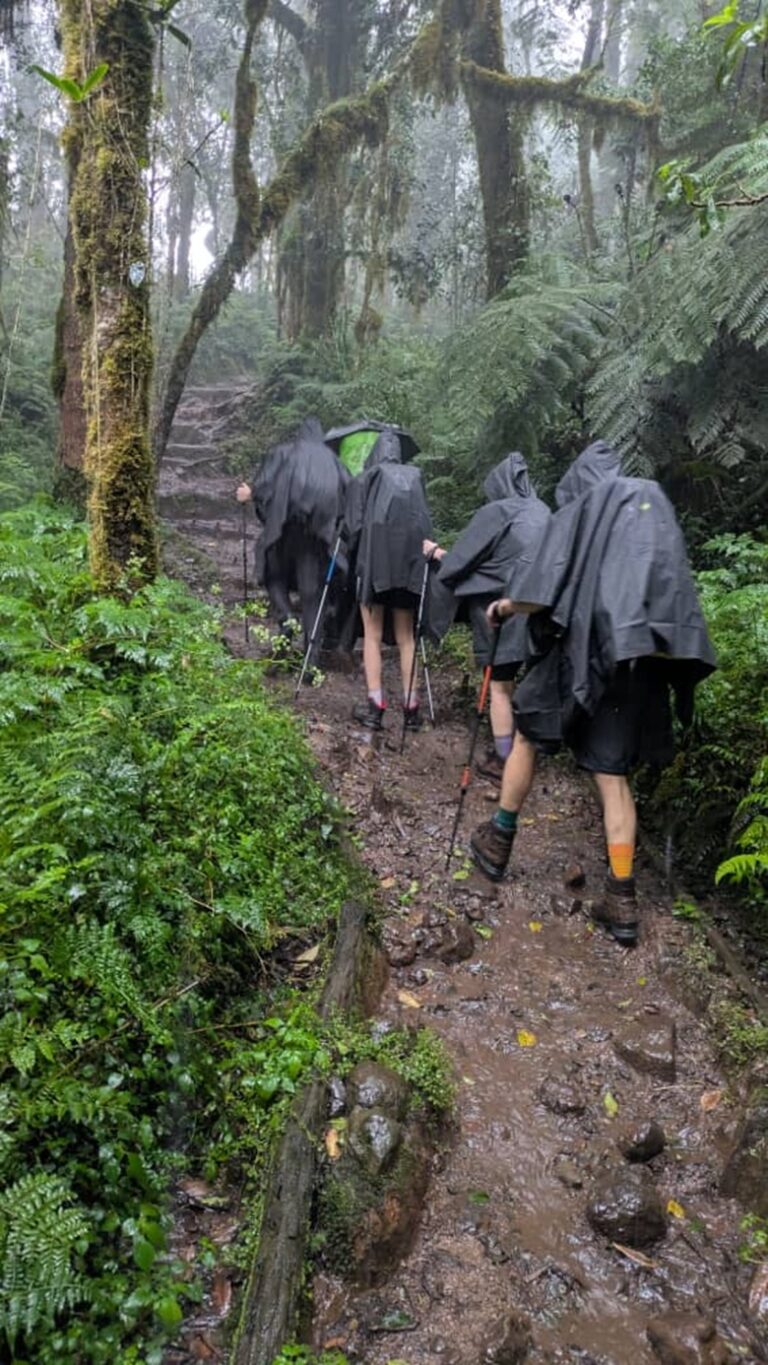
October Kilimanjaro Private Climbing Tour: Your Ultimate Guide For 2026-2027
Your comprehensive guide to embarking on a private Kilimanjaro climb in October 2026 or 2027. Discover optimal routes, essential preparations, and why a private tour offers unparalleled...
View package detailsEarly October Kilimanjaro Climbing Packages: Your Guide To Summit Success
Planning an early October climb of Kilimanjaro? This guide covers everything you need to know about packages, routes, weather, and preparation for your 2026-2027 adventure.
View package details
Kilimanjaro Climbing In October : Weather, Routes, And Planning 2026-2027
Planning a Kilimanjaro climb for October 2027? This guide details the excellent weather conditions, compares the most suitable routes like Machame and Lemosho, and provides essential...
View package details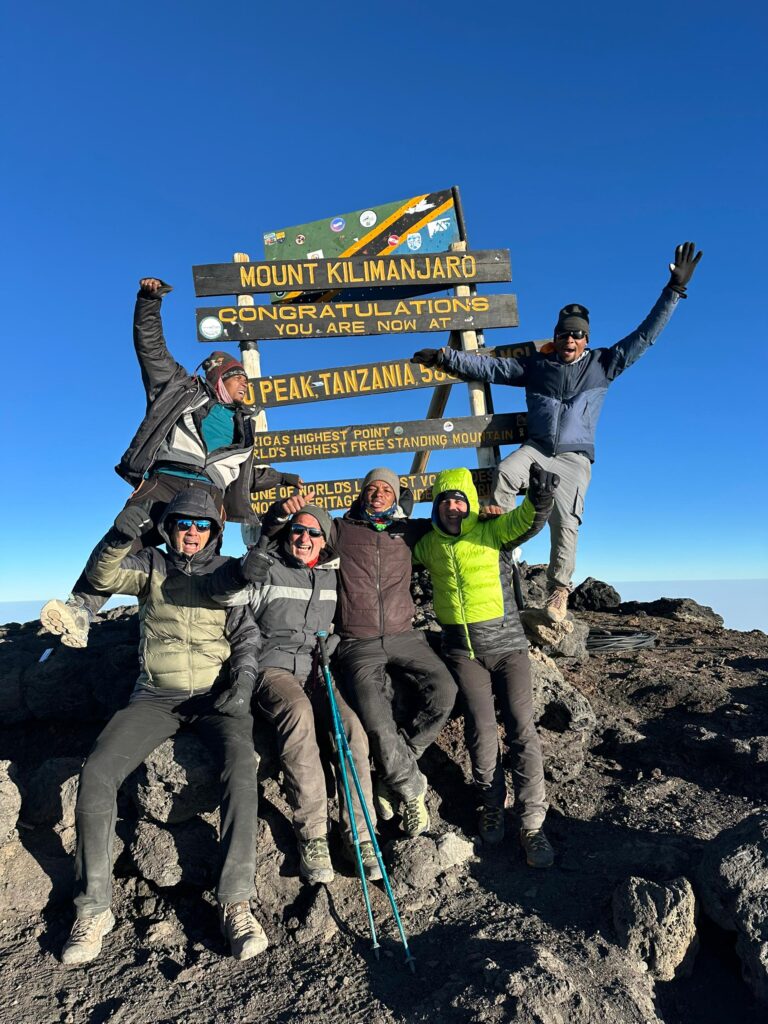
October Kilimanjaro Flexible Private Departure: Your Ultimate Guide 2026-2027
Secure your October Kilimanjaro flexible private departure with Top Guide Adventures. This comprehensive guide covers everything from route selection and best practices for your 2026-2027...
View package details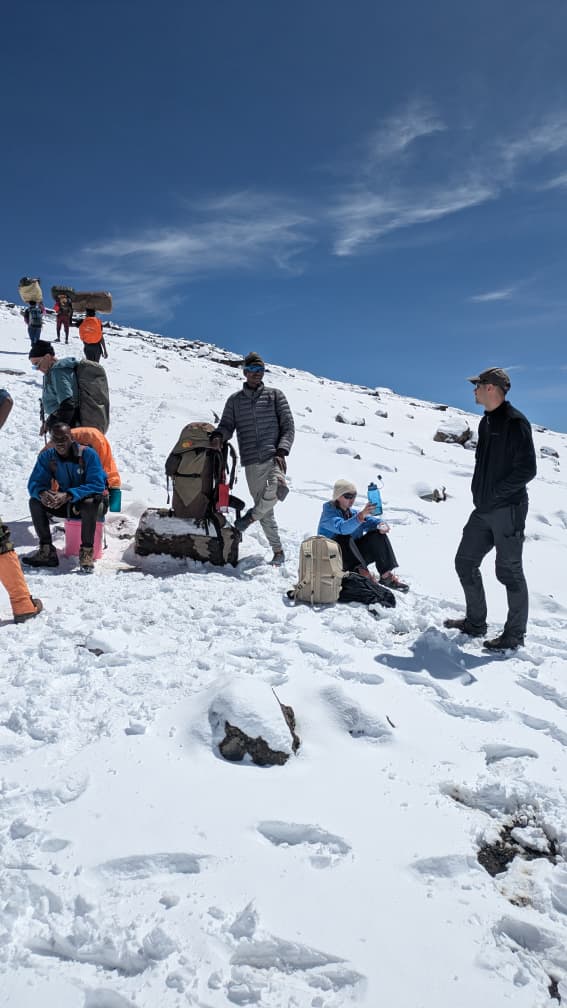
October Kilimanjaro Climb: Fewer Crowds, Great Weather 2026-2027
Planning an October Kilimanjaro climb offers a sweet spot with fewer trekkers and ideal weather conditions. Learn why October is a fantastic month for reaching Uhuru Peak and how to make...
View package details
October Kilimanjaro Luxury Camping Package: Your Ultimate Adventure 2026-2027
Secure your spot on a 2026 or 2027 October Kilimanjaro luxury camping adventure with Top Guide Adventures. This package offers premium service, expert guidance, and a comfortable climb.
View package details
October Kilimanjaro Photography Trek: Your Ultimate Guide 2026-2027
An October Kilimanjaro Photography Trek offers clear skies and fewer crowds, ideal for capturing impressive summit views. This guide details the best routes, essential photography gear, and...
View package details
October Kilimanjaro Shoulder-Season Deals 2026-2027
October Kilimanjaro Shoulder-Season Deals is explained with current 2026-2027 planning, price, itinerary and booking information.
View package details
October Kilimanjaro Summit Temperature 2026-2027
October Kilimanjaro Summit Temperature is explained with current 2026-2027 planning, price, itinerary and booking information.
View package detailsOctober Kilimanjaro Waterproof Packing Guide For Climbs 2026-2027
Prepare for your October Kilimanjaro climb with this comprehensive waterproof packing guide. Essential gear and clothing advice for 2026-2027 expeditions.
View package detailsNo related package matches those filters. Clear one or more filters to see the other topic-matched options.



