
Climbing Mount Kilimanjaro in September 2027 offers excellent conditions for a summit attempt, with clear skies, low humidity, and moderate temperatures, making it one of the best months of the year. Expect dry weather across all popular routes, though nights can be cold at higher altitudes. Success hinges on choosing the right route (longer routes like Lemosho or Northern Circuit offer higher acclimatization rates), proper physical and mental preparation, appropriate gear, and selecting a reputable guide company like Top Guide Adventures, which specializes in personalized Kilimanjaro climbs for 2027, ensuring safety and maximizing your chances of reaching Uhuru Peak.

Why September is an Ideal Month for Kilimanjaro Climbing in 2027
When planning your expedition to the Roof of Africa, timing is everything. September stands out as a prime month for Kilimanjaro climbing, and for good reason. The weather patterns on Kilimanjaro create distinct seasons, and September falls squarely within the dry season, offering some of the most favorable conditions for trekkers aiming for a Kilimanjaro climb in September 2027. This period is characterized by clear skies, minimal rainfall, and comfortable temperatures, which are crucial for both the enjoyment and safety of the ascent.
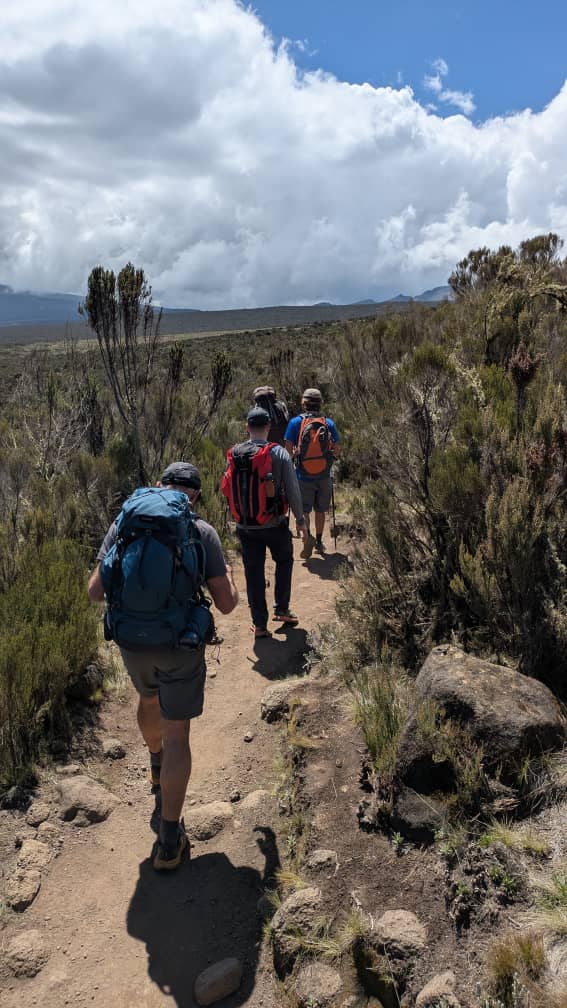
The dry season on Kilimanjaro generally spans from June to October. September, located within this window, typically boasts very little precipitation. This means you can expect predominantly sunny days, allowing for spectacular panoramic views of the surrounding plains and the volcanic cones of the mountain itself. While daytime temperatures can be pleasant, especially on the lower slopes, it’s essential to remember that as you gain altitude, temperatures will drop significantly, particularly at night and near the summit. However, the lack of rain and fog greatly enhances visibility, making navigation easier and the overall trekking experience more enjoyable.
Humidity is also at its lowest in September, which contributes to the feeling of dryness and can make the air feel less taxing, even at moderate altitudes. This is a significant advantage compared to the wet seasons, where moisture can make the trails muddy, slippery, and the air feel heavy. For those looking ahead to Kilimanjaro climbing in September 2027, this month presents a compelling case for its reliability in terms of weather. The consistent conditions reduce the risk of weather-related delays or forced changes in itinerary, allowing for a more predictable and planned experience.
The shoulder period between the main dry season and the subsequent wetter months means that while conditions are excellent, the trails might be slightly less crowded than in the absolute peak of July and August. This can offer a more serene trekking experience, allowing for greater personal connection with the mountain’s grandeur and a more focused approach to your climb. However, it’s still a popular time, so booking your Kilimanjaro climb September 2027 well in advance is highly recommended to secure your preferred dates and routes.
Choosing Your Kilimanjaro Route for September 2027
Selecting the right route is one of the most critical decisions for your Kilimanjaro climbing in September 2027. The route you choose impacts your acclimatization profile, scenery, difficulty, and overall success rate. While all routes eventually lead to the summit of Uhuru Peak, they differ significantly in length, starting points, and the progression of altitude gain.
For September, with its dry weather, all major routes are generally accessible and in good condition. However, longer routes are consistently recommended for better acclimatization and higher summit success rates. These routes allow your body more time to adapt to the increasing altitude, which is the most significant factor in reaching the summit safely.
Recommended Routes for September 2027 Climbs:
- Lemosho Route: Often considered the most scenic route, Lemosho approaches Kilimanjaro from the west. It’s a longer route, typically 7-8 days, offering excellent acclimatization. Its gradual ascent through diverse landscapes, including the Shira Plateau, provides stunning views and a high success rate. For Kilimanjaro climbing September 2027, Lemosho is a top choice for trekkers seeking both beauty and a good chance of summiting.
- Northern Circuit: This is the longest route, usually 9-10 days, and circles the mountain’s northern slopes. It offers the best acclimatization profile due to its duration and the opportunity to walk in a less-trafficked area. The extended time on the mountain significantly increases summit success rates and provides a more relaxed trekking pace. If you’re looking for the ultimate Kilimanjaro climb September 2027 experience with the highest probability of success, the Northern Circuit is hard to beat.
- Machame Route: Known as the “Whiskey Route,” Machame is a popular 6-7 day trek from the south. It’s known for its scenic beauty and challenging ascents, including the “climb high, sleep low” strategy which aids acclimatization. While shorter than Lemosho or Northern Circuit, it’s still a viable option for September 2027 if you are well-prepared physically.
- Marangu Route: The “Coca-Cola” route is the oldest and one of the shortest, typically 5-6 days. It’s unique for its hut accommodation instead of camping. However, its rapid ascent profile offers poor acclimatization, leading to lower success rates. While feasible in September, it is generally not recommended for first-time climbers aiming for a high success rate.
When booking your Kilimanjaro climb September 2027 with Top Guide Adventures, we can help you select the route that best matches your fitness level, desired experience, and budget. Our expert guides will provide insights into each route’s specific challenges and rewards, ensuring you make an informed choice.
Preparing for Your Kilimanjaro Climb in September 2027
Successful Kilimanjaro climbing in September 2027 requires more than just booking a trip; it demands thorough preparation. This includes physical conditioning, mental readiness, and gathering the right equipment. Starting your preparation early is key to a safe and enjoyable climb.
Physical Training for Kilimanjaro 2027
Kilimanjaro is not a technical climb, but it is a strenuous endurance challenge. The altitude is the primary adversary, but the long trekking days, steep ascents, and descents put significant strain on your body. Your training should focus on cardiovascular fitness, leg strength, and endurance.
- Cardiovascular Fitness: Engage in activities like hiking, running, cycling, or swimming for at least 3-4 times a week. Aim for sessions of 45-60 minutes.
- Hiking and Trekking: The best preparation is hiking itself. If possible, do long hikes (6-8 hours) with a weighted backpack (5-10 kg) on varied terrain, including hills and steep inclines. This simulates the actual trekking experience.
- Strength Training: Focus on leg exercises like squats, lunges, and step-ups. Core strength is also important for stability.
- Altitude Simulation (Optional): If you live at sea level and have no access to mountains, consider using an altitude training mask or visiting a local altitude training center if available.
- Start Early: Begin your training at least 3-4 months before your Kilimanjaro climb September 2027. Gradually increase the intensity and duration of your workouts.
Mental Preparation for the Summit
The mental aspect of climbing Kilimanjaro is as crucial as the physical. The combination of altitude, fatigue, cold, and the sheer duration of the trek can be mentally taxing. Altitude sickness can cause discomfort and anxiety, and the summit night is particularly demanding.
- Understand the Challenges: Educate yourself about altitude sickness symptoms and how to manage them. Knowing what to expect can reduce fear.
- Develop Resilience: Practice pushing through discomfort during your training hikes. Learn to break down long treks into smaller, manageable segments.
- Positive Mindset: Focus on the journey and the incredible experience rather than solely on the summit. A positive attitude is infectious and helps the entire team.
- Trust Your Guides: Your guides are experienced professionals. Trust their judgment regarding pace, rest, and health.
Acclimatization: The Key to Success
Proper acclimatization is paramount for a successful Kilimanjaro climb September 2027. This means ascending slowly, allowing your body time to adjust to the lower oxygen levels at higher altitudes. Longer routes (7+ days) are designed with acclimatization in mind.
- Ascend Slowly: Follow your guide’s pace. “Pole pole” (slowly, slowly) is the mantra on Kilimanjaro.
- Hydrate Adequately: Drink plenty of water (3-4 liters per day) to help your body acclimatize and combat dehydration.
- Eat Well: Maintain your energy levels with nutritious food.
- Avoid Overexertion: Listen to your body. Rest when needed and avoid pushing yourself too hard, especially on summit night.
Top Guide Adventures emphasizes acclimatization in all our itineraries, especially for climbs planned in September 2027, ensuring our clients have the best possible chance of reaching Uhuru Peak safely.
Essential Gear for Kilimanjaro Climbing in September 2027
Packing the right gear is critical for comfort, safety, and success during your Kilimanjaro climb September 2027. Temperatures can fluctuate dramatically from the humid tropics at the base to the freezing conditions near the summit. Layering is the key principle.
Layering System Explained:
- Base Layer: Moisture-wicking materials (synthetic or merino wool) to keep your skin dry. Includes long johns and long-sleeved tops.
- Mid Layer: Insulating layer (fleece or down jacket) to retain body heat.
- Outer Layer: Waterproof and windproof shell jacket and trousers to protect against the elements.
Key Gear Checklist for September 2027:
Clothing:
- Boots: Broken-in, waterproof hiking boots with good ankle support.
- Socks: Several pairs of wool or synthetic hiking socks.
- Camp Shoes/Sandals: For relaxing in the evenings.
- Trekking Trousers: 2-3 pairs, lightweight and quick-drying.
- Shorts: Optional, for lower altitudes.
- T-shirts: Moisture-wicking, 3-4.
- Long-sleeved Shirts: 2-3, for sun protection and warmth.
- Fleece Jacket/Sweater: 1-2 mid-layers.
- Insulated Jacket: A warm down or synthetic jacket for summit night and cold evenings.
- Waterproof Jacket: Breathable, high-quality shell.
- Waterproof Trousers: Essential for rain and wind.
- Thermal Underwear: Top and bottom, for summit night.
- Warm Hat: Fleece or wool, covers ears.
- Gloves: Waterproof outer gloves and warm liner gloves.
- Sun Hat/Cap: Wide-brimmed for sun protection.
Equipment:
- Backpack: A comfortable daypack (25-35 liters) for carrying essentials during the day.
- Duffel Bag: A large, waterproof duffel bag (80-100 liters) for your main gear, carried by porters.
- Sleeping Bag: Rated for -10°C to -20°C (0°F to -4°F).
- Sleeping Bag Liner: Adds warmth and keeps your bag clean.
- Trekking Poles: Highly recommended for stability and reducing strain on knees.
- Headlamp: With extra batteries, essential for summit night.
- Water Bottles/Hydration Reservoir: At least 3 liters capacity. Consider a wide-mouth bottle for easier filling in cold weather.
- Water Purification Tablets/Filter: As a backup.
- Sunglasses: High UV protection.
- Sunscreen: High SPF.
- Lip Balm: With SPF.
- Toiletries: Biodegradable soap, toothbrush, toothpaste, wet wipes, hand sanitizer.
- Personal First-Aid Kit: Include blister treatment, pain relievers, and any personal medications.
- Camera and Power Bank: For capturing memories.
- Snacks: Energy bars, nuts, dried fruit.
- Passport and Visa: Keep in a waterproof bag.
- Cash: For tips and personal expenses.
Top Guide Adventures can provide a more detailed gear list upon booking your Kilimanjaro climb September 2027 and offers rental options for certain items like sleeping bags and trekking poles.
Understanding Kilimanjaro’s Weather in September 2027
September is firmly within Kilimanjaro’s main dry season, making it an attractive month for trekkers. The weather conditions are generally stable and favorable across the mountain’s various ecological zones.
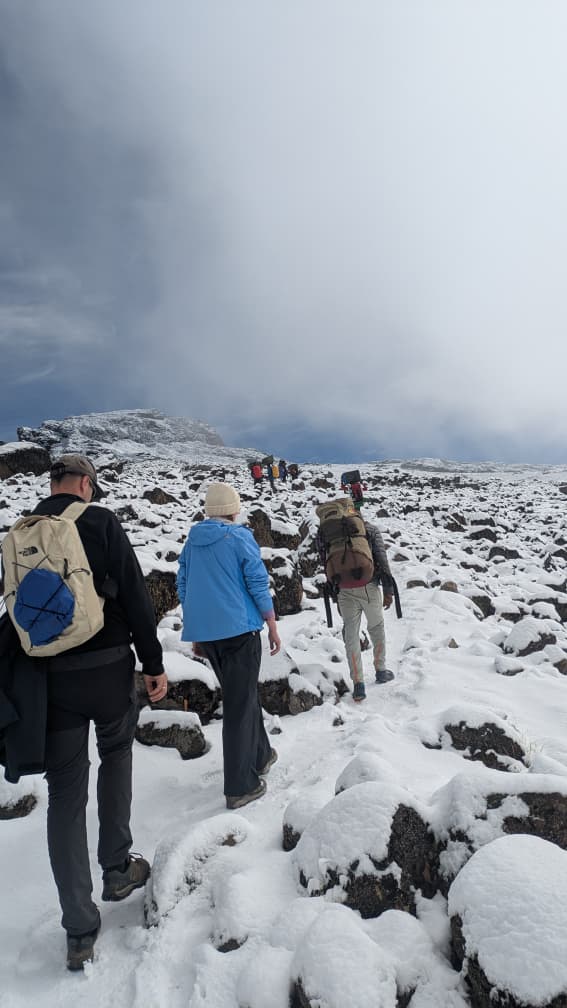
- Temperature Range: Daytime temperatures can range from pleasant 20-25°C (68-77°F) at the base to cooler 5-10°C (41-50°F) at higher camps. However, at the summit (Uhuru Peak), temperatures often plummet to between -5°C and -15°C (23°F and 5°F), especially during summit night. Wind chill can make it feel even colder.
- Precipitation: Rainfall is minimal in September. You can expect clear skies and sunshine for most of your trek. Any precipitation is likely to be light showers, if any, typically occurring in the early morning or late afternoon.
- Visibility: Excellent visibility is a hallmark of September. This means you’ll have stunning views of the mountain’s diverse landscapes, from the lush rainforest to the alpine desert and the arctic zone. The clear skies also offer incredible stargazing opportunities.
- Wind: While generally less windy than during the transitional months, higher altitudes can still experience strong winds, particularly on summit night. Adequate windproof gear is essential.
For your Kilimanjaro climb September 2027, packing layers that can be adjusted is crucial. You might start your day in a t-shirt and end it with a down jacket and thermal layers.
Health and Safety on Kilimanjaro in September 2027
Safety is paramount on any high-altitude trek, and Kilimanjaro is no exception. Understanding and mitigating the risks associated with altitude sickness and ensuring you have a reliable support team are vital for a successful Kilimanjaro climbing in September 2027.
Altitude Sickness (Acute Mountain Sickness – AMS)
AMS is the most common health risk on Kilimanjaro. It’s caused by ascending too quickly, preventing your body from adapting to the lower oxygen levels. Symptoms can include headache, nausea, dizziness, fatigue, and loss of appetite.
- Prevention: The best prevention is slow ascent and proper acclimatization. Longer routes (7+ days) significantly reduce the risk.
- Symptoms Recognition: Be aware of the symptoms and communicate them honestly to your guide.
- Treatment: The only definitive treatment for AMS is descent. Your guide will monitor you closely and make the decision to descend if symptoms worsen.
- Medication: Diamox (Acetazolamide) can be prescribed by your doctor to aid acclimatization. Discuss this with your physician before your Kilimanjaro climb September 2027.
The Role of Guides and Crew
Your guides and support crew are your lifeline on Kilimanjaro. Reputable companies like Top Guide Adventures employ experienced, certified guides who are trained in first aid and wilderness medicine. They are responsible for:
- Monitoring your health and acclimatization daily.
- Ensuring you maintain a slow and steady pace (“pole pole”).
- Managing the logistics of camp, food, and water.
- Making critical decisions regarding safety, including descent if necessary.
A well-equipped crew also includes cooks and porters who carry your gear, set up camp, and prepare nutritious meals, allowing you to focus on the climb.
Medical Preparedness
- Consult Your Doctor: Before your Kilimanjaro climb September 2027, consult your doctor about high-altitude travel and any necessary vaccinations or preventative medications.
- Travel Insurance: Ensure your travel insurance covers high-altitude trekking and medical evacuation.
- First-Aid Kit: Carry a personal first-aid kit with essentials for blisters, pain relief, and any personal medical needs.
Logistics and Booking Your Kilimanjaro Climb in September 2027
Booking your Kilimanjaro climb September 2027 requires careful consideration of tour operators, pricing, and itinerary details. Top Guide Adventures offers a personalized approach to ensure your trek is safe, comfortable, and memorable.
Choosing a Tour Operator
When selecting a company for your Kilimanjaro climb September 2027, look for:
- Reputation and Experience: Companies with a long history and positive reviews (like those on TripAdvisor) are generally reliable.
- Safety Standards: Check their safety protocols, guide qualifications, and emergency procedures.
- Inclusions and Exclusions: Understand what is covered in the price (park fees, crew wages, meals, accommodation, transfers) and what is not (tips, personal gear, flights, travel insurance).
- Porters’ Welfare: Ethical treatment of porters is crucial. A good operator ensures fair wages and good conditions for their entire team.
Pricing and What to Expect in 2027
The cost of a Kilimanjaro climb September 2027 can vary significantly based on the route length, group size (private vs. group), and the level of service provided by the operator. Prices typically range from $1,800 to $4,000+ per person.
Typical Cost Factors for Kilimanjaro Climbs (2026-2027):
- Park Fees: A significant portion of the cost, mandated by the Tanzanian government.
- Crew Wages: Fair wages for guides, cooks, and porters.
- Food and Accommodation: Meals on the mountain and accommodation before/after the climb.
- Equipment: Tents, cooking gear, etc.
- Transfers: Transport to and from the mountain.
- Route Length: Longer routes are more expensive due to more days of service.
- Group Size: Private climbs are more expensive per person than joining a group.
Note: Be wary of extremely low prices, as they often indicate compromised safety standards or poor treatment of staff.
Top Guide Adventures offers transparent pricing for Kilimanjaro climbs in 2027. We believe in providing excellent value with a strong emphasis on safety, quality crew, and a memorable experience. For a personalized quote for your September 2027 adventure, please contact us.
Booking Process for 2027 Expeditions
To secure your spot for a Kilimanjaro climb September 2027, it’s advisable to book at least 6-12 months in advance, especially if you have specific date requirements or wish to join a group departure. For custom private climbs, we can tailor itineraries to your schedule.
The booking process typically involves:
- Consultation: Discussing your preferences, fitness, and desired dates.
- Itinerary and Quote: Receiving a detailed itinerary and a transparent quote.
- Deposit: Paying a deposit to confirm your booking.
- Pre-Climb Information: Receiving comprehensive pre-departure information, including gear lists and training advice.
- Final Payment: Completing the payment before your trip.
Contact Top Guide Adventures today to start planning your unforgettable Kilimanjaro climb in September 2027. You can reach us via WhatsApp +255616946642 or email us at topguideadventures@gmail.com or info@topguideadventures.com.
What to Expect on the Mountain in September 2027
A Kilimanjaro climb September 2027 is a journey through diverse ecosystems, each presenting unique challenges and beauty. Understanding what lies ahead can help manage expectations and prepare you for the adventure.
The Ecological Zones of Kilimanjaro
As you ascend, you’ll traverse five distinct ecological zones:
- Cultivation Zone: From the base up to around 1,800 meters (5,900 ft). This area is fertile, with farms and villages, and typically the starting point for your trek.
- Rainforest Zone: From 1,800 to 2,800 meters (5,900 to 9,200 ft). This zone is characterized by dense, humid forests, often with mist and rain. You might spot monkeys and diverse birdlife.
- Heath Zone: From 2,800 to 4,000 meters (9,200 to 13,100 ft). The vegetation becomes sparser, with heather, giant groundsels, and lobelias. The landscape opens up, offering wider views.
- Alpine Desert Zone: From 4,000 to 5,000 meters (13,100 to 16,400 ft). This is a stark, arid landscape resembling a desert. Vegetation is scarce, and temperatures drop significantly, especially at night.
- Arctic Zone: Above 5,000 meters (16,400 ft) to the summit. This zone is characterized by extreme cold, strong winds, and a lack of vegetation. The terrain is rocky and icy, especially on the final ascent to Uhuru Peak.
Daily Trekking Routine
A typical day on Kilimanjaro involves:
- Early Wake-up: Usually around 7:00 AM.
- Breakfast: A hearty meal to fuel the day’s trek.
- Trekking: Hiking for 4-8 hours, depending on the day’s stage and route. Guides set a slow pace.
- Lunch Breaks: A packed lunch is usually taken en route.
- Arrival at Camp: Mid-afternoon.
- Rest and Hydration: Time to relax, drink water, and prepare for the next day.
- Dinner: Served in the mess tent.
- Briefing: Guides brief the group on the next day’s plan.
- Sleep: Aim for as much rest as possible, though sleep can be difficult at altitude.
Summit Night: The Ultimate Challenge
Summit night is the most demanding part of the Kilimanjaro climb September 2027. It typically begins around midnight from the last camp (e.g., Kibo Hut or Barafu Camp). You’ll be trekking in the dark, using headlamps, in very cold temperatures and at high altitude.
- Pace: Extremely slow, with frequent short breaks.
- Conditions: Cold, windy, and steep.
- Duration: 6-10 hours to reach the crater rim (Stella Point or Gilman’s Point).
- Final Push: From the crater rim to Uhuru Peak (the true summit) takes another 1-2 hours.
- Descent: The descent is long and challenging, often taking 3-4 hours back to the camp.
Your guides will be with you every step of the way, ensuring you stay warm, hydrated, and safe. Proper gear, especially for summit night, is non-negotiable.
Post-Climb Activities and Extensions
After successfully completing your Kilimanjaro climb September 2027, you’ll likely want to relax and perhaps explore more of Tanzania. Top Guide Adventures can help arrange post-climb activities and extensions.
- Relaxation in Moshi or Arusha: Recover in comfortable lodges after your trek.
- Tanzania Safari: Combine your climb with an unforgettable safari in the Serengeti, Ngorongoro Crater, Tarangire National Park, or Lake Manyara. September is an excellent month for safaris, with the Great Migration often in the northern Serengeti.
- Zanzibar Holiday: Extend your trip with a relaxing beach vacation on the spice island of Zanzibar, known for its pristine beaches, historical Stone Town, and vibrant culture.
- Cultural Tours: Explore local communities, learn about Chagga culture, or visit coffee plantations.
We offer tailor-made packages that combine Kilimanjaro climbs with safaris and Zanzibar holidays, creating a complete Tanzanian experience for 2026-2027. Consider extending your adventure to make the most of your journey to Tanzania.
Frequently Asked Questions about Kilimanjaro Climbing in September 2027
Here are some common questions potential climbers have when planning a Kilimanjaro climb September 2027.
What is the best route for Kilimanjaro in September 2027?
For Kilimanjaro climbing in September 2027, longer routes like the Lemosho or Northern Circuit (8-10 days) are highly recommended due to their superior acclimatization profiles, which significantly increase summit success rates. The Machame route (7 days) is also a good option if you are well-prepared physically.
How cold is it on Kilimanjaro in September 2027?
September is dry but cold at higher altitudes. Daytime temperatures can be mild, but summit night temperatures often range from -5°C to -15°C (23°F to 5°F), potentially feeling much colder with wind chill. Proper layering, including a warm down jacket and thermal gear, is essential.
Do I need to be very fit to climb Kilimanjaro?
While you don’t need to be an elite athlete, a good level of cardiovascular fitness is essential. Training should focus on endurance hiking with a backpack, ideally on varied terrain. The altitude is the main challenge, and good physical conditioning helps your body cope better.
What are the risks of altitude sickness on Kilimanjaro?
Altitude sickness is the most significant risk. Symptoms can range from mild headaches to severe conditions like HAPE (High Altitude Pulmonary Edema) or HACE (High Altitude Cerebral Edema). The risk is greatly reduced by choosing a longer route for better acclimatization and ascending slowly. Always communicate any symptoms to your guide immediately.
Is September a good time for Kilimanjaro climbing?
Yes, September is considered one of the best months for Kilimanjaro climbing. It falls within the dry season, offering clear skies, minimal rain, and good visibility, making it ideal for trekking and summit attempts in 2027.
How much should I tip my Kilimanjaro guides and porters in 2027?
Tipping is customary and a significant part of the crew’s income. Recommended tipping ranges for 2027 are generally around $20-30 per day for lead guide, $15-20 per day for assistant guides, $10-15 per day for cooks, and $8-10 per day for porters. These amounts are per climber and can be pooled or distributed by the lead guide. Your tour operator will provide specific recommendations.
For a detailed and personalized plan for your Kilimanjaro climb September 2027, or to discuss our 2026-2027 safari and Zanzibar packages, please contact Top Guide Adventures. We are committed to providing exceptional service and ensuring your Tanzanian adventure is everything you dreamed of.
Reach out to us via WhatsApp +255616946642, email us at topguideadventures@gmail.com, or our backup email info@topguideadventures.com. You can also explore our offerings on our website www.topguideadventures.com and see our group departures for Tanzania safaris here, and Machame route specific departures here. Follow us on Instagram @top_guide_adventures for inspiration.
Check Availability for Kilimanjaro Climbing In September : Your Complete Planning Guide 2026-2027
Ready to compare dates, prices, and the best option for your group? Send the package name and travel month so the team can reply with a clear quote, availability, and what is included.

Is September Good For Climbing Kilimanjaro? Your Guide 2026-2027
Discover why September is a prime month for ascending Mount Kilimanjaro. This guide details the weather, crowds, and what to expect for your 2026-2027 climb.
View package details
September Kilimanjaro Private Climbing Package: Your Ultimate Guide 2026-2027
Discover everything you need to know for a September Kilimanjaro private climbing package in 2026-2027. This comprehensive guide covers route selection, essential gear, acclimatization...
View package details
October Kilimanjaro Family Climbing Holiday: Your Ultimate Guide 2026-2027
Planning an October Kilimanjaro family climbing holiday? This comprehensive guide covers everything from route selection and packing essentials to acclimatization and safety for your...
View package details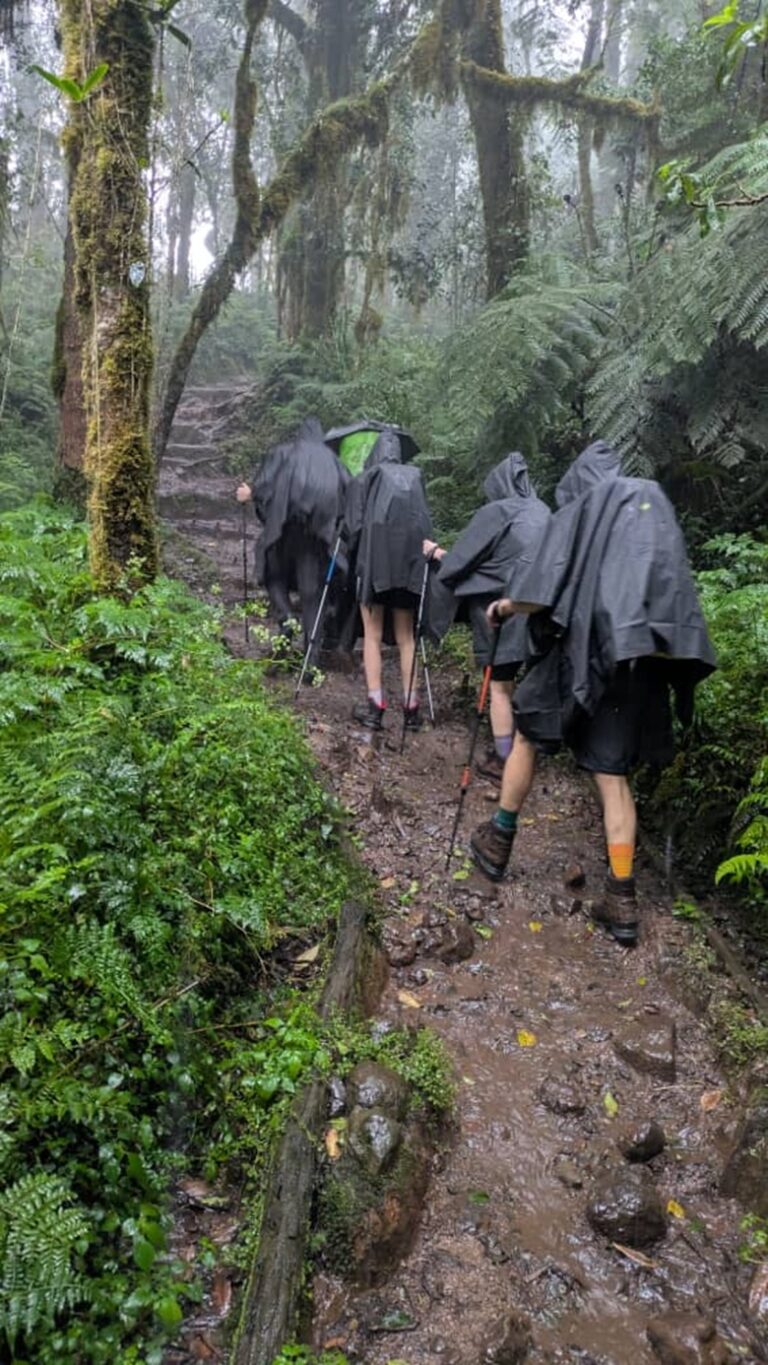
October Kilimanjaro Private Climbing Tour: Your Ultimate Guide For 2026-2027
Your comprehensive guide to embarking on a private Kilimanjaro climb in October 2026 or 2027. Discover optimal routes, essential preparations, and why a private tour offers unparalleled...
View package details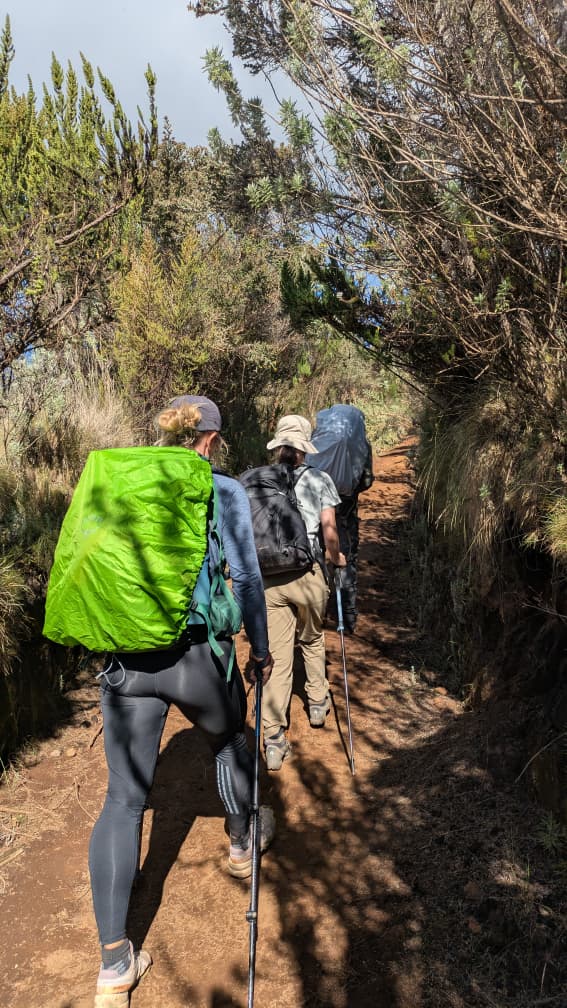
Late October Kilimanjaro Climbing Conditions & What To Expect In 2026-2027
Climbing Kilimanjaro in late October offers a unique window with fewer crowds and transitioning weather. This guide details what to expect in 2026-2027, covering temperature, precipitation...
View package detailsEarly October Kilimanjaro Climbing Packages: Your Guide To Summit Success
Planning an early October climb of Kilimanjaro? This guide covers everything you need to know about packages, routes, weather, and preparation for your 2026-2027 adventure.
View package details
Kilimanjaro Climbing In October : Weather, Routes, And Planning 2026-2027
Planning a Kilimanjaro climb for October 2027? This guide details the excellent weather conditions, compares the most suitable routes like Machame and Lemosho, and provides essential...
View package details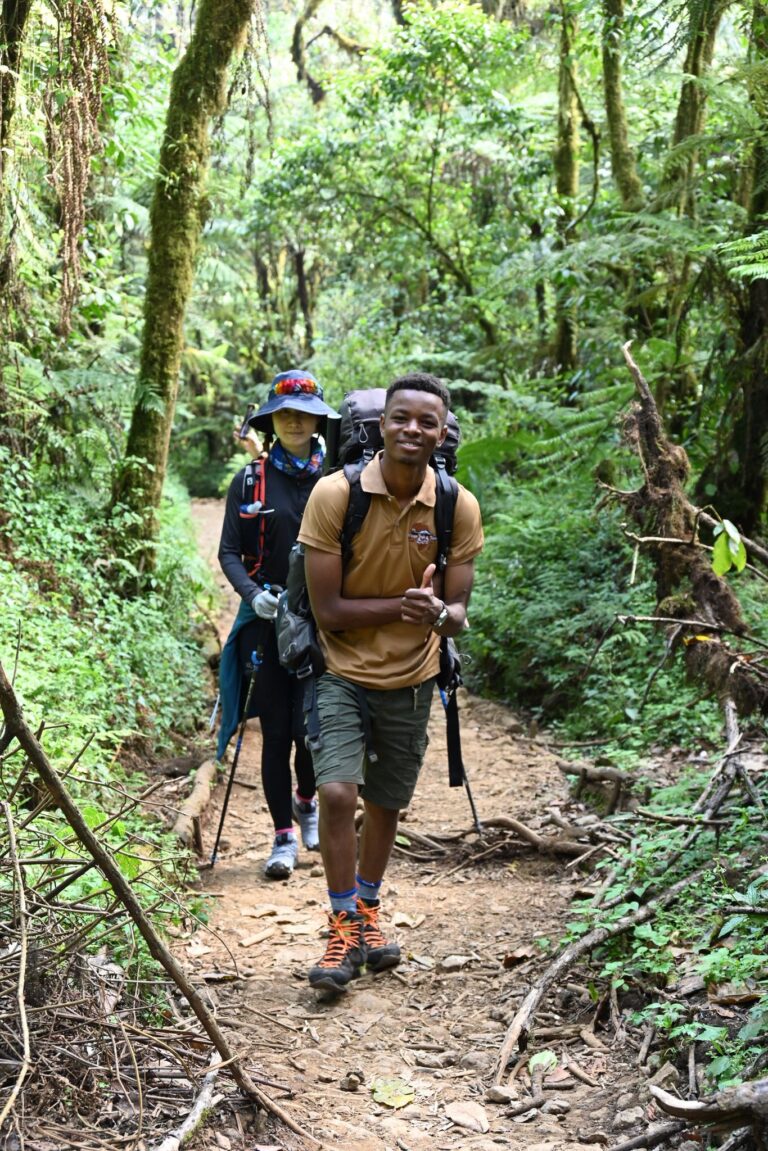
September Kilimanjaro Last-Minute Group Departures : Find Your Spot 2026-2027
Looking for September Kilimanjaro last-minute group departures? Discover available climbs for 2026-2027, ideal routes, and how to book your adventure with Top Guide Adventures.
View package details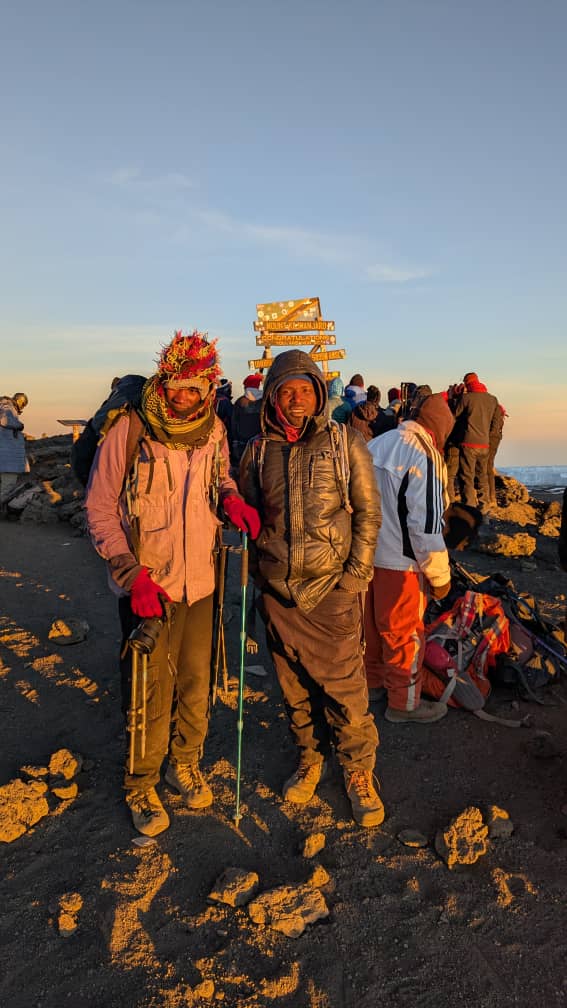
September Kilimanjaro Climb & Cultural Safari: Your Guide 2026-2027
This comprehensive guide covers everything you need to know for a September Kilimanjaro climb combined with a cultural safari in Tanzania, including optimal routes, packing lists, weather...
View package detailsSeptember Kilimanjaro Climb With Extra Acclimatization 2026-2027
September Kilimanjaro Climb with Extra Acclimatization is explained with current 2026-2027 planning, price, itinerary and booking information.
View package details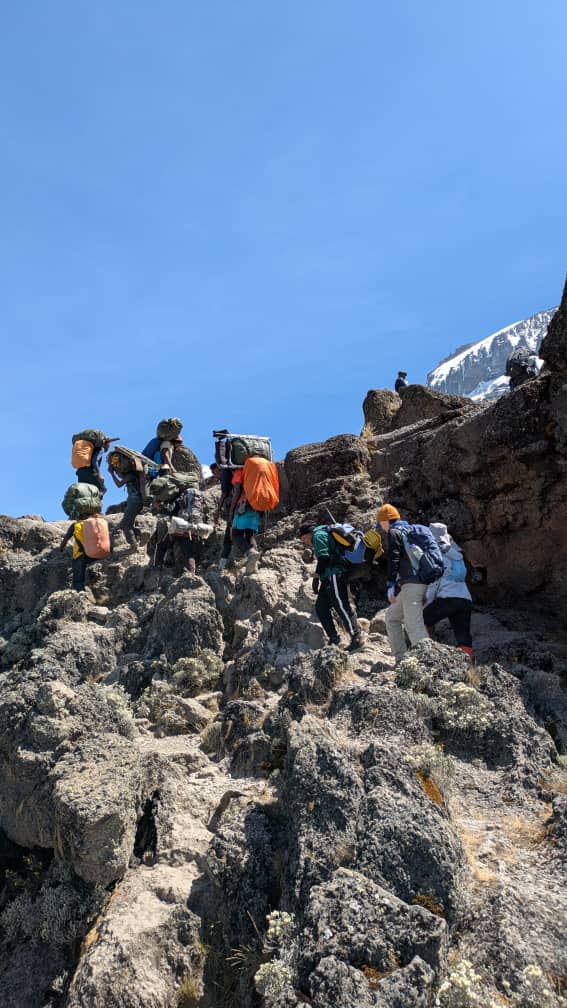
September Kilimanjaro Climb For Seniors 2026-2027
September Kilimanjaro Climb for Seniors is explained with current 2026-2027 planning, price, itinerary and booking information.
View package details
September Kilimanjaro Sunrise Photography Tour 2026-2027
September Kilimanjaro Sunrise Photography Tour is explained with current 2026-2027 planning, price, itinerary and booking information.
View package detailsNo related package matches those filters. Clear one or more filters to see the other topic-matched options.



