
A September Kilimanjaro climb with extra acclimatization is a highly recommended strategy for maximizing summit success and enjoyment, especially for trekkers aiming for 2026 or 2027. September typically features drier weather and cooler temperatures, making it a prime month. Incorporating additional acclimatization days, often achieved by choosing longer routes like the Lemosho or Northern Circuit, significantly reduces the risk of altitude sickness and allows for a more comfortable ascent to Uhuru Peak.
Why Choose September for Your Kilimanjaro Expedition in 2026-2027?
September falls within Kilimanjaro’s dry season, offering some of the most favorable conditions for trekking. The skies are generally clear, providing spectacular views of the mountain and surrounding landscapes. Temperatures are cool, especially at higher altitudes, which many climbers find more comfortable than the heat of the wet seasons. This combination of clear skies and moderate temperatures makes September an ideal month for a challenging yet rewarding climb. Planning for a September Kilimanjaro climb in 2026 or 2027 means you’re choosing a period known for its stability and pleasant trekking weather, setting a strong foundation for your adventure.
The two main dry seasons on Kilimanjaro are June to October and December to March. September is the tail end of the June-October dry spell, often characterized by crisp, clear air and minimal rainfall. While it can be cooler than the preceding months, this is generally a positive for strenuous physical activity. The crowds also tend to be slightly less intense than in the peak summer months of July and August, though September remains a popular choice. For those looking to book their 2026-2027 climb, September presents a compelling window of opportunity for a successful and memorable trek.
The Critical Role of Extra Acclimatization on Kilimanjaro
Altitude sickness, or Acute Mountain Sickness (AMS), is the primary challenge faced by Kilimanjaro climbers. It’s caused by the body’s inability to adjust quickly enough to the lower oxygen levels at high altitudes. Symptoms can range from mild headaches and nausea to severe, life-threatening conditions like HACE (High Altitude Cerebral Edema) and HAPE (High Altitude Pulmonary Edema). The only guaranteed cure for AMS is descent, but proper acclimatization is the most effective preventative measure.
Extra acclimatization means spending more days on the mountain, allowing your body more time to adapt to the increasing altitude. This is often achieved by choosing longer climbing routes that incorporate a gradual ascent profile, including “climb high, sleep low” strategies. For a September Kilimanjaro climb with extra acclimatization, this approach is paramount. Instead of rushing the ascent, longer routes permit your body to produce more red blood cells, improving oxygen transport and significantly reducing the likelihood of experiencing severe altitude-related symptoms. This makes the entire experience safer and more enjoyable, increasing your chances of reaching Uhuru Peak.
The general rule of thumb for acclimatization on Kilimanjaro is that longer routes are better. While a 5-day climb might be possible for some, it comes with a very high risk of AMS. 7-day and 8-day itineraries are significantly better, and adding an extra day or two to these, or choosing routes that are inherently longer, provides the best acclimatization. For a September Kilimanjaro climb with extra acclimatization, aiming for at least 7 days, and ideally 8 or more, is strongly advised by experienced guides and medical professionals.
Choosing the Right Route for Extra Acclimatization in September
Several routes ascend Kilimanjaro, but not all offer the same opportunities for acclimatization. Routes that are longer and follow a more gradual ascent profile are superior for acclimatization. For a September Kilimanjaro climb with extra acclimatization, the following routes are highly recommended:
The Lemosho Route (7-8 Days)
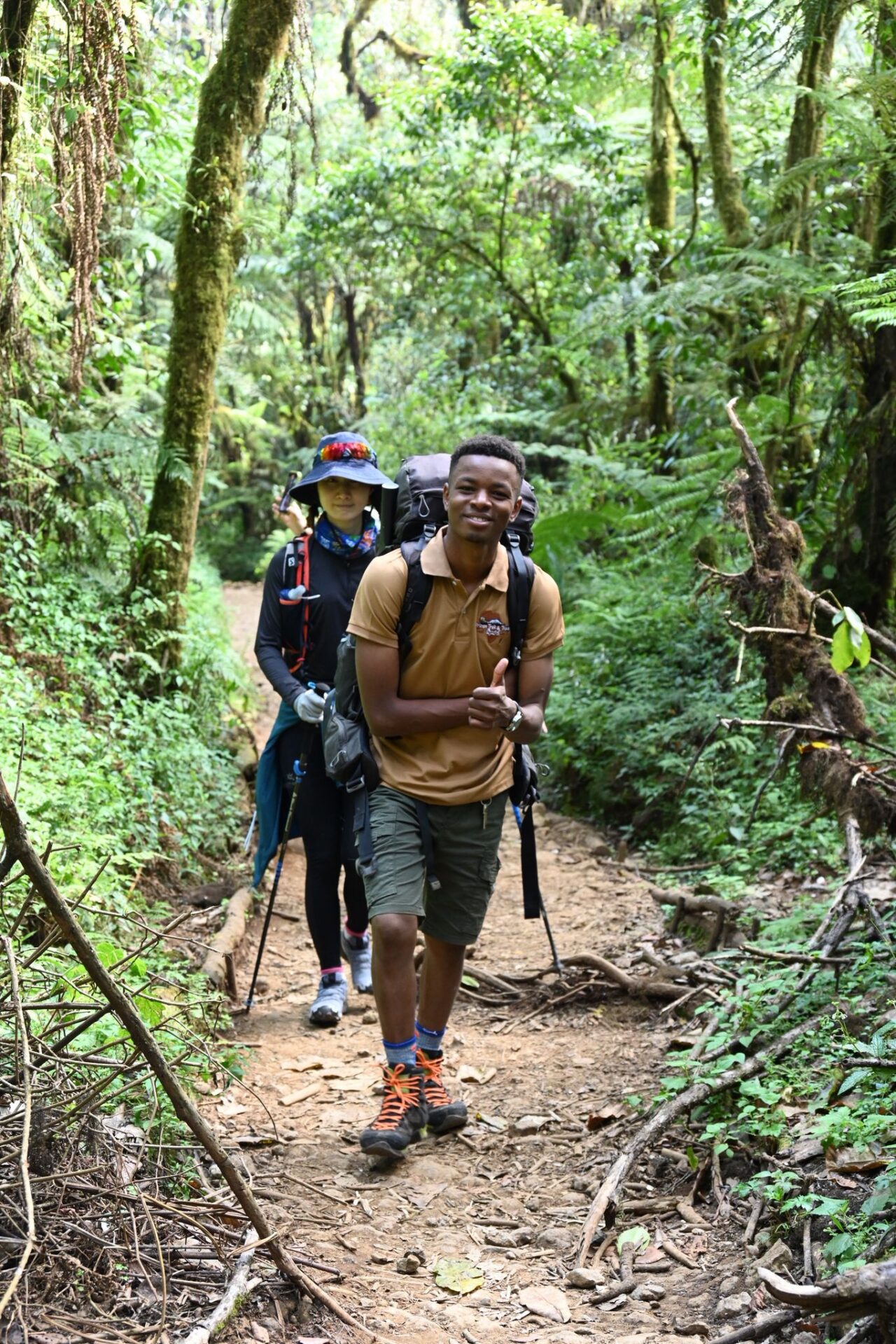
The Lemosho Route is widely considered one of the most scenic and best routes for acclimatization. It starts in the west and traverses the Shira Plateau, offering a gradual ascent. Its length, typically 7 or 8 days, provides ample time for the body to adjust to the altitude. The 8-day version of Lemosho is particularly excellent for acclimatization, as it allows for more opportunities to implement the ‘climb high, sleep low’ principle.
Key Features of Lemosho for September Climbs:
- Scenery: Offers diverse landscapes, from lush rainforests to alpine deserts and glacial zones.
- Acclimatization Profile: Excellent, with a gradual ascent over 7 or 8 days. The 8-day itinerary includes an extra day for acclimatization.
- Success Rates: Higher than shorter routes due to better acclimatization.
- Crowds: Less crowded than Marangu or Machame, especially in the early days.
For a September Kilimanjaro climb with extra acclimatization, the 8-day Lemosho route is a top choice. It offers a beautiful journey with a strong emphasis on allowing your body to adapt effectively.
The Northern Circuit (9-10 Days)
The Northern Circuit is the longest route on Kilimanjaro, circumnavigating the mountain. Its 9-day or 10-day duration provides the best possible acclimatization profile, making it the route with the highest summit success rates. It offers a truly unique perspective of Kilimanjaro, passing through diverse ecosystems and offering stunning views of the Kenyan high plateau.
Key Features of the Northern Circuit:
- Acclimatization: Superior, with the longest duration and a slow, steady ascent.
- Scenery: Unparalleled, offering panoramic views and a more remote trekking experience.
- Success Rates: The highest among all routes.
- Crowds: The least crowded route, offering a more exclusive experience.
If your priority for a September Kilimanjaro climb is the absolute best acclimatization and the highest chance of success, the Northern Circuit is the ultimate option. Its extended duration in 2026 or 2027 ensures your body has maximum time to adjust.
The Machame Route (7 Days)
While often completed in 6 days, the 7-day Machame Route is a popular choice that offers good acclimatization. It is also known as the “Whiskey Route” and is considered one of the more challenging but rewarding treks. The 7-day itinerary builds in an extra day compared to the standard 6-day trek, which significantly aids acclimatization.
Key Features of Machame (7-day):
- Scenery: Very scenic, passing through diverse vegetation zones.
- Acclimatization: Good on the 7-day version, incorporating ‘climb high, sleep low’ principles effectively.
- Success Rates: Good, especially on the 7-day itinerary.
- Popularity: High, so it can be busy.
The 7-day Machame route is a viable option for a September Kilimanjaro climb with extra acclimatization, offering a balance of challenge, scenery, and a good acclimatization schedule for 2026-2027 bookings.
The Rongai Route (7 Days)
Rongai is the only route that approaches Kilimanjaro from the north, near the Kenyan border. It is generally considered a less scenic route than Lemosho or Machame, but it offers excellent acclimatization, especially on its longer itineraries. The 7-day Rongai route provides a good balance, while an extended 8-day option would further enhance acclimatization.
Key Features of Rongai (7-day):
- Acclimatization: Good, with a steady ascent.
- Scenery: Less varied than western routes, but still offers unique views.
- Weather: It is on the drier side of the mountain, which can be an advantage even in September.
- Crowds: Generally less crowded than Machame or Marangu.
For a September Kilimanjaro climb with extra acclimatization, the 7-day Rongai is a solid choice, particularly if you prefer a less crowded experience. The 8-day Rongai would be even better for acclimatization.
Planning Your 2026-2027 September Kilimanjaro Climb with Extra Acclimatization
Successful preparation for Kilimanjaro involves more than just booking a trek. It requires careful planning regarding fitness, gear, and understanding the acclimatization process. For a September Kilimanjaro climb with extra acclimatization, the following aspects are crucial:
Physical Fitness: The Foundation of Your Climb
While Kilimanjaro is not technically difficult, it is a strenuous physical undertaking. The altitude and long trekking days demand a good level of cardiovascular fitness. Focus on endurance training in the months leading up to your climb.
- Cardiovascular Exercise: Engage in activities like hiking (with a backpack), running, cycling, or swimming at least 3-4 times a week. Aim for sessions of 60-90 minutes.
- Strength Training: Focus on leg strength (squats, lunges) and core stability.
- Hiking Practice: The most important training is hiking. Practice on varied terrain, including hills, carrying a weighted backpack (around 5-10 kg). This simulates trek conditions and prepares your body for the demands of Kilimanjaro.
- Consistency is Key: Start training early and maintain consistency. Gradually increase the intensity and duration of your workouts.
For a September Kilimanjaro climb with extra acclimatization, being physically prepared means you can focus more on the altitude and less on the physical exertion, making the acclimatization process more effective.
Essential Gear for September Treks
Packing the right gear is vital for comfort and safety, especially in September when temperatures can fluctuate significantly. Layers are essential. Your gear list should include:
- Layering System:
- Base Layers: Moisture-wicking synthetic or merino wool tops and bottoms.
- Mid Layers: Fleece jacket or synthetic insulated jacket for warmth.
- Outer Layer: Waterproof and windproof jacket (hardshell) and pants.
- Insulated Jacket: A warm down or synthetic jacket for cold evenings and summit night.
- Headwear: Warm beanie hat, sun hat with a wide brim, and a balaclava or neck gaiter for cold.
- Gloves: Waterproof outer gloves and warm liner gloves.
- Footwear: Broken-in, waterproof hiking boots with good ankle support. Camp shoes or comfortable trainers for evenings.
- Socks: Several pairs of warm wool or synthetic hiking socks.
- Trekking Poles: Highly recommended for reducing strain on knees and improving balance.
- Headlamp: With extra batteries for summit night and camp use.
- Sun Protection: High SPF sunscreen, lip balm, and sunglasses.
- Hydration: Water bottles or hydration reservoir (at least 3 liters capacity). Consider an insulated sleeve to prevent freezing.
- Sleeping Bag: A 4-season sleeping bag rated to at least -10°C (15°F).
- Duffel Bag: A large, waterproof duffel bag for your main gear, carried by porters.
- Daypack: A comfortable 30-40 liter backpack for essentials you need during the day’s trek.
For a September Kilimanjaro climb with extra acclimatization, ensure your gear is suitable for potentially cooler temperatures and dry conditions. A good sleeping bag is crucial as nights can be very cold.
Understanding Altitude Sickness and Prevention
Knowledge is power when it comes to altitude sickness. Understanding the symptoms and how to manage them is key to a safe climb.
Symptoms of AMS:
- Headache
- Nausea and vomiting
- Dizziness
- Fatigue
- Loss of appetite
- Difficulty sleeping
Prevention and Management:
- Ascend Slowly: This is where extra acclimatization days and longer routes are vital.
- Hydrate: Drink plenty of water (3-4 liters per day). Avoid alcohol and caffeine.
- Eat Well: Maintain a good intake of carbohydrates, which are easier to digest at altitude.
- Avoid Overexertion: Pace yourself and take it easy, especially on the first few days.
- Communicate: Inform your guide immediately if you experience any symptoms. Your guide is trained to assess your condition and make decisions regarding your safety, which may include descent.
- Medication: Diamox (acetazolamide) is a prescription medication that can help speed up acclimatization. Consult your doctor about its suitability for you.
A September Kilimanjaro climb with extra acclimatization inherently follows these principles, making it a safer choice for trekkers in 2026-2027.
The Top Guide Adventures Difference for Your 2026-2027 Climb
At Top Guide Adventures, we specialize in creating memorable and safe Kilimanjaro climbing experiences. We understand the importance of acclimatization and offer itineraries designed for success. For your September Kilimanjaro climb with extra acclimatization in 2026 or 2027, we provide:
- Expert Guides: Our guides are certified, highly experienced, and trained in wilderness first aid and altitude sickness management. They prioritize your safety and well-being above all else.
- Optimized Itineraries: We offer longer routes like the 8-day Lemosho and the 9-day Northern Circuit, specifically designed to provide superior acclimatization.
- Quality Equipment: We provide high-quality tents, sleeping mats, and ensure our porters and cooks are well-equipped and supported.
- Personalized Support: From your initial inquiry to your return from the mountain, you receive personal attention and dedicated support. We help you choose the best route and prepare adequately.
- Safety First Approach: We carry comprehensive medical kits, supplementary oxygen, and have established protocols for emergencies.
Choosing Top Guide Adventures for your September Kilimanjaro climb with extra acclimatization means you are partnering with a trusted local operator committed to your success and safety. We have been organizing successful climbs for years, helping adventurers from around the globe achieve their dream of standing on the roof of Africa.
Booking Your September 2026-2027 Climb
When planning your September Kilimanjaro climb with extra acclimatization for 2026 or 2027, it’s important to book with a reputable operator well in advance. Early booking ensures availability, especially for popular longer routes and specific departure dates. Contact us at WhatsApp +255616946642 or email topguideadventures@gmail.com / info@topguideadventures.com to discuss your climb, receive a personalized itinerary, and get a quote. We are here to help you prepare for an unforgettable adventure.
Comparing Route Durations for Acclimatization
The number of days on the mountain directly correlates with acclimatization effectiveness. Here’s a comparison of common Kilimanjaro routes and how their durations support acclimatization, especially relevant for a September Kilimanjaro climb with extra acclimatization:
| Route | Standard Duration | Recommended Duration for Extra Acclimatization | Acclimatization Profile |
| Marangu | 5-6 days | 6 days | Fair (often rushed) |
| Machame | 6 days | 7-8 days | Good (7-day version is significantly better) |
| Lemosho | 7 days | 8 days | Very Good (8-day version is excellent) |
| Shira | 8 days | 8 days | Good (starts at higher altitude, so careful pacing needed) |
| Rongai | 6-7 days | 7-8 days | Good (7-day is decent, 8-day offers better acclimatization) |
| Northern Circuit | 9 days | 9-10 days | Excellent (longest, best acclimatization) |
For a September Kilimanjaro climb with extra acclimatization, prioritizing routes with 8 days or more, such as the 8-day Lemosho, 7-8 day Machame, or the 9-10 day Northern Circuit, is the most strategic approach. These longer itineraries are specifically designed to provide your body with the necessary time to adapt to the extreme altitude, significantly increasing your chances of a safe and successful summit bid in 2026 or 2027.
The Summit Night Experience: Pacing and Preparation
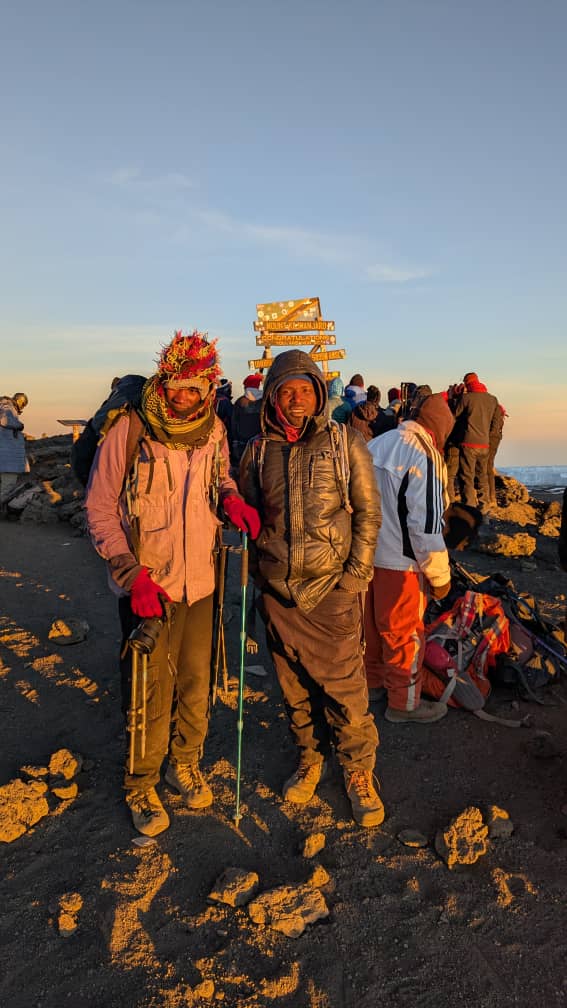
Summit night is the most challenging part of any Kilimanjaro climb. It typically begins around midnight, with climbers ascending in the dark towards Uhuru Peak, the highest point in Africa. The combination of extreme cold, darkness, steep scree slopes, and severe altitude makes it a true test of endurance and mental fortitude.
Key elements for a successful summit night:
- Pacing: Your guide will set a slow, steady pace. It’s crucial to stick to this pace, known as ‘pole pole’ (slowly, slowly). Rushing will lead to exhaustion and can exacerbate altitude sickness symptoms.
- Hydration and Nutrition: Even if you don’t feel like eating or drinking, it’s vital to consume small amounts regularly. Dehydration and low energy levels are major risks. Your guide will encourage you to drink and snack.
- Warmth: Layer up effectively. The temperature can drop to -15°C to -20°C (5°F to -4°F) with wind chill. Ensure your extremities (hands, feet, head) are well protected.
- Mental Strength: Summit night is as much a mental challenge as a physical one. Focus on one step at a time. Your guide’s encouragement and the support of your fellow climbers can be invaluable.
- Acclimatization Benefits: Proper acclimatization from a longer route, like those chosen for a September Kilimanjaro climb with extra acclimatization, means your body is better equipped to handle the physiological stress of summit night. You will feel less fatigued and less susceptible to altitude sickness, allowing you to enjoy the incredible experience of reaching the summit.
For your September Kilimanjaro climb with extra acclimatization in 2026-2027, being well-prepared physically and mentally for summit night, combined with the benefits of a longer route, will significantly enhance your chances of success.
What to Expect on the Descent
Reaching Uhuru Peak is a monumental achievement, but the journey isn’t over. The descent is often underestimated and can be surprisingly challenging.
- Rapid Descent: After summiting, you begin the descent, often all the way down to the Mweka or Millennium Camp. This rapid drop in altitude can sometimes trigger or worsen AMS symptoms for those who were borderline.
- Physical Strain: Descending on loose scree can be hard on your knees and quads. Trekking poles are essential for stability and to reduce impact.
- Emotional High: Most climbers experience a huge sense of relief and elation upon descending, which can sometimes lead to less careful footing.
- Hydration Continues: It’s still crucial to drink water on the descent.
A September Kilimanjaro climb with extra acclimatization ensures you are in a better physiological state to handle the descent, having conserved more energy and being less affected by altitude. This makes the final push to camp more manageable and safer.
Why Extra Acclimatization Matters for 2026-2027 Bookings
As you plan your Kilimanjaro adventure for 2026 or 2027, consider that the investment in extra acclimatization days is an investment in your success and overall experience. It’s not just about reaching the summit; it’s about enjoying the journey and returning safely.
Benefits of Extra Acclimatization:
- Reduced Risk of AMS: The most significant benefit. A slower ascent allows your body to adapt.
- Increased Summit Success Rate: Longer routes with better acclimatization consistently show higher success rates.
- More Enjoyable Trek: Feeling better physically means you can appreciate the stunning scenery and the experience more.
- Greater Energy Reserves: Less energy spent battling altitude sickness means more energy for the climb itself.
- Enhanced Safety: A well-acclimatized climber is a safer climber.
When booking your September Kilimanjaro climb with extra acclimatization for 2026-2027, prioritize operators who advocate for and offer longer itineraries. Top Guide Adventures is committed to providing these optimal conditions for our clients.
Cost Considerations for Longer September Climbs
While the keyword focuses on acclimatization, it’s practical to address cost as it often influences route and duration choices. Longer routes, which offer better acclimatization, generally come at a higher price point. This is due to the increased number of days, more food, staff wages, and park fees.
Factors influencing cost for a September Kilimanjaro climb:
- Route Duration: As discussed, longer routes (7+ days) are more expensive than shorter ones (5-6 days).
- Operator Type: Local operators like Top Guide Adventures often offer better value and ensure more of your money stays within the local economy, while also providing expert knowledge.
- Inclusions: What is included in the price? (e.g., park fees, rescue fees, meals, accommodation before/after, transfers, gear rental). Ensure a comprehensive list.
- Group Size: Private climbs are more expensive per person than joining a group. We offer both options for 2026-2027 departures.
- Quality of Service: Higher quality food, experienced guides, and better support staff will naturally increase costs but are crucial for safety and enjoyment.
For a September Kilimanjaro climb with extra acclimatization, expect the cost to reflect the longer duration and superior acclimatization profile. We recommend budgeting for an 8-day Lemosho or a 9-day Northern Circuit for the best experience. For current pricing and detailed inclusions for 2026-2027, please contact us directly.
Frequently Asked Questions about September Kilimanjaro Climbs with Extra Acclimatization
Is September a good month to climb Kilimanjaro?
Yes, September is one of the best months. It falls within the dry season, offering clear skies, good visibility, and cooler temperatures, making it ideal for trekking.
What is the most important factor for summit success?
The most critical factor is proper acclimatization. Ascending slowly and allowing your body time to adapt to the altitude is paramount. Choosing a longer route with extra acclimatization days is key.
How many days are needed for extra acclimatization on Kilimanjaro?
While a minimum of 7 days is recommended for most routes, ‘extra’ acclimatization typically means opting for 8 days or more. Routes like the 8-day Lemosho or the 9-10 day Northern Circuit are specifically designed for this.
Can I get altitude sickness on a longer route?
While longer routes significantly reduce the risk, it is still possible to experience altitude sickness. However, symptoms are usually milder, and the slower ascent gives your body more time to cope. Communication with your guide is essential.
What are the main benefits of extra acclimatization for a September climb?
The primary benefits are a significantly reduced risk of altitude sickness, a higher chance of reaching the summit, and a more enjoyable overall trekking experience. You’ll feel stronger and more capable.
Is the Northern Circuit the best route for acclimatization?
Yes, the Northern Circuit is generally considered the best route for acclimatization due to its length (9-10 days), which allows for the slowest and most gradual ascent profile on the mountain.
How does Top Guide Adventures ensure safety on Kilimanjaro climbs?
We prioritize safety with highly experienced, certified guides trained in altitude sickness management, carrying supplementary oxygen, comprehensive medical kits, and adhering to strict safety protocols. Our longer itineraries also contribute to overall safety through better acclimatization.
Making Your 2026-2027 Kilimanjaro Dream a Reality
Climbing Kilimanjaro is an extraordinary adventure, and choosing the right time and approach can make all the difference. A September Kilimanjaro climb with extra acclimatization offers the perfect combination of favorable weather and optimal physiological preparation for a successful ascent in 2026 or 2027. By selecting a longer route like the Lemosho or Northern Circuit, and preparing diligently, you significantly enhance your chances of standing triumphantly at Uhuru Peak.
Top Guide Adventures is dedicated to providing you with an exceptional Kilimanjaro experience. We believe in responsible tourism, safety, and ensuring our clients have the best possible chance of achieving their goals. Our commitment to personal attention, care, and dedicated support means we are with you every step of the way.
Ready to plan your September Kilimanjaro climb with extra acclimatization? Contact us today to discuss your 2026-2027 adventure. Let us help you make your Kilimanjaro dream a reality.
Reach us via:
WhatsApp: +255616946642
Email: topguideadventures@gmail.com
Backup Email: info@topguideadventures.com
“,
“faq_schema”: [
{
“question”: “Is September a good month to climb Kilimanjaro?”,
“answer”: “Yes, September is one of the best months. It falls within the dry season, offering clear skies, good visibility, and cooler temperatures, making it ideal for trekking.”
},
{
“question”: “What is the most important factor for summit success?”,
“answer”: “The most critical factor is proper acclimatization. Ascending slowly and allowing your body time to adapt to the altitude is paramount. Choosing a longer route with extra acclimatization days is key.”
},
{
“question”: “How many days are needed for extra acclimatization on Kilimanjaro?”,
“answer”: “While a minimum of 7 days is recommended for most routes, ‘extra’ acclimatization typically means opting for 8 days or more. Routes like the 8-day Lemosho or the 9-10 day Northern Circuit are specifically designed for this.”
},
{
“question”: “Can I get altitude sickness on a longer route?”,
“answer”: “While longer routes significantly reduce the risk, it is still possible to experience altitude sickness. However, symptoms are usually milder, and the slower ascent gives your body more time to cope. Communication with your guide is essential.”
},
{
“question”: “What are the main benefits of extra acclimatization for a September climb?”,
“answer”: “The primary benefits are a significantly reduced risk of altitude sickness, a higher chance of reaching the summit, and a more enjoyable overall trekking experience. You’ll feel stronger and more capable.”
},
{
“question”: “Is the Northern Circuit the best route for acclimatization?”,
“answer”: “Yes, the Northern Circuit is generally considered the best route for acclimatization due to its length (9-10 days), which allows for the slowest and most gradual ascent profile on the mountain.”
},
{
“question”: “How does Top Guide Adventures ensure safety on Kilimanjaro climbs?”,
“answer”: “We prioritize safety with highly experienced, certified guides trained in altitude sickness management, carrying supplementary oxygen, comprehensive medical kits, and adhering to strict safety protocols. Our longer itineraries also contribute to overall safety through better acclimatization.”
}
]
}
“`
Check Availability for September Kilimanjaro Climb With Extra Acclimatization 2026-2027
Ready to compare dates, prices, and the best option for your group? Send the package name and travel month so the team can reply with a clear quote, availability, and what is included.
September Kilimanjaro Climb & Cultural Safari: Your Guide 2026-2027
This comprehensive guide covers everything you need to know for a September Kilimanjaro climb combined with a cultural safari in Tanzania, including optimal routes, packing lists, weather...
View package details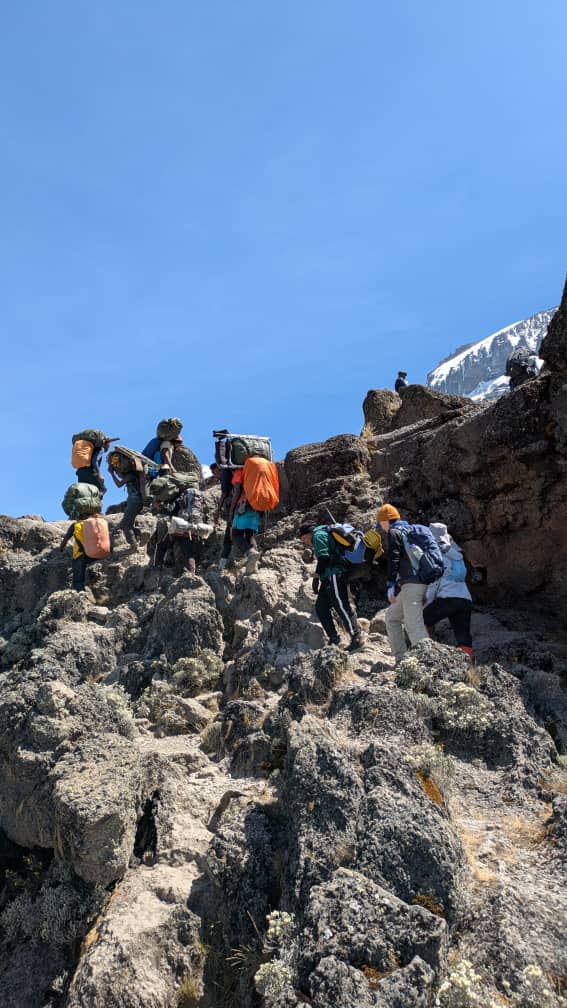
September Kilimanjaro Climb For Seniors 2026-2027
September Kilimanjaro Climb for Seniors is explained with current 2026-2027 planning, price, itinerary and booking information.
View package details
Is September Good For Climbing Kilimanjaro? Your Guide 2026-2027
Discover why September is a prime month for ascending Mount Kilimanjaro. This guide details the weather, crowds, and what to expect for your 2026-2027 climb.
View package details
September Kilimanjaro Small-Group Climb 2026-2027
September Kilimanjaro Small-Group Climb is explained with current 2026-2027 planning, price, itinerary and booking information.
View package details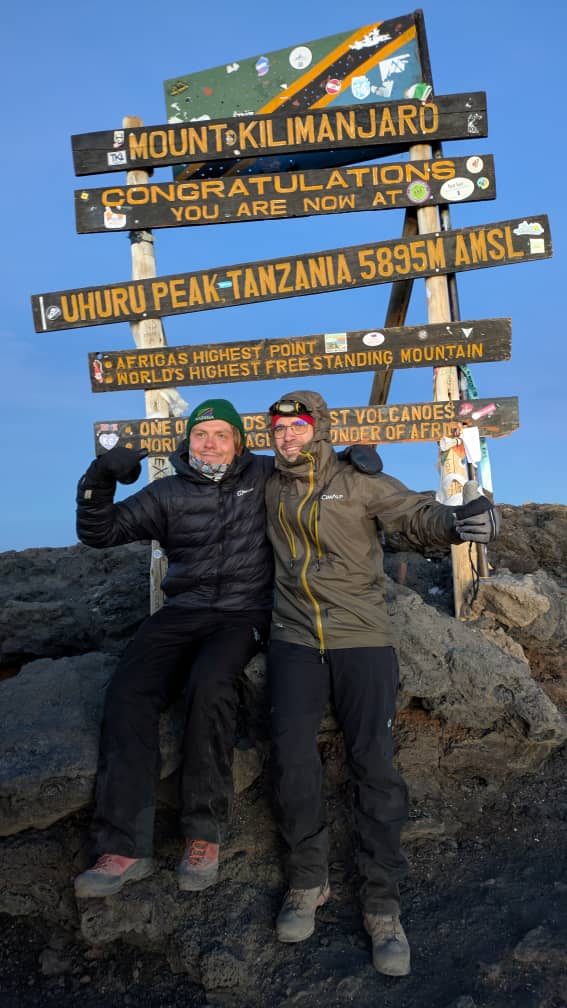
September Kilimanjaro Climb For Couples In : Your Ultimate Guide 2026-2027
A September Kilimanjaro climb offers couples dry weather, clear skies, and stunning views, making it an ideal time for a romantic and challenging adventure. This guide covers everything...
View package detailsDecember Kilimanjaro Packing Checklist: Essential Gear For Climbs 2026-2027
Prepare for your December Kilimanjaro climb with our comprehensive packing checklist. This guide covers essential gear, clothing, and tips for conquering Africa's highest peak in the dry...
View package details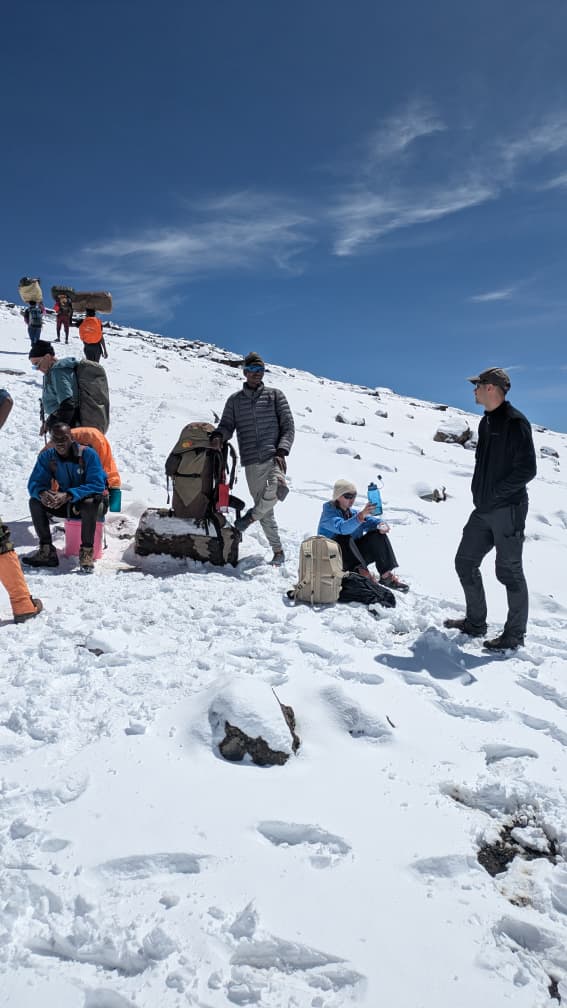
October Kilimanjaro Climb: Fewer Crowds, Great Weather 2026-2027
Planning an October Kilimanjaro climb offers a sweet spot with fewer trekkers and ideal weather conditions. Learn why October is a fantastic month for reaching Uhuru Peak and how to make...
View package detailsOctober Kilimanjaro Waterproof Packing Guide For Climbs 2026-2027
Prepare for your October Kilimanjaro climb with this comprehensive waterproof packing guide. Essential gear and clothing advice for 2026-2027 expeditions.
View package details
Is October A Good Time To Climb Kilimanjaro? Your Expert Guide For 2026-2027
Discover if October is an ideal month for your Kilimanjaro ascent. This guide covers weather, crowds, costs, and essential planning for your 2026-2027 climb.
View package details
October Kilimanjaro And Zanzibar Package: Climb & Island Bliss 2026-2027
Discover the ultimate October Kilimanjaro and Zanzibar package. This guide details combining a trek up Africa's highest peak with the idyllic beaches of Zanzibar, perfect for 2026-2027...
View package detailsOctober Kilimanjaro Climb For Couples: Your Ultimate Guide 2026-2027
Discover everything couples need to know for a successful Kilimanjaro climb in October. This guide covers the best routes, essential packing, weather insights, and booking tips for...
View package detailsOctober Kilimanjaro Private Climbing Tour: Your Ultimate Guide For 2026-2027
Your comprehensive guide to embarking on a private Kilimanjaro climb in October 2026 or 2027. Discover optimal routes, essential preparations, and why a private tour offers unparalleled...
View package detailsNo related package matches those filters. Clear one or more filters to see the other topic-matched options.



