
A Ngorongoro Crater photography safari offers unparalleled opportunities to capture iconic African wildlife and dramatic landscapes within a single, biodiverse caldera, making it a must-visit for photographers in 2026-2027. Expect to photograph the Big Five, abundant birdlife, and unique geological features, with the best viewing and photographic conditions typically during the dry seasons (June to October and December to March).
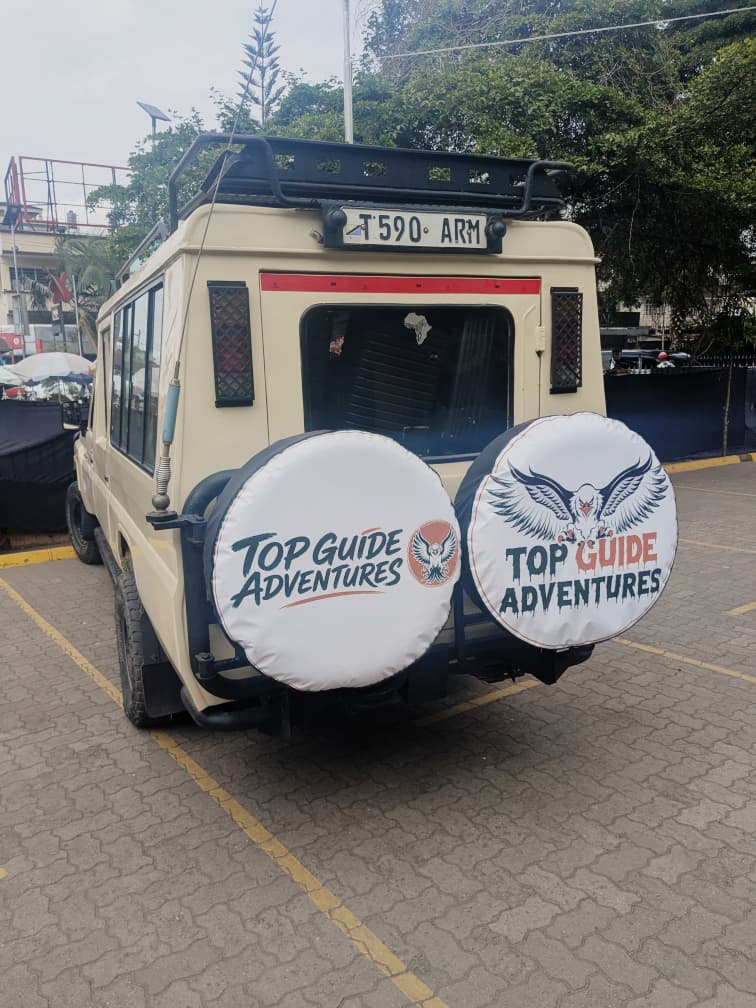

Mastering Your Ngorongoro Crater Photography Safari in 2026-2027
The Ngorongoro Conservation Area (NCA) in Tanzania is not merely a destination; it’s a living, breathing masterpiece of nature, and for photographers, it’s a dream canvas. A dedicated Ngorongoro Crater photography safari goes beyond a typical game drive, focusing on composition, light, and patience to secure those special shots. Whether you’re a seasoned professional or an enthusiastic amateur, the caldera’s unique ecosystem and dense wildlife population provide endless subjects. As we look towards 2026 and 2027, planning your trip strategically will maximize your photographic success. This comprehensive guide will equip you with everything you need to know, from the best times to visit and essential gear to understanding the crater’s wildlife and photographic hotspots.
At Top Guide Adventures, we specialize in crafting bespoke safari experiences that cater to the specific needs of photographers. We understand that capturing the essence of the Ngorongoro Crater requires more than just a vehicle and a guide; it demands flexibility, knowledge of animal behavior, and an appreciation for the subtle nuances of light and landscape. Our tours are designed to give you ample time at sightings, position you for the best light, and ensure you have the freedom to pursue your photographic vision without compromise.
Why Ngorongoro Crater is a Photographer’s Paradise
What makes the Ngorongoro Crater so special for photography? It’s a combination of factors that are hard to find anywhere else on Earth:
- Exceptional Wildlife Density: The crater floor boasts one of the highest concentrations of wildlife in Africa, including all of the Big Five (lion, leopard, elephant, rhino, and buffalo). This means fewer hours spent searching and more time capturing remarkable encounters.
- The Big Five in Close Proximity: While elusive elsewhere, leopards are often seen here, and the endangered black rhino has a stable population within the crater. Photographing these magnificent creatures against the backdrop of the caldera rim is an iconic shot.
- Unique Geological Setting: The crater itself is a vast volcanic caldera, offering dramatic panoramic views and a distinct geographical context for your wildlife shots. The sheer walls of the crater provide a natural frame.
- Birdlife Bonanza: For ornithology enthusiasts, the crater is a haven. Flamingos often paint the soda lakes pink, and numerous other water birds and raptors offer fantastic photographic opportunities.
- Variety of Habitats: Within the relatively small crater floor, you’ll find diverse habitats – grasslands, acacia woodlands, a soda lake, and swamps – each attracting different species and offering varied photographic scenarios.
- Iconic Sunrises and Sunsets: The rim of the crater provides a vantage point for spectacular sunrises and sunsets that can bathe the entire caldera in golden light, perfect for landscape and atmospheric shots.
Planning Your Ngorongoro Crater Photography Safari: The 2026-2027 Outlook
Successful wildlife photography hinges on timing. Understanding the seasons in the Ngorongoro Conservation Area is crucial for maximizing your photographic opportunities. The optimal periods for a photography safari are generally when the weather is dry, offering clear light and predictable animal movements.
Best Times for Photography in 2026-2027
The Ngorongoro Crater experiences two main seasons, each with its photographic advantages:
- The Dry Season (June to October): This is widely considered the prime time for wildlife viewing and photography.
- Pros: Clear skies, less dust, and animals congregating around remaining water sources make them easier to spot and photograph. The vegetation is less dense, improving visibility. This is also a good time for general tourism, so expect more vehicles.
- Cons: Can be cooler, especially in the mornings and evenings. Waterholes can become very crowded with animals and vehicles.
- The Short Rains (November to December): This transitional period can offer dramatic skies and fewer crowds.
- Pros: Lush green landscapes, beautiful light after rain showers, and good photographic opportunities. The wildebeest migration often passes through the wider Serengeti ecosystem during this time, with some potentially reaching the crater’s vicinity.
- Cons: Intermittent rain showers can disrupt game drives and photography. Some tracks might become muddy and less accessible.
- The Long Rains (March to May): This is the low season.
- Pros: Very few tourists, lush green scenery, and lower prices. It’s an excellent time for bird photographers as resident birds are in breeding plumage.
- Cons: Heavy rains can make many tracks impassable, limiting access to certain areas of the crater floor. Wildlife viewing can be more challenging due to dense vegetation and scattered animals.
For 2026-2027, we recommend aiming for the peak dry season (June-October) for the best overall photographic conditions, especially if your primary goal is capturing the Big Five. If you prefer fewer crowds and are keen on bird photography or dramatic skies, consider the shoulder months of November or early December.
Sunrise vs. Sunset Photography in the Crater
Both sunrise and sunset offer magical light for photographers. However, access to the crater floor is typically restricted to specific hours, usually from 6:00 AM to 6:00 PM. This means:
- Sunrise Photography: You’ll need to be at the crater entrance or on the floor as soon as it opens. The early morning light is soft, casts long shadows, and often brings mist, creating atmospheric shots. Animals are often most active in the early hours.
- Sunset Photography: You’ll need to exit the crater by 6:00 PM. This means the last hour or two before sunset offers the best opportunities. The golden hour light is warm and flattering.
Tip: Discuss your photographic goals with your Top Guide Adventures guide. They can help position you for the best light and ensure you maximize your time within the operational hours.
Essential Photography Gear for Your Ngorongoro Safari
Your camera is your most important tool, but the right accessories can make a significant difference. A Ngorongoro Crater photography safari demands versatile equipment that can handle a range of subjects and lighting conditions.
Cameras and Lenses
- Camera Body: A DSLR or mirrorless camera with good low-light performance and a fast autofocus system is ideal. Full-frame cameras excel in low light, but APS-C bodies offer a “crop factor” that can give you extra reach with telephoto lenses.
- Telephoto Lens: This is crucial for wildlife. A 300mm to 600mm equivalent lens is a good starting point. Prime lenses (e.g., 400mm or 500mm f/4) offer superior image quality and low-light performance but are heavy and expensive. Zooms like a 100-400mm or 150-600mm offer flexibility.
- Wide-Angle Lens: Useful for landscape shots of the crater, panoramic views from the rim, and when animals are very close. A 16-35mm or 24-70mm equivalent is suitable.
- Mid-Range Zoom: A 70-200mm or 24-105mm lens can be a versatile workhorse for general photography when you don’t need extreme reach.
Essential Accessories
- Tripod or Monopod: Essential for stability, especially with long lenses and in low light. A sturdy monopod is often more practical in a safari vehicle.
- Extra Batteries and Memory Cards: You’ll be shooting a lot! Ensure you have plenty of spares.
- Lens Cleaning Kit: Dust is inevitable. Wipes, a blower, and a microfiber cloth are vital.
- Camera Bag: A comfortable, durable bag that can protect your gear from dust and the elements. A backpack style is often best for carrying everything.
- Rain Cover: Especially important during the rainy seasons.
- Beanbag: A very useful accessory for resting your lens on the vehicle window or door for stability. Your guide might have one, or you can bring your own.
- Polarizing Filter: Helps reduce glare on water and enhance blue skies.
- Remote Shutter Release: For minimizing camera shake during long exposures or when capturing distant subjects.
Backup and Power
Ensure you have a reliable power bank or car adapter for charging batteries in the vehicle, as power outlets are scarce. Bring an international adapter for your accommodation.
Capturing the Iconic Wildlife of Ngorongoro
The Ngorongoro Crater is renowned for its diverse and abundant wildlife, offering endless subjects for your lens. A key element of a successful Ngorongoro Crater photography safari is knowing where and when to find specific animals.
The Big Five
- Lions: The crater is home to a healthy population of lions, often seen lounging in the grass, hunting, or interacting. Look for them near water sources and in the open grasslands. The resident pride is well-habited to vehicles.
- Elephants: While not as numerous as in other parks, the crater’s elephants are magnificent, often larger bulls with impressive tusks. They are typically found in the woodland areas and near the Ngoitokitok Spring.
- Buffalo: Large herds of African buffalo are a common sight, often grazing in the open plains or near water. They can be intimidating, so maintain a safe distance.
- Rhinos: The Ngorongoro Crater is one of the best places in Tanzania to see the critically endangered black rhino. They are most often found in the denser grass plains and near water. Patience is key, and your guide’s expertise is invaluable here.
- Leopards: These elusive cats are present but are more challenging to spot due to their nocturnal nature and camouflage. They often rest in trees or dense bushes. Early morning or late afternoon drives increase your chances.
Other Must-Photograph Species
- Cheetahs: While not as common as in the Serengeti, cheetahs patrol the open grasslands, often seen hunting.
- Hyenas: Spotted hyenas are abundant and often seen scavenging or hunting. Their unique appearance makes for striking photos.
- Hippos: Found in the Ngoitokitok and Gorigor Swamp areas.
- Jackals and Foxes: Black-backed jackals and bat-eared foxes are common and offer great opportunities for close-up shots.
- Wildebeest and Zebras: Large numbers graze on the crater floor, providing classic safari scenes.
- Birds: Over 300 species have been recorded, including flamingos, ostriches, secretary birds, kori bustards, fish eagles, and various waterfowl.
Photographic Opportunities and Techniques
- Action Shots: Look for hunting sequences, interactions between animals, or birds in flight. Early mornings and late afternoons are best for animal activity.
- Portraits: Focus on the eyes of animals. Use a shallow depth of field to blur the background and make your subject stand out.
- Behavioral Shots: Capture animals interacting, grooming, nursing, or engaging in natural behaviors. Patience is key.
- Environmental Portraits: Include the dramatic landscape of the crater in your shots to provide context and scale.
- Macro Photography: Don’t forget the smaller details – insects, flowers, or textures.
Your guide from Top Guide Adventures will be instrumental in locating these animals and understanding their behavior, significantly enhancing your photographic success.
Navigating the Crater Floor: Tips for Photographers
The Ngorongoro Crater floor is a unique environment, and navigating it requires specific considerations for photographers. Unlike national parks, the crater has stricter regulations to protect its fragile ecosystem.
Vehicle and Access Rules
- Crater Descent: Vehicles descend via specific tracks, usually the Mto wa Mbu or Mandusi track. The descent itself can be a scenic photographic opportunity.
- Time Limits: You are typically limited to a maximum of six hours on the crater floor. This emphasizes the need for efficient planning and prioritizing your shots.
- Off-Road Driving: Strictly prohibited to protect the environment and wildlife. You must stay on designated tracks.
- Vehicle Type: Open-sided 4×4 safari vehicles are standard and offer excellent visibility. Some operators, like Top Guide Adventures, can arrange specialized vehicles or ensure your vehicle is well-maintained and equipped for photography.
- Crowds: During peak season, the crater can get busy. Your guide’s experience in navigating to less crowded areas or finding unique angles is vital.
Maximizing Your Photographic Time
- Early Start: Be at the crater gate as soon as it opens (usually 6:00 AM) to take advantage of the best light and animal activity.
- Prioritize: Decide in advance which animals or scenes are your top priorities. Discuss this with your guide.
- Stay Patient: Sometimes, the best shots come from waiting for an animal to move into a better position or for the light to change.
- Look for Unique Angles: While off-road driving is not allowed, your guide can often position the vehicle to offer different perspectives.
- Respect Wildlife: Maintain a safe and respectful distance. Never feed or disturb animals. Your guide will enforce this.
Environmental Considerations
The Ngorongoro Crater is a UNESCO World Heritage Site, and conservation is paramount. As a photographer, you play a role in preserving its beauty:
- Leave No Trace: Take all your rubbish with you.
- Minimize Noise: Avoid loud noises that can disturb wildlife.
- Be Mindful of Tracks: Stay on designated paths to avoid damaging vegetation.
A well-planned Ngorongoro Crater photography safari with Top Guide Adventures will ensure you adhere to all regulations while maximizing your photographic opportunities within the allocated time.
Beyond the Crater Floor: Photographic Opportunities in the Wider NCA
While the crater floor is the main attraction, the Ngorongoro Conservation Area (NCA) offers much more for photographers. Extending your safari beyond the crater can provide a richer and more varied portfolio.
Olduvai Gorge
A significant archaeological site, Olduvai Gorge offers a stark, arid landscape and insights into early human history. While not teeming with wildlife, its geological formations and historical context can make for compelling, different types of photographs. It’s often included in multi-day itineraries.
The Ngorongoro Highlands
The highlands surrounding the crater are home to Maasai communities and offer stunning, verdant landscapes.
- Maasai Culture: With permission and respect, you can photograph aspects of Maasai life, their traditional bomas (homesteads), and their vibrant attire. This requires sensitivity and often involves a contribution or a visit arranged through local guides.
- Scenic Vistas: The drive up and down the crater rim offers impressive panoramic views, especially at sunrise and sunset. These are prime locations for landscape photography.
- Montane Forests: The upper slopes have montane forests that can offer different birdlife and smaller mammals.
Lake Eyasi
Further afield, Lake Eyasi is home to unique indigenous tribes, including the Hadzabe (hunter-gatherers) and the Datoga. Visiting this area offers incredible opportunities for cultural photography, capturing ancient traditions and unique lifestyles. This requires a dedicated excursion, often adding a day or two to your safari.
The Wider Serengeti Ecosystem
The NCA borders the Serengeti National Park. Depending on the time of year, the Great Migration may be passing through or nearby. Incorporating a few days in the Serengeti, accessible from the NCA, can dramatically enhance your wildlife photography, especially for large herds and predator action.
Top Guide Adventures can help you design an itinerary that combines the Ngorongoro Crater with these diverse photographic locations, creating a truly comprehensive Tanzanian safari experience for 2026-2027.
Accommodation for Photographers: Where to Stay
Your choice of accommodation can significantly impact your safari experience, especially for photographers who might want to review shots, charge gear, or get an early start. Options range from luxury lodges to more rustic tented camps.
Lodges and Camps within the Crater
There are no permanent accommodations inside the crater itself. All lodges and camps are located either on the crater rim or outside the conservation area.
Crater Rim Lodges
- Pros: Unbeatable views over the crater, immediate access to the crater floor at opening times, often luxurious amenities. Ideal for photographers wanting to capture sunrise/sunset over the caldera.
- Cons: Generally the most expensive option. Can be colder at night due to the altitude.
- Examples: Ngorongoro Serena Safari Lodge, Ngorongoro Crater Lodge (ultra-luxury), Lemala Ngorongoro Tented Camp (on the rim).
Lodges and Camps Outside the Crater (Karatu Area)
- Pros: More varied price points, often set in beautiful coffee plantations or natural bushland, can offer a more tranquil experience. Good base for visiting both the crater and other local attractions.
- Cons: Requires a drive (15-30 minutes) to reach the crater gate, meaning you might miss the very first light or need to leave slightly earlier for sunset.
- Examples: Gibbs Farm, Plantation Lodge, Manyara Serena Safari Lodge (near Lake Manyara, but a good base for Ngorongoro), Rhino Lodge.
Tented Camps (Mid-Range to Luxury)
- Pros: Offer a more traditional safari feel, often located in private conservancies or areas with good wildlife viewing.
- Cons: Location varies greatly; ensure it’s convenient for your Ngorongoro Crater visits.
For photographers prioritizing early access and stunning views, crater rim lodges are ideal. For those seeking value or a quieter setting, lodges in the Karatu area offer excellent alternatives. Top Guide Adventures can recommend and book accommodations that best suit your photographic needs and budget for your 2026-2027 trip.
Customizing Your Ngorongoro Crater Photography Safari
A standard safari is fantastic, but a photography-focused safari requires a different approach. Top Guide Adventures excels at tailoring tours to meet the demands of photographers.
Private Safaris for Photographers
We highly recommend a private Ngorongoro Crater photography safari. This offers:
- Flexibility: You set the pace. Spend more time at a particular sighting, wait for the perfect light, or revisit a location.
- Dedicated Vehicle: Your own 4×4 safari vehicle and an experienced driver-guide exclusively for your group.
- Extended Time: While the 6-hour limit on the crater floor is a regulation, a private safari allows for more flexibility in how you use that time, and longer stays in the wider NCA.
- Guide Specialization: We can assign guides with a keen interest and knowledge of wildlife photography.
Itinerary Planning for 2026-2027
A typical photography safari might look like this:
- Day 1: Arrival & Arusha/Karatu. Arrive at Kilimanjaro International Airport (JRO), transfer to Arusha or directly to a lodge in the Karatu area. Briefing with your guide.
- Day 2: Ngorongoro Crater Exploration. Early morning descent into the crater. Full day (6 hours) dedicated to photography on the crater floor. Picnic lunch. Ascend in the late afternoon.
- Day 3: Wider NCA / Lake Manyara / Departure. Morning activity (e.g., visit Lake Manyara National Park for tree-climbing lions, or explore the highlands) before transferring back to Arusha or JRO for departure.
For a more in-depth experience, consider extending your safari to include the Serengeti, Tarangire National Park, or cultural visits. A 7-10 day itinerary offers ample time for diverse photographic subjects.
What’s Included in a Photography Safari Package?
A comprehensive package with Top Guide Adventures typically includes:
- Private 4×4 safari vehicle with a pop-up roof
- Professional, experienced driver-guide
- Crater entry fees and concession fees
- Accommodation before and after the crater visit
- Meals as specified (full board on safari days)
- Park fees
- Bottled water in the vehicle
Exclusions often include: International flights, visas, travel insurance, tips, personal expenses, and alcoholic beverages.
We encourage you to contact us for a custom quote. Share your photographic interests, desired duration, and budget for 2026-2027, and we will craft the perfect itinerary.
Cost Considerations for Your Ngorongoro Photography Safari
The cost of a Ngorongoro Crater photography safari can vary significantly based on several factors. Understanding these will help you budget effectively for your 2026-2027 adventure.
Key Cost Determinants
- Duration of Safari: Longer safaris naturally cost more.
- Accommodation Standard: Luxury lodges are considerably more expensive than mid-range or budget-friendly tented camps.
- Type of Safari: Private safaris are more expensive per person than shared group tours, but offer much greater value and flexibility for photographers.
- Time of Year: Peak season (dry season) is generally more expensive than the low season (long rains).
- Inclusions: Some packages might include more activities or meals than others.
Typical Price Ranges (Estimate for 2026-2027)
While exact prices require a custom quote, here are general estimates per person per day for a private safari:
- Budget/Mid-Range: $300 – $500 USD per person per day. This would typically involve comfortable, clean lodges or tented camps, and a well-equipped vehicle.
- Mid-Range/Comfort: $500 – $750 USD per person per day. Expect higher-quality lodges, more exclusive camps, and potentially more personalized service.
- Luxury: $750 – $1200+ USD per person per day. This includes top-tier lodges, private conservancy access (if applicable), premium vehicles, and exceptional service.
Note: These figures are estimates and can fluctuate. Ngorongoro Crater fees are substantial and contribute significantly to the overall cost. A 1-day crater tour (6 hours) will have specific entry fees, typically around $250 per vehicle plus $300 per person for conservation fees, on top of park entry fees.
Booking Your Ngorongoro Photography Safari
For the best availability, especially for peak season dates in 2026 and 2027, we recommend booking at least 6-12 months in advance. This is particularly important if you have specific accommodation preferences or require a specialized photography setup.
Ready to capture the magic of Ngorongoro? Contact Top Guide Adventures today for a personalized quote and itinerary. Reach us via WhatsApp at +255616946642 or email us at topguideadventures@gmail.com or info@topguideadventures.com.
Frequently Asked Questions about Ngorongoro Photography Safaris
Here are some common questions we receive regarding photography safaris in the Ngorongoro Crater:
Q1: Can I bring a drone to Ngorongoro Crater for aerial photography?
A1: No, drone usage is strictly prohibited within the Ngorongoro Conservation Area and most Tanzanian national parks. This is to protect wildlife from disturbance and for safety reasons. Any attempt to fly a drone may result in confiscation and fines.
Q2: What is the best time of day for wildlife photography in the crater?
A2: The early morning hours (shortly after opening) and late afternoon (leading up to closing) generally offer the best light (golden hours) and the most active wildlife. Animals tend to be more active during these cooler parts of the day.
Q3: How close can safari vehicles get to the animals?
A3: Vehicles must maintain a safe and respectful distance from wildlife. While you can get relatively close to some animals like lions or elephants, it’s crucial to allow them space and not to harass or chase them. Your guide will ensure all regulations are followed.
Q4: Is it possible to do a full-day game drive inside the crater?
A4: While you can spend up to six hours on the crater floor, this is the maximum allowed time. A full day is typically considered to be sunrise to sunset, which isn’t feasible within the crater due to the time limit and descent/ascent times. However, a 6-hour game drive is substantial and allows for excellent photographic opportunities.
Q5: Should I bring a heavy tripod or a monopod?
A5: For vehicle-based photography, a monopod is often more practical as it’s easier to maneuver and use from a safari vehicle. A beanbag is also highly recommended for stabilizing your camera on the window or door. If you plan on any walking safaris or lodge-based photography, a lightweight travel tripod might be useful.
Q6: What kind of shots can I expect to get with a standard safari package?
A6: Standard safari packages provide excellent opportunities for general wildlife photography. However, for dedicated photographers aiming for specific shots (e.g., detailed portraits, action, specific behaviors), a private photography safari with a specialized guide and flexible itinerary is highly recommended. This ensures you have the time and positioning needed.
Conclusion: Your Unforgettable Ngorongoro Crater Photography Safari Awaits
A Ngorongoro Crater photography safari is an experience that stays with you long after you’ve returned home. The sheer concentration of wildlife, the dramatic caldera setting, and the unique light conditions combine to create a photographer’s paradise. Whether you’re aiming to capture the majesty of a lion pride, the delicate beauty of a rare black rhino, or the vast panoramas of the crater floor, preparation is key.
By understanding the best times to visit, equipping yourself with the right gear, and working with experienced guides, you can ensure your photographic endeavors in 2026-2027 are met with success. Top Guide Adventures is dedicated to making your photographic dreams a reality. We pride ourselves on offering flexible, personalized safaris that cater to the specific needs of photographers, ensuring you have the time, access, and expertise required to capture the essence of this incredible natural wonder.
Don’t miss the chance to document one of Africa’s most iconic destinations. Contact Top Guide Adventures today to start planning your bespoke Ngorongoro Crater photography safari. Let us help you create a photographic journey that tells a story for a lifetime. Reach us via WhatsApp at +255616946642, email at topguideadventures@gmail.com or info@topguideadventures.com.
Check Availability for Ngorongoro Crater Photography Safari: Your Ultimate Guide For 2026-2027
Ready to compare dates, prices, and the best option for your group? Send the package name and travel month so the team can reply with a clear quote, availability, and what is included.

December Kilimanjaro And Safari Holiday: Your Ultimate Guide 2026-2027
Discover the magic of a December Kilimanjaro and Safari holiday in Tanzania. This comprehensive guide covers everything from choosing the right Kilimanjaro route and safari destinations to...
View package details
November Kilimanjaro And Safari Package: Your Ultimate Tanzania Adventure
Explore comprehensive details for a November Kilimanjaro and Safari package in Tanzania, covering the best routes, packing essentials, safari experiences, and planning tips for 2026-2027...
View package details
October Kilimanjaro And Tanzania Safari: Your Ultimate Guide 2026-2027
Combining a Kilimanjaro climb with a Tanzania safari in October offers incredible opportunities. This guide details the best routes, wildlife viewing, weather patterns, and essential...
View package details
September Kilimanjaro Climb & Cultural Safari: Your Guide 2026-2027
This comprehensive guide covers everything you need to know for a September Kilimanjaro climb combined with a cultural safari in Tanzania, including optimal routes, packing lists, weather...
View package details
September Kilimanjaro And Serengeti Migration Safari : Your Ultimate Guide
Combining a Kilimanjaro climb with a Serengeti Migration safari in September offers unparalleled wildlife viewing and trekking opportunities. This guide details the best of both experiences...
View package details
August Kilimanjaro Climb With River-Crossing Safari: Your Ultimate Tanzania
Combine the challenge of climbing Mount Kilimanjaro in August with the thrill of witnessing the Great Migration river crossings on a safari. This guide covers itineraries, routes, packing...
View package details
August Kilimanjaro And Migration Safari: Your Ultimate Tanzania Adventure
Combine a Kilimanjaro trek with witnessing the Great Migration in August for an unforgettable Tanzania adventure. This guide covers everything you need to know for your 2026-2027 trip.
View package detailsNo related package matches those filters. Clear one or more filters to see the other topic-matched options.



