
The Empakaai Maasai Cultural Trek offers a profound journey into the heart of Maasai heritage and the impressive landscapes of Tanzania’s northern highlands, typically involving a multi-day walking expedition that culminates at the stunning Empakaai Crater, with opportunities for deep cultural exchange with Maasai communities. For planning in 2026-2027, expect a trek that requires moderate fitness, includes guided walks through diverse terrain, overnight stays in traditional villages or camps, and provides a unique perspective on Maasai daily life, traditions, and connection to the land.
Understanding the Empakaai Maasai Cultural Trek Experience
The Empakaai Maasai Cultural Trek is more than just a hike; it’s an immersion into a living culture set against one of Africa’s most iconic backdrops. This trek is designed for travelers seeking authentic experiences, a departure from the typical safari, and a genuine connection with the Maasai people, guardians of these ancestral lands for centuries. Unlike many treks that focus solely on physical challenge or scenic beauty, the Empakaai trek places a significant emphasis on cultural interaction, learning, and understanding.
Imagine walking through rolling savannahs, spotting wildlife from a distance, and then being welcomed into a Maasai boma (homestead) to share stories and learn about their way of life. The destination, Empakaai Crater, is a geological marvel, a caldera lake fringed by lush forest, offering panoramic views of the Great Rift Valley and, on clear days, Mount Kilimanjaro and Mount Meru. The journey to and from the crater is as important as the destination itself, characterized by encounters with local communities, traditional pastoralist practices, and the raw beauty of the Tanzanian wilderness.
For travelers planning for 2026-2027, this trek represents an opportunity to engage with a culture that is both ancient and remarkably resilient, adapting to the modern world while striving to preserve its unique identity. It’s a journey that rewards curiosity, respect, and an open heart.
Why Choose the Empakaai Maasai Cultural Trek?
Several compelling reasons make the Empakaai Maasai Cultural Trek a standout choice for discerning travelers:
- Authentic Cultural Immersion: This is not a staged performance. You’ll be interacting with Maasai families in their homes, learning about their customs, social structures, and daily routines directly from them.
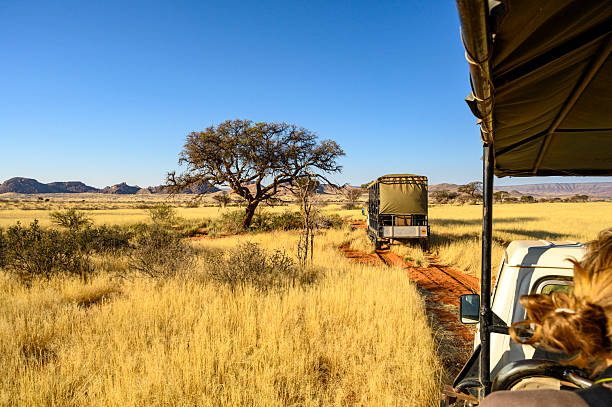
- Spectacular Natural Scenery: The trek traverses varied landscapes, from open grasslands dotted with acacia trees to the dramatic setting of the Empakaai Crater, a jewel in the Rift Valley.
- Unique Trekking Experience: It’s a walking safari combined with cultural visits, offering a different pace and perspective compared to vehicle-based safaris.
- Support for Local Communities: Your visit directly contributes to the economic well-being of the Maasai communities you visit, fostering sustainable tourism.
- Off-the-Beaten-Path Adventure: While gaining popularity, it remains less crowded than major wildlife reserves, offering a more intimate experience.
The Journey to Empakaai: Itinerary and Route Options
The Empakaai Maasai Cultural Trek is typically undertaken as a multi-day walking expedition, often integrated with visits to other significant Maasai areas. While specific itineraries can be customized by operators like Top Guide Adventures, a common structure provides a framework for understanding the journey.
Typical Trek Duration and Starting Points
Most Empakaai treks range from 3 to 5 days. The starting point is usually near Arusha or Karatu, gateway towns to the northern safari circuit. From here, you’ll be transported to the trailhead, often in areas adjacent to conservation zones or Maasai territories.
A Sample 4-Day Empakaai Cultural Trek Itinerary
This sample itinerary illustrates the flow and highlights of a typical trek. Exact timings and locations may vary based on your chosen operator and specific arrangements.
Day 1: Arrival in Maasai Land & First Cultural Encounters
After an early breakfast in Arusha, you’ll be driven towards the Loliondo or Ngorongoro Conservation Area periphery. The drive itself offers glimpses of rural Tanzanian life. Upon reaching the starting point, you’ll meet your Maasai guides and porters. After a brief orientation, you’ll begin your trek, walking through local villages. The day’s trek is relatively moderate, allowing you to acclimatize and begin interacting with your guides. The evening is spent at a campsite or a simple lodge, with opportunities to learn basic Maasai greetings and customs from your guides.
Highlights: Scenic drive, introduction to Maasai guides, first walking experience in the highlands, initial cultural insights.
Day 2: Walking Towards the Crater Highlands & Village Visit
Today involves a longer trek through rolling hills and savannah landscapes, typical Maasai grazing land. You’ll likely encounter Maasai herders with their cattle, goats, and sheep. Your guides will facilitate respectful interactions, explaining the significance of cattle in Maasai culture and their traditional nomadic lifestyle. The trek might lead you to a pre-arranged Maasai boma where you’ll be welcomed as guests. Here, you can learn about their dwelling construction (using mud, cow dung, and thatch), traditional attire, and perhaps witness or participate in daily activities like milking cows or preparing local food. An overnight stay might be arranged in a designated camping area near the boma, or within the community itself, offering a truly in-depth experience.
Highlights: Extensive walking through Maasai territory, wildlife spotting (giraffes, zebras, antelopes), direct interaction with a Maasai family, understanding daily life.
Day 3: Journey to Empakaai Crater & Exploration
The trek on Day 3 is focused on reaching the magnificent Empakaai Crater. The terrain might become steeper and more forested as you approach the crater rim. The anticipation builds with every step. Upon arrival at the rim, the view is spectacular – a vast caldera lake, often with flamingos, surrounded by dense, green vegetation. You’ll have ample time to admire the panorama, take photographs, and learn from your guides about the crater’s geology and its importance to the local Maasai. Descending into the crater is possible for those who wish, offering a closer look at the lake and its inhabitants, though the climb back up requires good stamina. The overnight stay will likely be at a campsite near the crater rim, offering stunning sunset and sunrise views.
Highlights: Arrival at Empakaai Crater, impressive caldera views, optional crater descent, learning about the crater’s ecosystem.
Day 4: Descent & Return Journey
After a final morning enjoying the views from Empakaai, you’ll begin your descent. The trek back might follow a slightly different route, allowing you to see more of the surrounding landscape or visit another community. The journey concludes at a designated pickup point where your vehicle will be waiting to transfer you back to Arusha or your next destination. Reflect on the incredible experiences and connections made during your cultural trek.
Highlights: Scenic descent, final cultural insights, return transfer, reflection on the journey.
Variations and Extensions
For those with more time or specific interests, the Empakaai trek can be extended. Popular extensions include:
- Olmoti Crater Visit: Often combined with Empakaai, Olmoti offers a different crater landscape and is known for its waterfall.
- Extended Maasai Village Stays: Spending additional nights in a boma for deeper cultural understanding.
- Integration with Ngorongoro Conservation Area: Combining the trek with game drives within the Ngorongoro Crater or surrounding areas.
- Lake Natron Excursions: If time permits, a journey to the alkaline Lake Natron, a significant flamingo breeding ground and home to the Maasai people, can be added.
What to Expect: Terrain, Wildlife, and Cultural Etiquette
Preparing for the Empakaai Maasai Cultural Trek involves understanding the physical demands, the environment, and how to engage respectfully with the Maasai people.
Trekking Conditions and Terrain
The terrain is varied and can be challenging at times. Expect:
- Undulating Hills: Much of the trek involves walking over rolling hills, which can be steep in places.
- Uneven Ground: Paths can be rocky, dusty, or muddy depending on the season.
- Altitude: The trek takes place at significant altitudes, generally between 1,500 and 2,500 meters (approx. 4,900 to 8,200 feet).
- Weather: Weather can change rapidly. You might experience warm sunshine, strong winds, and rain, sometimes all in the same day.
Good walking boots and appropriate layers of clothing are essential. Your guides will assess the conditions daily and adjust the pace accordingly.
Wildlife Encounters
While not a primary wildlife-viewing destination like the Serengeti or Masai Mara, the areas around Empakaai are home to a variety of animals. You can expect to see:
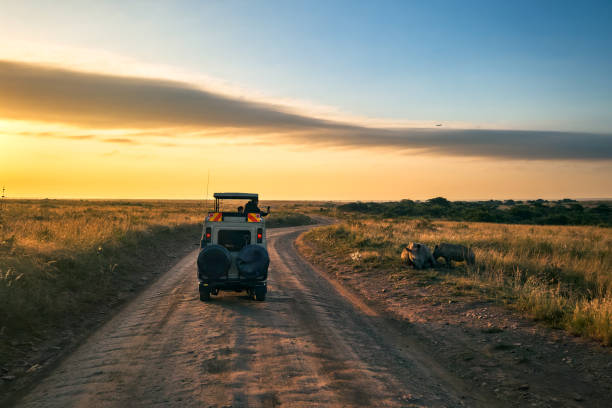
- Herds of Wildlife: Zebras, wildebeest, various antelopes (gazelles, impalas), and giraffes are common in the grasslands.
- Birds: The birdlife is rich, especially around the crater and water sources.
- Maasai Livestock: You will see large herds of cattle, goats, and sheep, which are central to Maasai life.
- Predators: While less common on the trek routes themselves, lions, hyenas, and leopards inhabit the wider region, particularly near the Ngorongoro Crater. Your guides are trained to spot signs of predators and ensure your safety.
The focus here is on experiencing wildlife in its natural habitat alongside the Maasai, understanding their coexistence.
Cultural Etiquette and Respect
Respect is paramount when visiting Maasai communities. Your guides will provide detailed instructions, but key principles include:
- Ask Before Photographing: Always seek permission before taking photos of people, especially elders and children. A small tip or gift may be appropriate after receiving permission.
- Dress Modestly: While Maasai attire is vibrant, it’s advisable for visitors to dress modestly, covering shoulders and knees, especially when visiting villages.
- Learn Basic Greetings: Knowing a few words in Swahili or Maa (the Maasai language) like ‘Jambo’ (Hello) or ‘Asante’ (Thank you) is greatly appreciated.
- Be Patient and Observant: Take time to listen and observe. Avoid interrupting or imposing your views.
- Gifts: If you wish to give gifts, practical items like school supplies for children or basic medical supplies are often more useful than sweets. Consult your tour operator for guidance.
- Respect Elders: Show deference to elders, especially men.
- Sanitation: Be mindful of hygiene and use designated facilities if provided.
Engaging with cultural sensitivity ensures a positive experience for both you and the Maasai community.
Preparing for Your Empakaai Trek: What to Pack
Proper preparation is key to enjoying your Empakaai Maasai Cultural Trek. Packing smart will ensure comfort and safety.
Essential Clothing
- Layering System: Lightweight, moisture-wicking base layers; insulating mid-layers (fleece or down jacket); waterproof and windproof outer shell.
- Trekking Trousers: Lightweight, quick-drying hiking trousers (convertible trousers are useful). Avoid jeans.
- T-shirts/Tops: Moisture-wicking fabrics are best.
- Warm Hat & Gloves: For cooler mornings and evenings at altitude.
- Sun Hat: Wide-brimmed for sun protection.
- Socks: Several pairs of good quality hiking socks.
- Camp Clothes: Comfortable, warm clothing for evenings.
Footwear
- Hiking Boots: Sturdy, broken-in waterproof hiking boots with good ankle support.
- Camp Shoes: Comfortable sandals or trainers for relaxing at camp.
Gear & Equipment
- Backpack: A comfortable daypack (20-30 liters) for essentials during the day’s trek. If porters are provided for main luggage, specify weight limits.
- Sleeping Bag: A warm sleeping bag suitable for cool nights (check temperature rating).
- Water Bottles/Hydration Reservoir: At least 2-3 liters capacity.
- Headlamp/Torch: With extra batteries.
- Sunscreen: High SPF.
- Insect Repellent: Especially for evenings.
- Personal First-Aid Kit: Including any personal medications, blister treatment, pain relievers, antiseptic wipes.
- Toiletries: Biodegradable soap, toothbrush, toothpaste, hand sanitizer.
- Trekking Poles: Highly recommended for stability and reducing strain on joints, especially on descents.
- Camera & Binoculars: To capture the scenery and wildlife.
- Power Bank: For charging electronics, as power sources are limited.
- Small Towel: Quick-drying travel towel.
Documents & Money
- Passport & Visa: Valid passport and necessary visas.
- Travel Insurance: Comprehensive travel insurance covering trekking and medical emergencies.
- Cash: Tanzanian Shillings for local purchases and tips. USD is also widely accepted for larger payments.
- Emergency Contact Information.
Health and Safety Considerations
Your well-being is crucial. Top Guide Adventures prioritizes safety on all its treks.
Altitude Sickness
While the Empakaai trek is not as high as Kilimanjaro, altitude sickness can still affect some individuals. Symptoms include headache, nausea, dizziness, and fatigue. The best prevention is to ascend gradually, stay hydrated, and avoid alcohol. Your guides are trained to recognize symptoms and will manage the pace to minimize risks. If symptoms worsen, descent is necessary.
Vaccinations and Medications
Consult your doctor or a travel clinic well in advance of your trip regarding recommended vaccinations (e.g., Yellow Fever, Hepatitis A & B, Typhoid) and malaria prophylaxis. Ensure your personal medications are well-stocked.
Hydration and Nutrition
Drink plenty of purified water throughout the day. Your tour operator will provide safe drinking water, often by boiling or using purification tablets. Meals provided on the trek are typically nutritious and prepared hygienically.
Communication and Emergency Procedures
Mobile phone reception can be spotty. Guides will carry communication devices (like satellite phones for emergencies) and know evacuation procedures. It is vital to have comprehensive travel insurance that covers medical evacuation.
Cost and Booking Your Empakaai Maasai Cultural Trek for 2026-2027
Understanding the costs involved and how to book is essential for planning your adventure.
Factors Influencing Trek Cost
The price of an Empakaai Maasai Cultural Trek can vary significantly based on several factors:
- Duration: Longer treks naturally cost more.
- Group Size: Private treks are more expensive per person than joining a group.
- Inclusions: What is included (e.g., meals, accommodation, guides, porters, park fees, transfers, cultural visit fees) varies.
- Accommodation Standard: Camping vs. more comfortable lodge stays (though camping is standard for this type of trek).
- Operator: Different tour operators have different pricing structures and overheads.
- Season: Peak seasons might see slightly higher costs.
Typical Cost Range (Estimate for 2026-2027)
While exact quotes depend on your specific requirements, you can expect the Empakaai Maasai Cultural Trek to range from approximately $150 to $300 USD per person per day. This typically includes:
- Professional Maasai guides and support staff.
- All meals during the trek (breakfast, lunch, dinner).
- Purified drinking water.
- Camping equipment (tents, sleeping mats).
- Community/cultural visit fees.
- Transfers to and from the trailhead.
Exclusions often include: Flights, visa fees, travel insurance, personal expenses, tips for guides and staff, and optional activities.
Booking with Top Guide Adventures
Top Guide Adventures specializes in crafting authentic Tanzanian experiences, including the Empakaai Maasai Cultural Trek. We work closely with local Maasai communities to ensure a genuine and mutually beneficial cultural exchange.
For 2026-2027 bookings, we recommend planning well in advance, especially if you have specific dates or require a private group.
To get a personalized quote and discuss your ideal itinerary, please contact us:
- WhatsApp: +255616946642
- Email: topguideadventures@gmail.com
- Backup Email: info@topguideadventures.com
Our team will guide you through the planning process, ensuring all your questions are answered and your trek is tailored to your interests and fitness level. We are committed to providing high-quality, responsible, and unforgettable travel experiences.
The Significance of Maasai Culture
The Empakaai Maasai Cultural Trek provides a rare opportunity to engage with one of Africa’s most iconic and enduring cultures. The Maasai people are pastoralists, their lives deeply intertwined with their cattle, which are not just a source of sustenance but also a measure of wealth and status.
Social Structure and Traditions
Maasai society is traditionally organized around age-sets, with distinct roles and responsibilities for different groups, from young boys herding livestock to warriors (morans) responsible for protection, and elders who hold wisdom and authority. Key traditions include:
- Circumcision Rites: Both male and female circumcision ceremonies mark transitions into adulthood, although female circumcision is increasingly debated and regulated.
- Marriage Customs: Marriages are often arranged, involving bride price paid in cattle.
- Warriorhood (Moran): Young men undergo a period as warriors, learning combat skills, discipline, and communal living before transitioning to elder status.
- Adornment: The distinctive red shuka (cloth), intricate beadwork, and stretched earlobes are significant cultural markers.
Language and Beliefs
The Maasai primarily speak Maa, a Nilotic language. While many also speak Swahili and some English, particularly in areas frequented by tourists, their traditional language remains vital. Traditionally, the Maasai are monotheistic, worshipping a god named Enkai, who is believed to reside in the sky. They have a deep spiritual connection to the land and animals, viewing themselves as custodians of creation.
Modern Challenges and Resilience
Despite their rich heritage, the Maasai face numerous challenges in the 21st century, including land encroachment, conservation policies impacting grazing rights, climate change affecting pastures, and the pressures of modernization. However, they are also demonstrating remarkable resilience, finding ways to adapt, engage with tourism responsibly, and advocate for their rights. Visiting Empakaai allows you to witness this enduring spirit firsthand.
Empakaai Crater: A Natural Wonder
Empakaai Crater is the jewel of this trek, a place of stunning natural beauty and ecological significance.
Geology and Formation
Empakaai is one of several volcanic craters in the Ngorongoro Conservation Area, part of the larger Great Rift Valley system. It’s a caldera formed by the collapse of a volcano after a major eruption. The crater floor is approximately 1 kilometer (0.6 miles) in diameter, and its steep walls rise dramatically from the surrounding landscape.
The Crater Lake
The most striking feature within the crater is its deep, alkaline lake. This lake is a vital water source for local wildlife and, famously, attracts large flocks of Lesser Flamingos, creating a vibrant pink spectacle against the blue water and green vegetation. The lake’s depth varies, and its shores are often fringed with reeds.
Biodiversity
While the lake itself is the main attraction, the crater’s rim and slopes are covered in dense, indigenous montane forest, providing a habitat for various bird species and smaller mammals. Monkeys, forest birds, and sometimes even buffalo can be found within the crater. The surrounding highlands are prime grazing land for Maasai cattle and support a healthy population of plains wildlife.
Conservation Status
Empakaai Crater is located within the Ngorongoro Conservation Area, a UNESCO World Heritage Site renowned for its unique combination of natural and cultural significance. The area is managed to balance conservation of wildlife and ecosystems with the needs of the resident Maasai population, a complex but crucial endeavor.
Why 2026-2027 is a Great Time for Your Trek
Planning your Empakaai Maasai Cultural Trek for 2026-2027 offers several advantages. As global travel continues to rebound and evolve, there’s a growing appreciation for authentic, sustainable, and culturally rich experiences. Choosing this period means:
- Continued Emphasis on Responsible Tourism: Operators like Top Guide Adventures are increasingly focused on ethical tourism practices that benefit local communities and minimize environmental impact. This aligns perfectly with the ethos of the Empakaai trek.
- Potential for More Personalized Experiences: While popularity is growing, planning for 2026-2027 allows for securing preferred dates and guides, potentially leading to more intimate cultural interactions.
- Established Infrastructure: By 2026-2027, the logistical support for treks like this will be well-established, ensuring a smoother journey while maintaining its rustic charm.
- Adapting to New Travel Trends: Travelers are increasingly seeking meaningful connections and deeper understanding of cultures and environments. The Empakaai trek directly addresses this desire.
Booking in advance for 2026-2027 is highly recommended, especially for specific dates or private group arrangements. This ensures availability and allows ample time for preparation.
Making Your Empakaai Maasai Cultural Trek a Reality
The Empakaai Maasai Cultural Trek is a journey that promises not only incredible sights but also profound personal growth. It’s an opportunity to step outside your comfort zone, connect with ancient traditions, and witness the raw beauty of Tanzania through the eyes of its indigenous people.
Top Guide Adventures is your trusted partner in creating this unforgettable experience. We are dedicated to providing authentic, responsible, and tailor-made adventures that respect both the environment and the cultures we visit. Whether you’re seeking a group departure or a private trek for your family or friends, we are here to help you plan every detail for your 2026-2027 adventure.
Don’t miss the chance to explore the magic of Empakaai and the vibrant spirit of the Maasai people. Contact us today to start planning your dream cultural trek:
- WhatsApp: +255616946642
- Email: topguideadventures@gmail.com
- Website: www.topguideadventures.com
Let us help you craft a journey that goes beyond the ordinary, offering deep cultural insights and impressive natural beauty. We look forward to welcoming you to Tanzania for an experience you’ll cherish forever.
Check Availability for Empakaai Maasai Cultural Trek: Your Ultimate Guide For 2026-2027
Ready to compare dates, prices, and the best option for your group? Send the package name and travel month so the team can reply with a clear quote, availability, and what is included.
Kilimanjaro Climb With Maasai Cultural Homestay Guide
Combine the thrill of summiting Mount Kilimanjaro with an authentic Maasai cultural homestay. This guide details itineraries, preparation, and what to expect for your 2026-2027 adventure.
View package details
18-Day Kilimanjaro And Northern Tanzania Grand Adventure: Trek, Safari &
An 18-day itinerary blending Kilimanjaro's summit with Northern Tanzania's wildlife and culture offers a comprehensive African experience. This adventure typically includes a multi-day trek...
View package details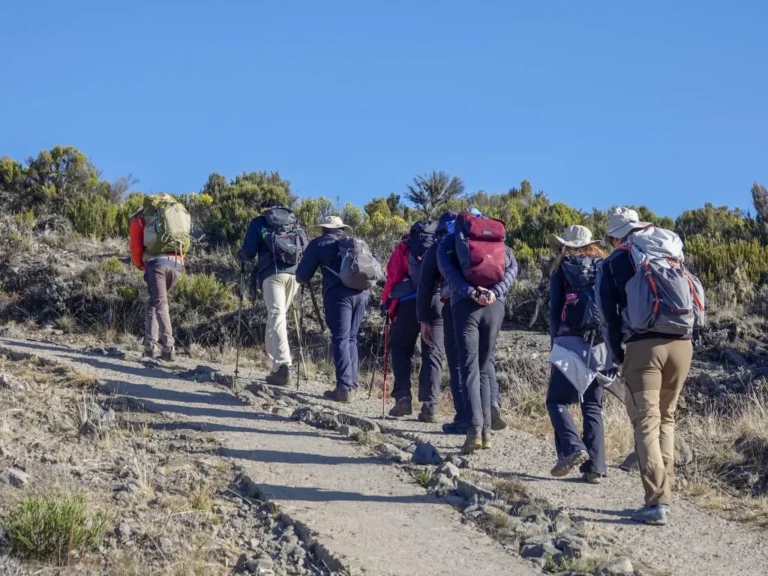
13-Day Kilimanjaro Climb, Cultural Tour & Zanzibar Holiday: Your Ultimate
This 13-day itinerary offers an unparalleled Tanzanian experience, blending the thrill of conquering Mount Kilimanjaro with deep cultural exploration and the serene beauty of Zanzibar...
View package details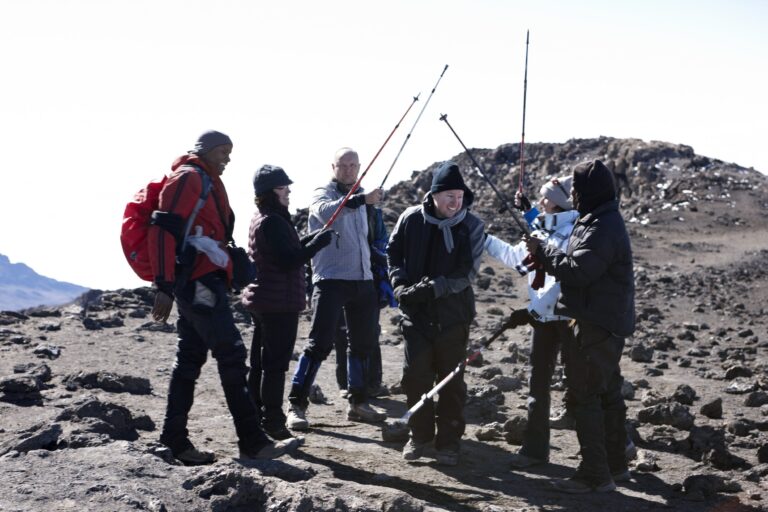
How Tourism Supports Kilimanjaro Communities: A Deep Dive With Top Guide
Explore the vital link between Kilimanjaro tourism and the well-being of local communities. Learn how your trek contributes to sustainable development, economic growth, and cultural...
View package details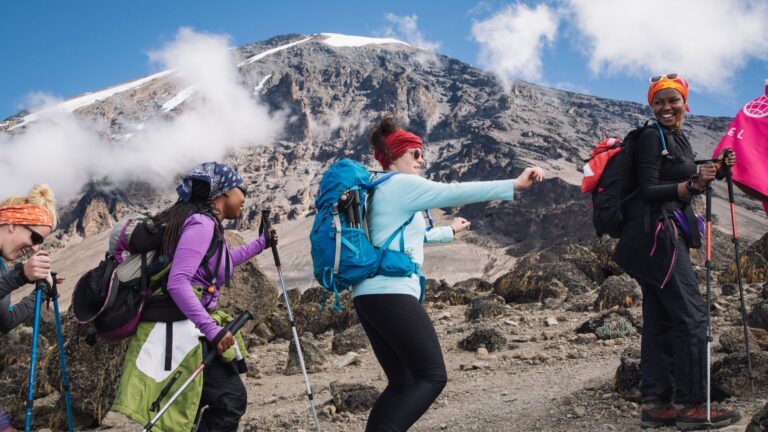
Kilimanjaro Wellness Retreat For Non-Climbers: Rejuvenate Near Africas
Experience the serene beauty and restorative power of Tanzania without the arduous climb. Our Kilimanjaro wellness retreats for non-climbers offer a unique blend of relaxation, cultural...
View package detailsKilimanjaro Climb With Chagga Village Experience: Your Ultimate Guide
Discover the ultimate Kilimanjaro climbing adventure combined with a rich Chagga village cultural immersion. This guide covers everything you need to know for your 2026-2027 trek, from...
View package details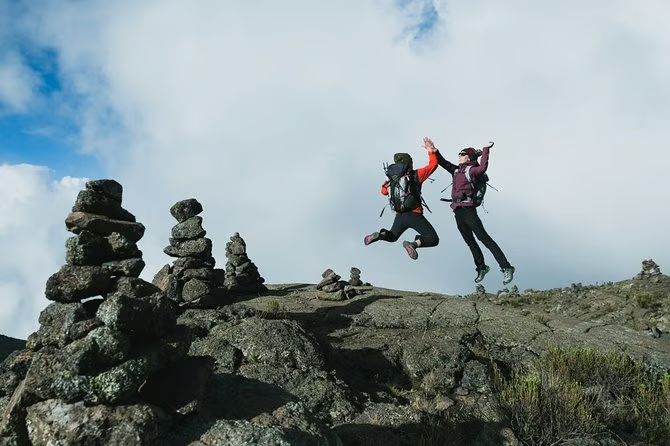
Kilimanjaro Half-Marathon Holiday Package Guide
Combine the thrill of the Kilimanjaro Half-Marathon with an unforgettable Tanzanian adventure. Top Guide Adventures offers expertly crafted holiday packages for 2026-2027, blending the race...
View package details
Kilimanjaro Active Honeymoon Adventure: Your Ultimate Romantic Trek 2026-2027
Combine the thrill of climbing Mount Kilimanjaro with the romance of a honeymoon. Top Guide Adventures offers unforgettable active honeymoon adventures on Kilimanjaro, blending challenging...
View package details
What Happens If You Cannot Sleep On Kilimanjaro? Expert Advice For Trekkers
Difficulty sleeping on Kilimanjaro is common due to altitude and exertion. This guide explains the physiological reasons, potential impacts, and practical strategies to manage sleep issues...
View package details
Kilimanjaro Climb With Lake Chala Relaxation Day: Your Ultimate Post-Trek
Experience the ultimate Kilimanjaro adventure followed by serene relaxation at Lake Chala. This guide details how to combine these incredible Tanzanian experiences, covering itineraries...
View package detailsHow To Verify Kilimanjaro Park Fees Are Included In Your Trek Package
Climbing Mount Kilimanjaro is a dream for many, but understanding the costs involved, particularly park fees, is crucial for proper planning. This guide helps you verify that all necessary...
View package details
Kilimanjaro Climb With A Personal Support Assistant: Your Ultimate Guide
Climbing Mount Kilimanjaro with a personal support assistant offers unparalleled safety, comfort, and focus on your summit goals. This guide details what a personal assistant entails, its...
View package detailsNo related package matches those filters. Clear one or more filters to see the other topic-matched options.



