
A 1-day Olmoti Crater walking tour is a unique day trip within the Ngorongoro Conservation Area, Tanzania, allowing visitors to hike to the rim and sometimes into the crater itself, guided by armed rangers, to observe its stunning waterfall, diverse flora, and potential wildlife encounters, offering a more intimate connection with the landscape than a typical vehicle safari. This tour is ideal for those seeking active exploration and a deeper appreciation of the region’s natural beauty, typically starting from Karatu or the Ngorongoro Crater rim lodges.

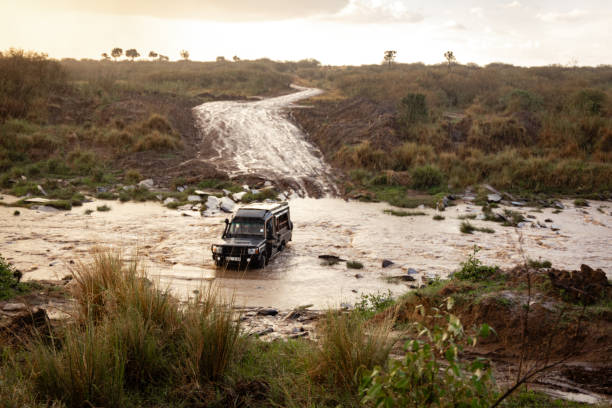
Discovering Olmoti Crater: A Premier Day Hiking Experience in Ngorongoro
The vast expanse of the Ngorongoro Conservation Area (NCA) is globally renowned for the Ngorongoro Crater, a caldera teeming with wildlife. However, beyond its famous namesake lies another geological marvel, Olmoti Crater, offering a distinct and equally rewarding adventure. A 1-Day Olmoti Crater Walking Tour provides an unparalleled opportunity to step away from the safari vehicle and connect directly with the environment. This experience is perfect for travelers in 2026 and 2027 who wish to combine the iconic sights of Tanzania with more active, off-the-beaten-path exploration. Unlike the dense game viewing of the main crater, Olmoti offers a serene, landscape-focused journey, punctuated by the impressive waterfalls and the chance to see unique high-altitude flora and fauna.
This guided walk is more than just a hike; it’s an immersion into the ecological and cultural heart of the NCA. You’ll traverse rolling highlands, encounter Maasai communities living in harmony with the land, and witness the raw beauty of a caldera shaped by volcanic forces. For those planning their Tanzanian adventure for the coming years, incorporating a 1-day Olmoti Crater walking tour into their itinerary promises a memorable and enriching experience that complements the classic safari circuit.
Why Choose Olmoti Crater for a Walking Safari?
While the Ngorongoro Crater floor is restricted to vehicle-based game drives, Olmoti Crater opens up a world of walking safari possibilities. The NCA designated Olmoti as a zone where guided walking is permitted, allowing for a different kind of wildlife viewing and landscape appreciation. This offers several distinct advantages:
- Intimate Connection with Nature: Walking allows you to appreciate the smaller details – the intricate patterns of plant life, the sounds of birdsong, the scent of the highland vegetation.
- Unique Geological Formation: Olmoti is a smaller, shallower crater than its famous neighbor, characterized by a large waterfall cascading from its rim into the crater basin.
- Cultural Immersion: The area is home to Maasai communities, and guided walks often provide opportunities to learn about their traditional way of life, cattle herding, and relationship with the land.
- Less Crowded Experience: While the Ngorongoro Crater can be busy, Olmoti offers a more tranquil and exclusive feel, especially during the shoulder seasons of 2026-2027.
- Stunning Highland Scenery: The journey to and around Olmoti takes you through the picturesque highlands of the NCA, offering panoramic views and a different ecosystem than the savannah.
Planning Your 1-Day Olmoti Crater Walking Tour: Key Considerations for 2026-2027
A successful 1-day Olmoti Crater walking tour requires careful planning. Here’s what you need to know:
Starting Points and Logistics
The most common starting points for a 1-day Olmoti Crater walking tour are:
- Karatu: This small town is a popular base for exploring the Ngorongoro Conservation Area. Many lodges and hotels in and around Karatu can arrange day trips to Olmoti. The drive from Karatu to the Olmoti gate takes approximately 45 minutes to 1 hour.
- Ngorongoro Crater Rim Lodges: If you are staying at one of the lodges perched on the rim of the main Ngorongoro Crater, you can arrange for your tour to pick you up directly. This offers convenience but may involve a slightly longer drive to the Olmoti starting point.
The tour typically begins early in the morning to maximize daylight and enjoy the cooler temperatures. You will be driven to the Olmoti gate, where you will meet your armed ranger and guide. The drive itself, through the highlands of the NCA, is scenic and offers initial glimpses of the landscape and potential wildlife.
The Role of Armed Rangers and Guides
Safety is paramount. For any walking safari within the Ngorongoro Conservation Area, including Olmoti Crater, you must be accompanied by an armed Tanzania National Parks (TANAPA) ranger. This is a mandatory requirement to protect you from any potentially dangerous wildlife encounters. Your Maasai guide, often from the local community, will provide invaluable insights into the flora, fauna, and cultural significance of the area. They work in tandem with the ranger, ensuring a safe and informative experience.
The ranger’s presence is a reassuring factor, as while Olmoti is generally considered safer for walking than some other wilderness areas, it is still wild country. Encounters with buffalo, elephants, or even predators, though rare on the main paths, are possible. The ranger is trained to handle such situations professionally.
What to Expect on the Walk
The Olmoti Crater walk is typically moderate in difficulty. The trail leads you through highland grasslands, dotted with acacia trees and other unique vegetation. The ascent to the crater rim is gradual, offering increasingly spectacular views. Once at the rim, you’ll be greeted by the sight of the Olmoti waterfall plunging into the basin below.
Depending on the group’s fitness and interest, the walk can continue down into the crater itself. This descent can be steep in places. Inside the crater, you’ll find a different microclimate, lush vegetation, and the source of the waterfall. It’s a fantastic place for birdwatching and observing smaller mammals. The entire experience, from start to finish, usually takes between 4 to 6 hours, including travel time from your accommodation and the hike itself.
Best Time to Visit (2026-2027)
The 1-Day Olmoti Crater Walking Tour can be undertaken year-round, but certain periods offer more favorable conditions:
- Dry Season (June to October): This is generally the most popular time for travel in Tanzania. The weather is dry, sunny, and less humid, making walking more comfortable. Trails are less muddy, and visibility is excellent. This period is ideal for planning your 2026 or 2027 trip if you prefer consistent good weather.
- Shoulder Seasons (March-May, November-December): These months can also be excellent. March to May often sees the end of the long rains, meaning the landscape is incredibly green and vibrant. November and December can be pleasant with occasional light showers. The advantage of traveling during these times is potentially fewer crowds and slightly lower accommodation rates.
- Wet Season (January-February, April-May): While it is the wet season, it rarely rains all day. Showers are often short and intense, typically in the afternoon. The landscape is at its most lush and beautiful. However, trails can be muddy and slippery, making the walk more challenging.
For a comfortable walking experience in 2026-2027, aiming for the dry season (June-October) or the drier parts of the shoulder seasons is advisable.
The Olmoti Crater Walking Experience: A Detailed Itinerary
While specific timings can vary based on your starting location and pace, a typical 1-Day Olmoti Crater Walking Tour itinerary looks like this:
Morning: Departure and Arrival at Olmoti
6:00 AM – 7:00 AM: Early breakfast at your lodge or hotel in Karatu or on the Ngorongoro Crater rim. You’ll be met by your guide and driver.
7:00 AM – 8:30 AM: Scenic drive towards the Olmoti Crater area. This drive takes you through the beautiful highlands of the Ngorongoro Conservation Area, offering opportunities for spotting various bird species and potentially some plains game like zebras and wildebeest.
8:30 AM – 9:00 AM: Arrival at the Olmoti Gate. Here, you’ll complete park entry formalities and meet your assigned armed ranger. Your Maasai guide will also be present, ready to lead you.
Mid-Morning: The Ascent to the Crater Rim
9:00 AM – 11:00 AM: Begin your walk towards the Olmoti Crater rim. The trail winds through highland grasslands and light woodland. Your Maasai guide will share knowledge about the local flora, medicinal plants, and the traditional uses of various species. The ranger will maintain a watchful eye for wildlife.
Keep an eye out for:
- Birds: Various species of sunbirds, turacos, and other highland birds.
- Mammals: While large game is less common on the walking trails than in the main crater, you might spot bushbucks, duikers, and potentially signs of larger animals.
- Insects and Reptiles: A fascinating array of smaller life forms.
Late Morning: Reaching the Olmoti Waterfall and Rim
11:00 AM – 12:30 PM: Arrive at the dramatic edge of Olmoti Crater. The highlight is the magnificent Olmoti Waterfall, which plunges approximately 100 meters from the crater rim into the basin below. Take time to admire the views, capture photographs, and perhaps enjoy a packed lunch or snacks provided by your tour operator.
You may have the option to descend into the crater, depending on trail conditions and your group’s preference. This descent offers a closer view of the waterfall’s source and the lush vegetation within the crater.
Lunch and Exploration
12:30 PM – 1:30 PM: Enjoy a picnic lunch at a scenic spot near the crater rim or within the crater itself. This is a perfect moment to relax and soak in the tranquility of this less-visited part of the NCA.
Afternoon: Descent and Return
1:30 PM – 3:00 PM: Begin the descent back towards the Olmoti Gate. The walk down is generally quicker than the ascent. Your guide will continue to point out interesting aspects of the environment.
3:00 PM – 4:00 PM: Arrive back at the Olmoti Gate. Bid farewell to your ranger and guide.
4:00 PM – 5:00 PM: Drive back to your lodge or hotel in Karatu or on the Ngorongoro Crater rim, reflecting on a day of active exploration and natural beauty.
Flora and Fauna of Olmoti Crater
Olmoti Crater, situated at a higher altitude than the main Ngorongoro Crater, supports a unique ecosystem characterized by highland vegetation and specific wildlife adapted to this environment.
Plant Life
The highlands surrounding Olmoti are covered in lush grasslands, interspersed with scattered acacia trees, giant heather, and other montane vegetation. As you approach and descend into the crater, the vegetation becomes denser, particularly around the waterfall. Expect to see:
- Highland Grasses: The dominant feature, providing grazing for local livestock and wildlife.
- Giant Heather (Erica arborea): Common in higher altitudes, these shrubs can grow into small trees.
- African Sage (Salvia species): Often found in drier areas.
- Ferns and Mosses: Particularly abundant in the moist environment near the waterfall.
- Various Wildflowers: Depending on the season, you might encounter colorful blooms.
Wildlife Encounters
While Olmoti Crater is not a prime wildlife viewing destination in the same league as the Ngorongoro Crater floor, it is a wild area, and encounters are possible. The focus here is often on smaller mammals and birds, but larger animals can be present.
- Mammals: You are most likely to see:
- Bushbucks and Duikers: These small antelopes are common in the wooded areas and undergrowth.
- Buffalo: While less common than in the main crater, buffalo do inhabit the highlands and may be encountered.
- Elephants: Occasionally, elephants wander into the highlands, though sightings are not guaranteed.
- Maasai Cattle: You will likely see Maasai herding their cattle, a testament to the human element of this landscape.
- Rodents and Smaller Mammals: Hyraxes, various rodents, and other small creatures are present.
- Birds: The highland environment attracts a variety of bird species. Keep an eye out for:
- Turacos: Such as the White-cheeked Turaco.
- Sunbirds: Various species feeding on nectar.
- Eagles and Vultures: Soaring above the crater.
- Other Highland Species: Including various finches, weavers, and flycatchers.
- Reptiles and Amphibians: Various lizards and potentially frogs near water sources.
Remember, the key to wildlife viewing on a walking safari is patience and observation. Your guide and ranger will be instrumental in spotting and identifying wildlife.
Cultural Significance: The Maasai and Olmoti
Olmoti Crater is not just a natural wonder; it’s also a place of deep cultural significance for the Maasai people who inhabit this region. The name ‘Olmoti’ itself is Maasai, meaning ‘mountain of food’ or ‘mountain of salt,’ reflecting its importance to their sustenance and way of life.
- Pastoralism: The highlands around Olmoti are traditional grazing grounds for Maasai cattle, goats, and sheep. You will almost certainly see Maasai herders and their livestock during your walk. This pastoralist lifestyle is central to Maasai culture, with cattle representing wealth, social status, and sustenance (through milk, blood, and meat).
- Water Source: The Olmoti waterfall is a vital water source for the local communities and their livestock, especially during the dry season.
- Traditional Practices: Historically, the Maasai have used the resources of Olmoti for various purposes. While modern practices have evolved, the connection to the land remains strong.
- Learning Opportunities: Your Maasai guide will often share insights into their traditions, beliefs, social structures, and their relationship with the environment. This cultural exchange is a valuable part of the 1-day Olmoti Crater walking tour experience, offering a perspective beyond wildlife and landscapes.
Engaging respectfully with the Maasai culture is an integral part of visiting this area. Always ask permission before taking photographs of people.
What to Pack for Your Olmoti Crater Walk
To ensure a comfortable and safe 1-Day Olmoti Crater Walking Tour, proper preparation and packing are essential. Here’s a suggested list:
Clothing
- Layered Clothing: The highland weather can change rapidly. Pack light, breathable layers like t-shirts, a fleece jacket, and a waterproof/windproof outer shell.
- Comfortable Trousers: Long, sturdy hiking trousers are recommended for protection against the sun, insects, and scratches. Avoid jeans, which can be heavy and slow to dry.
- Long-Sleeved Shirt: For sun protection and to ward off insects.
- Hat: A wide-brimmed hat or cap for sun protection.
- Warm Socks: Moisture-wicking hiking socks.
Footwear
- Sturdy Hiking Boots: Broken-in, waterproof hiking boots with good ankle support are crucial.
- Camp Shoes/Sandals: For relaxing at your lodge after the hike.
Gear and Essentials
- Backpack: A comfortable daypack to carry water, snacks, camera, and personal items.
- Water Bottles/Hydration Pack: At least 2-3 liters of water per person.
- Sunscreen: High SPF sunscreen.
- Insect Repellent: Especially important for the late afternoon.
- Sunglasses: For eye protection.
- Camera: With extra batteries and memory cards.
- Binoculars: To enhance wildlife viewing.
- Personal First-Aid Kit: Including any personal medications, blister treatment, pain relievers, and antiseptic wipes.
- Hand Sanitizer: For hygiene.
- Snacks: High-energy snacks like trail mix, energy bars, or fruit, although your tour operator will likely provide a picnic lunch.
- Cash: Small denominations for tipping guides and rangers (optional, but appreciated).
Safety on the Olmoti Crater Walk
Safety is a top priority for any walking safari. The presence of an armed ranger is mandatory and ensures a significant level of protection. However, it’s important for participants to also be aware and follow guidelines:
- Stay with Your Guide and Ranger: Never wander off on your own. Always follow their instructions.
- Maintain a Safe Distance: If wildlife is encountered, maintain a respectful and safe distance as advised by your ranger. Do not approach animals.
- Noise Levels: Keep noise to a minimum to avoid startling wildlife or provoking a defensive reaction.
- Proper Footwear: Wearing appropriate hiking boots is essential to prevent slips and falls, especially on potentially uneven or wet terrain.
- Hydration and Sun Protection: Drink plenty of water and use sunscreen and hats to prevent dehydration and sunburn.
- Wildlife Awareness: Be aware of your surroundings. Your ranger is trained to spot and interpret animal behavior.
- Communication: Ensure your mobile phone is fully charged in case of emergencies, although reception can be spotty.
The 1-Day Olmoti Crater Walking Tour is designed to be a safe and enjoyable adventure when conducted with experienced professionals and adherence to safety protocols.
Comparing Olmoti Crater with the Ngorongoro Crater
It’s natural to compare Olmoti Crater with its more famous neighbor, the Ngorongoro Crater. While both are located within the Ngorongoro Conservation Area and are of volcanic origin, they offer fundamentally different experiences:
Olmoti Crater
- Focus: Walking safari, landscape, waterfall, highland flora/fauna, cultural interaction.
- Activity: Primarily hiking on foot.
- Wildlife: Less dense game viewing; focus on smaller mammals, birds, and potential encounters with highland species.
- Scenery: Rolling highlands, dramatic waterfall, lush crater basin.
- Crowds: Significantly fewer visitors.
- Experience: Intimate, active, tranquil, culturally rich.
- Access: Limited to guided walks with rangers.
Ngorongoro Crater
- Focus: Intensive wildlife viewing (Big Five possible), savannah ecosystem.
- Activity: Vehicle-based game drives.
- Wildlife: Extremely high density and diversity of wildlife, including large predators and herbivores.
- Scenery: Vast caldera floor with diverse habitats (grasslands, swamps, forests).
- Crowds: Can be very busy with numerous safari vehicles.
- Experience: Thrilling, abundant game sightings, classic safari adventure.
- Access: Restricted to designated tracks for vehicles.
For a traveler in 2026-2027 looking for a varied Tanzanian experience, combining a 1-Day Olmoti Crater Walking Tour with a visit to the Ngorongoro Crater floor offers the best of both worlds – active exploration and unparalleled game viewing.
Cost Considerations for Your 1-Day Olmoti Crater Walking Tour
The cost of a 1-Day Olmoti Crater Walking Tour can vary depending on several factors. It’s important to get a clear quote from your tour operator.
Typically, the price will include:
- Park entry fees for Olmoti Crater and the Ngorongoro Conservation Area.
- The fee for the armed TANAPA ranger.
- Your Maasai guide’s services.
- Transportation from your lodge/hotel to Olmoti and back.
- A picnic lunch and bottled water.
What is usually not included:
- Tips for the guide and ranger.
- Personal expenses.
- Gratuities for lodge staff.
Pricing Guidance (Estimates for 2026-2027):
Prices are often quoted on a per-person basis, with potential discounts for larger groups. For a private 1-day tour, you might expect costs ranging from $150 to $300 per person, depending on the operator, the level of service, and the specific inclusions. Shared tours, if available, would be less expensive.
It’s crucial to confirm exactly what is included in the quote. For the most accurate pricing and to discuss your specific needs for a 2026 or 2027 trip, contacting a reputable tour operator like Top Guide Adventures is highly recommended. You can reach them via WhatsApp at +255616946642 or email at topguideadventures@gmail.com / info@topguideadventures.com.
Booking Your 1-Day Olmoti Crater Walking Tour with Top Guide Adventures
Securing your 1-Day Olmoti Crater Walking Tour for your 2026-2027 travels is straightforward. Top Guide Adventures specializes in crafting memorable Tanzanian experiences, including this unique day trip.
To book or inquire:
- WhatsApp: +255616946642
- Email: topguideadventures@gmail.com or info@topguideadventures.com
- Website: www.topguideadventures.com
When you contact them, be sure to mention:
- Your desired travel dates for 2026 or 2027.
- Your current location (e.g., Karatu, Ngorongoro Crater rim lodge).
- The number of people in your group.
- Any specific interests or requirements you might have.
Top Guide Adventures prides itself on offering personalized service, ensuring your 1-Day Olmoti Crater Walking Tour is perfectly tailored to your adventure plans. Their expertise guarantees a safe, insightful, and unforgettable journey into one of Tanzania’s most beautiful highland landscapes.
Frequently Asked Questions about Olmoti Crater Walks
Here are some common questions travelers have about the 1-Day Olmoti Crater Walking Tour:
What is the typical duration of the Olmoti Crater walking tour?
The tour usually lasts between 4 to 6 hours, including travel time from your accommodation, the hike itself, and a picnic lunch. The actual walking time is typically 2-3 hours.
Is it safe to walk in Olmoti Crater?
Yes, it is considered safe when accompanied by a mandatory armed TANAPA ranger and a knowledgeable Maasai guide. They are trained to handle wildlife encounters and navigate the terrain safely.
Can children do the Olmoti Crater walk?
While children can participate, it depends on their age, fitness level, and comfort with walking and wildlife. It’s advisable to discuss this with your tour operator. The terrain can be uneven, and younger children might find it challenging.
What kind of wildlife can I expect to see?
You are most likely to see highland birds, bushbucks, duikers, and Maasai cattle. While larger animals like buffalo or elephants are possible, sightings are not guaranteed. The focus is more on the landscape and the unique highland ecosystem.
Do I need special permits for Olmoti Crater?
Yes, park entry fees for the Ngorongoro Conservation Area and specific fees for the guided walk, including the armed ranger, are mandatory and are typically included in your tour package price.
What should I do if I encounter wildlife?
Always follow the instructions of your armed ranger and guide. Do not approach animals, make loud noises, or try to feed them. Maintain a safe distance and allow them to move away naturally.
Can I visit Olmoti Crater independently?
No, independent walking safaris in Olmoti Crater are not permitted. You must be accompanied by a TANAPA-approved armed ranger and a local guide, which are arranged through a licensed tour operator.
Final Thoughts on Your 1-Day Olmoti Crater Walking Tour Adventure
The 1-Day Olmoti Crater Walking Tour offers a refreshing contrast to the typical safari experience in Tanzania. It’s an opportunity to engage with nature on foot, appreciate the subtle beauty of the highland landscapes, and gain insight into the rich cultural heritage of the Maasai people. Whether you are planning for 2026 or 2027, this day trip provides a unique adventure that adds depth and variety to any Tanzanian itinerary.
For an expertly guided and safe experience, Top Guide Adventures is your go-to partner. They are dedicated to providing exceptional service and ensuring your 1-Day Olmoti Crater Walking Tour is a highlight of your trip. Reach out to them to start planning your unforgettable adventure:
WhatsApp: +255616946642
Email: topguideadventures@gmail.com or info@topguideadventures.com
Website: www.topguideadventures.com
Check Availability for Your 1-Day Olmoti Crater Walking Tour: An Essential Guide For 2026-2027
Ready to compare dates, prices, and the best option for your group? Send the package name and travel month so the team can reply with a clear quote, availability, and what is included.
 Olmoti Crater: A Comprehensive Guide For Tanzanian Safaris In 2026-2027Explore Olmoti Crater, a impressive caldera in Tanzania's Ngorongoro Conservation Area. This guide details its unique ecosystem, activities, and…View package
 Empakaai Private Hiking Adventure: A Guide To The Crater Highlands 2026-2027start a private hiking adventure to Empakaai Crater in Tanzania's stunning Crater Highlands. This guide covers everything from the trek itself…View package
 Empakaai Crater Photography Tour: Capturing Tanzanias Natural Beauty 2026-2027An Empakaai Crater Photography Tour offers a unique opportunity to capture the stunning landscapes of Tanzania's Great Rift Valley, focusing on…View package
 Empakaai Flamingo Walking Tour: Your Ultimate Guide For 2026-2027Discover the magic of the Empakaai Flamingo Walking Tour, a unique adventure in Tanzania's Ngorongoro Conservation Area. This guide covers…View package
 2-Day Empakaai Crater Camping Adventure: Your Ultimate Guide 2026-2027start an unforgettable 2-day Empakaai Crater camping adventure, a unique journey into the heart of Tanzania's Ngorongoro Conservation Area. This…View package
 1-Day Empakaai Crater Hike: Your Complete Guide For 2026-2027start an unforgettable 1-Day Empakaai Crater Hike in Tanzania's Ngorongoro Conservation Area. This guide covers everything from stunning crater…View package
 Empakaai Crater: A Tanzania Gem For Birdwatchers And Hikers 2026-2027Empakaai Crater is a impressive caldera in Tanzania's Ngorongoro Conservation Area, famous for its vibrant alkaline lake, abundant birdlife, and…View package
 Ngorongoro Crater Photography Safari: Your Ultimate Guide For 2026-2027start an unforgettable Ngorongoro Crater photography safari in 2026-2027. This guide details the best times, gear, wildlife, and planning tips…View package
 Ngorongoro Crater Family Adventure: Your Ultimate Guide For 2026-2027Discover the magic of a Ngorongoro Crater family adventure, a truly unique safari experience. This comprehensive guide covers everything from…View packageNgorongoro Crater Budget Camping Tour: Your Affordable Tanzania SafariA detailed 2026-2027 guide to Ngorongoro Crater Budget Camping Tour, with clear planning and booking information for travelers.View package
 Ngorongoro Crater Luxury Lodge Package: Your Ultimate Tanzania SafariSecure your dream Ngorongoro Crater luxury lodge package for 2026-2027. This comprehensive guide details exclusive accommodations, safari…View package
 Ngorongoro Crater Big Five Safari: Your Ultimate Guide For 2026-2027Plan your dream Ngorongoro Crater Big Five safari with Top Guide Adventures. This comprehensive guide covers everything from wildlife viewing to…View package


