
Olmoti Crater is a spectacular, ancient caldera located in the northern part of the Ngorongoro Conservation Area in Tanzania, offering a less-visited yet equally stunning natural landscape compared to its famous neighbor, the Ngorongoro Crater. It is ideal for travelers seeking a more tranquil wilderness experience, particularly for day hikes to waterfalls and exploring unique highland ecosystems, with 2026-2027 visits offering excellent opportunities for wildlife viewing and cultural interactions.


Understanding Olmoti Crater: A less crowded place in Northern Tanzania
While the Ngorongoro Crater often steals the spotlight, its smaller, less-developed sibling, Olmoti Crater, presents a compelling alternative for those looking to experience the diverse beauty of the Ngorongoro Conservation Area (NCA). Situated to the north of the main Ngorongoro Crater, Olmoti is a breathtakingly beautiful, horseshoe-shaped caldera, approximately 6 kilometers (3.7 miles) in diameter. Unlike the Ngorongoro Crater, which is a popular game drive destination, Olmoti Crater is primarily known for its stunning waterfalls, lush highland forests, and the opportunity for walking safaris, guided by local Maasai rangers. The name ‘Olmoti’ itself is Maasai, meaning ‘mountain of cattle,’ hinting at its historical significance as a grazing area for local communities.
For travelers planning their Tanzanian adventures in 2026-2027, understanding Olmoti Crater is key to appreciating the full spectrum of what the NCA has to offer. It’s a place where dramatic landscapes meet a rich cultural heritage, providing a more intimate connection with the natural environment. The accessibility, while different from the main crater, is manageable for those on multi-day safari itineraries or those seeking a dedicated day trip from nearby lodges or Arusha.
Geological Marvel: The Formation of Olmoti Crater
Olmoti Crater, like the Ngorongoro Crater, is a caldera, which is a large volcanic crater, formed by the collapse of a volcano into its magma chamber. The volcanic activity that shaped this region millions of years ago created a series of these magnificent geological features. Olmoti’s formation is attributed to a similar process, though it is considered to be an older and more eroded volcanic cone than Ngorongoro. Over millennia, the caldera’s rim has softened, and its floor has been sculpted by erosion, creating a verdant, bowl-like depression that is a stark contrast to the arid plains often associated with other parts of East Africa.
The sheer scale of the caldera, even if smaller than Ngorongoro, is impressive. Its steep, grassy slopes rise dramatically from the surrounding highlands, creating a natural amphitheater that cradles a unique ecosystem. The central feature of Olmoti is the Olmoti Falls, a spectacular cascade that plunges over the crater’s western rim, fed by the seasonal Olmoti River. This constant water source contributes to the lush vegetation found within and around the crater, supporting a variety of flora and fauna.
What to Expect at Olmoti Crater: Beyond the Big Five
When planning a safari, most visitors dream of spotting the ‘Big Five’ (lion, leopard, elephant, rhino, buffalo). While Olmoti Crater is not as densely populated with large predators as the Ngorongoro Crater, it offers a different kind of wildlife viewing experience, focusing on the unique highland species and the impressive scenery. The crater floor and its surroundings are rich with birdlife, various antelope species, and if you are lucky, you might spot buffalo, wildebeest, and zebras that venture into the area. The primary draw for many visitors, however, is the opportunity for walking safaris and the magnificent Olmoti Falls.
Walking Safaris and Guided Hikes:
One of the most rewarding activities in Olmoti Crater is a guided hike. These walks are typically led by Maasai rangers, who possess intimate knowledge of the terrain, local flora, and fauna. The trails can lead you to the majestic Olmoti Falls, offering stunning views and a refreshing atmosphere. These hikes are a fantastic way to experience the landscape up close, appreciate the smaller details of the ecosystem, and engage with the local Maasai culture. The walks are generally moderate in difficulty, suitable for most fitness levels, and provide a peaceful alternative to vehicle-based safaris.
Olmoti Falls: A Natural Spectacle
The Olmoti Falls are the undisputed highlight for many visitors. The hike to the falls is an adventure in itself, taking you through the beautiful highland vegetation. As you approach, the roar of the water grows, and the sight of the falls cascading down the sheer rock face is awe-inspiring. It’s a perfect spot for photography and simply soaking in the raw beauty of nature. Depending on the season, the volume of water can vary, but the falls are impressive year-round.
Birdwatching Opportunities
The highland forests and open grasslands around Olmoti Crater are a haven for a variety of bird species. Birdwatchers can expect to see many endemic and migratory birds, making it a rewarding destination for those with binoculars and a keen eye. While not a primary birding destination like some specific reserves, the unique habitat supports a diverse avian population.
Planning Your Visit to Olmoti Crater in 2026-2027
Visiting Olmoti Crater requires careful planning, especially considering its location within the Ngorongoro Conservation Area and its less-developed infrastructure compared to other tourist hotspots. Here’s what you need to consider for your 2026-2027 trip:
Accessibility and Getting There
Olmoti Crater is accessible via a dirt track from the main Ngorongoro road. The journey typically involves a 4×4 safari vehicle, which is standard for most Tanzanian safaris. The drive itself can be an adventure, offering glimpses of the rugged highland landscape and local Maasai villages. The nearest major town and airport is Arusha, from where most safaris begin. Depending on your itinerary, Olmoti can be visited as a day trip from lodges located near the Ngorongoro Conservation Area boundary or as part of a multi-day safari that includes other NCA attractions like the Ngorongoro Crater and the Serengeti.
Travel Time: The drive from Arusha to the vicinity of Olmoti Crater can take approximately 3-4 hours, depending on road conditions and traffic. From the main Ngorongoro gate or a lodge on the crater rim, the drive to the Olmoti trailheads is shorter, usually around 30-60 minutes.
Best Time to Visit
The best time to visit Olmoti Crater largely depends on the weather and the experience you seek. Generally, the dry seasons offer the most pleasant conditions for hiking and wildlife viewing.
- Dry Season (June to October): This period offers sunny days, clear skies, and lower humidity, making it ideal for walking safaris and enjoying the panoramic views. Wildlife is often more concentrated around water sources.
- Short Rains (November to December): The landscape becomes greener and more vibrant. While there can be occasional showers, they are usually short-lived, and the scenery is beautiful.
- Long Rains (March to May): This is the wettest period. While the landscape is exceptionally lush, heavy rains can make roads difficult to navigate and may limit walking activities. However, this is also the low season, offering fewer crowds and potentially lower prices.
For 2026-2027 travel, aiming for the dry season (June-October) is generally recommended for optimal conditions. However, the shoulder months of late May or early November can offer a good balance of pleasant weather and fewer tourists.
Accommodation Options
Accommodation near Olmoti Crater is primarily focused on lodges and tented camps situated on the rim of the Ngorongoro Crater or along the conservation area’s boundary. These range from luxury lodges offering unparalleled views and amenities to more rustic, mid-range options. Staying at these lodges allows for easy access to Olmoti Crater for day trips.
Some popular areas for accommodation include:
- Ngorongoro Crater Rim Lodges: Offering stunning views directly into the crater, these are typically high-end options.
- Karatu Area: Located a bit further from the crater rim but still within the NCA buffer zone, Karatu offers a wider range of lodges and guesthouses, often at more accessible price points.
While there are no accommodations directly inside Olmoti Crater itself, the proximity of lodges in the wider Ngorongoro Conservation Area makes it a feasible destination. Booking your accommodation well in advance is crucial, especially for popular periods in 2026-2027.
Park Fees and Permits
As part of the Ngorongoro Conservation Area, visitors to Olmoti Crater are subject to NCA entrance fees. These fees are typically paid daily and cover entry into the conservation area. For guided walks, especially those leading to Olmoti Falls, additional fees for ranger services may apply. These costs are usually incorporated into your overall safari package when booked through a tour operator.
It’s important to clarify with your tour operator what is included in your package regarding park fees and ranger services for activities like the Olmoti Crater hike. For 2026-2027, expect these fees to be part of your overall safari budget.
Activities and Experiences at Olmoti Crater
Olmoti Crater offers a distinct set of activities that appeal to travelers seeking a more active and in-depth experience in nature. While game drives are limited and not the primary focus, the opportunities for exploration on foot are exceptional.
Guided Walking Safaris
The signature experience at Olmoti Crater is the guided walking safari. Accompanied by armed Maasai rangers, these walks allow you to:
- Explore the Crater Floor: Traverse the lush, grassy floor of the caldera, observing the unique highland vegetation and smaller wildlife.
- Hike to Olmoti Falls: The trail to the falls is a highlight, offering stunning vistas and the chance to stand near the impressive cascade.
- Birdwatching: Keep an eye out for various bird species that inhabit the forests and open areas.
- Cultural Insights: Engage with your Maasai guide, learning about their traditional way of life, connection to the land, and the significance of Olmoti.
These walks are typically arranged through your lodge or tour operator and are a fantastic way to connect with the environment in a way that vehicle safaris cannot provide.
Photography Opportunities
The dramatic landscapes of Olmoti Crater, from the sweeping views of the caldera rim to the majestic Olmoti Falls and the vibrant flora, offer endless photographic possibilities. The opportunity to capture images of Maasai herders with their cattle, the unique highland scenery, and the powerful waterfall makes it a photographer’s paradise. Early morning and late afternoon light often provide the most dramatic and beautiful shots.
Cultural Encounters
The NCA is home to the Maasai people, and Olmoti Crater holds cultural significance for them. Guided walks often provide opportunities to interact with Maasai guides who share their knowledge of the land, traditional practices, and the spiritual connection they have with this ancestral territory. While not a formal cultural village visit, these interactions offer genuine insights into Maasai life.
Wildlife of Olmoti Crater: A Different Perspective
While Olmoti Crater doesn’t boast the same density of big game as the Ngorongoro Crater, its wildlife viewing is characterized by unique highland species and a more intimate encounter with nature. Expect to see:
- Antelopes: Various species of antelope, including bushbucks and reedbucks, are commonly found in the denser vegetation.
- Buffalo: Large herds of buffalo sometimes graze in the crater, adding an element of excitement to any walk.
- Wildebeest and Zebras: These migratory species may be seen in the area, especially during certain times of the year.
- Birds: The area is a birdwatcher’s delight, with numerous species of forest birds, raptors, and water birds.
- Smaller Mammals: You might also encounter smaller mammals like hyraxes, various mongoose species, and potentially even jackals or wild cats if you are very fortunate.
Predators like lions and leopards are less common in Olmoti compared to the main crater, as the terrain and lack of extensive open plains make it less suitable for their hunting strategies. However, the NCA is a vast ecosystem, and unexpected sightings are always possible.
Comparing Olmoti Crater and Ngorongoro Crater
It’s natural to compare Olmoti Crater with its world-renowned neighbor, the Ngorongoro Crater. While both are part of the same conservation area and share a volcanic origin, they offer vastly different experiences. Understanding these differences is crucial for tailoring your 2026-2027 safari to your interests.
| Feature | Olmoti Crater | Ngorongoro Crater |
|---|---|---|
| Size | Approx. 6 km diameter. Smaller and more intimate. | Approx. 16 km diameter. Larger and more expansive. |
| Primary Activity | Walking safaris, hiking to waterfalls, birdwatching, cultural insights. | Vehicle-based game drives, renowned for Big Five sightings. |
| Wildlife Density | Lower, with a focus on highland species and birds. Less common predators. | Very high, particularly for Big Five and large mammal herds. |
| Landscape | Lush highland forests, steep slopes, dramatic waterfall. | Open grassland basin, acacia woodlands, permanent water sources. |
| Crowds | Significantly fewer tourists, offering a more tranquil experience. | Can be very crowded, especially during peak season. |
| Accessibility | Requires walking and guided hikes. Vehicle access to rim/trailhead. | Accessible by 4×4 vehicles for game drives on the crater floor. |
| Permits/Fees | NCA fees apply, plus ranger fees for walks. | NCA fees apply, plus crater service fees for vehicles. |
Who should choose Olmoti? Travelers seeking solitude, active exploration, stunning natural beauty beyond big game, and a deeper connection with the environment. It’s perfect for hikers, photographers, and those interested in the unique highland ecosystem and Maasai culture.
Who should choose Ngorongoro? Travelers prioritizing guaranteed Big Five sightings, a classic game drive experience, and the chance to see a vast array of wildlife in a relatively compact area. It’s ideal for first-time safari-goers and those with limited time who want to maximize wildlife encounters.
Responsible Tourism in Olmoti Crater
Visiting natural wonders like Olmoti Crater comes with a responsibility to protect its delicate ecosystem and respect the local culture. As you plan your trip for 2026-2027, consider these responsible tourism practices:
- Stay on Designated Trails: When hiking, always follow the paths marked by your guide to avoid damaging vegetation and disturbing wildlife habitats.
- Do Not Feed Wildlife: This is crucial for maintaining the natural behavior and health of animals.
- Respect Maasai Culture: If you have opportunities to interact with local Maasai people, do so with respect. Ask permission before taking photographs of people.
- Minimize Your Footprint: Carry out all litter, avoid single-use plastics where possible, and be mindful of water usage.
- Support Local Communities: Choose lodges and tour operators that employ local staff and contribute to community development projects.
By adhering to these principles, you help ensure that Olmoti Crater remains a pristine and vibrant destination for future generations and that the benefits of tourism are shared equitably with the local communities.
Olmoti Crater in the Context of a Tanzania Safari Itinerary
Olmoti Crater is best incorporated into a broader Tanzanian safari itinerary. It complements visits to other iconic destinations like the Serengeti National Park, Tarangire National Park, Lake Manyara National Park, and the Ngorongoro Crater itself. Here are a few ways it can be integrated:
Option 1: Ngorongoro Crater Focus with Olmoti Day Trip
This is a popular approach. Spend a day or two on the Ngorongoro Crater floor for intensive game viewing. Then, dedicate a half-day or full-day to exploring Olmoti Crater, perhaps from a lodge on the crater rim or in Karatu. This offers a balanced experience of classic game drives and active exploration.
Option 2: Highland Exploration Itinerary
For travelers who enjoy hiking and nature, an itinerary can be built around the highlands. This might include:
- Day 1-2: Arrive in Arusha, prepare for safari.
- Day 3: Drive to Karatu, settle into lodge.
- Day 4: Full day exploring Olmoti Crater, including a hike to the falls.
- Day 5: Visit a local Maasai village or coffee plantation near Karatu.
- Day 6: Drive to Lake Manyara National Park for a game drive.
- Day 7: Transfer to Serengeti National Park.
Option 3: Combining with Kilimanjaro Trekking
For those combining a Kilimanjaro climb with a safari, Olmoti Crater can be an excellent addition either before or after the trek. It offers a change of pace and a different perspective on Tanzania’s natural beauty. A visit can be easily arranged from Moshi or Arusha after descending Kilimanjaro.
When planning for 2026-2027, discuss these options with your tour operator to create a bespoke itinerary that matches your interests and timeframe. Email us or contact us via WhatsApp +255616946642 to start planning.
Preparing for Your Olmoti Crater Adventure
Proper preparation is key to enjoying your visit to Olmoti Crater. Given the nature of the activities, especially walking safaris, packing appropriately is essential.
What to Pack:
- Sturdy Hiking Boots: Essential for the uneven terrain and trails. Ensure they are well broken-in.
- Comfortable Walking Clothes: Lightweight, breathable trousers and long-sleeved shirts are recommended to protect against the sun and insects. Layers are advisable as temperatures can vary.
- Rain Gear: A waterproof and windproof jacket is a must, especially during the rainy seasons, but also useful for unexpected showers in drier months.
- Sun Protection: A wide-brimmed hat, sunglasses, and high-SPF sunscreen are crucial due to the strong equatorial sun.
- Insect Repellent: Especially important for early mornings and evenings.
- Reusable Water Bottle: Stay hydrated and minimize plastic waste.
- Camera and Binoculars: To capture the stunning landscapes and wildlife.
- Small Backpack: For carrying water, snacks, camera, and extra layers during hikes.
- Personal First-Aid Kit: Including any personal medications.
Fitness Level Considerations
The hikes in Olmoti Crater are generally considered moderate. The trails can be steep in places, especially leading to the falls. A reasonable level of fitness is recommended to fully enjoy the experience. If you have concerns about mobility or fitness, discuss this with your tour operator beforehand. They can often arrange shorter or less strenuous routes where possible.
The Future of Olmoti Crater Tourism (2026-2027 and Beyond)
As Tanzania continues to develop its tourism offerings, destinations like Olmoti Crater are gaining recognition for their unique appeal. For 2026-2027, we anticipate a growing interest in off-the-beaten-path experiences that offer tranquility and authentic encounters. Efforts are likely to continue to balance conservation with tourism, ensuring that the area remains pristine while providing economic benefits to local communities.
We foresee a steady increase in visitors seeking alternatives to the more crowded tourist spots. The focus will remain on sustainable tourism practices, emphasizing guided walks and cultural interactions. For those planning their trips in the coming years, booking with experienced operators who understand the nuances of visiting areas like Olmoti Crater will be essential.
Top Guide Adventures is committed to providing authentic and responsible safari experiences. We specialize in crafting custom itineraries that highlight the best of Tanzania, including hidden gems like Olmoti Crater. Our experienced guides ensure that your journey is not only adventurous but also safe and culturally enriching. Whether you are planning a comprehensive safari for 2026-2027, a Kilimanjaro trek, or a relaxing Zanzibar holiday, we are here to help you create unforgettable memories.
To discuss your dream Tanzanian adventure, including a visit to Olmoti Crater, please do not hesitate to contact us. You can reach us via WhatsApp at +255616946642 or send an email to topguideadventures@gmail.com. For alternative inquiries, you can also use info@topguideadventures.com. Let us help you explore the wonders of Tanzania.
Check Availability for Olmoti Crater: A Comprehensive Guide For Tanzanian Safaris In 2026-2027
Ready to compare dates, prices, and the best option for your group? Send the package name and travel month so the team can reply with a clear quote, availability, and what is included.
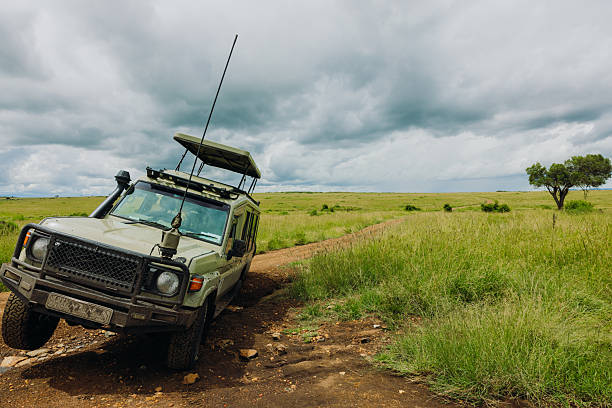 Empakaai Private Hiking Adventure: A Guide To The Crater Highlands 2026-2027start a private hiking adventure to Empakaai Crater in Tanzania's stunning Crater Highlands. This guide covers everything from the trek itself…View package
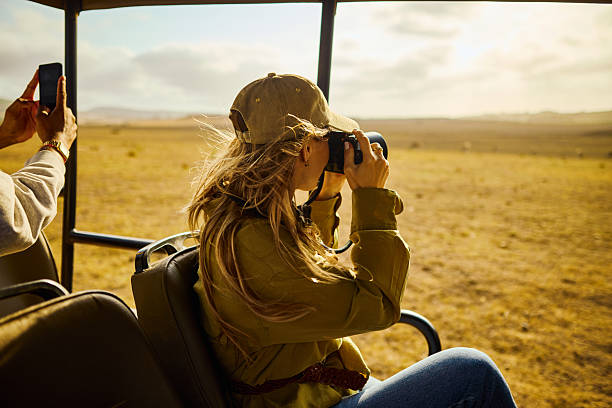 Empakaai Crater Photography Tour: Capturing Tanzanias Natural Beauty 2026-2027An Empakaai Crater Photography Tour offers a unique opportunity to capture the stunning landscapes of Tanzania's Great Rift Valley, focusing on…View package
 2-Day Empakaai Crater Camping Adventure: Your Ultimate Guide 2026-2027start an unforgettable 2-day Empakaai Crater camping adventure, a unique journey into the heart of Tanzania's Ngorongoro Conservation Area. This…View package
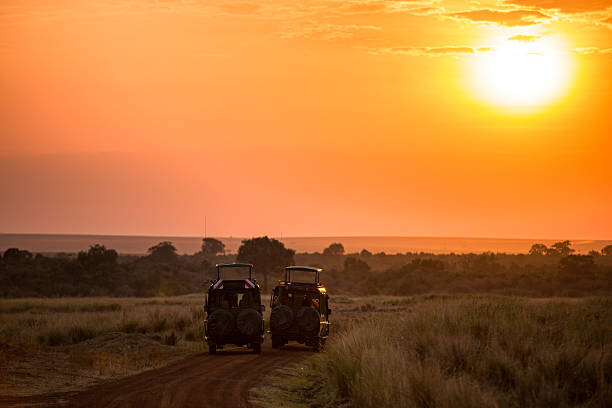 1-Day Empakaai Crater Hike: Your Complete Guide For 2026-2027start an unforgettable 1-Day Empakaai Crater Hike in Tanzania's Ngorongoro Conservation Area. This guide covers everything from stunning crater…View packageEmpakaai Crater: A Tanzania Gem For Birdwatchers And Hikers 2026-2027Empakaai Crater is a impressive caldera in Tanzania's Ngorongoro Conservation Area, famous for its vibrant alkaline lake, abundant birdlife, and…View package
 Ngorongoro Crater Photography Safari: Your Ultimate Guide For 2026-2027start an unforgettable Ngorongoro Crater photography safari in 2026-2027. This guide details the best times, gear, wildlife, and planning tips…View package
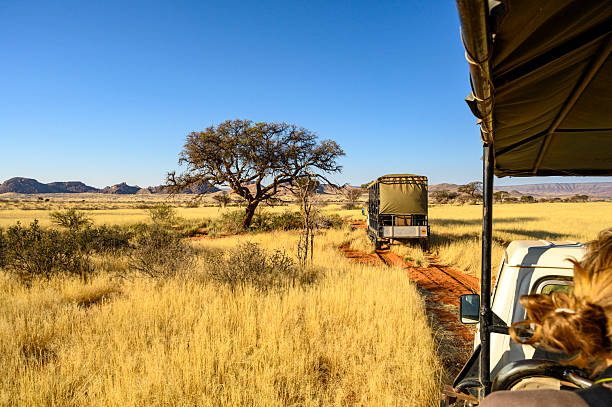 Ngorongoro Crater Family Adventure: Your Ultimate Guide For 2026-2027Discover the magic of a Ngorongoro Crater family adventure, a truly unique safari experience. This comprehensive guide covers everything from…View packageNgorongoro Crater Budget Camping Tour: Your Affordable Tanzania SafariA detailed 2026-2027 guide to Ngorongoro Crater Budget Camping Tour, with clear planning and booking information for travelers.View package
 Ngorongoro Crater Luxury Lodge Package: Your Ultimate Tanzania SafariSecure your dream Ngorongoro Crater luxury lodge package for 2026-2027. This comprehensive guide details exclusive accommodations, safari…View package
 Ngorongoro Crater Big Five Safari: Your Ultimate Guide For 2026-2027Plan your dream Ngorongoro Crater Big Five safari with Top Guide Adventures. This comprehensive guide covers everything from wildlife viewing to…View package
 2-Day Ngorongoro Crater Wildlife Tour: Your Essential Guide For 2026-2027Plan your ultimate 2-day Ngorongoro Crater wildlife tour with Top Guide Adventures. This guide covers everything from wildlife encounters and…View packageNgorongoro Crater Safari: Your Ultimate Guide For Adventures 2026-2027The Ngorongoro Crater offers an unparalleled wildlife viewing experience in Tanzania, renowned for its dense animal populations and stunning…View package


