
An Olmoti Crater birdwatching tour offers a unique opportunity to observe a rich variety of avian species in a pristine highland environment within the Ngorongoro Conservation Area, Tanzania. These tours typically involve guided walks or drives to key birding hotspots around the crater rim and its slopes, focusing on species like the Golden-winged Sunbird, Rufous-tailed Weaver, and various raptors, often requiring at least a full day or two for comprehensive exploration, especially when combined with other nearby attractions in the Ngorongoro Highlands for your 2026-2027 travel plans.


Discovering Olmoti Crater: A Birdwatcher’s Paradise
The Olmoti Crater, located within the northern highlands of the Ngorongoro Conservation Area (NCA), presents a less-trodden yet incredibly rewarding destination for avid birdwatchers. Unlike its more famous neighbor, the Ngorongoro Crater, Olmoti offers a tranquil, intimate experience characterized by its lush montane forests, rolling grasslands, and the stunning Munge Falls cascading from its rim. This unique ecosystem creates a haven for a diverse array of birdlife, making an Olmoti Crater birdwatching tour a must for serious ornithologists and nature enthusiasts visiting Tanzania.
Top Guide Adventures specializes in crafting bespoke birding expeditions that go beyond the typical safari. We understand that birdwatching requires patience, local knowledge, and the right timing. Our Olmoti Crater tours are designed to maximize your chances of spotting elusive species, offering expert guidance through varied habitats that support a remarkable number of endemic and migratory birds. Whether you are planning for 2026 or 2027, we ensure your birding adventure is both successful and memorable.
Why Choose Olmoti Crater for Birdwatching?
Several factors make Olmoti Crater a compelling choice for your next birding adventure:
- Unique Habitat Diversity: The crater floor, slopes, and surrounding highlands transition from dense montane forest to open grasslands and the dramatic waterfall area. This variety supports distinct bird communities, from forest dwellers to open-country specialists.
- Endemic and Rare Species: The highlands are home to species like the Golden-winged Sunbird, a true gem of the East African mountains. Other sought-after species include the Rufous-tailed Weaver, Schalow’s Turaco, and various forest-dwelling species.
- Fewer Crowds: While the Ngorongoro Crater draws significant tourist traffic, Olmoti remains relatively secluded. This offers a more peaceful and undisturbed birding experience, allowing for better observation and photography opportunities.
- Accessibility and Integration: Located within the NCA, Olmoti is accessible as part of a broader Northern Tanzania safari circuit. It can be easily combined with visits to the Ngorongoro Crater, Lake Manyara, and the Serengeti, making it a flexible addition to any itinerary.
- Expert Local Guides: Our guides are not just drivers; they are passionate ornithologists and naturalists with intimate knowledge of Olmoti’s birding hotspots, calls, and behaviors. They are crucial for spotting and identifying the myriad species you’ll encounter.
Planning Your Olmoti Crater Birdwatching Tour: The Best Time to Visit
Timing is critical for any birdwatching expedition. For an Olmoti Crater birdwatching tour, the optimal periods align with Tanzania’s general dry and wet seasons, but with specific considerations for highland birding.
Dry Seasons (June to October and December to February)
The long dry season from June to October is generally considered the prime time for birdwatching in many parts of Tanzania, including the highlands around Olmoti. During this period:
- Improved Visibility: The vegetation is less dense, making it easier to spot birds.
- Water Sources: Birds tend to congregate around available water sources, which can be predictable locations for observation.
- Raptor Activity: Many raptors are more active during the dry season.
- Pleasant Weather: Temperatures are cooler and more comfortable for hiking and exploring the crater’s surroundings.
The short dry season from December to February also offers good birding, though it can be interspersed with occasional rains. This period can be excellent for observing resident birds and potentially some early migrants.
Wet Seasons (November and March to May)
The wet seasons, particularly the long rains from March to May, can present challenges but also unique opportunities:
- Breeding Plumage: Many bird species are in their most vibrant breeding plumage during and after the rains, making them more visually striking.
- Migratory Birds: European and other migratory birds may be present, especially during the shoulder months of November and March.
- Lush Landscapes: The scenery is incredibly lush and green, offering a beautiful backdrop.
- Challenges: Roads can become muddy and difficult to navigate, and bird activity might be more dispersed due to abundant water. Rain can also interrupt outdoor activities.
Recommendation for 2026-2027: For the best balance of good weather, accessible terrain, and bird activity, consider planning your Olmoti Crater birdwatching tour for June-October 2026 or January-February 2027. The shoulder months of November 2026 and March 2027 can also be rewarding for those seeking specific migratory species and vibrant breeding colors, provided you are prepared for potential rain.
Key Bird Species to Look For at Olmoti Crater
The avian richness of Olmoti Crater is impressive. While a comprehensive list would be extensive, here are some of the star species and bird families you should aim to spot during your tour:
Highland Endemics and Specialties
- Golden-winged Sunbird (Nectarinia reichenowi): Perhaps the most sought-after species in the highlands. Its iridescent golden-green plumage and distinctive song make it a highlight. Look for them in flowering shrubs and forests.
- Schalow’s Turaco (Tauraco schalowi): A beautiful forest bird with a striking crest and red wing flashes. Their distinctive calls often give away their presence before they are seen.
- Rufous-tailed Weaver (Histurgops leucocephalus): Often found in small colonies, these weavers are endemic to the highlands and are a key target for birders.
- White-naped Pigeon (Columba albitorques): Another highland specialty, often seen foraging in open areas or along forest edges.
- Alpine Chat (Oenanthe lugens lugubris): A common resident of rocky areas and open slopes in the highlands.
Birds of Prey
The open spaces and cliffs of Olmoti are ideal for raptors:
- Martial Eagle (Polemaetus bellicosus): One of Africa’s largest and most powerful eagles, often seen soaring over the plains or perched on prominent trees.
- Augur Buzzard (Buteo augur): Common in the highlands, with both dark and light morphs visible.
- Verreaux’s Eagle (Aquila verreauxii): A magnificent black eagle that favors rocky outcrops and cliffs for hunting.
- Lammergeier (Bearded Vulture) (Gypaetus barbatus): While more common in mountainous regions further afield, sightings are possible in the wider NCA.
Forest and Bushland Birds
The montane forests surrounding the crater are rich with life:
- Hartlaub’s Turaco (Tauraco hartlaubi): Similar to Schalow’s, but found in slightly different forest types.
- Narina Trogon (Apaloderma narina): A stunningly colored bird, often found in dense forest undergrowth.
- Various Sunbirds: Besides the Golden-winged, look for species like the Variable Sunbird, Beautiful Sunbird, and Malachite Sunbird.
- Forest Robin (Stiphrornis spp.): Small, secretive birds of the forest floor.
- African Emerald Cuckoo (Chrysococcyx cupreus): Known for its dazzling green plumage.
Waterbirds (near Munge Falls and streams)
While not a primary waterbird habitat, streams and pools can attract:
- African Black Duck (Anas sparsa): Found on fast-flowing rivers and streams.
- Malachite Kingfisher (Alcedo cristata): Small and brightly colored, often seen near quieter water bodies.
Crafting Your Olmoti Crater Birdwatching Itinerary
A well-structured itinerary is key to maximizing your birding success. Top Guide Adventures designs tours that balance efficient bird spotting with comfortable travel and an appreciation for the overall landscape.
Typical Tour Durations
An Olmoti Crater birdwatching tour can be structured in several ways:
- Day Trip: For those on a tighter schedule, a full day trip from Karatu or Arusha is possible. This typically involves an early start, driving to the crater rim, a guided walk along the rim or a descent partway, and returning by late afternoon. This allows for spotting many key species but might feel rushed.
- 2-Day/1-Night Exploration: This is often the ideal minimum duration. It allows for a more relaxed pace, exploring different areas of the crater floor and slopes. Staying overnight in a lodge or camp near the NCA boundary provides flexibility for early morning and late afternoon birding, which are often the most productive times.
- 3-Day+ Integrated Experience: For dedicated birders, combining Olmoti with other birding hotspots in the NCA (like Ngorongoro Crater rim, Empakaai Crater, or nearby forests) over several days offers the most comprehensive experience. This allows for deeper exploration and increases the chances of finding rarer species.
Sample Itinerary Outline (3 Days / 2 Nights)
This is a conceptual outline, fully customizable with Top Guide Adventures:
Day 1: Arrival and Highland Introduction
- Morning: Drive from Arusha or Karatu to the Ngorongoro Conservation Area entrance.
- Late Morning: Ascend towards the Olmoti Crater area, stopping at viewpoints for potential raptor sightings.
- Afternoon: Check into your lodge/camp. Begin a guided walk on the crater rim or nearby forest trails, focusing on highland species.
- Evening: Relax and prepare for a full day of birding.
Day 2: Olmoti Crater Exploration
- Early Morning: Head into Olmoti Crater. Descend to the crater floor (or a designated accessible point) with your guide.
- Morning: Extensive birding on the crater floor, searching for Golden-winged Sunbirds, Turacos, and forest edge species. Visit Munge Falls.
- Lunch: Picnic lunch amidst the stunning scenery.
- Afternoon: Explore different habitats within the crater or on its slopes, focusing on species missed in the morning.
- Late Afternoon: Return to your accommodation.
Day 3: Further Exploration and Departure
- Early Morning: Another opportunity for birding in a different nearby area or revisiting a productive spot.
- Late Morning: Begin your drive back towards Arusha or your next destination, with stops for any final sightings.
- Afternoon: Arrive back in Arusha.
This itinerary can be adapted for 2026-2027 travel, incorporating specific interests and pace requirements.
Olmoti Crater Birding Activities and Techniques
Your Olmoti Crater birdwatching tour will involve a combination of activities:
- Guided Walks: The most effective way to experience Olmoti. Trails range from relatively flat rim paths to steeper descents onto the crater floor. Guides will lead you through montane forests, grasslands, and along streams.
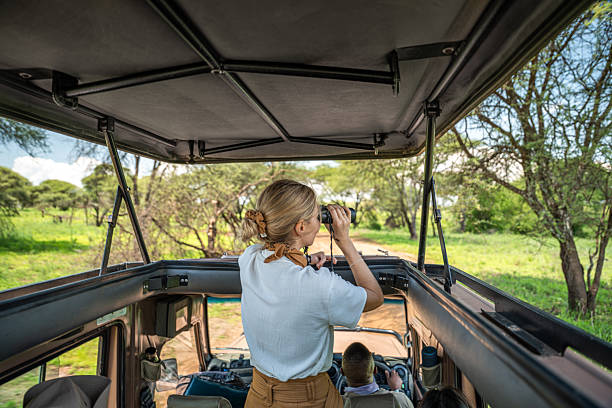
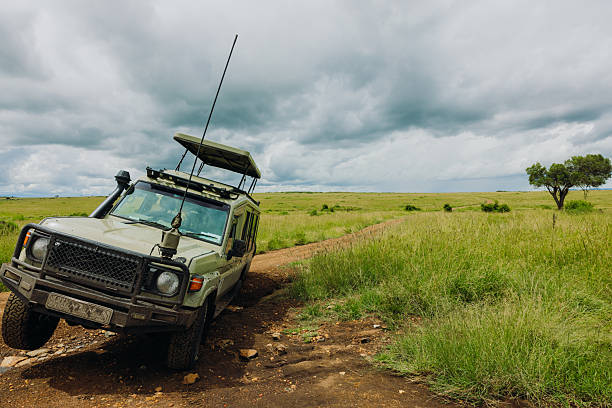
- Vehicle Safaris: While walking is primary, your safari vehicle will be used for transfers to trailheads and for accessing viewpoints. It can also be used for slow drives on designated tracks within the NCA for spotting larger birds of prey or grassland species.
- Bird Calls and Playback: Experienced guides may use subtle playback of bird calls to attract shy species for better viewing. This is done ethically and sparingly to avoid disturbing wildlife.
- Binoculars and Spotting Scopes: Essential equipment. Top Guide Adventures can advise on rental options if you don’t wish to bring your own.
- Field Guides: Carrying a reliable field guide for East African birds is highly recommended.
- Patience and Observation: Birdwatching is a game of patience. Spending time in productive areas, listening intently, and observing subtle movements are key.
What to Pack for Your Olmoti Birding Tour
Packing appropriately ensures comfort and enhances your birding experience. For an Olmoti Crater birdwatching tour, consider:
- Clothing: Lightweight, breathable layers are best. Neutral colors (khaki, green, brown) are ideal for birdwatching. Include long-sleeved shirts and trousers for sun and insect protection. A warm fleece or jacket is essential for cool highland mornings and evenings. Waterproof rain gear is highly recommended, especially during the wet seasons.
- Footwear: Comfortable, sturdy hiking boots are a must, especially if you plan to descend into the crater.
- Headwear: A wide-brimmed hat for sun protection and a beanie for warmth.
- Optics: High-quality binoculars (e.g., 8×42 or 10×42) are essential. A spotting scope can be beneficial for distant raptors or specific species, though your guide will likely have one.
- Camera: With a good zoom lens for wildlife photography. Extra batteries and memory cards are advisable.
- Sun Protection: High SPF sunscreen, sunglasses.
- Insect Repellent: Especially for evenings and areas with denser vegetation.
- Personal Items: Small backpack for day trips, reusable water bottle, personal first-aid kit, hand sanitizer.
- Field Guide: A comprehensive guide to birds of East Africa.
Accommodation Options Near Olmoti Crater
While there are no accommodations directly inside Olmoti Crater, several lodges and camps in the surrounding Ngorongoro Conservation Area offer convenient access:
- Karatu Area Lodges: Karatu town and its surroundings offer a range of options from mid-range to luxury lodges. These provide a comfortable base and are a reasonable drive to the Olmoti access points.
- NCA Rim Lodges: A few lodges are situated closer to the crater rim areas, offering more direct access and sometimes stunning views. These can be more exclusive and pricier.
- Camping: Designated campsites within the NCA offer a more rustic and budget-friendly experience, allowing for closer proximity to nature. Top Guide Adventures can arrange full-service camping.
When booking your Olmoti Crater birdwatching tour for 2026-2027, discuss your accommodation preferences with us, and we will tailor the options to your budget and comfort level.
Integrating Olmoti Crater into a Wider Tanzania Birding Safari
Olmoti Crater is a fantastic addition to a broader birding safari in Northern Tanzania. Consider combining it with:
- Ngorongoro Crater: While known for mammals, the crater rim and surrounding highlands host distinct bird species.
- Empakaai Crater: Another stunning caldera, offering different forest and birding opportunities, often accessible via longer treks.
- Lake Manyara National Park: Famous for its diverse birdlife, including tree-climbing lions, elephants, and abundant waterbirds along the lake shore.
- Serengeti National Park: Offers vast open plains and acacia woodlands, home to a different set of avian species, including large ground birds and numerous raptors.
- Tarangire National Park: Known for its large elephant herds and diverse birdlife, especially during the dry season when birds congregate around the Tarangire River.
- Arusha National Park: Offers Mount Meru’s slopes, Momella Lakes (for waterbirds), and Ngurdoto Crater, providing a varied birding experience close to Arusha.
Top Guide Adventures excels at creating multi-destination birding safaris that flow logically, ensuring you experience the maximum avian diversity Tanzania has to offer. We can help you plan a comprehensive Olmoti Crater birdwatching tour and beyond for your 2026-2027 adventure.
Birding Ethics and Conservation at Olmoti
As visitors to a protected area, responsible birdwatching is paramount:
- Respect Wildlife: Maintain a safe distance from all animals. Never feed them or disturb their natural behavior.
- Minimize Noise: Avoid loud noises, especially in sensitive forest areas, as this can stress birds and disrupt their activities.
- Stay on Trails: Stick to designated paths to avoid damaging fragile vegetation and disturbing ground-nesting birds.
- Responsible Photography: Do not use excessive flash, chase birds for a photo, or disturb them in any way.
- Leave No Trace: Pack out everything you pack in, including all litter.
- Support Local Communities: Your tour fees contribute to conservation efforts and the local economy.
Top Guide Adventures is committed to sustainable tourism practices and educates all our guests on ethical wildlife viewing. An Olmoti Crater birdwatching tour with us ensures your visit benefits conservation and local communities.
The Role of Guides in Your Olmoti Birding Experience
The expertise of your guide is arguably the most critical factor for a successful Olmoti Crater birdwatching tour. Our guides are:
- Highly Trained Ornithologists: They possess extensive knowledge of local bird species, their calls, habitats, and behaviors.
- Skilled Trackers: They can spot camouflaged birds that might otherwise go unnoticed.
- Experienced Drivers: Navigating the NCA roads safely and efficiently.
- Cultural Interpreters: Providing insights into the local Maasai culture and the NCA’s conservation efforts.
- Safety Conscious: Ensuring your well-being throughout the tour.
We invest heavily in training our guides to ensure they are among the best in Tanzania. For your 2026-2027 trip, expect a guide who enhances your birding experience significantly.
Cost Considerations for an Olmoti Crater Birdwatching Tour
The cost of an Olmoti Crater birdwatching tour varies based on several factors:
- Duration: Longer tours naturally cost more.
- Accommodation Level: Camping, mid-range lodges, or luxury lodges will significantly impact the price.
- Group Size: Private tours are more expensive per person than joining a small group departure.
- Inclusions: What is included (park fees, meals, activities, transfers) varies between operators.
- Time of Year: Peak season (dry months) might have slightly higher rates.
A typical Olmoti Crater birdwatching tour, when integrated into a Northern Tanzania safari, might see costs ranging from $250 – $600+ per person per day, depending heavily on the factors above. This usually includes:
- NCA entry fees
- Accommodation
- All meals (during safari portion)
- A specialized birding guide and safari vehicle
- Crater fees (if applicable to specific access points)
Exclusions typically include:
- International flights
- Visa fees
- Travel insurance
- Tips for guides and staff
- Personal expenses (souvenirs, drinks)
For a personalized quote for your Olmoti Crater birdwatching tour in 2026 or 2027, please contact Top Guide Adventures directly. We offer transparent pricing and excellent value for expert-led birding expeditions.
Booking Your 2026-2027 Olmoti Crater Birdwatching Tour
Ready to experience the exceptional birdlife of Olmoti Crater? Top Guide Adventures is your premier partner for an unforgettable birding journey in Tanzania.
We tailor every Olmoti Crater birdwatching tour to your specific interests, fitness level, and budget. Whether you dream of spotting the Golden-winged Sunbird, exploring pristine montane forests, or combining Olmoti with the iconic wildlife of the Serengeti, we make it happen.
Contact us today to start planning your 2026-2027 birdwatching adventure:
- WhatsApp: +255616946642
- Email: topguideadventures@gmail.com
- Backup Email: info@topguideadventures.com
Let Top Guide Adventures guide you to the hidden avian treasures of Olmoti Crater. We look forward to helping you craft the perfect birding safari!
Check Availability for Olmoti Crater Birdwatching Tour: Your Ultimate Tanzania Birding Adventure
Ready to compare dates, prices, and the best option for your group? Send the package name and travel month so the team can reply with a clear quote, availability, and what is included.
 Your 1-Day Olmoti Crater Walking Tour: An Essential Guide For 2026-2027Explore the geological wonder of Olmoti Crater on a guided walking tour. This 1-day adventure offers a unique perspective on Ngorongoro's…View package
 Olmoti Crater: A Comprehensive Guide For Tanzanian Safaris In 2026-2027Explore Olmoti Crater, a impressive caldera in Tanzania's Ngorongoro Conservation Area. This guide details its unique ecosystem, activities, and…View package
 Olmoti Maasai Cultural Experience: A Deep Dive With Top Guide AdventuresExplore the rich traditions and daily life of the Maasai people with an authentic Olmoti Maasai Cultural Experience. Top Guide Adventures offers…View package
 Olmoti Waterfall Hiking Adventure: Your Ultimate Guide For 2026-2027start an unforgettable Olmoti Waterfall hiking adventure in Tanzania. This guide covers everything from routes and what to expect to the best…View package
 2-Day Olmoti And Empakaai Trek: Essential Guide For 2026-2027A detailed 2026-2027 guide to 2-Day Olmoti and Empakaai Trek, with clear planning and booking information for travelers.View package
 Empakaai Private Hiking Adventure: A Guide To The Crater Highlands 2026-2027start a private hiking adventure to Empakaai Crater in Tanzania's stunning Crater Highlands. This guide covers everything from the trek itself…View package
 Empakaai Crater Photography Tour: Capturing Tanzanias Natural Beauty 2026-2027An Empakaai Crater Photography Tour offers a unique opportunity to capture the stunning landscapes of Tanzania's Great Rift Valley, focusing on…View package
 2-Day Empakaai Crater Camping Adventure: Your Ultimate Guide 2026-2027start an unforgettable 2-day Empakaai Crater camping adventure, a unique journey into the heart of Tanzania's Ngorongoro Conservation Area. This…View package
 1-Day Empakaai Crater Hike: Your Complete Guide For 2026-2027start an unforgettable 1-Day Empakaai Crater Hike in Tanzania's Ngorongoro Conservation Area. This guide covers everything from stunning crater…View package
 Empakaai Crater: A Tanzania Gem For Birdwatchers And Hikers 2026-2027Empakaai Crater is a impressive caldera in Tanzania's Ngorongoro Conservation Area, famous for its vibrant alkaline lake, abundant birdlife, and…View package
 Ngorongoro Crater Photography Safari: Your Ultimate Guide For 2026-2027start an unforgettable Ngorongoro Crater photography safari in 2026-2027. This guide details the best times, gear, wildlife, and planning tips…View package
 Ngorongoro Crater Family Adventure: Your Ultimate Guide For 2026-2027Discover the magic of a Ngorongoro Crater family adventure, a truly unique safari experience. This comprehensive guide covers everything from…View package


