
Olduvai Gorge, a UNESCO World Heritage site in Tanzania’s Great Rift Valley, is a globally renowned paleoanthropological site that has yielded crucial evidence of early human evolution. The ‘Shifting Sands’ refer to the dynamic geological processes, particularly wind erosion and deposition, that constantly reshape the landscape, revealing and sometimes concealing the ancient fossil and artifact layers within the gorge. Understanding both Olduvai and the shifting sands is key to appreciating the ongoing discoveries and the fragile nature of this historical treasure, vital for planning your visit in 2026-2027.
The Unfolding Story of Olduvai Gorge
Olduvai Gorge, often referred to as the ‘Cradle of Mankind,’ is more than just a geological feature; it’s a living museum, a testament to millions of years of human and hominin history etched into the very earth of Tanzania. Located in the northern part of the country, within the Serengeti ecosystem, this narrow gorge, carved by the seasonal Mleze River, is an unparalleled window into our distant past. For travelers planning safaris or cultural tours in 2026 or 2027, a visit to Olduvai Gorge offers a profound connection to the origins of our species, a stark contrast to the vibrant wildlife that roams the surrounding plains.
The significance of Olduvai Gorge lies in the extraordinary sequence of paleontological and archaeological discoveries made here. It is here that some of the earliest evidence of hominin tool use and skeletal remains have been unearthed, piecing together the complex puzzle of human evolution. The continuous geological activity, coupled with meticulous scientific excavation, has preserved an incredible stratigraphy, a layered record of ancient environments and the beings that inhabited them.
Geological Foundations: The Rift Valley and the Gorge’s Formation
To truly grasp the importance of Olduvai Gorge, one must first understand its geological context. The gorge is situated within the Great Rift Valley, a massive geological feature that stretches for thousands of kilometers across Eastern Africa. This valley is a result of tectonic forces, where the Earth’s crust is slowly pulling apart. This process of rifting creates deep valleys, volcanic activity, and a unique geological environment conducive to the preservation of ancient remains.
The formation of Olduvai Gorge itself is a story of erosion. Over millennia, the Mleze River, a seasonal watercourse, has cut through the volcanic tuffs and lake sediments deposited in the ancient lake beds of the region. This erosive action has exposed the various geological layers, revealing the fossil-bearing strata that have made Olduvai world-famous. The layers within the gorge represent different time periods, with the oldest at the bottom and the youngest at the top, providing a chronological record.
The surrounding landscape is characterized by volcanic ash deposits from nearby ancient volcanoes, such as Ol Doinyo Lengai. These ash layers are crucial for dating the fossils and artifacts found within the gorge. Radiometric dating techniques, applied to these volcanic layers, allow scientists to establish precise ages for the hominin finds, anchoring our understanding of evolutionary timelines.
The ‘Shifting Sands’: A Dynamic Landscape of Discovery
The term ‘Shifting Sands’ in the context of Olduvai Gorge is not just poetic; it describes a very real and crucial aspect of the site’s dynamics. The arid climate of the Serengeti plains means that wind is a powerful force. The constant action of wind erosion and deposition continuously alters the landscape. This ‘shifting’ can be both a blessing and a curse for scientific research.
On one hand, wind erosion helps to expose new fossil and artifact-bearing layers that might otherwise remain buried. It’s a natural process that continuously ‘excavates’ the gorge, bringing ancient secrets closer to the surface. This is why Olduvai remains a site of active research and why new discoveries are still possible, even after decades of study.
On the other hand, these same forces can also erode and destroy delicate fossil and artifact remains. The ‘shifting sands’ can move and displace fragments, making it challenging to reconstruct complete specimens or understand the original context of an find. This fragility underscores the importance of careful preservation and the ongoing efforts by Tanzanian authorities and international researchers to protect the site.
For visitors, understanding the ‘shifting sands’ adds another layer of appreciation. It highlights that what they see at Olduvai Gorge is a snapshot of a constantly changing environment, a landscape that is actively revealing its past while simultaneously being shaped by present forces. This dynamic interplay is what makes Olduvai such a compelling destination for those interested in natural history and human origins.
Pioneering Discoveries: The Leakey Family and Their Legacy
No discussion of Olduvai Gorge is complete without acknowledging the monumental contributions of the Leakey family. Louis and Mary Leakey, a pioneering paleoanthropological team, dedicated their lives to unearthing the secrets of Olduvai. Their work, beginning in the 1930s and continuing for decades, transformed our understanding of human evolution.
Mary Leakey’s meticulous excavations led to some of the most significant finds. In 1959, she discovered the skull of Paranthropus boisei (then known as Zinjanthropus boisei), a robust hominin species, dating back approximately 1.8 million years. This discovery, along with others, solidified Olduvai’s reputation as a critical site for early human history.
Louis Leakey, a charismatic figure, championed the idea that Africa, not Asia, was the true cradle of humankind. His vision and persistence, often in the face of skepticism, guided the research at Olduvai. Together, Louis and Mary, and later their son Richard and his wife Maeve, unearthed a remarkable series of hominin fossils and stone tools, spanning a vast period of time.
The Leakey family’s legacy is not just in the fossils they found, but in the scientific methods they developed and the inspire they provided to generations of researchers. Their work at Olduvai Gorge laid the foundation for much of modern paleoanthropology and continues to influence research today, setting the stage for future discoveries in 2026-2027 and beyond.
Key Hominin Finds at Olduvai Gorge
The strata of Olduvai Gorge have yielded a remarkable collection of hominin fossils, each contributing a piece to the evolutionary puzzle:
- Paranthropus boisei: Discovered by Mary Leakey in 1959, this robust australopithecine is characterized by its large molars and sagittal crest, suggesting a diet of tough, fibrous plant matter. Fossils date from around 2.3 to 1.2 million years ago.
- Homo habilis: Often translated as ‘handy man,’ Homo habilis is associated with the earliest stone tools found at Olduvai. Fossils date from approximately 2.1 to 1.5 million years ago. These individuals were smaller than later hominins but showed a significant increase in brain size compared to australopithecines.
- Homo erectus: Found in younger layers, Homo erectus fossils at Olduvai represent a more advanced hominin species that likely used more sophisticated tools and possibly controlled fire. These date from around 1.2 million to 600,000 years ago.
- Early Homo sapiens: While Olduvai is primarily known for earlier hominins, evidence of more recent human ancestors, including fossils that may represent early forms of Homo sapiens, has also been found in upper layers, dating to several hundred thousand years ago.
The Significance of Stone Tools: Early Technology
Beyond the hominin skeletal remains, Olduvai Gorge is equally famous for the stone tools discovered there. These artifacts provide crucial evidence of early hominin cognitive abilities, technological development, and behavior.
The earliest tools found at Olduvai belong to the Oldowan industry, a simple stone-tool technology characterized by choppers, scrapers, and flakes. These tools, dating back as far as 2.6 million years, were likely used for tasks such as butchering animals, cracking bones for marrow, and processing plant materials. The association of these tools with Homo habilis led to the species’ nickname, ‘handy man.’
Later layers reveal the presence of the Acheulean industry, associated with Homo erectus. Acheulean tools are more sophisticated, featuring distinctive handaxes and cleavers that were bifacially worked (shaped on both sides). The development of Acheulean technology indicates advancements in planning, skill, and cognitive abilities among hominins.
The discovery and study of these tools at Olduvai have been pivotal in understanding the progression of human technology, how early humans interacted with their environment, and how these technological leaps may have influenced our evolutionary trajectory. For visitors in 2026-2027, seeing these ancient tools, even replicas in the museum, offers a tangible connection to the ingenuity of our ancestors.
Paleoecology and Ancient Environments
Olduvai Gorge is not just a record of hominins; it’s also a rich archive of ancient ecosystems. The geological layers contain fossilized remains of plants and animals that lived in the region millions of years ago, allowing scientists to reconstruct past environments.
The sediments indicate that the area around Olduvai was once a very different place. Instead of the dry savanna seen today, it was likely a mosaic of habitats, including open grasslands, woodlands, and shores of ancient lakes. These diverse environments would have supported a wide array of fauna.
Fossil evidence reveals the presence of numerous extinct species, including various extinct elephant relatives, giant pigs, rhinoceroses, antelope, and large predators like saber-toothed cats. The remains of these animals, often found alongside hominin fossils and tools, provide context for the diets, hunting strategies, and survival challenges faced by early humans. For instance, cut marks on animal bones clearly show that hominins were butchering carcasses, not just scavenging.
Studying these paleoecological records helps us understand how environmental changes may have driven hominin evolution. Shifts in climate and landscape could have influenced migration patterns, dietary adaptations, and the development of new behaviors, making Olduvai a crucial site for understanding the interplay between evolution and environment.
Visiting Olduvai Gorge: A Traveler’s Perspective
A visit to Olduvai Gorge is a profound experience, offering a stark contrast to the usual safari attractions of Tanzania’s northern circuit. While the Serengeti and Ngorongoro Crater are celebrated for their abundant wildlife, Olduvai provides a journey into the deep past, a more contemplative and educational experience.
Location and Accessibility:
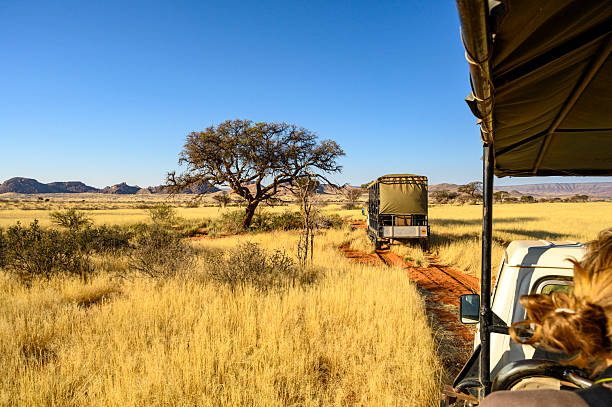
Olduvai Gorge is strategically located between the Ngorongoro Conservation Area and the Serengeti National Park. It is typically visited as a stopover on a multi-day safari itinerary. Access is usually via 4×4 safari vehicles, navigating the well-maintained tracks within the conservation area. The journey itself is part of the adventure, traversing vast plains and observing the changing landscapes.
What to Expect on Site:
Upon arrival, visitors are typically greeted by a visitor center that houses a small museum. This museum displays replicas of key hominin fossils, stone tools, and informative exhibits detailing the history of discoveries and the geological significance of the gorge. It’s an essential starting point for understanding what you are about to see.
The highlight of a visit is often a guided walk along the rim of the gorge, or in some designated areas, down into the gorge itself (access may be restricted for preservation). Local guides, often with deep knowledge of the site and its history, explain the stratigraphy, point out areas of significant finds, and discuss the ongoing ‘shifting sands’ phenomenon. The scale of the gorge, while not as dramatic as the Grand Canyon, is impressive, and the exposed layers tell a silent story of time.
Best Time to Visit:
Olduvai Gorge can be visited year-round as part of a safari. However, the dry seasons (June to October and December to February) offer the most pleasant weather for travel in Tanzania, with less rain and more accessible roads. These periods are also popular for wildlife viewing, making it convenient to combine a visit to Olduvai with game drives in the Serengeti and Ngorongoro.
Duration of Visit:
Most visitors spend 2 to 3 hours at Olduvai Gorge, which is generally sufficient to explore the visitor center and take a guided walk along the gorge’s edge. This allows ample time to incorporate it into a full day of travel between safari destinations or as a dedicated half-day excursion.
Planning Your 2026-2027 Trip to Olduvai
When planning your Tanzanian adventure for 2026 or 2027, consider how Olduvai Gorge can be integrated into your itinerary. It’s an ideal stop for those with a keen interest in anthropology, archaeology, and the deep history of human origins.
A typical northern circuit safari route might include:
- Arusha (arrival and preparation)
- Tarangire National Park
- Lake Manyara National Park
- Olduvai Gorge
- Serengeti National Park
- Ngorongoro Crater
- (Optional) Zanzibar for beach relaxation
The ‘shifting sands’ are a constant reminder of the delicate balance between discovery and preservation. Future research and conservation efforts in 2026-2027 will continue to rely on understanding these geological processes. For those planning to visit, booking with an experienced tour operator like Top Guide Adventures ensures that your trip is well-organized, respecting the site’s significance and maximizing your learning experience.
The ‘Shifting Sands’ Phenomenon: A Deeper Look
The term ‘Shifting Sands’ can also be interpreted metaphorically, referring to the evolving understanding of human evolution itself. As new discoveries are made, and as scientific techniques advance, our picture of our ancestors’ lives and evolutionary paths constantly shifts and refines.
Wind Erosion and Deposition:
The primary driver of the physical ‘shifting sands’ is the relentless power of wind in the arid plains of the Serengeti and Ngorongoro Conservation Area. The gorge’s exposed walls are susceptible to aeolian processes – erosion by wind and the transport and deposition of sand and dust. This natural erosion is what reveals new fossil horizons, but it also poses a threat to delicate discoveries.
Sedimentary Layers and Stratigraphy:
The geological layers (strata) in Olduvai Gorge are a critical record. Each layer represents a distinct period, laid down by ancient lakes, rivers, and volcanic eruptions. The ‘shifting sands’ can disturb these layers, making precise dating and contextualization of finds a complex task. Scientists use various methods, including paleomagnetism and detailed sediment analysis, to understand the depositional environments and overcome the challenges posed by landscape dynamism.
Impact on Paleontological Research:
The constant geological activity means that Olduvai Gorge is not a static site. Paleontologists must adapt their research strategies to account for the ‘shifting sands.’ This includes extensive mapping, careful documentation of find locations, and the use of advanced imaging techniques to study fossils in situ before their removal. The ongoing nature of these processes means that Olduvai continues to be an active research area, with potential for new discoveries in the coming years, including into 2026 and 2027.
Conservation Challenges:
Protecting a site like Olduvai Gorge from both natural erosion and human impact is a significant challenge. The ‘shifting sands’ are a natural force, but human activities, including tourism, must be managed carefully to prevent damage. Designated pathways, visitor education, and strict regulations are in place to minimize the footprint of visitors, ensuring the long-term preservation of this invaluable heritage.
Connecting Olduvai with the Wider Tanzanian Experience
While Olduvai Gorge stands out for its unique historical significance, it is an integral part of the broader Tanzanian travel experience. Its location within the Serengeti-Ngorongoro ecosystem means it is surrounded by some of the most spectacular wildlife viewing opportunities on Earth.
The Serengeti Ecosystem:
The vast plains of the Serengeti are home to the Great Migration, an annual spectacle of millions of wildebeest, zebras, and gazelles. Visiting Olduvai Gorge allows travelers to witness the raw beauty of this ecosystem and understand the ancient landscapes that supported our ancestors. The same plains that are now teeming with wildlife once hosted early hominins.
Ngorongoro Conservation Area:
The Ngorongoro Crater, a UNESCO World Heritage Site itself, is a geological marvel and a wildlife haven. Its caldera boasts an incredible density of animals, including the rare black rhino. The conservation area also encompasses Olduvai Gorge, highlighting the rich diversity of natural and historical treasures within this protected region.
Cultural Encounters:
Beyond the natural wonders, Tanzania offers rich cultural experiences. Interacting with local communities, such as the Maasai people who have traditionally inhabited these lands, provides deeper insight into the human element of this region. While Olduvai is about our ancient human past, these cultural encounters connect us to the present-day inhabitants and their enduring relationship with the land.
For travelers planning their safaris for 2026-2027, combining a visit to Olduvai Gorge with wildlife viewing and cultural activities creates a well-rounded and deeply enriching journey. It’s an opportunity to explore the layers of history, from the earliest hominins to the vibrant cultures and wildlife of modern Tanzania.
Integrating Olduvai into Your Safari Itinerary
When designing your safari with Top Guide Adventures, Olduvai Gorge can be a significant highlight. Here’s how it might fit:
- Short Safaris (3-5 days): If you have limited time, Olduvai can be a key stop on a condensed northern circuit, perhaps between Tarangire and the Serengeti, or as a dedicated day trip from a lodge near the Ngorongoro Conservation Area.
- Classic Northern Circuit (7-10 days): This is the most popular option, allowing for a comprehensive exploration of the Serengeti, Ngorongoro Crater, Tarangire, and Lake Manyara. Olduvai Gorge fits perfectly as a stopover between the Serengeti and Ngorongoro, or vice versa, providing a historical counterpoint to the wildlife focus.
- Extended Safaris (10+ days): For a more in-depth experience, Olduvai can be combined with longer stays in the Serengeti, exploring different regions, or even extended to include other parks like Ruaha or Selous Game Reserve, though this would require significant travel time or internal flights.
The flexibility to include Olduvai Gorge in your itinerary is one of the advantages of working with a local expert. We can help you craft a journey that balances the educational value of Olduvai with the thrill of wildlife encounters. For the best planning for 2026-2027, consider booking well in advance, especially for peak seasons.
Future Prospects and Research at Olduvai
The story of Olduvai Gorge is far from over. Despite decades of intensive research, the gorge continues to yield new insights and remains a focal point for paleoanthropological study.
Ongoing Excavations and Discoveries:
New research projects, often involving collaborations between Tanzanian institutions and international universities, continue to explore previously unexcavated areas or re-examine known sites with advanced techniques. The ‘shifting sands’ phenomenon, while challenging, also means that new fossil and artifact-bearing layers are periodically exposed, offering fresh opportunities for discovery. Researchers are particularly interested in filling gaps in the hominin fossil record and understanding the earliest stages of tool use and technological innovation.
Technological Advancements in Research:
Modern scientific tools are revolutionizing research at Olduvai. Techniques such as LiDAR (Light Detection and Ranging) can map the gorge and surrounding landscape with incredible detail, helping to identify potential areas for excavation. Advanced dating methods, isotopic analysis of fossils, and digital reconstruction of fragmented remains are providing unprecedented levels of information about our ancestors and their environments. These technologies will undoubtedly play a significant role in discoveries planned for 2026-2027.
Conservation and Management in the Future:
The long-term preservation of Olduvai Gorge is paramount. Future efforts will focus on balancing scientific research, responsible tourism, and the protection of the fragile archaeological and paleontological resources. This includes ongoing monitoring of erosion rates, managing visitor impact, and ensuring that local communities benefit from the heritage site through education and employment opportunities. The ‘shifting sands’ will continue to be a factor, requiring adaptive conservation strategies.
Educational Importance:
Olduvai Gorge serves as a vital educational resource, not just for scientists but for the public. Its continued accessibility, through visitor centers and guided tours, plays a crucial role in raising awareness about human evolution and the importance of heritage conservation. For students and enthusiasts planning trips for 2026-2027, Olduvai offers an unparalleled opportunity for hands-on learning about our origins.
Why Olduvai and Shifting Sands Matter for Your 2026-2027 Tanzanian Adventure
Understanding Olduvai Gorge and the ‘Shifting Sands’ adds a profound depth to any Tanzanian safari. It transforms a trip focused solely on wildlife into a journey that connects you with the very roots of humanity.
A Unique Educational Experience:
While the wildlife of the Serengeti and Ngorongoro is world-renowned, Olduvai Gorge offers a different kind of wonder – the wonder of human history. It’s a chance to walk in the footsteps of our earliest ancestors and gain a tangible appreciation for the long and complex journey of human evolution. This educational aspect is increasingly valued by travelers seeking more meaningful travel experiences in 2026 and 2027.
Appreciating Geological Time:
The ‘shifting sands’ phenomenon, driven by erosion and deposition, is a powerful illustration of geological time. Seeing the layers of sediment, knowing they represent millions of years, and understanding how the landscape is still actively changing provides a unique perspective on the Earth’s history and the dynamic forces that shape our planet.
Responsible Tourism and Conservation:
A visit to Olduvai Gorge also highlights the importance of responsible tourism. By choosing to visit this significant site with operators who respect its fragility and contribute to its preservation, travelers play a role in protecting this invaluable heritage for future generations. Understanding the challenges posed by the ‘shifting sands’ reinforces the need for careful management and conservation efforts.
A Memorable Addition to Your Safari:
Integrating Olduvai Gorge into your safari itinerary with Top Guide Adventures ensures that you experience this incredible site with expert guidance. We can help you understand its significance, navigate the visitor center, and appreciate the landscape. This stop adds an unforgettable dimension to your Tanzanian adventure, offering a perspective that few other destinations can match. Whether you’re planning for 2026 or 2027, make sure Olduvai Gorge is on your list for a truly illuminating journey.
Ready to explore the cradle of humankind and witness the dynamic landscapes of Tanzania? Contact Top Guide Adventures today to craft your personalized safari itinerary, including a visit to the incredible Olduvai Gorge. Reach us via WhatsApp at +255616946642 or email us at topguideadventures@gmail.com. For alternative inquiries, you can also use info@topguideadventures.com. Let us guide you through the wonders of Tanzania, from its ancient past to its vibrant present.
Check Availability for Olduvai Gorge And The Shifting Sands Of Tanzanias Past Present 2026-2027
Ready to compare dates, prices, and the best option for your group? Send the package name and travel month so the team can reply with a clear quote, availability, and what is included.
 Olmoti Crater Private Nature Walk: A Detailed Guide For 2026-2027Discover the serene beauty of Olmoti Crater on a private nature walk. This guide details the experience, what to expect, and how to book your…View package
 Olmoti Crater Birdwatching Tour: Your Ultimate Tanzania Birding AdventureDiscover the rich avian biodiversity of Olmoti Crater on a dedicated birdwatching tour. This guide covers what to expect, the best times to…View package
 Olmoti Maasai Cultural Experience: A Deep Dive With Top Guide AdventuresExplore the rich traditions and daily life of the Maasai people with an authentic Olmoti Maasai Cultural Experience. Top Guide Adventures offers…View package
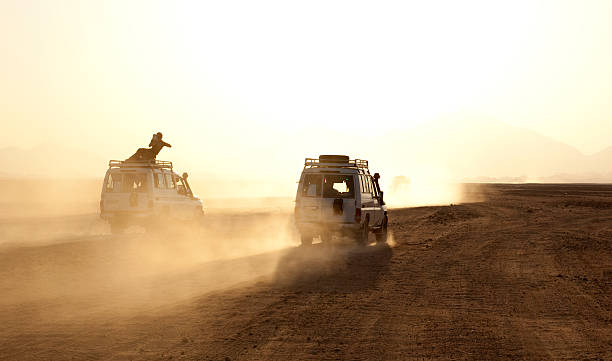 Olmoti Waterfall Hiking Adventure: Your Ultimate Guide For 2026-2027start an unforgettable Olmoti Waterfall hiking adventure in Tanzania. This guide covers everything from routes and what to expect to the best…View package
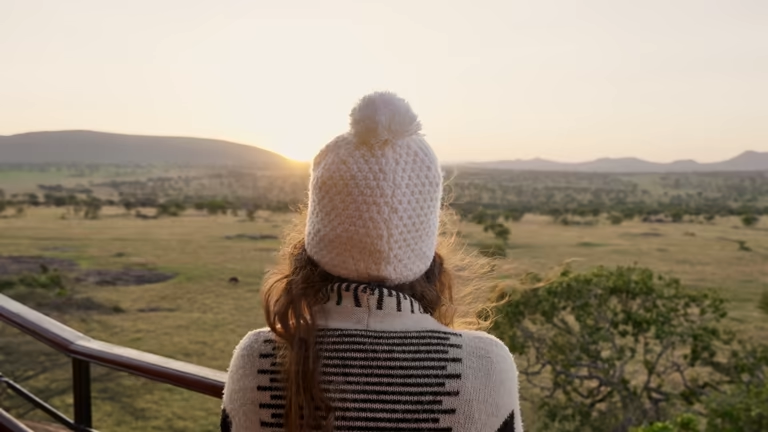 2-Day Olmoti And Empakaai Trek: Essential Guide For 2026-2027A detailed 2026-2027 guide to 2-Day Olmoti and Empakaai Trek, with clear planning and booking information for travelers.View packageYour 1-Day Olmoti Crater Walking Tour: An Essential Guide For 2026-2027Explore the geological wonder of Olmoti Crater on a guided walking tour. This 1-day adventure offers a unique perspective on Ngorongoro's…View package
 Olmoti Crater: A Comprehensive Guide For Tanzanian Safaris In 2026-2027Explore Olmoti Crater, a impressive caldera in Tanzania's Ngorongoro Conservation Area. This guide details its unique ecosystem, activities, and…View package
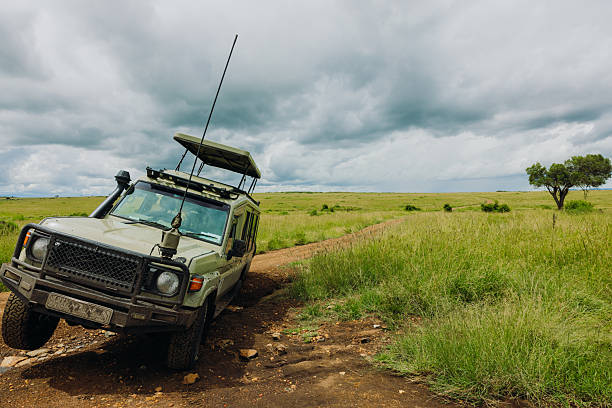 Empakaai Private Hiking Adventure: A Guide To The Crater Highlands 2026-2027start a private hiking adventure to Empakaai Crater in Tanzania's stunning Crater Highlands. This guide covers everything from the trek itself…View package
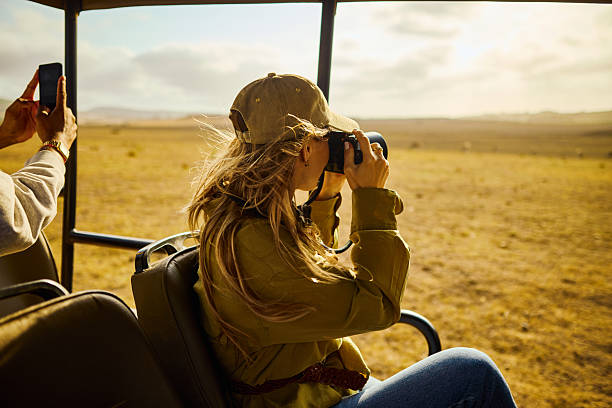 Empakaai Crater Photography Tour: Capturing Tanzanias Natural Beauty 2026-2027An Empakaai Crater Photography Tour offers a unique opportunity to capture the stunning landscapes of Tanzania's Great Rift Valley, focusing on…View package
 Empakaai Maasai Cultural Trek: Your Ultimate Guide For 2026-2027start an unforgettable Empakaai Maasai Cultural Trek, a journey that blends stunning natural beauty with authentic Maasai traditions. This guide…View package
 Empakaai Flamingo Walking Tour: Your Ultimate Guide For 2026-2027Discover the magic of the Empakaai Flamingo Walking Tour, a unique adventure in Tanzania's Ngorongoro Conservation Area. This guide covers…View package
 2-Day Empakaai Crater Camping Adventure: Your Ultimate Guide 2026-2027start an unforgettable 2-day Empakaai Crater camping adventure, a unique journey into the heart of Tanzania's Ngorongoro Conservation Area. This…View package


