
An Olduvai Gorge family educational tour offers an unparalleled opportunity to explore the “Cradle of Humankind” in Tanzania, focusing on paleontological discoveries, early human history, and the unique geological landscape for learners of all ages. These tours typically involve guided visits to the gorge itself, museums, and surrounding areas, often combined with other Northern Tanzania safari highlights, providing a rich, hands-on learning experience for families planning their 2026-2027 adventures.
Why Choose an Olduvai Gorge Family Educational Tour?
The Olduvai Gorge, often referred to as the “Cradle of Humankind,” is a site of immense scientific and historical significance. For families seeking a travel experience that is both exciting and profoundly educational, an Olduvai Gorge Family Educational Tour stands out. It’s more than just a safari; it’s a journey back in time, offering tangible connections to our earliest ancestors. Imagine standing where Louis and Mary Leakey made groundbreaking discoveries, or where hominin fossils dating back millions of years have been unearthed. This is a destination that sparks curiosity, encourages critical thinking, and provides a unique perspective on human evolution that textbooks simply cannot replicate.
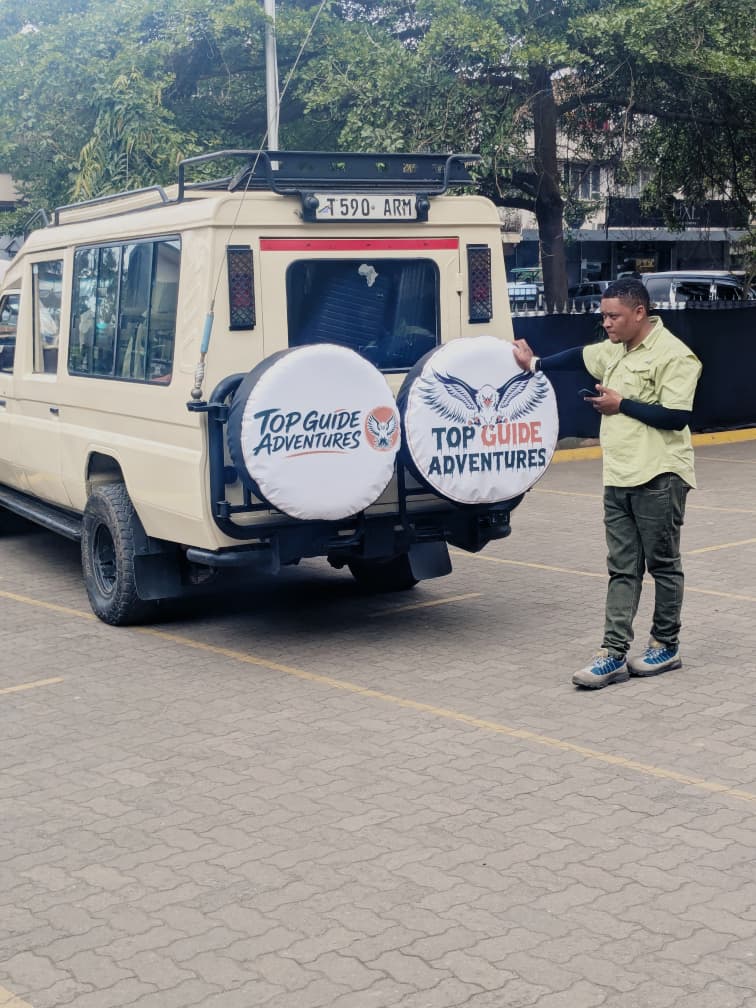
Top Guide Adventures specializes in crafting these bespoke educational journeys. We understand that traveling with family, especially children, requires a delicate balance of engagement, comfort, and learning. Our tours are designed to be accessible, informative, and thoroughly enjoyable for every member of the family, from the youngest explorers to the most seasoned travelers. We focus on making the complex story of human evolution accessible and fascinating, using engaging narratives, visual aids, and expert guides who are passionate about both paleontology and family travel. Planning for 2026-2027? Now is the time to consider a trip that offers lasting memories and invaluable learning.
The Significance of Olduvai Gorge: A Window into Prehistory
Olduvai Gorge is not just a geological feature; it’s a layered chronicle of life on Earth. Located in the Serengeti Plains of Tanzania, this deep ravine has yielded some of the most important fossil finds in the history of paleoanthropology. It is here that the remains of some of the earliest human ancestors were discovered, providing critical evidence for the evolutionary path of humankind. The stratigraphy of the gorge, with its distinct layers of volcanic ash and sediment, allows scientists to date the fossils with remarkable accuracy.
The discoveries at Olduvai Gorge span a vast period, from early hominins like Paranthropus boisei and Homo habilis (meaning “handy man”) to much later forms of Homo erectus. The famous “Laetoli footprints,” discovered nearby, preserved in ancient volcanic ash, offer a direct glimpse of hominins walking upright over 3.6 million years ago. These findings have fundamentally reshaped our understanding of human origins, migration, and development.
For a family educational tour, this significance translates into a living laboratory. Children and adults alike can learn about:
- The process of fossilization and how paleontologists study ancient life.
- The concept of evolution and the diversification of early human species.
- The challenges and triumphs of early human survival, including tool use and adaptation to environment.
- The groundbreaking work of researchers like the Leakey family, whose dedication brought these ancient stories to light.
Understanding this context enriches the entire Tanzanian safari experience, connecting the wildlife and landscapes to the deep history of life on the continent.
Designing the Perfect Olduvai Gorge Family Educational Tour for 2026-2027
Crafting an educational tour for families requires careful consideration of several factors. Our approach at Top Guide Adventures is to blend educational content with the adventure and natural beauty that Tanzania is famous for. We aim to create an itinerary that is both informative and engaging, ensuring that younger participants remain captivated while adults gain a deeper appreciation for the subject matter.
Tailoring the Experience for Different Age Groups
A key aspect of our family tours is adaptability. We recognize that a 7-year-old’s learning style and attention span differ significantly from a 17-year-old’s. Our guides are trained to present information in age-appropriate ways, using storytelling, interactive elements, and visual aids. For younger children, the focus might be on the “who lived here” aspect, relating ancient humans to animals they see on safari. For teenagers, we can explore deeper into the scientific methods, evolutionary theories, and the ongoing research in the field.
Incorporating Hands-On Learning
While direct excavation is not permitted, we strive to incorporate hands-on elements wherever possible. This could include:
- Museum Visits: The Olduvai Gorge Museum, located near the site, is a treasure trove of information and artifacts. We ensure ample time is spent here, with guides explaining the exhibits and their significance.
- Interactive Discussions: Our guides facilitate discussions about what life might have been like millions of years ago, encouraging families to imagine and hypothesize.
- Geological Exploration: Understanding the landscape is crucial. We discuss the volcanic activity that shaped the region and preserved the fossils, relating it to the geology families might observe elsewhere on their trip.
- Tool-Making Demonstrations (Simulated): Where appropriate and safe, we might discuss or demonstrate principles of early tool-making, explaining the ingenuity of our ancestors.
Logistics and Comfort for Families
Family travel requires attention to logistical details. This includes:
- Accommodation: We select family-friendly lodges and camps that offer comfortable amenities, safe environments, and sometimes even activities suitable for children. Options range from comfortable mid-range lodges to more luxurious tented camps, depending on your preference.
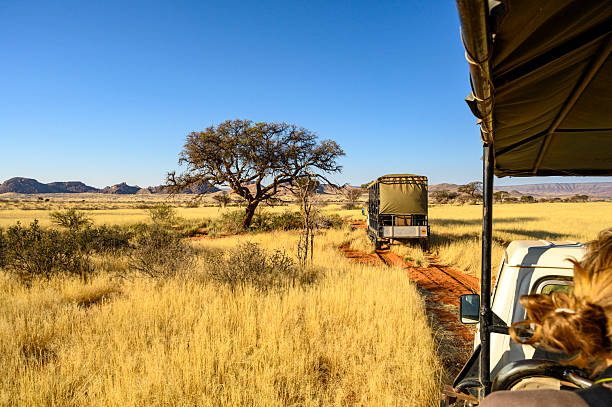
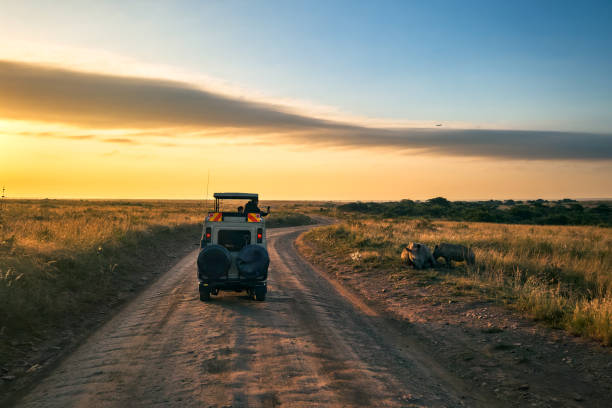
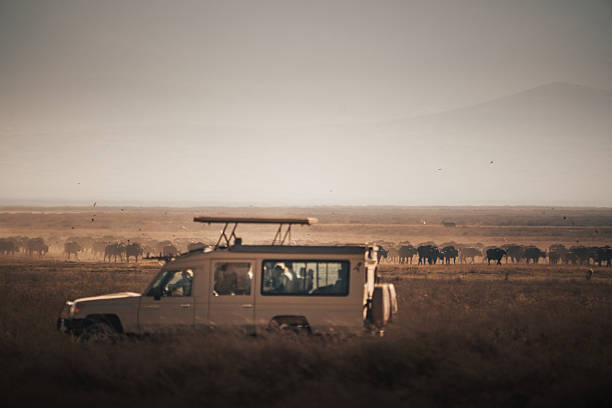
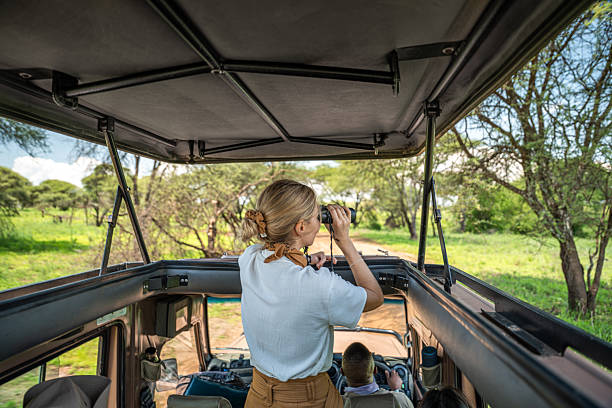
- Transportation: Our safari vehicles are spacious and equipped for comfort, with pop-up roofs for optimal game viewing and photography. We ensure sufficient stops for breaks and stretching.
- Pacing: The itinerary is paced to avoid exhaustion, with a balance of travel, exploration, and relaxation time.
- Safety: Family safety is paramount. Our guides are trained in first aid, and we adhere to strict safety protocols in all environments.
The Journey: From Safari to Prehistory
An Olduvai Gorge family educational tour is rarely a standalone trip. It is most often integrated into a broader Northern Tanzania safari experience, allowing families to witness the incredible wildlife of the Serengeti and Ngorongoro Crater alongside the profound historical insights of Olduvai.
Integrating Olduvai Gorge into a Tanzania Safari Itinerary
Most classic Northern Circuit safaris naturally pass by or near Olduvai Gorge. A typical itinerary might include:
- Arusha: The starting point for most Northern Tanzania tours.
- Tarangire National Park: Known for its large elephant herds and baobab trees.
- Lake Manyara National Park: Famous for tree-climbing lions and diverse birdlife.
- Ngorongoro Conservation Area: Home to the spectacular Ngorongoro Crater, a UNESCO World Heritage Site, and the Maasai people.
- Olduvai Gorge: A key stop within the Ngorongoro Conservation Area, often visited en route between the crater and the Serengeti.
- Serengeti National Park: The vast plains, famous for the Great Migration and abundant predators.
Visiting Olduvai Gorge often occurs on the travel day between the Ngorongoro Crater and the Serengeti. This timing allows for a significant historical interlude between two of Africa’s most iconic natural wonders. The contrast between the teeming wildlife of the crater and plains and the silent, ancient history of Olduvai Gorge creates a powerful educational impact.
What to Expect on a Typical Day at Olduvai Gorge
A day focused on Olduvai Gorge would typically involve:
- Morning Travel: Driving from your lodge or camp, often through scenic landscapes that offer glimpses of wildlife.
- Arrival and Museum Visit: Spending time at the Olduvai Gorge Museum, where exhibits detail the geological history and fossil finds. This is where you’ll see casts of famous fossils and learn about the Leakey family’s work.
- Guided Walk/Viewpoint: A guided walk along the rim of the gorge (access into the gorge itself is restricted for preservation). Guides will point out geological layers and explain the excavation sites.
- Discussion and Reflection: Time for questions and discussions, allowing families to process what they’ve learned and connect it to broader concepts of human history and evolution.
- Picnic Lunch: Enjoying a packed lunch amidst the stunning natural scenery of the Ngorongoro Conservation Area.
- Afternoon Continuation: Proceeding to your next destination, perhaps a new lodge in the Serengeti, with plenty of new knowledge and perspectives to share.
Key Discoveries and Their Impact
The discoveries at Olduvai Gorge are not merely academic; they have profoundly influenced our understanding of human lineage and behavior. Understanding these key finds is central to the educational aspect of the tour.
The Leakey Family’s Legacy
The name Leakey is synonymous with Olduvai Gorge. Louis Leakey, his wife Mary Leakey, and their son Richard Leakey, have been instrumental in paleoanthropology. Their relentless pursuit of evidence for early human existence in Africa led to some of the most significant fossil finds of the 20th century. Mary Leakey, in particular, is credited with discovering the 3.6-million-year-old Laetoli footprints and several significant hominin fossils, including a skull of Zinjanthropus boisei (now often classified as Paranthropus boisei) in 1959.
For families, learning about the Leakeys’ dedication, perseverance, and scientific rigor can be inspiring. It highlights the importance of curiosity and scientific inquiry.
Significant Hominin Fossils Found
- Homo habilis (Handy Man): Dating back approximately 1.8 to 2.5 million years ago, these fossils were found alongside simple stone tools (Oldowan tools). This association provided the first strong evidence that early hominins were capable of making and using tools, a critical step in human evolution.
- Paranthropus boisei: A robust hominin species with large jaws and teeth, adapted for chewing tough plant material. Found dating up to 1.5 million years ago, its existence alongside early Homo species raises questions about dietary specialization and competition.
- Homo erectus: Fossils from this species, dating to around 1.5 million years ago, show a hominin with a larger brain size, more human-like body proportions, and more sophisticated tool use. This species is believed to be the first to migrate out of Africa.
The Laetoli Footprints
Although technically located at Laetoli, a site about 30 miles south of Olduvai Gorge, the footprints are intrinsically linked to the research conducted in the region and are often discussed in conjunction with Olduvai. These fossilized footprints, preserved in volcanic ash from the nearby Sadiman volcano, clearly show the gait of three individuals walking upright. Their age, around 3.6 million years, provides definitive evidence of bipedalism in early hominins, predating the earliest known stone tools and significantly impacting theories about what drove human evolution.
Educational Resources and Preparation for Families
To maximize the educational impact of an Olduvai Gorge Family Educational Tour, preparation is key. Top Guide Adventures can provide resources and guidance to help families get the most out of their experience.
Pre-Trip Learning for All Ages
Before arriving in Tanzania, we recommend engaging children and adults with age-appropriate materials:
- Books: Age-appropriate books on dinosaurs, early humans, and African wildlife. For older children and adults, books on paleoanthropology and the Leakey family’s work can be fascinating.
- Documentaries: Watching documentaries about human evolution, paleontology, or African safaris can build anticipation and provide foundational knowledge.
- Interactive Websites: Many museums and educational institutions offer online resources about Olduvai Gorge and human evolution.
What to Pack for Educational Exploration
Beyond standard safari packing lists, consider these items for an educational focus:
- Notebooks and Pencils: For sketching, note-taking, or journaling observations.
- Binoculars: Excellent for wildlife viewing, but also useful for observing geological features from a distance.
- Camera: To capture the landscapes, wildlife, and perhaps even the museum exhibits (where permitted).
- Field Guides: Books on local flora, fauna, and geology can enhance the learning experience.
Understanding the Local Culture
The Olduvai Gorge is located within the Ngorongoro Conservation Area, which is also home to the Maasai people. An educational tour should ideally include an understanding of the local cultures and how they coexist with the wildlife and the historical significance of the land. We can arrange respectful visits to Maasai villages, offering insights into their traditions, lifestyle, and relationship with the environment.
The Olduvai Gorge Museum: A Gateway to Understanding
The Olduvai Gorge Museum is an essential component of any educational visit. It serves as a vital introduction and a place to consolidate learning after visiting the gorge itself.
Exhibits and Artifacts
The museum houses a collection of replica fossils, stone tools, and informative displays detailing the stratigraphy of the gorge and the key discoveries made there. Visitors can see casts of the famous Homo habilis and Paranthropus boisei fossils, as well as replicas of the Oldowan tools. The displays often explain the chronological order of hominin evolution represented at the site.
The Role of the Museum in Family Learning
For families, the museum provides a tangible reference point. After hearing about the finds in the field, seeing the actual (or replica) artifacts in a controlled environment helps solidify the learning. Guides use the museum exhibits to illustrate their explanations, making the connection between the landscape and the ancient inhabitants clear. It’s a place where children can ask questions and receive detailed answers, and where adults can appreciate the scientific context of the discoveries.
Beyond Olduvai: Expanding the Educational Safari
While Olduvai Gorge is a focal point, the surrounding areas offer numerous opportunities for continued learning and exploration, making the entire trip an educational adventure.
Ngorongoro Crater: A Unique Ecosystem
The Ngorongoro Crater, a UNESCO World Heritage Site, is a marvel of natural history and geology. It’s a caldera formed by a massive volcano that collapsed millions of years ago. This self-contained ecosystem supports an incredible density of wildlife, including the endangered black rhino. An educational focus here can include:
- Geology: Understanding the volcanic formation of the crater and its impact on the landscape.
- Ecology: Studying the predator-prey relationships, the unique adaptations of animals to the crater environment, and the conservation efforts in place.
- Human-Wildlife Coexistence: Learning about the Maasai people who live within the conservation area and their traditional pastoralist lifestyle alongside wildlife.
Serengeti National Park: Migration and Adaptation
The Serengeti offers a chance to witness the Great Migration, one of nature’s most spectacular events. Educational opportunities abound:
- Animal Behavior: Observing and discussing the complex social structures, hunting strategies, and migratory patterns of the vast herds of wildebeest, zebras, and gazelles.
- Predator-Prey Dynamics: Understanding the intricate balance between predators like lions, cheetahs, and hyenas, and their prey.
- Conservation Challenges: Learning about the ongoing efforts to protect this vast ecosystem and its inhabitants from threats like poaching and habitat loss.
Lake Eyasi: Cultural Immersion
For families interested in anthropology, a visit to Lake Eyasi can offer a glimpse into the lives of Tanzania’s indigenous tribes, such as the Hadzabe (hunter-gatherers) and the Datoga. These communities maintain ancient traditions and lifestyles that offer a profound contrast to modern life and provide a different perspective on human adaptation and survival.
Planning Your 2026-2027 Family Adventure
Booking an Olduvai Gorge Family Educational Tour for 2026 or 2027 involves careful planning to ensure the best experience. Top Guide Adventures is here to guide you through every step.
Best Time to Travel
The best time for a safari in Northern Tanzania, including Olduvai Gorge, is generally during the dry seasons:
- June to October: This is the peak dry season, offering excellent game viewing as animals congregate around water sources. The weather is typically sunny and pleasant.
- January to February: This period is also dry and coincides with the calving season of the wildebeest in the southern Serengeti, a spectacular event.
The green seasons (November to December and March to May) offer lush landscapes and fewer crowds, but game viewing can be more challenging due to thicker vegetation and scattered water. For families, the dry seasons often provide a more comfortable and predictable experience.
Choosing the Right Tour Duration
An educational tour focusing on Olduvai Gorge typically requires a minimum of 7-10 days to comfortably cover the Northern Circuit highlights alongside the historical site. Longer durations, such as 12-14 days, allow for a more relaxed pace, deeper exploration of parks, and additional cultural experiences.
Customization and Flexibility
We pride ourselves on creating custom itineraries. Whether you wish to focus more heavily on paleontology, include specific cultural interactions, or tailor the pace for very young children, we can design a tour that perfectly fits your family’s needs and interests for your 2026-2027 trip. This includes selecting accommodations that suit your budget and comfort level, from budget-friendly camps to luxury lodges.
Budget Considerations for 2026-2027
The cost of an Olduvai Gorge Family Educational Tour is influenced by several factors:
- Duration of the tour.
- Type of accommodation (budget, mid-range, luxury).
- Number of people in the group.
- Vehicle type (private vs. shared).
- Time of year (peak season vs. low season).
A typical 7-day Northern Circuit safari including Olduvai Gorge can range from approximately $2,000 to $5,000+ per person, excluding international flights. Private tours for families will be at the higher end of this spectrum. We recommend contacting us for a personalized quote for your 2026-2027 travel dates.
Booking Your Educational Safari
Ready to plan an unforgettable Olduvai Gorge Family Educational Tour for 2026-2027? Let Top Guide Adventures craft your perfect journey. We combine expert knowledge of Tanzania’s natural and historical wonders with a passion for creating enriching family experiences. Get in touch to discuss your ideal itinerary and receive a personalized quote. You can reach us via WhatsApp at +255616946642 or by email at topguideadventures@gmail.com. For backup inquiries, please use info@topguideadventures.com. Visit our website at topguideadventures.com to explore more options and see sample itineraries.
Frequently Asked Questions about Olduvai Gorge Family Tours
Here are some common questions families have when considering an Olduvai Gorge educational tour:
What is the best age for a child to appreciate an Olduvai Gorge tour?
While younger children (under 8) might grasp the basic concepts of “old bones” and “ancient people,” the true educational value is often best appreciated by children aged 8 and above. Teenagers, in particular, can engage deeply with the scientific and evolutionary aspects. Our guides are skilled at tailoring explanations for all ages.
Can we actually go down into Olduvai Gorge?
Access into the gorge itself is restricted to protect the fragile paleontological sites. Visitors typically view the gorge from designated viewpoints and along the rim, accompanied by a guide who explains the geological layers and excavation areas.
What is the difference between Olduvai Gorge and Laetoli?
Olduvai Gorge is a deep ravine where numerous hominin fossils and stone tools have been found, representing a long span of early human history. Laetoli, located nearby, is famous for the exceptionally preserved 3.6-million-year-old hominin footprints, providing direct evidence of bipedalism.
How much time should we allocate for Olduvai Gorge?
A dedicated visit, including the museum and a guided walk along the rim, typically takes about 2-3 hours. This is usually integrated as a stop on a travel day between the Ngorongoro Crater and the Serengeti.
Are there facilities like restrooms at Olduvai Gorge?
Yes, there are basic facilities, including restrooms, at the Olduvai Gorge Museum site, which is the main visitor area.
What kind of wildlife can we expect to see near Olduvai Gorge?
Olduvai Gorge is situated within the Ngorongoro Conservation Area, which is rich in wildlife. You can expect to see a variety of animals including zebras, wildebeest, gazelles, various antelope species, and often predators like lions and hyenas. Birdlife is also abundant.
Is it safe to travel to Olduvai Gorge with children?
Yes, it is very safe. Top Guide Adventures prioritizes safety. Our safari vehicles are secure, our guides are trained in first aid, and we follow strict protocols. The educational content is presented in an engaging and appropriate manner for children.
What are the accommodation options near Olduvai Gorge?
Accommodation is typically in lodges or tented camps within the Ngorongoro Conservation Area or on the way to/from the Serengeti. These range from comfortable mid-range options to luxurious lodges, often with family rooms or suites available. The Olduvai Gorge Museum itself does not have accommodation.
What should we wear for the Olduvai Gorge visit?
Wear comfortable, light clothing suitable for warm weather. A hat, sunglasses, and sunscreen are essential due to the strong African sun. Comfortable walking shoes are recommended for exploring the museum and the gorge rim.
Can we book a private Olduvai Gorge Family Educational Tour?
Absolutely. We specialize in creating private, customized tours for families. This allows for maximum flexibility in terms of itinerary, pace, and specific educational focus. Contact us to discuss your private tour needs for 2026-2027.
Check Availability for Olduvai Gorge Family Educational Tour: Uncover Human Origins In Tanzania
Ready to compare dates, prices, and the best option for your group? Send the package name and travel month so the team can reply with a clear quote, availability, and what is included.
 Olduvai Gorge And The Shifting Sands Of Tanzanias Past Present 2026-2027Discover the profound significance of Olduvai Gorge and the fascinating phenomenon of the 'Shifting Sands' in Tanzania. This guide explores…View packageNgorongoro Crater Family Adventure: Your Ultimate Guide For 2026-2027Discover the magic of a Ngorongoro Crater family adventure, a truly unique safari experience. This comprehensive guide covers everything from…View package
 Laetoli Footprints Heritage Expedition: A Journey To Human Origins 2026-2027Discover the significance of the Laetoli Footprints, a UNESCO World Heritage Site in Tanzania, and plan your expedition to walk in the footsteps…View package
 Olmoti Crater Private Nature Walk: A Detailed Guide For 2026-2027Discover the serene beauty of Olmoti Crater on a private nature walk. This guide details the experience, what to expect, and how to book your…View package
 Olmoti Crater Birdwatching Tour: Your Ultimate Tanzania Birding AdventureDiscover the rich avian biodiversity of Olmoti Crater on a dedicated birdwatching tour. This guide covers what to expect, the best times to…View package
 Olmoti Maasai Cultural Experience: A Deep Dive With Top Guide AdventuresExplore the rich traditions and daily life of the Maasai people with an authentic Olmoti Maasai Cultural Experience. Top Guide Adventures offers…View package
 Olmoti Waterfall Hiking Adventure: Your Ultimate Guide For 2026-2027start an unforgettable Olmoti Waterfall hiking adventure in Tanzania. This guide covers everything from routes and what to expect to the best…View package
 2-Day Olmoti And Empakaai Trek: Essential Guide For 2026-2027A detailed 2026-2027 guide to 2-Day Olmoti and Empakaai Trek, with clear planning and booking information for travelers.View packageYour 1-Day Olmoti Crater Walking Tour: An Essential Guide For 2026-2027Explore the geological wonder of Olmoti Crater on a guided walking tour. This 1-day adventure offers a unique perspective on Ngorongoro's…View package
 Olmoti Crater: A Comprehensive Guide For Tanzanian Safaris In 2026-2027Explore Olmoti Crater, a impressive caldera in Tanzania's Ngorongoro Conservation Area. This guide details its unique ecosystem, activities, and…View package
 Empakaai Private Hiking Adventure: A Guide To The Crater Highlands 2026-2027start a private hiking adventure to Empakaai Crater in Tanzania's stunning Crater Highlands. This guide covers everything from the trek itself…View package
 Empakaai Crater Photography Tour: Capturing Tanzanias Natural Beauty 2026-2027An Empakaai Crater Photography Tour offers a unique opportunity to capture the stunning landscapes of Tanzania's Great Rift Valley, focusing on…View package


