
A high-end Rongai Kilimanjaro expedition for 2026-2027 offers a premium trekking experience on the least crowded route, characterized by superior accommodations, gourmet meals, personalized guide-to-climber ratios, and enhanced safety measures, typically spanning 7-8 days for optimal acclimatization and summit success.


Choosing the High-End Rongai Route for Your Kilimanjaro Ascent in 2026-2027
The allure of Kilimanjaro, Africa’s highest peak, draws adventurers from across the globe. For those seeking an elevated experience, a high-end Rongai Kilimanjaro expedition stands out. This approach combines the logistical advantages and comfort of a premium service with the unique benefits of the Rongai route. Unlike more popular paths, Rongai approaches Kilimanjaro from the north, near the Kenyan border, offering a distinct landscape and a more serene trekking environment. This is particularly appealing for climbers in 2026 and 2027 who desire fewer crowds and a more intimate connection with the mountain’s diverse ecosystems.
A high-end expedition isn’t just about reaching the summit; it’s about the journey. It signifies a commitment to quality, comfort, and safety, ensuring that every aspect of your climb, from the moment you arrive in Tanzania to your triumphant return, is meticulously managed. This means better equipment, more experienced guides and support staff, higher quality food, and more comfortable camping arrangements. For the 2026-2027 climbing seasons, choosing a premium Rongai expedition means investing in an unparalleled Kilimanjaro adventure.
Why Opt for the Rongai Route for a Luxury Kilimanjaro Climb?
The Rongai route is often chosen for its relatively gentle ascent profile and its unique environmental progression. It starts in the arid plains of Kenya, gradually moving through diverse ecological zones, including rainforest, moorland, alpine desert, and arctic summit. Its key advantage is its drier climate, making it a viable option even during the rainy seasons, though the shoulder seasons of June-October and December-March are generally preferred for optimal conditions in 2026-2027.
A high-end Rongai Kilimanjaro expedition leverages these route benefits by providing:
- Reduced Crowds: Rongai is the least trafficked route, offering a more peaceful and personal experience. This is amplified with a high-end operator who may even offer private departures.
- Higher Success Rates: While all routes depend on acclimatization and preparation, Rongai’s gradual ascent and the extended itinerary often provided with premium packages contribute to better acclimatization and thus higher summit success rates.
- Unique Scenery: The northern approach offers different vistas compared to the southern routes, including views of the Kenyan plains.
- Comfort and Support: High-end operators ensure you have the best gear, nutritious and varied meals prepared by dedicated cooks, and a strong support team, including more guides per climber for enhanced safety.
The High-End Difference: What to Expect in 2026-2027
When you book a high-end Rongai Kilimanjaro expedition, you are investing in a superior level of service and comfort. This typically includes:
- Experienced & Certified Guides: A higher guide-to-climber ratio, often 1:1 or 1:2, ensures personalized attention and rapid response to any altitude-related issues. Guides are highly experienced, certified in wilderness first aid, and possess extensive knowledge of Kilimanjaro’s environment and culture.
- Quality Equipment: Expect top-tier tents (spacious sleeping tents, a separate mess tent, and a toilet tent), comfortable sleeping mats, and high-quality sleeping bags.
- Gourmet Mountain Cuisine: Meals are prepared by skilled chefs using fresh ingredients. The menu is diverse, catering to various dietary needs, and often includes hot, multi-course dinners. Think freshly baked bread, soups, grilled meats, pasta, and even desserts.
- Enhanced Safety Protocols: This includes a comprehensive medical kit, supplementary oxygen availability (though not typically needed on Rongai if acclimatized properly), and regular health checks by guides. Some high-end operators also provide satellite phones for emergency communication.
- Comfortable Camping: Beyond the tents, expect portable flushing toilets, hot showers (where feasible), and a dedicated team to set up and break down camp efficiently, allowing you more time to relax.
- Logistics and Transfers: All airport transfers, accommodation before and after the climb, and transport to/from the mountain gate are included and handled seamlessly.
For the 2026-2027 climbing seasons, operators focusing on high-end expeditions will emphasize these elements to provide a memorable and comfortable ascent.
Rongai Route Itinerary: A 7-Day High-End Expedition Plan
While 6-day Rongai ascents exist, a 7-day itinerary is generally recommended for better acclimatization, especially for a high-end expedition where comfort and success are paramount. An 8-day option offers even more acclimatization benefits.
Day 1: Arrival in Moshi & Pre-Climb Briefing
Arrive at Kilimanjaro International Airport (JRO). You’ll be met by a representative and transferred to your comfortable hotel in Moshi. This evening, you’ll have a comprehensive briefing with your expedition leader, covering the climb, equipment checks, and answering any last-minute questions. Enjoy a welcome dinner.
Day 2: Rongai Gate (1,950m/6,398ft) to Simba Camp (2,600m/8,530ft)
After breakfast, drive to the Rongai start point near the Kenyan border. Complete park formalities and begin your trek through the coffee plantations and maize fields of the lower slopes, entering the rainforest zone. Your first camp, Simba Camp, is situated on the edge of the moorland zone, offering initial views of the plains below.
Trekking Time: 3-4 hours
Distance: Approx. 6 km / 3.7 miles
Habitat: Rainforest
Day 3: Simba Camp (2,600m) to Kikelewa Caves (3,600m/11,811ft)
Today’s trek takes you through increasingly sparse vegetation as you ascend towards the alpine desert. The path is steady, and you’ll gain significant altitude. Kikelewa Caves offers a scenic campsite with stunning views, allowing for good acclimatization.
Trekking Time: 6-7 hours
Distance: Approx. 10 km / 6.2 miles
Habitat: Moorland
Day 4: Kikelewa Caves (3,600m) to Mawenzi Tarn Camp (4,300m/14,108ft)
A shorter but steeper day, ascending towards the dramatic landscape of Mawenzi, Kilimanjaro’s second peak. Mawenzi Tarn Camp is beautifully situated in a cirque beneath the towering spires of Mawenzi, offering a truly spectacular setting for your high-altitude camp.
Trekking Time: 3-4 hours
Distance: Approx. 5 km / 3.1 miles
Habitat: Alpine desert
Day 5: Acclimatization Day at Mawenzi Tarn Camp (4,300m)
This day is crucial for acclimatization. You’ll undertake a guided acclimatization hike towards Mawenzi’s slopes, reaching altitudes around 4,600m before returning to Mawenzi Tarn Camp. This ‘climb high, sleep low’ principle is vital for preparing your body for the summit push. Enjoy the unique alpine environment.
Trekking Time: 2-3 hours (hike)
Day 6: Mawenzi Tarn Camp (4,300m) to School Hut (4,750m/15,584ft)
Cross the ‘Saddle,’ the alpine desert between Mawenzi and Kibo peaks. This is a challenging but rewarding day, traversing a stark, rocky landscape. You’ll reach School Hut, located at the base of the Kibo crater rim, in the afternoon. This is your final camp before the summit attempt. Rest well, hydrate, and prepare for the big night.
Trekking Time: 4-5 hours
Distance: Approx. 7 km / 4.3 miles
Habitat: Alpine desert
Day 7: Summit Day! School Hut (4,750m) to Uhuru Peak (5,895m/19,341ft) and descent to Horombo Hut (3,700m/12,140ft)
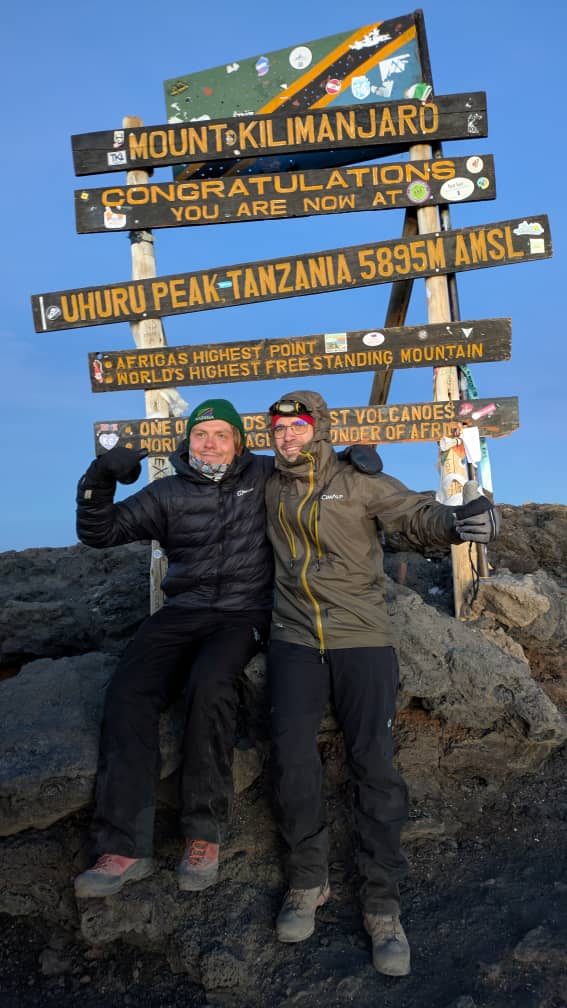
An early start, around midnight to 1 AM. You’ll ascend steeply towards Stella Point (5,756m) on the crater rim, a challenging trek in the dark. From Stella Point, you’ll traverse to Uhuru Peak, the true summit of Kilimanjaro, for sunrise. After celebrating your achievement, you begin the long descent, passing School Hut and continuing down to Horombo Hut for a well-deserved rest.
Trekking Time: 10-15 hours
Distance: Approx. 15 km / 9.3 miles (to Uhuru Peak and down to Horombo)
Habitat: Arctic summit to alpine desert and moorland
Day 8: Horombo Hut (3,700m) to Marangu Gate (1,800m/5,906ft) & Transfer to Moshi
Your final day of trekking takes you down through the moorland and rainforest zones to Marangu Gate. Here, you’ll receive your summit certificates and meet your transfer vehicle. Drive back to Moshi for a celebratory dinner and a chance to rest and reflect on your incredible journey.
Trekking Time: 5-6 hours
Distance: Approx. 20 km / 12.4 miles
Habitat: Moorland and rainforest
The 8-Day Rongai Expedition: Enhanced Acclimatization for 2026-2027
For those prioritizing acclimatization and comfort, an 8-day Rongai itinerary is highly recommended for a high-end Rongai Kilimanjaro expedition. This typically involves adding an extra day at a strategic altitude, often around Mawenzi Tarn Camp or by splitting the longer Day 6 trek. This extended stay allows your body more time to adapt to the thinning air, significantly reducing the risk of altitude sickness and increasing your chances of a successful summit while making the overall experience more enjoyable.
An 8-day plan might look like this:
- Day 1: Arrival in Moshi
- Day 2: Rongai Gate to Simba Camp
- Day 3: Simba Camp to Kikelewa Caves
- Day 4: Kikelewa Caves to Mawenzi Tarn Camp
- Day 5: Acclimatization Day at Mawenzi Tarn Camp (extended)
- Day 6: Mawenzi Tarn Camp to School Hut
- Day 7: Summit Day! School Hut to Uhuru Peak and descent to Horombo Hut
- Day 8: Horombo Hut to Marangu Gate & Transfer to Moshi
The added day provides a crucial buffer, allowing for a more relaxed pace and deeper acclimatization, which is a hallmark of a truly high-end expedition. For planning your 2026-2027 climb, consider this extended option for the best possible experience.
Best Time to start a High-End Rongai Expedition (2026-2027)
While Rongai is known for being drier, certain periods offer the most favorable conditions for climbing Kilimanjaro. For your high-end Rongai Kilimanjaro expedition in 2026-2027, consider these seasons:
- Dry Seasons:
- January to March: Generally clear skies, good visibility, and moderate temperatures. This is a popular time, but less crowded than the main dry season.
- June to October: The main dry season. Expect cooler temperatures, especially at higher altitudes, but clear skies and excellent trekking conditions. This is the peak season for Kilimanjaro climbs.
- Shoulder Seasons:
- April to May: Long rains. While less ideal, Rongai’s northern position can still offer decent trekking, though visibility might be reduced, and trails can be muddy. High-end operators will manage conditions effectively.
- November: Short rains. Similar to the long rains, conditions can be unpredictable, but Rongai remains a more viable option than southern routes.
For a high-end experience in 2026-2027, the June to October dry season is often preferred for its reliably clear weather and moderate temperatures. However, January to March also offers excellent conditions with fewer climbers. Booking well in advance, especially for peak season 2026-2027 dates, is advisable for high-end operators to secure preferred dates and guide availability.
Preparing for Your High-End Rongai Expedition: Fitness and Gear
A successful Kilimanjaro climb, even a high-end one, requires thorough preparation. Physical fitness is paramount, and the Rongai route, while less steep, still demands endurance.
Physical Fitness
Focus on cardiovascular endurance and leg strength. Activities like hiking (especially with a backpack on varied terrain), running, cycling, and stair climbing are excellent preparation. Aim for at least 3-4 months of consistent training leading up to your 2026-2027 expedition. Include long hikes (4-6 hours) on weekends to simulate trekking days. Mental preparation is also key; visualize success and be ready for the challenges of altitude and cold.
Essential Gear for a High-End Expedition
While high-end operators provide high-quality tents and some gear, you’ll need to supply your personal clothing and equipment. Quality gear is crucial for comfort and safety, especially in the extreme conditions on Kilimanjaro.
Clothing Layers:
- Base Layers: Moisture-wicking thermal tops and bottoms (merino wool or synthetic).
- Mid Layers: Fleece jackets or vests for insulation.
- Outer Layer: Waterproof and windproof jacket (Gore-Tex or similar) and trousers.
- Insulation Layer: A warm down or synthetic insulated jacket for summit night and cold evenings.
Footwear:
- Hiking Boots: Waterproof, broken-in, sturdy hiking boots with good ankle support.
- Camp Shoes: Comfortable shoes or sandals for camp.
- Socks: Several pairs of thick wool or synthetic hiking socks. Liner socks can help prevent blisters.
Headwear & Handwear:
- Warm Hat: Wool or fleece hat that covers your ears.
- Sun Hat: Wide-brimmed hat for sun protection.
- Balaclava/Neck Gaiter: For protection against wind and cold.
- Gloves: Waterproof outer gloves and thinner liner gloves.
Other Essentials:
- Backpack: A comfortable daypack (30-40 liters) for essentials during the trek.
- Duffel Bag: A large, waterproof duffel bag (80-100 liters) for your main gear, carried by porters.
- Sleeping Bag: Rated to at least -10°C (0°F). High-end operators might provide these, but check.
- Trekking Poles: Highly recommended for stability and reducing knee strain.
- Headlamp: With extra batteries.
- Sunglasses: High UV protection.
- Sunscreen & Lip Balm: High SPF.
- Water Bottles/Hydration Reservoir: At least 3 liters capacity. Insulated covers are useful.
- Personal First-Aid Kit: Include blister treatment, pain relievers, and any personal medications.
- Toiletries: Biodegradable soap, toothbrush, toothpaste, wet wipes.
- Camera, Power Bank, Book/Journal.
Your high-end operator will provide a detailed packing list, but this covers the core essentials for a comfortable and safe high-end Rongai Kilimanjaro expedition in 2026-2027.
Understanding Altitude Sickness on Kilimanjaro
Altitude sickness (Acute Mountain Sickness – AMS) is a significant concern on Kilimanjaro. While a high-end expedition focuses on prevention through slow ascent and excellent support, awareness is critical.
Symptoms to Watch For:
- Headache
- Nausea and vomiting
- Dizziness and lightheadedness
- Fatigue
- Loss of appetite
- Difficulty sleeping
Severe Forms (require immediate descent):
- HAPE (High Altitude Pulmonary Edema): Fluid in the lungs, causing severe shortness of breath, coughing, and chest tightness.
- HACE (High Altitude Cerebral Edema): Fluid in the brain, causing confusion, loss of coordination (ataxia), and altered mental state.
Prevention and Management:
- Ascend Slowly: The Rongai route, especially with a 7 or 8-day itinerary, facilitates this.
- Hydrate: Drink plenty of water (3-4 liters per day).
- Avoid Alcohol and Smoking: These hinder acclimatization.
- Eat Well: High-carbohydrate meals are recommended.
- Acclimatization Hikes: As included in premium itineraries.
- Medication: Diamox (Acetazolamide) can be prescribed by your doctor to aid acclimatization. Discuss this with your physician before your 2026-2027 climb.
- Listen to Your Body and Guides: Report any symptoms immediately. High-end expeditions have trained guides to monitor your condition closely.
A well-prepared climber on a well-managed high-end Rongai Kilimanjaro expedition significantly minimizes the risks associated with altitude sickness.
The Cost of a High-End Rongai Kilimanjaro Expedition (2026-2027)
A high-end Rongai Kilimanjaro expedition will naturally come at a higher price point than budget options. This reflects the superior quality of service, safety, and comfort provided. For 2026-2027, expect pricing to range from approximately $3,000 to $6,000+ per person for a standard 7-day high-end package. This can vary based on:
- Operator’s Reputation and Inclusions: Companies with a proven track record, higher guide-to-climber ratios, better food, and more comprehensive safety measures will charge more.
- Itinerary Length: Longer itineraries (e.g., 8 days) often cost more due to extra days of service.
- Group Size: Private expeditions will be more expensive than joining a small group.
- Accommodation Before/After the Climb: The standard of hotels included can influence the price.
- Season: Peak season (June-October) might see slightly higher prices.
What’s Typically Included in High-End Pricing:
- All park and rescue fees
- All meals on the mountain
- Pre- and post-climb accommodation in Moshi (mid-range to luxury hotels)
- All transfers (airport, hotel, mountain gate)
- Experienced, certified mountain guides and support crew
- Porters for carrying group and personal gear (within weight limits)
- High-quality camping equipment (tents, sleeping mats, mess tent)
- Treated drinking water
- Diamox (sometimes included, or a prescription provided)
- Climb certificates
What’s Typically Not Included:
- International flights
- Visa fees
- Travel and medical insurance (mandatory)
- Tips for guides, porters, and cooks (a significant part of crew income)
- Personal gear (clothing, sleeping bag, etc.)
- Lunches and dinners in Moshi (unless specified)
- Optional expenses (souvenirs, extra drinks)
- Emergency oxygen and medical evacuation (often covered by insurance, but check policy)
When comparing prices for your 2026-2027 high-end Rongai Kilimanjaro expedition, focus on the value and quality of inclusions rather than just the bottom line. A reputable operator like Top Guide Adventures prioritizes safety and client experience, justifying the investment.
Choosing the Right Operator for Your High-End Expedition
Selecting the right tour operator is crucial for a successful and enjoyable high-end Rongai Kilimanjaro expedition. Look for companies with:
- Proven Safety Record: Check reviews and certifications. Ensure they have robust emergency protocols.
- Experienced Guides: Their knowledge of altitude, rescue, and the mountain itself is invaluable.
- Ethical Treatment of Crew: Ensure porters and guides are well-paid and treated respectfully. This impacts morale and service quality.
- Quality Equipment and Food: Essential for comfort and well-being.
- Clear Communication: Responsive and informative before, during, and after the climb.
- Customization Options: The ability to tailor aspects of the trip to your needs.
Top Guide Adventures is committed to providing exceptional high-end Rongai Kilimanjaro expeditions. We pride ourselves on our experienced guides, high crew-to-client ratios, quality gear, and delicious mountain cuisine. We understand the nuances of Kilimanjaro and are dedicated to making your 2026-2027 climb a safe, comfortable, and triumphant experience.
Booking Your 2026-2027 High-End Rongai Expedition
Planning a Kilimanjaro climb requires foresight. For a high-end Rongai Kilimanjaro expedition in the 2026-2027 seasons, it’s recommended to book at least 6-12 months in advance, especially if you aim for peak season dates (June-October). This allows for:
- Securing your preferred dates and expedition style (private vs. group).
- Ample time for physical training and gear acquisition.
- Arranging flights and any necessary travel documents.
- Ensuring you choose a reputable operator with availability.
Contacting operators early is key. For personalized advice and to discuss tailoring your high-end Rongai Kilimanjaro expedition for 2026 or 2027, reach out to the experts at Top Guide Adventures. You can connect with us via WhatsApp at +255616946642, email at topguideadventures@gmail.com, or our backup email info@topguideadventures.com. Let us help you plan an unforgettable journey to the Roof of Africa.
Check Availability for High-End Rongai Kilimanjaro Expedition: The Ultimate Guide For Climbers
Ready to compare dates, prices, and the best option for your group? Send the package name and travel month so the team can reply with a clear quote, availability, and what is included.
December Kilimanjaro Luxury Festive Expedition: Your Ultimate Guide 2026-2027
Experience a special December Kilimanjaro Luxury Festive Expedition in 2026-2027. This guide covers everything from route selection and peak weather to luxury accommodations and festive...
View package details
November Kilimanjaro Luxury Private Expedition | Top Guide Adventures
Experience the ultimate Kilimanjaro climb with a luxury private expedition in November 2026 or 2027. Top Guide Adventures offers tailored itineraries, premium services, and expert guidance...
View package details
Kilimanjaro Christmas And New Year Expedition : Your Ultimate Guide 2026-2027
Climb Mount Kilimanjaro during the festive season! This comprehensive guide covers everything you need to know about a Kilimanjaro Christmas and New Year expedition for 2026-2027, from...
View package details
Kilimanjaro Valentine’s Couple Expedition: Your Ultimate Guide 2026-2027
start a unique Kilimanjaro Valentine’s Couple Expedition in 2026 or 2027. This guide covers everything couples need to know, from choosing the best route for romance and success to packing...
View package details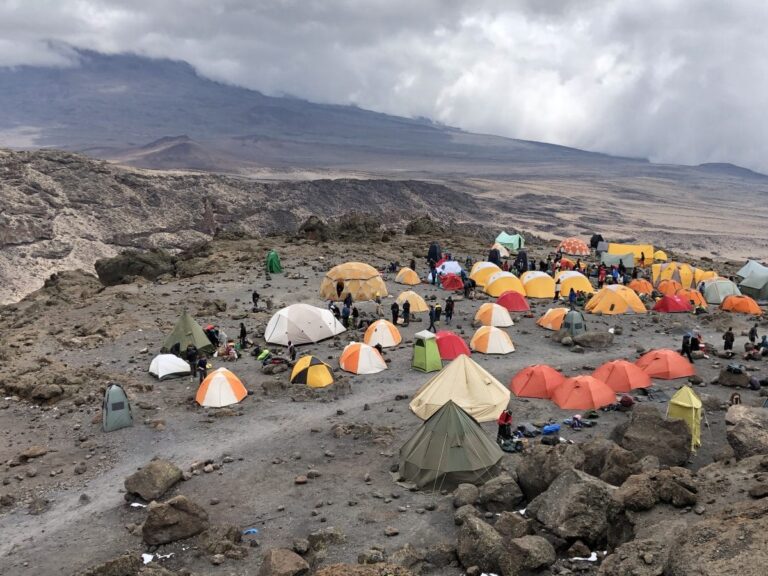
Kilimanjaro Veterans Group Expeditions For 2026-2027
Discover the unique opportunities for veterans to climb Mount Kilimanjaro together through specially organized group expeditions. Learn about the benefits, best routes, and planning...
View package details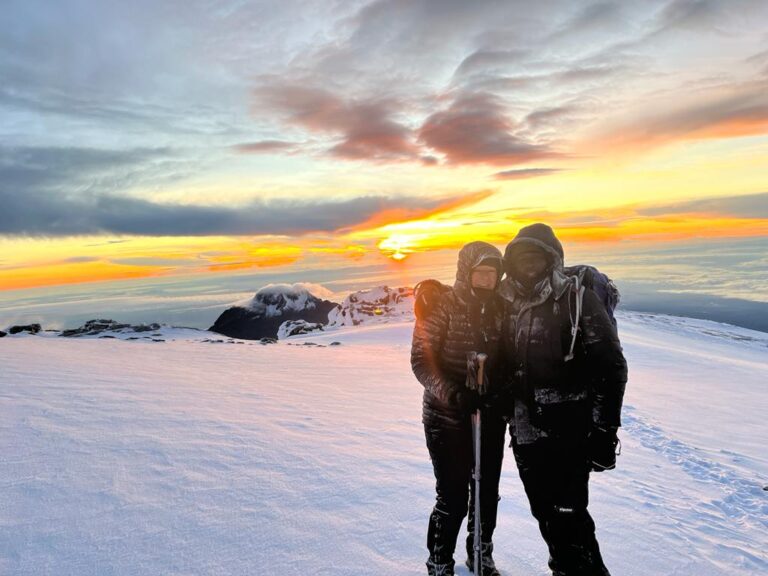
Kilimanjaro Memorial And Tribute Climb: Honoring Legacies On Africas Highest
A Kilimanjaro Memorial and Tribute Climb offers a profound way to honor a loved one's memory by ascending Africa's highest peak. Top Guide Adventures specializes in organizing these...
View package details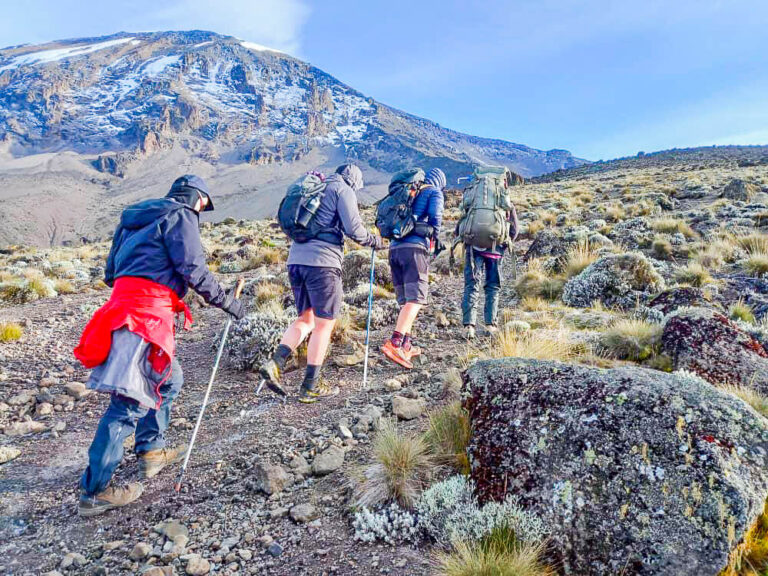
Kilimanjaro Anniversary Summit Expedition: Celebrating Milestones In 2026-2027
start an unforgettable Kilimanjaro Anniversary Summit Expedition in 2026 or 2027. This guide covers route selection, preparation, and what to expect for couples or groups celebrating a...
View package details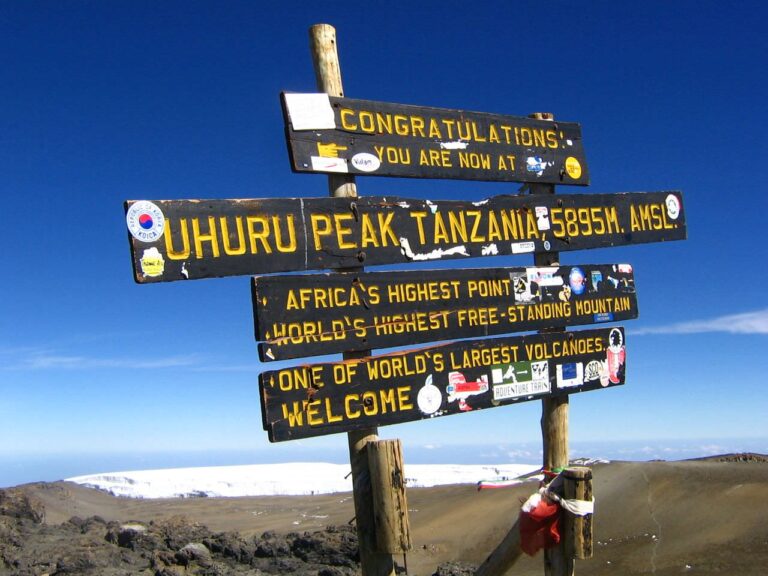
Highest-Altitude Trail Marathon On Mount Kilimanjaro 2026-2027
Highest-Altitude Trail Marathon on Mount Kilimanjaro is explained with current 2026-2027 planning, price, itinerary and booking information.
View package details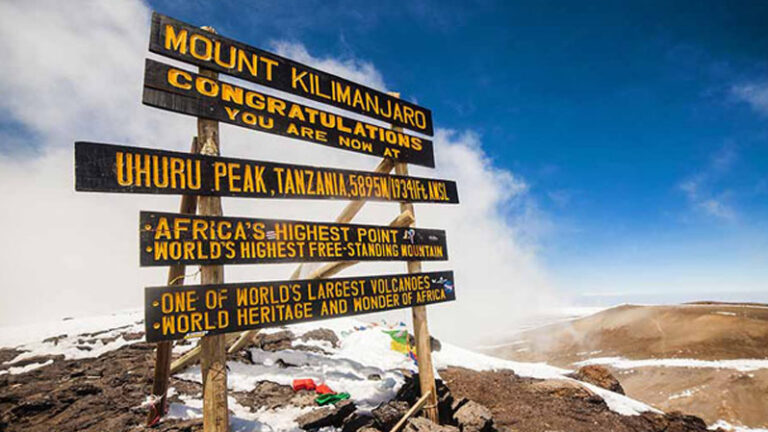
Highest Pizza Delivery On Kilimanjaro – Hut 2026-2027
Highest Pizza Delivery on Kilimanjaro – Pizza Hut is explained with current 2026-2027 planning, price, itinerary and booking information.
View package details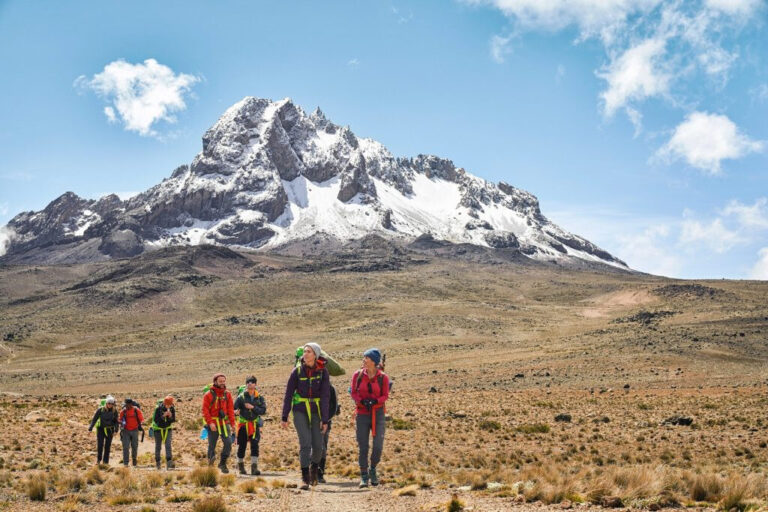
Highest Cricket Match On Kilimanjaro: Gorillas Vs Rhinos - An Epic Adventure
Discover the thrill of the Highest Cricket Match on Kilimanjaro, pitting the Gorillas against the Rhinos. This unique event combines high-altitude adventure with a passion for cricket, set...
View package details
Highest Football Match On Kilimanjaro: The Ultimate Equal Playing Field
Discover the extraordinary challenge and unique experience of playing football at the Roof of Africa. This article details the highest football match on Kilimanjaro, focusing on the 'equal...
View package details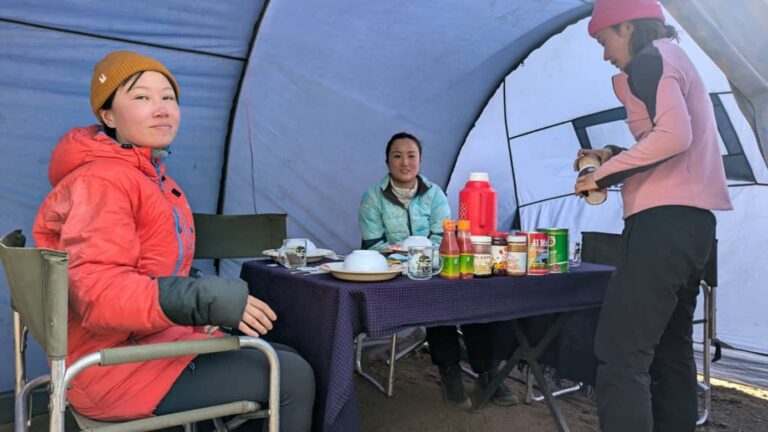
7-Day Rongai Route Kilimanjaro Climb In May: Your Ultimate Guide 2026-2027
Your comprehensive guide to conquering Kilimanjaro via the Rongai Route in May over 7 days. Learn about the itinerary, what to pack, acclimatization, and why May is a great month for this...
View package detailsNo related package matches those filters. Clear one or more filters to see the other topic-matched options.



