
A 4-Day Tanzania Big Five Safari is a short but intense wildlife adventure, typically focusing on the Northern Circuit’s most iconic parks like the Serengeti, Ngorongoro Crater, and Tarangire National Park, offering a concentrated opportunity to see lions, leopards, elephants, rhinos, and buffalo in their natural habitat, with itineraries often starting from Arusha and designed for maximum game viewing within a limited timeframe, ideal for those with less time but a strong desire to witness Tanzania’s legendary fauna.
Understanding the 4-Day Tanzania Big Five Safari
The allure of Africa’s wildlife is a powerful draw, and Tanzania stands as one of its premier destinations. For travelers with limited time but an unyielding desire to witness the continent’s most magnificent creatures, a 4-Day Tanzania Big Five Safari presents a concentrated, high-impact experience. This timeframe, while brief, is expertly designed to maximize your chances of spotting the coveted Big Five – the lion, leopard, elephant, rhinoceros, and Cape buffalo – alongside a dazzling array of other animals and diverse birdlife. While a longer safari allows for deeper exploration and a more relaxed pace, a 4-day trip is meticulously planned to ensure you don’t miss the absolute highlights. It’s about efficiency, strategic park selection, and expert guiding to bring you face-to-face with the wild heart of Tanzania.
Our focus at Top Guide Adventures is to craft these concise yet profoundly rewarding safari experiences. We understand that for many, a 4-day window is all that can be managed, and we are dedicated to making every moment count. This guide aims to demystify what such a trip entails, what to expect in terms of wildlife, landscapes, logistics, and how to best prepare for your adventure in 2026 or 2027. We’ll cover the most effective routes, the essential considerations, and why choosing a trusted local operator like us is paramount for a successful Big Five encounter.
Why Choose a 4-Day Itinerary for the Big Five?
The decision to opt for a 4-day safari is often driven by practical constraints – limited vacation time, budget considerations, or perhaps as an add-on to another travel experience. However, it’s crucial to understand that this shorter duration necessitates a strategic approach. Instead of trying to cover vast distances, a 4-day Big Five safari typically zeroes in on a cluster of parks renowned for their high wildlife density and the likelihood of Big Five sightings. This usually means concentrating on the northern circuit, leveraging the proximity of the Ngorongoro Conservation Area, Tarangire National Park, and potentially a brief foray into the southern Serengeti.
The benefits of this focused approach include:
- Maximum Wildlife Exposure: By concentrating on areas with proven high concentrations of the Big Five, you significantly increase your chances of sightings within a short period.
- Efficiency: Travel times between key locations are minimized, allowing more time for actual game drives.
- Cost-Effectiveness: Shorter safaris generally incur lower overall costs, making the dream of a Tanzanian Big Five experience more accessible.
- Ideal for First-Timers: It offers a fantastic introduction to the wonders of an African safari without requiring a lengthy commitment.
For 2026-2027, planning is key to securing the best accommodations and guides, especially during peak seasons. A 4-day itinerary allows for this focused planning, ensuring that when you arrive, every detail is handled.
The Quintessential 4-Day Big Five Safari Route: Northern Circuit Focus
When aiming for the Big Five within a 4-day window, the Northern Circuit of Tanzania is almost always the optimal choice. Its parks are world-famous for their abundant wildlife and relatively good infrastructure, making them accessible and highly rewarding for short safaris. The most common and effective route for a 4-day trip typically includes:
Day 1: Arrival and Tarangire National Park
Your safari often begins with your arrival at Kilimanjaro International Airport (JRO) or Arusha Airport. After a warm welcome, you’ll typically be transferred to Arusha for a briefing and overnight stay, or directly head towards your first wildlife destination. For a 4-day itinerary, Tarangire National Park is a superb starting point. Known for its massive elephant herds, iconic baobab trees, and diverse birdlife, Tarangire offers excellent game viewing from the moment you enter. It’s also a strong contender for spotting lions and leopards, and while rhinos are less common here, the overall wildlife density is impressive. A full afternoon game drive in Tarangire is standard, allowing you to acclimatize to the safari rhythm and start ticking off species.
Day 2: Ngorongoro Conservation Area – The Crater Floor
The journey on Day 2 takes you to the Ngorongoro Conservation Area, home to the magnificent Ngorongoro Crater. This UNESCO World Heritage Site is a geological marvel, a vast volcanic caldera teeming with wildlife. The crater floor is one of the best places in Africa to see the Big Five in a single day, including the rare black rhinoceros, which is resident here. The dense population of predators – lions, hyenas, and jackals – also makes for exciting viewing. You’ll descend into the crater for an extensive morning game drive, enjoying the unique ecosystem where various species coexist. After a picnic lunch, you’ll ascend and often stay at a lodge on the crater rim or nearby Karatu, offering stunning views and a comfortable overnight experience.
Day 3: Ngorongoro Highlands or Lake Manyara & Transfer to Serengeti Gateway
Day 3 offers a couple of itinerary variations depending on the operator and desired experience. Some 4-day itineraries might include a full day in the Ngorongoro Conservation Area, perhaps exploring the surrounding highlands, visiting a Maasai village (optional cultural interaction), or enjoying another crater descent if time and logistics permit. Alternatively, many itineraries incorporate a visit to Lake Manyara National Park, famous for its tree-climbing lions, large elephant herds, and diverse birdlife, particularly around the alkaline lake. After the morning’s activities, the afternoon is often dedicated to traveling towards the Serengeti National Park. This might involve a scenic drive, potentially stopping at a viewpoint, and arriving at an airstrip for a short flight into the Serengeti, or a longer drive to a southern Serengeti gate, depending on the safari style and budget. Staying near the Serengeti gateway allows for an early start on Day 4.
Day 4: Serengeti National Park & Departure
The final day is dedicated to the legendary Serengeti National Park. Even a single morning game drive in the Serengeti is an unforgettable experience. Depending on your lodge location and flight schedules, you’ll undertake an early morning game drive, seeking out the Big Five and witnessing the vast plains teeming with wildlife. The Serengeti is synonymous with the Great Migration (though the herds’ location varies seasonally), but its resident wildlife populations are immense year-round. After your game drive, you will be transferred to a local airstrip (e.g., Seronera) for your scheduled flight back to Arusha or Kilimanjaro International Airport, connecting with your onward international flight. This ensures you maximize wildlife viewing time without spending the entire day driving back.
This route is a popular choice for 2026-2027 bookings due to its proven success in delivering Big Five sightings within a compact schedule.
The Elusive Big Five: What to Expect on Your 4-Day Safari
The term ‘Big Five’ originated from big-game hunters who considered these animals the most dangerous and challenging to hunt on foot. Today, it’s a badge of honor for safari-goers to spot them. Each animal presents unique characteristics and behaviors, making their sighting a highlight of any Tanzanian safari.
- Lion: Often called the ‘King of the Beasts,’ lions are social animals typically found in prides. Seeing them hunt, rest under an acacia tree, or interact within their family group is a profound experience. In the Northern Circuit parks, especially the Serengeti and Ngorongoro Crater, lion sightings are relatively common.
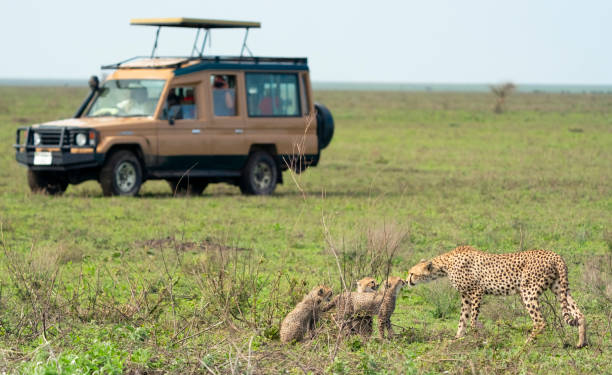
- Leopard: These are solitary, elusive, and incredibly beautiful big cats. Leopards are masters of camouflage and are often found resting in trees to keep their kills safe from scavengers. Spotting a leopard requires patience and a keen eye from your guide; they are more commonly seen in Tarangire and the Serengeti than on the crater floor.
- Elephant: Tanzania is home to some of the largest elephant populations in Africa. Tarangire National Park is particularly famous for its massive herds, especially during the dry season when they congregate around the Tarangire River. Seeing these gentle giants, from large bulls to playful calves, is a common and always awe-inspiring sight.
- Rhinoceros: The black rhinoceros is the most endangered of the Big Five. Within the Northern Circuit, the Ngorongoro Crater offers the highest probability of spotting these magnificent, ancient-looking creatures. Conservation efforts have been successful here, making it a sanctuary for them.
- Cape Buffalo: Often seen in large, formidable herds, Cape buffalo are powerful and can be unpredictable. They are common throughout the Northern Circuit parks, particularly in Tarangire and the Serengeti, often found near water sources or grazing in open plains.
While the Big Five are the main draw, a 4-day safari will also expose you to a vast array of other wildlife, including cheetahs, hyenas, wild dogs (though rarer), various antelope species (like wildebeest, gazelles, impalas), giraffes, zebras, hippos, crocodiles, and an incredible diversity of birdlife. The concentration of wildlife in these parks ensures that even a short safari is rich with sightings.
Best Time to Visit for a 4-Day Big Five Safari (2026-2027)
Choosing the right time to travel significantly impacts your safari experience, especially for a short trip where you want to maximize opportunities. Tanzania offers excellent wildlife viewing year-round, but certain periods are considered peak for specific phenomena or general conditions.
Peak Seasons (June to October, December to February)
- June-October: This is the dry season. The grass is shorter, making wildlife easier to spot. Animals congregate around permanent water sources, leading to predictable game viewing. The weather is generally cooler and less humid. This is also when the Great Migration is typically in the western and northern Serengeti, moving towards the Mara River. It’s an ideal time for Big Five sightings, but also the busiest and most expensive. Book well in advance for 2026-2027.
- December-February: This period coincides with the short rains and then the beginning of the dry season in some areas, and calving season in the southern Serengeti. The landscapes are greener, and the dramatic wildebeest calving season (usually January-March) attracts predators, making for exciting hunting action. It’s a popular time, especially around the holidays.
Shoulder Seasons (March to May, November)
- March-May: This is the long rainy season. While game viewing can still be good, especially in areas like the Ngorongoro Crater which is less affected by rain, some roads might become challenging. The landscape is lush and green, and there are fewer tourists. This can be a more budget-friendly time to travel.
- November: This is the short rainy season. It can bring brief, localized showers, usually in the afternoon. The landscape is refreshed, and the wildlife is dispersed. It’s a quieter period with fewer crowds and potentially lower prices.
For a 4-day Big Five safari in 2026-2027, aiming for the dry season (June-October) or the calving season (January-February) will likely offer the most reliable sightings. However, Tanzania’s parks are always rich with wildlife, meaning any time of year can be rewarding.
Crafting Your 4-Day Tanzania Big Five Safari Itinerary with Top Guide Adventures
At Top Guide Adventures, we specialize in creating bespoke safari experiences that fit your time constraints and desires. A 4-day itinerary is one of our most popular requests, and we’ve perfected the art of packing maximum wildlife encounters into this timeframe. Here’s how we approach it:
Tailoring the Route
While the classic Tarangire-Ngorongoro-Serengeti route is highly effective, we can adjust it based on your specific interests. For instance:
- Focus on Ngorongoro & Tarangire: If you prefer to minimize travel time and maximize time in two of the most wildlife-dense areas, we can craft an itinerary focusing solely on these two parks, allowing for deeper exploration of each. This might involve two full days in Ngorongoro (one on the crater floor, one exploring other areas) and two full days in Tarangire.
- Fly-in Safari: For ultimate efficiency and comfort, we can arrange a fly-in safari. This involves flying between parks (e.g., Arusha to Seronera in the Serengeti, then Seronera to Arusha), drastically reducing driving times and allowing for more game drives. This is a premium option but highly recommended for a 4-day trip if budget allows for 2026-2027.
Accommodation Choices
Your accommodation significantly impacts your safari experience. For a 4-day trip, we offer a range of options:
- Luxury Lodges: Offering unparalleled comfort, fine dining, and often stunning locations with premium amenities.
- Mid-Range Tented Camps: Providing a more authentic safari feel with comfortable canvas tents, en-suite bathrooms, and delicious meals.
- Budget-Friendly Options: Including comfortable lodges and camps that offer great value without compromising on the safari experience.
We select accommodations strategically located to maximize game viewing opportunities and minimize travel to/from park gates.
Vehicle and Guide Selection
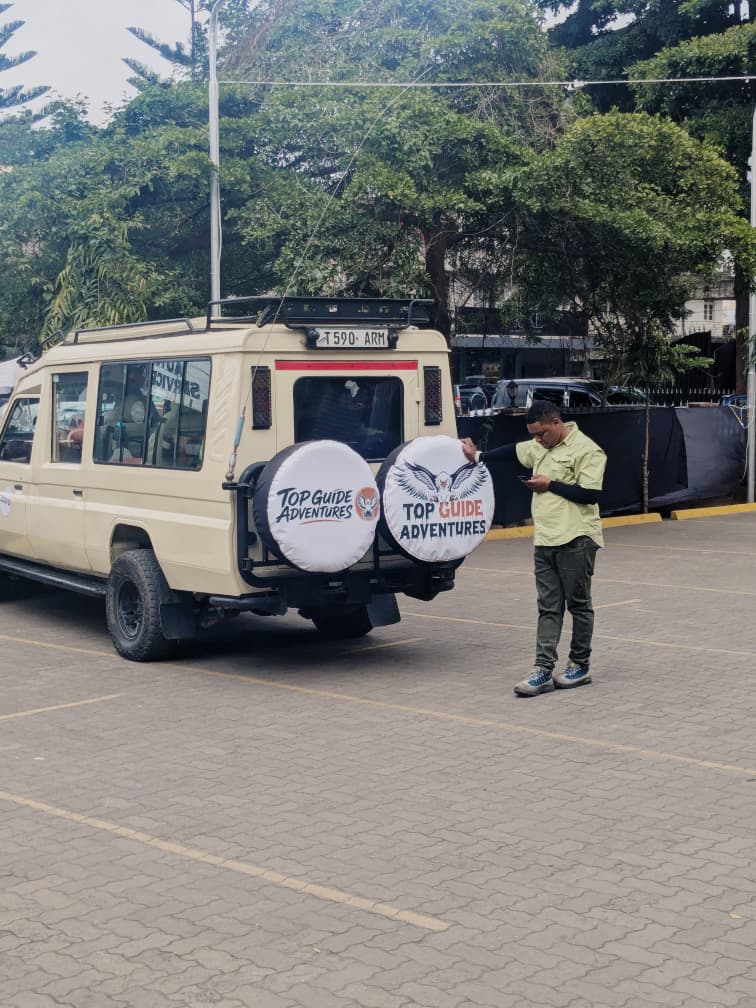
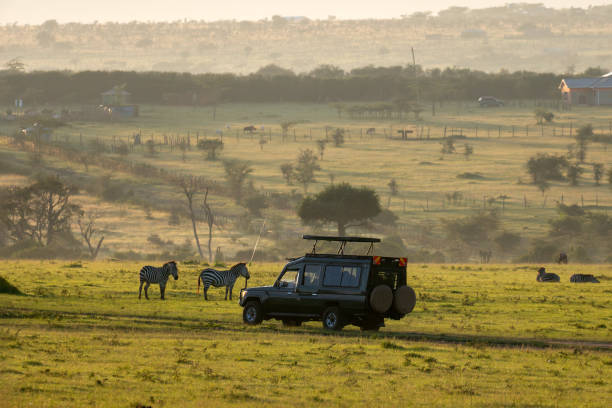
The quality of your safari vehicle and guide is paramount. We use 4×4 Land Cruisers or Land Rovers, equipped with pop-up roofs for excellent game viewing and photography. Our guides are highly experienced, knowledgeable about animal behavior, local ecosystems, and fluent in English. They are crucial in spotting wildlife and ensuring your safety and enjoyment.
Inclusions and Exclusions
A typical 4-day Tanzania Big Five Safari package with Top Guide Adventures includes:
- Airport transfers
- Accommodation as per your chosen level
- All park entrance fees
- Crater service fees (for Ngorongoro)
- All game drives in a 4×4 safari vehicle
- Professional English-speaking driver-guide
- Meals (full board often included during safari days)
- Bottled water during game drives
- All government taxes and levies
Exclusions typically are:
- International flights
- Visa fees
- Travel insurance
- Tips for your guide and lodge staff
- Beverages (alcoholic and non-alcoholic) at lodges/camps
- Optional activities (e.g., hot air balloon safari, cultural visits)
We provide a detailed itinerary and inclusions list for each custom quote.
Booking Your 2026-2027 Safari: Essential Tips
Planning a 4-day Tanzania Big Five Safari for 2026 or 2027 requires early action, especially if you aim for peak seasons. Here’s what you need to consider:
- Book Early: Popular lodges and flights fill up months, sometimes over a year, in advance. For 2026-2027, starting your research and booking process now is highly advisable.
- Choose Your Operator Wisely: A local, reputable company like Top Guide Adventures offers deep knowledge, better pricing, and personalized service. Check reviews and credentials.
- Understand the Pace: A 4-day safari is fast-paced. Be prepared for early mornings and full days of activity.
- Pack Appropriately: Light, neutral-colored clothing, layers, a good hat, sunglasses, sunscreen, insect repellent, and comfortable walking shoes are essential. Binoculars are a must.
- Health Precautions: Consult your doctor about necessary vaccinations and malaria prophylaxis.
- Budget: While 4-day safaris are more affordable than longer ones, costs vary significantly based on accommodation level, private vs. group tours, and time of year. Request a personalized quote.
What to Pack for Your 4-Day Tanzania Big Five Safari
Packing correctly ensures comfort and practicality during your safari. For a 4-day trip, you’ll want to pack efficiently, focusing on essentials. Remember that luggage space on internal flights can be restricted (often 15kg soft bags). Here’s a recommended packing list:
Clothing:
- Lightweight, neutral-colored clothing: Khaki, beige, olive green are ideal. Avoid bright colors and dark blue/black which can attract tsetse flies.
- Long-sleeved shirts and trousers: For sun protection and warmth in the evenings.
- T-shirts and shorts: For warmer daytime temperatures.
- Fleece or warm jacket: Evenings and early mornings can be cool, especially at higher altitudes like the Ngorongoro Crater rim.
- Rain jacket or poncho: Especially if traveling during shoulder seasons.
- Swimsuit: For lodges with pools.
Footwear:
- Comfortable walking shoes or hiking boots: You won’t be doing extensive hiking, but sturdy shoes are good for walking around camps and lodges.
- Sandals or flip-flops: For relaxing at the lodge.
Essentials:
- Sunscreen (high SPF): The sun is intense.
- Insect repellent (with DEET): Crucial for malaria prevention.
- Hat (wide-brimmed): For sun protection.
- Sunglasses: To protect your eyes.
- Camera and extra memory cards/batteries: You’ll be taking lots of photos!
- Binoculars: Essential for spotting distant wildlife.
- Headlamp or small flashlight: Useful for navigating at night.
- Personal medications: With prescriptions if necessary.
- Basic first-aid kit: Band-aids, antiseptic wipes, pain relievers.
- Hand sanitizer: For hygiene on the go.
- Reusable water bottle: To stay hydrated and reduce plastic waste.
- Adapter for electronics: Tanzania uses Type G sockets (UK style).
- Passport and necessary visas: Keep copies separate.
- Cash (USD): For tips and small purchases.
Always pack light and in soft bags if you are taking internal flights, as weight restrictions are common. Your safari operator will provide a more detailed packing list specific to your itinerary.
Cost Considerations for a 4-Day Tanzania Big Five Safari in 2026-2027
The cost of a 4-day Tanzania Big Five Safari can vary significantly based on several factors. As a general guideline for 2026-2027, expect the following:
Factors Influencing Price:
- Accommodation Level: Luxury lodges are considerably more expensive than mid-range tented camps or budget options.
- Private vs. Group Safari: A private safari offers flexibility and exclusivity but comes at a higher price per person. Joining a small group safari is more budget-friendly.
- Time of Year: Peak seasons (June-Oct, Dec-Feb) are more expensive due to higher demand.
- Inclusions: Some packages might include more meals, drinks, or specific activities than others.
- Transportation: Fly-in safaris are significantly more expensive than overland safaris due to flight costs.
Estimated Price Ranges (per person, excluding international flights):
- Budget Safari: Starting from approximately $900 – $1,300 USD. This typically involves more basic but clean accommodations, potentially shared vehicles, and overland travel.
- Mid-Range Safari: Ranging from $1,400 – $2,500 USD. This offers comfortable tented camps or lodges, private vehicles, and excellent guiding.
- Luxury Safari: From $2,600 USD upwards. This includes high-end lodges, exclusive services, and potentially fly-in options.
These are indicative prices for 2026-2027. For an accurate quote tailored to your needs, it is best to contact us directly at Top Guide Adventures.
Check Availability for 4-Day Tanzania Big Five Safari 2026-2027
Ready to compare dates, prices, and the best option for your group? Send the package name and travel month so the team can reply with a clear quote, availability, and what is included.
Book 6-Day Kenya And Tanzania Safari 2026-2027
Book 6-Day Kenya and Tanzania Safari is explained with current 2026-2027 planning, price, itinerary and booking information.
View package details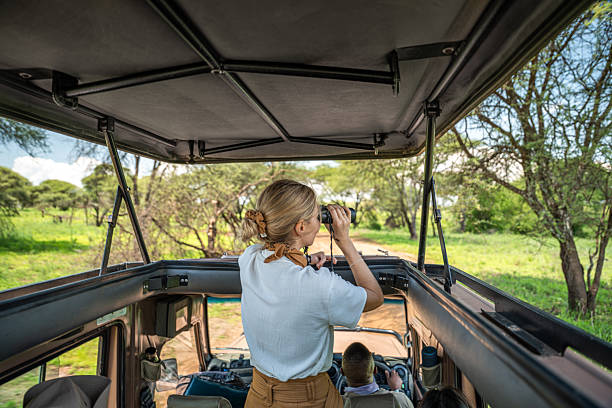
6-Day Kenya And Tanzania Safari 2026-2027
6-Day Kenya and Tanzania Safari is explained with current 2026-2027 planning, price, itinerary and booking information.
View package details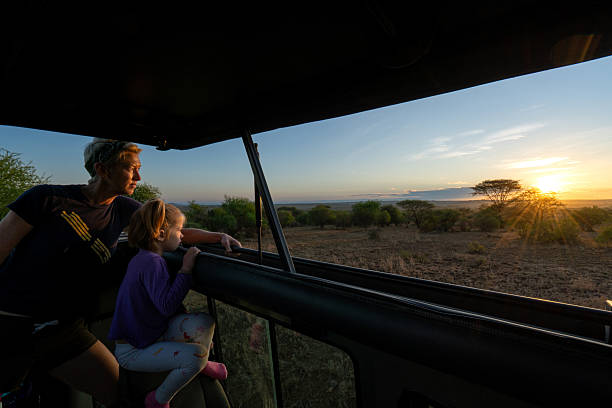
4-Day Serengeti Fly-In Luxury Safari: Ultimate Tanzania Adventure 2026-2027
Discover the magic of the Serengeti on a 4-day fly-in luxury safari. This exclusive adventure bypasses long drives, taking you directly to the heart of the action for unparalleled wildlife...
View package details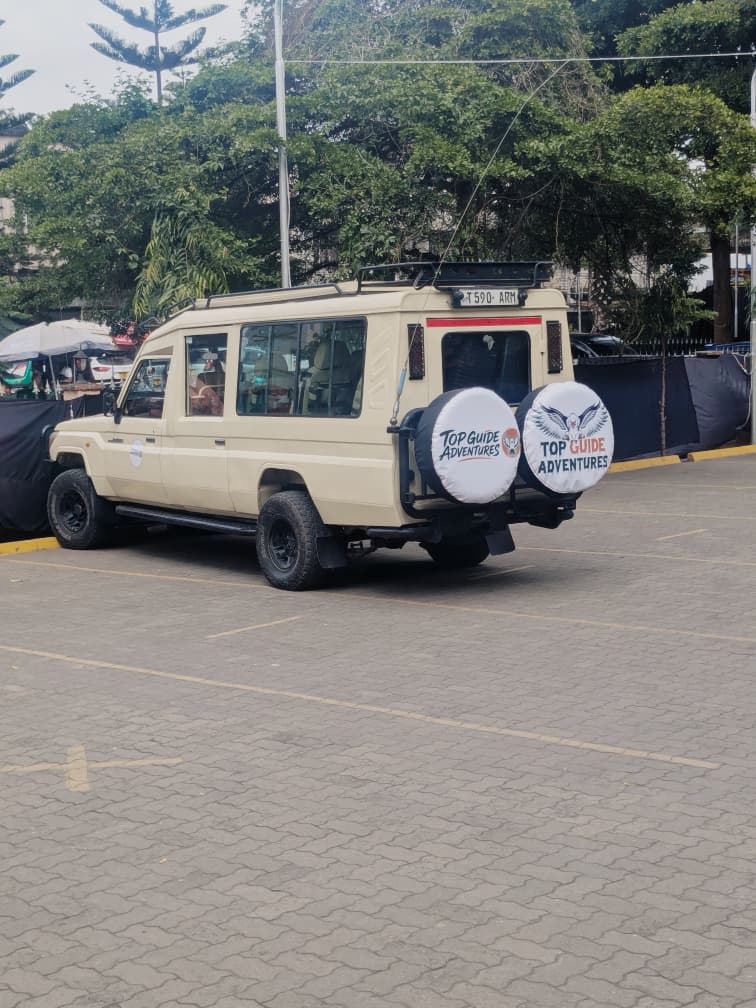
8-Day Kenya And Tanzania Big Five Safari: The Ultimate African Wildlife
start an unforgettable 8-day journey through Kenya and Tanzania, focusing on the "Big Five" – lion, leopard, elephant, rhino, and buffalo. This itinerary blends iconic wildlife viewing in...
View package details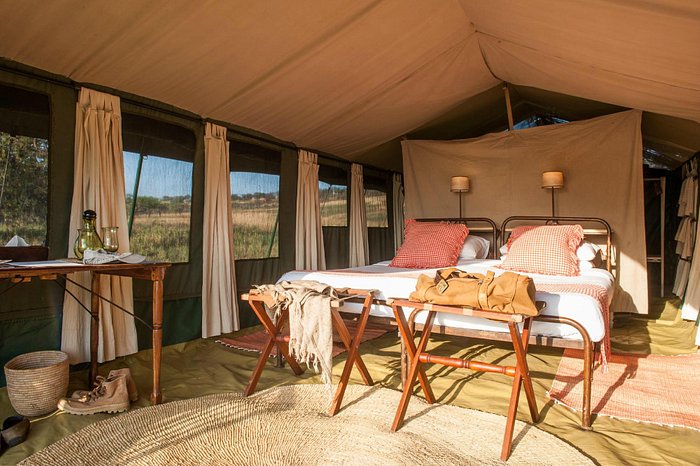
5-Day Kenya Safari From Nairobi: Essential Itinerary & Planning Guide
Discover the best 5-day Kenya safari from Nairobi, covering iconic destinations like the Masai Mara and Lake Nakuru. This comprehensive guide provides itinerary options, packing tips, and...
View package details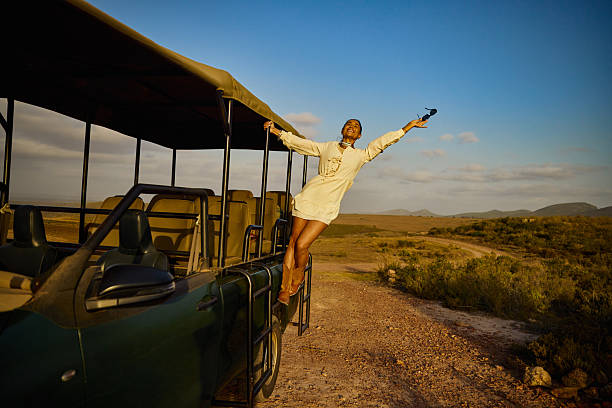
4-Day Kenya Masai Mara And Lake Nakuru Safari: The Ultimate Wildlife Adventure
Discover the magic of Kenya on a 4-day safari combining the iconic Masai Mara with the stunning birdlife of Lake Nakuru. This itinerary offers a compact yet comprehensive wildlife viewing...
View package details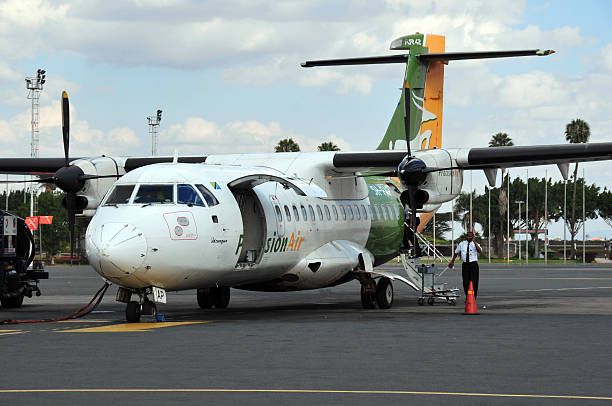
4-Day Northern Serengeti River Crossing Safari: The Ultimate Guide 2026-2027
Discover the thrill of the Great Migration's river crossing with a 4-day Northern Serengeti safari. This guide covers the best times, locations, and what to expect for an unforgettable...
View package details
4-Day Ndutu Calving Season Safari 2026-2027
4-Day Ndutu Calving Season Safari is explained with current 2026-2027 planning, price, itinerary and booking information.
View package details4-Day Serengeti Great Migration Safari: Your Ultimate Guide 2026-2027
Discover the magic of a 4-day Serengeti Great Migration safari. This guide details optimal timings, prime locations, wildlife encounters, and essential planning for an unforgettable...
View package details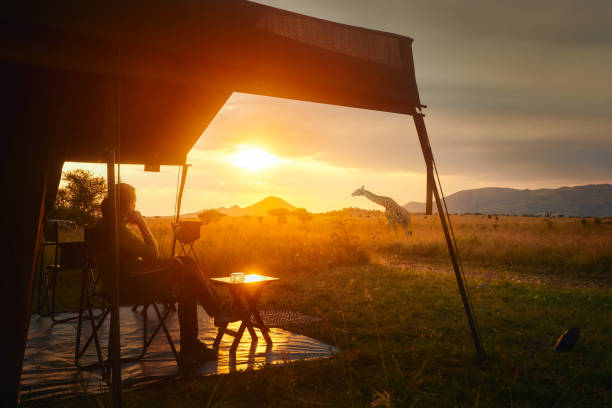
14-Day Gorilla Trekking And Great Migration Safari In Tanzania 2026-2027
Combine the awe-inspiring experience of gorilla trekking with the unparalleled spectacle of the Great Migration on a 14-day safari adventure in East Africa. This itinerary offers a profound...
View package details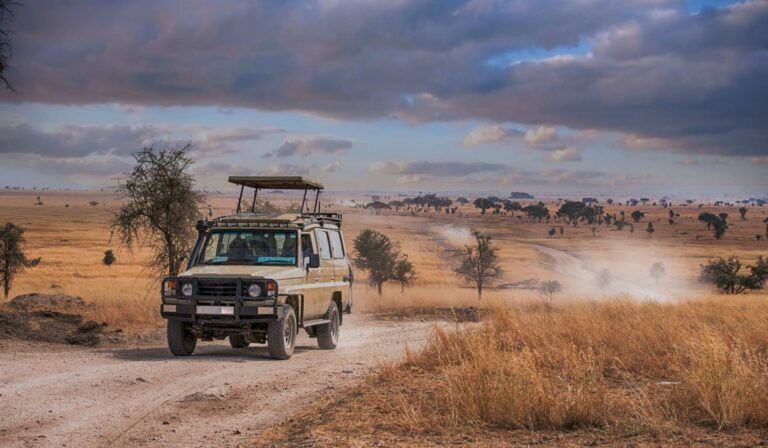
10-Day Uganda Gorillas And Tanzania Safari: Ultimate Itinerary & Planning
A detailed 2026-2027 guide to 10-Day Uganda Gorillas and Tanzania Safari, with clear planning and booking information for travelers.
View package details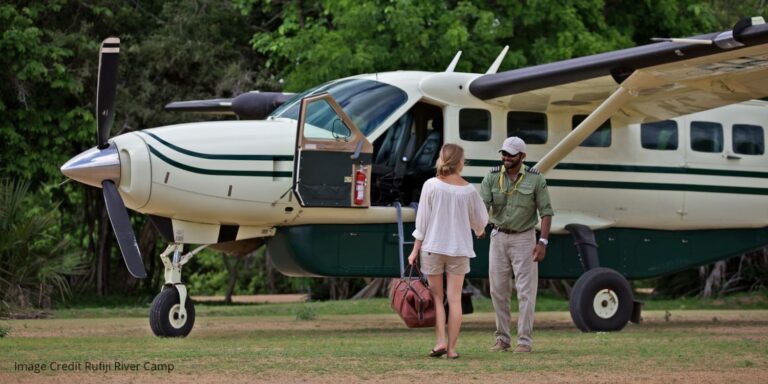
15-Day Uganda, Rwanda And Tanzania Safari 2026-2027
15-Day Uganda, Rwanda and Tanzania Safari is explained with current 2026-2027 planning, price, itinerary and booking information.
View package detailsNo related package matches those filters. Clear one or more filters to see the other topic-matched options.



