
A 7-day Uganda and Rwanda gorilla safari is a concentrated yet comprehensive journey designed to maximize your chances of encountering mountain gorillas in their natural habitat, typically involving treks in Bwindi Impenetrable National Park (Uganda) and Volcanoes National Park (Rwanda), with travel often starting and ending in Entebbe (Uganda) or Kigali (Rwanda), and including transfers, park permits, accommodation, and guided treks.
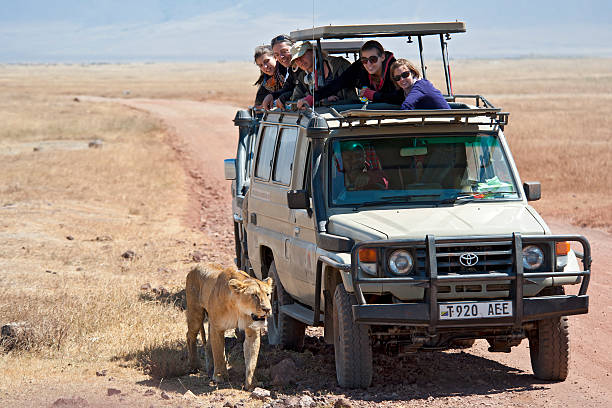
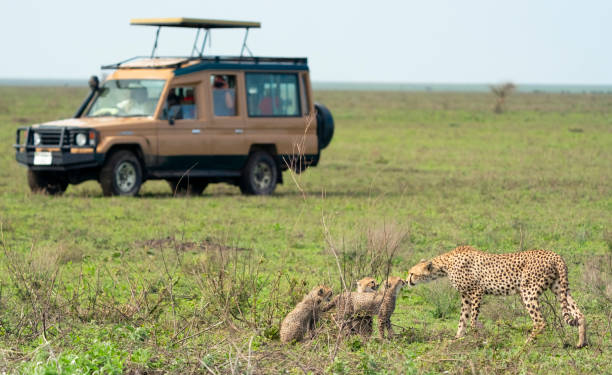
Designing Your 7-Day Uganda and Rwanda Gorilla Safari Adventure
The allure of coming face-to-face with the majestic mountain gorillas in their misty, verdant homes is a powerful draw for many travelers. A 7-day itinerary offers a focused yet deeply rewarding experience, efficiently combining the prime gorilla trekking destinations in both Uganda and Rwanda. This duration allows for dedicated time in each country’s premier gorilla habitats, ensuring a meaningful encounter without feeling rushed. For those planning a trip in the upcoming years, particularly 2026 and 2027, early planning is crucial, especially for securing gorilla permits, which are limited and highly sought after.
This comprehensive guide aims to demystify the process of planning your 7-day Uganda and Rwanda gorilla safari. We will explore optimal routes, the critical differences between Ugandan and Rwandan gorilla trekking, permit acquisition, the best times to visit, accommodation styles, and what to expect on the ground. Our goal is to provide you with all the information needed to make informed decisions and craft an unforgettable adventure with Top Guide Adventures.
Why Combine Uganda and Rwanda for Your Gorilla Trek?
While both Uganda and Rwanda offer exceptional mountain gorilla trekking, combining them within a 7-day safari presents a unique opportunity to experience the diverse landscapes and conservation approaches of these two neighboring nations. This dual-country approach offers several advantages:
- Maximum Gorilla Encounter Probability: Each park has habituated gorilla families. By visiting both, you increase your chances of a successful sighting and potentially observe different family dynamics.
- Diverse Trekking Experiences: Bwindi Impenetrable National Park in Uganda is known for its dense, ancient rainforest and rugged terrain, often leading to more challenging, yet incredibly rewarding, treks. Volcanoes National Park in Rwanda offers a more accessible trekking experience with well-maintained trails and a higher density of gorilla families in a more open forest setting.
- Cultural Richness: Experience the distinct cultures and local interactions in both Uganda and Rwanda, from the Batwa pygmy communities in Uganda to the vibrant Rwandan communities known for their resilience and conservation efforts.
- Logistical Efficiency: With well-connected road networks, it’s feasible to travel between key gorilla trekking locations in Uganda and Rwanda within a 7-day timeframe, especially with strategic planning.
Understanding the Gorilla Permit: The Key to Your Trek
The single most important element in planning any gorilla safari is securing a gorilla trekking permit. These permits are essential for entry into the national parks where gorillas reside and are strictly limited to control human impact and ensure conservation success. For 2026-2027 travel, understanding the permit system is paramount.
Uganda Gorilla Permits
- Cost: As of recent information, a Uganda gorilla permit costs $700 USD per person for foreign non-residents, $600 for foreign residents, and $40 for East African citizens. Prices are subject to change, so it’s vital to confirm the latest rates when booking for 2026-2027.
- Availability: Permits are issued by the Uganda Wildlife Authority (UWA) and are limited to 8 trekkers per gorilla family per day. Popular families and peak seasons book up months, sometimes over a year, in advance.
- Where to Trek: The primary locations for gorilla trekking in Uganda are Bwindi Impenetrable National Park (southern and northern sectors) and Mgahinga Gorilla National Park.
Rwanda Gorilla Permits
- Cost: Rwanda has positioned itself as a premium gorilla trekking destination. The Rwanda gorilla permit costs $1,500 USD per person for all nationalities (foreign non-residents, residents, and East African citizens). This higher cost reflects Rwanda’s focus on high-value, low-volume tourism.
- Availability: Similar to Uganda, Rwanda Development Board (RDB) issues permits for Volcanoes National Park, with a daily limit of 8 trekkers per gorilla family. High demand means booking well in advance is essential for 2026-2027 trips.
- Where to Trek: The sole location for mountain gorilla trekking in Rwanda is Volcanoes National Park.
Comparing Permit Costs and Experiences
The significant price difference ($700 vs. $1500) is a major factor for many travelers. Uganda offers a more budget-friendly option, while Rwanda’s higher price point is often associated with a perception of higher service standards, easier trekking conditions, and a more exclusive feel. However, the core experience of seeing gorillas is profound regardless of the country. A 7-day itinerary can be structured to include permits for both countries, but this significantly increases the overall permit cost and requires careful logistical planning.
Top Guide Adventures strongly advises booking your gorilla permits at least 6-12 months in advance for 2026-2027, especially if you have specific date preferences or are traveling during peak seasons (June-August, December-February).
Crafting Your 7-Day Itinerary: Options and Considerations
A 7-day itinerary is tight but achievable for experiencing gorillas in both Uganda and Rwanda. The key is efficient travel and minimizing transit times. Here are a few conceptual approaches:
Option 1: Uganda Focus with a Day Trip to Rwanda (Less Common for 7 Days)
This option would primarily focus on Bwindi Impenetrable National Park in Uganda, perhaps splitting time between two sectors (e.g., Buhoma and Ruhija) or one sector and a day trip to Mgahinga. A true 7-day trip that *includes* trekking in both countries typically requires flying between locations or very long driving days. Given the time constraint, a 7-day trip is usually better focused on one country for a more relaxed pace. However, if the primary goal is just to see gorillas and experience a bit of Rwanda, one could fly into Kigali, trek in Volcanoes National Park, and then drive to Uganda for a second trek, returning to Kigali. This is logistically challenging for 7 days.
Option 2: Split Experience – Uganda & Rwanda (The Most Common 7-Day Dual-Country Goal)
This is the most sought-after 7-day itinerary for those wanting a taste of both. It requires careful timing and often involves crossing the border by road.
- Day 1: Arrival in Kigali, Rwanda. Transfer to your hotel.
- Day 2: Transfer to Volcanoes National Park. Morning drive to Musanze, the gateway town. Afternoon relaxation or optional cultural visit.
- Day 3: Gorilla Trek in Volcanoes National Park, Rwanda. Early start for your gorilla trek. Afternoon transfer towards the Uganda border.
- Day 4: Cross to Uganda & Transfer to Bwindi. Complete border formalities and drive to the southern sector of Bwindi Impenetrable National Park (e.g., Rushaga or Nkuringo).
- Day 5: Gorilla Trek in Bwindi Impenetrable National Park, Uganda. Your second gorilla trekking day.
- Day 6: Transfer back to Kigali, Rwanda. A long but scenic drive, potentially stopping at Lake Bunyonyi in Uganda or exploring local markets.
- Day 7: Departure from Kigali. Depending on flight schedules, perhaps a city tour or souvenir shopping before heading to the airport.
Important Note: This itinerary involves significant driving. To maximize your time and minimize travel fatigue for 2026-2027 trips, consider a charter flight between Uganda and Rwanda, though this adds considerably to the cost.
Option 3: Uganda – Deep Dive (Recommended for 7 Days if Focusing on One Country)
For a more relaxed 7-day experience with less travel time and more immersion in Uganda’s biodiversity, focusing solely on Bwindi and potentially Mgahinga is highly recommended.
- Day 1: Arrival in Entebbe, Uganda. Transfer to your hotel.
- Day 2: Fly to Bwindi or Drive. Option to fly from Entebbe to Kihihi or Kisoro airstrips (shortens travel significantly) or undertake the scenic road journey (approx. 8-10 hours).
- Day 3: Gorilla Trek in Bwindi Impenetrable National Park. First gorilla trekking experience.
- Day 4: Second Gorilla Trek or Gorilla Habituation Experience. Option for a second trek in a different sector or the longer Gorilla Habituation Experience (GHE) for a more in-depth encounter.
- Day 5: Transfer to Queen Elizabeth National Park. Enjoy a scenic drive, game drives en route.
- Day 6: Game Drives & Transfer back towards Entebbe. Morning game drive in Queen Elizabeth NP, looking for tree-climbing lions. Begin the journey back to Kampala/Entebbe.
- Day 7: Departure from Entebbe.
This Uganda-focused itinerary allows for more wildlife viewing beyond gorillas and a less demanding travel schedule for a 7-day trip.
Choosing Your Gorilla Trekking Park: Bwindi vs. Volcanoes
The decision between Uganda’s Bwindi Impenetrable National Park and Rwanda’s Volcanoes National Park (or combining them) is central to your safari planning.
Bwindi Impenetrable National Park (Uganda)
- Terrain: Bwindi is a true, ancient rainforest with steep, rugged hills. Treks can be physically demanding, involving significant uphill and downhill walking through dense vegetation.
- Gorilla Families: Home to roughly half of the world’s mountain gorilla population, with numerous habituated families spread across different sectors (Buhoma, Ruhija, Rushaga, Nkuringo).
- Trekking Experience: Often described as more challenging but more in-depth due to the dense forest environment. The gorillas may be found deeper in the forest, requiring longer treks.
- Biodiversity: Beyond gorillas, Bwindi is a UNESCO World Heritage Site rich in birdlife, butterflies, and other primates.
- Permit Cost: $700 USD (as of recent data).
Volcanoes National Park (Rwanda)
- Terrain: Part of the Virunga Massif, the terrain is mountainous but generally less dense and steep than Bwindi. Trails are often well-maintained.
- Gorilla Families: Houses several habituated gorilla families, with sightings generally considered more reliable and treks potentially shorter.
- Trekking Experience: Often perceived as more accessible and comfortable. The landscape is characterized by bamboo forests and open grasslands on the lower slopes.
- Biodiversity: Also home to golden monkeys and a variety of bird species. The dramatic volcanic scenery is a major draw.
- Permit Cost: $1,500 USD (as of recent data).
Which is Right for Your 7-Day Safari?
For a 7-day trip aiming to see gorillas in both countries, you will likely need to trek in Volcanoes National Park (Rwanda) and one sector of Bwindi Impenetrable National Park (Uganda). If you are prioritizing comfort and accessibility, Rwanda might be preferred. If you seek a more rugged, in-depth jungle experience and are mindful of budget, Uganda is an excellent choice. Many travelers choose Uganda for its lower permit cost and then consider Rwanda for a second trek if time and budget allow, or vice versa.
Logistics of a 7-Day Uganda and Rwanda Gorilla Safari
The success of a short, dual-country safari hinges on meticulous logistical planning. For 2026-2027, consider these critical elements:
International Flights
Most international travelers fly into Entebbe International Airport (EBB) in Uganda or Kigali International Airport (KGL) in Rwanda. The choice of arrival airport often dictates the starting point of your safari. For a combined trip, flying into one and out of the other can save backtracking time.
Border Crossing
The main border crossing between Uganda and Rwanda used by tourists is at Cyanika (connecting Kisoro in Uganda to Musanze in Rwanda) or Katuna/Gatuna (connecting Kabale in Uganda to Kigali in Rwanda). Your driver-guide will handle the formalities, but expect potential delays. Ensure your visas are in order.
Internal Transportation
- Road Travel: This is the most common method. Safaris are typically conducted in 4×4 safari vehicles with pop-up roofs, driven by experienced guides. Road travel between gorilla parks and capitals can be lengthy. A 7-day trip will involve considerable driving if not incorporating flights.
- Domestic Flights: Uganda offers domestic flights from Entebbe to airstrips near Bwindi (Kihihi, Kisoro) and Queen Elizabeth National Park. This significantly cuts down travel time but increases the safari cost. Rwanda does not have domestic airstrips serving Volcanoes National Park.
Accommodation
Options range from budget-friendly guesthouses to mid-range lodges and luxurious tented camps or lodges. For a 7-day trip, accommodation is strategically chosen near the park entrances to maximize trekking time. Expect comfortable lodges with good amenities, often blending into the natural environment.
Visas and Vaccinations
- Visas: Most nationalities require a visa for both Uganda and Rwanda. These can often be obtained online in advance (e-visa) or upon arrival, though pre-application is recommended for smoother entry. East African tourist visas are available for those visiting multiple East African countries.
- Vaccinations: Yellow Fever vaccination is mandatory for entry into both countries. Malaria prophylaxis is highly recommended. Consult your doctor or a travel clinic well in advance of your 2026-2027 trip for personalized advice.
The Gorilla Trekking Day: What to Expect
The day of your gorilla trek is the culmination of your planning. Here’s a breakdown of what typically happens:
- Early Morning Start: You’ll need to be at the park headquarters (e.g., Buhoma in Bwindi, Kinigi in Volcanoes NP) by 7:00 AM for a briefing.
- Briefing: Park rangers will provide a detailed briefing on gorilla trekking etiquette, safety guidelines, and the specific gorilla family you will be tracking. You’ll be assigned to a group of up to 8 people.
- The Trek: You’ll be driven to the trailhead and begin your trek with experienced guides and porters. The duration and difficulty vary significantly depending on the gorillas’ location. It can range from 30 minutes to several hours.
- The Encounter: Once the gorillas are located, you will have a maximum of one hour in their presence. This time is for observation, photography (no flash photography is recommended), and quiet enjoyment. Maintain a respectful distance as advised by your guides.
- The Descent: After your hour is up, you’ll begin the trek back to the starting point.
- Return to Lodge: You’ll return to the park headquarters for a debriefing and often receive a certificate. Your lodge will be waiting with refreshments and a comfortable place to rest.
Packing Essentials for Your Trek
Proper gear is crucial for a comfortable and safe gorilla trek:
- Sturdy Hiking Boots: Waterproof and well-worn-in.
- Long Trousers and Long-Sleeved Shirts: To protect against thorns, insects, and the elements.
- Rain Jacket: Lightweight and waterproof, as rainforest weather is unpredictable.
- Insect Repellent: High DEET content is recommended.
- Sunscreen and Hat: For higher altitudes and exposed areas.
- Water Bottle: Stay hydrated.
- Snacks: For energy during the trek.
- Camera with Extra Batteries and Memory Cards: You’ll want to capture the moment.
- Binoculars: For spotting distant wildlife.
- Small Backpack: To carry your essentials.
- Porters: Consider hiring a porter (arranged at the park headquarters) to help carry your backpack and offer support on the trail. This also supports the local community.
Best Time to Travel for Your 7-Day Safari (2026-2027)
Gorilla trekking is possible year-round, but certain periods offer more favorable weather conditions:
- Dry Seasons (June to August, December to February): These are the peak tourist seasons. Trails are drier and less muddy, making trekking easier. Expect pleasant temperatures. However, this is also when permits are most in demand and prices for accommodation can be higher.
- Wet Seasons (March to May, September to November): These months bring rain, which can make trails slippery and challenging. However, the landscape is incredibly lush and green, and there are fewer tourists. Gorilla permits and accommodation might be slightly more available and potentially less expensive. The rain often comes in short, intense bursts, with sunny periods in between.
For planning your 2026-2027 safari, consider booking for the dry seasons if you prefer easier trekking conditions, or the wet seasons if you aim for a quieter experience with potentially lower costs and vibrant scenery.
Gorilla Habituation Experience (GHE) vs. Standard Trek
While a standard gorilla trek allows for one hour with a habituated family, Uganda offers the unique Gorilla Habituation Experience (GHE) in Bwindi Impenetrable National Park. This is a longer, more in-depth experience that allows you to spend up to four hours with a gorilla family that is still undergoing the habituation process. You’ll accompany researchers and rangers, learning more about gorilla behavior and conservation efforts.
Key Differences:
- Duration: 1 hour (standard trek) vs. up to 4 hours (GHE).
- Permit Cost: $700 USD (standard Uganda) vs. $1,500 USD (GHE). Rwanda’s standard permit is $1,500.
- Group Size: 8 people (standard trek) vs. 4 people (GHE).
- Experience Focus: Observing habituated gorillas (standard) vs. participating in the habituation process and deeper observation (GHE).
For a 7-day safari, fitting in a GHE might require dedicating a full day or even two to Bwindi, potentially making a combined Uganda-Rwanda trip very rushed. However, if your primary focus is an extended, unparalleled gorilla encounter, the GHE is an exceptional option to consider, especially if you are concentrating your 7 days within Uganda.
Conservation Efforts and Responsible Tourism
Your 7-day Uganda and Rwanda gorilla safari directly contributes to the conservation of these critically endangered primates and supports local communities. Both countries have made significant strides in protecting gorillas through well-managed national parks, anti-poaching patrols, and community engagement programs funded by tourism revenue.
- Permit Fees: A substantial portion of the permit fees goes towards conservation initiatives, park management, and ranger salaries.
- Community Benefits: Tourism revenue also funds local infrastructure, schools, and healthcare, providing alternative livelihoods and incentivizing communities to protect the gorillas and their habitats.
- Responsible Practices: Adhering to park rules—maintaining distance, avoiding flash photography, not littering, and respecting the gorillas’ space—is crucial for their well-being and the sustainability of tourism.
When planning your 2026-2027 trip, choose reputable tour operators like Top Guide Adventures who are committed to responsible tourism practices and ensuring your visit benefits both conservation and local communities.
Cost Considerations for Your 7-Day Safari
The cost of a 7-day Uganda and Rwanda gorilla safari can vary significantly based on your chosen level of accommodation, transportation (road vs. flying), and whether you opt for permits in one or both countries.
Key Cost Components:
- Gorilla Permits: The largest single expense ($700 USD for Uganda, $1500 USD for Rwanda, $1500 USD for Uganda GHE).
- Accommodation: Ranges from $100-$500+ per person per night, depending on luxury level.
- Transportation: 4×4 vehicle with driver/guide ($200-$400+ per day), or domestic flights ($200-$400+ per flight segment).
- Park Entrance Fees: For other parks visited (e.g., Queen Elizabeth NP).
- Meals: Often included in lodge rates, but sometimes a la carte.
- Activities: Game drives, cultural visits, etc.
- Visas and Insurance: Variable costs.
Estimated Budget Ranges for a 7-Day Uganda and Rwanda Gorilla Safari (per person, excluding international flights):
- Mid-Range: $3,500 – $5,500 USD. This typically includes comfortable lodges, road transport, and permits for one country’s gorillas (e.g., Uganda).
- Luxury: $5,500 – $8,000+ USD. This often includes high-end lodges, potentially domestic flights, and permits for both Uganda and Rwanda, or the GHE in Uganda.
For a 7-day itinerary that includes gorilla permits in BOTH Uganda and Rwanda, expect the total cost to be at the higher end of these ranges, potentially exceeding $6,000 – $8,000+ per person due to the combined permit costs and necessary logistics.
Top Guide Adventures can provide a personalized quote for your 2026-2027 7-day Uganda and Rwanda gorilla safari. Contact us via WhatsApp at +255616946642 or email us at topguideadventures@gmail.com or info@topguideadventures.com.
Planning Your 2026-2027 Safari with Top Guide Adventures
Navigating the complexities of a multi-country safari, especially for a short duration like 7 days, requires expert knowledge. Top Guide Adventures specializes in crafting smooth and memorable East African adventures. We understand the intricacies of gorilla permit booking, optimal routing, and ensuring you have the best possible experience.
Our team offers:
- Tailored Itineraries: We customize every safari to your interests, budget, and time constraints, whether you’re planning for 2026 or 2027.
- Expert Local Knowledge: Benefit from our deep understanding of Uganda and Rwanda’s parks, wildlife, culture, and logistics.
- Permit Assistance: We handle the often-challenging process of securing your gorilla permits well in advance.
- Quality Accommodation and Transport: We partner with trusted lodges and provide reliable, comfortable safari vehicles.
- Dedicated Support: From your initial inquiry to your departure, our team provides personal attention and dedicated support.
Ready to plan your 7-day Uganda and Rwanda gorilla safari for 2026-2027? Reach out to us:
- WhatsApp: +255616946642
- Email: topguideadventures@gmail.com
- Backup Email: info@topguideadventures.com
Let Top Guide Adventures transform your dream of encountering mountain gorillas into a perfectly executed reality.
Frequently Asked Questions About 7-Day Uganda & Rwanda Gorilla Safaris
- Q: Is 7 days enough for a Uganda and Rwanda gorilla safari?
A: Yes, 7 days is sufficient for a focused trip that includes trekking in both Uganda and Rwanda, provided logistics are efficient. It will involve significant travel time but allows for the core experience. - Q: How far in advance should I book my 2026-2027 gorilla permits?
A: It is highly recommended to book at least 6-12 months in advance, especially for peak seasons, to secure your desired dates and preferred gorilla families. - Q: What is the main difference between trekking in Uganda and Rwanda?
A: Rwanda’s Volcanoes National Park generally offers more accessible treks with potentially shorter hiking times and a higher density of gorillas in a bamboo forest setting, at a higher permit cost ($1500). Uganda’s Bwindi Impenetrable National Park is a denser, more rugged rainforest, often involving more challenging treks, with a lower permit cost ($700). - Q: Can I trek for gorillas in both countries on a 7-day trip?
A: Yes, it is logistically possible, typically involving crossing the border by road. This requires careful planning to minimize travel time, often starting in Kigali and ending back in Kigali, or vice versa. - Q: What is the age limit for gorilla trekking?
A: The minimum age for gorilla trekking in both Uganda and Rwanda is 15 years old. - Q: Do I need a porter for the trek?
A: While not mandatory, hiring a porter is highly recommended. They provide invaluable assistance on the trail, especially on difficult terrain, and their employment directly benefits the local community. - Q: What happens if I don’t see gorillas on my trek?
A: Sighting gorillas is not guaranteed, but success rates are very high (over 95%). In the rare event that gorillas are not sighted, most parks offer a ‘gorilla tracking permit guarantee’, allowing you to trek again on another day if time permits or receive a partial refund. This is handled on a case-by-case basis by the park authorities.
Check Availability for 7-Day Uganda And Rwanda Gorilla Safari: Expert Planning For 2026-2027
Ready to compare dates, prices, and the best option for your group? Send the package name and travel month so the team can reply with a clear quote, availability, and what is included.
June Kilimanjaro And Serengeti Safari Guide
start a dual adventure in June, conquering Mount Kilimanjaro and experiencing the magic of a Serengeti safari. This guide details the best of Tanzania in June, covering weather, wildlife...
View package details
May Kilimanjaro Climb And Wildlife Safari Guide
Combine the thrill of summiting Mount Kilimanjaro with an unforgettable wildlife safari in Tanzania during May. This guide covers everything you need to know for an epic adventure in...
View package details
April Kilimanjaro And Tanzania Safari Package 2026-2027
April Kilimanjaro and Tanzania Safari Package is explained with current 2026-2027 planning, price, itinerary and booking information.
View package details
Kilimanjaro Marathon, Safari & Zanzibar Tour: Your Ultimate Tanzania
Experience the ultimate Tanzania adventure by combining the Kilimanjaro Marathon, an unforgettable safari, and the idyllic beaches of Zanzibar. This comprehensive guide details how to plan...
View package details
March Kilimanjaro And Serengeti Safari: Your Ultimate Adventure Guide
Combine the thrill of summiting Mount Kilimanjaro with an unforgettable Serengeti safari in March. This guide covers everything you need to know for your 2026-2027 adventure, from optimal...
View package details
February Kilimanjaro And Ndutu Calving Safari 2026-2027
February Kilimanjaro and Ndutu Calving Safari is explained with current 2026-2027 planning, price, itinerary and booking information.
View package details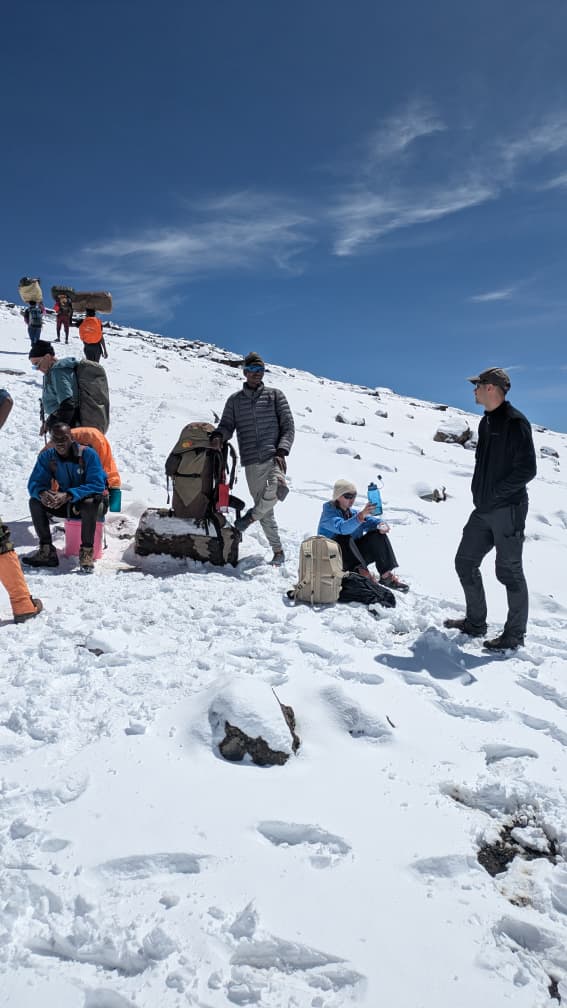
January Kilimanjaro Climb And Serengeti Safari: Your Ultimate Adventure
Combine the thrill of summiting Mount Kilimanjaro in January with an unparalleled Serengeti safari. This guide details the best routes, essential preparations, and what makes this January...
View package details
Kilimanjaro Climb And Serengeti Calving Season Package | Top Guide Adventures
Experience the ultimate Tanzanian adventure by combining a Kilimanjaro climb with the awe-inspiring Serengeti calving season. Top Guide Adventures offers tailor-made packages for 2026-2027...
View package details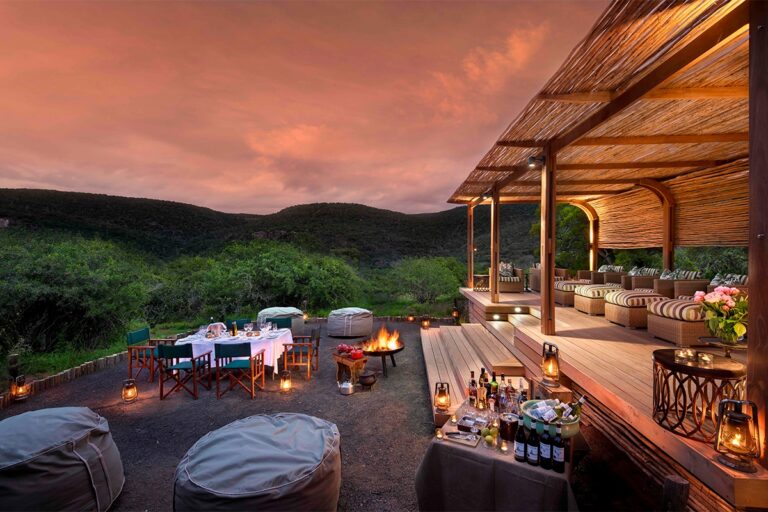
18-Day Kenya, Tanzania, Rwanda, And Uganda Tour: The Ultimate East African
start an unparalleled 18-day journey through Kenya, Tanzania, Rwanda, and Uganda. This comprehensive tour offers a unique opportunity to witness the continent's most iconic wildlife, from...
View package detailsNo related package matches those filters. Clear one or more filters to see the other topic-matched options.



