
A February Kilimanjaro and Ndutu Calving Safari offers an exceptional combination of mountain adventure and witnessing the Great Migration’s dramatic calving season in Tanzania. This period, typically from late January through March, sees thousands of wildebeest and zebras giving birth on the southern plains of the Serengeti, particularly around the Ndutu area, making it prime time for predator sightings. Simultaneously, February provides favorable conditions for climbing Mount Kilimanjaro, with generally stable weather and less rainfall compared to other months, making it an ideal time to attempt the summit. Planning a trip in February 2026 or 2027 for this dual experience allows travelers to maximize their wildlife viewing and mountain trekking opportunities in one cohesive journey.
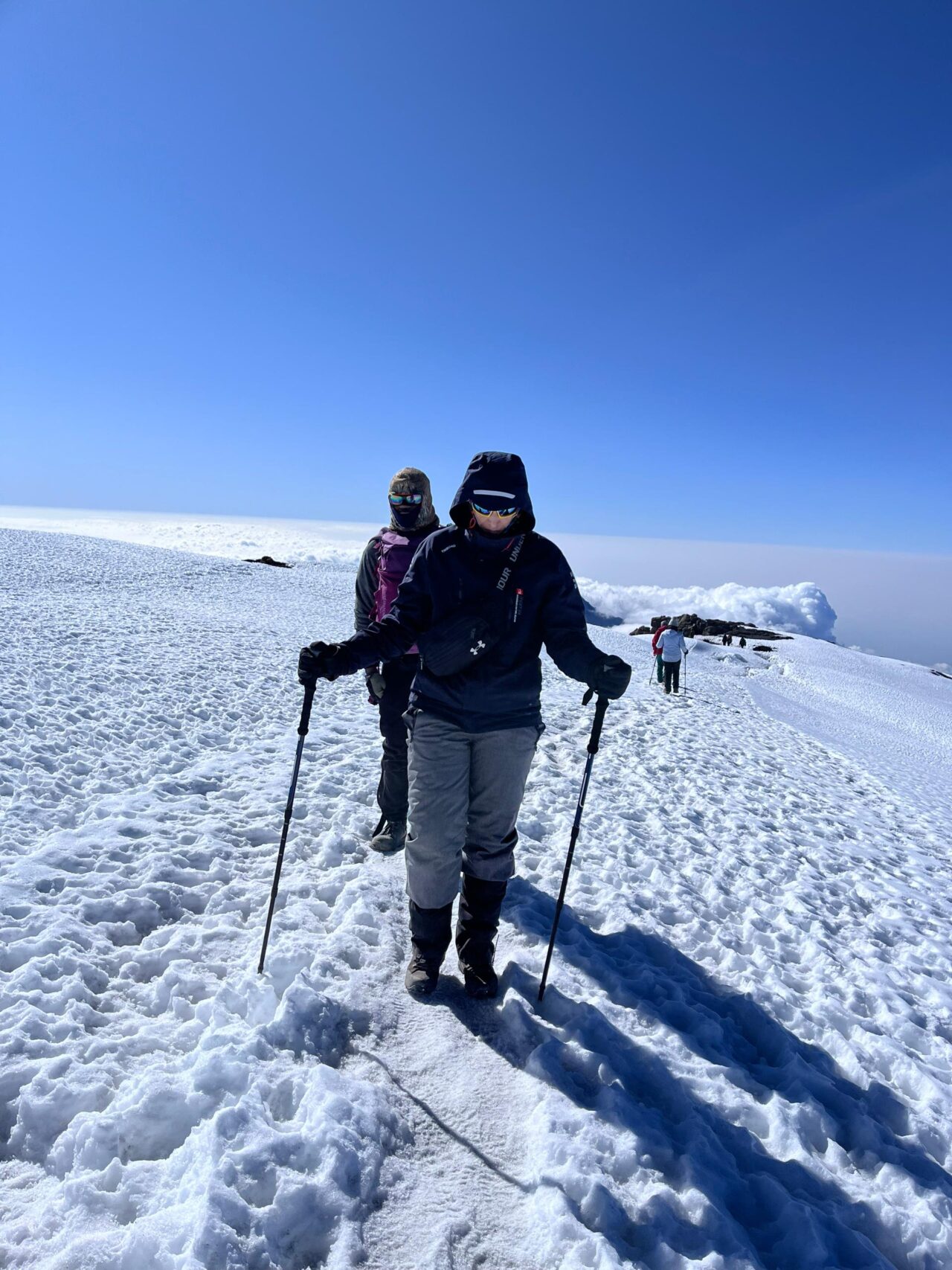
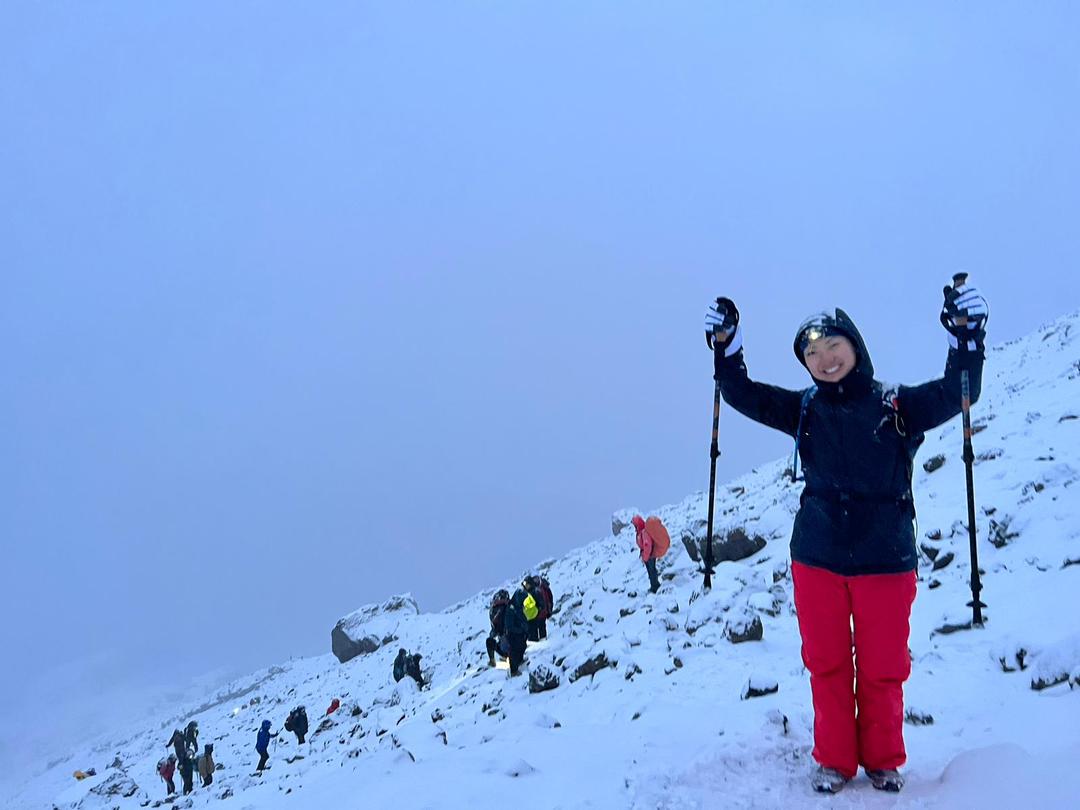
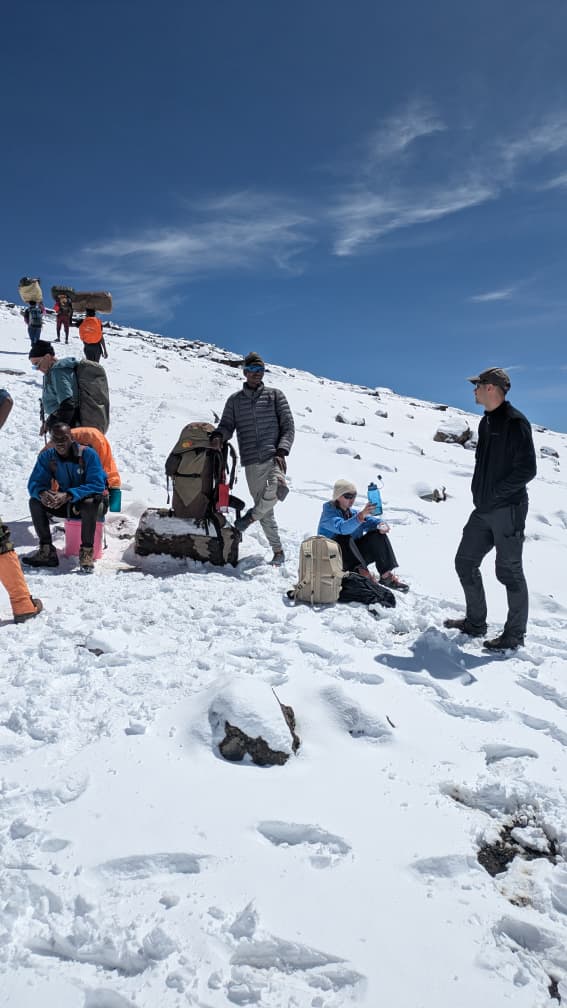
Why February is Prime Time for Kilimanjaro and Ndutu Calving Safaris
Choosing February for your Tanzanian adventure means you’re strategically selecting a time of year that offers unique advantages for both high-altitude trekking and world-class wildlife viewing. The confluence of Kilimanjaro’s climbing season and the Great Migration’s most vulnerable stage creates an unparalleled opportunity for a diverse and rewarding travel experience.
The Magic of the Ndutu Calving Season
The southern Serengeti, encompassing the Ngorongoro Conservation Area and its Ndutu plains, becomes the epicenter of life in February. This is when the vast herds of wildebeest and zebras, having completed their arduous migration from the north, arrive to graze on the nutrient-rich grass that springs forth after the short rains. February is the peak of the calving season, with an estimated 8,000 to 10,000 wildebeest calves born daily.
This abundance of young, vulnerable prey attracts a high concentration of predators. Lions, cheetahs, leopards, hyenas, and wild dogs are all highly active, their hunting success rates significantly increasing during this period. For wildlife enthusiasts and photographers, February in Ndutu offers some of the most dynamic and thrilling predator-action viewing opportunities anywhere on the continent. The landscape, often dotted with fresh green shoots, provides a stunning backdrop for these natural dramas.
Kilimanjaro’s Favorable February Conditions
While the southern plains teem with life, the skies above Mount Kilimanjaro typically offer clearer views and more predictable weather in February. This month falls within Kilimanjaro’s drier season, which generally runs from January to March and again from June to October. While occasional showers can still occur, they are usually short-lived, and the mountain is less likely to be shrouded in persistent clouds or fog.
The lower chance of significant rainfall means better visibility from the trails, a more comfortable trekking experience, and a higher probability of clear summit views. The temperatures on Kilimanjaro vary dramatically with altitude, but February’s overall conditions are considered conducive to successful ascents. For those planning a climb in 2026 or 2027, February presents a strong case for choosing a trekking date.
Designing Your February Kilimanjaro and Ndutu Calving Safari Itinerary
Combining a Kilimanjaro climb with a safari requires careful planning to balance the physical demands of the trek with the time needed for wildlife viewing. A typical itinerary might range from 10 to 18 days, depending on the chosen Kilimanjaro route and the duration of the safari portion.
Sample Itinerary Structure (12 Days)
This sample itinerary provides a framework for experiencing both highlights. Actual durations can be adjusted based on your preferences and available time for 2026 or 2027 travel.
Day 1: Arrival in Tanzania & Transfer to Moshi
Arrive at Kilimanjaro International Airport (JRO). You’ll be met by your Top Guide Adventures representative and transferred to your hotel in Moshi, the gateway town to Kilimanjaro. Relax and prepare for your upcoming climb. Accommodation: Hotel in Moshi.
Day 2: Kilimanjaro Climb Briefing & Preparation
Attend a pre-climb briefing with your lead guide. This is a crucial session to discuss your route, gear, nutrition, hydration, and answer any last-minute questions. Final gear checks and packing assistance. Accommodation: Hotel in Moshi.
Day 3: Kilimanjaro Trekking – Marangu Gate to Mandara Huts
After breakfast, drive to the Marangu Gate (1,860m). Complete park registration and begin your trek through the lush rainforest. The hike to Mandara Huts (2,700m) takes approximately 3-5 hours. Keep an eye out for Colobus monkeys and diverse birdlife. Trek Time: 3-5 hours. Accommodation: Mandara Huts.
Day 4: Kilimanjaro Trekking – Mandara Huts to Horombo Huts
Ascend from the rainforest into the moorland zone. The landscape changes dramatically as you climb towards Horombo Huts (3,720m). The views of Mawenzi peak can be stunning on clear days. The trek takes about 5-7 hours. Trek Time: 5-7 hours. Accommodation: Horombo Huts.
Day 5: Kilimanjaro Trekking – Acclimatization Day at Horombo Huts
An important acclimatization day. You’ll hike to a higher altitude (e.g., towards Mawenzi Ridge) and return to Horombo Huts. This helps your body adjust to the altitude and significantly improves your chances of reaching the summit. Trek Time: 3-4 hours (round trip). Accommodation: Horombo Huts.
Day 6: Kilimanjaro Trekking – Horombo Huts to Kibo Huts
Continue your ascent through the alpine desert zone. The vegetation becomes sparse, and the terrain rocky. The goal is Kibo Huts (4,720m), located at the base of the crater rim. The trek takes approximately 5-7 hours. You’ll rest here before the summit push. Trek Time: 5-7 hours. Accommodation: Kibo Huts.
Day 7: Kilimanjaro Summit Day – Kibo Huts to Uhuru Peak & Descent to Horombo Huts
An early start (around midnight) for the challenging summit push to Uhuru Peak (5,895m), the highest point in Africa. You’ll trek on scree and rock, reaching Stella Point and then Uhuru Peak for sunrise. The descent is steep and demanding, continuing down to Horombo Huts. This is a very long and tough day. Trek Time: 10-14 hours. Accommodation: Horombo Huts.
Day 8: Kilimanjaro Trekking – Horombo Huts to Marangu Gate & Transfer to Arusha
Complete your descent from Horombo Huts to Marangu Gate (3-5 hours). Celebrate your achievement with your crew. After lunch, you’ll be transferred to your hotel in Arusha, allowing for a comfortable transition before your safari begins. Trek Time: 3-5 hours. Accommodation: Hotel in Arusha.
Day 9: Arusha to Ndutu Plains (Serengeti)
After breakfast, begin your safari. Drive towards the Ngorongoro Conservation Area and descend into the Ndutu plains, a prime location for the calving season. Enjoy your first game drive as you search for herds and predators. Accommodation: Ndutu Safari Lodge or similar Tented Camp.
Day 10: Full Day Ndutu Calving Safari
Spend the entire day exploring the Ndutu area. Witness the incredible spectacle of thousands of wildebeest, zebras, and gazelles. Focus on predator sightings as lions, cheetahs, and hyenas take advantage of the newborn calves. Your guide will track the herds and their movements. Accommodation: Ndutu Safari Lodge or similar Tented Camp.
Day 11: Ndutu Plains to Ngorongoro Crater Rim
Enjoy a final morning game drive in the Ndutu area before driving towards the Ngorongoro Crater. You’ll ascend to the crater rim for impressive views and overnight at a lodge situated here. Accommodation: Ngorongoro Serena Safari Lodge or similar.
Day 12: Ngorongoro Crater Tour & Departure
Descend into the Ngorongoro Crater for a morning game drive. This UNESCO World Heritage site is a haven for wildlife, including the rare black rhino, lions, elephants, and flamingos. After the game drive, you’ll be transferred back to Kilimanjaro International Airport (JRO) for your departure, or to your next destination in Tanzania. Note: Depending on flight schedules, this day may require an additional night near the airport.
Choosing Your Kilimanjaro Route for February 2026-2027
The choice of Kilimanjaro route significantly impacts your climbing experience, success rate, and acclimatization. For February treks, considering the following popular routes:
- Marangu Route (Coca-Cola Route): The oldest and most established route. It’s the only route with hut accommodation. It’s also one of the shortest and least scenic, with a lower success rate due to rapid ascent and poor acclimatization. While possible in February, it’s generally not recommended for first-time climbers seeking the best chance of summiting.
- Machame Route (Whiskey Route): Arguably the most popular route, known for its excellent acclimatization profile (“climb high, sleep low”). It’s a scenic trek with varied landscapes and offers a good success rate. It involves camping. Machame is a solid choice for February.
- Lemosho Route: Considered one of the most beautiful routes, starting in the west and crossing the Shira Plateau. It offers excellent acclimatization and a high success rate, though it is longer and more expensive. Its western start can sometimes offer slightly different weather patterns.
- Northern Circuit: The longest route, offering the best acclimatization and the highest success rate. It circles the mountain, providing unique perspectives and a more relaxed pace. This is an excellent option for those prioritizing success and a less crowded experience, especially during February 2027 for optimal planning.
For a February Kilimanjaro and Ndutu Calving Safari, the Machame or Lemosho routes are often recommended due to their balance of scenery, acclimatization, and success rates. The Northern Circuit is ideal for those who want to maximize their chances and enjoy a more extended, scenic experience.
Optimizing Your Safari Portion
The Ndutu area is technically part of the Ngorongoro Conservation Area, not the Serengeti National Park proper. This distinction is important for park fees and regulations. February is an excellent time for game drives specifically in the Ndutu region.
- Focus on Ndutu: Dedicate at least 2-3 full days to exploring the Ndutu plains for the calving spectacle and predator activity.
- Ngorongoro Crater: A visit to the Ngorongoro Crater is highly recommended. Its unique ecosystem means wildlife is present year-round, and the crater floor is easily accessible for a half-day or full-day game drive.
- Optional Serengeti Extension: While Ndutu is the star for February calving, you could extend your safari into the central or western Serengeti if time permits, though the migration herds will be concentrated in the south during this period.
Logistics and Planning for Your February 2026-2027 Trip
Successful planning for a February Kilimanjaro and Ndutu Calving Safari involves considering several key logistical elements. Booking well in advance, especially for 2026 and 2027, is crucial to secure preferred accommodation and tour dates.
Booking Your Tour with Top Guide Adventures
Top Guide Adventures specializes in crafting personalized Tanzanian itineraries. For a combined Kilimanjaro climb and Ndutu calving safari, we offer:
- Tailor-Made Itineraries: We customize each trip to your specific interests, fitness level, and budget.
- Experienced Guides: Certified guides for Kilimanjaro and knowledgeable local guides for your safari.
- Quality Equipment: For Kilimanjaro climbs, we provide high-quality tents, sleeping bags, and other essential gear.
- Accommodation: A mix of comfortable lodges and well-equipped tented camps.
- Transportation: Reliable 4×4 safari vehicles and airport transfers.
- Support: Dedicated support before, during, and after your trip.
To discuss your February Kilimanjaro and Ndutu Calving Safari for 2026 or 2027, please reach out to us:
- WhatsApp: +255616946642
- Email: topguideadventures@gmail.com
- Backup Email: info@topguideadventures.com
Visa and Health Requirements
Visas: Most nationalities require a visa for Tanzania. This can often be obtained upon arrival at JRO, but it’s advisable to check the latest requirements and consider applying online in advance for smoother entry.
Health: Consult your doctor or a travel clinic at least 4-6 weeks before your trip regarding vaccinations (e.g., Yellow Fever, Hepatitis A, Typhoid) and malaria prophylaxis. Kilimanjaro is generally considered a low-risk malaria area, but precautions are still recommended for the safari portion.
Packing Essentials
Packing appropriately is critical for both the mountain and the safari. Layering is key for Kilimanjaro, while comfort and sun protection are paramount for the safari.
Kilimanjaro Packing List Highlights:
- Clothing: Waterproof and windproof outer layers, fleece mid-layers, thermal base layers, hiking trousers, shorts, t-shirts, warm hat, gloves, sun hat.
- Footwear: Broken-in hiking boots, camp shoes/sandals, warm socks (wool or synthetic).
- Gear: 4-season sleeping bag (rated to -15°C or lower), trekking poles, headlamp with extra batteries, sunglasses, high SPF sunscreen, lip balm with SPF.
- Personal: Water bottles or hydration reservoir, water purification tablets, personal first-aid kit, toiletries, hand sanitizer.
Safari Packing List Highlights:
- Lightweight, neutral-colored clothing (khaki, green, brown).
- Long-sleeved shirts and trousers for sun and insect protection.
- Comfortable walking shoes or trainers.
- Binoculars for wildlife viewing.
- Camera with extra batteries and memory cards.
- Sunscreen, insect repellent, hat, sunglasses.
- Light jacket or fleece for cooler evenings.
Costs and Budget Considerations for 2026-2027
The cost of a February Kilimanjaro and Ndutu Calving Safari can vary significantly based on the Kilimanjaro route chosen, the duration of the safari, accommodation standards, and group size (private vs. shared). As a general guideline for 2026-2027:
- Kilimanjaro Climb: Prices typically range from $1,800 to $3,500+ per person for standard routes like Machame or Lemosho. Longer routes like the Northern Circuit will be at the higher end. This usually includes park fees, crew wages, food, tents, and transfers.
- Safari Portion: A 3-day safari covering Ndutu and Ngorongoro can cost between $700 to $1,500+ per person, depending on lodge/camp quality and vehicle type.
A 12-day combined trip, as outlined in the sample itinerary, could range from approximately $3,000 to $6,000+ per person. These are estimates, and exact pricing depends on your specific requirements.
Estimated Cost Factors for February 2026-2027:
- Kilimanjaro Route: Longer routes with better acclimatization (e.g., Northern Circuit) cost more.
- Safari Duration: More days on safari increase the total cost.
- Accommodation Level: Mid-range lodges and tented camps vs. luxury options.
- Group Size: Private tours are more expensive per person than shared group departures.
- Inclusions: Ensure you understand what’s included (e.g., park fees, meals, guides, accommodation, transfers).
Contact Top Guide Adventures for a personalized quote for your 2026 or 2027 February Kilimanjaro and Ndutu Calving Safari.
What to Expect During Your February Kilimanjaro and Ndutu Calving Safari
Understanding the unique aspects of each component of your trip will help set expectations and enhance your experience.
On Mount Kilimanjaro in February
While February is a good month, be prepared for variable conditions. You might experience:
- Clear Mornings: Often, the day starts with clear skies, offering spectacular views.
- Afternoon Showers: Short, intense rain showers are possible, especially at lower altitudes in the rainforest zone.
- Wind: Higher altitudes can be very windy, particularly near the summit.
- Cold Temperatures: Summit night is extremely cold, often dropping well below freezing.
- Crowds: February is part of the busy season, so you’ll encounter other trekkers on popular routes. Booking early for 2026 or 2027 is wise.
In the Ndutu Plains During Calving Season
The Ndutu calving season is a highlight of any Tanzanian safari:
- Abundant Wildlife: Expect to see vast herds of wildebeest and zebras, with calves being a common sight.
- Predator Action: This is the best time for observing lions, cheetahs, and hyenas hunting. Be patient, and your guide will help position you for optimal viewing.
- Birdlife: The area is also rich in birdlife, with many migratory species present.
- Beautiful Scenery: The plains are often covered in fresh green grass, making for stunning photographic opportunities.
- Dusty Conditions: The dry season can lead to dusty conditions during game drives.
Combining the Adventures: The Top Guide Adventures Advantage
At Top Guide Adventures, we understand the intricacies of combining a challenging Kilimanjaro ascent with an exhilarating safari. Our expertise ensures that your trip is not just a series of events but a cohesive, well-managed adventure.
smooth Transitions
We manage all the logistics, from airport transfers to hotel bookings and internal travel between Kilimanjaro base and the safari starting points. This allows you to focus on your experience, whether you’re celebrating a summit or tracking a pride of lions.
Expert Guidance
Our Kilimanjaro guides are certified by the Kilimanjaro National Park Authority (KINAPA) and have extensive experience with various routes and conditions. Our safari guides are local experts, deeply familiar with wildlife behavior and the best locations for sightings, especially during the Ndutu calving season.
Safety and Support
Safety is paramount. Our Kilimanjaro teams are equipped with oxygen, first-aid kits, and communication devices. We adhere to strict safety protocols. For safaris, our vehicles are well-maintained and equipped for rugged terrain.
Planning Your 2026-2027 February Trip: Key Considerations
As you look towards planning your February Kilimanjaro and Ndutu Calving Safari for 2026 or 2027, consider these points:
- Fitness Level: Kilimanjaro requires good physical fitness. Train adequately in the months leading up to your climb.
- Altitude Sickness: Understand the symptoms and how to manage them. Proper acclimatization is crucial.
- Patience: Wildlife viewing, especially predator action, requires patience.
- Photography: Bring appropriate gear to capture the incredible sights.
- Flexibility: While we plan meticulously, weather or wildlife movements can sometimes necessitate minor adjustments.
Booking Window for 2026 and 2027
For popular travel periods like February, especially for a combined Kilimanjaro and Ndutu calving experience, booking 6-12 months in advance is highly recommended for 2026 and 2027. This secures your preferred dates, guides, and accommodations, particularly if you are planning for a specific group departure or require private arrangements.
Why Choose Top Guide Adventures?
Top Guide Adventures is committed to providing exceptional travel experiences in Tanzania. Our deep local knowledge, dedication to client care, and passion for showcasing the best of Tanzania make us the ideal partner for your February Kilimanjaro and Ndutu Calving Safari.
We pride ourselves on offering:
- Personalized Service: From your initial inquiry to your departure, you receive dedicated attention.
- Experienced & Certified Team: Ensuring your safety and enjoyment on Kilimanjaro and the safari.
- Sustainable Tourism Practices: We are committed to responsible travel that benefits local communities and conserves the environment.
- Value for Money: Offering competitive pricing without compromising on quality or safety.
Your dream of conquering Kilimanjaro and witnessing the miracle of the Great Migration’s calving season in February can become a reality. Let Top Guide Adventures guide you every step of the way. For inquiries and bookings for February 2026 and 2027, please contact us:
- WhatsApp: +255616946642
- Email: topguideadventures@gmail.com
- Website: www.topguideadventures.com
We look forward to helping you plan an unforgettable February Kilimanjaro and Ndutu Calving Safari adventure in Tanzania.
“,
“faq_schema”: [
{
“question”: “What are the main advantages of a February Kilimanjaro and Ndutu Calving Safari?”,
“answer”: “February offers a dual advantage: it’s a dry season month for Kilimanjaro trekking, providing clearer views and more stable weather, while simultaneously being the peak of the Ndutu calving season, offering unparalleled opportunities to witness the Great Migration’s young and the predators that hunt them.”
},
{
“question”: “What is the best Kilimanjaro route for a February climb combined with a safari?”,
“answer”: “For a February climb, routes like the Machame, Lemosho, or Northern Circuit are highly recommended due to their superior acclimatization profiles, which increase summit success rates. The Northern Circuit offers the best acclimatization and highest success rate, ideal for those prioritizing a comfortable trek.”
},
{
“question”: “What wildlife can I expect to see during the Ndutu calving season in February?”,
“answer”: “In February, you’ll see vast herds of wildebeest and zebras, with thousands of calves being born daily. This abundance attracts numerous predators, including lions, cheetahs, hyenas, and wild dogs, making it a prime time for observing predator-prey interactions. You can also expect to see other plains game like gazelles and various bird species.”
},
{
“question”: “How long should a combined Kilimanjaro and Ndutu Calving Safari itinerary be?”,
“answer”: “A typical combined itinerary ranges from 10 to 18 days. A 7-day Kilimanjaro climb plus a 3-4 day safari (Ndutu and Ngorongoro) would make for a robust 10-11 day trip. Longer Kilimanjaro routes or extended safari portions will naturally increase the total duration.”
},
{
“question”: “What are the typical costs for a February Kilimanjaro and Ndutu Calving Safari in 2026-2027?”,
“answer”: “Costs vary greatly. A 7-day Kilimanjaro climb might cost $1,800-$2,500, and a 3-day safari $700-$1,500 per person. A combined 10-12 day trip could range from $3,000 to $6,000+ per person, depending on the Kilimanjaro route, accommodation standards, and whether it’s a private or group tour.”
},
{
“question”: “Is February a good month for weather on Kilimanjaro?”,
“answer”: “Yes, February falls within Kilimanjaro’s drier season. While occasional showers are possible, especially in the rainforest zone, it generally offers clearer skies and more stable weather compared to the rainy seasons, making it a favorable month for trekking.”
},
{
“question”: “When should I book my February Kilimanjaro and Ndutu Calving Safari for 2026 or 2027?”,
“answer”: “It is highly recommended to book 6-12 months in advance, especially for popular periods like February, to secure your preferred dates, Kilimanjaro route, guides, and accommodations. This applies to both 2026 and 2027 travel.”
}
]
}
“`
Check Availability for February Kilimanjaro And Ndutu Calving Safari 2026-2027
Ready to compare dates, prices, and the best option for your group? Send the package name and travel month so the team can reply with a clear quote, availability, and what is included.
Kilimanjaro Safari Package For Non-Climbing Companions: Options & Experiences
For those accompanying climbers to Kilimanjaro but not ascending the peak, specialized safari packages offer a fantastic way to experience Tanzania's renowned wildlife and landscapes. These...
View package detailsKilimanjaro Climb & West Safari: The Ultimate Tanzania Adventure 2026-2027
Experience the pinnacle of Tanzania with a combined Kilimanjaro climb and West Kilimanjaro safari. This guide details itineraries, preparation, and what to expect for your 2026-2027...
View package details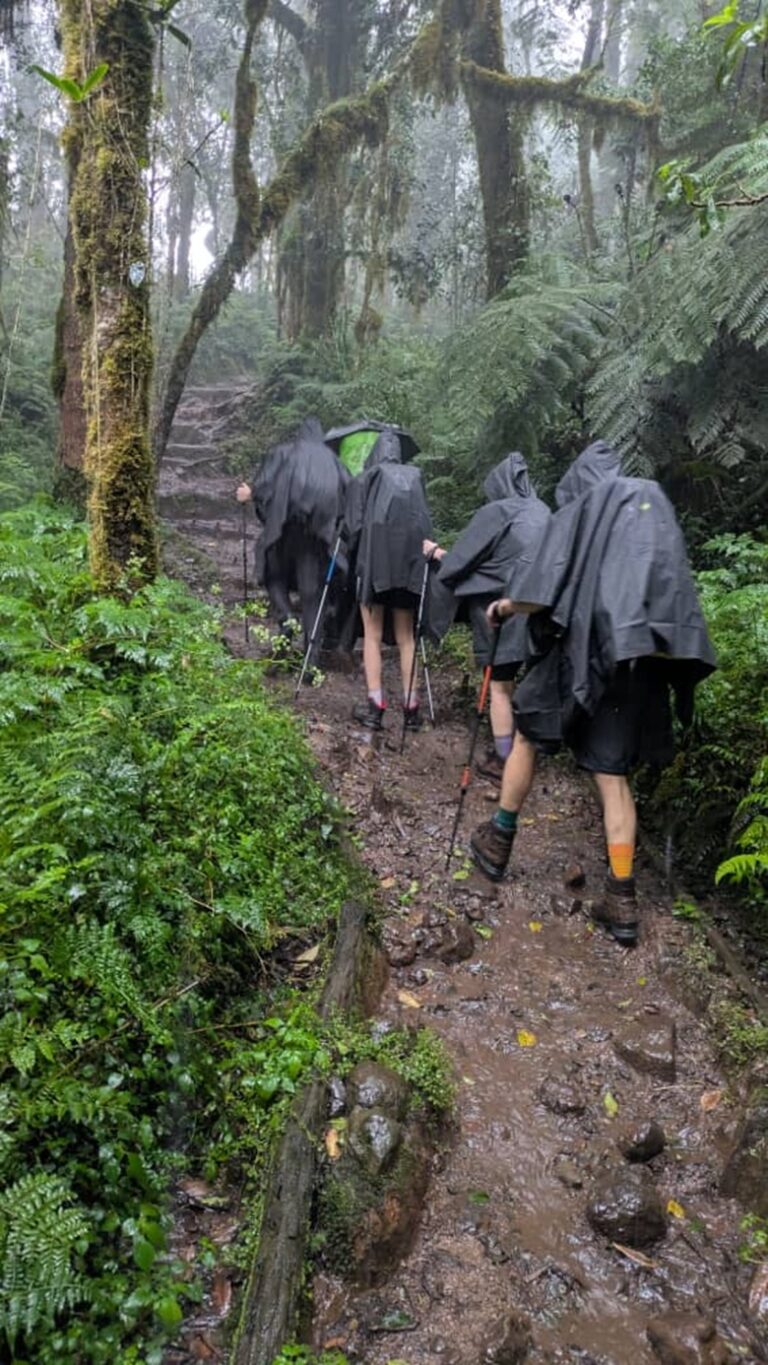
Kilimanjaro Climb With Mkomazi Rhino Safari 2026-2027
Kilimanjaro Climb with Mkomazi Rhino Safari is explained with current 2026-2027 planning, price, itinerary and booking information.
View package details
Kilimanjaro Climb With Amboseli Safari Extension: Your Ultimate Tanzania
Experience the pinnacle of African adventure by combining a challenging Kilimanjaro climb with a impressive safari in Amboseli National Park. This guide details itineraries, costs, best...
View package details
What Happens To The Rest Of Group During An Evacuation On A Tanzania Safari
When an individual requires evacuation during a group safari or Kilimanjaro climb in Tanzania, comprehensive safety protocols are in place for the remaining participants, ensuring their...
View package details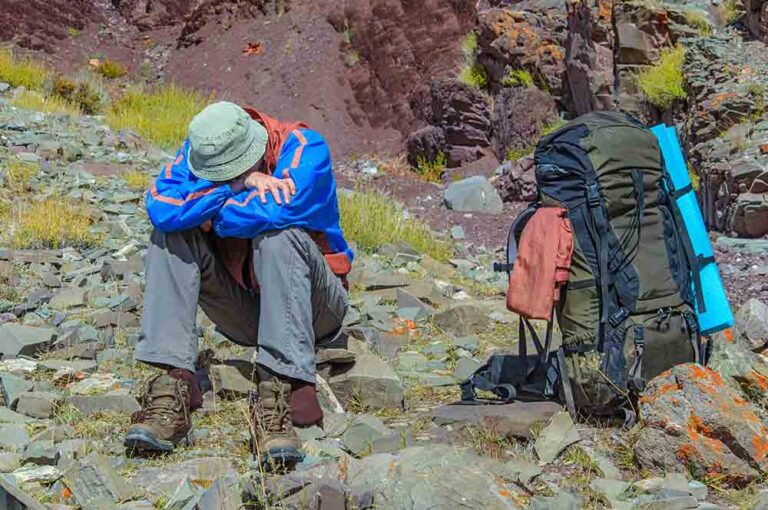
Kilimanjaro Airport Transfer For Large Groups: Smooth Travel With Top Guide
Top Guide Adventures specializes in Kilimanjaro Airport transfers for large groups, ensuring a smooth and comfortable journey from Kilimanjaro International Airport (JRO) to your...
View package details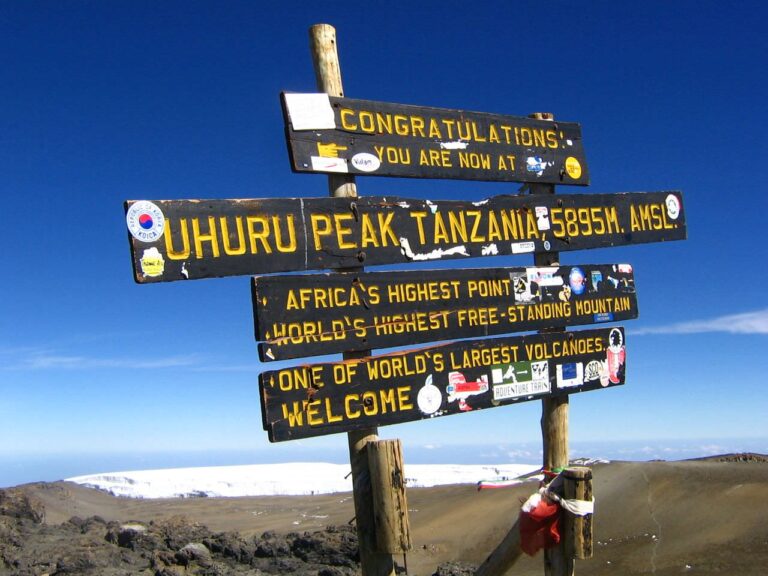
What Does Kilimanjaro Rainforest Look Like? A Trekkers Visual Guide 2026-2027
The Kilimanjaro rainforest is a vibrant, humid zone of dense vegetation, towering trees, and diverse plant life found on the mountain's lower slopes. It's the first major ecosystem trekkers...
View package details
Kilimanjaro Climb With A Personal Support Assistant: Your Ultimate Guide
Climbing Mount Kilimanjaro with a personal support assistant offers unparalleled safety, comfort, and focus on your summit goals. This guide details what a personal assistant entails, its...
View package details
How To Know Whether You Are Ready For Kilimanjaro: A Comprehensive Guide
Climbing Mount Kilimanjaro is a significant undertaking. This guide helps you evaluate your physical, mental, and logistical readiness to ensure a safe and successful trek in 2026 or 2027...
View package details
Kilimanjaro Hydration Mistakes Climbers Make And How To Avoid Them 2026-2027
Proper hydration is critical for a successful Kilimanjaro climb. This guide details common hydration mistakes climbers make, from under-drinking to choosing the wrong fluids, and provides...
View package details
Kilimanjaro Altitude-Sickness Mistakes 2026-2027
Kilimanjaro Altitude-Sickness Mistakes is explained with current 2026-2027 planning, price, itinerary and booking information.
View package details
Kilimanjaro Summit-Night Mistakes To Avoid: Your Essential Guide For Climbs
Summit night on Kilimanjaro is the most challenging part of the climb. Avoiding common mistakes in acclimatization, gear, hydration, and pacing is crucial for success. This guide details...
View package detailsNo related package matches those filters. Clear one or more filters to see the other topic-matched options.



