
A March Kilimanjaro and Zanzibar beach holiday offers an excellent opportunity to combine a challenging mountain ascent with tropical relaxation, as March marks the end of the short rainy season, providing increasingly clearer skies for climbing and pleasant, warm weather for beach time in Zanzibar. Top Guide Adventures specializes in crafting these dual-destination experiences for 2026 and 2027, focusing on carefully managed itineraries that maximize enjoyment and minimize logistical stress.
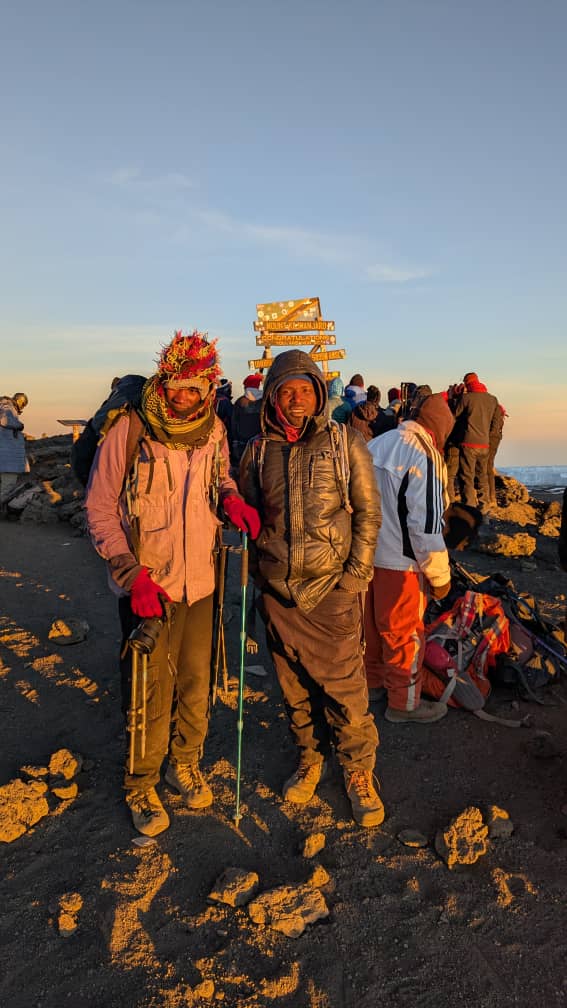

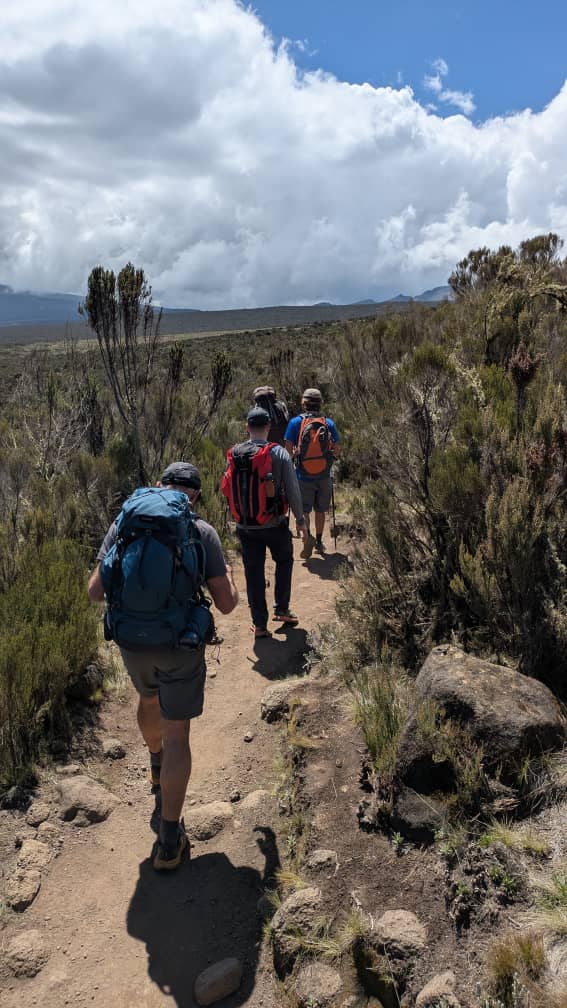
Why Choose March for Your Kilimanjaro and Zanzibar Adventure?
March presents a unique window for travelers looking to experience both the majestic heights of Kilimanjaro and the tranquil shores of Zanzibar. While it falls within the latter part of the ‘long rains’ season, the weather patterns are typically shifting towards drier conditions. This means fewer consistent downpours, more sunshine, and increasingly clearer views from the mountain’s upper slopes, making it a favorable month for trekkers. For those heading to Zanzibar, March offers warm temperatures and a less crowded atmosphere compared to peak tourist seasons, perfect for unwinding after a strenuous climb.
Planning a trip for 2026 or 2027? Understanding the specific advantages of March will help you make the most of your Tanzanian adventure. It’s a shoulder season month that can offer a balance of good weather and potentially better value, though it’s essential to book in advance, especially for popular climbing dates and accommodations.
Understanding Kilimanjaro in March: Weather and Conditions
Mount Kilimanjaro’s weather is notoriously variable, with conditions changing dramatically based on altitude and time of year. March is generally considered a transitional month. The heavy rains that characterize the preceding months (January to mid-March) begin to recede. This means that while you might still encounter some rain, particularly on the lower slopes, the frequency and intensity typically decrease as the month progresses. Higher altitudes often experience drier, though still cold, conditions. Snowfall at the summit (Uhuru Peak) is possible year-round but is more likely during the colder, drier seasons. However, the receding rains in March can lead to clearer skies, offering stunning panoramic views from the crater rim and summit, which is a significant plus for photographers and trekkers alike.
The average temperatures on Kilimanjaro in March vary greatly:
- Base Camps (e.g., Marangu, Mweka): Daytime temperatures can range from 20°C to 25°C (68°F to 77°F), while nights can drop to 10°C to 15°C (50°F to 59°F).
- Mid-Altitudes (e.g., Mandara, Horombo Huts): Daytime temperatures are cooler, around 10°C to 18°C (50°F to 64°F), with nights falling to 0°C to 5°C (32°F to 41°F).
- Alpine Desert & Summit Zone (e.g., Kibo Hut, Uhuru Peak): Daytime temperatures can be as low as -5°C to 5°C (23°F to 41°F), and nighttime temperatures plummet to -10°C to -20°C (-4°F to -4°F), especially with wind chill.
Visibility is a key factor. As the clouds tend to break up more often in March, trekkers can enjoy unobstructed views of the volcanic cones, surrounding plains, and often, Mount Meru. This improved visibility enhances the overall trekking experience, making the challenging ascents more rewarding. Acclimatization is still paramount, regardless of the season, and following your guide’s advice is crucial for a successful summit attempt.
Choosing the Right Kilimanjaro Route for a March Climb
When planning your March Kilimanjaro and Zanzibar beach holiday, selecting the appropriate climbing route is essential for maximizing your chances of success and enjoyment. Several routes are available, each with its own characteristics regarding difficulty, scenery, and acclimatization profile. For March, routes that offer better acclimatization are often preferred due to the lingering chance of rain on lower sections.
The Machame Route (Whiskey Route)
The Machame Route is one of the most popular choices, known for its scenic beauty and excellent acclimatization profile. It’s often referred to as the ‘Whiskey Route’ because it’s considered more challenging than the ‘Coca-Cola Route’ (Marangu). It typically takes 6 or 7 days. The 7-day option provides an extra day for acclimatization, which is highly beneficial in March. The route ascends and descends on different sides of the mountain, offering diverse landscapes. Its ‘climb high, sleep low’ strategy aids acclimatization significantly.
The Lemosho Route
The Lemosho Route is another excellent option, particularly for those prioritizing scenery and a quieter experience. It’s longer, usually 7 or 8 days, which offers superior acclimatization. It starts in the west and traverses the northern circuit before joining the southern routes towards the summit. The longer duration means more time to adjust to the altitude, which is advantageous during the transitional weather of March. Its diverse landscapes, from rainforest to alpine desert, are stunning.
The Marangu Route (Coca-Cola Route)
The Marangu Route is the oldest and often considered the easiest in terms of physical exertion due to its gentler slope and the option of sleeping in dormitory-style huts rather than tents. It’s the only route with a circular path, meaning you ascend and descend the same way. It can be completed in 5 or 6 days. However, its rapid ascent profile offers poorer acclimatization compared to Machame or Lemosho, making it potentially less ideal for March if you are concerned about altitude sickness, especially with variable weather. The 6-day option improves acclimatization.
The Rongai Route
The Rongai Route approaches Kilimanjaro from the north, near the Kenyan border. It is generally drier than the southern routes because it lies in the rain shadow of the mountain. This can be a significant advantage in March. It’s a gradual ascent, offering good acclimatization, and is typically done over 6 or 7 days. It’s less crowded than Marangu or Machame, providing a more serene trekking experience. It joins the Marangu route from the east for the final ascent to the summit.
For a March Kilimanjaro and Zanzibar beach holiday, routes like Machame (7 days), Lemosho (7 or 8 days), or Rongai (6 or 7 days) are generally recommended due to their better acclimatization profiles and, in Rongai’s case, a potentially drier approach. Longer routes provide more time for the body to adjust to the decreasing oxygen levels, which is crucial when dealing with unpredictable weather.
Key Considerations for March Trekkers:
- Layering is Essential: Pack a versatile layering system to adapt to changing temperatures and conditions, from warm rainforest to freezing summit.
- Waterproof Gear: While rains are receding, good quality waterproof and windproof outer layers are non-negotiable.
- Flexibility: Be prepared for potential weather delays or changes. Summit success is influenced by conditions as much as preparation.
- Acclimatization: Choose longer routes (6+ days) for better acclimatization, especially if climbing in early March.
Zanzibar in March: Tropical Bliss After the Climb
After conquering Kilimanjaro, Zanzibar offers the perfect antidote of sun, sand, and sea. March is a wonderful time to visit the Spice Island. As the main rainy season concludes, the weather typically becomes warmer and sunnier, though occasional short showers can still occur. The humidity levels begin to rise, contributing to the lush, green landscape that makes Zanzibar so visually appealing.
Temperatures in March on Zanzibar generally range from 25°C to 30°C (77°F to 86°F) during the day, with evenings remaining warm and pleasant. The Indian Ocean waters are inviting, with temperatures typically around 28°C (82°F), ideal for swimming, snorkeling, and diving.
The receding rains mean that the beaches are often less crowded than during the peak dry seasons (June-October and December-February). This allows for a more relaxed and authentic experience. The vegetation is at its most vibrant, and the sea is usually calm, offering excellent conditions for water activities.
Top Zanzibar Destinations for Your Post-Kilimanjaro Relaxation
Zanzibar boasts a variety of stunning beaches and unique cultural experiences. Choosing the right location can enhance your relaxation after the physical demands of climbing Kilimanjaro.
Nungwi and Kendwa (North Coast)
Located on the northwestern tip of the island, Nungwi and Kendwa are famous for their powder-white sands, crystal-clear turquoise waters, and spectacular sunsets. The beaches here are less affected by tides compared to other parts of the island, meaning swimming is possible throughout the day. Nungwi offers a lively atmosphere with numerous resorts, restaurants, and bars, while Kendwa provides a slightly more laid-back vibe. Both are excellent for swimming, snorkeling, and enjoying the vibrant local life. They are ideal for those seeking a balance of activity and relaxation.
Paje and Jambiani (Southeast Coast)
The southeast coast is characterized by long stretches of white sand, swaying palm trees, and shallow, warm waters. Paje is a hub for kite surfing, attracting enthusiasts from around the globe. Jambiani, adjacent to Paje, offers a more tranquil village atmosphere, with traditional dhows dotting the horizon. The tidal range here is more pronounced, revealing vast sandbanks at low tide, perfect for long walks and exploring marine life. March is a good time to visit as the winds for kite surfing are often favorable, and the seas are generally calm outside of windy kite spots.
Matemwe and Mnemba Atoll (Northeast Coast)
Matemwe is known for its pristine, less-developed beaches and its proximity to the world-renowned Mnemba Atoll. Mnemba is a private island conservation area, offering some of the best snorkeling and diving in Zanzibar. The coral reefs teem with marine life, including colorful fish, sea turtles, and dolphins. Matemwe itself offers a peaceful retreat, often with stunning views of the atoll. This area is perfect for serious divers and snorkelers, as well as those seeking ultimate tranquility.
Michamvi Peninsula (East Coast)
The Michamvi Peninsula offers a mix of beautiful beaches and a more secluded feel. Kae Beach, famous for its sunset dhow cruises and beach bars, is a highlight. The peninsula provides opportunities for exploring local villages, enjoying fresh seafood, and relaxing on uncrowded shores. It’s a great option for a more authentic and less tourist-centric experience.
For your March Kilimanjaro and Zanzibar beach holiday, consider staying 3-5 days in Zanzibar to fully unwind. The choice of beach depends on your preference: lively atmosphere (Nungwi/Kendwa), water sports (Paje), or pristine diving/snorkeling (Matemwe).
Combining Kilimanjaro and Zanzibar: Sample Itinerary Flow
A typical March Kilimanjaro and Zanzibar beach holiday itinerary is designed to provide a logical progression from strenuous activity to deep relaxation. Here’s a sample flow that many travelers find ideal for 2026-2027 trips:
Day 1-2: Arrival in Tanzania & Kilimanjaro Prep
Arrive at Kilimanjaro International Airport (JRO). Transfer to your hotel in Moshi or Arusha. Meet your Top Guide Adventures team for a pre-climb briefing, gear check, and final preparations. This is crucial for ensuring you have everything you need for the climb.
Day 3-8/9: Kilimanjaro Climb
Begin your chosen Kilimanjaro route (e.g., 7-day Machame). This involves trekking through diverse ecological zones, from lush rainforests to alpine deserts, with guides and porters supporting your journey. Daily ascents, acclimatization, and camping or hut stays. The goal is to reach Uhuru Peak (5,895m / 19,341ft) and descend safely.
Day 9/10: Post-Climb Recovery
Descend from Kilimanjaro. Transfer back to your hotel in Moshi or Arusha. Enjoy a well-deserved hot shower, a comfortable bed, and celebratory meals. This day is for rest and recovery.
Day 10/11: Transfer to Zanzibar
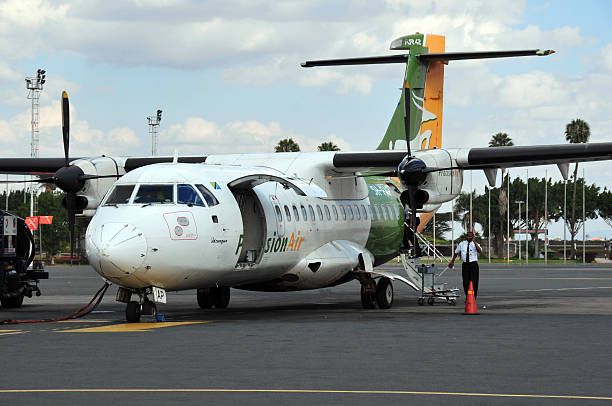
Transfer to Kilimanjaro International Airport (JRO) or Arusha Airport for a short flight to Zanzibar (ZNZ). Upon arrival, you will be met and transferred to your chosen beach resort.
Day 11/12 – 15/16: Zanzibar Beach Relaxation
Spend your days relaxing on the white sandy beaches, swimming in the turquoise waters, enjoying water sports like snorkeling or diving, exploring Stone Town’s history, or taking spice tours. This is your time to rejuvenate.
Day 16/17: Departure
Enjoy a final breakfast on the island before transferring to Zanzibar Airport (ZNZ) for your onward flight.
This structure allows for a smooth transition between the two vastly different experiences. The flight from the mainland to Zanzibar is short and efficient, making it easy to incorporate into your March Kilimanjaro and Zanzibar beach holiday plans for 2026 or 2027.
Preparing for Your March Kilimanjaro and Zanzibar Trip
Thorough preparation is key to a successful and enjoyable March Kilimanjaro and Zanzibar beach holiday. This involves physical training, appropriate gear selection, and understanding logistical requirements.
Physical Training
Kilimanjaro is a demanding trek. Focus on cardiovascular fitness (hiking, running, cycling) and strength training, particularly for your legs and core. Practice hiking with a weighted backpack on varied terrain. While Zanzibar is for relaxation, being physically prepared for Kilimanjaro will enhance your overall experience and enjoyment of both parts of your trip.
Gear Essentials for Kilimanjaro (March)
Given the transitional weather in March, layering is paramount. You’ll need gear for warm, humid conditions on the lower slopes and extreme cold at the summit.
- Base Layers: Moisture-wicking thermal tops and bottoms.
- Mid Layers: Fleece jackets or insulated vests for warmth.
- Outer Layers: Waterproof and windproof jacket and trousers (Gore-Tex or similar).
- Insulation: A warm down or synthetic puffy jacket for summit night.
- Footwear: Broken-in, waterproof hiking boots; comfortable camp shoes or sandals.
- Headwear: Warm hat, sun hat, balaclava or neck gaiter for summit night.
- Handwear: Warm, waterproof gloves and liner gloves.
- Sleeping Bag: A 4-season sleeping bag rated to at least -15°C (0°F).
- Trekking Poles: Essential for stability and reducing knee strain.
- Headlamp: With extra batteries.
- Sun Protection: High SPF sunscreen, sunglasses, lip balm.
Gear Essentials for Zanzibar
Zanzibar is a tropical destination. Pack light clothing suitable for warm weather.
- Lightweight, breathable clothing (shorts, t-shirts, sundresses).
- Swimwear.
- A light rain jacket or poncho, just in case.
- Sandals or flip-flops.
- Sun hat and sunglasses.
- Reef-safe sunscreen.
- Insect repellent.
- Casual evening wear.
Visas and Vaccinations
Most nationalities require a visa for Tanzania, which can often be obtained online in advance or on arrival at the airport. Check the latest requirements for your nationality. Recommended vaccinations often include Hepatitis A, Typhoid, and Tetanus. Malaria prophylaxis is also typically advised for Zanzibar and the mainland lowlands. Consult your doctor or a travel clinic well in advance of your 2026 or 2027 trip.
Travel Insurance
Comprehensive travel insurance is mandatory. Ensure it covers high-altitude trekking (up to 6,000 meters) and medical evacuation. This is critical for any Kilimanjaro climb.
Top Guide Adventures: Your Partner for a March Kilimanjaro and Zanzibar Holiday
Top Guide Adventures is a leading Tanzanian tour operator with extensive experience in organizing both Kilimanjaro climbs and Zanzibar beach holidays. We understand the nuances of planning a combined trip, especially during transitional months like March. Our commitment is to provide personalized service, ensuring every aspect of your journey is handled with care and professionalism.
Why Choose Top Guide Adventures?
- Expert Local Knowledge: We are based in Tanzania and have an intimate understanding of the best routes, weather patterns, and local conditions for 2026-2027 travel.
- Safety First: Your safety is our top priority. We employ experienced, certified guides and use well-maintained equipment. Our guides are trained in high-altitude first aid.
- Quality Equipment: We provide high-quality tents, sleeping bags (available for rent), and other essential trekking gear.
- Ethical Operations: We are committed to fair treatment of our porters and staff, adhering to the guidelines set by Kilimanjaro Porter Assistance Project (KPAP).
- Tailored Itineraries: Whether you choose a standard package or a custom trip, we tailor the experience to your specific needs and preferences.
- smooth Logistics: We manage all ground transportation, flights between mainland and Zanzibar, airport transfers, and accommodation bookings.
Our March Kilimanjaro and Zanzibar Packages
We offer a range of packages that can be customized for your March adventure. These typically include:
- Kilimanjaro Climb Packages: Covering various routes (Machame, Lemosho, Rongai, etc.) with different durations, including all park fees, guide and porter salaries, meals on the mountain, and transfers.
- Zanzibar Beach Packages: Including accommodation at hand-picked resorts, airport transfers, and options for tours (Spice Tour, Stone Town tour, Prison Island).
- Combined Tours: Specifically designed itineraries that integrate Kilimanjaro climbs with Zanzibar stays, offering a complete Tanzanian experience.
For those planning their March Kilimanjaro and Zanzibar beach holiday in 2026 or 2027, we recommend booking at least 6-9 months in advance to secure your preferred dates and accommodations, especially for the Kilimanjaro climb.
Cost Considerations for Your March Trip
The cost of a March Kilimanjaro and Zanzibar beach holiday can vary significantly based on the chosen Kilimanjaro route, the duration of the climb, the level of accommodation in Zanzibar, and the inclusions in your package. Generally, March falls into a shoulder season, which might offer slightly better value than the peak dry months, though Kilimanjaro climbing permits have fixed prices regardless of the season.
Kilimanjaro Climb Costs (Estimates for 2026-2027)
Costs for a Kilimanjaro climb typically include:
- Park entrance fees (National Park, Crater fees, Camping/Hut fees)
- Guide and porter salaries and equipment
- All meals on the mountain
- Camping equipment (tents, mattresses) or hut accommodation
- Cook and kitchen equipment
- Ground transportation (transfers to/from the mountain)
- Emergency rescue fees
Estimated Price Ranges (per person):
- 5-day routes (e.g., Marangu): $1,200 – $1,800 USD
- 6-day routes (e.g., Machame, Rongai): $1,400 – $2,100 USD
- 7-day routes (e.g., Machame, Lemosho): $1,600 – $2,400 USD
- 8-day routes (e.g., Lemosho): $1,800 – $2,700 USD
These are estimates and can vary based on the operator’s service level and inclusions. Top Guide Adventures offers competitive pricing for high-quality, safe, and ethical climbs. We recommend requesting a personalized quote for 2026-2027 based on your chosen route and dates.
Zanzibar Accommodation Costs (Estimates for 2026-2027)
Zanzibar offers a wide range of accommodation, from budget guesthouses to luxury resorts.
- Budget Guesthouses/Boutique Hotels: $50 – $100 USD per night
- Mid-Range Resorts: $100 – $250 USD per night
- Luxury Resorts: $250 – $600+ USD per night
Prices are per room, often including breakfast. Full board or all-inclusive options are also available at resorts.
Additional Costs to Consider
- Flights: International flights to JRO and return flights from ZNZ. Flights between JRO/Arusha and ZNZ (approx. $100 – $200 USD).
- Visas: Typically around $50 – $100 USD depending on nationality.
- Tipping: For guides, porters, and drivers (budget around $200-$300 USD for Kilimanjaro crew).
- Personal Gear: Purchase or rental of specific trekking gear.
- Travel Insurance: Varies based on coverage.
- Meals and Drinks: Not included on the mountain or in some Zanzibar packages.
- Optional Tours/Activities: In Zanzibar (e.g., diving, spice tours).
A March Kilimanjaro and Zanzibar beach holiday, including a 7-day climb and 4 nights in a mid-range Zanzibar resort, could range from approximately $2,500 to $4,500 USD per person, excluding international flights.
Get Your Personalized Quote for 2026-2027!
Contact Top Guide Adventures today for a detailed and transparent quote tailored to your dream March Kilimanjaro and Zanzibar beach holiday. We ensure no hidden costs and provide exceptional value.
WhatsApp: +255616946642
Email: topguideadventures@gmail.com
Backup Email: info@topguideadventures.com
Frequently Asked Questions for March Kilimanjaro & Zanzibar Trips
Is March a good month for Kilimanjaro?
March is the end of the long rainy season. While you might encounter some rain, especially on lower slopes, the weather typically improves throughout the month, offering clearer skies and better visibility. It’s considered a shoulder month, often with fewer crowds than the peak dry seasons.
What is the weather like in Zanzibar in March?
March in Zanzibar is warm and humid, with temperatures averaging 25-30°C (77-86°F). The main rains have usually ended, leading to sunny days with occasional short showers. The ocean is warm and ideal for swimming.
Which Kilimanjaro route is best for March?
Routes with better acclimatization profiles, such as the 7-day Machame, 7 or 8-day Lemosho, or 6 or 7-day Rongai, are recommended for March to help your body adjust to altitude amidst potentially variable weather. Rongai offers a drier approach.
What should I pack for a March Kilimanjaro and Zanzibar trip?
For Kilimanjaro, pack versatile layers for cold and wet conditions, including waterproof outer gear and warm insulation. For Zanzibar, pack light, breathable clothing, swimwear, sun protection, and insect repellent.
How many days are typically needed for a Kilimanjaro and Zanzibar trip?
A comfortable itinerary often requires 10-12 days: 6-8 days for the Kilimanjaro climb (including prep and descent) and 3-5 days for relaxation and activities in Zanzibar, plus travel days.
Is it safe to climb Kilimanjaro in March?
Yes, climbing Kilimanjaro in March is safe when undertaken with a reputable operator like Top Guide Adventures, who prioritize safety protocols, experienced guides, and proper acclimatization. Weather conditions are manageable, and safety measures are in place regardless of the season.
Planning Your 2026-2027 Adventure
Booking your March Kilimanjaro and Zanzibar beach holiday for 2026 or 2027 requires careful planning. Early booking is highly recommended, especially for Kilimanjaro climbs, as permits and preferred dates can fill up quickly. Top Guide Adventures is ready to assist you every step of the way, from initial inquiry to your departure.
We pride ourselves on offering unparalleled service and creating unforgettable experiences. Our team is dedicated to ensuring your adventure is safe, enjoyable, and tailored to your dreams. Whether you’re aiming for the summit of Kilimanjaro or seeking the tranquility of Zanzibar’s beaches, we are your trusted partners.
Contact us today to start planning your incredible Tanzanian journey. Let’s make your March Kilimanjaro and Zanzibar beach holiday a reality!
WhatsApp: +255616946642
Email: topguideadventures@gmail.com
Backup Email: info@topguideadventures.com
Explore more about our Tanzania adventures: Top Guide Adventures | Follow us on Instagram: @top_guide_adventures
Check Availability for March Kilimanjaro And Zanzibar Beach Holiday: The Ultimate Adventure Guide
Ready to compare dates, prices, and the best option for your group? Send the package name and travel month so the team can reply with a clear quote, availability, and what is included.
Kilimanjaro Stopover Package Between Safari And Zanzibar 2026-2027
Kilimanjaro Stopover Package between Safari and Zanzibar is explained with current 2026-2027 planning, price, itinerary and booking information.
View package details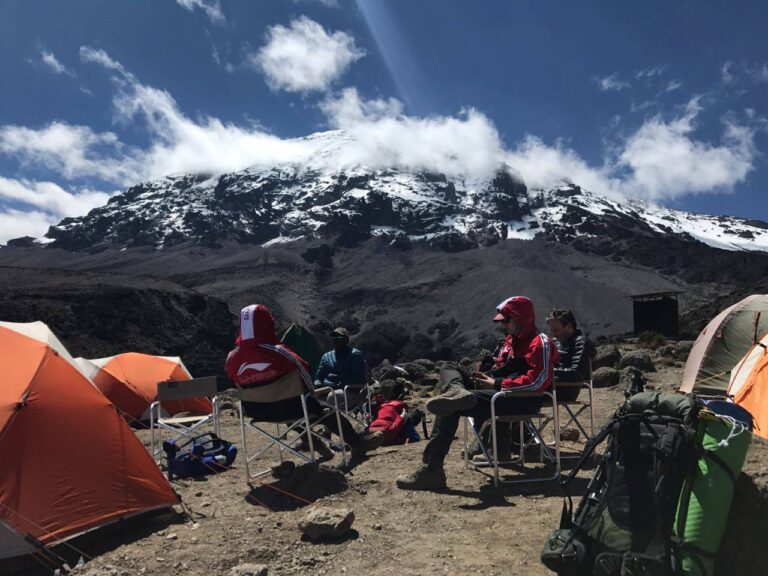
Kilimanjaro Airport Meet-And-Greet Service: Your Smooth Arrival In Tanzania
Top Guide Adventures offers a comprehensive Kilimanjaro Airport meet-and-greet service designed to make your arrival in Tanzania effortless and welcoming. From the moment you step off the...
View package details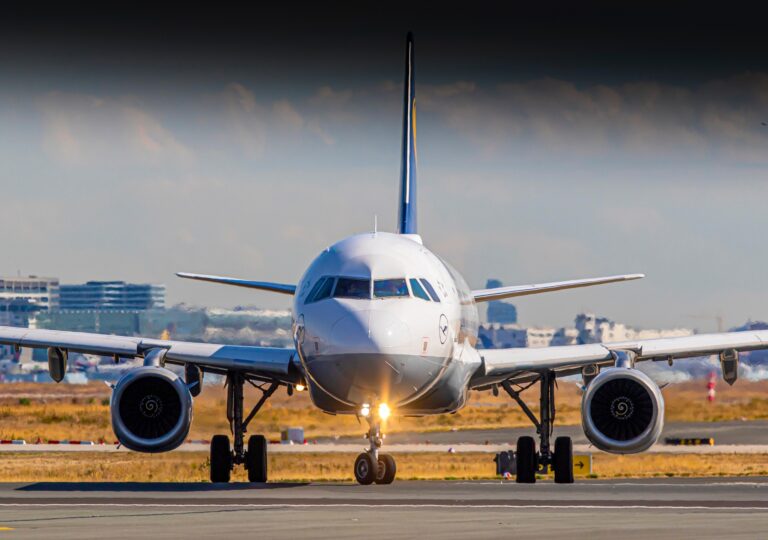
Kilimanjaro Easter Holiday Summit Package | Top Guide Adventures 2026-2027
Secure your Kilimanjaro Easter Holiday Summit Package for 2026 or 2027 with Top Guide Adventures. This guide covers everything you need to know about climbing Africa's highest peak during...
View package details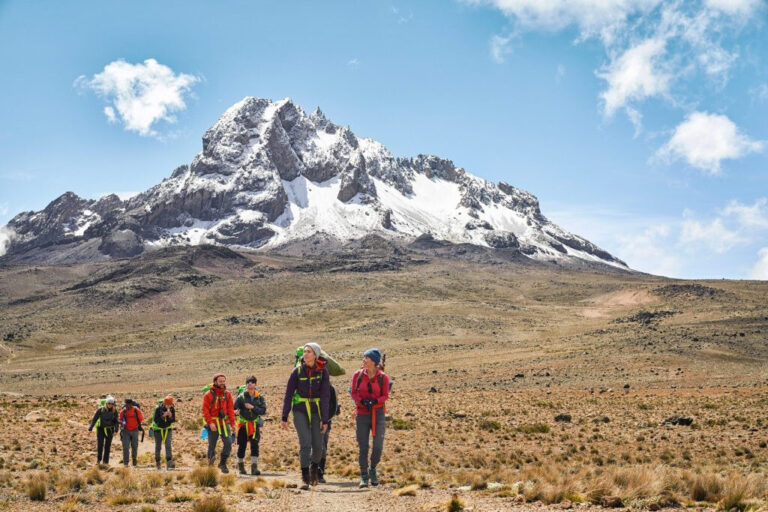
Adaptive Kilimanjaro Climbing Expeditions 2026-2027
Adaptive Kilimanjaro Climbing Expeditions is explained with current 2026-2027 planning, price, itinerary and booking information.
View package detailsSpanish Group Departures For Kilimanjaro: Dates, Costs & Planning 2026-2027
Discover upcoming Spanish group departures for Kilimanjaro climbs, offering a cost-effective and social way to conquer Africa's highest peak. This guide details 2026-2027 dates, route...
View package details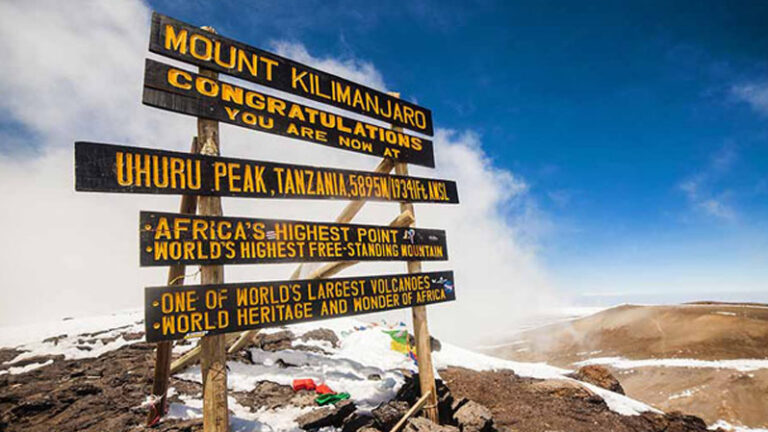
French Group Departures For Kilimanjaro: Your Guide 2026-2027
Discover essential information for French speakers planning a Kilimanjaro climb via group departures in 2026-2027. This comprehensive guide covers routes, preparation, costs, and booking...
View package details
German Group Departures For Kilimanjaro: Your Guide 2026-2027
Planning a Kilimanjaro climb with fellow German speakers? Discover curated group departures for 2026-2027, focusing on safety, success, and cultural connection. Top Guide Adventures...
View package details
Private Kilimanjaro Interpreter And Guide Package: Your Ultimate Summit
Discover the benefits of a Private Kilimanjaro Interpreter and Guide Package for your trek. Ensure safety, cultural understanding, and a smoother journey to the Roof of Africa with expert...
View package details
Multilingual Kilimanjaro Group Climbing Tour 2026-2027
Multilingual Kilimanjaro Group Climbing Tour is explained with current 2026-2027 planning, price, itinerary and booking information.
View package details
Kilimanjaro Climb With A Swahili-Speaking Guide: Your Essential Top Adventures
Ascend Mount Kilimanjaro with Top Guide Adventures, led by experienced Swahili-speaking guides. This comprehensive guide covers everything you need to know for a successful climb in...
View package details
Kilimanjaro Climb With A Hindi-Speaking Guide 2026-2027
Kilimanjaro Climb with a Hindi-Speaking Guide is explained with current 2026-2027 planning, price, itinerary and booking information.
View package details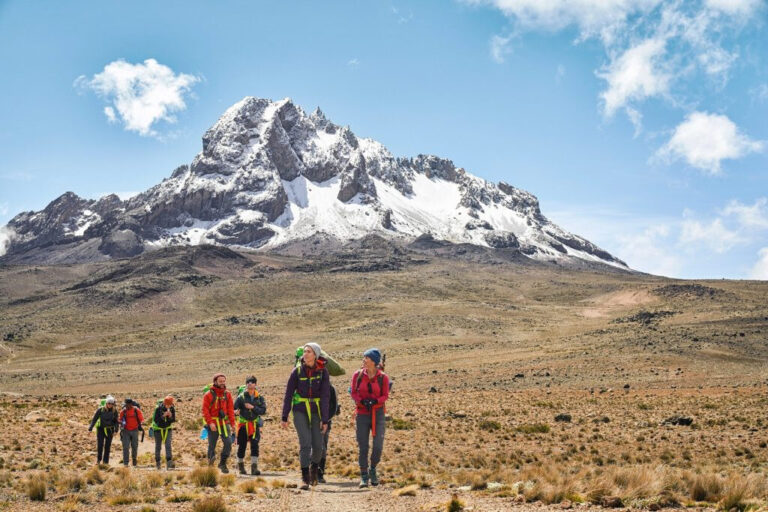
Kilimanjaro Climb With A Hebrew-Speaking Guide: Your Adventure 2026-2027
Discover how to arrange a Kilimanjaro climb with a Hebrew-speaking guide, ensuring a comfortable and culturally connected experience for Israeli hikers planning their 2026-2027 adventure...
View package detailsNo related package matches those filters. Clear one or more filters to see the other topic-matched options.



