
A November Kilimanjaro private climbing package offers a unique opportunity to ascend Africa’s highest peak with personalized attention, flexible scheduling, and exclusive support, ideal for groups seeking privacy and control over their expedition during a favorable climbing season with generally good weather conditions and fewer crowds compared to peak times.

Why Choose a November Kilimanjaro Private Climbing Package?
Climbing Mount Kilimanjaro is a dream for many adventurers, and choosing the right time and type of expedition is crucial for success and enjoyment. A November Kilimanjaro private climbing package stands out for several compelling reasons, especially when planning for 2026 or 2027. Unlike group treks where you join strangers, a private climb means the mountain is yours (and your chosen companions’) to conquer. This exclusivity brings a host of benefits that can significantly enhance your experience.
Top Guide Adventures specializes in crafting these personalized Kilimanjaro experiences, ensuring that every aspect of your climb is tailored to your needs. From selecting the best route to customizing your itinerary and ensuring you have dedicated guides and support staff, a private climb offers unparalleled flexibility and comfort. For those considering a trek in 2026 or 2027, understanding the advantages of a private November ascent is the first step toward an unforgettable journey.
Benefits of a Private Climb in November
- Personalized Pace: Your group sets the pace, allowing for more acclimatization time, rest stops, and photo opportunities without feeling rushed by a larger group’s schedule.
- Exclusive Support: You have a dedicated team of guides, porters, and cooks solely focused on your group’s safety, comfort, and success.
- Flexibility: While routes have standard durations, a private climb offers some flexibility in daily start times or minor itinerary adjustments if conditions permit and safety is not compromised.
- Privacy and Comfort: Enjoy the camaraderie of your own group without the dynamics of a mixed group. You’ll have your own tents and dining experiences.
- Ideal Timing: November falls within one of Kilimanjaro’s two best climbing seasons, offering a good balance of clear skies and manageable crowds.
- Cost-Effectiveness for Groups: While the per-person cost might be higher than joining a large group, for families or groups of friends, a private climb can be more economical when costs are shared.
Understanding November Weather on Kilimanjaro
November on Kilimanjaro is a fascinating month, marking the transition between the short rainy season and the drier, colder period. It’s often considered a shoulder season, offering a unique blend of conditions that can be highly rewarding for well-prepared climbers. Understanding what to expect weather-wise is key to successful planning for your November Kilimanjaro private climbing package in 2026 or 2027.
Generally, November is part of the second rainy season, but this doesn’t mean constant downpours. The rains are typically lighter and shorter than the main long rainy season (April-May). You can expect intermittent showers, often in the afternoons, followed by clear spells. This can lead to lush, green landscapes, especially at lower altitudes, and fewer dust storms.
Typical November Conditions by Zone:
- Rainforest (1,800m – 2,800m): This zone is likely to be damp and misty, with frequent, often brief, rainfall. The vegetation will be vibrant.
- Moorland (2,800m – 4,000m): Expect cooler temperatures, occasional rain or sleet, and potentially cloudy conditions. Nights will be cold.
- Alpine Desert (4,000m – 5,000m): This is the driest zone but also the coldest. Rain is less common here, but you might encounter frost and strong winds. Visibility can vary significantly.
- Arctic Zone (Above 5,000m): Conditions are harsh, with freezing temperatures, strong winds, and ice. Snow is possible, especially at the summit, though it can melt quickly.
What This Means for Your Climb:
The key to a successful November climb is proper preparation and gear. Waterproof and windproof outer layers are essential. While you might encounter rain, the skies often clear, offering spectacular views. The humidity from the rains can make the air feel fresher, and the reduced dust is a bonus. Importantly, November is generally less crowded than the peak dry seasons of January-February and June-October, allowing for a more serene experience on the mountain, which is a significant advantage for a private climb.
Choosing the Right Route for Your November Private Climb
Selecting the optimal route is paramount for any Kilimanjaro climb, and for a November Kilimanjaro private climbing package, route choice can influence your acclimatization, scenery, and overall success rate. Different routes offer distinct landscapes, durations, and acclimatization profiles. For a private trek in 2026 or 2027, considering these factors will help you choose the best path for your group.
Top Guide Adventures recommends routes that offer excellent acclimatization profiles, crucial for maximizing your chances of reaching Uhuru Peak, especially during a month that can still experience some precipitation. While all routes can be booked privately, some are naturally better suited for a more comfortable and successful ascent.
Top Route Recommendations for November:
- Lemosho Route: Often considered the most scenic route, Lemosho offers gradual acclimatization over 7-8 days. Its western approach provides stunning views and a high success rate. The longer duration allows for better adaptation to the altitude. It’s a great choice for a private climb as it offers varied scenery and a good chance of success.
- Machame Route: Popular for its scenic beauty and good acclimatization profile, Machame is a 6-7 day trek. It utilizes a ‘climb high, sleep low’ strategy effectively. Being a popular route, booking it as a private climb ensures you avoid the crowds often seen on Machame.
- Marangu Route: Known as the ‘Coca-Cola’ route, it’s the only one with hut accommodation. While shorter (5-6 days) and seemingly easier due to the huts, its rapid ascent profile makes acclimatization challenging. For a private climb, the 6-day option is strongly recommended to improve acclimatization, although it remains less ideal than Lemosho or Machame for altitude adaptation.
- Northern Circuit: This is the longest route (9-10 days), offering the best acclimatization and highest success rates. It circles the mountain, providing diverse views and a truly comprehensive experience. For a private climb where time is not a constraint and maximum comfort and success are priorities, the Northern Circuit is an exceptional choice.
Considerations for Your Private Group:
- Duration: Longer routes (7+ days) significantly increase acclimatization and success rates. For a private climb, investing in a longer duration is often worthwhile.
- Scenery: Lemosho and the Northern Circuit are often lauded for their impressive vistas and varied landscapes.
- Crowds: While November is less crowded, routes like Machame can still see significant numbers. A private booking on any route mitigates this concern.
- Accommodation: Marangu offers huts, while all other routes use camping. For a private camping experience, routes like Lemosho or Machame offer excellent comfort with quality gear provided by Top Guide Adventures.
When booking your November Kilimanjaro private climbing package for 2026 or 2027, discuss these route options with Top Guide Adventures to find the perfect fit for your group’s fitness, experience, and desired journey.
Estimating Costs for Your November Kilimanjaro Private Climbing Package
The cost of a November Kilimanjaro private climbing package can vary significantly based on the route chosen, the duration of the trek, the level of service, and the number of people in your group. While exact pricing requires a custom quote, understanding the factors that influence the cost will help you budget effectively for your 2026-2027 adventure.
Top Guide Adventures provides comprehensive packages designed to offer value and ensure a safe, successful climb. Here’s a breakdown of what’s typically included and what affects the price:
Key Cost Components:
- Park Fees: These are mandatory government fees for Kilimanjaro National Park, covering entry, camping/hut, rescue, and crater services. These fees are fixed and constitute a substantial portion of the overall cost.
- Guide and Porter Wages: Fair wages and proper treatment for your climbing crew are essential and included in your package. Top Guide Adventures is committed to ethical treatment of its staff.
- Food and Accommodation: All meals on the mountain (prepared by your cook) and camping equipment (tents, sleeping mats) or hut accommodation (on Marangu) are provided.
- Equipment: High-quality tents, mess tents, cooking gear, and often sleeping bags and walking sticks are included.
- Transportation: Transfers to and from Kilimanjaro International Airport (JRO) and to/from the mountain gate.
- Safety Equipment: Oxygen cylinders, a first-aid kit, and communication devices are standard.
- Emergency Support: Rescue fees and emergency evacuation provisions.
- Taxes and Levies: Various government and local taxes.
Factors Influencing Price:
- Route Duration: Longer routes (e.g., 8-day Lemosho or 9-day Northern Circuit) cost more than shorter ones (e.g., 6-day Machame) due to more days of park fees, food, and crew services.
- Group Size: While the per-person cost is generally higher for a private climb than for a large group trek, the overall cost is shared among your group members. A larger private group might achieve a lower per-person rate than a very small private group (e.g., 2 people).
- Service Level: Top Guide Adventures focuses on providing a high standard of service, ensuring quality equipment, experienced guides, and well-fed clients, which represents excellent value.
- Inclusions: Ensure your package includes everything you need. Some operators might exclude items like crater fees or oxygen, which can add unexpected costs. Top Guide Adventures aims for transparent, all-inclusive packages for private climbs.
For a precise quote for your 2026 or 2027 November Kilimanjaro private climbing package, contact Top Guide Adventures directly. They will tailor an itinerary and price based on your specific requirements and chosen route.
Contact us:
WhatsApp: +255616946642
Email: topguideadventures@gmail.com or info@topguideadventures.com
Preparing for Your November Climb: Gear and Fitness
A successful Kilimanjaro climb, especially a November Kilimanjaro private climbing package, hinges on meticulous preparation. This includes both physical fitness and the right gear. Given that November can bring variable weather, being well-prepared for both rain and cold is essential. Top Guide Adventures emphasizes that thorough preparation is key to enjoying your trek and maximizing your chances of reaching the summit for your 2026-2027 climb.
Physical Fitness: Building Endurance and Strength
Kilimanjaro is a demanding trek, not a technical climb, but it requires significant cardiovascular endurance and leg strength. The altitude is the primary challenge, but good physical condition makes managing it easier.
- Cardiovascular Training: Engage in activities like hiking (with a backpack), running, cycling, or swimming at least 3-4 times per week for several months leading up to your climb. Focus on sustained, moderate-intensity workouts.
- Hiking: The best training is hiking on varied terrain, preferably with hills or mountains. Practice hiking for several hours at a time, gradually increasing the duration and elevation gain. Use the backpack you plan to take on Kilimanjaro, loaded with some weight (5-10 kg), to simulate trekking conditions.
- Strength Training: Focus on leg muscles (squats, lunges) and core strength. Strong legs will help you manage ascents and descents, while a strong core improves balance and stamina.
- Acclimatization Practice: While you can’t fully simulate Kilimanjaro’s altitude, training at higher elevations if possible can be beneficial. More importantly, understand your body’s response to exertion and altitude.
- Mental Preparation: Kilimanjaro is as much a mental challenge as a physical one. Be prepared for discomfort, cold, and fatigue. Positive self-talk and focusing on your goals are vital.
Essential Gear for November Climbs
The right gear is critical for comfort and safety, particularly in November’s variable conditions. Layering is the key strategy. Top Guide Adventures provides a comprehensive gear list, but here are the essentials:
Clothing Layers:
- Base Layers: Moisture-wicking thermal underwear (merino wool or synthetic) – top and bottom.
- Mid Layers: Fleece jacket or pullover, thermal pants.
- Outer Layer (Insulation): A warm, down-filled or synthetic puffy jacket for evenings and summit night.
- Waterproof Outer Layer: A high-quality, breathable waterproof and windproof jacket and trousers (Gore-Tex or similar). Essential for November’s potential rain.
- Trekking Pants: Comfortable, quick-drying hiking trousers (avoid jeans).
- Trekking Shirts: Moisture-wicking short and long-sleeved shirts.
Headwear & Handwear:
- Warm Hat: Fleece or wool hat that covers your ears.
- Sun Hat: Wide-brimmed hat for sun protection during the day.
- Balaclava/Buff: For face and neck protection against wind and cold.
- Gloves: Lightweight liner gloves and warm, waterproof outer gloves or mittens.
Footwear:
- Hiking Boots: Broken-in, waterproof, sturdy hiking boots with good ankle support.
- Camp Shoes: Comfortable shoes or sandals for wearing around camp.
- Socks: Several pairs of warm hiking socks (wool or synthetic). Avoid cotton.
- Gaiters: To keep mud, rocks, and snow out of your boots.
Sleeping Gear:
- Sleeping Bag: A warm sleeping bag rated to at least -10°C to -20°C (0°F to -4°F). Top Guide Adventures often provides high-quality sleeping bags.
- Sleeping Bag Liner: Adds warmth and keeps your bag clean.
Trekking Equipment:
- Backpack: A comfortable daypack (30-40 liters) for essentials during the day. A larger duffel bag (80-100 liters) for porters to carry.
- Trekking Poles: Highly recommended for stability and reducing strain on knees, especially on descents.
- Headlamp: With extra batteries for summit night and around camp.
- Water Bottles/Hydration Reservoir: At least 3 liters capacity. Insulated covers are useful in cold weather.
- Sunglasses: With UV protection.
- Sunscreen: High SPF.
- Lip Balm: With SPF.
- Personal First-Aid Kit: Including any personal medications, blister treatment, pain relievers, and antiseptic wipes.
- Toiletries: Biodegradable soap, toothbrush, toothpaste, wet wipes.
- Camera & Power Bank: To capture memories and keep devices charged.
Remember to pack smartly. Your daypack should contain essentials like water, snacks, rain gear, extra layers, sunscreen, and a headlamp. The rest will be carried by porters. Discuss your gear with Top Guide Adventures; they can advise on what they provide and what you need to bring for your November Kilimanjaro private climbing package.
The Kilimanjaro Climbing Experience: What to Expect on a Private November Trek
Opting for a November Kilimanjaro private climbing package means you’re signing up for a personalized adventure on one of the world’s most iconic mountains. While the core challenges of altitude and weather remain, the private nature of your expedition with Top Guide Adventures significantly shapes the daily experience. Planning for 2026 or 2027 involves understanding these nuances.
Daily Life on the Mountain
Each day on Kilimanjaro follows a rhythm. Your private crew – guides, cook, and porters – works together to ensure your comfort and safety.
- Morning: Wake up in your tent to a cup of hot water for washing. After breakfast, your tent is packed by the porters while you set off with your guides.
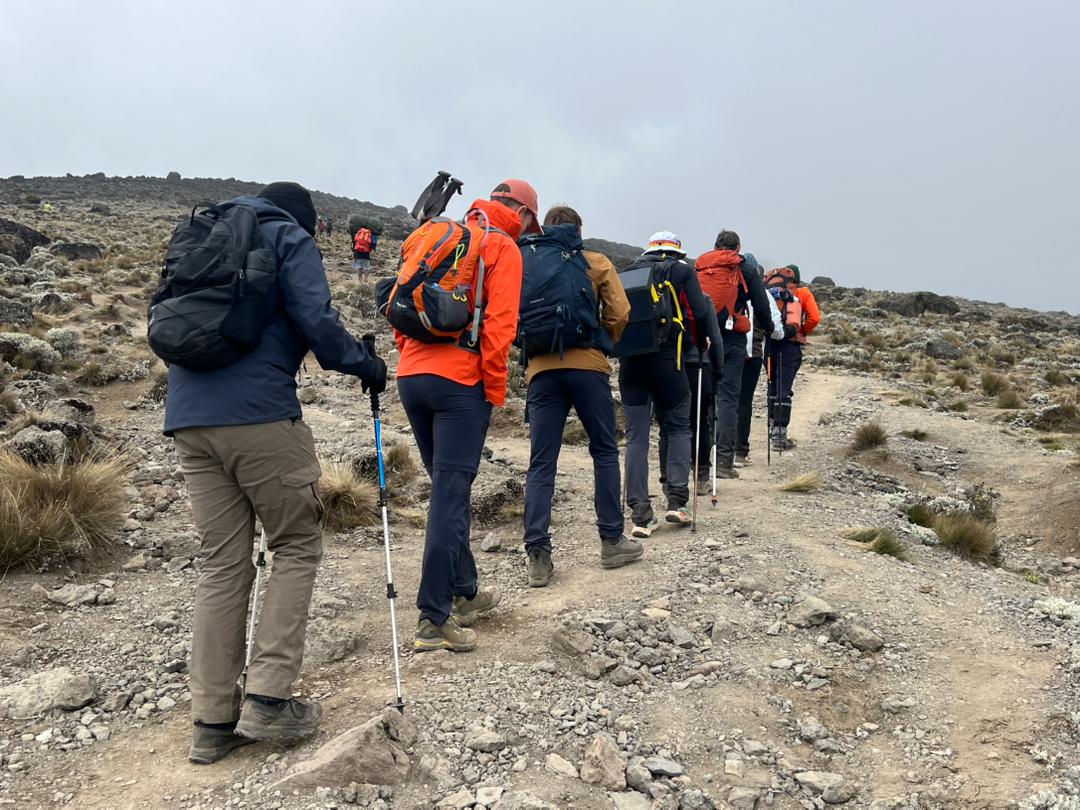
- During the Day: You’ll trek at a slow, steady pace, known as ‘pole pole’ (slowly, slowly). Your guides will monitor your health, encourage hydration, and point out interesting flora and fauna. Lunch is typically a packed meal eaten en route or a hot meal prepared by the cook at a designated campsite.
- Afternoon: Arrive at the next campsite. While porters set up tents and prepare the mess tent, you can rest, hydrate, and have a snack. Your guides will often lead a short acclimatization walk.
- Evening: Dinner is served in the mess tent, a warm and social hub. After dinner, your guides will brief you on the next day’s plan before you retire to your tent for a well-deserved rest.
Summit Night: The Ultimate Challenge
Summit night is typically the most challenging part of the climb. For a private trek, this means your dedicated team is entirely focused on your group’s progress.
- Departure: You’ll usually start around midnight to 1 AM, aiming to reach Stella Point or Uhuru Peak by sunrise. This requires waking up very early, dressing warmly in all your layers, and having a quick, light meal.
- The Ascent: The climb is steep and slow in the cold, dark night. Your guides will be right beside you, offering encouragement and monitoring your condition closely. Headlamps provide the only light.
- Reaching the Crater Rim: The satisfaction of reaching Stella Point (5,756m) as the sun rises is immense. From here, it’s a further 1-2 hour walk across the crater rim to Uhuru Peak (5,895m).
- Descent: The descent is long and arduous but often quicker than the ascent. While less strenuous in terms of breathing, it’s hard on the knees and requires concentration. You’ll descend back to your previous campsite or a lower one.
Post-Climb Celebration and Descent
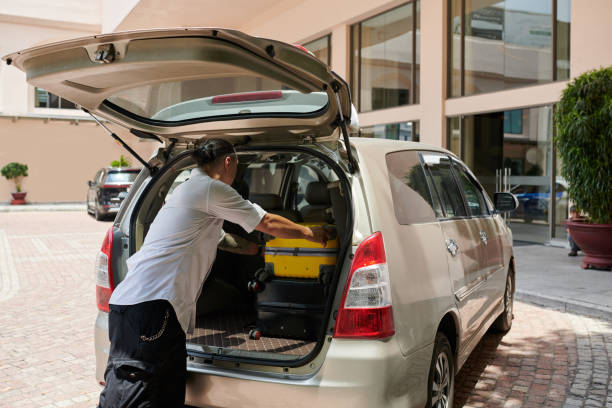
After successfully descending, you’ll be met by your driver at the park gate. A November Kilimanjaro private climbing package concludes with a warm welcome back, usually a hot shower, a celebratory meal, and the presentation of your climbing certificates. You’ll then be transferred back to your hotel in Moshi or Arusha. The feeling of accomplishment after completing this journey with your private group is profound.
Top Guide Adventures ensures that the transition from mountain to hotel is smooth and comfortable, allowing you to reflect on your incredible achievement. For your 2026 or 2027 climb, expect a well-organized and supportive experience from start to finish.
Safety and Support on Your Private Kilimanjaro Climb
Safety is the absolute top priority for any Kilimanjaro expedition, and it’s an area where a November Kilimanjaro private climbing package with a reputable operator like Top Guide Adventures truly shines. Having a dedicated team focused solely on your group’s well-being significantly enhances your safety net. For your 2026-2027 trek, understanding the safety protocols is essential.
Experienced and Certified Guides
Your guides are the backbone of your safety on Kilimanjaro. Top Guide Adventures employs guides who are:
- Highly Experienced: They have summited Kilimanjaro numerous times and understand the mountain’s challenges intimately.
- First Aid Certified: They are trained in wilderness first aid and carry comprehensive medical kits.
- Altitude Specialists: They are trained to recognize the symptoms of Acute Mountain Sickness (AMS), High Altitude Cerebral Edema (HACE), and High Altitude Pulmonary Edema (HAPE), and know how to manage them effectively.
- Equipped with Communication: Guides carry radios or satellite phones for communication with base operations.
Health Monitoring and Acclimatization
A key part of safety is proper acclimatization. Your guides will:
- Monitor Daily: They will check your oxygen saturation levels and pulse rate twice daily, and continuously assess your symptoms.
- Enforce ‘Pole Pole’: They will ensure you ascend at a slow, sustainable pace.
- Promote Hydration and Nutrition: Adequate fluid intake and regular meals are crucial for acclimatization and energy levels.
- Implement ‘Climb High, Sleep Low’: Where possible on certain routes, they will guide you to ascend to higher points during the day and descend to sleep at a lower altitude.
Emergency Procedures and Equipment
Top Guide Adventures is prepared for emergencies:
- Rescue Services: Kilimanjaro National Park has a dedicated rescue team. Your guides will coordinate with them if evacuation is necessary.
- Oxygen Cylinders: Portable oxygen is carried for emergency use, administered by guides if symptoms of severe altitude sickness arise.
- Medical Kits: Comprehensive first-aid kits are carried by guides, along with emergency medication.
- Communication: Satellite phones or reliable radios ensure contact with the outside world in case of emergencies.
- Evacuation Plans: Your guides and the Top Guide Adventures team have established procedures for rapid evacuation if required.
Ethical Trekking Practices
Safety also extends to the well-being of the crew. Top Guide Adventures adheres to ethical trekking principles, ensuring porters are well-equipped, fed, and not overloaded. This not only ensures their safety but also contributes to a positive and efficient team dynamic, which indirectly benefits your climb.
Choosing a private climb with a reputable company like Top Guide Adventures means you benefit from a highly attentive and professional safety operation, allowing you to focus on the incredible journey of climbing Kilimanjaro during your November Kilimanjaro private climbing package.
Why November is a Great Month for a Private Kilimanjaro Climb
While peak seasons often draw the largest crowds, choosing a slightly off-peak time like November for your November Kilimanjaro private climbing package can offer distinct advantages, particularly when combined with the exclusivity of a private trek. For those planning their 2026 or 2027 adventure, November presents a compelling option.
Fewer Crowds, More Solitude
November falls outside the busiest periods of January-February and June-October. This means you’ll encounter fewer trekkers on the trails and at campsites. For a private climb, this enhances the feeling of solitude and allows for a more intimate connection with the mountain and your group. You won’t be waiting for other groups on narrow paths or competing for the best spots at campsites.
Lush Landscapes and Fresh Air
As November is part of the second rainy season, the mountain’s lower slopes, particularly the rainforest zone, are incredibly green and vibrant. The air is often clearer and fresher due to the recent rains, offering a beautiful and refreshing trekking environment.
Good Balance of Weather Conditions
While there’s a chance of rain, it’s typically not the persistent, heavy downpour associated with the main rainy season (April-May). Instead, expect intermittent showers, often in the afternoon, which can clear up quickly. This means you can still have plenty of clear, sunny trekking hours, and the summit night is often clear. The temperatures are also generally milder than in the dry, cold months of December-February, making the cold at higher altitudes more manageable.
Potential Cost Savings (Though Private Climbs Have Fixed Costs)
While private climbs have a baseline cost regardless of season due to fixed park fees and crew wages, some operators might offer slight adjustments for shoulder season bookings. More significantly, the overall experience of having fewer people around can feel like a premium experience without necessarily paying peak-season premiums. Top Guide Adventures offers consistent quality and value year-round for your November Kilimanjaro private climbing package.
Ideal for Photography
The combination of lush greenery at lower altitudes, potential for dramatic cloud formations, and clear skies during non-rainy periods can make November a photographer’s dream. The softer light and vibrant colors add a unique aesthetic to your Kilimanjaro photos.
In summary, November offers a fantastic opportunity for a private Kilimanjaro climb, providing a blend of manageable weather, fewer crowds, and beautiful scenery. It’s an excellent choice for those looking for a more exclusive and serene mountain experience when planning their 2026 or 2027 expedition.
Maximizing Your Success Rate on a November Climb
Reaching Uhuru Peak is the ultimate goal for any Kilimanjaro climber. While a November Kilimanjaro private climbing package provides excellent conditions and support, maximizing your success rate involves several key strategies. Top Guide Adventures focuses on client success through careful planning and execution, especially important for your 2026-2027 trek.
1. Choose the Right Route and Duration
As discussed, longer routes (7-10 days) offer significantly better acclimatization. For a private climb, investing in a longer duration like the 8-day Lemosho or the 9-day Northern Circuit dramatically increases your chances of success compared to shorter 5 or 6-day routes. The extra day allows your body more time to adapt to the increasing altitude.
2. Listen to Your Body and Guides
Altitude sickness is the primary reason climbers don’t reach the summit. Your guides are trained to detect its symptoms. Never ignore symptoms like headaches, nausea, dizziness, or fatigue. Communicate openly with your guides about how you feel. They will make critical decisions regarding your ascent, including recommending rest or descent if necessary. Remember, the summit is optional, but returning safely is mandatory.
3. Hydrate, Hydrate, Hydrate!
Dehydration exacerbates altitude sickness. Aim to drink 3-5 liters of water per day. This includes water, herbal teas, and soup. Carry water bottles with insulated covers to prevent freezing, or use a hydration reservoir with an insulated tube. Your guides will ensure you have access to safe drinking water.
4. Eat Well and Conserve Energy
Maintain your energy levels by eating regularly, even if your appetite decreases at altitude. Your cook will prepare nutritious meals. On summit night, eat small amounts frequently. Conserve energy by walking slowly (‘pole pole’) and taking short breaks. Avoid overexertion.
5. Pack Appropriately for November Conditions
Being cold and wet can significantly impact your morale and physical condition, hindering your progress. Ensure you have high-quality, waterproof outer layers, warm mid-layers, and good thermal base layers. Proper footwear, gloves, and headwear are non-negotiable. Your private guides will advise on layering as you ascend through different climate zones.
6. Maintain a Positive Mental Attitude
Kilimanjaro is a mental as well as a physical challenge. Staying positive, focused, and determined is crucial. Break the climb down into smaller goals – reaching the next camp, the next landmark. Your private group can support each other, and your dedicated guides are there to provide encouragement.
7. Pre-Climb Acclimatization (Optional but Beneficial)
If possible, spending a few days at moderate altitude (e.g., Arusha or Nairobi) before starting your climb can be beneficial. This helps your body begin the acclimatization process before you even reach the mountain’s base.
By following these strategies, combined with the excellent support of Top Guide Adventures for your November Kilimanjaro private climbing package, you significantly enhance your chances of a successful and rewarding summit experience for your 2026-2027 journey.
Comparing November Private Climbs with Other Months
When planning your November Kilimanjaro private climbing package for 2026-2027, it’s useful to compare November’s conditions and benefits against other months. This helps confirm why November is a smart choice for a private, less crowded, and often more affordable experience, while still offering good climbing prospects.
| Aspect | November | January-February (Peak Dry) | June-October (Peak Dry) | April-May (Long Rains) | March (Transition) | December (Transition) |
|---|---|---|---|---|---|---|
| Weather | Mixed: Intermittent showers, often afternoon; generally clear mornings and evenings; cooler. | Dry, sunny, cold (especially at night/summit); potential for frost/ice. | Dry, sunny, moderate temperatures; cooler at night. | Heavy, persistent rain; muddy trails; poor visibility; high humidity. | Transitioning, potential for some rain, but improving; can be busy. | Transitioning, potential for some rain, but improving; cooler. |
| Crowds | Low to Moderate | High | Very High | Low | Moderate to High | Moderate |
| Scenery | Lush lower slopes, vibrant vegetation. | Clear, dramatic landscapes; snow/ice possible at summit. | Clear, expansive views; dry vegetation. | Extremely lush, green, waterfalls; can be difficult trekking. | Greenening, good visibility. | Greenening, good visibility. |
| Success Rate | Good (with proper preparation & route choice) | Very Good | Very Good | Lower (due to difficult conditions) | Good | Good |
| Private Climb Advantage | Excellent: Enhanced solitude, personalized experience amplified by fewer people. | Good: Private climb ensures your own space amidst crowds. | Good: Private climb offers escape from peak season crowds. | Less appealing due to weather; private climb helps manage conditions. | Good: Private climb offers a controlled experience during a popular window. | Good: Private climb offers a controlled experience. |
| Overall Recommendation | Excellent for private, less crowded treks with good success chances. | Excellent for optimal weather and high success, but busy. | Excellent for optimal weather and high success, but very busy. | Generally avoided; only for experienced, well-equipped adventurers. | Good option if peak season dates are unavailable. | Good option if peak season dates are unavailable. |
As the table illustrates, November provides a sweet spot for many trekkers. It avoids the heavy rains of April-May and the peak crowds of the dry seasons. For a November Kilimanjaro private climbing package, you get the best of both worlds: a favorable climbing window and the exclusive, personalized experience that only a private trek can offer. This makes it a strong contender for your 2026-2027 Kilimanjaro adventure.
Booking Your November Kilimanjaro Private Climbing Package with Top Guide Adventures
Ready to plan your unforgettable journey to the Roof of Africa? Booking your November Kilimanjaro private climbing package with Top Guide Adventures for 2026 or 2027 is a straightforward process designed to ensure you get the best possible experience. As one of Tanzania’s trusted tour operators, we are dedicated to providing personal attention, care, and expert support every step of the way.
Steps to Booking:
- Inquire: Contact us with your preferred dates in November, the number of people in your group, and any specific route preferences or questions you may have. You can reach us via WhatsApp, email, or our website.
- Consultation: We will discuss your options, recommend the best routes and durations based on your group’s fitness and desires, and provide detailed information about weather, gear, and what to expect.
- Customized Itinerary & Quote: Based on our consultation, we will prepare a personalized itinerary and a detailed quote for your November Kilimanjaro private climbing package. This quote will clearly outline all inclusions and exclusions.
- Confirmation & Deposit: Once you are happy with the proposed plan, a deposit is required to confirm your booking. This secures your preferred dates and allocates your dedicated guide and crew.
- Pre-Trip Support: We provide comprehensive pre-trip information, including detailed packing lists, training advice, and visa information. We are available to answer any questions leading up to your departure.
- The Adventure Begins: Upon arrival in Tanzania, our team will meet you, transfer you to your hotel, and provide a thorough pre-climb briefing. Your Kilimanjaro adventure truly begins the next day!
Why Choose Top Guide Adventures for Your Private Climb?
- Local Expertise: As a locally owned and operated company, we have in-depth knowledge of Kilimanjaro and Tanzania.
- Commitment to Safety: We prioritize your safety with experienced guides, quality equipment, and robust emergency protocols.
- Ethical Operations: We are committed to fair wages and excellent working conditions for our guides and porters.
- Personalized Service: From your initial inquiry to your return from the mountain, you receive dedicated support.
- High Success Rates: Our carefully planned itineraries and experienced teams contribute to excellent summit success rates.
- Complete Travel Experiences: Beyond Kilimanjaro, we can arrange safaris, Zanzibar holidays, and other tailor-made journeys across Tanzania.
Don’t miss the opportunity to experience Kilimanjaro in November with the comfort and exclusivity of a private climb. Plan your 2026 or 2027 adventure with the experts.
Get in touch today to start planning:
WhatsApp: +255616946642
Email: topguideadventures@gmail.com
Backup Email: info@topguideadventures.com
Website: Top Guide Adventures
Check Availability for November Kilimanjaro Private Climbing Package: Your Expert Guide For…
Ready to compare dates, prices, and the best option for your group? Send the package name and travel month so the team can reply with a clear quote, availability, and what is included.
November Kilimanjaro Luxury Private Expedition | Top Guide Adventures
Experience the ultimate Kilimanjaro climb with a luxury private expedition in November 2026 or 2027. Top Guide Adventures offers tailored itineraries, premium services, and expert guidance...
View package details
November Kilimanjaro Private Couple Climb: Your Ultimate Guide 2026-2027
Climbing Kilimanjaro as a couple in November offers unique advantages. This guide details everything you need to know for a private climb in 2026-2027, from route selection to summit...
View package details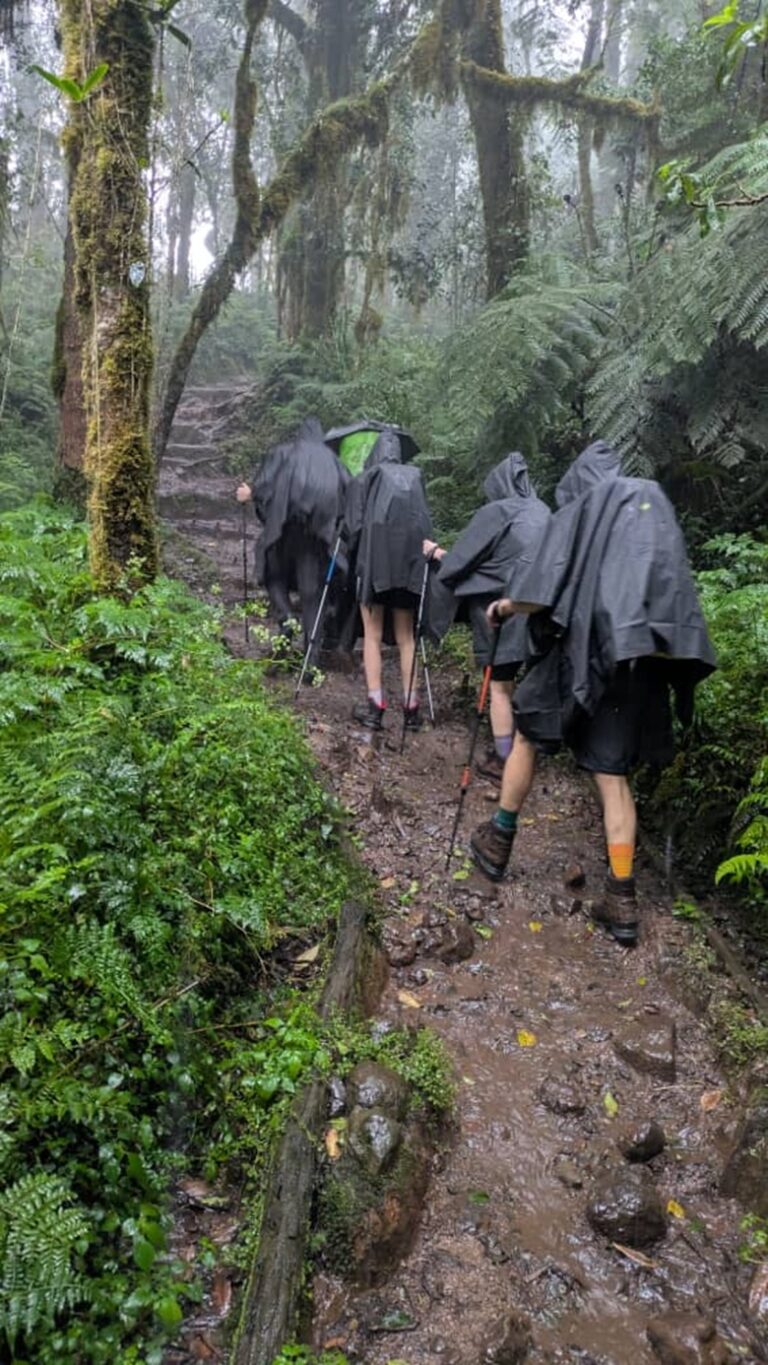
October Kilimanjaro Private Climbing Tour: Your Ultimate Guide For 2026-2027
Your comprehensive guide to embarking on a private Kilimanjaro climb in October 2026 or 2027. Discover optimal routes, essential preparations, and why a private tour offers unparalleled...
View package details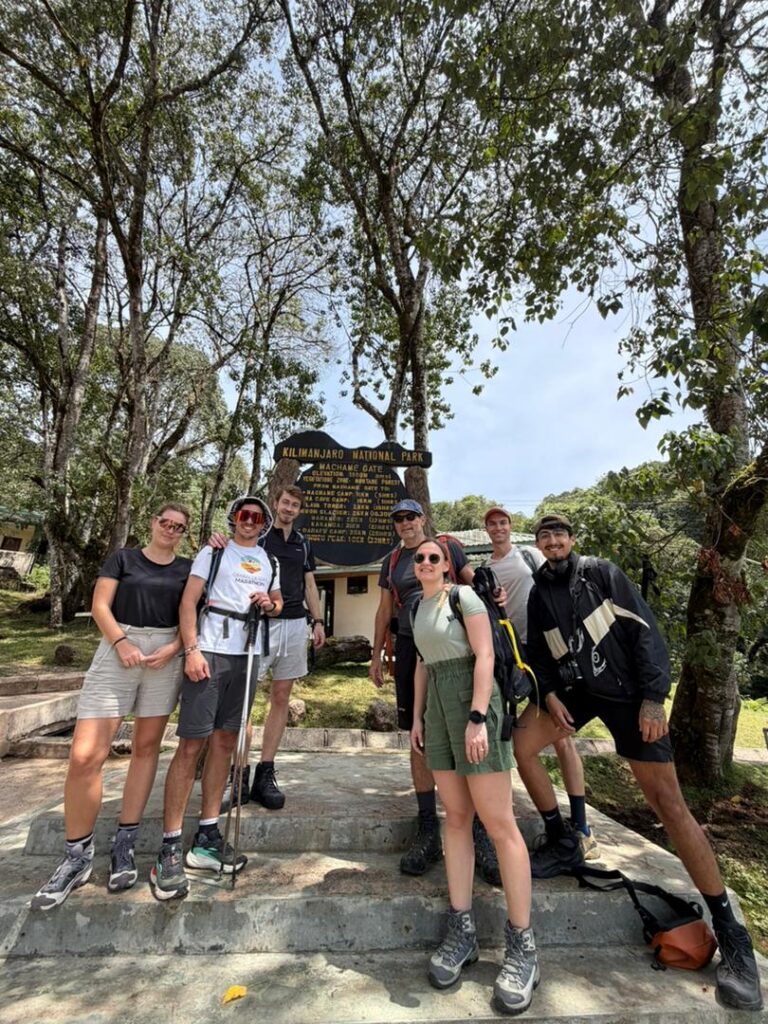
September Kilimanjaro Private Climbing Package: Your Ultimate Guide 2026-2027
Discover everything you need to know for a September Kilimanjaro private climbing package in 2026-2027. This comprehensive guide covers route selection, essential gear, acclimatization...
View package detailsNovember Kilimanjaro Climbing Cost And Discounts For 2026-2027
Planning a Kilimanjaro climb in November 2026 or 2027? This comprehensive guide details the expected costs, factors influencing pricing, and available discounts. Learn how to budget...
View package details
November Kilimanjaro Low-Season Climbing Deals 2026-2027
Climb Kilimanjaro in November for budget-friendly deals and fewer crowds. This guide covers routes, weather, packing, and how Top Guide Adventures can make your 2026-2027 low-season trek...
View package detailsNovember Kilimanjaro Group Departures : Your Ultimate Climbing Guide 2026-2027
Discover the best November Kilimanjaro group departures for 2027 with Top Guide Adventures. This comprehensive guide covers everything you need to know for your climb, from route selection...
View package details
Kilimanjaro Climbing In November : Rain And Route Guide 2026-2027
Discover the nuances of climbing Mount Kilimanjaro in November 2027. This guide details the expected weather, optimal routes to navigate the rainy season, and essential preparation tips to...
View package details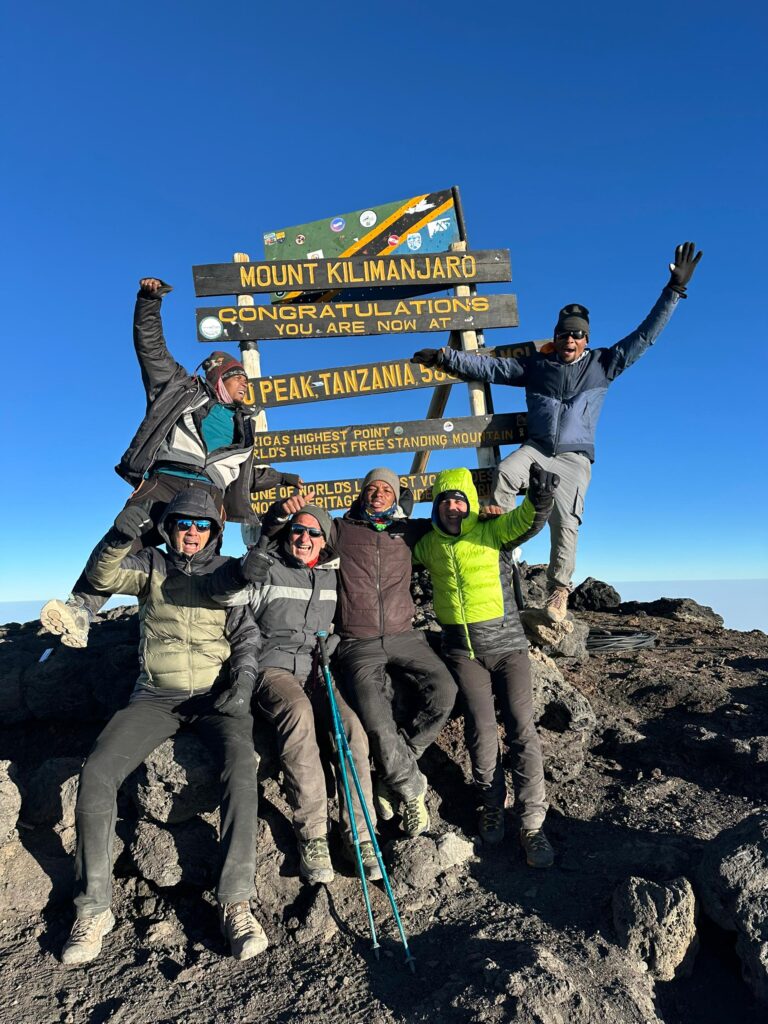
October Kilimanjaro Flexible Private Departure: Your Ultimate Guide 2026-2027
Secure your October Kilimanjaro flexible private departure with Top Guide Adventures. This comprehensive guide covers everything from route selection and best practices for your 2026-2027...
View package details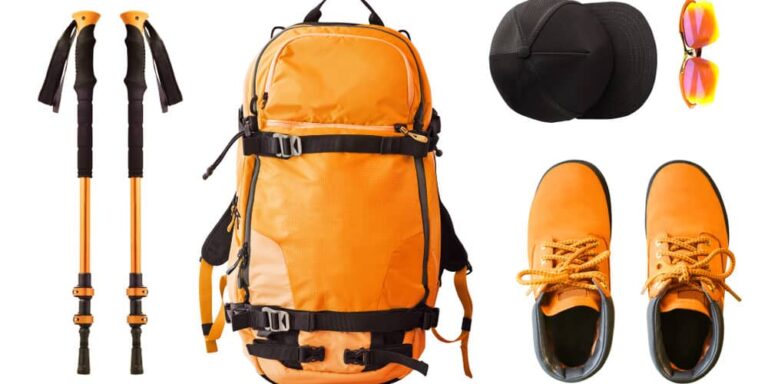
February Vs March Kilimanjaro Climbing Conditions 2026-2027
February vs March Kilimanjaro Climbing Conditions is explained with current 2026-2027 planning, price, itinerary and booking information.
View package details
November Kilimanjaro Acclimatization-Focused Trek Guide
Discover essential strategies for a successful November Kilimanjaro climb, emphasizing acclimatization. This guide covers route selection, preparation, and what to expect during the...
View package details
November Kilimanjaro Photography In The Short Rains: Your Ultimate Guide
Discover the unique photographic opportunities of climbing Kilimanjaro in November during the Short Rains. This guide covers optimal light, dramatic skies, vibrant landscapes, and essential...
View package detailsNo related package matches those filters. Clear one or more filters to see the other topic-matched options.



