
The best waterproof trousers for Kilimanjaro are durable, breathable, and fully waterproof, ideally with full-length side zips for easy on-off over boots and gaiters. Look for features like reinforced knees and seat, adjustable waistbands, and a comfortable fit that allows for layering. Brands like Mountain Hardwear, Outdoor Research, and Marmot offer excellent options that perform well in the varied conditions on Kilimanjaro, ensuring you stay dry and comfortable throughout your 2026 or 2027 climb.
Understanding the Need for Waterproof Trousers on Kilimanjaro
Mount Kilimanjaro, while a non-technical climb, presents a challenging environment with rapidly changing weather patterns. Ascending through distinct ecological zones means experiencing everything from tropical rainforest conditions at the base to arctic-like temperatures at the summit. This extreme variation makes appropriate gear selection paramount, and perhaps no item is as critical for comfort and safety as a reliable pair of waterproof trousers. For trekkers planning their expedition in 2026 or 2027, understanding why these trousers are indispensable is the first step in making the right choice.
The primary role of waterproof trousers, often called rain pants or overtrousers, is to shield you from precipitation. This might be heavy rain in the lower rainforest zone, sleet, or even snow and freezing rain closer to the summit. However, their utility extends beyond just rain protection. They are also windproof, a vital feature on exposed ridges and at the summit, where winds can be fierce and significantly lower the perceived temperature. Furthermore, they offer an extra layer of insulation, crucial for maintaining core body temperature during cold nights or early morning summit pushes. A good pair of waterproof trousers can be the difference between enduring the elements and succumbing to them, turning a potentially miserable experience into a triumphant achievement.
Key Features to Look for in Kilimanjaro Waterproof Trousers
When selecting the best waterproof trousers for Kilimanjaro, several features contribute to their effectiveness and comfort on the mountain. These are not just about repelling water; they are about managing your body’s microclimate, allowing for freedom of movement, and ensuring durability under demanding conditions. For your 2026-2027 trek, prioritize the following:
- Waterproof and Breathable Fabric: This is non-negotiable. Look for trousers made from high-quality waterproof and breathable membranes like GORE-TEX, eVent, or similar proprietary technologies. This combination prevents rain from penetrating while allowing sweat vapor to escape, preventing you from getting damp from the inside out.
- Full-Length Side Zips: These are incredibly convenient. They allow you to put on or take off your trousers without removing your hiking boots. This is a significant advantage in unpredictable weather, allowing for quick adjustments. Look for zips that are water-resistant or covered by storm flaps.
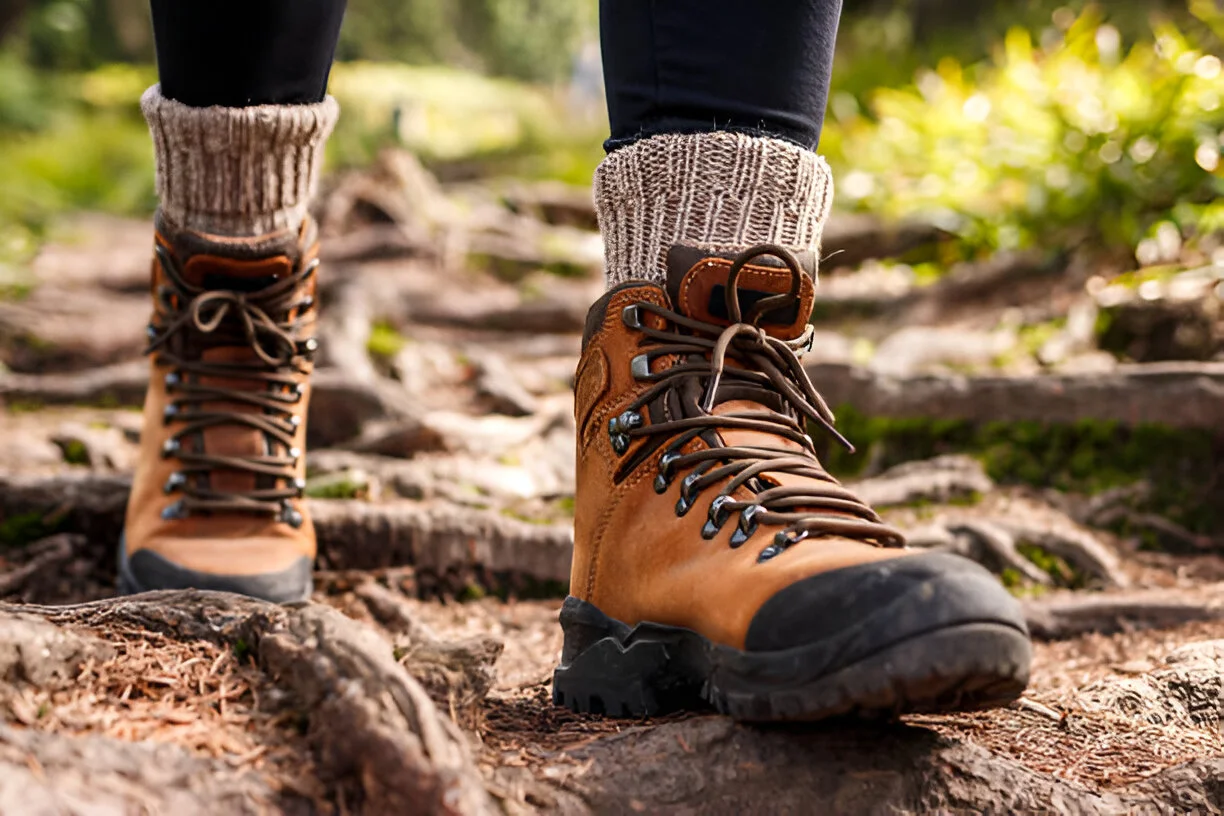
- Durability and Reinforcement: The lower sections of your trousers will face abrasion from boots, rocks, and crampons (if used). Reinforced knees, seat, and inner ankle cuffs add longevity and protect against wear and tear.
- Adjustable Waistband: An elasticated or adjustable waistband ensures a snug, comfortable fit, preventing drafts and keeping the trousers in place during strenuous activity. Some models also include belt loops.
- Fit and Articulation: The trousers should allow for a full range of motion. Articulated knees and a relaxed fit accommodate crouching, stepping over obstacles, and layering with other garments without restriction.
- Ankle Adjustments: Cuffs that can be tightened around boots help keep out snow, mud, and debris. Velcro straps or drawcords are common.
- Weight and Packability: While durability is key, you also want trousers that are not excessively heavy or bulky. Many high-quality waterproof trousers pack down into their own pocket or a small stuff sack, making them easy to carry in your daypack.
- Gaiter Compatibility: Ensure the ankle cuffs are wide enough to fit comfortably over your hiking boots and ideally integrate with gaiters for maximum protection against snow and scree.
Top Brands and Models for Your Kilimanjaro Trek
Selecting from reputable outdoor brands significantly increases your chances of finding waterproof trousers that will perform reliably on Kilimanjaro. These companies specialize in technical apparel designed for harsh environments. For trekkers planning a climb in 2026 or 2027, here are some highly recommended brands and specific types of trousers to consider:
1. Mountain Hardwear
Mountain Hardwear is known for its robust and technically advanced gear. Their waterproof trousers often feature durable construction and excellent weather protection. Look for their Exposure/2 GORE-TEX Paclite Pants or similar models. These are typically lightweight, packable, and offer reliable waterproofing and breathability, making them a solid choice for Kilimanjaro’s varied conditions.
2. Outdoor Research (OR)
Outdoor Research consistently produces high-quality, durable outdoor apparel. Their Foray Pants (or the women’s equivalent, the Aspire Pants) are a perennial favorite among hikers and climbers. They are celebrated for their full-length side zips, excellent GORE-TEX protection, and a good balance of durability and breathability. These are a fantastic option for Kilimanjaro.
3. Marmot
Marmot offers a range of waterproof trousers suitable for trekking. The Marmot PreCip Eco Full Zip Pants are a popular choice for their eco-friendly materials and practical features, including full-length side zips and a comfortable fit. They provide good waterproofing and breathability for less extreme conditions, but might be best paired with an insulated layer for the coldest parts of Kilimanjaro if you tend to feel the cold.
4. Arc’teryx
For those prioritizing ultimate performance and willing to invest, Arc’teryx offers top-tier waterproof trousers. Models like the Beta AR Pants or Zeta AR Pants utilize advanced GORE-TEX Pro fabrics, offering exceptional durability, waterproofing, and breathability. While often more expensive, they are built to withstand the harshest conditions and will undoubtedly serve you well on Kilimanjaro and future adventures.
5. Patagonia
Patagonia is another brand synonymous with quality and sustainability. Their Torrentshell 3L Pants are a great mid-range option, offering reliable waterproof protection with a 3-layer construction for enhanced breathability and durability. They often feature practical elements like a water-resistant front zip and adjustable cuffs.
6. Rab
Rab is a brand favored by many mountaineers. Their Rab Downpour Plus Pants are designed for serious trekking and mountaineering, offering excellent waterproofness and breathability. They often feature longer zips and a more generous fit for layering, making them a strong contender for Kilimanjaro.
When choosing, consider your personal preferences for fit, weight, and specific features. It’s also wise to check reviews from other Kilimanjaro climbers for real-world performance insights. For 2026-2027 expeditions, investing in a reputable brand will pay dividends in comfort and protection.
Waterproof vs. Water-Resistant: What’s the Difference for Kilimanjaro?
The distinction between ‘waterproof’ and ‘water-resistant’ is critical when gearing up for an environment as demanding as Kilimanjaro. For a climb of this magnitude, especially considering the potential for prolonged exposure to rain, sleet, and snow, true waterproofness is essential.
Water-Resistant Trousers: These are typically treated with a Durable Water Repellent (DWR) finish. They can shed light rain or snow for a limited time. However, under sustained precipitation, or when the DWR wears off, water will eventually soak through. They offer some protection against brief showers but are inadequate for the persistent wet conditions Kilimanjaro can present, particularly in the rainforest zone or during summit attempts in poor weather.
Waterproof Trousers: These are constructed with a waterproof membrane (like GORE-TEX) and taped seams. The membrane physically blocks water molecules from passing through, while the taped seams prevent water ingress at the stitching points. A good waterproof trouser will also feature a DWR finish on the outer fabric to help water bead off. This level of protection is crucial for Kilimanjaro, where staying dry is vital for preventing hypothermia and maintaining comfort. For trekkers heading up Kilimanjaro in 2026 or 2027, prioritizing ‘waterproof’ over ‘water-resistant’ is a non-negotiable aspect of essential gear selection.
Breathability: The Unsung Hero of Rain Gear
While waterproofness keeps external moisture out, breathability is what keeps you comfortable from the inside. On a strenuous trek like Kilimanjaro, your body generates a significant amount of heat and moisture (sweat). If your waterproof trousers are not breathable, this moisture will build up inside, making you feel clammy and cold, even if you’re technically dry from the rain. This is where advanced fabric technologies shine.
Understanding Breathability Ratings: Breathability is often measured in grams per square meter per 24 hours (g/m²/24hr). A higher number indicates better breathability. However, these ratings can be technical and sometimes misleading. More importantly, look for trousers made with well-regarded breathable membranes such as GORE-TEX (various types), eVent, or proprietary technologies from brands like The North Face (Futurelight) or Columbia (OutDry). These materials are engineered to allow water vapor to pass through the fabric while blocking liquid water.
How Breathability Works on Kilimanjaro: As you climb and exert yourself, your body produces sweat. This moisture vapor needs to escape. Breathable waterproof trousers allow this vapor to migrate through the membrane and out into the atmosphere. This process is more efficient when there is a temperature and humidity differential between the inside and outside of the garment, which is common on Kilimanjaro. In colder, drier conditions at higher altitudes, vapor will move outwards more readily. In warmer, humid rainforest conditions, the system still works, but ventilation (like opening side zips) becomes more important.
Ventilation Features: Beyond the fabric itself, design features enhance breathability. Full-length side zips, as mentioned, are invaluable. Opening them partially or fully allows for rapid ventilation during high-exertion periods or when transitioning between different temperature zones. Some trousers also feature mesh-lined pockets that can double as vents.
For any trekker planning a Kilimanjaro expedition in 2026 or 2027, selecting trousers that balance robust waterproofness with excellent breathability is key to maintaining comfort and preventing overheating or chilling due to internal moisture buildup.
Fit and Layering: Comfort on the Move
The fit of your waterproof trousers is crucial for both comfort and functionality on Kilimanjaro. You won’t be wearing them constantly, but when you do, they need to work with your body and your other clothing layers.
The Importance of a Good Fit:
- Freedom of Movement: Kilimanjaro involves significant walking, often on uneven terrain. Your trousers must allow for a full range of motion without feeling restrictive. This means looking for articulated knees, a gusseted crotch, and a cut that isn’t too tight or too baggy. You should be able to take large steps, crouch, and walk comfortably.
- Layering Capability: You will likely be wearing base layers (thermal leggings) or mid-layers (fleece trousers) underneath your waterproof trousers, especially during colder phases of the climb. The fit needs to accommodate these layers without bunching up or becoming uncomfortably tight. A slightly looser, regular fit is often ideal.
- Adjustability: An adjustable waistband is essential. This allows you to cinch the trousers tight enough to prevent drafts and keep them securely in place, even when layered. Many trousers also feature drawcords or Velcro tabs at the ankle cuffs to seal out wind, snow, and debris around your boots.
Layering Strategy for Kilimanjaro:
- Base Layer: In colder conditions, particularly for the summit night and descent, you’ll want to wear a thermal base layer beneath your waterproof trousers. Merino wool or synthetic thermals are excellent choices. Ensure your waterproof trousers are roomy enough to comfortably fit over these.
- Mid-Layer (Optional): Some trekkers might opt for a light fleece pant as a mid-layer for added warmth on very cold days or during rest stops. Again, the fit of your overtrousers must accommodate this.
- Waterproof Outer Layer: This is your final defense against the elements. The fit should allow for easy on and off over any underlayers.
For trekkers planning their 2026 or 2027 Kilimanjaro adventure, taking the time to try on trousers with potential base layers is highly recommended. A comfortable, non-restrictive fit will significantly enhance your trekking experience.
Full-Length Side Zips: A important choice for Convenience
Among the various features available in waterproof trousers, full-length side zips stand out as particularly beneficial for a trek like Kilimanjaro. Their convenience factor cannot be overstated, especially when dealing with the unpredictable weather and the need for quick adjustments.
Why Full-Length Zips Matter on Kilimanjaro:
Convenience: The most significant advantage is the ability to put on or take off your waterproof trousers without removing your hiking boots. This is invaluable when the weather turns suddenly, or when you need to add or remove a layer during a brief stop. Imagine needing to put on rain pants quickly on a windy ridge or during a downpour – full zips make this process far less cumbersome.
Ventilation: These zips act as excellent ventilation points. Partially or fully unzipping them allows for rapid cooling during high-exertion periods, helping to manage your body temperature and prevent overheating, even when wearing the trousers.
Layering Ease: They simplify the process of layering. You can easily pull them on over insulated trousers or base layers without struggling or having to remove your footwear.
Boot Compatibility: Full zips make it easier to manage the trousers around your boots and gaiters, ensuring a secure fit and preventing snow or debris from entering.
While trousers without full zips can still offer excellent protection, the practical benefits of full-length side zips for a challenging multi-day trek like Kilimanjaro are substantial. For trekkers planning their 2026 or 2027 climb, strongly consider models equipped with this feature.
Durability and Reinforcement: Standing Up to the Mountain
Kilimanjaro’s trails can be tough on gear. From abrasive volcanic scree to rocks and potential encounters with thorny vegetation, your waterproof trousers need to be robust enough to withstand these challenges without premature wear and tear.
Key Areas for Reinforcement:
- Knees and Seat: These areas are subject to the most stress and abrasion. Reinforced panels made from a tougher fabric (like Cordura or a double layer of the main fabric) significantly enhance durability.
- Inner Ankles: The inside of the trouser leg, where it rubs against the boot, can wear out quickly. Reinforcements here protect against this constant friction.
- General Construction: Look for sturdy stitching, robust zippers, and quality materials throughout. A well-constructed pair of trousers will last longer and perform more reliably.
Material Considerations: While lightweight fabrics are appealing for packability, they can sometimes sacrifice durability. For Kilimanjaro, a balance is often best. Look for trousers made from 2-layer or 3-layer waterproof fabrics. 3-layer constructions generally offer superior durability and breathability compared to 2-layer designs, which often rely on a separate mesh or taffeta lining that can wear out or feel less comfortable against the skin.
For trekkers planning their 2026 or 2027 expedition, investing in trousers with reinforced high-wear areas will ensure they hold up throughout the demanding trek and potentially for many future adventures.
Waterproof Trousers vs. Softshell Trousers for Kilimanjaro
When preparing for Kilimanjaro, trekkers often debate between fully waterproof overtrousers and softshell trousers. Understanding the pros and cons of each for this specific environment is crucial for making the right gear choice.
Waterproof Overtrousers
Pros:
- Absolute Waterproofness: Offer the highest level of protection against rain, sleet, and snow. Essential for summit night and prolonged wet conditions.
- Windproof: Provide excellent defense against wind chill.
- Durability: Generally constructed from tough materials designed for harsh conditions.
- Versatility: Can be worn over any other type of trouser (base layer, fleece, hiking pants).
Cons:
- Breathability Limitations: Even the most breathable waterproof fabrics can sometimes feel less breathable than softshells during high-exertion activities, especially in warmer, humid conditions.
- Noise: Some waterproof fabrics can be noisy when moving.
- Less Comfortable for General Wear: Might feel slightly clammy or less comfortable if worn for extended periods in dry, non-strenuous conditions.
Softshell Trousers
Pros:
- Excellent Breathability: Typically much more breathable than waterproof overtrousers, making them ideal for high-output activities in dry or mildly damp conditions.
- Comfort and Stretch: Often made from comfortable, stretchy materials that offer excellent freedom of movement.
- Water Resistance: Many softshells have a DWR finish and can resist light rain and snow for a while.
Cons:
- Not Fully Waterproof: Will eventually soak through in sustained heavy rain or wet snow. They are water-resistant, not waterproof.
- Less Windproof: While they offer some wind resistance, they are not as effective as dedicated waterproof shells against strong, biting winds.
- Limited Insulation: Typically offer light to moderate warmth, but not the same level of protection against severe cold as can be achieved by layering with waterproofs.
Recommendation for Kilimanjaro (2026-2027 Treks)
For a Kilimanjaro climb, the consensus among experienced guides and climbers is that a dedicated pair of waterproof overtrousers is essential. While softshell trousers might be comfortable for the lower, warmer sections on a dry day, they are simply not sufficient for the unpredictable weather higher up, especially the freezing conditions on summit night. Many trekkers will wear their comfortable hiking trousers for most of the ascent, but they absolutely need to have reliable waterproof overtrousers readily accessible in their daypack for rain, wind, and snow. Some may choose to wear their softshell trousers as their primary hiking pant for comfort, knowing they must carry and be ready to deploy their waterproof overtrousers when needed.
Therefore, for your 2026 or 2027 Kilimanjaro expedition, prioritize acquiring a high-quality pair of waterproof trousers. You can then decide if you prefer to use these as your primary outer layer or if you will wear them over a more comfortable softshell or hiking pant depending on the conditions.
Essential Accessories for Your Waterproof Trousers
While the waterproof trousers themselves are crucial, a few accessories can enhance their performance and your overall comfort on Kilimanjaro. These small additions can make a big difference in managing the elements.
- Gaiters: Waterproof gaiters are highly recommended, especially for the upper mountain. They strap around your boots and lower legs, preventing snow, scree, and mud from entering the top of your boots and mixing with your waterproof trousers. This is particularly important for keeping your feet dry and warm during the summit push.
- Waterproof Boots: Ensure your hiking boots are also fully waterproof and broken in. The best waterproof trousers won’t keep your feet dry if your boots leak.
- Good Quality Socks: Merino wool or synthetic hiking socks are essential. They wick moisture away from your skin and provide cushioning. Having a few pairs to change into can make a significant difference in foot comfort and blister prevention.
- Thermal Base Layers (Leggings): As discussed in the layering section, thermal leggings worn underneath your waterproof trousers provide crucial insulation during cold periods.
- Waterproof Gloves/Mittens: While not directly related to trousers, keeping your hands warm and dry is equally important.
For trekkers preparing for Kilimanjaro in 2026 or 2027, integrating these accessories with your waterproof trousers will create a comprehensive system for staying protected against the mountain’s diverse and challenging conditions.
Caring for Your Waterproof Trousers
To ensure your waterproof trousers perform optimally throughout your Kilimanjaro climb in 2026 or 2027 and beyond, proper care is essential. This involves regular cleaning and maintaining the DWR finish.
Cleaning:
- Frequency: Wash your waterproof trousers after a trip or when they become visibly dirty or lose their water repellency. Avoid washing them too frequently, as it can degrade the fabric and DWR over time.
- Method: Use a specialized technical wash product (like Nikwax Tech Wash or Grangers Performance Wash) or a small amount of mild, liquid detergent (non-biological, no fabric softener).
- Washing Instructions: Follow the care label instructions carefully. Typically, this involves washing on a warm (around 40°C or 104°F) cycle with a double rinse.
- Avoid Fabric Softeners and Bleach: These can clog the membrane’s pores and damage the DWR finish, significantly reducing breathability and water repellency.
Re-waterproofing (DWR Treatment):
- When to Reapply: If water no longer beads up and rolls off the fabric, but instead soaks in, it’s time to reapply the DWR. This is often needed after several washes or significant wear.
- Method: After washing and rinsing, you can either use a spray-on DWR treatment (like Nikwax TX.Direct Spray-On) or a wash-in treatment. Apply evenly according to the product instructions.
- Heat Activation: Many DWR treatments require heat to activate fully. This is often achieved by tumble drying on a low heat setting (if the garment’s care label permits) or by ironing on a low, cool setting with a cloth barrier between the iron and the fabric.
Storage: Store your trousers clean and dry in a cool, well-ventilated place. Avoid storing them in a compressed stuff sack for long periods, as this can damage the fabric and coatings.
By following these care instructions, you can maintain the performance of your waterproof trousers, ensuring they provide reliable protection for your Kilimanjaro trek in 2026-2027 and for many years to come.
Packing Your Waterproof Trousers for Kilimanjaro
How you pack your waterproof trousers depends on whether you’re carrying them in your daypack or stowing them in your main duffel bag. Given the unpredictability of Kilimanjaro’s weather, keeping them accessible is key.
In Your Daypack:
- Accessibility is Key: For most of your trek, your waterproof trousers should be easily reachable in your daypack. This allows you to quickly put them on if the weather changes unexpectedly.
- Stuff Sack: Most good waterproof trousers come with or can be packed into a small stuff sack. This keeps them compressed and organized within your daypack.
- Location: Store them in an easily accessible pocket of your daypack, perhaps the top pocket or a dedicated compartment.
In Your Duffel Bag:
- End-of-Day or Non-Forecasted Use: If the forecast is consistently clear and you’re not expecting rain, you might store them in your main duffel bag. However, this is generally not recommended for Kilimanjaro due to the rapid weather shifts.
- Protection: Ensure they are dry before packing them away to prevent mildew.
Pre-Climb Preparation: Before you even start packing for your 2026 or 2027 Kilimanjaro climb, ensure your waterproof trousers are clean, the DWR is active, and all zips and fastenings are in good working order. Check for any rips or damage that may need repair.
The goal is to have your waterproof trousers ready to deploy within minutes. For a Kilimanjaro trek, this means they should be a constant companion in your daypack, not buried deep in your main luggage.
Kilimanjaro Trekking Seasons and Weather Considerations for 2026-2027
Understanding Kilimanjaro’s weather patterns throughout the year is crucial for packing the right gear, including your waterproof trousers. While the climate is broadly tropical, altitude dramatically influences temperature and precipitation. The best times to climb are generally the dry seasons, but even then, rain is possible.
Dry Seasons:
- January to March: Generally warm and dry, with good visibility. However, brief showers can occur, especially in the rainforest zone.
- June to October: Cooler but also dry, with clear skies. This is a very popular time to climb.
Wet Seasons:
- April and May: The long rains. Expect significant rainfall, fog, and potentially snow at higher altitudes. This is the least ideal time to climb.
- November and December: The short rains. Characterized by scattered showers, often in the afternoon, with sunshine possible in the mornings.
Altitude-Based Weather Zones:
- Rainforest (approx. 1,800m – 2,700m): Humid, warm, and often wet. Expect significant rainfall, especially during the wet seasons. Your waterproof trousers will be essential here if it rains.
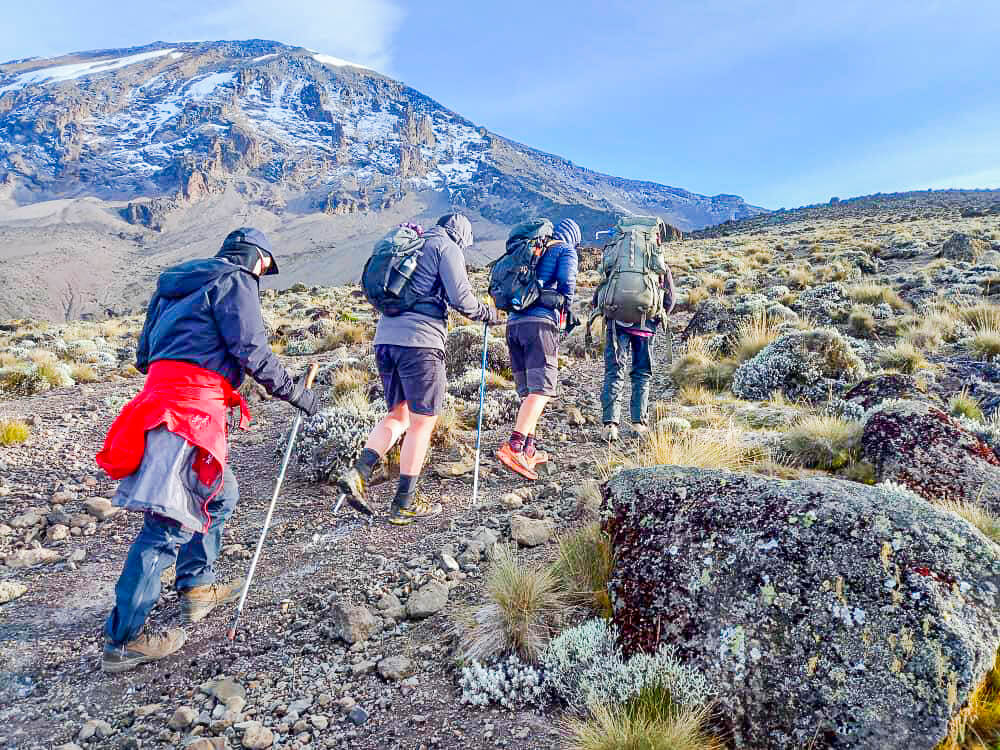
- Moorland (approx. 2,700m – 4,000m): Temperatures drop, and conditions become drier but can be windy. Rain and sleet are possible.
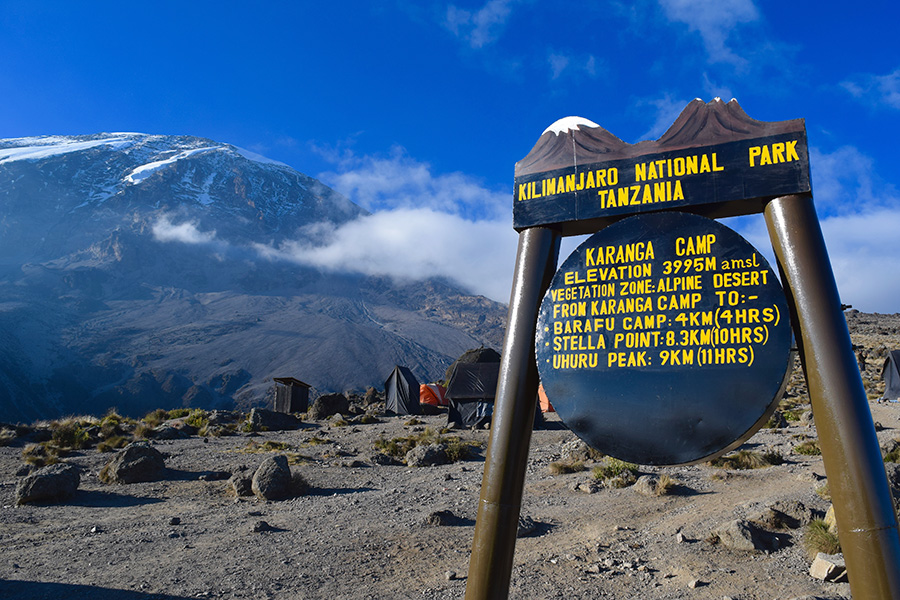
- Alpine Desert (approx. 4,000m – 5,000m): Cold, dry, and windy. Minimal precipitation, but temperatures can drop below freezing, and strong winds are common.
- Arctic Zone (above 5,000m): Extreme cold, high winds, and potential for snow and ice. This is where summit night occurs, and waterproofs are critical for protection against wind, snow, and sub-zero temperatures.
For your 2026 or 2027 Kilimanjaro trek: Regardless of the season you choose, be prepared for rain and wind. Even in the dry seasons, weather can change rapidly. Your waterproof trousers are a non-negotiable piece of gear for any time of year. For treks planned during the wet seasons (April-May, November-December), high-quality waterproof and breathable trousers become even more critical.
Making the Final Decision: Your Best Waterproof Trousers for Kilimanjaro
Choosing the right waterproof trousers is a significant decision for your Kilimanjaro climb. It’s an investment in your comfort, safety, and overall success on the mountain. By now, you understand the critical features: true waterproofness and breathability, a comfortable fit that allows for layering and movement, and durable construction.
Key Considerations Recap:
- Waterproof & Breathable: Prioritize GORE-TEX or similar high-performance membranes.
- Full-Length Zips: Highly recommended for convenience and ventilation.
- Durability: Look for reinforced areas, especially knees and ankles.
- Fit: Ensure they accommodate base layers and allow free movement.
- Weight & Packability: Important for carrying in your daypack.
For trekkers planning their 2026 or 2027 Kilimanjaro adventure, we strongly advise selecting trousers from reputable brands known for their quality and performance. While cost is a factor, investing in a reliable pair will serve you well on Kilimanjaro and future expeditions. Don’t compromise on this essential piece of gear.
At Top Guide Adventures, we understand the importance of proper gear for a successful Kilimanjaro climb. While we provide detailed packing lists and advice to all our clients, we always emphasize the necessity of high-quality waterproof trousers. Our experienced guides are on hand to offer last-minute tips and ensure you are well-prepared for the mountain’s challenges.
Ready to plan your Kilimanjaro expedition for 2026 or 2027? We offer comprehensive packages tailored to your needs, ensuring a safe and unforgettable journey. Contact us today to discuss your climb and get personalized advice on gear, itineraries, and more. You can reach us via WhatsApp at +255616946642, email at topguideadventures@gmail.com, or our backup email info@topguideadventures.com. Let us help you conquer Kilimanjaro in comfort and style!
Check Availability for Best Waterproof Trousers For Kilimanjaro In : Your Ultimate Guide 2026-2027
Ready to compare dates, prices, and the best option for your group? Send the package name and travel month so the team can reply with a clear quote, availability, and what is included.
Kilimanjaro Companion Tour With Private Driver: Your Ultimate Luxury Ascent
A detailed 2026-2027 guide to Kilimanjaro Companion Tour with Private Driver, with clear planning and booking information for travelers.
View package details
Kilimanjaro Zanzibar Extension For Mixed Groups: Your Ultimate Adventure Guide
Combine the thrill of climbing Mount Kilimanjaro with the tropical allure of Zanzibar. This guide details how mixed groups can best plan and enjoy this ultimate Tanzanian adventure in...
View package details
Kilimanjaro Safari Before Rejoining Your Climbing Group | Top Guide Adventures
Combining a safari with your Kilimanjaro climb is a classic Tanzanian adventure. Discover how to seamlessly integrate a wildlife safari experience before meeting your climbing group for the...
View package details
Kilimanjaro Airport And Hotel Support For Climbing Groups | Top Guide
Top Guide Adventures provides comprehensive support for Kilimanjaro climbing groups, from arrival at Kilimanjaro International Airport (JRO) to comfortable hotel stays before and after your...
View package details
Kilimanjaro Summit Celebration Package For Companions: Plan Your
Planning a Kilimanjaro climb with companions and a special summit celebration? This guide covers everything you need to know for 2026-2027, from choosing the right route and package to...
View package detailsMeet Your Climber At Mweka Gate Package: Kilimanjaro Descent Guide 2026-2027
This package is designed for trekkers descending Kilimanjaro via the Mweka Gate, ensuring a smooth and supported transition after their summit. It covers essential post-climb services and...
View package details
Kilimanjaro Coffee And Waterfall Package For Companions: Your Ultimate
This comprehensive package combines the iconic Kilimanjaro climb with the refreshing beauty of local waterfalls and rich coffee plantations, offering an unforgettable adventure for groups...
View package details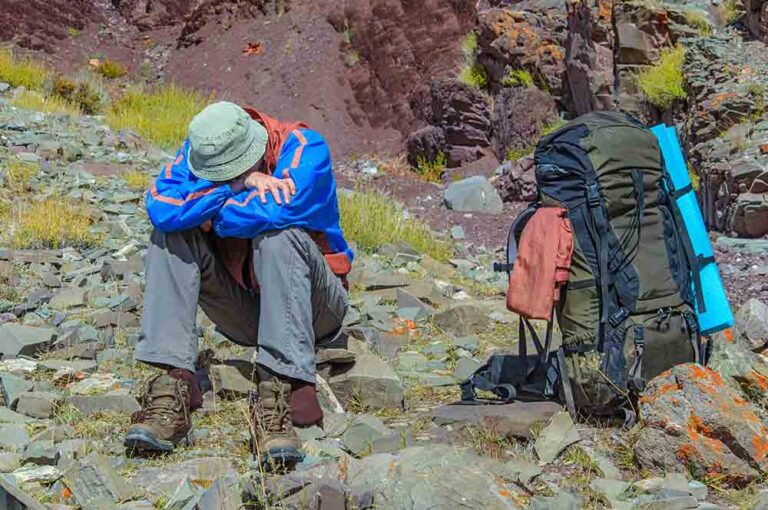
Kilimanjaro Photography Tour For Non-Hikers: Capture Iconic Views Safely
Experience the grandeur of Mount Kilimanjaro through a unique photography tour designed for those who prefer not to undertake the challenging climb. Capture impressive landscapes, unique...
View package detailsKilimanjaro Cultural Tour While Friends Climb: Experience Tanzanias Heart
Discover the perfect way to experience Tanzania's vibrant culture and landscapes while your friends conquer Mount Kilimanjaro. This guide explores in-depth cultural tours designed to...
View package details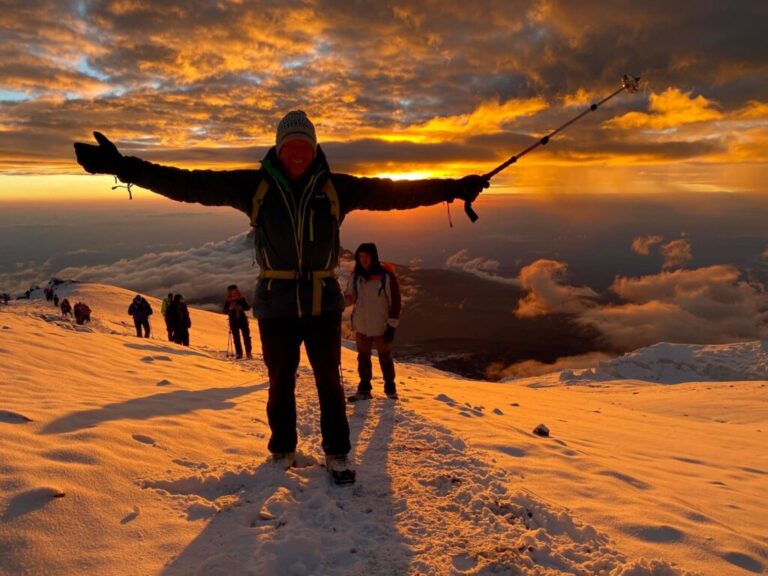
Kilimanjaro Spouse And Partner Activity Package: Adventures Beyond The Summit
For partners and spouses of Kilimanjaro climbers, Top Guide Adventures offers a range of engaging activity packages in Tanzania. These experiences are designed to provide an equally...
View package details
Kilimanjaro Family Holiday While One Person Climbs Guide
Organizing a Kilimanjaro family holiday with a mix of climbers and non-climbers requires careful planning. This guide details how to create a memorable trip for everyone in 2026-2027...
View package details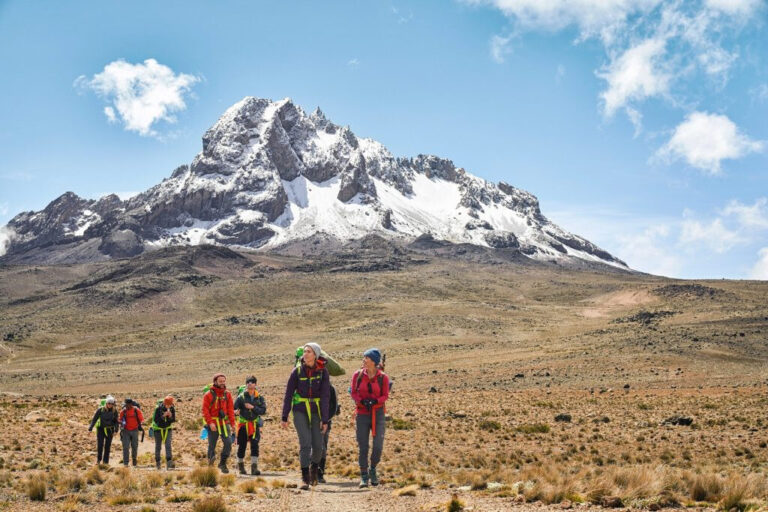
What Can Non-Climbers Do Near Kilimanjaro? Explore Tanzanias Wonders 2026-2027
While Mount Kilimanjaro draws adventurers for its summit, the surrounding region offers a wealth of experiences for those who prefer to stay at lower altitudes. From thrilling wildlife...
View package detailsNo related package matches those filters. Clear one or more filters to see the other topic-matched options.



