
To protect camera batteries from Kilimanjaro’s cold, keep them close to your body in insulated pockets, use hand warmers, minimize time outside the camera, and utilize power banks or spare batteries stored in warm places. Cold significantly drains battery power by slowing down chemical reactions, so maintaining a core temperature for your batteries is key to successful photography on the mountain, especially during treks planned for 2026 or 2027.
Understanding the Impact of Kilimanjaro’s Cold on Camera Batteries
Climbing Mount Kilimanjaro is an incredible adventure, offering unparalleled photographic opportunities. However, the extreme cold at higher altitudes presents a significant challenge for camera equipment, particularly batteries. Understanding how cold affects lithium-ion batteries, the most common type used in modern cameras, is the first step to effective protection. As temperatures drop, the chemical reactions within the battery that produce electrical current slow down. This doesn’t permanently damage the battery, but it drastically reduces its capacity and voltage output, leading to premature shut-offs and frustration when you need your camera the most. For trekkers planning their ascent in 2026 or 2027, anticipating these effects and preparing accordingly will make a substantial difference.
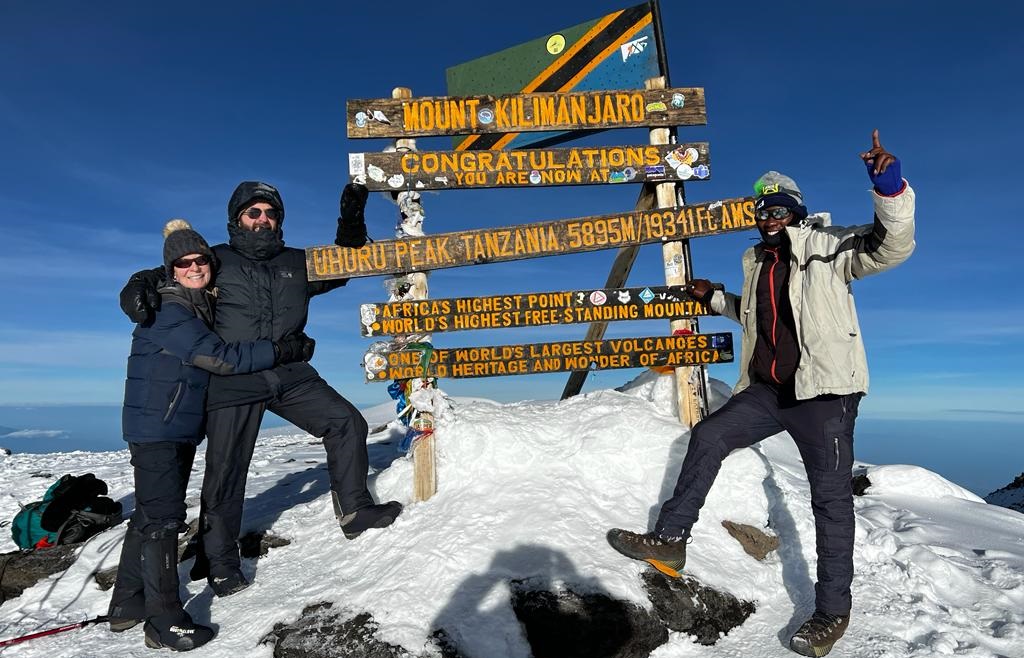
The summit of Kilimanjaro, Uhuru Peak at 5,895 meters (19,341 feet), experiences temperatures well below freezing, often dropping to -10°C (14°F) or even colder, especially at night or during windy conditions. While the lower slopes are milder, temperatures consistently fall as you ascend. These freezing conditions mean that a fully charged battery that might last for hundreds of shots at sea level could drain in a matter of minutes on the mountain’s upper reaches. This phenomenon is not unique to Kilimanjaro; it’s a fundamental characteristic of battery performance in low temperatures. Therefore, proactive measures are essential for any photographer aiming to document their journey, from the lush rainforest at the base to the icy glacial zones near the summit.
Essential Gear and Preparations for Cold-Weather Photography
Before even setting foot on the mountain for your 2026-2027 Kilimanjaro climb, meticulous preparation of your photography gear is paramount. This includes not just the camera itself, but crucially, its power source. The goal is to insulate batteries from the ambient cold and maintain their operational temperature as much as possible.
Choosing the Right Camera and Battery Types
While most modern digital cameras use reliable lithium-ion batteries, some older models might use NiCad or NiMH, which are even more susceptible to cold. For a Kilimanjaro trek, it’s advisable to use cameras known for their robust performance in varying conditions. More importantly, having a sufficient number of spare batteries is non-negotiable. Don’t rely on a single battery, no matter how high its capacity. For photographers planning a trip in 2026 or 2027, consider purchasing genuine manufacturer batteries, as they often perform better in extreme temperatures than third-party alternatives. Aftermarket batteries can sometimes have lower energy density or less robust internal circuitry, making them more prone to failure in the cold.
Investing in Battery Pouches and Insulators
Specialized battery pouches or cases designed for cold weather can be a lifesaver. These are often made of neoprene or other insulating materials, sometimes with reflective inner layers to help retain heat. Some advanced pouches even include a small pocket for a chemical hand warmer. When not in use, store your spare batteries in these insulated cases. Even a simple approach like wrapping batteries in a soft cloth or a spare sock can offer a degree of protection. For the 2026-2027 trekking season, consider these options as part of your essential gear list.
The Importance of Spare Batteries and Power Banks
This cannot be stressed enough: carry more spare batteries than you think you’ll need. For a multi-day climb like Kilimanjaro, having at least 2-3 spare batteries for your primary camera is a minimum recommendation. For professional or serious amateur photographers, 4-5 spares might be prudent. Additionally, a portable power bank can be a valuable asset, especially for charging devices overnight in your tent. Ensure the power bank itself is rated for cold temperatures, as its capacity will also diminish in the cold. When storing power banks or batteries, keep them as close to your body as possible.
Testing Your Gear Before the Climb
It’s vital to test all your photography equipment, especially batteries, in cold conditions before your actual Kilimanjaro climb in 2026 or 2027. If you live in a colder climate, take your camera out on a chilly day. If not, you can simulate cold conditions by placing batteries in a refrigerator (not freezer) for a few hours and then testing their performance in your camera. This will give you a realistic idea of how your gear will behave on the mountain and help you identify any potential issues early on.
Practical Strategies for Battery Management on Kilimanjaro
Once you are on the mountain, managing your camera batteries requires constant vigilance and adherence to specific practices. The cold is a persistent adversary, and consistent application of these strategies is key to ensuring you have power when you need it for those special shots on Kilimanjaro.
Keeping Batteries Warm: The Body Heat Advantage
The most effective way to keep your batteries from dying in the cold is to keep them warm. Your body heat is a powerful insulator. Therefore, always store spare batteries in an inside pocket of your jacket, close to your body. This is far more effective than storing them in a backpack, which will be exposed to the ambient temperature. When you’re not actively shooting, remove the battery from the camera and store it in your warm pocket. This simple habit can dramatically extend the usable life of each battery. This is a critical tip for any Kilimanjaro trekker in 2026 or 2027.
Using Chemical Hand Warmers
Disposable chemical hand warmers can be a photographer’s best friend on Kilimanjaro. Activate them about 15-20 minutes before you plan to use your camera or swap batteries. Place an activated hand warmer in your battery pouch or inside your jacket pocket along with your spare batteries. This creates a small, warm microclimate that significantly slows down the battery drain. Some photographers even use larger chemical warmers to keep their entire camera bag slightly warmer, though the direct contact with batteries is most crucial. Ensure you use appropriate, high-quality hand warmers designed for prolonged use.
Minimizing Battery Exposure
Every time you take your camera out of a warm pocket or bag into the freezing air, you risk losing battery power. Be strategic about when you shoot. Try to anticipate photo opportunities and have your camera ready. Avoid unnecessary “checking” of your camera. When you do need to swap batteries, do it quickly. Remove the cold battery from the camera and immediately insert a warm spare from your pocket. Then, put the cold battery into your warm pocket to let it recover. This process should be practiced to be efficient. For photographers aiming for the best shots during the 2026-2027 climbing season, speed and efficiency during battery changes are vital.
Battery Charging Strategies at Camp
Charging batteries at camp requires careful consideration. If you have access to power (e.g., from a power bank or a solar charger, though the latter is less reliable on Kilimanjaro due to cloud cover and limited daylight at altitude), do so inside your tent. Keep your power bank and batteries inside your sleeping bag overnight to keep them warm. This way, you wake up to charged, warmer batteries ready for the day’s trek. Avoid charging batteries in the open air, especially if it’s windy or below freezing. Many trekkers for the 2026-2027 season find this a important choice for maintaining camera functionality.
Dealing with Low Battery Warnings
When your camera displays a low battery warning in the cold, it often means the battery’s voltage has dropped significantly due to the cold, not necessarily that it’s depleted. If possible, warm the battery up by placing it in your pocket for a few minutes. Often, it will regain enough charge to take a few more shots. Don’t immediately discard a “dead” battery; try warming it first. This can be the difference between capturing a critical moment and missing it entirely. This trick is invaluable on Kilimanjaro’s challenging terrain.
Advanced Techniques and Considerations for Kilimanjaro Photographers
Beyond the fundamental practices, experienced photographers often employ more advanced techniques to ensure their camera batteries perform optimally on demanding climbs like Kilimanjaro. These methods can offer an extra layer of security and reliability for your photography, especially for expeditions planned for 2026-2027.
Using Camera-Specific Battery Grips
For DSLRs and some mirrorless cameras, battery grips can be a significant advantage. They often hold a second battery, effectively doubling your shooting capacity per session. More importantly, they can help keep the overall battery system warmer, as the batteries are housed together and closer to the camera body. While they add bulk and weight, the extended shooting time and potential for better thermal management make them a worthwhile consideration for dedicated Kilimanjaro photographers.
Power Bank Capacity and Cold Performance
When selecting a power bank for your 2026-2027 Kilimanjaro trip, look for models with higher milliampere-hour (mAh) ratings. However, remember that a power bank’s stated capacity is based on ideal temperatures. Its actual output in freezing conditions will be lower. It’s also crucial to choose a power bank that is designed for cold weather or has a durable casing. Keep the power bank itself warm, ideally in an inside pocket, and connect your camera or batteries for charging only when necessary. A fully charged, high-capacity power bank can be a lifesaver for keeping multiple batteries topped up.
The Role of Camera Settings and Power Saving
While not directly protecting the battery from cold, optimizing your camera’s settings can help conserve power, making each battery charge last longer. Turn off image stabilization when on a tripod, disable the LCD screen playback after each shot (use the viewfinder instead), reduce screen brightness, and turn off features like Wi-Fi or GPS if not actively using them. Many cameras have power-saving modes; ensure these are enabled. These small adjustments add up, especially when battery life is severely compromised by the Kilimanjaro cold.
Protecting Battery Terminals
In extremely cold and damp conditions, battery terminals can be susceptible to freezing or corrosion, leading to poor contact. Ensure battery contacts are clean and dry before insertion. Some photographers use a tiny amount of dielectric grease on the terminals to prevent moisture buildup and ensure good conductivity, though this is generally an advanced technique and may not be necessary for most climbers. The primary focus should remain on keeping the battery itself warm.
Cold Weather Camera Bags and Accessories
While keeping batteries on your person is paramount, a well-insulated camera bag can provide secondary protection. Look for bags with thicker padding and preferably a water-resistant outer shell to protect against snow and ice. Some bags have compartments designed to keep accessories like batteries slightly warmer. However, even the best bag will struggle to keep batteries significantly warmer than the ambient temperature without additional measures like hand warmers.
Troubleshooting Common Battery Issues on the Mountain
Even with the best preparations, you might encounter issues with your camera batteries on Kilimanjaro. Knowing how to troubleshoot quickly can save your photographic mission.
A Battery Dies Suddenly
This is the most common symptom of cold affecting batteries. The chemical reactions slow down, and the battery’s voltage drops below what the camera requires to operate. Solution: Immediately remove the battery and place it in an inside pocket close to your body. Give it 10-15 minutes to warm up. If it revives, you can often get a few more shots out of it. Keep it warm until you need it again.
Camera Won’t Turn On
Even with a seemingly charged battery, the camera might refuse to power on in extreme cold. Solution: Ensure the battery is properly inserted and that the battery contacts in the camera are clean and dry. Try a different, known-to-be-warm spare battery. If the camera still won’t turn on, try warming the entire camera gently in your hands or inside your jacket for a few minutes, then try again with a warm battery.
Inconsistent Battery Life
If you notice one battery lasting significantly longer than another, or if battery life varies wildly from day to day, it could be due to inconsistent temperature management. Solution: Re-evaluate your battery storage strategy. Are you consistently keeping spare batteries warm? Are you allowing batteries to get too cold before recharging? Ensure a uniform approach to keeping all spare batteries at body temperature as much as possible throughout the day and night for your 2026-2027 expedition.
Battery Error Messages
Some cameras display specific error messages when they detect a battery issue, which can sometimes be related to cold. Solution: Consult your camera’s manual for specific error codes. Often, the solution involves removing and reinserting the battery, ensuring it’s warm, or trying a different battery. If the error persists even with warm batteries in milder conditions, there might be a more significant issue with the camera or battery.
Planning Your 2026-2027 Kilimanjaro Photography Trip with Battery Needs in Mind
When planning your Kilimanjaro adventure for 2026 or 2027, integrating battery management into your overall trip planning is crucial. This involves selecting the right time to climb, packing efficiently, and understanding the support you’ll receive.
Choosing the Best Season for Photography and Battery Performance
While Kilimanjaro can be climbed year-round, the dry seasons generally offer better weather for photography and slightly less extreme cold, though it will still be very cold at altitude. The main dry seasons are January-March and June-October. These periods typically have clearer skies, offering better light for photos. While temperatures remain frigid, you might experience slightly more stable conditions compared to the wetter, colder months. For trekkers in 2026-2027, these seasons are highly recommended for both climbing success and photographic opportunities.
Packing List Essentials: Beyond the Obvious
Your packing list for Kilimanjaro should prominently feature items dedicated to battery protection. This includes:
- Multiple spare camera batteries (at least 2-3 per camera)
- Insulated battery pouches
- High-quality chemical hand warmers
- A reliable, cold-rated power bank
- A warm, padded camera bag
- Microfiber cloths for cleaning lenses and screens
- A small brush for dusting off snow or debris
Remember to pack these essentials in your carry-on luggage if flying, to ensure they are accessible and not subject to extreme cargo hold temperatures. For your 2026-2027 climb, ensure these items are checked off your list well in advance.
The Role of Your Tour Operator in Supporting Your Photography
Choosing a reputable tour operator like Top Guide Adventures can significantly enhance your Kilimanjaro photography experience. While they don’t manage your personal camera batteries directly, experienced guides understand the challenges of the mountain environment. They can advise on optimal times for shooting, help you manage your time effectively during breaks, and ensure your overall trek is well-organized, allowing you to focus more on capturing memories. For those planning their climb with us for 2026 or 2027, we provide comprehensive pre-trip information to help you prepare your gear, including photography equipment.
Our guides are experienced in high-altitude conditions and can offer practical tips on the ground. They know the best viewpoints and can help position you for optimal light. While you are responsible for your camera batteries, having a reliable team supporting your trek means less stress about logistics, allowing you to concentrate on the photographic aspects of your Kilimanjaro adventure. Feel free to reach out to us with any specific photography gear questions when planning your 2026-2027 expedition.
Post-Climb Battery Care
Once your Kilimanjaro climb is complete, proper care for your batteries is important for their longevity. Upon returning to warmer temperatures, allow your batteries and camera to acclimatize gradually. Avoid exposing them to sudden heat. If batteries were exposed to moisture, ensure they are completely dry before recharging. Store them in a cool, dry place when not in use for extended periods. This care extends their lifespan for future adventures, whether it’s another trek in 2027 or a different travel experience.
Comparing Battery Solutions for Kilimanjaro
Different photographers have varying needs and budgets when it comes to managing camera batteries on Kilimanjaro. Here’s a comparison of common approaches:
| Method | Pros | Cons | Best For |
|---|---|---|---|
| Body Heat Storage (Inside Pockets) | Free, highly effective, always accessible | Requires constant attention, limited by pocket space | All photographers, especially budget-conscious ones |
| Insulated Battery Pouches | Provides dedicated protection, can hold hand warmers | Requires purchase, adds a small item to manage | Photographers seeking extra security and organization |
| Chemical Hand Warmers | Boosts battery temperature significantly, relatively inexpensive | Single-use, can generate excessive heat if not managed, adds cost | Extreme cold conditions, critical photo moments |
| Power Banks | Recharge multiple batteries, can charge other devices | Adds weight and bulk, capacity reduced in cold, requires charging | Longer treks, photographers using multiple devices |
| Battery Grips | Doubles battery capacity, improves camera handling | Adds significant weight and bulk, expensive, camera-specific | DSLR/Mirrorless users prioritizing extended shooting time |
For a Kilimanjaro climb in 2026 or 2027, a combination of these methods is usually the most effective. Relying solely on one method might leave you vulnerable. A solid strategy often involves keeping the primary battery in the camera, and all spares in body-warmed, insulated pouches, perhaps with a hand warmer during critical shooting periods, and a power bank for recharging at camp.
Real-World Scenarios and Expert Advice for Kilimanjaro Climbers
Imagine this: you’re at Stella Point on Kilimanjaro, the sun is just beginning to rise, painting the sky in incredible hues. You reach for your camera, only to find the battery completely dead. This is a scenario every photographer dreads. Expert advice emphasizes preparation and constant vigilance.
Advice from Top Guide Adventures: Our guides have seen countless trekkers struggle with cold batteries. The most common mistake is leaving batteries in a backpack. The simplest, yet most effective, strategy is to keep spares in an inner jacket pocket. For those planning their 2026-2027 climb, we strongly recommend bringing at least three spare batteries per camera and practicing the “pocket swap” method before you arrive. It might seem like a small detail, but it can make or break your ability to document your achievement.
Another common scenario involves the camera shutting down unexpectedly during a crucial moment, like spotting wildlife on the approach or capturing the summit panorama. Many photographers assume the battery is dead, but often, warming it up is all that’s needed. Keep a small chemical warmer with your batteries. When a battery fails, swap it for a warm one and then place the “dead” battery into your pocket or next to the hand warmer. You’ll often find it has enough life left for a few more shots.
For trekkers in 2026 and 2027, consider the duration of your shoots. If you plan to spend a long time at the summit or at a scenic viewpoint, ensure you have multiple warm batteries ready. Don’t exhaust one battery before swapping; swap proactively when you feel the camera’s performance slightly lagging or when you have a moment of downtime. This proactive approach is far better than reactive troubleshooting when the temperature is -15°C and the wind is howling.
The Future of Battery Technology and Cold Performance (2026-2027 Outlook)
While current lithium-ion technology is well-understood, battery manufacturers are continually working on improvements. For the 2026-2027 trekking seasons, we might see further advancements in battery chemistry that offer better cold-weather performance. Some emerging technologies, like solid-state batteries, promise higher energy density and potentially more stable performance across a wider temperature range. However, for the immediate future and for your planned Kilimanjaro climb, relying on these advanced solutions might not be practical or widely available. The best approach remains to utilize proven methods for managing current lithium-ion batteries.
Research into battery management systems is also ongoing. Smart batteries that can self-regulate temperature or communicate their charge status more accurately in extreme conditions could become more common. However, for the 2026-2027 climbing season, photographers should focus on established best practices rather than anticipating revolutionary new technology that may not yet be accessible or tested for rugged, high-altitude use.
Conclusion: Mastering Battery Management for Your Kilimanjaro Climb
Successfully protecting your camera batteries from the extreme cold of Kilimanjaro is a critical aspect of ensuring you can capture the full beauty of your ascent. By understanding how cold affects battery performance and implementing a multi-faceted strategy—keeping spares warm against your body, using insulated pouches and hand warmers, minimizing exposure, and employing smart charging techniques—you can significantly extend your shooting time. Thorough preparation, testing your gear beforehand, and choosing a reliable tour operator like Top Guide Adventures for your 2026-2027 expedition will equip you with the confidence and tools needed to overcome the challenges of high-altitude photography.
Remember, the goal is not just to survive the cold, but to thrive photographically. With the right knowledge and gear, your Kilimanjaro climb will be filled with stunning, well-documented memories. Don’t let dead batteries diminish your experience. For personalized advice on planning your Kilimanjaro adventure and ensuring your photography needs are met, contact us at WhatsApp +255616946642 or email us at topguideadventures@gmail.com or info@topguideadventures.com. We are committed to making your 2026-2027 Kilimanjaro climb an unforgettable success.
“,
“faq_schema”: [
{
“question”: “Why do camera batteries die so quickly on Kilimanjaro?”,
“answer”: “Camera batteries, especially lithium-ion ones, experience a significant drop in performance in cold temperatures due to slower chemical reactions. Kilimanjaro’s high altitudes can reach well below freezing, causing batteries to drain much faster than usual and leading to premature power loss.”
},
{
“question”: “What is the best way to keep spare camera batteries warm on Kilimanjaro?”,
“answer”: “The most effective method is to keep spare batteries in inside pockets of your jacket, close to your body heat. This is far more effective than storing them in a backpack, which is exposed to the cold.”
},
{
“question”: “Are chemical hand warmers useful for camera batteries on Kilimanjaro?”,
“answer”: “Yes, chemical hand warmers are very useful. Activated and placed in an insulated battery pouch or pocket alongside your spare batteries, they create a warm microclimate that helps maintain battery temperature and extend their usable life significantly.”
},
{
“question”: “How many spare batteries should I bring for a Kilimanjaro climb in 2026-2027?”,
“answer”: “It’s recommended to bring at least 2-3 spare batteries per camera for a multi-day Kilimanjaro trek. Serious photographers or those planning extensive shooting might consider 4-5 spares. It’s always better to have too many than too few.”
},
{
“question”: “Can a power bank help with camera batteries on Kilimanjaro?”,
“answer”: “Yes, a power bank can be very helpful for recharging batteries at camp. However, remember that power bank capacity is also reduced in cold weather. Keep the power bank itself warm (e.g., inside your sleeping bag) and use it to charge batteries overnight or during breaks.”
},
{
“question”: “Should I turn off my camera when not shooting on Kilimanjaro?”,
“answer”: “Yes, conserving power is crucial. Turn off your camera completely when not actively shooting. Also, reduce screen brightness, disable features like Wi-Fi or GPS if not in use, and avoid frequent playback of images on the LCD screen.”
},
{
“question”: “What if my camera battery shows ‘dead’ in the cold but I know it was charged?”,
“answer”: “This is likely due to the cold. Immediately remove the battery and warm it up in an inside pocket for 10-15 minutes. Often, it will regain enough charge to take a few more shots. This is a common trick for Kilimanjaro photographers.”
},
{
“question”: “Are there specific camera bags recommended for Kilimanjaro cold?”,
“answer”: “While keeping batteries on your person is primary, a well-padded, insulated camera bag offers secondary protection. Look for bags with thicker padding and water-resistant outer shells. Some bags may have compartments that help retain a bit more warmth.”
}
]
}
“`
Check Availability for How To Protect Camera Batteries From Kilimanjaro Cold 2026-2027
Ready to compare dates, prices, and the best option for your group? Send the package name and travel month so the team can reply with a clear quote, availability, and what is included.
Best Sun Hat For Kilimanjaro: Ultimate Protection Your Climb 2026-2027
Choosing the best sun hat for Kilimanjaro is crucial for comfort and safety. This guide details the essential features, types, and considerations for selecting headwear that will protect...
View package details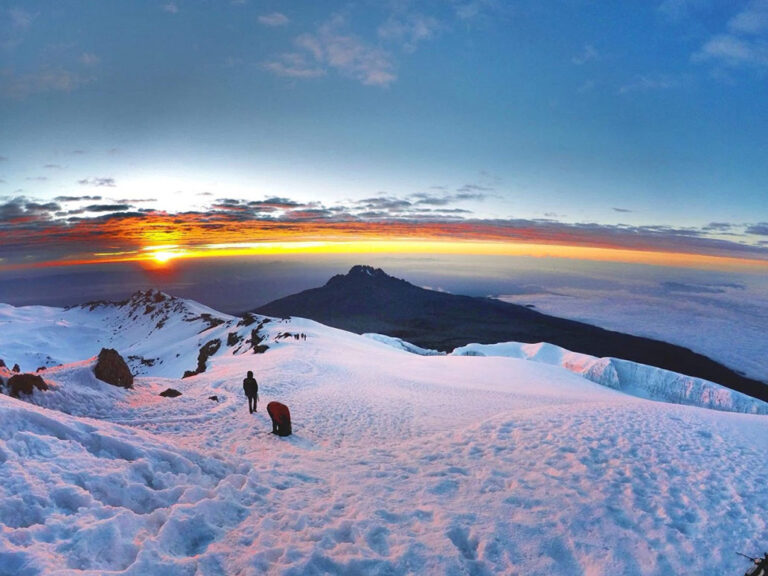
Coldest Month To Climb Kilimanjaro 2026-2027
Coldest Month to Climb Kilimanjaro is explained with current 2026-2027 planning, price, itinerary and booking information.
View package details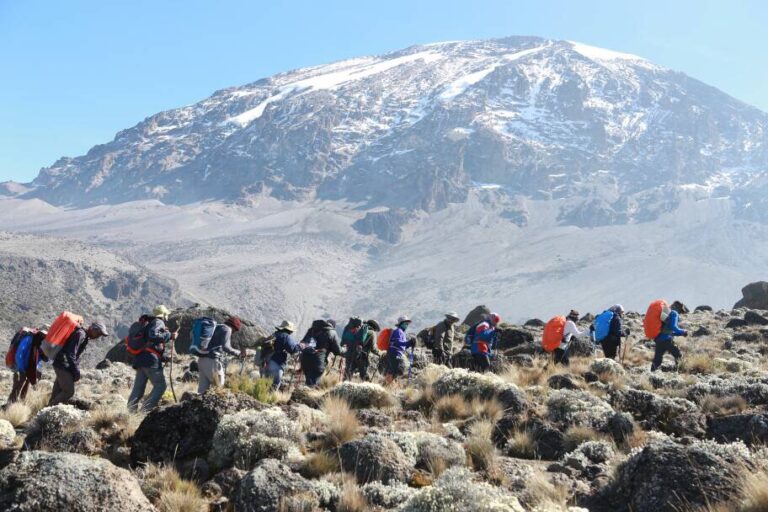
Can You Change Clothes Privately On Kilimanjaro? Guide
Discover how to maintain privacy and comfort while changing clothes during your Kilimanjaro trek. Top Guide Adventures explains the practicalities of staying clean and dignified on the...
View package details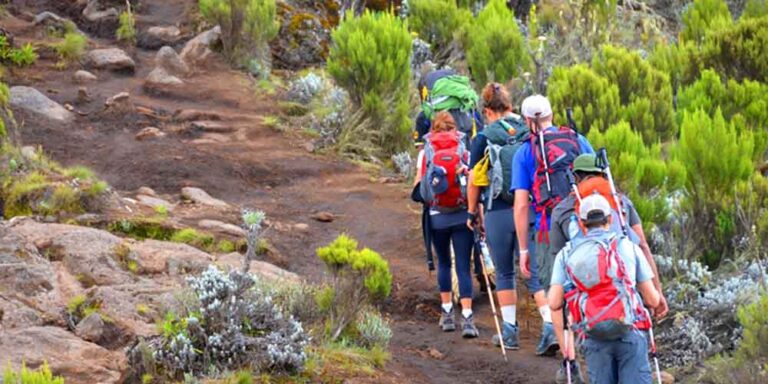
What Happens To Human Waste On Kilimanjaro? Managing On Africas Highest Peak
Human waste on Kilimanjaro is managed through a system of collection and removal, primarily using portable toilets and waste bags, to protect the mountain's fragile ecosystem. This guide...
View package detailsHow To Use A Toilet Tent On Kilimanjaro 2026-2027
How to Use a Toilet Tent on Kilimanjaro is explained with current 2026-2027 planning, price, itinerary and booking information.
View package detailsMenstrual Care While Climbing Kilimanjaro: Expert Guide 2026-2027
Climbing Kilimanjaro while menstruating is entirely manageable with proper planning. This comprehensive guide from Top Guide Adventures offers essential advice on managing your period on...
View package details
Feminine Hygiene During A Kilimanjaro Climb 2026-2027
Feminine Hygiene during a Kilimanjaro Climb is explained with current 2026-2027 planning, price, itinerary and booking information.
View package details
How To Brush Your Teeth On Kilimanjaro: Essential Hygiene Tips For Trekkers
Maintaining oral hygiene on Mount Kilimanjaro is crucial for comfort and health. Learn the best practices for brushing your teeth at altitude, from water conservation to gear selection...
View package details
How To Wash On Mount Kilimanjaro 2026-2027
How to Wash on Mount Kilimanjaro is explained with current 2026-2027 planning, price, itinerary and booking information.
View package details
How Private Are Kilimanjaro Campsites? 2026-2027
How Private Are Kilimanjaro Campsites? is explained with current 2026-2027 planning, price, itinerary and booking information.
View package details
Are Kilimanjaro Camps Noisy At Night? A Climbers Guide To Sleep And Sound
Understand the noise levels at Kilimanjaro camps to better prepare for your trek. This guide covers what sounds you might hear, factors influencing noise, and how to ensure a restful...
View package details
Best Sleeping-Mat Setup For Kilimanjaro 2026-2027
Best Sleeping-Mat Setup for Kilimanjaro is explained with current 2026-2027 planning, price, itinerary and booking information.
View package detailsNo related package matches those filters. Clear one or more filters to see the other topic-matched options.



