
The best sun hat for Kilimanjaro is a wide-brimmed, breathable hat with excellent UV protection (UPF 50+) and a secure chin strap to prevent it from blowing away in high winds, offering crucial defense against intense equatorial sun and high-altitude UV rays throughout your 2026-2027 climb.

Why Your Kilimanjaro Sun Hat is More Than Just Headwear
Climbing Kilimanjaro is an extraordinary adventure, and while most focus on boots, backpacks, and sleeping bags, the humble sun hat often gets overlooked. Yet, the best sun hat for Kilimanjaro is an indispensable piece of gear, as vital as any other item on your packing list. At Top Guide Adventures, we’ve seen firsthand how the right headwear can transform a trekker’s experience, making the difference between enduring the elements and truly enjoying the journey towards Uhuru Peak. This isn’t just about avoiding sunburn; it’s about managing body temperature, preventing heatstroke, protecting your eyes, and maintaining comfort across vastly different altitudes and microclimates.
The equatorial sun at lower altitudes on Kilimanjaro, particularly on the Shira Plateau and Barranco Wall, can be deceptively strong. As you ascend, the atmosphere thins, and the UV radiation intensifies significantly. By the time you reach the summit zone, the sun’s rays are piercing, even on a cloudy day. Without adequate protection, you risk severe sunburn, heat exhaustion, and long-term skin damage. Furthermore, a well-chosen hat provides shade for your face and neck, reducing glare and eye strain, which is essential for maintaining good visibility and morale during challenging sections of the climb. For your planned expeditions in 2026 and 2027, prioritizing this gear will pay dividends in comfort and safety.
Key Features of the Best Sun Hat for Kilimanjaro
Selecting the ideal sun hat for Kilimanjaro requires looking beyond simple aesthetics. Several functional features are paramount for ensuring your comfort and safety on the mountain. Think of these as non-negotiables for any serious trekker planning a 2026-2027 ascent.
1. Superior UV Protection (UPF Rating)
This is arguably the most critical feature. The sun’s ultraviolet (UV) radiation is significantly stronger at Kilimanjaro’s altitude (up to 5,895 meters or 19,341 feet). Look for hats with a high Ultraviolet Protection Factor (UPF) rating, ideally UPF 50+. This rating indicates that the fabric blocks at least 98% of harmful UVA and UVB rays. Many synthetic fabrics, especially tightly woven ones, offer good protection, but some are treated with UV-inhibiting chemicals for enhanced performance. Always check the hat’s label for its UPF rating.
2. Wide Brim for Maximum Shade
A hat with a wide brim is essential for shielding your face, ears, and the back of your neck from direct sunlight. Aim for a brim that is at least 3 inches (7.5 cm) wide all around. This creates a significant shadow, reducing the amount of UV exposure and helping to keep your head cooler. Some hats feature a “neck flap” or “sun collar” that extends further down the back, providing even more coverage. This is particularly beneficial for long, exposed ascents like the final push to the summit.
3. Breathability and Ventilation
While protection is key, so is comfort. You’ll be exerting yourself physically, and overheating can lead to fatigue and dehydration. The best sun hats for Kilimanjaro incorporate breathable materials and ventilation features. Look for hats made from lightweight, moisture-wicking fabrics like polyester, nylon, or treated cotton blends. Mesh panels or eyelets strategically placed around the crown can allow hot air to escape, promoting airflow and keeping your head cool. This is crucial for maintaining a steady pace and preventing heat stress during your 2026-2027 climb.
4. Secure Chin Strap
Kilimanjaro’s summit ridge and certain exposed sections can be very windy. A hat that can be easily blown off can be a nuisance and a safety hazard, potentially leading to loss of essential shade or even falling down a slope. A secure, adjustable chin strap is therefore vital. Many hats come with a toggle or clip to adjust the fit, ensuring the hat stays put even in strong gusts. For windy conditions, a strap that can be easily secured under the chin is a must-have.
5. Lightweight and Packable
You’ll be carrying everything you need, so minimizing weight and bulk is important. The best sun hats are lightweight and easily packable. Many modern hats are designed to be crushed or folded without losing their shape, allowing them to be stashed in your backpack when not in use or during colder, cloudier sections of the trek. This flexibility is key for adapting to Kilimanjaro’s rapidly changing weather patterns.
6. Water Resistance or Quick-Drying Properties
While not as critical as UV protection, some level of water resistance or quick-drying capability can be beneficial. You might encounter light rain showers, especially on the lower slopes, or sweat heavily. A hat that can handle moisture without becoming heavy or uncomfortable is a plus. Synthetic materials often excel in this regard, repelling water and drying quickly.
Types of Sun Hats Suitable for Kilimanjaro
When searching for the best sun hat for Kilimanjaro, you’ll encounter various styles. Each has its pros and cons, and the best choice often comes down to personal preference and the specific conditions you anticipate. For trekkers planning their 2026-2027 adventures, understanding these options is key.
1. Wide-Brimmed Safari or Boonie Hats
These are perhaps the most classic and functional choices. They feature a circular, often stiffened brim that provides excellent shade for the face, ears, and neck. “Boonie” hats are typically made from durable cotton or synthetic blends and often include ventilation eyelets. They are usually very packable and come with adjustable chin straps. Many hikers find these to be the most effective all-around sun protection for Kilimanjaro.
2. Bucket Hats
Similar to boonie hats but often with a softer, more rounded brim, bucket hats can also offer good sun protection. Ensure the brim is sufficiently wide (at least 3 inches) and that the material provides adequate UPF 50+ coverage. Some bucket hats can be quite stylish, but prioritize function over fashion for your Kilimanjaro climb. Look for models made from quick-drying, breathable fabrics.
3. Legionnaire Hats (Sun Caps with Neck Flap)
These hats combine a baseball cap-style front with a long, protective flap that drapes down the back of the neck. They offer excellent coverage for the back of the neck and ears, which are often exposed. The front brim provides shade for the face. They are generally lightweight and packable. However, the side and top of the head might receive less protection compared to a true wide-brimmed hat, and ventilation can sometimes be an issue if not designed well.
4. Hats with Integrated Sun Collars
Some hats go a step further by incorporating a detachable or permanently attached “sun collar” – a fabric extension that wraps around the neck and shoulders. These offer the highest level of sun protection for the neck and upper back, areas highly susceptible to sunburn on long, exposed treks. These are highly recommended for the intense sun experienced on Kilimanjaro.
5. Baseball Caps (with caveats)
While a basic baseball cap offers some shade for the face, it leaves the ears and neck completely exposed to the sun, making it an insufficient choice for Kilimanjaro. If you opt for a baseball cap, you must supplement it with a neck gaiter or bandana for sun protection on your neck and ears. This is generally not recommended as the primary sun hat for Kilimanjaro due to inadequate coverage.
Materials Matter: Choosing the Right Fabric
The material of your sun hat significantly impacts its performance, comfort, and durability. For the demanding conditions on Kilimanjaro, especially for treks planned in 2026 or 2027, focusing on the right fabric is crucial.
- Polyester/Nylon Blends: These synthetic fabrics are often the best choice. They are lightweight, durable, quick-drying, and can offer excellent UPF protection, especially when tightly woven. Many outdoor brands use these materials for their high-performance headwear. They also tend to be more water-resistant than natural fibers.
- Treated Cotton: Some cotton hats are treated with UV-inhibiting finishes to boost their UPF rating. While cotton can be comfortable and breathable, it tends to absorb moisture and dry slowly. If you choose a cotton hat, ensure it has a high UPF rating and is a blend that aids in quick drying. Pure cotton is generally not ideal for high-exertion activities in varying weather.
- Merino Wool: While excellent for warmth in base layers and beanies, merino wool isn’t typically the first choice for a sun hat due to its insulating properties, which can lead to overheating. However, some lightweight merino blends might offer decent breathability and UV protection, but synthetics usually outperform them for sun hats.
- Straw: While visually appealing and offering good ventilation, most straw hats lack the durability and consistent UPF protection needed for a challenging trek like Kilimanjaro. They can also be prone to damage and may not stay securely on your head in windy conditions.
Considering the Kilimanjaro Route and Season
Your choice of sun hat might subtly change depending on the specific Kilimanjaro route you choose and the time of year you plan to climb in 2026 or 2027. While the core requirements (UV protection, wide brim, secure fit) remain constant, some routes and seasons present unique challenges.
Route Considerations:
- Marangu Route (“Coca-Cola” Route): This route involves more walking through forested areas on the lower slopes, offering some natural shade. However, the exposed sections above the tree line still demand robust sun protection.
- Machame, Lemosho, Shira Routes: These routes are generally considered more scenic and involve more diverse terrain. They often feature longer, more exposed sections, especially on days like the Barranco Wall climb or the approach to Kibo. A hat with a generous brim and neck flap is highly advantageous here. For example, the Machame Route group departures in 2026 often involve significant sun exposure.
- Rongai Route: This route approaches from the north and is generally drier, meaning potentially more consistent sun exposure, especially on the initial days.
- Northern Circuit: The longest route, it circles the mountain and offers varied conditions, but also prolonged periods above the tree line where sun protection is paramount.
Seasonal Considerations:
- Dry Seasons (January-March, June-October): These periods typically offer clearer skies and more consistent sunshine. Sun protection is absolutely critical during these months. For peak climbing seasons in 2026 and 2027, expect intense sun.
- Wet Seasons (April-May, November-December): While cloud cover can offer some respite, UV radiation can still penetrate clouds, and you can experience sudden clear spells. Furthermore, wet conditions mean a hat that dries quickly and doesn’t become heavy when damp is beneficial.
Regardless of your route or season for 2026-2027, the best sun hat for Kilimanjaro will always prioritize robust UV protection and a secure fit.
Beyond the Sun Hat: Complementary Headwear for Kilimanjaro
While a wide-brimmed sun hat is essential for daytime sun exposure, it’s wise to pack other forms of headwear to manage different conditions on Kilimanjaro. The mountain’s microclimates can change dramatically within a single day.
1. Warm Beanie or Fleece Hat
As you gain altitude, temperatures plummet. The summit night, in particular, is extremely cold, often well below freezing. A warm, insulated hat (like a fleece or wool beanie) is non-negotiable for preventing heat loss and staying comfortable during the final ascent and descent. This should be packed alongside your sun hat and used when the sun goes down or during cold, cloudy weather.
2. Balaclava or Neck Gaiter
These are incredibly versatile. A neck gaiter or buff can be worn in multiple ways: as a sun shield around your neck, pulled up over your nose and mouth to protect against dust and cold wind, or even as a headband. A balaclava offers more comprehensive face and head protection against extreme cold and wind, essential for summit night. For sun protection, a lightweight, breathable neck gaiter is an excellent addition to your sun hat, ensuring your neck and lower face are covered when needed.
3. Headlamp (with spare batteries)
While not strictly for sun protection, a reliable headlamp is vital for navigating in the dark, especially during pre-dawn starts for summit attempts. Ensure it’s comfortable to wear under a hat if necessary and has fresh batteries. Many trekkers start their days well before sunrise.
Having a system of complementary headwear ensures you are prepared for the full spectrum of conditions Kilimanjaro throws at you, from scorching sun to sub-zero temperatures.
Testing Your Kilimanjaro Sun Hat Before You Go
Don’t wait until you’re on the mountain to discover your sun hat isn’t quite right. We strongly recommend testing your chosen hat during shorter hikes or outdoor activities before your Kilimanjaro expedition in 2026 or 2027. This allows you to identify any issues and make adjustments.
- Check the Fit: Wear the hat for extended periods. Does it feel comfortable? Does it chafe? Does the brim obstruct your vision?
- Test the Chin Strap: Simulate windy conditions if possible. Does the strap keep the hat securely in place? Is it easy to adjust?
- Assess Breathability: Wear the hat during physical activity. Do you feel excessively hot? Does the ventilation work effectively?
- Test Packability: Can you easily fold or roll the hat and store it in your daypack? Does it regain its shape when unfolded?
- Sun Protection Feel: Does the brim effectively shade your face, ears, and neck? Are there any spots that still feel exposed?
A little preparation goes a long way. Ensuring your best sun hat for Kilimanjaro fits well and performs as expected will significantly enhance your comfort and enjoyment on the trek.
Top Guide Adventures: Your Partner for Kilimanjaro 2026-2027 Climbs
Choosing the right gear is just one part of a successful Kilimanjaro climb. At Top Guide Adventures, we are dedicated to providing comprehensive support for your expedition, ensuring every detail is handled with care. From meticulously planned itineraries to experienced guides and a focus on your safety and comfort, we aim to make your journey to the Roof of Africa unforgettable.
We organize a range of Kilimanjaro climbs, including various routes and departure dates suitable for 2026 and 2027 expeditions. Our team offers personal attention, expert advice, and dedicated support throughout your planning process and the climb itself. We understand the nuances of trekking Kilimanjaro and can offer tailored advice on everything from essential gear, like the best sun hat for Kilimanjaro, to acclimatization strategies and dietary needs.
Planning a climb for 2026 or 2027? Let us help you prepare for an incredible adventure. We offer:
- Expert Guidance: Advice on route selection, packing lists, and training.
- Experienced Guides: Certified, local guides who prioritize your safety and success.
- Quality Equipment: We provide high-quality tents, sleeping mats, and cooking gear.
- Tailor-Made Journeys: Customized itineraries to suit your preferences and budget.
- Personal Attention: Dedicated support from booking to summit.
We are committed to making your Kilimanjaro dream a reality. Whether you’re looking for group departures on popular routes like the Machame Route Kilimanjaro group departures, or a private climb tailored to your schedule, we are here to assist.
Frequently Asked Questions About Kilimanjaro Sun Hats
Q1: What is the most important feature of a Kilimanjaro sun hat?
The most critical feature is superior UV protection (UPF 50+) combined with a wide brim to shade your face, ears, and neck. This protects against the intense equatorial sun and high-altitude UV radiation.
Q2: Can I use a baseball cap on Kilimanjaro?
A baseball cap alone is insufficient as it leaves your ears and neck exposed. If you choose to wear one, you must supplement it with a wide-brimmed hat or a neck gaiter/flap for adequate sun protection. For a 2026-2027 climb, a dedicated wide-brimmed hat is strongly recommended as the primary sun protection headwear.
Q3: How wide should the brim of my Kilimanjaro sun hat be?
Aim for a brim that is at least 3 inches (7.5 cm) wide all around to provide sufficient shade for your face, ears, and neck. Hats with extended neck flaps offer even better protection.
Q4: Should my sun hat be waterproof?
While not a primary requirement, water resistance or quick-drying properties are beneficial. You might encounter light rain or heavy sweating. Lightweight, breathable synthetic materials that shed water and dry quickly are ideal for the varied conditions on Kilimanjaro.
Q5: Do I need a separate hat for the summit night?
Yes. While a sun hat is essential for daytime, summit night is extremely cold. You will need a warm, insulated beanie or fleece hat for warmth. The sun hat should be packed away, and the warm hat used for the cold, dark ascent.
Final Thoughts on Your Kilimanjaro Sun Hat Choice for 2026-2027
Your choice of headwear for Kilimanjaro is a critical decision that directly impacts your comfort, safety, and overall trekking experience. The best sun hat for Kilimanjaro is not just an accessory; it’s a vital piece of protective equipment. Prioritizing a hat with excellent UPF 50+ protection, a wide brim, good ventilation, and a secure fit will serve you well on all routes and during any season for your planned 2026-2027 expeditions.
Remember to complement your sun hat with a warm hat for the cold summit night and a neck gaiter for added versatility. Test your gear beforehand to ensure it meets your needs. At Top Guide Adventures, we are passionate about helping you prepare for your Kilimanjaro adventure. We can provide further guidance on essential gear and tailor your trek to your specific requirements. Contact us to start planning your unforgettable journey to the Roof of Africa.
For inquiries about Kilimanjaro climbs in 2026-2027, group departures, or to discuss tailor-made itineraries, please reach out to us:
- WhatsApp: +255616946642
- Email: topguideadventures@gmail.com
- Backup Email: info@topguideadventures.com
- Website: www.topguideadventures.com
- Instagram: @top_guide_adventures
We look forward to helping you achieve your summit goal!
Check Availability for Best Sun Hat For Kilimanjaro: Ultimate Protection Your Climb 2026-2027
Ready to compare dates, prices, and the best option for your group? Send the package name and travel month so the team can reply with a clear quote, availability, and what is included.
Can You Change Clothes Privately On Kilimanjaro? Guide
Discover how to maintain privacy and comfort while changing clothes during your Kilimanjaro trek. Top Guide Adventures explains the practicalities of staying clean and dignified on the...
View package details
What Happens To Human Waste On Kilimanjaro? Managing On Africas Highest Peak
Human waste on Kilimanjaro is managed through a system of collection and removal, primarily using portable toilets and waste bags, to protect the mountain's fragile ecosystem. This guide...
View package detailsHow To Use A Toilet Tent On Kilimanjaro 2026-2027
How to Use a Toilet Tent on Kilimanjaro is explained with current 2026-2027 planning, price, itinerary and booking information.
View package detailsMenstrual Care While Climbing Kilimanjaro: Expert Guide 2026-2027
Climbing Kilimanjaro while menstruating is entirely manageable with proper planning. This comprehensive guide from Top Guide Adventures offers essential advice on managing your period on...
View package details
Feminine Hygiene During A Kilimanjaro Climb 2026-2027
Feminine Hygiene during a Kilimanjaro Climb is explained with current 2026-2027 planning, price, itinerary and booking information.
View package details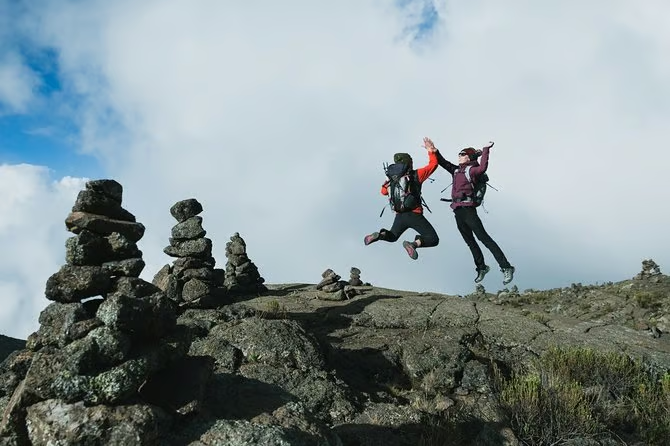
How To Brush Your Teeth On Kilimanjaro: Essential Hygiene Tips For Trekkers
Maintaining oral hygiene on Mount Kilimanjaro is crucial for comfort and health. Learn the best practices for brushing your teeth at altitude, from water conservation to gear selection...
View package details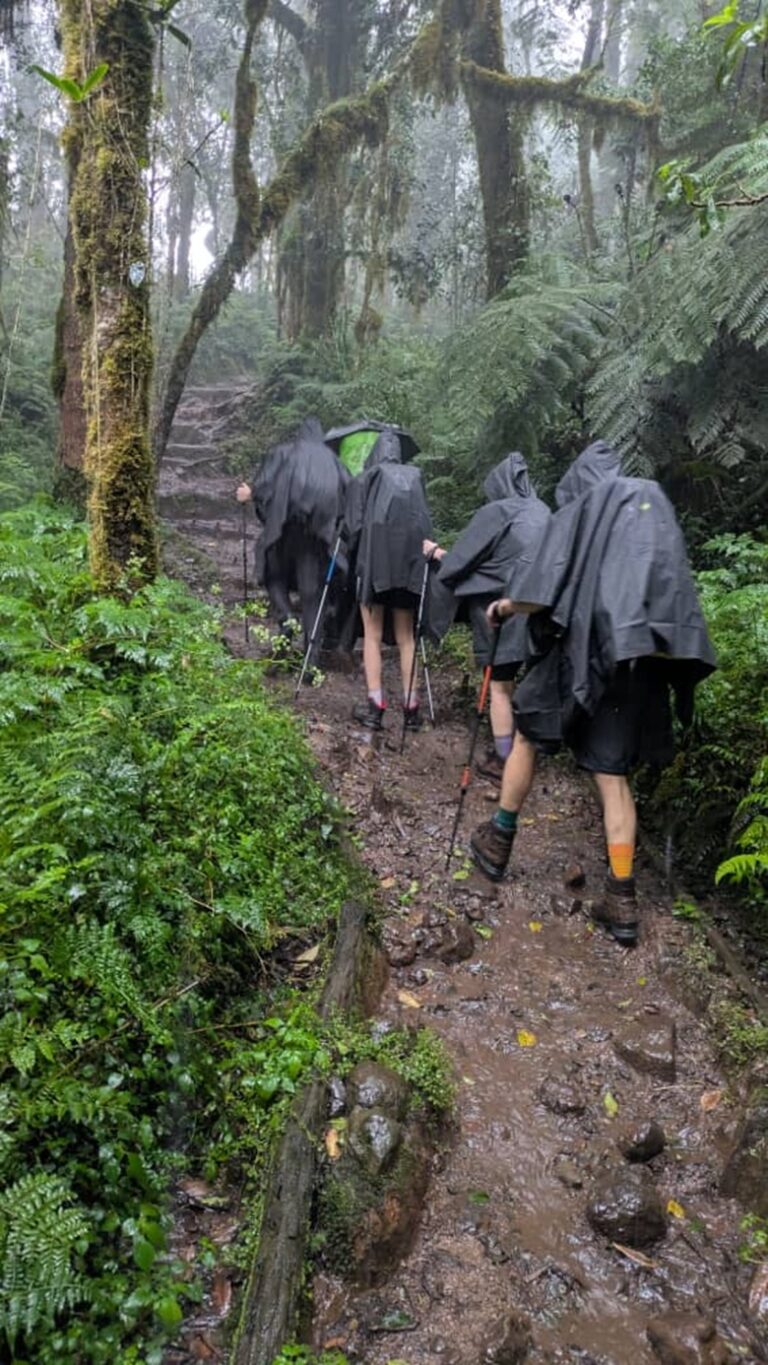
How To Wash On Mount Kilimanjaro 2026-2027
How to Wash on Mount Kilimanjaro is explained with current 2026-2027 planning, price, itinerary and booking information.
View package details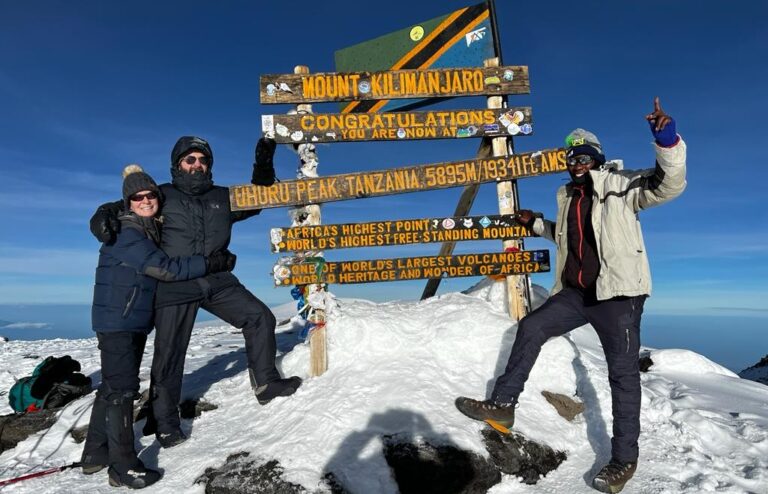
How Private Are Kilimanjaro Campsites? 2026-2027
How Private Are Kilimanjaro Campsites? is explained with current 2026-2027 planning, price, itinerary and booking information.
View package details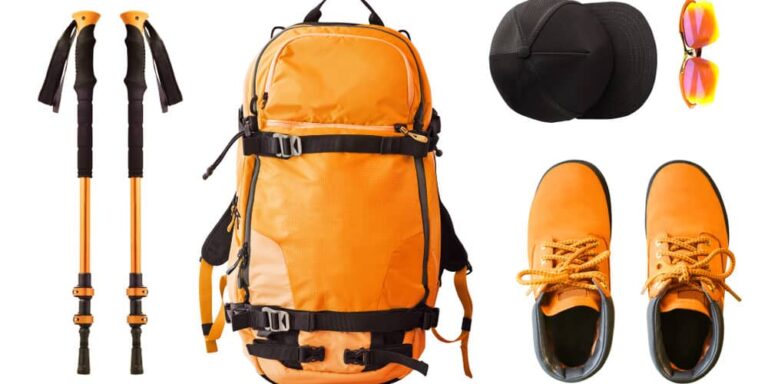
Are Kilimanjaro Camps Noisy At Night? A Climbers Guide To Sleep And Sound
Understand the noise levels at Kilimanjaro camps to better prepare for your trek. This guide covers what sounds you might hear, factors influencing noise, and how to ensure a restful...
View package details
Best Sleeping-Mat Setup For Kilimanjaro 2026-2027
Best Sleeping-Mat Setup for Kilimanjaro is explained with current 2026-2027 planning, price, itinerary and booking information.
View package detailsHow To Sleep At High Altitude On Kilimanjaro: Expert Tips For Climbers
Sleeping at high altitude on Kilimanjaro presents unique challenges, primarily due to altitude sickness. This comprehensive guide from Top Guide Adventures provides essential strategies for...
View package details
How To Sleep Warm In A Kilimanjaro Tent 2026-2027
How to Sleep Warm in a Kilimanjaro Tent is explained with current 2026-2027 planning, price, itinerary and booking information.
View package detailsNo related package matches those filters. Clear one or more filters to see the other topic-matched options.



